
2027 Best Online CompTIA Network+ Training Bootcamps

Co-Founder and Chief Data Scientist
You hear that 93% of professionals expect a salary gain after getting a CompTIA certification, and it puts the pressure on. How do you make sure you’re making the right investment? Choosing the wrong program can feel like a costly misstep that stalls your career before it even begins.
That's why our career planning experts, with 10 years of experience, built this guide. It does more than just list programs. We’re here to help you choose the best online CompTIA Network+ training bootcamps by showing you exactly how this certification unlocks a more secure and higher-paying career in technology.
What are the benefits of attending an online CompTIA Network+ training bootcamp?
- Gain access to essential IT roles like Network Administrator or Systems Admin that are needed in nearly every industry, from healthcare to finance.
- Unlock significant earning potential, with a median wage for tech occupations reaching an estimated $112,667 in 2024.
- Learn on your own terms with the flexibility to balance your studies with your current job and life commitments.
What can I expect from an online CompTIA Network+ training bootcamp?
You can expect a highly structured program that includes expert video lectures, readings, and plenty of practice exams to prepare you for test day. These components build your theoretical knowledge base.
However, the real value of a top-tier boot camp comes from the intensive, hands-on virtual labs. This is where theory turns into skill. You’ll be configuring virtual routers, troubleshooting network issues, and building security protocols in environments that mimic what you'll see on the job.
So, think of it as an active training ground, not a passive class. Your success depends on your participation and willingness to get hands-on experience in the lab environment. That’s how you’ll graduate with skills that employers are actually looking for.
Where can I work with an online CompTIA Network+ training bootcamp?
Every modern organization relies on a network to function; your skills are in demand across the board. You can find roles in the tech industry, of course, but also in finance, healthcare, manufacturing, government, and education. Any company with more than a handful of employees needs someone to manage its network infrastructure.
The specific job titles you’ll be aiming for immediately after certification are roles such as Network Administrator, IT Support Specialist, or Junior Systems Administrator. These are the critical, on-the-ground positions that keep businesses running.
Knowing these jobs are available everywhere leads us to the next big question. Let's talk about what you can earn.
How much can I make with an online CompTIA Network+ training bootcamp?
With data showing a 93% positive salary gain expectation after earning a CompTIA certification, the investment pays off. For the entry-level roles we just discussed, like an IT Support Specialist or Junior Network Admin, you can expect a starting salary in the $50,000 to $65,000 range.
It's important to understand that the real salary boost comes from the new job the certification allows you to get. The skills you gain from online CompTIA Network+ training bootcamps are what qualify you for positions that average over $70,000 annually, with a clear path for future growth.
- List of the Best Online CompTIA Network+ Training Bootcamps for 2027 List of Bootcamps
- How long does it take to complete an online CompTIA Network+ training bootcamp? Completion Time
- How does an online CompTIA Network+ training bootcamp compare to an on-campus training bootcamp? How does an online CompTIA Network+ training bootcamp compare to an on-campus training bootcamp?
- What is the average cost of an online CompTIA Network+ training bootcamp? Bootcamp Cost
- What are the financial aid options for students enrolling in an online CompTIA Network+ training bootcamp? Financial Aid
- What are the prerequisites for enrolling in an online CompTIA Network+ training bootcamp? What are the prerequisites for enrolling in an online CompTIA Network+ training bootcamp?
- What courses are typically in an online CompTIA Network+ training bootcamp? What courses are typically in an online CompTIA Network+ training bootcamp?
- What types of specializations are available in an online CompTIA Network+ training bootcamp? What types of specializations are available in an online CompTIA Network+ training bootcamp?
- How to Choose the Best Online CompTIA Network+ Training Bootcamp How to Choose the Best Online CompTIA Network+ Training Bootcamp
- What career paths are available for graduates of an online CompTIA Network+ training bootcamp? Career Paths
- Can This Certification Open Doors to Advanced Academic Opportunities? Can This Certification Open Doors to Advanced Academic Opportunities?
- What is the job market for graduates with an online CompTIA Network+ training bootcamp? Job Market
- How Do Bootcamps Stay Aligned with Rapid Technological Advances? How Do Bootcamps Stay Aligned with Rapid Technological Advances?
Best Online CompTIA Network+ Training Bootcamps for 2027
Choosing a CompTIA Network+ bootcamp is not just about finding the shortest course or the lowest tuition. The better question is whether a program can help you understand real networking concepts, practice troubleshooting, and prepare for the certification exam without leaving major skill gaps. That matters because Network+ is often the bridge between entry-level IT support and more specialized roles in network administration, cybersecurity, cloud support, and infrastructure operations.
This guide is for career changers, help desk professionals, junior IT workers, and self-taught learners who want structured online training for the CompTIA Network+ exam. You will learn which programs stand out, how long training usually takes, what costs to expect, when a short bootcamp makes sense, and how to compare online options before enrolling. If your longer-term goal is cybersecurity, Network+ can also pair well with later training such as a CompTIA CYSA+ course online.
Quick answer: What is the best online CompTIA Network+ bootcamp?
The best online CompTIA Network+ bootcamp is the one that matches your current experience level, schedule, budget, and need for instructor support. Short 3- to 5-day programs are usually best for experienced IT professionals who need exam review. Beginners should look for programs with enough time, hands-on labs, instructor access, and practice exams to build networking knowledge before attempting certification.
- Best for university-backed training: University of Houston, Georgia Southern University, University of New Hampshire, Indiana University South Bend, and The University of New Orleans PACE.
- Best for intensive certification preparation: InfoSec Institute.
- Best low-cost self-paced option: Zero To Mastery.
- Best decision rule: Pick a short intensive only if you already understand networking fundamentals; choose a longer or more supported option if you are new to IT.
How we ranked these programs
Because bootcamp tuition can be a meaningful investment, this ranking emphasizes transparent program information, institutional context, stated tuition, delivery format, and relevance to CompTIA Network+ exam preparation. Research.com also considers data from trusted education sources such as the IPEDS database, Peterson's database, the College Scorecard database, and The National Center for Education Statistics.
These sources help provide context when evaluating college-affiliated training options. To understand how Research.com evaluates education programs more broadly, visit Research.com and review the Research.com methodology page.
| Rank | Program | Program Length | Tuition or Cost | Accreditation or Provider Status | Best Fit |
| 1 | University of Houston - CompTIA Network+ Training Boot Camp | Varies (3-7 days) | $1,995.00 | Southern Association of Colleges and Schools Commission on Colleges (SACSCOC) | Learners who want a university-affiliated intensive program |
| 2 | Georgia Southern University - CompTIA Network+ Training Boot Camp | 5 days | $1,999.00 | Southern Association of Colleges and Schools Commission on Colleges (SACSCOC) | IT professionals seeking structured exam preparation |
| 3 | University of New Hampshire - CompTIA Network+ Training Boot Camp | 5 days | $2,099.00 | New England Commission of Higher Education (NECHE) | Learners moving from basic IT knowledge toward network administration |
| 4 | InfoSec Institute - CompTIA Network+ Boot Camp | 5 days | $1,499.00 (Live Boot Camp); $1,999.00 (Self-Paced) | CompTIA Authorized Partner | Certification-focused learners who want a CompTIA-authorized provider |
| 5 | Indiana University South Bend - Online CompTIA Network+ Training | Varies (3-7 days) | $1,895.00 | Higher Learning Commission (HLC) | Students who want an online university-affiliated training option |
| 6 | The University of New Orleans PACE - Network+ Training Boot Camp | 5 days | $1,895.00 | Southern Association of Colleges and Schools Commission on Colleges (SACSCOC) | Learners who already have A+-level knowledge and want Network+ review |
| 7 | Zero To Mastery - The Networking Bootcamp (CompTIA Network+ Certification) | 28 days | $199.00 (Annual); $25.00 (Monthly) | Not listed | Self-directed beginners looking for a low-cost learning path |
1. University of Houston - CompTIA Network+ Training Boot Camp
The University of Houston offers a focused CompTIA Network+ training boot camp for learners who want concentrated preparation in business networking concepts. The program covers the core work expected of network support professionals, including setting up, maintaining, and troubleshooting computer networks. Its main value is structured certification preparation connected to a recognized university.
- Program Length: Varies (3-7 days)
- Total Tuition: $1,995.00
- Accreditation: Southern Association of Colleges and Schools Commission on Colleges (SACSCOC)
2. Georgia Southern University - CompTIA Network+ Training Boot Camp
Georgia Southern University provides a 5-day boot camp built around the practical networking skills tested on the CompTIA Network+ exam. Students review network configuration, management, and troubleshooting in a compressed format. This option is best for learners who can commit to an intensive schedule and already have enough IT familiarity to keep pace.
- Program Length: 5 days
- Total Tuition: $1,999.00
- Accreditation: Southern Association of Colleges and Schools Commission on Colleges (SACSCOC)
3. University of New Hampshire - CompTIA Network+ Training Boot Camp
The University of New Hampshire offers a 5-day training boot camp for professionals ready to move beyond basic IT support and strengthen their networking foundation. The curriculum emphasizes network design, implementation, and troubleshooting, making it a practical choice for learners preparing for network administration responsibilities as well as the certification exam.
- Program Length: 5 days
- Total Tuition: $2,099.00
- Accreditation: New England Commission of Higher Education (NECHE)
4. InfoSec Institute - CompTIA Network+ Boot Camp
InfoSec Institute offers a certification-centered Network+ boot camp for learners who want a direct path through the exam objectives. As a CompTIA Authorized Partner, the provider focuses on helping students learn how to configure, manage, and troubleshoot network environments. The live boot camp may appeal to learners who want instructor-led pacing, while the self-paced option may fit those who need more schedule control.
- Program Length: 5 days
- Tuition: $1,499.00 (Live Boot Camp); $1,999.00 (Self-Paced)
- Accreditation: CompTIA Authorized Partner
5. Indiana University South Bend - Online CompTIA Network+ Training
Indiana University South Bend provides online CompTIA Network+ training for learners who want to validate practical skills in network setup, maintenance, and troubleshooting. The program is designed around preparation for the CompTIA Network+ certification exam and may be useful for students planning to enter IT support, network support, or cybersecurity-adjacent roles.
- Program Length: Varies (3-7 days)
- Total Tuition: $1,895.00
- Accreditation: Higher Learning Commission (HLC)
6. The University of New Orleans PACE - Network+ Training Boot Camp
The University of New Orleans PACE offers a Network+ boot camp intended for learners who already understand basic IT concepts and want to advance into networking. The course reviews network design, implementation, and troubleshooting while preparing participants for the CompTIA Network+ exam. It is a better fit for learners who have A+-level knowledge than for those starting from zero.
- Program Length: 5 days
- Total Tuition: $1,895.00
- Accreditation: Southern Association of Colleges and Schools Commission on Colleges (SACSCOC)
7. Zero To Mastery - The Networking Bootcamp (CompTIA Network+ Certification)
Zero To Mastery offers a lower-cost online networking bootcamp aimed at beginners and self-directed learners. The program introduces networking fundamentals and helps students work toward CompTIA Network+ readiness. Because the price is much lower than university-affiliated bootcamps, students should be prepared to manage their own study schedule and seek extra practice if needed.
- Program Length: 28 days
- Cost: $199.00 (Annual); $25.00 (Monthly)
How Long Does an Online CompTIA Network+ Bootcamp Take?
Online CompTIA Network+ bootcamps can range from short 3- to 7-day intensives to longer self-paced study plans. A short program can work well for someone who already has networking experience and needs exam-focused review. A beginner, however, usually needs more time to absorb subnetting, protocols, wireless standards, routing concepts, network security, and troubleshooting workflows.
The most important decision is not speed. It is fit. A 5-day bootcamp may be efficient for an experienced help desk technician, but it can be overwhelming for someone who has never configured a router, interpreted an IP address, or diagnosed a connectivity problem.
Which timeline fits your background?
| Learner Type | Best Training Format | Why It Makes Sense |
| Experienced IT professional | 3- to 5-day intensive bootcamp | You already know much of the material and mainly need exam review, practice questions, and targeted clarification. |
| Help desk worker or A+-level learner | 5-day bootcamp with additional self-study | You likely understand hardware and operating systems but may need extra time with routing, switching, and troubleshooting. |
| Beginner or career changer | Longer self-paced or supported program | You need time to build vocabulary, practice labs, and connect theory to real network problems. |
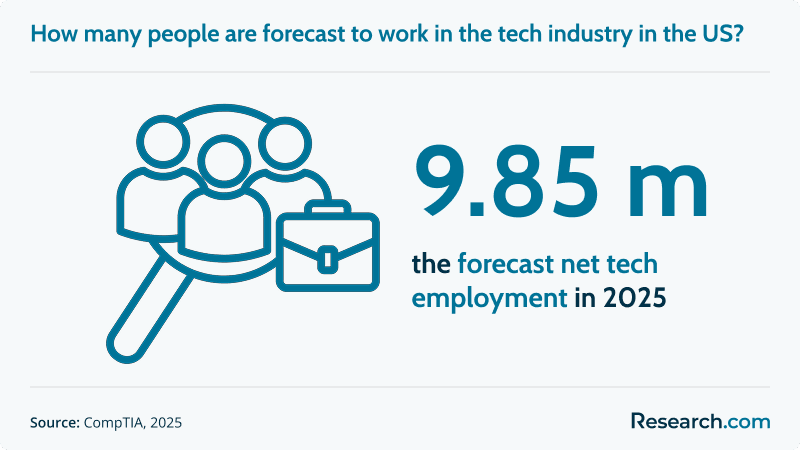
Short credentials can be useful, but compressed programs still require a real foundation. That principle applies across education paths, including accelerated options such as the shortest online degree in religious studies, where speed should not replace preparation. For Network+, taking enough time to learn the material can help you prepare for an industry with a forecast of 9.85 million professionals in the U.S. by 2025.
Online vs. On-Campus CompTIA Network+ Bootcamps: Which Is Better?
Online and on-campus Network+ bootcamps can both prepare students effectively, but they serve different needs. Online training is usually better for working adults, career changers, and learners who need schedule flexibility. On-campus training may be better for students who learn best through fixed class times, face-to-face instruction, and immediate in-person accountability.
| Factor | Online Bootcamp | On-Campus Bootcamp |
| Schedule | More flexible, especially if self-paced or recorded | More structured, with set meeting times |
| Cost beyond tuition | May reduce commuting, parking, and relocation expenses | May require travel, parking, meals, or local lodging |
| Learning environment | Works well for independent learners comfortable with digital tools | Works well for learners who prefer physical classrooms |
| Hands-on practice | Often delivered through virtual labs and simulations | May include physical lab equipment or classroom exercises |
| Networking with peers | Usually happens through discussion boards, chat, or live online sessions | Happens naturally before, during, and after class sessions |
If you are balancing work, family, or an unpredictable schedule, online training can make certification preparation more realistic. Similar format decisions affect learners in many fields, including nurses comparing shortest RN BSN to MSN online programs with campus-based options. The right format is the one you can complete consistently.
How Much Does an Online CompTIA Network+ Bootcamp Cost?
Based on the programs listed here, online CompTIA Network+ training ranges from a low-cost subscription model such as $199.00 (Annual) or $25.00 (Monthly) to university-affiliated bootcamps costing more than $2,000. A higher price may include live instruction, university affiliation, structured pacing, exam preparation resources, or student support. A lower price may still be useful, but it often requires more discipline and independent study.
Cost tiers to compare
| Cost Tier | Example | What You Usually Get | Best For |
| Low-cost self-paced course | Zero To Mastery at $199.00 (Annual) or $25.00 (Monthly) | Video lessons, independent study structure, and flexible pacing | Self-motivated learners who can create their own study plan |
| Provider-led bootcamp | InfoSec Institute at $1,499.00 (Live Boot Camp); $1,999.00 (Self-Paced) | Certification-focused training from a specialized provider | Learners who want direct exam preparation and a technology-training provider |
| University-affiliated bootcamp | University options around $1,895.00 to $2,099.00 | Structured training connected to a college or university brand | Students who value institutional affiliation and organized support |
When comparing tuition, ask what is included. Does the price cover practice exams, lab access, instructor support, exam vouchers, retake options, or career services? Credential decisions should be made with return on investment in mind. For example, professionals comparing medical coding credentials may weigh CPC vs CCS salary considerations against training cost; Network+ students should use the same cost-versus-outcome mindset.
Financial Aid and Payment Options for Online CompTIA Network+ Bootcamps
Many Network+ bootcamps are not traditional degree programs, so students should not assume that standard financial aid will apply. Instead, funding often comes through payment plans, employer support, scholarships, grants, or personal financing. Always confirm payment terms directly with the provider before enrolling.
- Payment plans: Some providers allow students to divide tuition into smaller payments instead of paying the full amount upfront.
- Employer tuition assistance: If your current role touches IT, operations, help desk support, security, or infrastructure, your employer may be willing to fund training that improves your job performance.
- Scholarships or grants: Some schools and workforce programs may offer funding for career changers, veterans, unemployed workers, or students entering technology fields.
- Personal loans: A bank, credit union, or private lender may be an option, but compare repayment terms carefully before borrowing.
- Workforce development funding: Local workforce agencies may support short-term technology training, especially for job seekers or displaced workers.
Do not overlook employer reimbursement
For current employees, employer assistance may be the most practical funding source. Before paying out of pocket, ask your manager or HR team whether professional development funds are available. Explain how Network+ training can help you troubleshoot connectivity issues, communicate better with IT teams, support secure operations, or prepare for internal advancement. If you are not sure how to start the conversation, review this guide on how to talk to your employer about funding your upskilling.
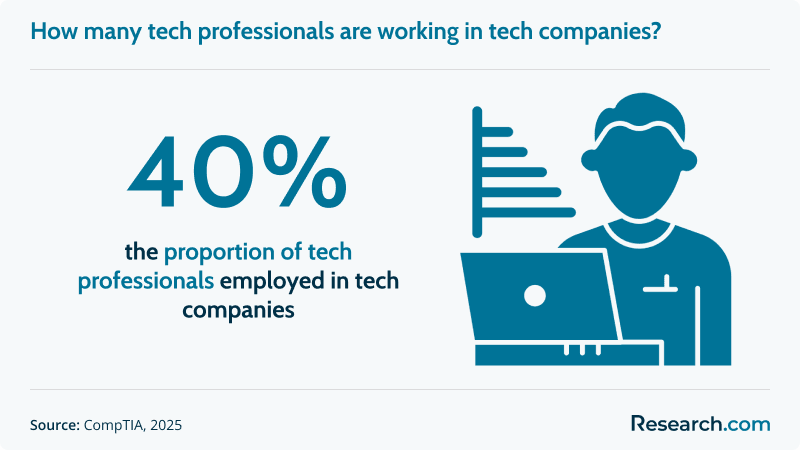
This can be especially relevant because 40% of all tech professionals currently work in the core tech industry, where infrastructure and networking knowledge remain central to daily operations.
Prerequisites for an Online CompTIA Network+ Bootcamp
CompTIA does not require a formal prerequisite before taking the Network+ exam. In practice, though, students perform better when they already understand basic hardware, operating systems, devices, and IT troubleshooting. That is why many learners complete A+-level study before moving into Network+.
Recommended starting point: A+-level knowledge
The knowledge covered in the CompTIA A+ certification gives students a practical base for Network+. Without that foundation, networking terms such as IP addressing, switches, routers, DNS, DHCP, and operating system configuration can feel disconnected. If you need to strengthen that base first, Research.com’s guide to the shortest online CompTIA A certification programs can help you compare beginner-friendly options.
| Your Current Background | Are You Ready for Network+? | Recommended Next Step |
| No IT experience | Not yet | Start with computer hardware, operating systems, and A+-level concepts. |
| Help desk or desktop support experience | Possibly | Review networking fundamentals before choosing an intensive bootcamp. |
| A+ certified or equivalent knowledge | Yes | Network+ is a logical next credential. |
| Network support experience | Yes | A short exam-prep bootcamp may be enough if your skills are current. |
A common credential path is A+ first, Network+ second, and Security+ later for learners moving toward cybersecurity. This sequence helps reduce knowledge gaps and gives each new skill area a stronger foundation.
What Do You Learn in a CompTIA Network+ Bootcamp?
A strong Network+ bootcamp should align with the major skill areas tested on the CompTIA Network+ exam. The goal is not memorization alone. Students should learn how networks are built, how devices communicate, how to secure and monitor systems, and how to diagnose failures when users cannot connect.
| Core Area | What It Covers | Why It Matters on the Job |
| Network Fundamentals | Protocols, ports, IP addressing, network models, and common terminology | You need the language of networking before you can troubleshoot or design systems. |
| Network Implementations | Switching, routing, wireless networks, and network devices | These skills help you understand how real networks are configured and connected. |
| Network Operations | Monitoring, documentation, performance, availability, and policies | Stable networks require ongoing management, not just initial setup. |
| Network Security | Access controls, secure protocols, attacks, segmentation, and defense basics | Every network role now requires awareness of risk and security practices. |
| Network Troubleshooting | Methodical diagnosis, tools, connectivity issues, and performance problems | Troubleshooting is one of the most valuable skills for entry-level and mid-level IT roles. |
Why networking affects the user experience
Networking is technical, but its impact is easy to see: applications slow down, video calls fail, websites stop loading, and employees lose productivity. A network professional must understand not only devices and protocols but also how performance affects the people using digital systems. That connection between technical performance and user satisfaction is also important in fields such as an accelerated user experience design degree online.
Mastering Network+ concepts can support long-term career movement in a technology labor market where tech occupation employment is expected to reach 7 million by 2035.
Can You Specialize After CompTIA Network+?
Most Network+ bootcamps do not offer formal specializations. Instead, Network+ works as a foundation for later specialization. Once you understand how networks operate, you can move toward vendor-specific networking, cybersecurity, cloud infrastructure, or systems administration.
| Path After Network+ | Why Network+ Helps | Possible Next Credential or Study Area |
| Network Engineering | You already understand routing, switching, addressing, and troubleshooting basics. | Cisco-focused training such as CCNA |
| Cybersecurity | Security analysts must understand how traffic moves, where vulnerabilities appear, and how networks are segmented. | CompTIA Security+, CompTIA CySA+, or security operations training |
| Cloud Computing | Cloud platforms still rely on networking concepts such as virtual networks, routing, identity, and secure access. | AWS, Azure, or Google Cloud certifications |
| Systems Administration | Administrators often manage servers, users, connectivity, permissions, and infrastructure reliability. | Operating system, virtualization, or infrastructure certifications |
For cybersecurity-minded learners, Network+ can be a strong stepping stone before moving into security operations, incident response, or risk-focused roles. Its concepts are also relevant to broader security and public safety studies, including programs such as the fastest online homeland security degree programs. Specialized skills are increasingly important: data shows that 54% of all job growth in tech since 2019 has come from tech services and custom software.
How to Choose the Best Online CompTIA Network+ Bootcamp
Marketing pages often make bootcamps sound similar. To choose well, compare what the program actually provides: labs, instructor access, exam alignment, support, total cost, and fit for your experience level. A program that works for an experienced technician may not work for a beginner, even if both advertise Network+ exam preparation.
Step-by-step bootcamp selection checklist
- Confirm the exam version. Ask whether the course aligns with the current CompTIA Network+ exam objectives.
- Review the lab environment. Look for realistic practice with troubleshooting, configuration, command-line tools, wireless concepts, and security scenarios.
- Check instructor qualifications. Strong instructors should have certification knowledge and practical networking experience.
- Ask what tuition includes. Clarify whether you receive lab access, practice exams, textbooks, exam vouchers, retake support, or career services.
- Match pace to your background. Do not choose a 5-day bootcamp if you need several weeks to learn fundamentals.
- Evaluate student support. Beginners should prioritize access to instructors, discussion forums, tutoring, or office hours.
- Compare outcomes carefully. Be cautious with any provider that implies certification automatically guarantees a job or salary increase.
Questions to ask before enrolling
- Is this course designed for beginners, experienced IT workers, or exam review?
- How many hands-on labs are included?
- Can I keep access to materials after the bootcamp ends?
- Are practice exams included?
- Does tuition include the Network+ exam voucher?
- What happens if I fall behind?
- Are instructors available outside scheduled sessions?
- Does the provider offer resume, interview, or job-search support?
- Are refunds, cancellations, or transfers allowed?
This kind of structured comparison is useful for any education investment, from short IT bootcamps to graduate business programs such as online MBA in management programs. The more clearly you define your goal, the easier it becomes to identify the program with the best value.
Common mistakes to avoid
| Mistake | Why It Can Hurt You | Better Approach |
| Choosing only by lowest price | A cheap course may lack labs, support, or exam practice. | Compare total value, not just tuition. |
| Assuming a 5-day bootcamp is beginner training | Short intensives can move too quickly for new learners. | Choose a longer path if you lack A+-level knowledge. |
| Ignoring hands-on practice | Networking is difficult to learn through videos alone. | Prioritize virtual labs and troubleshooting exercises. |
| Not checking what tuition includes | Exam vouchers, books, labs, and practice tests may cost extra. | Request a full cost breakdown before enrolling. |
| Expecting certification to guarantee employment | Employers also evaluate experience, communication skills, and problem-solving ability. | Build a portfolio of labs, practice interviews, and apply for realistic entry-level roles. |
Career Paths After an Online CompTIA Network+ Bootcamp
Network+ can help learners move into networking and infrastructure roles, but it is best viewed as a starting credential rather than the final destination. Most graduates still need practical experience, continued learning, and sometimes additional certifications to advance.
| Career Stage | Possible Role | What You Focus On |
| Year 1 | Junior Network Administrator or network support role | Applying fundamentals, documenting issues, escalating complex problems, and learning internal systems |
| Years 2-3 | Network Administrator | Managing network devices, monitoring performance, resolving outages, and supporting users |
| Year 4 | Security Analyst or specialized infrastructure role | Adding security knowledge, analyzing alerts, improving controls, or supporting specialized systems |
| Year 5 and beyond | Senior Analyst, Network Engineer, or cloud/network specialist | Designing systems, leading projects, mentoring junior staff, and solving complex infrastructure problems |
CompTIA reports that 91% of CompTIA certificate holders say they gain access to more career choices. That does not mean every student will see the same result, but it does show why many IT learners use certification as part of a broader career plan.
Can Network+ Support Advanced Academic Goals?
CompTIA Network+ is primarily a professional certification, not an academic degree. Still, the skills it represents can strengthen a learner’s technical profile before entering advanced study in computing, cybersecurity, systems engineering, or technology-focused interdisciplinary fields. Students who want to connect infrastructure knowledge with broader research interests may later consider graduate options such as masters in space studies online, especially when technology, communications, and complex systems are part of their academic direction.
Job Market Outlook for CompTIA Network+ Bootcamp Graduates
The job market for Network+ learners is strongest when the certification is paired with practical skill, hands-on troubleshooting experience, and a realistic job search strategy. Entry-level IT can be competitive, but employers continue to need workers who understand connectivity, infrastructure, cloud environments, and security fundamentals. Network+ helps show that you have baseline knowledge, but it should be supported by labs, projects, and clear examples of problem-solving.
Why networking remains useful across tech roles
Networking knowledge is not limited to network administrator jobs. Software systems, cloud platforms, cybersecurity tools, help desk operations, and business applications all depend on secure and reliable connectivity. Even students entering a fast-track software engineering bootcamp online benefit from understanding how applications communicate across networks.
The strongest opportunity is often not in staying at the most basic support level, but in using Network+ as a platform for specialization. Learners who continue into cloud, security, automation, or network engineering may be better positioned for long-term advancement than those who stop after one credential.
Current Trends Affecting Network+ Training
Network+ training continues to evolve because the work of networking is changing. Cloud infrastructure, remote work, hybrid environments, cybersecurity risks, IoT devices, and automation have made networks more distributed and more complex. A good bootcamp should not teach networking as if every system sits inside one office with simple hardware and static configurations.
- Cloud networking is now essential. Students should understand how traditional networking concepts apply to cloud platforms and virtual environments.
- Security is part of every networking role. Network support professionals need to recognize insecure protocols, segmentation issues, access problems, and common attack patterns.
- Automation and AI are changing workflows. Tools can help monitor networks and detect problems, but workers still need the judgment to interpret alerts and resolve root causes.
- Employers value practical proof. Labs, troubleshooting practice, and scenario-based experience can make a credential more credible.
- Broader computing knowledge helps. Learners who want deeper technical education may later compare options such as accelerated computer science degree programs.
Before enrolling, ask how often the provider updates course materials and whether the labs reflect current networking environments, not just older textbook examples.
What Graduates Say About Online CompTIA Network+ Bootcamps
- : "Working full time made an in-person class unrealistic for me. The online format let me study during breaks and complete labs at night. It required discipline, but it also helped me show employers that I was serious about moving forward in IT. — Tony"
- : "I already worked as a systems administrator, but I wanted to move toward cloud roles. Network+ helped me strengthen the areas I had been avoiding. Studying online let me spend more time on weak topics and less time reviewing concepts I already knew. — Maureen"
- : "Cost was my biggest concern, so I chose a program with a payment plan and treated it as a career investment. After certification, I accepted a role with a 20% salary increase, and studying from home also helped me avoid commuting expenses. — Jonah"
References
- CompTIA. (2024). Assessing outcomes, efficacy, and value. Retrieved July 29, 2025, from CompTIA outcomes and value report
- CompTIA. (2025). State of the Tech Workforce 2025. Retrieved July 29, 2025, from CompTIA State of the Tech Workforce 2025
- CompTIA. (2025, July). Tech Jobs Report July 2025. Retrieved July 29, 2025, from CompTIA Tech Jobs Report July 2025
- General Assembly. (2024, April 16). The state of tech talent acquisition 2024. Retrieved July 29, 2025, from General Assembly tech talent acquisition report
- McKinsey. (2025). McKinsey Technology Trends Outlook 2025. Retrieved July 29, 2025, from McKinsey Technology Trends Outlook 2025
- Additional retained source links: General Assembly source; CompTIA Tech Jobs Report source; CompTIA workforce source; CompTIA outcomes source; CompTIA outcomes source
Key Insights
- Network+ is best used as a career bridge. It can help move learners from basic IT support toward networking, cybersecurity, cloud, and infrastructure roles, but it works best when paired with hands-on practice.
- Short bootcamps are not always beginner-friendly. A 3- to 5-day course is usually exam review for learners with prior IT knowledge, not a complete introduction for someone starting from scratch.
- Cost varies widely. Listed options range from $199.00 (Annual) or $25.00 (Monthly) to more than $2,000, so compare support, labs, exam preparation, and included materials before choosing.
- A+-level knowledge is strongly recommended. CompTIA may not require prerequisites, but students who understand hardware, operating systems, and troubleshooting are usually better prepared for Network+ concepts.
- Hands-on labs matter more than marketing claims. The best program should help you practice diagnosing network problems, not just watch videos or memorize terms.
- Ask about total value before enrolling. Confirm the exam version, lab access, instructor support, practice exams, voucher policies, refund terms, and career services.
- Certification is not a job guarantee. Network+ can improve your credibility, but employers still look for practical skills, communication ability, experience, and evidence that you can solve real technical problems.
Other Things You Should Know About Online CompTIA Network+ Training Bootcamps
A strong 2027 online CompTIA Network+ bootcamp should cover the official N10-009 exam objectives from CompTIA. That includes networking concepts, infrastructure, network operations, network security, and troubleshooting. The course should map its lessons and practice labs directly to those domains.
The duration of the best online CompTIA Network+ training bootcamps in 2027 varies, typically ranging from 4 to 12 weeks. These courses are structured to provide intensive training, covering all necessary topics to prepare for the certification exam effectively.
Some 2027 online CompTIA Network+ bootcamps require prior IT experience or foundational knowledge in networking. Specific prerequisites vary by program, so checking each bootcamp's enrollment criteria is essential. Basic familiarity with concepts like IP addressing can be advantageous.


