
2027 Most Affordable Online Adult-Gerontology ACNP Graduate Certificate Programs

Co-Founder and Chief Data Scientist
Choosing an online Adult-Gerontology Acute Care Nurse Practitioner graduate certificate is a high-stakes decision for experienced nurses. The right program can help you move from RN or APRN practice into ICU, emergency, hospitalist, trauma, cardiology, and other high-acuity adult care roles. The wrong program can create problems with certification eligibility, clinical placement, tuition costs, or state authorization.
This guide is for nurses comparing affordable online AGACNP certificate programs in 2027. It explains what these certificates include, who they are best for, how long they take, what they cost, how online programs compare with campus programs, and how to evaluate accreditation, clinical support, board exam preparation, and return on investment before enrolling.
Quick answer: Is an online AGACNP graduate certificate worth considering?
An online adult-gerontology acute care nurse practitioner graduate certificate can be a practical option for MSN-, DNP-, or PhD-prepared nurses who want acute care NP eligibility without completing another full graduate degree. Most programs combine online coursework with supervised clinical hours in approved acute care settings. The strongest candidates usually have current RN or APRN licensure, recent acute or critical-care experience, and the ability to manage demanding coursework while coordinating clinical rotations.
The potential upside is meaningful: nurse practitioner employment is projected to increase 40% from 2023 to 2033, and nurse practitioners earn a median annual wage of roughly $132,050. However, outcomes depend on licensure rules, certification eligibility, clinical placement quality, local job markets, and the reputation and accreditation status of the program.
What are the main benefits of earning an online adult-gerontology ACNP graduate certificate?
- Higher earning potential: Adult-Gerontology ACNPs earn about $132,050 annually—roughly 38 % more than RNs.
- Strong labor-market demand: Nurse-practitioner employment is projected to grow 40% from 2023 to 2033, which is much faster than most occupations.
- Access to acute-care roles: The certificate can help qualified nurses pursue advanced NP work in ICUs, trauma services, emergency departments, inpatient specialty teams, and other adult acute-care environments.
What can I expect from an online adult-gerontology ACNP graduate certificate program?
An online adult-gerontology ACNP graduate certificate is a focused post-graduate pathway for nurses who already have advanced nursing education and want preparation for acute care practice with adult and older-adult patients. Instead of repeating an entire MSN or DNP curriculum, the certificate typically fills the gap between your previous graduate coursework and AGACNP certification requirements.
Most programs last 12–15 months and combine online classes with hands-on clinical training. Coursework commonly covers advanced pathophysiology, diagnostics, critical-care pharmacology, complex adult disease management, and evidence-based acute care decision-making. Clinical expectations are substantial: many programs require 500–700 supervised clinical hours in settings such as hospitals, ICUs, step-down units, emergency departments, and specialty inpatient services. The University of Washington’s 12- to 15-month track is one example of this type of compressed post-graduate format.
Online does not mean fully remote. Students should expect asynchronous modules, virtual case discussions, simulation-based assignments, faculty check-ins, local practicum requirements, and sometimes short campus visits for skills assessment. The best programs clearly explain who finds preceptors, how clinical sites are approved, and whether students may complete rotations in their home state.
| Program feature | What it usually means for students | Why it matters |
| Online didactic coursework | Lectures, readings, exams, case studies, and discussions are completed through a learning platform. | This supports working nurses, but it requires strong time management. |
| Clinical practicum hours | Students complete supervised acute-care experience, often 500–700 hours. | Clinical quality directly affects readiness for AGACNP practice and certification. |
| Gap analysis | The school reviews prior graduate coursework to determine which courses you still need. | This can shorten or lengthen the certificate depending on your academic record. |
| Skills intensives | Some programs require brief in-person sessions for procedures, simulation, or competency checks. | Travel costs and time away from work should be included in your budget. |
| Certification preparation | Programs may include board review, predictor exams, or faculty-led exam planning. | Graduation alone is not the endpoint; certification eligibility and exam readiness matter. |
Where can I work with an online adult-gerontology ACNP graduate certificate program?
Graduates who meet licensure and certification requirements usually pursue roles in acute and complex adult care settings. AGACNPs are most closely associated with hospital-based practice, where they assess unstable patients, order and interpret diagnostics, prescribe treatments within their scope of practice, participate in rounds, perform or assist with procedures, and collaborate with physicians, nurses, pharmacists, respiratory therapists, and other clinicians.
Common settings include inpatient medical units, ICUs, emergency departments, trauma services, specialty surgical teams, cardiology units, oncology services, long-term acute care hospitals, and specialty clinics that manage medically complex adults. According to the U.S. Bureau of Labor Statistics, nearly half of all nurse practitioners work in physicians’ offices, while more than 58,000 NPs work in hospitals as of 2022.
Top employing industries for nurse practitioners, including acute care specialists, include:
- Offices of Physicians
- Outpatient Care Centers
- General Medical and Surgical Hospitals
- Offices of Other Health Practitioners
- Psychiatric and Substance Abuse Hospitals
State demand also varies. The states with the largest numbers of NP jobs are:
- California
- Texas
- Florida
- New York
- Tennessee
Large hospital networks, academic medical centers, regional trauma systems, and areas with aging populations often create more opportunities for AGACNPs. Before choosing a program, confirm whether it is authorized to enroll students in your state and whether its clinical requirements align with your state board of nursing and certification goals.
How much can I make with an online adult-gerontology ACNP graduate certificate program?
An AGACNP certificate can support a move into higher-responsibility advanced practice roles, but salary should never be treated as guaranteed. Pay varies by state, employer, shift structure, specialty, union status, experience, certification, and whether the role is hospital-based, outpatient, procedural, or leadership-oriented.
The U.S. Bureau of Labor Statistics reports a median annual wage of roughly $132,050 for nurse practitioners as of May 2024. Salary sources that focus on acute care or adult-gerontology NP roles report different estimates because they use different datasets and job definitions:
- Zippia: Around $111,870 average annual salary for gerontological nurse practitioners.
- Salary.com: Approximately $110,814 median annual salary for acute care nurse practitioners.
- ZipRecruiter: About $117,423 average annual pay for Adult-Gerontology ACNPs in the U.S., or roughly $56.45/hour as of mid-2027.
- Indeed: Around $128,756 per year on average for acute care NPs based on recent job data from mid-2027.
- PayScale: Approximately $96,063 average annual base salary for AGACNP, with most salaries falling between $88K and $113K.
- Glassdoor: About $110,000 per year as base average pay, with total pay around $133,800 annually for acute care NPs when additional compensation is included.
Hospital roles, high-acuity specialties, night coverage, cardiothoracic ICU, trauma, and high-cost states such as California may pay more than general outpatient positions. The most useful salary research is local: compare job postings in your region, talk with hospital recruiters, and ask programs where recent graduates are employed.
- Most Affordable Online Adult-Gerontology ACNP Graduate Certificate Programs for CURRENT-YEAR
- How long does it take to complete an online adult-gerontology ACNP graduate certificate program?
- How does an online adult-gerontology ACNP graduate certificate program compare to an on-campus program?
- What is the average cost of an online adult-gerontology ACNP graduate certificate program?
- What are the financial aid options for students enrolling in an online adult-gerontology ACNP graduate certificate program?
- What are the prerequisites for enrolling in an online adult-gerontology ACNP graduate certificate program?
- What courses are typically in an online adult-gerontology ACNP graduate certificate program?
- What types of specializations are available online adult-gerontology ACNP graduate certificate programs?
- What emerging trends are shaping online adult-gerontology ACNP certificate programs?
- What are the board exam pass rates and career outcomes for online AGACNP graduates?
- What challenges do online AGACNP certificate programs present?
- Is the Investment in an Online Adult-Gerontology ACNP Certificate Program Worth It?
- What additional academic pathways can further elevate your expertise?
- How do you choose the best online adult-gerontology ACNP graduate certificate program?
- What career paths are available for graduates online adult-gerontology ACNP graduate certificate programs?
- What is the job market like for graduates with an online adult-gerontology ACNP graduate certificate?
Most Affordable Online Adult-Gerontology ACNP Graduate Certificate Programs for CURRENT-YEAR
Affordable AGACNP certificate programs give experienced nurses a way to add acute care NP preparation without taking on the cost or time commitment of another full graduate degree. The programs below are online or primarily online post-master’s options from accredited U.S. institutions. Compare them by tuition, credits, duration, accreditation, clinical requirements, state authorization, and whether the school supports clinical placement in your area.
If you are still comparing post-graduate credential options, Research.com also maintains a broader guide to the best graduate certificates.
How do we rank schools?
Research.com rankings are built using a structured methodology that emphasizes measurable program and institutional factors. Data sources include the National Center for Education Statistics IPEDS database, Peterson’s database and its distance learning information, and the U.S. Department of Education’s College Scorecard database.
These sources help evaluate affordability, institutional quality, distance learning availability, and student outcome indicators. Rankings should be used as a starting point, not a substitute for checking accreditation, certification alignment, clinical placement policies, and state eligibility with each school.
| Rank | School and certificate | Program cost | Duration | Credits | Accreditation |
| 1 | University of Nevada, Reno – Post-Master’s Adult-Gerontology Acute Care NP Certificate | $344/credit | ~1 year | 17 credits | CCNE, NWCCU |
| 2 | Arkansas State University – Post-Master’s Adult Gerontology Acute Care NP Certificate | ~$370/credit | 16 months | 21.5 credits | ACEN, HLC |
| 3 | University of Southern Indiana – Post-Master’s Adult-Gerontology Acute Care NP Certificate | $447/credit | ~1.5 years | 24 credits | CCNE, HLC |
| 4 | Northern Kentucky University – Post-Master’s Adult-Gerontology Acute Care NP Certificate | $578/credit | ~20–24 months | 35 credits | CCNE, SACSCOC |
| 5 | University of South Alabama – Post-Graduate Adult-Gerontological Acute Care NP Certificate | $594/credit | ~2 years | 33 credits | CCNE, SACSCOC |
| 6 | King University – Post-MSN Adult-Gerontology Acute Care NP Certificate | $605/credit | 12 months | 30 credits | CCNE, SACSCOC |
| 7 | William Paterson University – Post-Master’s Adult-Gerontology NP Certificate | $618.75/credit | 12 months | 27 credits | CCNE, MSCHE |
| 8 | University of Texas at Arlington – Post-Master’s Adult Gerontology Acute Care NP Certificate | $654/credit | As few as 5 courses | Varies; typically ~15–18 credits | CCNE, SACSCOC |
| 9 | Grand Canyon University – Post-MSN Acute Care NP Certificate (Adult-Gerontology) | $750/credit | ~18 months | 30 credits | CCNE, HLC |
| 10 | Herzing University – Post-Master’s Adult-Gerontology Acute Care NP Certificate | $755/credit | ~20 months | 33 credits | CCNE, HLC |
1. University of Nevada, Reno – Post-Master’s Adult-Gerontology Acute Care NP Certificate
University of Nevada, Reno (UNR) is a public research institution in Reno, Nevada. Founded in 1874, it serves as the state’s flagship land-grant university and holds R1 research classification. Its Orvis School of Nursing offers graduate nursing education connected to regional healthcare needs and clinical practice.
- Program cost: $344/credit (Nevada resident tuition)
- Program duration: ~1 year (3 semesters)
- Total credits: 17 credits
- Program/School Accreditation: CCNE, NWCCU
2. Arkansas State University – Post-Master’s Adult Gerontology Acute Care NP Certificate
Arkansas State University (A-State) is a public research university in Jonesboro, Arkansas, established in 1909. The institution has expanded from its agricultural and mechanical roots into a major Arkansas university with extensive online education. Its College of Nursing & Health Professions focuses on accessible, practice-oriented healthcare programs.
- Program cost: ~$370/credit (flat online tuition)
- Program duration: 16 months
- Total credits: 21.5 credits
- Program/School Accreditation: ACEN, HLC
3. University of Southern Indiana – Post-Master’s Adult-Gerontology Acute Care NP Certificate
The University of Southern Indiana (USI) is a public university in Evansville, Indiana, founded in 1965. Its College of Nursing and Health Professions supports graduate nursing students through clinical partnerships, health-focused facilities, and applied training for professional practice.
- Program cost: $447/credit (in-state tuition)
- Program duration: ~1.5 years (3 semesters)
- Total credits: 24 credits
- Program/School Accreditation: CCNE, HLC
4. Northern Kentucky University – Post-Master’s Adult-Gerontology Acute Care NP Certificate
Northern Kentucky University (NKU) is a public university in Highland Heights, Kentucky, near Cincinnati. Founded in 1968, NKU has developed a broad portfolio of professional programs. Its College of Health and Human Services houses nursing programs that emphasize evidence-based care and technology-supported learning.
- Program cost: $578/credit
- Program duration: ~20–24 months (estimated)
- Total credits: 35 credits
- Program/School Accreditation: CCNE, SACSCOC
5. University of South Alabama – Post-Graduate Adult-Gerontological Acute Care NP Certificate
The University of South Alabama (USA) is a public university in Mobile, Alabama, founded in 1963. With a medical center and a strong health sciences footprint, USA offers online nursing pathways for nurses seeking advanced specialty preparation, including adult-gerontological acute care.
- Program cost: $594/credit (same for in-state and out-of-state
- Program duration: ~2 years (flexible part-time)
- Total credits: 33 credits (approximate)
- Program/School Accreditation: CCNE, SACSCOC
6. King University – Post-MSN Adult-Gerontology Acute Care NP Certificate
King University is a private Presbyterian-affiliated university in Bristol, Tennessee. Established in 1867 as King College, it offers liberal arts and professional education with online graduate nursing options designed for working nurses.
- Program cost: $605/credit
- Program duration: 12 months (accelerated, full-time)
- Total credits: 30 credits
- Program/School Accreditation: CCNE, SACSCOC
7. William Paterson University – Post-Master’s Adult-Gerontology NP Certificate
William Paterson University (WP) is a public university in Wayne, New Jersey, founded in 1855. Once known primarily for teacher education, WP now offers programs across business, education, healthcare, and other professional fields, including online graduate nursing certificates.
- Program cost: $618.75/credit
- Program duration: 12 months (full-time)
- Total credits: 27 credits
- Program/School Accreditation: CCNE, MSCHE
8. University of Texas at Arlington – Post-Master’s Adult Gerontology Acute Care NP Certificate
The University of Texas at Arlington (UTA) is a large public research university within the UT System. Its College of Nursing and Health Innovation is known for online nursing education, and the post-master’s AGACNP certificate uses prior coursework review to determine each student’s remaining requirements.
- Program cost: $654/credit
- Program duration: As few as 5 courses (can be under 1 year if full-time)
- Total credits: Varies (gap analysis; typically ~15–18 credits)
- Program/School Accreditation: CCNE, SACSCOC
9. Grand Canyon University – Post-MSN Acute Care NP Certificate (Adult-Gerontology)
Grand Canyon University (GCU) is a private Christian university in Phoenix, Arizona, founded in 1949. Its online nursing and healthcare programs include a post-MSN acute care NP certificate with adult-gerontology emphasis and two brief campus immersion experiences for hands-on skills development.
- Program cost: $750/credit
- Program duration: ~18 months (including clinical practicum hours)
- Total credits: 30 credits (estimated, may vary)
- Program/School Accreditation: CCNE, HLC
10. Herzing University – Post-Master’s Adult-Gerontology Acute Care NP Certificate
Herzing University is a private nonprofit institution founded in 1965, with multiple campuses and a large online division. Its post-master’s AGACNP certificate is designed for nurses seeking a flexible, career-focused route into adult acute care practice.
- Program cost: $755/credit
- Program duration: ~20 months (accelerated track)
- Total credits: 33 credits
- Program/School Accreditation: CCNE, HLC
How long does it take to complete an online adult-gerontology ACNP graduate certificate program?
Most online AGACNP graduate certificates take about one to two years. Full-time students often finish in 12 to 15 months, while part-time students commonly need 18 to 24 months. The University of Washington structures its post-graduate AGACNP certificate across three consecutive quarters, and the University of Tulsa combines coursework and 600 practicum hours into a calendar-year model.
Program length depends heavily on the school’s gap analysis. If your previous graduate transcript already includes the “three P’s”—advanced physical assessment, advanced pathophysiology, and advanced pharmacology—you may need fewer courses. If those courses are missing, outdated, or do not meet the program’s standards, your timeline may increase.
GraduateCertificates.com reported in 2024 that nursing certificate timelines usually range from one to two years depending on transfer credits and prior coursework. Some accelerated NP programs move faster, but condensed schedules are demanding and may not be realistic for nurses working full time.
| Student situation | Likely timeline | Best fit |
| You have recent “three P” coursework and acute-care experience | 12–15 months | Nurses who can handle a fast sequence of online courses and clinicals |
| You need part-time study while working | 18–24 months | Nurses balancing employment, family responsibilities, and clinical hours |
| You need additional prerequisites or repeated coursework | May exceed the shortest advertised timeline | Nurses whose prior graduate courses do not fully match AGACNP requirements |
| You choose an accelerated option | Seven or eight intense months in some cases | Nurses who can devote major weekly time to school and clinical preparation |
How does an online adult-gerontology ACNP graduate certificate program compare to an on-campus program?
Accredited online and campus-based AGACNP certificates are designed to meet the same academic and clinical expectations when they lead to the same certification pathway. The important issue is not whether the classes are online; it is whether the program is properly accredited, approved for your state, clinically rigorous, and aligned with AGACNP certification eligibility.
A November 2023 Champlain College survey found that 84% of U.S. adults believe employers have become more accepting of online degrees since the pandemic. Online AGACNP students typically complete lectures and assignments remotely, participate in virtual case conferences, and complete clinical rotations in approved local settings. Campus students usually attend scheduled in-person classes and use campus simulation labs more frequently.
Many nurse practitioner programs online now provide advising, tutoring, clinical-placement guidance, library access, exam preparation, and technical support remotely. Campus programs may offer more face-to-face faculty contact and easier access to on-site simulation resources. Online programs may reduce relocation, commuting, housing, and some campus-related costs, but students should still budget for clinical tracking fees, background checks, equipment, and any required campus intensives.
| Factor | Online AGACNP certificate | On-campus AGACNP certificate |
| Course delivery | Mostly virtual, often asynchronous with scheduled activities | Primarily face-to-face or hybrid on a fixed schedule |
| Clinical hours | Completed in approved local or regional acute-care sites | Completed through campus-connected or regional clinical partners |
| Flexibility | Usually better for working nurses | Better for students who prefer set class times and direct access |
| Cost considerations | May reduce relocation and commuting costs | May involve commuting, campus fees, or relocation |
| Best for | Self-directed nurses with reliable technology and local clinical access | Learners who want in-person structure, labs, and faculty interaction |
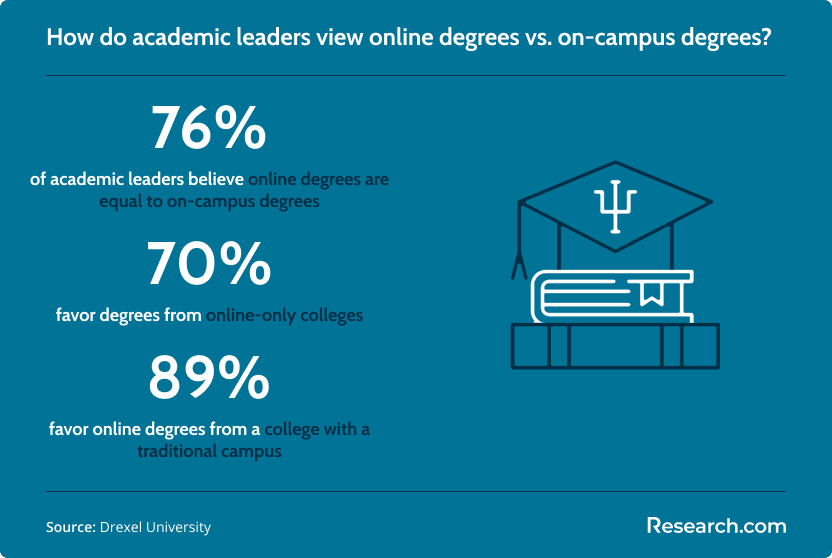
Survey data also show that 76% consider online degrees equal to on-campus ones, and 89% especially value online programs from traditional colleges. Even so, nurses should ask employers and state boards about credential acceptance rather than assuming all online programs are viewed the same.
What is the average cost of an online adult-gerontology ACNP graduate certificate program?
An online adult-gerontology ACNP graduate certificate is usually less expensive than completing another full master’s or doctoral degree because students take fewer credits. Public universities often list tuition between $500–$900 per credit, which means a 15-credit plan may cost roughly $7,500 – $13,500 before fees.
Certificate pricing can resemble other targeted graduate options, including some of the cheapest MSN MBA programs online, because students pay by credit hour and complete a narrower curriculum. The University of Tulsa, for instance, publishes $13,950 for its 18-credit certificate over three semesters. Private schools may charge more per credit, but the shorter credit load often keeps totals in the $10 K–$20 K range rather than the $40 K–$60 K often associated with full graduate degrees.
Harvard Extension School lists an average of $11,980 for four-course graduate certificates in 2027, which helps illustrate why certificates can be a lower-cost way to document focused graduate-level preparation. Still, tuition is not the full price. Students may also pay application fees, technology fees, clinical placement or tracking fees, background check costs, immunization documentation fees, malpractice insurance, textbooks, equipment, certification review materials, exam fees, and travel for any required campus sessions.
| Cost category | What to ask before enrolling |
| Tuition | Is the published rate per credit, per course, per semester, or total program cost? |
| Fees | Are technology, clinical, simulation, graduation, and distance learning fees included in the estimate? |
| Clinical expenses | Who pays for background checks, drug screening, immunizations, malpractice coverage, and clinical tracking systems? |
| Travel | Are campus intensives required, and how many days will you need to be away from work? |
| Certification costs | Does tuition include board review resources, or will you purchase them separately? |
| Opportunity cost | Will clinical hours require reduced work hours, unpaid time off, or schedule changes? |
What are the financial aid options for students enrolling in an online adult-gerontology ACNP graduate certificate program?
Financial aid eligibility depends on the school, program structure, enrollment status, and whether the certificate is Title IV eligible. Students should start by asking the financial aid office whether the specific AGACNP certificate qualifies for federal aid; not all certificate programs do.
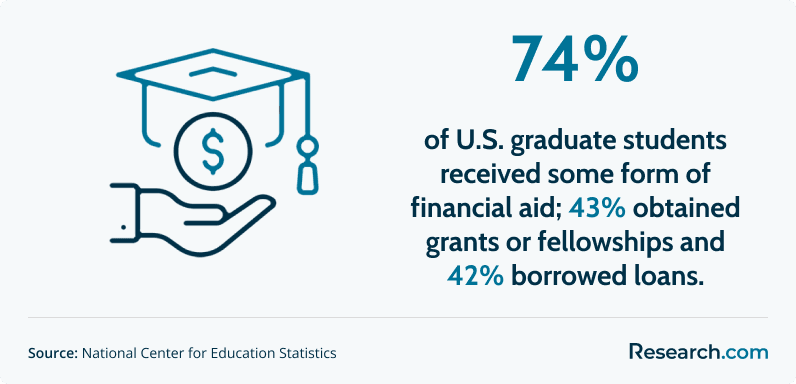
If eligible, students may file the FAFSA and use Federal Direct Unsubsidized Loans and, when appropriate, Grad PLUS Loans. A July 2023 NCES brief found that 74% of U.S. graduate students received some form of financial aid; 43% received grants or fellowships and 42% used loans.
Other funding sources may include institutional scholarships, alumni discounts, nursing school awards, payment plans, military or veteran benefits, and employer tuition reimbursement. Many hospital employers support graduate nursing education, sometimes with annual reimbursement limits such as $3,000 – $5,000 per year. Nurses planning to work in underserved settings may also explore service-based repayment options, including the federal Nurse Corps Loan Repayment Program, which can erase up to 85% of eligible debt for qualifying participants.
Professional organizations can also help. Groups such as the American Association of Critical-Care Nurses offer competitive $10,000 academic scholarships each cycle. Because deadlines and eligibility rules vary, create a funding calendar before applying.
What are the prerequisites for enrolling in an online adult-gerontology ACNP graduate certificate program?
AGACNP certificate programs are selective because they prepare nurses for high-acuity decision-making. Most are designed for nurses who already hold graduate nursing preparation and are ready to add a new population or specialty focus. Requirements are similar in rigor to those for affordable online psychiatric mental health nurse practitioner certificate programs, which also expect advanced nursing education, licensure, and relevant clinical experience.
Typical prerequisites include:
- Master of Science in Nursing—or DNP/PhD—from a CCNE or ACEN school
- Unencumbered, current RN license, with many programs also preferring or requiring APRN licensure
- Graduate “3 P” courses: advanced assessment, pathophysiology, and pharmacology completed within 5 years
- One to two years of recent acute or critical-care nursing experience preferred
- Minimum 3.0 graduate GPA plus résumé, goal statement, and two professional references
- Proof of immunizations, background check, and malpractice coverage before beginning clinical hours
Applicants should also verify state authorization before applying. A program may be accredited but still unable to place students in every state because of state board, clinical site, or distance education rules.
What courses are typically in an online adult-gerontology ACNP graduate certificate program?
AGACNP certificate coursework focuses on the assessment and management of acutely ill adult and older-adult patients. Students who have not already completed acceptable APRN core classes may need additional work before moving into specialty courses. The sequence is often comparable in structure to other online nurse practitioner programs, but the clinical focus is hospital-based and high-acuity rather than broad primary care.
- Advanced Acute Care Management I–III: Progressive courses focused on unstable adult patients, acute exacerbations, multisystem disease, and complex critical-care decision-making.
- Diagnostics & Procedures for Acute Care: Training in interpreting laboratory results, imaging, and diagnostic findings, along with exposure to procedures such as intubation, central-line insertion, and chest-tube placement.
- Advanced Pharmacology for Critical Care: Study of high-risk medications, vasoactive drips, sedation, emergency medications, and pharmacologic management of critically ill adults.
- Clinical Practicums I–III: Supervised practice totaling 500–700 hours in settings such as ICUs, emergency departments, step-down units, trauma services, cardiology, or other acute-care environments.
Many programs also integrate ethics, care transitions, interprofessional teamwork, evidence appraisal, and quality improvement so graduates can function safely within complex hospital systems.
What types of specializations are available online adult-gerontology ACNP graduate certificate programs?
Most AGACNP certificates do not offer formal sub-specialization tracks on the transcript. Instead, students often shape their expertise through clinical placements, elective experiences, preceptor selection, and post-certification employment. This matters because a student whose rotations are concentrated in cardiac ICU may graduate with a different practical skill set than a student who completes major hours in trauma, oncology, or hospitalist medicine.
- Critical Care: Care for ventilated patients, patients on vasoactive medications, and adults with organ failure in ICU environments.
- Cardiology: Work with heart failure, arrhythmia, post-procedure, electrophysiology, or cardiac surgery patients.
- Trauma / Emergency: Participate in stabilization, assessment, and acute management of injured or unstable adults.
- Oncology Acute Care: Manage complications related to chemotherapy, infection, transplant care, and advanced cancer treatment.
- Palliative / Hospice: Support symptom management, serious-illness communication, and goals-of-care planning.
- Hospitalist Medicine: Manage admissions, daily inpatient care, care coordination, and discharge planning.
When comparing programs, ask whether clinical placement can support your intended specialty. A low-cost program is less valuable if it cannot help you access the type of acute-care rotation you need.
What emerging trends are shaping online adult-gerontology ACNP certificate programs?
Online AGACNP programs are changing as acute care practice becomes more technology-enabled and team-based. Many schools now use virtual simulation, telehealth scenarios, remote case conferences, learning analytics, and digital clinical documentation tools to strengthen online instruction. These tools do not replace bedside clinical hours, but they can help students practice diagnostic reasoning, escalation decisions, and interprofessional communication before entering high-acuity placements.
Tele-ICU models, remote patient monitoring, virtual specialty consults, and AI-supported clinical workflows are also affecting what acute care NPs need to understand. Programs that discuss these realities can better prepare nurses for modern inpatient practice. Nurses exploring broader entry points into graduate nursing may also compare related options such as MSN direct entry programs online, although those pathways serve a different audience than post-master’s AGACNP certificates.
What are the board exam pass rates and career outcomes for online AGACNP graduates?
Board exam pass rates and employment outcomes are among the most important quality indicators for an AGACNP certificate. Before applying, ask each school for first-time certification pass rates, overall pass rates, completion rates, clinical placement rates, graduate employment information, and the types of settings where alumni work. If a school cannot provide clear outcome data, ask why.
Also evaluate how the program supports certification preparation. Strong programs may offer faculty-led review, practice exams, case-based board preparation, and early identification of students who need academic support. Compare these outcomes with other advanced nursing pathways, including the most affordable online psychiatric nurse practitioner programs, if you are still deciding between acute care and another NP specialty.
What challenges do online AGACNP certificate programs present?
Online AGACNP certificates can be flexible, but they are not easy. Students must manage graduate-level coursework, clinical hour requirements, employment, family responsibilities, technology platforms, and communication with faculty and preceptors. The most common stress point is clinical placement, especially for students in areas with limited ICU, trauma, or hospitalist preceptor availability.
Online learners also need comfort with asynchronous learning. If you rely heavily on in-person lectures, immediate faculty feedback, or structured campus routines, an online certificate may feel isolating. Nurses who are entering advanced nursing from a nontraditional background may need a more comprehensive pathway, such as nurse practitioner programs for non-nurses, rather than a post-graduate AGACNP certificate.
| Common challenge | Why it creates risk | Better way to evaluate the program |
| Assuming the school finds every clinical site | Some programs expect students to identify preceptors independently. | Ask for the clinical placement policy in writing before enrolling. |
| Choosing only by tuition | The cheapest option may have weak support, limited placement help, or hidden fees. | Compare total cost, outcomes, accreditation, and clinical access together. |
| Ignoring state authorization | You may be unable to complete clinicals or meet licensure requirements in your state. | Confirm eligibility with the school and your state board of nursing. |
| Underestimating workload | Clinical hours plus advanced coursework can strain full-time work schedules. | Ask current students or advisors how many hours per week the program requires. |
| Skipping certification alignment | Not every program may match your intended board pathway or state expectations. | Request written confirmation of certification eligibility. |
Is the Investment in an Online Adult-Gerontology ACNP Certificate Program Worth It?
An online AGACNP certificate may be worth the investment if it helps you qualify for the specific acute-care role you want, offers reliable clinical placement support, prepares graduates for certification, and fits your budget without creating unmanageable debt. The certificate is especially practical for nurses who already have graduate nursing education and want to change or add a specialty without starting over.
The investment is less compelling if you are uncertain about acute care, lack recent high-acuity experience, cannot reduce work hours for clinicals, or live in a state where the program cannot support placement. Before enrolling, compare tuition, fees, lost work time, employer reimbursement, board exam costs, expected salary in your local market, and job availability in your preferred specialty. Nurses comparing other cost-effective advanced practice routes may also review affordable womens health NP programs.
What additional academic pathways can further elevate your expertise?
After completing an AGACNP certificate, some nurses pursue additional education in leadership, education, quality improvement, informatics, palliative care, or doctoral practice. The right next step depends on whether you want to remain primarily clinical, move into management, teach, conduct research, or lead advanced practice teams.
For nurses earlier in their education journey, options such as an RN to BSN online no clinical program may be more appropriate than a post-graduate AGACNP certificate. For AGACNP-prepared nurses, later pathways may include a DNP, post-graduate certificates in related specialties, leadership certificates, or teaching-focused graduate coursework.
How do you choose the best online adult-gerontology ACNP graduate certificate program?
The best online AGACNP certificate is not simply the lowest-cost option. It is the program that meets certification and licensure requirements, supports strong clinical learning, fits your schedule, and offers a credible return on investment. Use rankings to create a shortlist, then verify the details directly with each school.
Important factors include:
- Accreditation & reputation: Look for CCNE or ACEN nursing accreditation and institutional accreditation from a recognized accreditor.
- Certification outcomes: Ask for AGACNP first-time pass rates, overall pass rates, and board preparation resources.
- Clinical placement help: Clarify whether the school secures preceptors, helps identify sites, or leaves placement primarily to students.
- Faculty responsiveness: Ask how quickly faculty respond, how advising works, and how struggling students receive support.
- Format & flexibility: Compare asynchronous classes, live sessions, required campus visits, and clinical scheduling expectations.
- Program length: Decide whether an 8–12-month accelerated format or a slower part-time plan is realistic.
- Cost & aid: Review total tuition, all fees, travel requirements, scholarships, loans, and employer reimbursement.
Accreditation and outcomes matter in every graduate program comparison, whether you are reviewing nursing certificates or an affordable online business law masters degree. For AGACNP students, clinical placement quality and certification eligibility deserve extra scrutiny because they directly affect practice readiness.
| Question to ask | Why it matters |
| Is the nursing program CCNE or ACEN accredited? | Accreditation affects credibility, certification pathways, and employer confidence. |
| Can I complete clinical hours in my state? | State authorization and clinical site availability can determine whether you can finish the program. |
| Who is responsible for finding preceptors? | Students may face delays if placement support is limited. |
| What are recent board exam pass rates? | Pass rates help indicate whether students are being prepared effectively. |
| What is the full cost, including fees and travel? | Tuition alone may understate the real cost of attendance. |
| Where do recent graduates work? | Employment outcomes show whether the program connects to the roles you want. |
What career paths are available for graduates online adult-gerontology ACNP graduate certificate programs?
Graduates who complete an AGACNP certificate and meet certification and licensure requirements can pursue advanced practice roles focused on acutely ill adults and older adults. These roles sit within the broader nurse practitioner career field but are concentrated in high-acuity and complex-care settings.
AGACNP practice is technical, fast-moving, and team-based. In that sense, it resembles other specialized career tracks where targeted training leads to a defined practice environment, even in unrelated fields such as affordable online electrical lineworker training program graduates entering safety-critical technical work.
- ICU or critical-care NP: Manage critically ill adults, including ventilated patients and those with multisystem failure.
- Hospitalist NP: Support admissions, inpatient rounds, care coordination, and discharges on medical units.
- Specialty acute-care NP: Work in cardiology, oncology, nephrology, trauma, neurosurgery, or surgical services.
- Emergency/urgent-care NP: Evaluate and stabilize adult patients in emergency departments or rapid-response settings.
- Leadership or educator roles: Move into NP team leadership, clinical education, or acute-care faculty roles.
- LTACH, rehab, or tele-ICU NP: Provide care in long-term acute care hospitals, rehabilitation settings, or remote critical-care consult models.
Your clinical placements can influence your first job. Students who want cardiology, trauma, oncology, or ICU work should prioritize programs that can support those rotations.
What is the job market like for graduates with an online adult-gerontology ACNP graduate certificate?
The labor market for AGACNP-prepared nurses is supported by broader nurse practitioner demand. The Bureau of Labor Statistics projects nurse-practitioner employment to grow 40% from 2023 to 2033. Hospitals, specialty practices, and acute-care systems continue to use NPs in roles that support inpatient management, ICU coverage, procedural services, specialty consults, and transitions of care.
Urban academic hospitals often post the largest number of openings because they operate many specialty services and high-acuity units. Rural hospitals and critical-access facilities may also recruit acute-care NPs, sometimes using relocation support or incentives to attract candidates. Graduates may receive job leads through clinical sites, but job offers are not automatic and depend on performance, local openings, certification status, and employer needs.
Additional credentials can improve marketability. Depending on your specialty, relevant nursing certifications online or professional certifications in critical care, palliative care, or related areas may strengthen your profile. Employers often value candidates who can show both AGACNP preparation and focused experience in areas such as cardiology, trauma, oncology, ICU, or hospital medicine.
Common mistakes to avoid when choosing an online AGACNP certificate
- Choosing by tuition alone: A low per-credit rate does not guarantee strong clinical support, board preparation, or employer recognition.
- Assuming online means no travel: Some programs require campus intensives, skills labs, or in-person assessments.
- Not checking state authorization: You must confirm that the school can enroll you and support clinicals in your state.
- Overlooking clinical placement responsibility: Programs vary widely in how much they help students secure preceptors.
- Ignoring board exam outcomes: Ask for pass rates and certification preparation details before committing.
- Underestimating time demands: Clinical hours, assignments, exams, and work schedules can create significant pressure.
- Assuming all NP roles are interchangeable: AGACNP preparation is different from primary care, family practice, psychiatric, or women’s health NP preparation.
Key Insights
- An online AGACNP graduate certificate is best for graduate-prepared nurses who want acute care NP preparation without completing another full degree.
- Most programs take 12–15 months full time or 18–24 months part time, but the exact timeline depends on gap analysis, transfer credits, and missing “three P” coursework.
- Nurse practitioner jobs, including AGACNP roles, are projected to grow 40% from 2023 to 2033, and nurse practitioners earn a median annual wage of roughly $132,050.
- Affordable programs can still vary widely in total cost, especially after fees, campus intensives, clinical expenses, certification review, and reduced work hours are included.
- Accreditation, certification alignment, state authorization, and clinical placement support are more important than whether the program is online or campus-based.
- The strongest program choice is the one that fits your target specialty, helps you complete high-quality acute-care clinical hours, and provides transparent outcome data.
References
- AANP. Career information for acute care nurse practitioners
- AACN. Nursing Excellence Grants
- Academic Partnerships. Post-Master’s Adult Gerontology Acute Care Practitioner Certificate
- Arkansas State University. Graduate Certificate in Adult-Gerontology Acute Care
- Bureau of Health Workforce (HRSA). Nurse Corps Loan Repayment Program
- Bureau of Labor Statistics. Nurse practitioner employment overview
- Bureau of Labor Statistics. Nurse Anesthetists, Nurse Midwives, and Nurse Practitioners
- Bureau of Labor Statistics. Occupational Employment and Wage Statistics: Nurse Practitioners
- Drexel University Online. Online Degree vs Traditional Degree
- Education Data Initiative. Average Cost of College
- Freshrn. How to Choose an NP Program
- Glassdoor. Acute Care Nurse Practitioner Salaries
- Grand Canyon University. Post-MSN Acute Care Nurse Practitioner Certificate
- GraduateCertificates.com. Nurse practitioner graduate certificate timelines
- Harvard Extension School. The Value of a Graduate Certificate
- Herzing University. Post-Master’s Certificate AGACNP
- Indeed. Acute Care Nurse Practitioner Salaries
- King University Online. Post-Master’s AGACNP Certificate
- National Center for Education Statistics. IPEDS Trend Generator
- National Center for Education Statistics. Graduate student financial aid press release
- New Jersey Institute of Technology. The Value of a Graduate Certificate
- NurseJournal. FNP vs AGNP
- Online William Paterson University. Adult-Gerontology Nurse Practitioner Certificate
- Salary.com. Adult-Gerontology Acute Care Nurse Practitioner Salary
- Seattle University. Nurse Practitioner Acute Care Certificate
- South University. Post Graduate Nursing Certificate Programs
- University of Nevada, Reno. Adult-Gerontology Acute Care Nurse Practitioner Certificate
- University of Southern Indiana. Post-MSN Certificate: AGACNP
- University of Tulsa Online. AGACNP Graduate Certificate
- University of Washington School of Nursing. Adult-Gerontology Acute Care NP Certificate
- University of Washington School of Nursing. AGACNP Post-Graduate Certificate
- ZipRecruiter. Adult-Gerontology Acute Care Nurse Practitioner Salary
- Zippia. Gerontological Nurse Practitioner Jobs
Other Things You Should Know About Online Adult-Gerontology ACNP Graduate Certificate Programs
Yes. These certificates require supervised clinical practicum hours, usually completed at an approved healthcare site near the student’s home. Online coursework is paired with in-person clinical placement, and many programs require a background check, immunizations, and proof of RN licensure before clinicals begin.
Prerequisites typically include a Bachelor of Science in Nursing (BSN), an active RN license, and clinical practice experience. Each program may have specific requirements, so it is important to check each school's criteria for the 2027 affordable program options.
The most affordable online Adult-Gerontology ACNP graduate certificate programs in 2027 typically require the completion of 12 to 18 credit hours. This may vary by institution, so it's advisable to check specific program requirements for precise information.


