
2027 How to Become a Pediatric Nurse – Salary & Requirements

Co-Founder and Chief Data Scientist
Choosing pediatric nursing means deciding whether you want a nursing career centered on children, families, development, prevention, acute illness, and long-term support. The path can be straightforward—earn an RN license, gain pediatric experience, and consider certification—but the best route depends on your current education, budget, preferred work setting, and long-term goals.
This guide explains how to become a pediatric nurse in 2026, including education options, licensure, certification, specializations, skills, salary factors, career growth, stress management, technology trends, and common mistakes to avoid. It is written for high school students exploring nursing, current nursing students, licensed practical nurses, registered nurses who want to move into pediatrics, and healthcare professionals considering pediatric advanced practice. More than 53,000 nursing professionals in the United States have earned certification through the Pediatric Nursing Certification Board (PNCB, n.d.), showing that pediatric nursing is a well-established specialty with multiple career directions.
How to Become a Pediatric Nurse Table of Contents
- What does a pediatric nurse do?
- What education do you need to become a pediatric nurse?
- Which pediatric nursing specializations can you pursue?
- How do licensure and certification work for pediatric nurses?
- What skills do pediatric nurses need?
- How much do pediatric nurses earn, and what affects job outlook?
- What career opportunities are available after pediatric nursing experience?
- Why does professional development matter in pediatric nursing?
- How can mentorship and continuing education support advancement?
- What financial factors should you consider before choosing this path?Compare mentoring and education options
- How can pediatric nurses reduce burnout risk?
- What legal and ethical issues affect pediatric nursing?
- How does research shape pediatric nursing practice?
- What challenges should future pediatric nurses expect?
- How can an RN become a pediatric nurse practitioner?
- What alternative pathways can lead to pediatric nursing?Review the RN-to-PNP pathway
- How is technology changing pediatric nursing?Explore technology in pediatric care
- Which advanced education pathways can expand pediatric nursing careers?
Quick Answer: How Do You Become a Pediatric Nurse?
To become a pediatric nurse, you generally complete an approved nursing program, pass the NCLEX-RN, obtain an RN license, and seek work in a pediatric setting such as a children’s hospital, pediatric clinic, school, emergency department, neonatal unit, or home healthcare program. Many pediatric nurses begin with either an Associate Degree in Nursing, a Bachelor of Science in Nursing, or a nursing diploma. Certification is usually voluntary, but credentials from organizations such as the Pediatric Nursing Certification Board can help demonstrate pediatric expertise and support career mobility.
| Decision Point | What It Means for You | Best Fit |
| ADN route | A shorter entry path that may help you become eligible for RN licensure sooner than a traditional four-year BSN route. | Students who want a practical, lower-barrier entry into registered nursing. |
| BSN route | A four-year undergraduate nursing degree that may offer broader coursework, leadership preparation, and stronger advancement options. | Students who want long-term flexibility in hospitals, leadership, graduate study, or specialty practice. |
| RN to pediatric nurse | Licensed RNs can move into pediatrics by applying for pediatric units, clinics, schools, or specialty settings and building child-focused experience. | Current nurses who want to specialize without starting nursing education over. |
| Pediatric nurse practitioner route | RNs pursue graduate education, advanced clinical hours, certification, and state credentials for advanced pediatric practice. | Nurses who want diagnostic, treatment, leadership, or advanced practice responsibilities. |
What is a pediatric nurse?
A pediatric nurse is a registered nurse who provides age-appropriate care for infants, children, adolescents, and their families. Pediatric nursing is not simply “adult nursing for smaller patients.” Children have different developmental needs, communication styles, medication considerations, family dynamics, and emotional responses to illness. Pediatric nurses must understand both clinical care and child development.
Pediatric nurses work in many environments, including hospitals, pediatric offices, children’s specialty clinics, schools, community health centers, home healthcare, emergency departments, neonatal units, and intensive care units. Their work may include health assessments, medication administration, vaccination support, wound care, vital sign monitoring, discharge education, chronic disease management, and coordination with physicians, therapists, social workers, and family caregivers.
The role can also become highly specialized. A pediatric nurse may focus on neonatal care, pediatric oncology, pediatric emergency care, pediatric critical care, cardiology, primary care, or another child-focused area. Specialization can improve career focus, but it may also add training, experience, and certification steps to your timeline.
What does a pediatric nurse do day to day?
The daily work of a pediatric nurse depends on the setting, but most roles combine clinical care, family education, documentation, communication, and emotional support. Pediatric nurses often serve as the bridge between the child, the family, and the rest of the healthcare team.
- Assessing children and tracking changes. Pediatric nurses collect health histories, complete physical assessments, monitor symptoms, check vital signs, and look for subtle changes in behavior, pain level, breathing, hydration, alertness, or comfort. Because young children may not explain symptoms clearly, observation is a major part of the job.
- Giving medications and treatments safely. Pediatric medication administration requires careful attention to dosing, timing, route, weight-based calculations, side effects, and family instructions. Nurses also monitor how children respond to treatment and alert providers when concerns arise.
- Supporting children emotionally. Illness, procedures, hospitalization, and pain can be frightening for children. Pediatric nurses use reassurance, developmentally appropriate explanations, distraction techniques, and calm communication to help children feel safer.
- Teaching parents and caregivers. Family education is central to pediatric care. Nurses explain treatment plans, home care instructions, warning signs, nutrition guidance, medication use, safety precautions, hygiene, and developmental expectations in ways caregivers can apply after leaving the clinical setting.
- Coordinating with other professionals. Pediatric nurses collaborate with physicians, child life specialists, respiratory therapists, social workers, physical therapists, speech-language pathologists, and other care team members. If you are comparing healthcare roles, it may also help to review adjacent fields such as holistic nutrition careers, online speech-language pathology master’s programs, or other patient-centered care paths.
There are more than 188,500 pediatric nurses employed in the United States. Their common purpose is to provide safe, compassionate, developmentally appropriate care while helping families navigate stressful healthcare experiences.
What are the educational requirements to become a pediatric nurse?
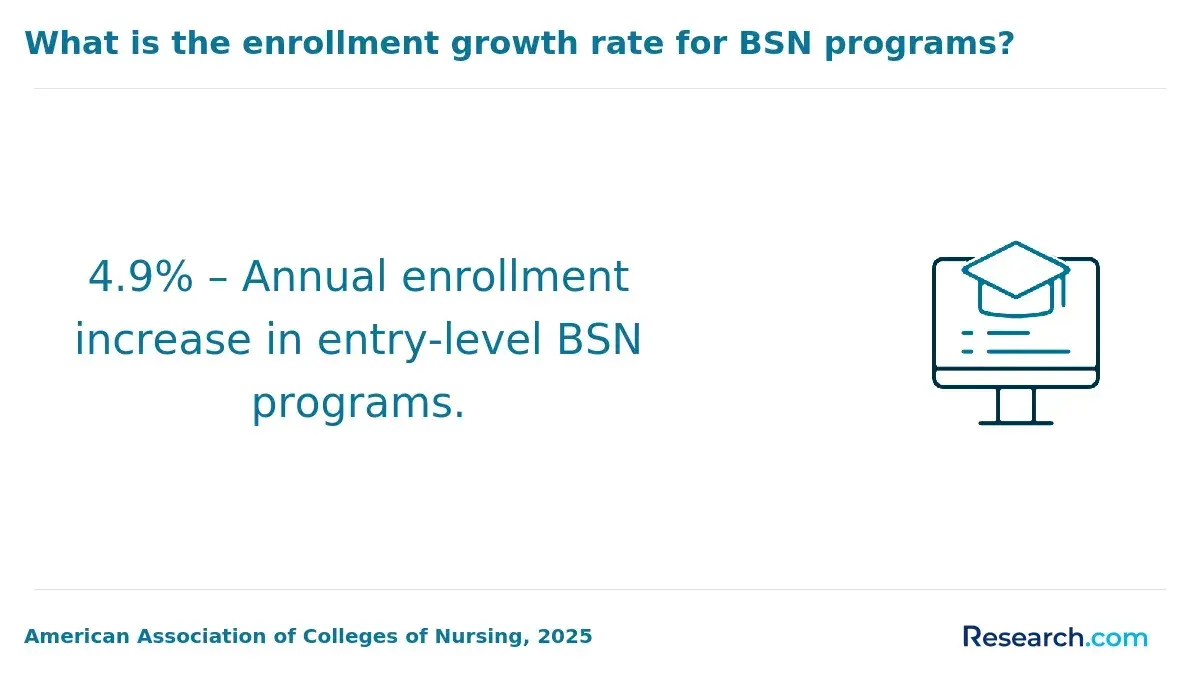
The usual educational requirement for pediatric nursing is completion of an approved nursing program followed by RN licensure. Students often compare online and campus-based nursing degree programs before choosing a route. Your timeline depends on where you start, whether you study full time or part time, whether you already hold college credits, and whether you later pursue specialty or graduate training.
There is no single “pediatric nurse degree” required for entry-level pediatric nursing. Instead, you first become a registered nurse, then build pediatric-focused experience and, when appropriate, pursue pediatric certification.
| Education Path | Typical Description | Advantages | Trade-Offs |
| Bachelor of Science in Nursing | BSN programs are four-year undergraduate programs offered by colleges and universities. | Broader nursing preparation, pediatric coursework, leadership exposure, and strong preparation for advancement. | Usually requires a longer upfront academic commitment than an ADN. |
| Associate Degree in Nursing | ADN programs typically take two to three years and are commonly offered by community colleges and some universities. | Can be a practical entry route for students who want to qualify for RN licensure efficiently. | Some employers and advancement routes may prefer or require a BSN. |
| Nursing diploma | Diploma programs are commonly associated with hospital-based nursing education and combine classroom and clinical training. | Provides direct clinical preparation for RN eligibility where available. | Less common today than ADN and BSN programs. |
| Bridge or completion program | Designed for current nursing professionals or students with prior credits who want to move to the next credential. | Can reduce repetition and support career mobility. | Admission rules, transfer policies, clinical placements, and scheduling vary by school. |
Regardless of the education route, aspiring pediatric nurses must meet the licensing requirements set by the state or country where they plan to practice. In the United States, that generally includes passing the National Council Licensure Examination for Registered Nurses. Nursing students comparing healthcare education requirements may also find it useful to look at other clinical pathways, such as the education required to become a physical therapist, to understand how licensure-driven careers differ.
How to choose a nursing program if your goal is pediatrics
Do not choose a school based only on convenience or price. Pediatric nursing is built on RN preparation, clinical judgment, patient safety, and hands-on practice. Before enrolling, ask whether the program is approved by the appropriate nursing board, whether it is accredited by a recognized accrediting body, how clinical placements are arranged, and whether students can gain experience in pediatric, maternal-child, neonatal, school health, or community health settings.
- Check approval and accreditation first. A program must meet regulatory standards for graduates to move toward licensure. Accreditation also signals that the curriculum, faculty, outcomes, and student support have been reviewed.
- Ask about pediatric clinical exposure. Some programs offer more pediatric or family-centered clinical opportunities than others.
- Review NCLEX preparation support. Strong advising, simulation, tutoring, and exam preparation resources can matter.
- Understand online limitations. Nursing theory may be delivered online, but clinical hours must be completed in approved healthcare settings.
- Compare total cost, not tuition alone. Fees, uniforms, exams, background checks, transportation, technology, and lost work hours can change affordability.
What are pediatric nursing specializations?
Pediatric nursing specializations allow registered nurses to concentrate on a particular child health population, disease area, acuity level, or care setting. Your specialty choice can influence your work schedule, emotional demands, advancement options, certification requirements, and whether graduate education becomes necessary. Students exploring the broader range of nursing degree and career options should treat specialization as a long-term career decision, not just a job title.
| Specialization | Primary Focus | Common Work Settings | When It May Be a Good Fit |
| Certified Pediatric Nurse Practitioner Primary Care | Primary healthcare for infants, children, and adolescents, including assessment, diagnosis, prevention, and management of common conditions. | Pediatric primary care offices, clinics, community health settings. | You want long-term relationships with families and a prevention-focused role. |
| Certified Pediatric Nurse Practitioner Acute Care | Advanced care for children with acute, critical, or complex health problems. | Hospitals, emergency departments, specialty units, pediatric intensive care units. | You prefer fast-changing clinical environments and higher-acuity care. |
| Pediatric oncology nursing | Care for children and adolescents with cancer, including treatment support, symptom management, and family education. | Children’s hospitals, oncology units, infusion centers, specialty clinics. | You can manage emotionally intense care and want deep disease-specific expertise. |
| Pediatric critical care nursing | Care for critically ill or injured children who require close monitoring and advanced interventions. | Pediatric ICUs and high-acuity hospital units. | You are comfortable with complex equipment, rapid decisions, and high-pressure teamwork. |
| Neonatal intensive care nursing | Care for premature or critically ill newborns, including respiratory support, feeding assistance, and developmental care. | Neonatal intensive care units. | You want to work with newborns and families during medically fragile periods. |
| Pediatric cardiology nursing | Care for children with heart conditions, including diagnostic preparation, surgical support, recovery education, and chronic care guidance. | Cardiology clinics, children’s hospitals, cardiac units. | You are interested in complex anatomy, procedures, long-term follow-up, and family teaching. |
One major pediatric advanced practice specialty is Certified Pediatric Nurse Practitioners Primary Care. There are more than 20,000 CPNP-PCs in the U.S., making this group the second largest group of specialized PNBC-certified pediatric nurses. Nurses who want to combine pediatric care with another clinical interest may also consider related graduate education, such as online master’s programs in nutrition, when it fits their professional goals.
How to decide which pediatric specialty fits you
- Choose primary care if you enjoy continuity, prevention, family education, and common childhood health concerns.
- Choose acute or critical care if you want complex cases, rapid clinical decisions, and close teamwork in hospital environments.
- Choose oncology or cardiology if you are drawn to a focused patient population and long-term specialty knowledge.
- Choose neonatal care if newborn physiology, family support, and high-detail monitoring interest you.
- Delay specialization if you are new to nursing and still need broad clinical exposure before committing to one pediatric area.
How to Get a Pediatric Nurse License and Certification
Licensure and certification are related but not the same. Licensure gives you legal authority to practice as a registered nurse. Certification is an additional credential that recognizes specialized knowledge or experience in pediatric nursing. Licensure is mandatory for RN practice; pediatric certification is typically voluntary, though employers may prefer it for some roles. Licensing can affect career eligibility and compensation in many healthcare careers, just as licensure and credentialing can influence surgical technologist salary opportunities.
Basic licensing steps for pediatric nurses
- Complete an approved nursing education program. Most future pediatric nurses complete a BSN, ADN, or diploma program that prepares them for RN licensure.
- Apply for authorization to test. Candidates follow the requirements of their state nursing board or appropriate regulatory agency.
- Pass the NCLEX-RN. The NCLEX-RN evaluates whether an entry-level nurse has the knowledge and judgment needed for safe practice.
- Submit state licensure documents. This may include transcripts, background checks, fees, and other required documentation.
- Begin building pediatric experience. After licensure, nurses can apply to pediatric units, clinics, schools, home health programs, and specialty settings.
NCLEX-RN Examination Requirements
The NCLEX-RN is administered through the National Council of State Boards of Nursing and is designed to assess readiness for entry-level registered nursing practice. Pediatric nursing content can appear within broader clinical judgment questions, especially in areas such as growth and development, family-centered care, medication administration, safety, and common child health conditions.
- Registration. Candidates must register through the process required by their nursing board or regulatory body.
- Exam content. Questions test nursing knowledge, prioritization, safety, and the ability to apply clinical reasoning to patient scenarios.
- Pediatric relevance. Pediatric topics may include developmental milestones, medication safety, common illnesses, immunization concepts, communication with families, and age-specific care.
- Preparation. Students should use nursing program resources, practice exams, review materials, and targeted pediatric content review when preparing.
Certification Options for Pediatric Nurses
Pediatric certification can strengthen your professional profile, especially if you want to work in a specialty unit, demonstrate pediatric expertise, or prepare for advancement. The Pediatric Nursing Certification Board offers certification pathways and describes the process through its certification resources (PNBC, n.d.). Certification is not usually required to work as a pediatric nurse, but it can show employers that you have invested in specialized knowledge and ongoing professional development.
| Certification Factor | What to Check Before Applying |
| Eligibility | Confirm whether you need an active RN license, pediatric clinical experience, educational preparation, or specialty-specific requirements. |
| Exam scope | Review whether the exam matches general pediatric nursing, primary care, acute care, mental health, or another pediatric focus. |
| Employer value | Ask whether your target employer recognizes the certification for hiring, promotion, specialty placement, or professional development. |
| Renewal rules | Certification is typically valid for a specific period, often ranging from three to five years, and renewal may require continuing education or other maintenance activities. |
Before paying for a certification exam, verify the credential’s relevance to the role you want. A pediatric primary care credential, for example, may not serve the same purpose as an acute care or critical care credential.
What are the skills needed to become a pediatric nurse?
Pediatric nursing requires strong clinical judgment, but technical competence is only one part of the work. Children communicate differently from adults, families are deeply involved in care decisions, and pediatric conditions can change quickly. The strongest pediatric nurses combine precision, patience, advocacy, and emotional steadiness.
| Skill | Why It Matters in Pediatrics | How to Build It |
| Developmentally appropriate communication | Children need explanations that match their age, language ability, fear level, and developmental stage. | Practice with pediatric patients during clinical rotations, use child-friendly language, and observe experienced pediatric nurses. |
| Family-centered education | Parents and caregivers often manage care after discharge, so instructions must be clear, realistic, and culturally sensitive. | Ask preceptors for feedback on discharge teaching, medication education, and caregiver conversations. |
| Observation and assessment | Young children may not describe pain or symptoms accurately, so nurses must notice behavioral and physical clues. | Build assessment habits during clinicals and learn normal growth and development patterns. |
| Medication safety | Pediatric dosing and administration demand careful attention to weight, route, timing, and response. | Review pediatric pharmacology, double-check calculations, and follow institutional safety protocols. |
| Emotional resilience | Working with sick or injured children can be deeply stressful for nurses and families. | Use debriefing, peer support, counseling resources, reflective practice, and healthy boundaries. |
| Critical thinking | Pediatric nurses must prioritize care, recognize changes quickly, and respond appropriately during emergencies. | Use simulation, case studies, preceptor feedback, and continuing education. |
How can aspiring pediatric nurses develop these skills?
- Seek pediatric clinical experiences early. If your program offers pediatric, maternal-child, community, or school health placements, treat those rotations as opportunities to test your interest and build confidence.
- Use simulation seriously. Pediatric emergencies may be uncommon in student rotations, so simulation can help you practice response steps, communication, and prioritization.
- Learn from preceptors and mentors. Experienced pediatric nurses can explain what textbooks do not: how to calm a frightened child, speak with an anxious parent, and manage competing priorities.
- Join professional learning communities. Conferences, workshops, webinars, and nursing organizations can expose you to pediatric standards and evolving practices.
- Compare related healthcare careers if uncertain. If pediatric nursing is one of several options you are considering, reviewing roles such as medical sonography and the sonographer job outlook can clarify whether nursing’s responsibilities match your strengths.
What is the salary and job outlook for pediatric nurses?
Pediatric nurse pay varies by education, experience, employer, location, specialty, certifications, and shift structure. According to Salary.com, the average salary range for pediatric nurses is estimated to be between $63,645 and $98,797 per year, with the average annual median pay sitting at $77,400. These figures should be treated as estimates rather than guarantees, because local labor markets and employer compensation policies can differ widely.
| Salary Factor | How It Can Affect Earnings |
| Education | BSN-prepared nurses and nurses with graduate degrees may qualify for roles with broader responsibility or higher pay potential. |
| Experience | Pediatric nurses with more years in specialty practice may qualify for senior staff, preceptor, charge nurse, or specialty roles. |
| Location | Pay often reflects local demand, cost of living, union presence, and regional healthcare labor needs. Hawaii, South Dakota, and Washington are currently listed as the three highest-paying states for pediatric nurses in the U.S. |
| Certification | Pediatric credentials can demonstrate expertise and may support advancement, depending on employer policy. |
| Work setting | Hospitals, specialty units, intensive care environments, outpatient clinics, schools, and home health agencies may use different pay structures. |
Job outlook: what should you realistically expect?
The outlook for pediatric nurses is shaped by broader demand for registered nurses, children’s healthcare needs, retirements, medical advances, and local hiring patterns. Pediatric units, children’s hospitals, specialty clinics, schools, and home care organizations all need nurses who can work safely with children and families. However, pediatric openings can be competitive in some areas, especially for new graduates seeking children’s hospital positions.
- Hospital roles may be competitive. New graduates who want pediatric ICU, emergency, oncology, or neonatal roles may need strong clinical references, pediatric experience, or residency program acceptance.
- Community and outpatient roles can be strong entry points. Pediatric offices, school health, community clinics, and home care can help nurses build child-focused experience.
- Specialization can improve mobility. Certification, advanced training, and experience in high-need areas may help nurses move into more focused roles.
- Salary outcomes are not guaranteed. Use salary tools as starting points, then compare local job postings, benefits, shift differentials, tuition assistance, and advancement ladders.
What are the future career opportunities for pediatric nurses?
Pediatric nursing can lead to more than bedside care. With experience, certification, and sometimes graduate education, nurses may move into pediatric leadership, education, advanced practice, case management, quality improvement, research support, informatics, public health, or administration. Nurses who want to compare pediatric nursing with physician training and child-focused medical careers can review the pediatrician job outlook for additional context.
| Career Direction | Possible Roles | What Helps You Get There |
| Clinical advancement | Senior pediatric RN, charge nurse, preceptor, specialty unit nurse. | Pediatric experience, strong evaluations, certification, leadership skills. |
| Advanced practice | Pediatric nurse practitioner in primary care or acute care. | Graduate nursing education, clinical hours, certification, state credentials. |
| Education | Clinical instructor, nurse educator, residency preceptor, staff development educator. | Teaching interest, advanced education, mentorship experience. |
| Leadership | Nurse manager, unit coordinator, quality improvement lead. | BSN or graduate education, communication skills, management ability. |
| Research and quality improvement | Clinical research nurse, evidence-based practice champion, quality specialist. | Research literacy, data skills, protocol knowledge, collaboration. |
How does ongoing professional development impact pediatric nursing careers?
Pediatric care changes as evidence, technology, medications, safety standards, and family needs evolve. Continuing education helps nurses keep their practice current and can support stronger clinical decisions, safer care, and better communication with interdisciplinary teams. Some healthcare employers partner with universities or professional education providers, and nurses comparing academic options may find resources such as the best colleges for registered nurses useful when planning future study.
Professional development can include certification preparation, pediatric emergency training, specialty workshops, conferences, simulation labs, graduate coursework, leadership training, and evidence-based practice projects. The best option depends on your current role and the next role you want—not every nurse needs the same training.
How can mentorship and continuing education foster career growth in pediatric nursing?
Mentorship helps pediatric nurses learn how to apply clinical knowledge in real situations. A strong mentor can explain unit culture, help you prepare for difficult conversations, recommend certifications, review career goals, and help you avoid common early-career mistakes. Continuing education adds structure by updating your knowledge and showing employers that you are investing in growth.
Bridge and graduate pathways may also support long-term advancement. For nurses considering broader advanced practice routes, resources such as ADN to MSN bridge programs can help clarify how nurses move from entry-level credentials toward graduate-level practice.
What are the financial considerations in pediatric nursing education and career paths?
Pediatric nursing can be a strong professional path, but students should evaluate cost carefully before enrolling in any program. Tuition is only one part of the total investment. You may also pay for fees, textbooks, uniforms, background checks, immunizations, testing, transportation to clinical sites, certification exams, licensure applications, and reduced work hours during clinical training.
| Cost or ROI Question | Why It Matters | What to Ask |
| Program approval and accreditation | Without the right approval, you may face problems with licensure eligibility or transfer options. | Is the nursing program approved by the state board and accredited by a recognized accreditor? |
| Total cost of attendance | Sticker tuition may exclude fees, supplies, transportation, and exam costs. | What is the full estimated cost from enrollment to graduation? |
| Clinical placement support | Clinical scheduling affects your ability to work and complete requirements. | Does the school arrange clinical placements, and are pediatric placements available? |
| Financial aid and scholarships | Grants, scholarships, employer tuition support, and loan repayment programs can change affordability. | What nursing-specific aid, scholarships, or employer partnerships are available? |
| Career outcomes | Employment support and NCLEX preparation affect your transition from school to work. | What support is available for NCLEX preparation, resumes, interviews, and pediatric job placement? |
Students interested in mission-driven nursing environments or historically Black colleges and universities can also review HBCUs with nursing programs as part of their school search. The best financial choice is not always the cheapest program; it is the program that is approved, affordable, realistic for your schedule, and aligned with your licensure and career goals.
How can pediatric nurses manage stress and prevent burnout?
Pediatric nursing can be emotionally demanding because nurses care for vulnerable children while also supporting worried parents and caregivers. Burnout prevention should not be treated as an afterthought. It requires personal habits, healthy workplace culture, appropriate staffing, peer support, debriefing after difficult cases, and access to mental health resources when needed.
- Use structured debriefing. Difficult pediatric cases can affect nurses deeply. Debriefing helps teams process what happened and identify support needs.
- Set realistic emotional boundaries. Compassion is essential, but absorbing every family’s distress without support can become unsustainable.
- Protect recovery time. Sleep, nutrition, exercise, and time away from work are not luxuries in a high-stress clinical role.
- Seek supportive units and managers. Burnout is not only an individual problem. Leadership, staffing, safety culture, and team communication matter.
- Plan advancement intentionally. Some nurses reduce burnout by moving into roles that better fit their strengths. Programs such as fast-track online RN to BSN programs may support advancement when a BSN fits the nurse’s goals.
What are the legal and ethical challenges in pediatric nursing?
Pediatric nurses care for patients who may not be able to make their own medical decisions, so legal and ethical judgment is central to the role. Nurses must understand consent, assent, confidentiality, mandatory reporting, documentation, medication safety, professional boundaries, and the balance between child welfare and guardian authority.
Common issues include obtaining appropriate consent for treatment, respecting adolescent privacy within legal limits, recognizing signs of abuse or neglect, documenting objectively, and escalating concerns through proper channels. Nurses who want stronger academic preparation in leadership, ethics, and professional practice may compare options such as online RN to BSN programs, while still verifying that any program fits their state, employer, and career requirements.
How does evidence-based research inform pediatric nursing practice?
Evidence-based practice helps pediatric nurses deliver care grounded in current research, clinical expertise, safety standards, and patient-family preferences. In pediatrics, evidence can influence pain management, infection prevention, developmental care, medication safety, family education, discharge planning, chronic disease management, and emergency response.
Nurses do not need to become full-time researchers to use evidence well. They need to know how to evaluate sources, follow updated protocols, participate in quality improvement, and question outdated routines when better evidence is available. Some nurses strengthen their science foundation through additional academic study, including options such as a best online biology degree, when it supports their long-term goals.
What are the common challenges pediatric nurses face in their profession?
Pediatric nursing can be deeply rewarding, but it is not an easy specialty. Future pediatric nurses should understand the difficult parts of the job before committing to this path.
- Communicating with children who cannot explain symptoms clearly. Infants, toddlers, and non-verbal children may show pain or distress through behavior, movement, crying, sleep changes, appetite, or vital signs. Pediatric nurses must interpret these clues carefully.
- Working closely with anxious families. Parents and caregivers may be frightened, frustrated, or overwhelmed. Nurses must provide honest information while staying calm, respectful, and supportive.
- Handling emotional strain. Caring for children with severe illness, trauma, chronic disease, or poor outcomes can take a serious emotional toll.
- Maintaining pediatric medication safety. Pediatric dosing and administration require precision, careful verification, and strict attention to protocols.
- Managing limited resources. Some settings may lack pediatric-specific equipment, staffing, or specialty support, requiring nurses to be resourceful while still practicing safely.
- Balancing speed and compassion. Pediatric nurses often need to move quickly without making families feel rushed or ignored.
What are the steps to transition from a registered nurse to a pediatric nurse practitioner?
Registered nurses who want advanced responsibility in pediatric care may pursue pediatric nurse practitioner preparation. This pathway builds on RN experience and typically requires graduate education, supervised clinical practice, certification, and state advanced practice credentials. For a broader overview of advanced practice requirements, review this guide to nurse practitioner requirements.
- Earn a graduate nursing degree with a pediatric focus. RNs usually pursue an MSN or DNP with a pediatric nurse practitioner track. These programs typically take 2-4 years to complete, depending on full-time or part-time enrollment.
- Complete required pediatric clinical experience. PNP programs require supervised clinical training in pediatric settings so students can develop assessment, diagnosis, treatment, and management skills for children and adolescents.
- Pass the appropriate certification exam. Certification bodies such as the Pediatric Nursing Certification Board or American Nurses Credentialing Center offer exams that validate pediatric advanced practice competence.
- Meet state advanced practice requirements. States may require proof of education, certification, clinical hours, background checks, fees, and additional credentialing steps.
- Choose a practice focus. Pediatric nurse practitioners may work in primary care, acute care, specialty clinics, hospitals, community settings, or other child-focused environments depending on training and state scope of practice.
Alternative Pathways to Becoming a Pediatric Nurse
Not every pediatric nurse starts with a traditional four-year college plan immediately after high school. Many enter through practical nursing, community college, bridge programs, second-degree programs, or RN completion pathways. The right route depends on your current credential, budget, schedule, and whether you need flexibility while working.
| Pathway | Who It Helps | Key Consideration |
| LPN to RN programs | Licensed practical nurses who want to become registered nurses and later work in pediatrics. | Confirm clinical requirements, state approval, and whether the program supports working students. Online options such as LPN to RN online programs may offer flexibility, but clinical hours still matter. |
| Accelerated nursing programs | Students who already hold a degree in another field and want to move into nursing. | These programs can be intense, so evaluate schedule, clinical demands, and cost before enrolling. |
| Nursing bridge programs | Students moving from one nursing role to another, such as CNA to LPN or LPN to RN. | Transfer credit, prerequisites, and clinical placement policies vary widely. |
| RN to BSN programs | Registered nurses who want a bachelor’s degree for advancement, leadership, or graduate school preparation. | Check employer tuition support and whether the program fits your work schedule. |
| Graduate nursing programs | RNs who want to become pediatric nurse practitioners, educators, leaders, or specialists. | Choose a track aligned with your intended scope of practice and state requirements. |
| Certification and continuing education | Working RNs who want to document pediatric expertise without immediately pursuing another degree. | Make sure the certification matches your work setting and career target. |
The most important rule is to protect licensure eligibility. Before enrolling in any nontraditional, online, bridge, or accelerated option, verify approval, accreditation, clinical placement support, and state requirements.
How does technology impact pediatric nursing?
Technology is changing pediatric nursing through telehealth, electronic health records, remote monitoring, smart devices, simulation, and data-informed care coordination. These tools can improve access and efficiency, but they also require nurses to maintain privacy, explain technology to families, troubleshoot workflows, and avoid letting screens replace human observation.
- Telehealth and remote monitoring. Virtual visits and remote tools can help families receive follow-up care, especially when travel is difficult. Pediatric nurses may support triage, education, monitoring, and care coordination.
- Electronic health records. EHRs improve access to medication lists, allergies, history, notes, and care plans, but nurses must document accurately and avoid copy-forward errors.
- Pediatric devices and monitoring tools. Smart infusion pumps, specialized monitors, diagnostic devices, and pediatric-specific equipment can support safer care when used correctly.
- Simulation-based training. Pediatric emergencies require rapid teamwork. Simulation lets nurses practice rare but high-risk situations in a controlled environment. It is also reflected in advanced nursing education, including some affordable online family nurse practitioner programs that prepare nurses for changing care delivery models.
- AI and clinical decision support. Decision-support tools can help identify risks or organize information, but pediatric nurses must still apply clinical judgment, verify data, and communicate with the care team.
What advanced education pathways can elevate pediatric nursing careers?
Advanced education can help pediatric nurses move into roles with greater autonomy, leadership, teaching responsibility, or research involvement. Options may include RN to BSN programs, MSN programs, DNP programs, pediatric nurse practitioner tracks, nursing education, healthcare leadership, informatics, public health, or research-focused study.
The best degree depends on your desired role. A nurse who wants to diagnose and manage pediatric patients may need a pediatric nurse practitioner pathway. A nurse who wants to teach may need nursing education preparation. A nurse interested in community child health may explore public health-oriented graduate study, including career directions such as jobs with an MSN degree in public health.
Is pediatric nursing right for you?
Pediatric nursing may be a strong fit if you want to care for children, educate families, advocate for vulnerable patients, and work in a specialty where communication and compassion matter as much as technical skill. It is especially suitable for people who can stay calm under pressure, adjust communication for different ages, collaborate with families, and handle emotionally difficult moments without losing professionalism.
You may want to consider another nursing specialty if you strongly prefer adult care, dislike frequent family involvement, struggle with emotional intensity around sick children, or want a role with less developmental and communication complexity. If you are still exploring, shadow a pediatric nurse, volunteer in a child-focused healthcare setting, speak with nursing faculty, or compare pediatric nursing with other nursing paths. Nurses considering graduate education can also review online MSN programs to see how advanced study could fit into a long-term plan.
Questions to ask before choosing pediatric nursing
- Do I enjoy working with children at different developmental stages?
- Can I communicate calmly with parents and caregivers during stressful moments?
- Am I comfortable with precise medication calculations and pediatric safety protocols?
- Do I want hospital-based acute care, outpatient pediatrics, school health, home care, or advanced practice?
- Can I manage the emotional weight of caring for seriously ill or injured children?
- Does my preferred nursing program support RN licensure and provide appropriate clinical preparation?
- Will my education plan leave room for certification, BSN completion, or graduate study if I want to advance?
Common Mistakes to Avoid
- Choosing a nursing program without confirming approval and accreditation. This can create serious licensure, transfer, and employment problems.
- Assuming every online nursing program is fully online. Nursing programs require clinical practice, and students must understand where and how clinical hours are completed.
- Looking only at tuition. Fees, supplies, exams, transportation, and lost work time can change the real cost.
- Waiting too long to gain pediatric exposure. Volunteer work, clinical rotations, externships, and pediatric-focused jobs can help confirm your interest and strengthen applications.
- Assuming certification replaces experience. Certification can help, but employers still value hands-on pediatric practice and strong references.
- Believing salary estimates are guaranteed. Pay depends on location, employer, setting, experience, credentials, and local demand.
- Ignoring burnout risk. Pediatric nursing can be emotionally intense, so support systems and healthy boundaries matter.
Key Insights
- Pediatric nursing begins with RN preparation. Most pediatric nurses first complete a BSN, ADN, or diploma program, pass the NCLEX-RN, and obtain an RN license before specializing in child-focused care.
- Your timeline depends on your starting point. BSN programs are four-year undergraduate programs, ADN programs typically take two to three years, and pediatric nurse practitioner preparation typically takes 2-4 years after RN experience and graduate study begins.
- Certification is valuable but usually voluntary. Pediatric certification can demonstrate expertise and support advancement, but it does not replace RN licensure or clinical experience.
- Specialization changes the work experience. Primary care, acute care, critical care, oncology, neonatal intensive care, and cardiology each involve different patient needs, stress levels, schedules, and advancement paths.
- Salary varies widely. Pediatric nurse salaries are estimated between $63,645 and $98,797 per year, with the average annual median pay sitting at $77,400, but actual earnings depend on location, experience, employer, education, and certification.
- Technology is now part of pediatric care. Telehealth, EHRs, remote monitoring, simulation, smart devices, and decision-support tools are changing how nurses document, communicate, train, and coordinate care.
- The best program is not always the cheapest or fastest. Prioritize approval, accreditation, clinical placement support, licensure eligibility, NCLEX preparation, and long-term career fit.
- Pediatric nursing is rewarding but emotionally demanding. Strong communication, family education, resilience, and support systems are essential for staying effective and avoiding burnout.
References:
- AACN. (2025). 2024-2025 Enrollment and Graduations in Baccalaureate and Graduate Programs in Nursing. https://www.aacnnursing.org/news-data/all-news/schools-of-nursing-enrollment-increases
- NCSBN. (2025). 2024 National Nursing Workforce Study. https://www.ncsbn.org/workforce
- NurseJournal. (2025). The Top 20 Highest-Paying Nursing Specialties. https://nursejournal.org/articles/best-nursing-specialities-for-the-future/
- PNBC. (n.d.). CPN certification steps. Pediatric Nursing Certification Board.
- U.S. Bureau of Labor Statistics. (2025). Occupational Outlook Handbook: Registered Nurses. https://www.bls.gov/ooh/healthcare/registered-nurses.htm
Other Things You Should Know About Becoming a Pediatric Nurse
Aspiring pediatric nurses in 2027 can pursue an Associate Degree in Nursing (ADN) or a Bachelor of Science in Nursing (BSN). Upon completion, passing the NCLEX-RN exam is required to obtain licensure. Many choose to earn a BSN for better job prospects and career advancement.
Yes, you can work while pursuing a degree in pediatric nursing. Many nursing programs offer flexible schedules, part-time options, or online courses to accommodate working students. However, balancing work and study demands time management skills and dedication.
After completing the necessary education, you must pass the NCLEX-RN exam. To obtain certification, you must meet specific criteria such as clinical experience and educational requirements and pass certification exams offered by bodies like the Pediatric Nursing Certification Board (PNCB).
Essential skills include strong communication, empathy, patience, observation, critical thinking, flexibility, and a solid foundation in pediatric-specific knowledge.
Yes, obtaining certification in pediatric nursing can enhance career opportunities, specialization options, and recognition within the field. It demonstrates a commitment to professional development and expertise in pediatric care.
The time it takes to become a pediatric nurse depends on the chosen educational pathway. A BSN typically takes four years, an ADN takes two to three years, and a nursing diploma program can take two to three years. Additional time may be required for certification and specialization.


