2027 Legal Studies Degree Popularity by Gender, Region, and Degree Level

Co-Founder and Chief Data Scientist
When a student compares legal studies enrollment across states in 2024, they find that programs in the Northeast have grown by 12%, while Southern institutions show stagnant or declining numbers. This disparity signals more than regional preference; it affects the perceived rigor of programs, peer group diversity, and access to specialized career pipelines. For instance, gender representation shifts-with women comprising nearly 65% of legal studies enrollees nationally-may influence classroom dynamics and networking opportunities but also reflect changing labor market demands within legal-adjacent fields. Such trends complicate straightforward evaluations of legal studies' popularity and practical value.
This article examines legal studies degree popularity by gender, region, and degree level, offering nuanced insight to guide educational and career choices.
Key Things to Know About Legal Studies Degree Popularity by Gender, Region, and Degree Level
- Women constitute nearly 60% of legal studies enrollees in 2024, reflecting a gender shift that expands diversity but may pressure male-dominated legal sectors to adapt workforce expectations.
- Southeastern U.S. states report 25% higher associate degree enrollment in legal studies, indicating regional preference for lower-cost, accessible credentials despite potential tradeoffs in career advancement.
- Graduate-level legal studies growth outpaces undergraduate programs by 15%, signaling employer demand for advanced specialization but creating timing and financial barriers for working professionals.
- Key Things to Know About Legal Studies Degree Popularity by Gender, Region, and Degree Level Key Things to Know About Legal Studies Degree Popularity by Gender, Region, and Degree Level
- How Does Job Market Demand Influence Legal Studies Degree Popularity? Market Demand and Degree Popularity
- How Does Online Legal Studies Degree Enrollment Compare to Traditional Campus Programs? Online vs. Campus Enrollment
- What Degree Level Is Most Common Among Legal Studies Students? Most Common Degree Levels
- How Do Enrollment Trends Differ Between Associate, Bachelor's, Master's, and Doctoral Legal Studies Degrees? Enrollment Trends by Degree Level
- How Popular Is the Legal Studies Degree Compared to Other College Majors? Degree Popularity vs. Other Majors
- Why Is the Legal Studies Degree More Popular in Certain States and Regions? Regional Popularity Drivers
- What Demographic Groups Are Driving Growth in Legal Studies Degree Programs? Growth by Demographic Groups
- What Is the Future Outlook for Legal Studies Degree Enrollment by Gender, Region, and Degree Level? What Is the Future Outlook for Legal Studies Degree Enrollment by Gender, Region, and Degree Level?
- How Have Legal Studies Degree Enrollment Trends Changed Over the Past Decade? How Have Legal Studies Degree Enrollment Trends Changed Over the Past Decade?
- Where Is the Legal Studies Degree Most Popular Across the United States? Geographic Popularity Analysis
How Does Job Market Demand Influence Legal Studies Degree Popularity?
Employer demand shapes legal studies degree popularity in nuanced ways, with regional legal employment trends exerting strong influence on enrollment patterns. For instance, states like California and New York, which host dense concentrations of law firms and government agencies, tend to see higher program enrollment due to better job prospects and competitive salaries. However, this regional demand does not always lead to proportional increases in male versus female participation, because occupational roles within legal support often intersect with broader gender norms and career expectations, affecting program demographics. These labor market signals are critical for prospective students weighing the tangible returns of a legal studies degree against alternative pathways, including advanced certifications or graduate law degrees that some employers increasingly prioritize.
The impact of regional employment trends on legal studies program enrollment highlights how geography and industry concentration govern educational choices more than national averages suggest. While a 10% growth projection for paralegals and legal assistants signals robust overall demand, actual enrollment gains are localized and often reflect disparities in access and awareness of viable pathways. Degree level is a further filter: associate and bachelor's degrees remain popular entry points, especially for candidates seeking paraprofessional positions, but the rising emphasis on specialized credentials can suppress growth in legal studies without integrated certification offerings. Students evaluating options must also consider tradeoffs in education cost and market saturation, particularly when alternative programs-such as those offered by the easiest nursing program to get into-might present more accessible routes into high-demand sectors with clearer hiring momentum.
How Does Online Legal Studies Degree Enrollment Compare to Traditional Campus Programs?
Online legal studies degree programs now enroll nearly half of all undergraduates in the field, signaling a significant shift shaped by diverse student needs and geographic realities. Adult learners, often managing work and family, disproportionately choose online formats for scheduling flexibility, while campus-based programs remain more common among recent high school graduates seeking in-person resources and local networks. This divergence also reflects geographic disparities: rural students frequently rely on online options due to limited nearby institutions, whereas metropolitan areas sustain stronger campus enrollment.
The modality choice impacts not only accessibility but student outcomes and program dynamics. Completion rates for online students tend to lag by 10-15%, influenced by external responsibilities and variable institutional support, although certain providers have begun closing these gaps through targeted engagement. Employers increasingly emphasize program quality and skills integration over delivery mode, making the selection of a program format a strategic decision that must consider individual circumstances, including career objectives and regional access.
For example, a student from a small town without a local college faced limited campus options and opted for an online legal studies degree, balancing her job and caregiving duties. She initially questioned whether the online format was as reputable, especially since most peers attended on-campus programs in urban centers. Over time, she found the flexibility indispensable, though she missed the direct interaction and informal mentoring common on campus. Her experience highlights the complex tradeoffs prospective students weigh when evaluating how online enrollment compares to traditional campus pathways.
What Degree Level Is Most Common Among Legal Studies Students?
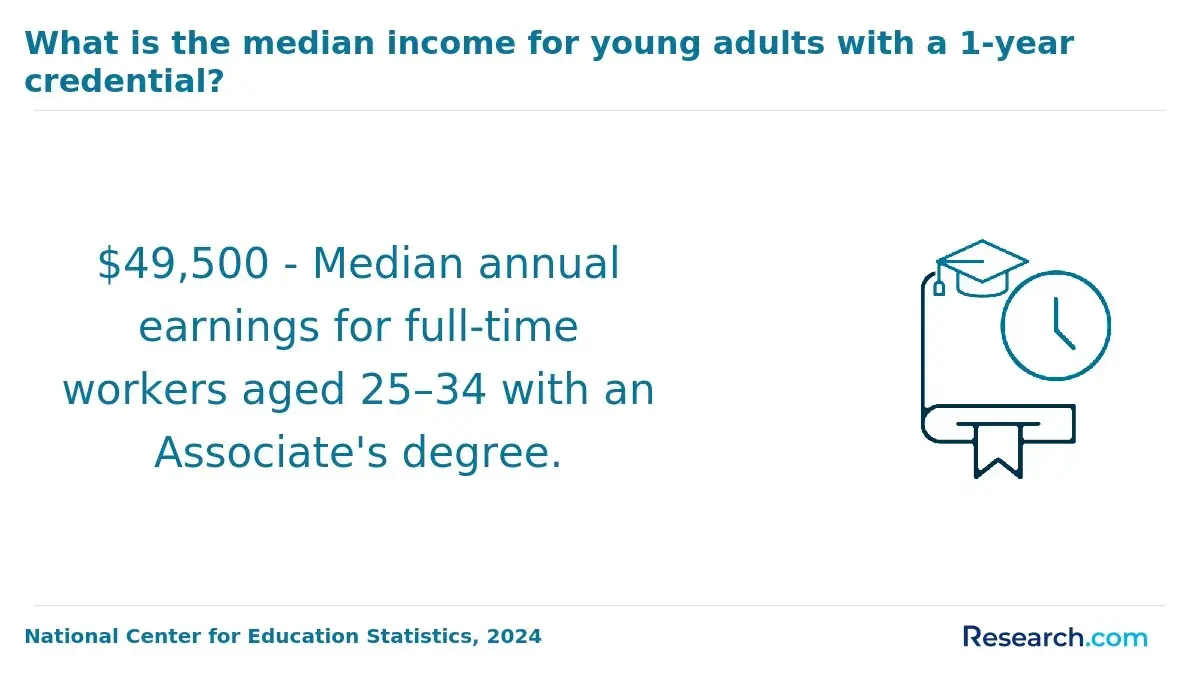
Bachelor's degrees dominate legal studies completions largely because they align with the credential expectations of most employers in legal services and paralegal roles. According to data from the National Center for Education Statistics in 2024, bachelor's programs account for roughly 60% of annual legal studies degrees awarded, reflecting their role as the typical entry-level qualification. Associate degrees, while shorter and often less costly, generally limit graduates to clerical or support positions, which may constrain upward mobility within legal workplaces. In contrast, graduate degrees-master's and doctoral-serve more specialized career tracks such as research, policy development, or academia, leading to smaller overall enrollment but targeting distinct professional objectives.
Regional factors and delivery methods also shape enrollment patterns, with urban areas on the East and West Coasts exhibiting higher bachelor's degree completions due to dense legal markets and the concentration of accredited programs. The expansion of online bachelor's offerings has broadened accessibility for working adults and those balancing other commitments, further bolstering demand at this level. Nonetheless, some data may underrepresent students pursuing hybrid credentials or certificates, which are increasingly integrated into contemporary legal studies pathways. Given these dynamics, students should weigh the tradeoffs in program length, credential recognition, and career scope when selecting a degree level, understanding that bachelor's degrees currently provide the most direct route to widely recognized legal employment opportunities.
How Do Enrollment Trends Differ Between Associate, Bachelor's, Master's, and Doctoral Legal Studies Degrees?
Enrollment patterns across associate, bachelor's, master's, and doctoral legal studies degrees reveal significant distinctions shaped by workforce needs and student goals. Associate programs primarily attract those aiming for rapid entry into paralegal or legal support roles, reflecting steady yet limited growth due to their focused scope. In contrast, bachelor's programs show larger, more diverse enrollment, especially among women in urban areas, as employers increasingly require a bachelor's credential for paralegal specialists and administrative positions, making this level a pivotal gateway for both entry-level roles and upward mobility. Comparing degree level popularity and completion rates for legal studies programs highlights how these demographic and employer-driven dynamics influence program demand.
Master's enrollment is expanding more swiftly, fueled by mid-career professionals seeking specialized expertise or transitions into compliance and policy analysis, with data from the American Bar Association reporting that approximately 30% of master's enrollees are women returning after workforce experience. Such trends underscore the master's degree's role in bridging practical experience and advanced qualifications within the sector. Doctoral programs remain niche, attracting candidates focused on academia and high-level policy research, constrained by longer duration and fewer direct practice pathways. Prospective students navigating these options might also consider how increasing demand across healthcare systems parallels growth in specialized graduate fields, as seen in masters in healthcare administration, indicating broader trends favoring advanced, targeted credentials in competitive markets.
How Popular Is the Legal Studies Degree Compared to Other College Majors?
The modest popularity of the legal studies degree, representing roughly 1.1% of bachelor's degrees according to 2024 data from the National Center for Education Statistics, reflects its specialized nature within social sciences and humanities rather than a broad, high-volume appeal. Unlike more generalized majors such as business administration or psychology, legal studies primarily attract students targeting careers adjacent to the legal profession without pursuing a full law degree. This specialization often limits enrollment compared to fields with clearer professional pipelines but can lead to more focused academic and career preparation tailored to roles in compliance, policy, or regulatory analysis.
Enrollment trends also show geographic concentration in regions with robust legal markets and government centers, such as New York or Washington, D.C., which affects program availability and the peer environment. Graduate-level engagement remains stable but comparatively narrow, often linked to interdisciplinary approaches rather than standalone legal studies graduate programs. For prospective students, this means limited class sizes and specialized curricula but also fewer large peer networks and potentially less institutional resource allocation compared to more popular majors.
One former legal studies student recalled initially feeling uncertain about pursuing a major with relatively small enrollment after noticing more crowded classrooms in business-related courses. Conversations with academic advisors clarified that the degree's value lay not in volume but in its targeted applicability to niche fields. Observing peers gravitate toward more popular majors, this individual found reassurance in the program's focused content and regional job opportunities, even while understanding that the degree's less widespread popularity required more proactive career planning and networking efforts.
Why Is the Legal Studies Degree More Popular in Certain States and Regions?
Differences in local industry concentration and employer demand significantly shape legal studies degree popularity by state and region. For instance, states such as New York, California, and Massachusetts benefit from dense legal markets with numerous law firms and government agencies, which create tangible employment opportunities and a stronger perceived value of a legal studies credential. This concentration also influences the networking environment, leading students in these regions to experience enhanced practical exposure and job placement prospects compared to areas with weaker legal sectors. Regions with limited legal infrastructure often see lower enrollments, which can restrict students' program selection and impact long-term career benefits tied to immediate local workforce needs.
Regional factors influencing legal studies enrollment go beyond industry presence to include educational access and demographic trends. States with broad offerings of accredited programs across associate, bachelor's, and master's levels promote higher enrollment by providing diversified pathways tailored to working adults and recent high school graduates alike. Additionally, progressive state policies fostering online learning expand reach, as seen in areas with better broadband access, thus allowing a wider demographic to pursue credentials. Younger populations or metropolitan areas experiencing workforce shifts toward service industries reflect increased legal studies engagement, illustrating how demographic dynamics intertwine with program availability. This interplay informs student decision-making, where the availability of both in-person and online options can affect perceived degree value and the alignment of education with evolving regional economic conditions.
Students evaluating their options should also consider how these regional enrollment trends impact the practical utility of their legal studies degree. In states where legal markets are less developed, credential holders might face challenges obtaining meaningful internships or entry-level positions that are more accessible in legal hub regions. Conversely, those in high-demand areas may find greater economic incentives and upward mobility. For those exploring allied fields or alternative career paths, cross-sector opportunities may arise through related training programs, such as those provided for a ultrasound tech school, demonstrating the importance of aligning education with regional workforce trends and realistic employment trajectories.
What Demographic Groups Are Driving Growth in Legal Studies Degree Programs?
The rising representation of women in legal studies programs-exceeding male enrollment by approximately 60%-reflects shifting labor market expectations and evolving social norms that emphasize gender inclusion in legal professions and related fields. This gender dynamic influences cohort interactions, peer support systems, and educational priorities, with many programs adapting to attract and retain female students whose career trajectories often extend beyond traditional law school paths into roles like compliance and criminal justice. Such demographic shifts also pressure institutions to tailor curricula and support services that address diverse career objectives and balance work-life integration, especially as adult learners become a substantial portion of enrollees.
Geographic growth concentrated in states experiencing economic expansion, notably in the South and West, points to region-specific labor demands tied to burgeoning immigrant populations and multilingual communities requiring versatile legal expertise. These regional concentrations not only affect state-level workforce development strategies but also reshape program delivery models, increasing reliance on online and hybrid formats to accommodate nontraditional students, including those aged 25 and older who constitute nearly 40% of enrollees. The combined impact of regional and age diversity challenges educators to enhance access while ensuring curriculum relevance amid evolving legal service technologies and multicultural client environments.
Increasing representation of first-generation college students and underrepresented minorities within legal studies programs complicates classroom dynamics by fostering a broader array of perspectives critical for effective multicultural competence in legal contexts. This trend underscores a need for targeted recruitment and support initiatives that address socioeconomic barriers and promote equitable outcomes. For prospective students and workforce stakeholders, these demographic transformations suggest that legal studies degrees are adapting to a more heterogeneous student body, necessitating that programs remain flexible and context-aware to sustain both academic success and employer alignment in an increasingly complex legal services market.
What Is the Future Outlook for Legal Studies Degree Enrollment by Gender, Region, and Degree Level?
Legal studies degree enrollment is poised for uneven growth shaped by demographic and regional factors that influence student and workforce dynamics. Female students will likely continue to represent about 60% of legal studies enrollees, reflecting broader gender patterns in social sciences where women's participation is dominant. This gender imbalance impacts classroom composition and may influence program design to better address diverse career pathways and employer expectations that increasingly favor skills in regulatory affairs and technology alongside legal knowledge.
Regionally, the Southern and Western United States are expected to see the strongest enrollment gains due to population growth and expanding educational infrastructure targeting paralegal and compliance roles in emerging industries. In contrast, the Northeast and Midwest face more modest increases, driven by demographic stagnation and fewer new institutions. Urban centers maintain steady demand through access to specialized and online legal studies programs, a factor critical for students balancing work and education in competitive markets.
Associate degree programs remain attractive for career changers seeking shorter, skills-focused credentials, yet bachelor's degree enrollment is growing faster as employers prioritize more advanced qualifications. Graduate-level programs, especially those emphasizing niche expertise such as legal technology and dispute resolution, are expanding slowly but steadily. Prospective students must weigh how these shifting enrollment patterns affect program availability, job market relevance, and the strategic importance of combining legal education with data analytics or compliance competencies.
How Have Legal Studies Degree Enrollment Trends Changed Over the Past Decade?
Shifts in legal studies degree enrollment trends in the United States over the past decade reveal a growing gender disparity and regional differentiation that directly influence program demand and perceived degree value. Female students have increasingly dominated enrollment, moving from around 55% to 60% of legal studies enrollees, reflecting not only demographic changes but also a broader workforce realignment where legal and paralegal roles attract more women. This gender shift intersects with geographic dynamics, as states in the Northeast and West Coast report stronger enrollment growth compared to the Midwest, driven by variations in local industry demand, the density of law firms, and corporate legal services, which affect both program availability and student choice.
These patterns align with evolving employer expectations and educational policy adaptations, influencing where and how students pursue these degrees. Degree completions plateaued after 2019 despite early growth, a trend linked to the COVID-19 pandemic's disruption and the accelerated move toward online legal studies programs, which expand accessibility but also intensify competition among institutions. The changing labor market, emphasizing interdisciplinary skills and legal-tech competencies, pivots some students toward hybrid educational pathways or adjacent fields, affecting the traditional legal studies pipeline. For those evaluating legal studies degrees, including within bacb accredited schools, understanding these shifts is critical for aligning educational investment with realistic employment outcomes and regional economic trajectories.
Where Is the Legal Studies Degree Most Popular Across the United States?
Legal studies degree popularity tends to concentrate in states with dense legal markets, metropolitan populations, and established educational infrastructures, rather than being evenly distributed across the United States. The Northeast and West Coast dominate legal studies degree completions due to the concentration of law firms, government agencies, and corporate headquarters demanding skilled legal professionals. This regional clustering shapes student choices, as opportunities for practical experience, internships, and employment are inherently stronger where the legal sector is more vibrant. Prospective students should consider that enrolling in programs outside these hubs might limit direct access to local legal networks and reduce immediate workforce alignment despite potentially lower competition or costs.
Comparatively, the South and Midwest maintain steady but lower enrollment in legal studies, reflecting smaller urban centers and greater emphasis on associate-level credentials tied to regional workforce needs. This "legal studies degree popularity by state" pattern reveals practical tradeoffs between degree levels and job market proximity; bachelor's and advanced degrees are more prevalent where employment in legal services, finance, and public administration clusters. Incorporating these geographic nuances can inform decision-making for students balancing affordable education with network strength and career trajectories. Additionally, for veterans exploring specialized pathways, options like military friendly online speech pathology degree programs exemplify how program availability can align with specific population needs, analogous to legal studies offerings that cater to regional demand.
References
- Job Market Trends for BA LLB Graduates - Shoolini University https://shooliniuniversity.com/blog/job-market-trends-for-ba-llb-graduates/
- Pros and Cons of Getting a Legal Degree Online https://onlinemasteroflegalstudies.com/mls-degrees/pros-and-cons-of-online-legal-degrees/
- Ogólnopolski system monitorowania Ekonomicznych Losów Absolwentów szkół wyższych https://ela.nauka.gov.pl/en/labor-market
- The Graduate Law Degree Holders in the Legal Education Market: Evidence from the US, Rankings and Implications https://www.scirp.org/journal/paperinformation
- Incoming Class of 2023 Is the Most Diverse Ever, But More Work Remains https://www.lsac.org/blog/incoming-class-2023-most-diverse-ever-more-work-remains
- NALP | First-Gen College Students Face Challenges in the Entry-Level Legal Employment Market https://www.nalp.org/0224research
- Types of College Degrees https://www.act.org/content/act/en/students-and-parents/high-school-success/what-to-do-after-high-school/college-degrees.html
- ‘Decade of the Female Lawyer’: ABA Profile of the Legal Profession Predicts Gender Parity by 2026 2Civility https://www.2civility.org/decade-of-the-female-lawyer-aba-profile-of-the-legal-profession-predicts-gender-parity-by-2026/
- 96 Best Law / Legal Studies courses In the USA 2026 https://www.hotcoursesabroad.com/study/training-degrees/us-usa/law-legal-studies-courses/loc/211/cgory/ec.1-4/sin/ct/programs.html
- A comprehensive guide to Law degrees in the USA (2024) https://www.kingseducation.com/kings-life/law-degree-usa
Other Things You Should Know About Legal Studies
Gender disparities in legal studies enrollment can signal varying peer dynamics and available support networks within programs. For example, male students entering programs with a predominantly female cohort might face different social or collaborative environments, affecting classroom participation and group work. Prospective students should consider these dynamics alongside faculty diversity, as this may shape mentoring opportunities and real-world networking relevant to future legal careers.
Regions with lower enrollment in legal studies programs often have fewer specialized courses or extracurricular opportunities such as internships and legal clinics. This can limit hands-on experience, which is crucial for employability in legal fields. Students in these areas may need to proactively seek internships remotely or consider hybrid programs that connect them to broader legal markets to offset geographic limitations.
Graduate legal studies programs typically demand more focused specialization and offer deeper analytical training, which employers in competitive legal sectors often prioritize. However, they also require greater time and financial investment. Undergraduate programs provide broader foundational knowledge and can be advantageous for students seeking entry-level roles or flexibility in career paths, particularly outside of traditional legal practice roles. Prioritizing graduate studies makes sense when targeting specialized legal work or academic advancement, whereas undergrad degrees suit those balancing early workforce entry with further education possibilities.
Completing a legal studies degree in a region with high program popularity often correlates with stronger local industry connections, higher employer demand, and more robust alumni networks. This environment can facilitate internships, job placements, and mentorship opportunities critical for career launch and growth. However, students should weigh this against potential competition saturation; in some regions, high enrollment means more graduates vying for the same positions, which can necessitate additional credentials or experience to stand out.