2027 Legal Studies Degree Completion Rates by Format: Online, Hybrid, and Campus Programs Compared

Co-Founder and Chief Data Scientist
Choosing the right format for completing a legal studies degree can be a complex decision for many prospective students. One student may struggle to balance work and family obligations, making the flexibility of an online program appealing, while another may value the structured environment and resources of a traditional campus. Hybrid programs offer a middle ground but raise questions about consistency and accessibility.
Completion rates vary significantly depending on the format, influenced by factors such as student engagement, time management, and support systems. Understanding how these elements impact success helps clarify which format aligns best with individual circumstances and career objectives. This article compares completion rates across online, hybrid, and campus legal studies programs, examines what drives student outcomes, and explores strategies to select the most effective path to degree completion.
Key Things to Know About Legal Studies Degree Completion Rates by Format
- Online legal studies programs show a 15% lower completion rate than campus formats, often due to limited peer engagement, signaling challenges in sustaining motivation and accountability critical for complex legal curricula.
- Hybrid formats balance in-person rigor with online flexibility, yielding completion rates closer to traditional campus programs, which suggests that periodic face-to-face interaction supports retention without sacrificing accessibility.
- A 2024 study highlights that self-regulation skills significantly predict success in online legal studies, indicating students without strong time management risk delayed graduation or dropout compared to those in structured campus settings.
- Key Things to Know About Legal Studies Degree Completion Rates by Format Key Things to Know About Legal Studies Degree Completion Rates by Format
- How Do Completion Rates Compare Across Online, Hybrid, and Campus Legal Studies Programs? Completion Rate Comparison
- What Factors Have the Greatest Impact on Legal Studies Degree Completion? Degree Completion Factors
- Which Legal Studies Degree Format Is Hardest to Complete? Completion Difficulty
- How Does Each Legal Studies Learning Format Affect Student Success? How Does Each Legal Studies Learning Format Affect Student Success?
- How Does Enrollment Status Affect Legal Studies Completion Rates? How Does Enrollment Status Affect Legal Studies Completion Rates?
- Can Transfer Credits Improve Legal Studies Degree Completion? Transfer Credits
- What Student Support Services Improve Legal Studies Completion Rates? Student Support Services
- How Do Legal Studies Completion Rates Affect Career Outcomes? Impact on Career Outcomes
- How Should Students Choose the Best Legal Studies Learning Format? Choosing the Best Format
- What Are the Long-Term Pros and Cons of Each Legal Studies Learning Format? Learning Format Pros & Cons
How Do Completion Rates Compare Across Online, Hybrid, and Campus Legal Studies Programs?
Completion rates for online legal studies programs and their hybrid or campus counterparts are often seen as proxies for student success rather than definitive measures of program quality. These variations largely reflect differing student demographics and external pressures rather than intrinsic educational value. For example, many online students balance full-time employment and family duties, which can impact persistence, making completion rates an indirect indicator shaped by who chooses each format and their circumstances.
Differences in completion rates commonly arise from factors such as enrollment intensity, flexibility, and available support services. Campus programs tend to have higher graduation rates due to structured schedules and immediate access to faculty and peer networks, while hybrid offerings deliver a balance between flexibility and social engagement, often attracting students with moderate outside commitments. Conversely, fully online students usually face more challenges related to motivation and time management, though targeted institutional support can mitigate these. Ultimately, success in any format depends heavily on the student's ability to align their personal responsibilities with the demands of their chosen program.
Prospective students can use a comparison of hybrid and campus legal studies graduation rates alongside their own learning preferences, time availability, and career goals to select the most suitable program type. Those requiring flexibility and juggling significant outside obligations may lean toward online or hybrid options but should be mindful of the typically lower completion rates for purely online formats. In contrast, students able to commit extensive time and seek immersive academic environments might find campus programs more conducive to graduating on time and equipped for long-term career advancement.
What Factors Have the Greatest Impact on Legal Studies Degree Completion?
Degree completion in legal studies depends on an interplay of personal commitment, academic resources, and program structure rather than motivation alone. Students often underestimate how external pressures like finances or time management can undermine their progress despite strong initial enthusiasm. Recognizing this complexity allows candidates to better assess where they may face obstacles. The following factors most commonly influence legal studies degree completion.
- Student engagement and interaction: Active participation with faculty and peers significantly boosts persistence, especially for those studying online or in hybrid formats. Lower completion rates among online learners are often linked to less frequent interaction, so seeking out opportunities for discussion and advising can enhance success.
- Availability of support services: Access to tutoring, counseling, and academic advising supports students struggling to balance coursework with other responsibilities. Students who utilize these services, whether on campus or remotely, tend to have higher graduation probabilities by receiving structured guidance.
- Effective time management skills: Balancing work, family, and study demands is critical, particularly for part-time or adult learners. Students who develop disciplined schedules and prioritize coursework reduce the risk of delays or withdrawal from the program.
- Financial stability and aid access: Research from the National Postsecondary Student Aid Study highlights that students with stable financial support and manageable debt complete their degrees at significantly higher rates. Understanding and securing financial aid early can alleviate stress and allow sustained focus on studies.
- Program format and delivery: While campus-based programs often show higher completion rates due to immersive environments, hybrid models offer a middle ground but require strong organizational skills. Online programs demand greater self-motivation but appeal to those needing flexibility; students should realistically match their learning style to format demands.
- Social and peer networks: Building connections with fellow students fosters accountability and motivation, factors frequently lacking in online settings. Engaging in study groups or campus activities can reduce isolation and boost persistence in the degree path.
- Personal resilience and adaptability: The unpredictable nature of life events requires students to adapt their plans without losing momentum. Developing coping strategies and maintaining focus despite setbacks is essential for navigating the longer timeline often seen in legal studies completion.
For example, a working parent pursuing a legal studies degree online may find that without intentional scheduling, robust support services, and peer engagement, the competing demands of home and school can hinder completion. By contrast, leveraging academic advising and digital learning communities can offset some challenges of the online format. Prospective students should weigh these practical realities alongside academic goals when selecting their path.
Students interested in flexible options might also explore self paced degrees, which further emphasize the need for strong self-directed learning skills to successfully graduate in legal studies.
Which Legal Studies Degree Format Is Hardest to Complete?
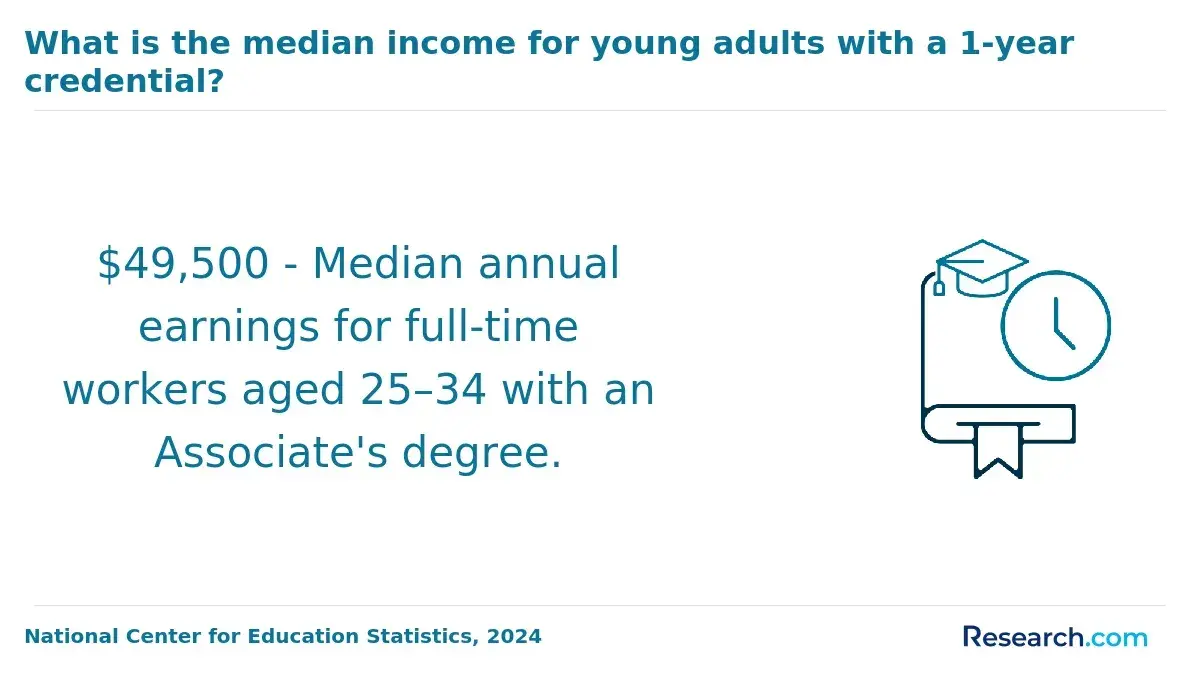
Completion rates for legal studies degrees vary notably by format, influenced heavily by the differing demands and student support structures within each. On-campus programs lead with about a 55% completion rate within six years, according to the National Center for Education Statistics in 2024, benefiting from consistent scheduling and direct faculty access. Hybrid formats bridge the gap, showing completion rates around 45% to 50%, blending in-person engagement with flexible online coursework. Purely online programs, despite their accessibility for working adults and remote learners, lag behind with completion rates under 40%, reflecting challenges such as limited real-time interaction and competing life responsibilities.
This disparity reveals that perceived ease or difficulty in completing a legal studies degree is tied to more than just course format; it hinges on individual circumstances, discipline, and institutional support. For example, a student juggling family obligations and a full-time job might find the flexibility of a hybrid program manageable but struggle with the independence required for fully online study. Conversely, another student may find the structured environment on campus essential to maintaining focus, despite the rigidity it entails. These realities show no single path is universally harder but rather that each format demands different strategies to succeed.
A legal studies graduate recalls opting for a hybrid program after debating between strictly online and on-campus formats. Initially hesitant about balancing in-person sessions with online deadlines, she found value in the flexibility when her work schedule shifted unpredictably. Yet, she also experienced moments of stress organizing her time without the constant oversight present in campus classes. Reflecting back, she recognized that while hybrid programs eased some pressures, success depended on her ability to adapt quickly and access available support services, underscoring how personal context heavily influences which pathway feels most challenging.
How Does Each Legal Studies Learning Format Affect Student Success?
Student success in legal studies programs hinges less on the learning format itself and more on how well that format fits an individual's learning style, schedule, and external commitments. A busy professional juggling work and family might thrive in an online program's flexibility, while a student who benefits from direct interaction could succeed better on campus. Completing a legal studies degree demands persistence, and the support structures behind each format largely shape that persistence. Recent data from the National Center for Education Statistics (2024) underscores that completion rates differ notably across formats, with campus-based programs leading, hybrid formats narrowing the gap, and online programs improving but still trailing. Key factors influencing success include:
- Engagement Through Direct Interaction: Physical presence on campus provides more opportunities for real-time feedback and peer collaboration, which reinforces motivation and accountability. Students who need structured environments and immediate guidance usually see higher completion rates in campus settings.
- Flexibility to Balance Responsibilities: Online formats offer unmatched scheduling adaptability, critical for those working full-time or with caregiving duties. While convenience aids enrollment, students must proactively seek support to avoid lower retention seen historically in fully online legal studies.
- Blended Learning Benefits: Hybrid models combine online convenience with periodic in-person touchpoints, helping students maintain engagement without sacrificing flexibility. This format often achieves completion rates closer to campus programs by addressing drawbacks inherent in purely online learning.
- Access to Support Services: Access to tutoring, advising, and library resources is generally more immediate on campus. Online programs have made strides by integrating virtual support and synchronous sessions, but gaps remain for students lacking digital literacy or stable internet.
- Self-motivation and Time Management: Independent learning demands greater discipline in online formats, where the absence of scheduled classes can lead to procrastination. Students with strong self-regulation tend to perform better online, while others benefit from campus structures.
- Technological Proficiency and Infrastructure: Effective online legal studies require reliable technology and comfort with digital platforms. Students unfamiliar with technology or facing connectivity issues may struggle more in online or hybrid settings.
- Social and Professional Networking: Campus environments foster connections with peers and faculty critical for future employment opportunities. Hybrid students can sustain some in-person networking, whereas online learners must seek alternative methods, potentially impacting long-term career advancement.
How Does Enrollment Status Affect Legal Studies Completion Rates?
Enrollment status ranks among the most critical factors shaping degree completion rates in legal studies programs. However, its impact is not solely a matter of full-time versus part-time course loads; rather, it intertwines with individual student circumstances, access to resources, and program format. The distinction between enrollment types must be interpreted with nuance, especially as part-time students often juggle competing responsibilities that influence persistence. Below is an overview of the key ways enrollment status affects legal studies completion rates by enrollment status.
- Time Commitment and Academic Momentum: Full-time students benefit from a concentrated academic workload that fosters consistent momentum, improving the likelihood of timely degree completion. Part-time students, often balancing work or family, may experience disrupted study patterns leading to extended timelines or dropout risks.
- Access to Campus Resources: Those enrolled full-time on campus typically have better access to faculty, advising, peer networks, and institutional support, which correlate with higher graduation rates. Part-time online students may lack this embedded support, affecting persistence.
- Flexibility vs. Structure Trade-Off: Online legal studies programs provide flexibility essential for many part-time students, yet this same flexibility can reduce external accountability, contributing to lower completion rates among part-time enrollees compared to full-time peers in hybrid and campus settings.
- Balancing Competing Priorities: Part-time enrollment often reflects students balancing employment, caregiving, or other commitments. This reality, while necessary for many, increases the likelihood of interruptions or delayed progression in legal studies completion rates by enrollment status.
- Differences by Delivery Format: Data from the National Center for Education Statistics and the National Student Clearinghouse Research Center show full-time students consistently achieve higher completion rates across campus, hybrid, and online formats, though the gap widens most in online programs.
- Supportive Program Design Mitigates Challenges: Institutions that implement cohort models, flexible pacing, and robust advising improve part-time student outcomes, indicating enrollment status impacts graduation but is not deterministic in isolation.
- Practical Educational Planning: For example, a working parent pursuing a legal studies degree online part-time may face longer completion times, but partnering with programs emphasizing flexible scheduling and strong advising can enhance persistence and degree attainment.
Prospective students should evaluate the interplay between part-time and full-time enrollment carefully, considering their personal situations and program structures. Choosing a path aligned with one's capacity for sustained focus, access to support, and life demands is paramount. Those interested in exploring flexible but credible online options might review resources on the best MHA online programs as a comparative benchmark for understanding online program quality and design.
Can Transfer Credits Improve Legal Studies Degree Completion?
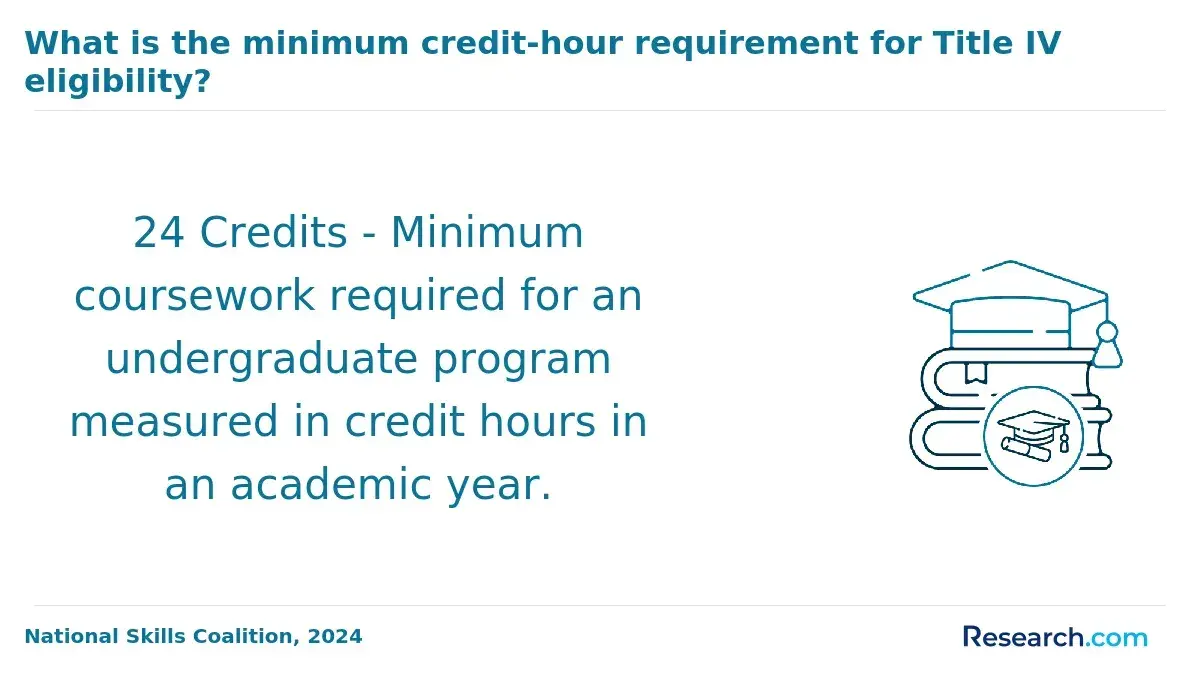
Transfer credits have a tangible impact on accelerating degree completion for many students enrolled in legal studies programs, especially by reducing redundant coursework and lessening academic workload. Data from the National Student Clearinghouse Research Center (2024) supports this, showing graduates who utilize transfer credits finish as much as 20% faster than those without prior credits. This time reduction often arises when transferred courses meet program requirements, allowing students to bypass foundational classes and focus on advanced subjects.
The practical advantage of transfer credits varies widely depending on institutional policies and program compatibility. For example, a student with military education credits or previous community college coursework may find a hybrid or online legal studies program more flexible in recognizing those credits, facilitating smoother integration and fewer course repetitions. Conversely, campus programs sometimes impose stricter transfer rules due to curriculum alignment, potentially limiting the number of credits accepted and extending time to completion.
This means that transfer credits do not automatically guarantee faster graduation. Students whose transferred coursework does not fit core legal studies requirements might still face a full or near-full course load. Additionally, the quality and relevance of prior coursework affect employability post-graduation; poorly aligned credits can create gaps in critical competencies needed in legal fields.
A realistic scenario involves an adult learner with credits from an accredited community college aiming to enter an online legal studies program. If the institution performs a thorough credit evaluation and those credits satisfy several foundational courses, this learner could graduate significantly sooner and with less financial strain. However, failure to secure such recognition would leave them with minimal acceleration advantages.
Prospective students should assess their potential transfer benefits by closely reviewing program requirements and obtaining an official credit evaluation before enrolling. Comparing remaining credit hours with intended course load and enrollment pace reveals whether transfer credits can meaningfully shorten their academic path. Overall, while transfer credits can enhance degree completion rates and reduce time-to-degree, they represent one factor among many-including student motivation, institutional support, and course scheduling-that collectively influence graduation success.
What Student Support Services Improve Legal Studies Completion Rates?
Completion rates in legal studies programs strongly depend on targeted student support services, which vary in effectiveness across online, hybrid, and campus learning formats. The challenge lies in how these services are delivered and engaged with by students rather than mere availability. Research from the National Center for Education Statistics (NCES) and the Community College Research Center highlights that timely academic interventions and personalized advising can improve persistence significantly. Below are key support services shown to most impact legal studies degree completion.
- Targeted academic advising:A crucial factor for progression, advising tailored to individual needs helps students plan realistic course paths and preempt obstacles before they escalate. A 2024 Education Advisory Board report notes online students with proactive advising showed a 15% higher completion rate.
- Accessible tutoring resources:When consistent tutoring is available-both online and in person-students can address gaps early, which prevents delays in mastering complex material essential to legal concepts.
- Early alert and intervention systems:Programs that integrate timely alerts about academic risk enable quicker outreach, helping students re-engage before withdrawal becomes likely. Hybrid and campus settings leverage these systems to bolster retention by combining technology with human contact.
- Wraparound mental health and financial aid support:Support addressing external stressors such as anxiety or financial strain is often decisive in maintaining enrollment, especially for online learners who might otherwise feel isolated.
- Peer mentoring and networking opportunities:Hybrid formats utilize peer support to blend remote flexibility with community connection, helping diminish feelings of isolation and reinforcing motivation through shared experience.
- Regular faculty interaction:Personal contact with faculty mentors promotes accountability and deeper engagement, particularly in campus-based programs where immediate access fosters stronger relationships.
One online legal studies graduate recalls feeling overwhelmed balancing work, family, and coursework during their degree. Initially hesitant to reach out, they found personalized academic advising and virtual tutoring invaluable after struggling with research methods. Regular check-ins reduced their sense of isolation and gave focus during challenging semesters, ultimately enabling completion within their planned timeframe. This experience underscores that the right support services, especially proactive and personalized ones, form the backbone of successful legal studies pathways across delivery modes.
How Do Legal Studies Completion Rates Affect Career Outcomes?
Degree completion rates for legal studies strongly influence long-term career success, beyond simply earning a credential. Graduates who persist to finish their bachelor's degrees show improved employment stability and higher earning potential across legal support, public administration, and compliance sectors. This pattern holds true regardless of whether the degree was earned through online, hybrid, or campus-based programs. A 2024 analysis by the Bureau of Labor Statistics found that individuals with completed bachelor's degrees had a 35% higher likelihood of securing promotion within five years compared to those without. Below are key career outcomes tied directly to completing a legal studies degree.
- Improved job prospects and stability: Completion of the legal studies degree signals readiness and qualification for entry-level roles often unavailable to those with incomplete credentials.: Employers increasingly require full degrees as a baseline, especially for positions in legal assistance and regulatory compliance. Students who finish their programs, including those managing the challenges of online or hybrid learning, access a wider job market and experience fewer employment gaps.
- Greater potential for salary growth and promotions: Graduates with completed degrees have statistically higher rates of advancement and pay increases over time.: According to 2024 earnings data, completing a bachelor's degree correlates with a median income boost of 20-30% in legal-related fields. Persistence through program completion is critical for unlocking these financial benefits.
- Higher likelihood of enrolling in graduate or professional programs: Degree completion is a prerequisite for pursuing law school or public policy graduate studies, which amplify long-term career mobility.: Graduates with completed credentials are significantly more likely to enroll in advanced programs, expanding pathways to leadership and specialized roles. Prospective students should consider the rigors of online formats carefully, as these require strong self-discipline to reach this outcome.
- Real-world scenario - balancing work, life, and study: A working adult choosing between campus, hybrid, or online formats must weigh completion risks against flexibility needs.: For example, a student working full time may opt for online courses, but without strong motivation and structure, the risk of non-completion rises, potentially limiting access to jobs that mandate a full legal studies degree.
These insights highlight that while format differences affect completion rates and thus career outcomes, degree completion remains the most influential factor driving success in legal careers. Students prioritizing long-term employability should carefully assess their ability to finish, especially in less structured online environments. For those comparing education options more broadly, resources like the Chamberlain vs Capella RN to BSN program analyses demonstrate how completion data can guide practical decisions in related fields.
- legal studies degree completion impact on career success
- career outcomes for online and campus legal studies graduates
How Should Students Choose the Best Legal Studies Learning Format?
Selecting the best legal studies learning format is a decision deeply intertwined with individual circumstances, including work schedules, personal responsibilities, and learning preferences. Recent data from the National Center for Education Statistics (2024) highlight that completion rates vary notably by format, with online students facing higher dropout risks absent strong self-discipline. For example, a working parent balancing part-time hours and coursework may find hybrid programs offer the flexibility needed while still providing structure to maintain progress. Below are key factors prospective students should carefully evaluate when choosing a legal studies program format.
- Self-motivation and discipline: Fully online legal studies demand exceptional time-management skills and intrinsic motivation. Students without these traits risk falling behind due to less direct oversight, while campus and hybrid formats often foster accountability through scheduled interactions.
- Work and family commitments: Online and hybrid formats typically accommodate those balancing jobs or caregiving. Prospective students must realistically assess their daily obligations to determine which format can realistically fit without overwhelming their capacity to keep up.
- Need for peer interaction and support: Campus programs offer immersive environments encouraging peer networking and direct faculty access-crucial for students seeking hands-on experiences or collaborative learning. Hybrid formats blend these benefits with flexible scheduling, whereas online formats require proactive engagement in virtual communities.
- Learning style preferences: Students who excel with face-to-face instruction and structured environments may thrive on campus, whereas those comfortable with self-directed study might opt for online programs. Recognizing one's preferred learning modality helps align format selection with chances of success.
- Access to institutional resources: Campus and hybrid students often benefit from in-person support services such as tutoring and career advising, which can improve graduation odds. Online students should verify availability of comparable virtual supports to sustain academic momentum.
- Long-term career implications: Consideration of hands-on training and networking opportunities in campus or hybrid settings can impact employability in legal fields. For example, understanding what does an athletic director do shows how role-specific insights gained through immersive environments aid career readiness.
What Are the Long-Term Pros and Cons of Each Legal Studies Learning Format?
Choosing between online, hybrid, and campus formats for legal studies involves weighing their distinct long-term impacts on completion rates, skill development, and career outcomes. Research from the National Center for Education Statistics and the National Association for Legal Career Professionals highlights these differences. Consider these key factors when deciding which format aligns best with your goals and lifestyle:
- Completion and Attrition Rates: Campus programs show the highest completion rates due to immersive environments and access to faculty. Online programs face higher attrition, often from isolation and less engagement, while hybrid formats improve retention by blending flexibility with intermittent face-to-face support.
- Skill Acquisition and Practical Experience: Campus learning offers richer experiential opportunities critical for legal readiness. Hybrid models enable some hands-on experiences, whereas online formats may limit practical skill development, influencing long-term career preparedness.
- Flexibility and Accessibility: Online programs excel in accessibility for working adults or caregivers, offering unmatched scheduling freedom. Hybrid formats balance flexibility with necessary structure; campus programs demand significant time and can be less accessible to nontraditional students.
- Networking and Career Opportunities: Campus settings foster stronger peer and mentor networks, boosting employment prospects. Hybrid designs partially replicate these benefits, while online formats typically offer weaker cohort cohesion, potentially impacting long-term professional connections.
- Financial and Time Commitment: Campus programs often require greater financial investment and time, influencing student decisions. Online and hybrid options may reduce these burdens but demand self-discipline to succeed.
References
- Best Online Master of Studies in Law Programs for 2025 https://www.princetonreview.com/law-school-rankings/best-online-master-studies-in-law-programs
- Best Online Master's Degrees in Legal Studies for 2025 https://www.onlinemastersdegrees.org/best-programs/legal-studies/
- A guide to choosing the best A-Level subject combinations to study Law at University | DLD College London https://www.dldcollege.co.uk/2023/07/24/a-guide-to-choosing-the-best-a-level-subject-combinations-to-study-law-at-university/
- Legal Studies Major https://www.hamline.edu/academics/undergraduate/legal-studies
- Homepage https://onlinemasteroflegalstudies.com/
- Resources and Disclosures https://paralegal.edu/disclosures/
- The 10 Habits of Highly Successful Law Students https://cooley.edu/blog/the-10-habits-of-successful-law-students
- Polish Graduate tracking system - articles https://ela.nauka.gov.pl/en/labor-market/young_lawyers_after_graduation
- What Can You Do With a Master of Legal Studies? https://onlinemls.law.umkc.edu/articles/what-can-you-do-master-legal-studies/
- Online Accredited Legal Training | Study Law With Us https://www.collegalpractice.com/for-students
Other Things You Should Know About Legal Studies
While online legal studies programs offer unmatched scheduling flexibility, this advantage often comes with a cost: reduced structure can undermine consistent progress. Many students juggling work and personal obligations may delay coursework or lose momentum without regular in-person accountability, which can lead to lower completion rates. Students who thrive with self-discipline may find online formats conducive, but those needing frequent interaction and routine are more likely to finish hybrid or campus-based programs.
The hybrid model's blend offers benefits by combining flexibility with periodic face-to-face engagement, which can enhance motivation and academic persistence. However, the added complexity of managing two formats might overwhelm some students, potentially creating scheduling conflicts and inconsistent learning experiences that threaten timely completion. Prospective students who value both flexibility and community interaction will often do best in hybrid programs, balancing their need for autonomy with the accountability of physical presence.
Employers in fields related to legal studies tend to view campus-based degrees as more traditional and rigorous, which can influence hiring biases despite the growing acceptance of online credentials. Hybrid formats often find a middle ground, signaling both adaptability and engagement. For students prioritizing competitive employment, choosing campus or hybrid programs where networking and experiential learning are stronger might improve job prospects and professional credibility more than fully online options.
Campus programs frequently impose a more structured and intensive workload with fixed class times, which can help students maintain consistent pacing but may pose challenges for those with external obligations. Online programs generally allow pacing flexibility but require greater time management skills, increasing risks of procrastination and incomplete coursework. Students aiming to maximize completion chances should match program intensity with their own capacity to handle workload demands and avoid formats that undermine steady progress.