2027 Legal Studies Job Market Report: Open Roles, Salary Bands, and Hiring Momentum

Co-Founder and Chief Data Scientist
Labor market dynamics within the legal studies field increasingly reflect complex shifts driven by evolving regulatory frameworks and the growing influence of technology on legal processes. Open roles and salary bands now reveal not just supply-demand imbalances but broader adjustments in employer expectations for digital fluency, specialized compliance expertise, and interdisciplinary knowledge. Hiring momentum is shaped by factors such as organizational restructuring and geographic talent clusters rather than purely economic demand.
These patterns suggest a legal studies workforce adapting to deeper structural transformation. The age distribution of legal studies students further signals changing educational access and a profession navigating both legacy practices and modern skill requirements.
Key Things to Know About Legal Studies Job Market
- Open roles in legal studies increasingly favor candidates with specialized compliance or technology-oriented knowledge, signaling a narrowing focus that limits generalist graduates' competitiveness and pathways.
- A 2024 workforce analysis shows salary growth concentrated among those with hybrid skills, pressuring traditional legal studies students to acquire additional certifications to meet employer expectations on adaptability.
- Slower hiring momentum post-pandemic means longer job search periods, increasing the cost and opportunity tradeoff for those pursuing purely academic legal studies credentials without concurrent practical experience.
- Key Things to Know About Legal Studies Job Market Key Things to Know About Legal Studies Job Market
- How Strong Is Demand for Legal Studies Graduates in Today's Job Market? Demand for Graduates
- Which Legal Studies Careers Have the Most Open Job Opportunities? In-Demand Careers
- What Salary Bands Are Employers Offering Across Legal Studies Careers? Offered Salary Bands
- Which Industries Are Hiring the Most Legal Studies Graduates? Top-Hiring Industries
- How Does Hiring Demand Vary by State, Region, and City? Hiring Demand by Location
- What Skills Are Employers Prioritizing in Legal Studies Job Postings? In-Demand Skills
- Which Certifications Increase Employability and Salary Potential? High-Value Certifications
- How Do Remote and Hybrid Opportunities Affect the Legal Studies Job Market? How Do Remote and Hybrid Opportunities Affect the Legal Studies Job Market?
- Which Legal Studies Careers Show the Strongest Long-Term Hiring Momentum? Strongest Careers
- How Can Students Use Job Market Data to Make Better Career Decisions? How Can Students Use Job Market Data to Make Better Career Decisions?
How Strong Is Demand for Legal Studies Graduates in Today's Job Market?
Demand for legal studies graduates in the US shows moderate strength with notable variation by region and sector, underscoring a complex hiring landscape. Data from the U.S. Bureau of Labor Statistics (2024) points to steady employment growth in roles like paralegals and compliance specialists that frequently attract legal studies graduates outside the scope of traditional law careers. However, LinkedIn Workforce Reports highlight that while large law firms and corporate legal departments seek candidates with a combination of legal knowledge and complementary skills-such as data analysis and regulatory expertise-applicants lacking practical experience or specialization face constrained opportunities. This nuanced pattern reflects not only the job market demand for legal studies graduates in the US but also an employer preference for versatility combined with practical credentials over purely academic backgrounds.
Key drivers influencing hiring trends for legal studies professionals nationwide include technological integration, increased regulatory complexity, and evolving industry demands that favor cross-disciplinary capabilities. Firms expanding compliance and contract management functions require graduates to possess certifications and procedural know-how alongside foundational legal knowledge, particularly as automation reshapes routine tasks and emphasizes advanced digital literacy. Regional labor markets also diverge, with some areas exhibiting stronger demand tied to local economic conditions and sector-specific growth. Consequently, legal studies professionals who develop tech-savvy and regulatory skills aligned with digital transformation tend to gain an advantage, while the reliance on theoretical knowledge alone may limit access to emerging roles.
Long-term job market dynamics suggest that graduates should approach legal studies as a foundational but not standalone qualification. Combining this degree with targeted certifications or industry experience often determines career trajectory and salary potential, particularly in regulatory, policy advising, or human resources roles where adaptability remains crucial. Prospective students should interpret current labor signals with awareness of market segmentation and prepare to supplement their education to stay competitive amid shifting demand patterns. For those exploring education pathways with broader workforce relevance, programs offering practical skill integration-analogous in adaptability to fields such as online nursing degrees-provide useful models for balancing foundational knowledge with employability factors.
Which Legal Studies Careers Have the Most Open Job Opportunities?
Job opportunities within legal studies careers are increasingly influenced by a combination of industry growth, evolving regulatory landscapes, and skill shortages in specialized areas. Rather than viewing openings as isolated vacancies, these roles reflect broader labor market dynamics where employers prioritize compliance expertise, digital legal knowledge, and operational efficiency. Employer demand is being reshaped by sector-specific pressures-such as heightened regulation in finance and healthcare-and technological developments that create new legal service requirements. Understanding these forces is essential for aligning career choices with the sectors exhibiting the most significant hiring activity and sustained job openings.
- Paralegals and Legal Assistants: These positions continue to dominate in job availability due to their critical role in supporting legal teams across multiple practice areas. The steady expansion of corporate and regulatory legal work fuels robust demand, as businesses seek cost-effective support personnel who can manage document preparation and legal research. The BLS forecasts approximately 10% growth through 2032, reflecting enduring market needs and the role's function as a gateway to legal careers.
- Compliance Officers: Employers across financial services, healthcare, and environmental sectors increasingly rely on compliance professionals to navigate complex and shifting legal regulations. This demand is largely driven by enhanced scrutiny over regulatory adherence, risk assessment, and internal policy enforcement, with an 8% year-over-year increase in openings noted in industry reports. Technical competence in relevant statutory frameworks and risk management strategies ranks highly among sought skills.
- Legal Analysts: Rising corporate emphasis on data-driven decision-making and regulatory strategy contributes to growing demand for legal analysts. These professionals interpret evolving laws and regulatory developments to guide business operations, particularly in heavily regulated industries. Increasing employer preference for analytical skills combined with legal expertise underscores this role's expanding footprint in the labor market.
- Cybersecurity Legal Specialists: The surge in data privacy regulations worldwide has created a niche yet rapidly growing labor segment for legal professionals experienced in cybersecurity law. Organizations across both private and governmental sectors require expertise to manage digital risk and regulatory compliance. This role demands a blend of legal knowledge and familiarity with information technology frameworks, reflecting how legal studies careers are adapting to technological shifts.
- Data Privacy Advisors: These specialists are sought after for their ability to navigate the intersection of law and data governance in an environment of increasing regulatory complexity. As companies implement stricter data protection measures, demand rises for experts who can ensure compliance with international and domestic privacy standards. This trend mirrors a broader evolution in employer requirements toward specialized legal skill sets tied to digital compliance.
- Legal Secretaries and Court Clerks: While these roles remain part of the legal workforce, they show more modest growth owing to automation and digitization of court and administrative systems. Their demand tends to be localized and influenced by jurisdictional procedural changes, resulting in a relatively stable but less dynamic job market segment compared to emerging legal specialties.
- Entry-Level Paralegal Positions: Serving as practical entry points into legal studies careers, these roles provide exposure to diverse legal disciplines and continue to be in steady demand. Employers value adaptability and foundational legal skills here, reflecting the broad utility of these positions in legal operations and administrative support.
What Salary Bands Are Employers Offering Across Legal Studies Careers?
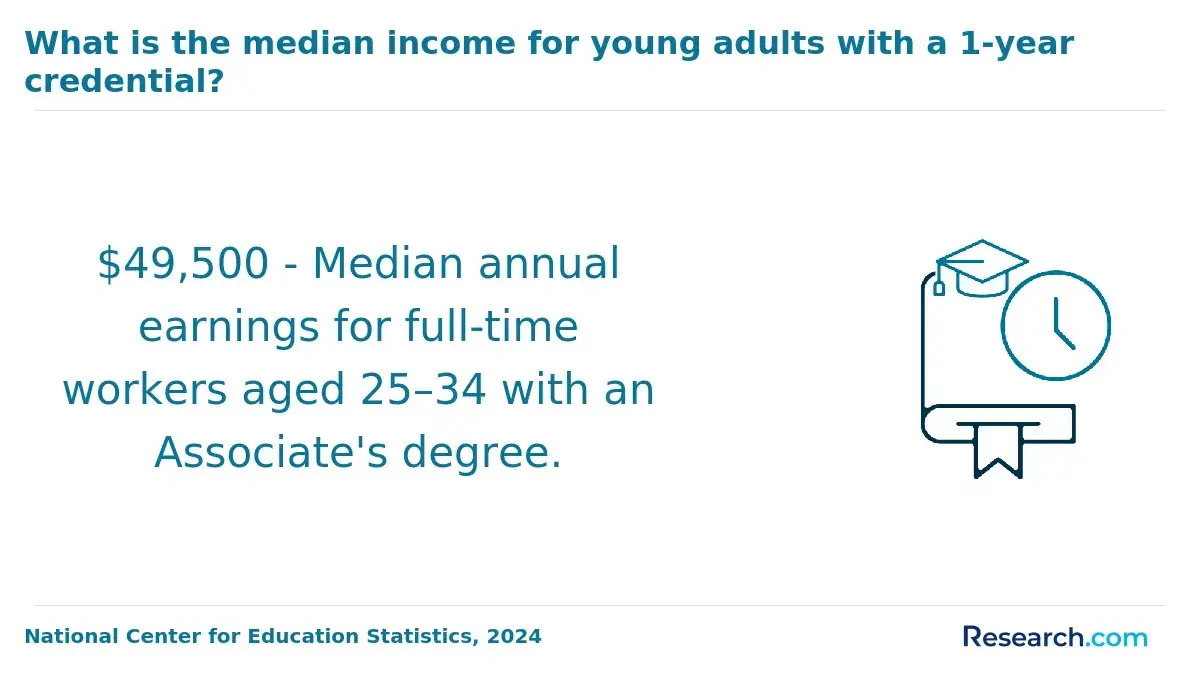
Compensation in legal studies careers demonstrates a clear stratification linked to experience, role complexity, and market factors. Entry-level positions such as paralegals, legal assistants, and compliance coordinators typically fall between $40,000 and $55,000 annually according to 2024 data from the U.S. Bureau of Labor Statistics and LinkedIn Salary Insights. Moving into mid-level roles-often held by seasoned paralegals, litigation specialists, and junior analysts-salaries extend up to $75,000, reflecting increased accountability and specialized skills. Senior-level professionals, including legal managers and compliance leads, command upwards of $100,000, with niche expertise and metropolitan location sometimes pushing compensation beyond $120,000, highlighting the premium placed on leadership and deep subject-matter knowledge.
Similar to those with an MBA online degree, salary variation within this field is shaped by multiple intersecting factors. Specialization in areas like healthcare compliance, intellectual property, or corporate law correlates with higher wages due to targeted industry demand and the scarcity of qualified professionals. Geographic disparities are significant; large urban centers or legal hubs offer more competitive pay compared to rural or less concentrated markets. Organizational scale and complexity also influence compensation, as employers with expansive legal operations require advanced technological proficiency and strategic oversight, thereby elevating salary bands. Practical skills such as mastery of e-discovery tools and data privacy regulations increasingly differentiate candidates, signaling that wage progression hinges as much on tangible competencies as formal credentials.
One graduate recalled navigating the rolling admissions process for a legal studies program with a mixture of hesitation and pragmatism. Early in the cycle, the prospect of quick acceptance seemed appealing, but delays in application evaluation caused uncertainty about enrollment timing. Facing a narrowing window to secure funding and job placement, the graduate balanced the pressure of acting swiftly against the need for thorough preparation. Ultimately, the decision hinged on aligning admission notification with personal readiness, illustrating how admissions timing can affect strategic planning and career momentum in this field.
Which Industries Are Hiring the Most Legal Studies Graduates?
Demand for legal studies graduates is notably concentrated in sectors undergoing structural shifts due to technological advancement, regulatory complexity, and workforce expansion. These industries require professionals who can navigate evolving compliance landscapes and policy frameworks while supporting organizational governance. This hiring pattern reflects systemic needs rather than transient recruitment surges, highlighting skills that align with operational risk management and regulatory interpretation.
- Government Sector: Federal, state, and local agencies maintain steady recruitment driven by expanding roles in policy enforcement and regulatory oversight. Legal studies graduates are valued for their ability to interpret statutes and support public administration functions, which the U.S. Bureau of Labor Statistics projects will grow by approximately 6% through 2026, emphasizing ongoing demand for legal compliance expertise.
- Corporate Sector: Industries such as finance, insurance, and technology increasingly rely on legal studies professionals to manage regulatory complexity and contractual compliance. The rise of data privacy regulations and corporate governance standards has elevated the importance of these roles, with nearly 30% of legal studies graduates securing positions focused on compliance and legal operations, as reported by the Legal Executive Institute.
- Healthcare Industry: Growing regulatory frameworks and heightened attention to patient rights have amplified legal staffing needs within healthcare organizations. Legal studies graduates bring critical skills in navigating healthcare laws and risk mitigation, contributing to a reported 12% increase in healthcare-related legal roles in recent data from the American Health Lawyers Association.
- Nonprofit Organizations: This sector demands expertise in legal research, advocacy, and public policy to address regulatory challenges impacting social and environmental causes. Graduates often fill roles that require balancing legal constraints with mission-driven objectives in a dynamic funding environment.
- Education and Academic Institutions: Colleges and universities increasingly employ legal studies graduates to manage compliance, intellectual property issues, and administrative law matters, reflecting broader institutional needs for regulatory oversight and legal support functions.
How Does Hiring Demand Vary by State, Region, and City?
Hiring demand for legal studies graduates varies significantly across states and broad regions, shaped by local economic structures and industry clusters. States such as California, New York, and Texas, home to extensive corporate legal departments and government agencies, tend to report higher demand due to their dense concentration of law firms and regulatory bodies. Regionally, areas like the Northeast and West Coast benefit from robust financial centers and tech industries, sustaining stronger hiring momentum, as indicated by recent data from the U.S. Bureau of Labor Statistics and regional economic reports. Meanwhile, less saturated Midwestern and Southern states may offer fewer overall openings but provide greater accessibility for entry-level candidates because of lower competition and different market dynamics. This complexity illustrates that understanding how legal studies hiring demand differs by US state requires analyzing economic ecosystem variations rather than relying on population size or simple job counts alone.
At the city level, hiring intensity for legal studies roles reflects not only the scale of urban centers but also their industry specialization and infrastructure. Metropolitan areas such as Washington D.C., Chicago, and Seattle host diverse legal ecosystems incorporating federal agencies, tech companies, nonprofit organizations, and healthcare clusters, factors that elevate both salary potential and job variety. The presence of established talent pipelines and higher living costs influence employer competition and candidate readiness, creating a nuanced balance between opportunity and expenses.
Conversely, smaller cities tend to concentrate on municipal legal work or compliance roles, reflecting local business needs rather than national or international legal demands. Prospective graduates must weigh these localized differences carefully, as strategic geographic choices directly affect employability and long-term career progression within the legal field. For those exploring related educational pathways considering workforce outcomes, reviewing best RN to BSN programs may offer comparative insights into regionally influenced career access and development.
What Skills Are Employers Prioritizing in Legal Studies Job Postings?
Employer demand in legal studies job postings is increasingly shaped by technological advancements, automation of routine tasks, and the integration of interdisciplinary competencies. These forces drive shifting skill priorities, reflecting the complexity and evolving nature of legal work today. As legal operations embrace digital tools, regulatory complexity, and client-facing roles, essential skills now extend beyond traditional legal knowledge to encompass analytical, technological, and interpersonal dimensions.
Understanding which capabilities employers highlight offers insight into how the legal workforce must adapt to remain competitive and effective.
- Legal Research and Writing Proficiency: Over 75% of employers prioritize this skill due to its central role in constructing accurate legal arguments, drafting documents, and preparing case materials. Mastery here signals an ability to handle core responsibilities that remain foundational despite technological shifts.
- Technological Literacy with Legal Tools: Familiarity with legal technology platforms such as e-discovery software and case management systems is sought by roughly 60% of employers. This reflects the increasing automation in legal processes and the need for professionals who can efficiently navigate and leverage digital systems to improve workflow and ensure compliance.
- Critical Thinking and Problem-Solving: These skills are essential for interpreting complex regulations and adapting legal strategies in dynamic regulatory environments. Employers value candidates who can analyze multifaceted issues and develop innovative solutions under evolving legal constraints.
- Effective Communication: With 68% of employers emphasizing the ability to clearly convey complex information, the capacity for both written and oral communication remains crucial. The need to translate technical legal concepts into accessible language for diverse stakeholders influences hiring and career growth.
- Interpersonal Skills and Emotional Intelligence: The growing importance of client management and negotiation underscores employers' preference for candidates who can collaborate across teams and maintain strong client relationships. Emotional intelligence contributes to conflict resolution and nuanced stakeholder engagement in legal contexts.
Overall, these skill demands illustrate a legal labor market that values versatile professionals who integrate traditional legal expertise with digital competencies and refined interpersonal capabilities. This combination not only addresses current operational demands but also positions candidates for sustained relevance as legal work continues to evolve.
Which Certifications Increase Employability and Salary Potential?
Certifications in the legal studies field act as critical indicators of specialized knowledge, technical skill, and workforce readiness. Rather than substituting for formal education, they complement academic credentials by signaling to employers a candidate's practical competence and commitment to industry standards. These credentials often enhance competitiveness in hiring, especially where specific skill shortages or technological proficiencies define market demand.
- Certified Paralegal (CP): This credential carries strong recognition by law firms and corporate legal departments as proof of a candidate's baseline proficiency and practical reliability. Employers associate the CP with enhanced job readiness, which translates into faster hiring and salary increases typically in the 12% to 15% range compared to non-certified peers, according to recent industry data.
- Professional Legal Secretary (PLS): Valued primarily in administrative legal roles, the PLS designation signals mastery of specialized office and procedural skills. It aligns with employer demand for versatile legal support staff and corresponds with greater access to diverse job openings and improved promotion prospects within legal departments.
- Certified E-Discovery Specialist (CEDS): As legal technology becomes integral to case management, the CEDS credential validates expertise in e-discovery tools and processes. This certification addresses notable skill gaps in legal tech, justifying salary premiums averaging 15% above comparable positions without it, while requiring ongoing education to sustain its relevance.
Though certifications clearly impact employability and compensation, their influence must be balanced against broader hiring factors such as practical experience, soft skills, and local job market conditions. Selecting appropriate credentials based on one's targeted legal subfield and labor market intelligence remains essential for maximizing returns on time and financial investment.
One graduate recalled navigating the uncertainty of rolling admissions for a paralegal certification program. Facing delays in application feedback and unclear timelines, they hesitated to commit while weighing the potential salary boost against the program's cost and duration. Only after receiving confirmation just before the next job opening's announcement did they enroll, underscoring how timing and access to reliable information critically affect the practical value and decision to pursue such certifications.
How Do Remote and Hybrid Opportunities Affect the Legal Studies Job Market?
Remote and hybrid opportunities are reshaping hiring patterns in the legal studies job market by broadening the candidate pool beyond traditional geographic hubs. Many employers now actively seek professionals capable of managing autonomous workflows supported by digital collaboration tools, a shift noted in 2024 workforce analytics reporting increased demand for tech-savvy legal roles. Positions like document review, compliance, and legal research have seen rising availability of remote options, although roles requiring courtroom presence or direct client interaction remain mostly office-based. This dynamic creates a more competitive landscape where remote-friendly legal studies remote job opportunities in the US attract applicants nationally, intensifying competition while partly decoupling job access from location.
The hybrid work model's normalization also influences salary structures, with many organizations flattening regional pay differentials even as they maintain base salary ranges tied to cost of living. Employers emphasize effective communication and digital collaboration proficiency more than before, influencing hiring decisions and employee evaluation standards. These trends suggest a longer-term shift toward workforce distribution that may reduce metropolitan job clustering while requiring legal studies graduates to demonstrate both legal expertise and adaptability to evolving work modes.
Candidates should thus weigh technology skill development alongside legal training. For those exploring healthcare-related legal roles, aligned programs such as ADN to MSN NP programs illustrate broader trends in cross-disciplinary career mobility influenced by workforce remodeling across sectors.
Which Legal Studies Careers Show the Strongest Long-Term Hiring Momentum?
Long-term hiring momentum in legal studies careers is shaped primarily by structural changes within industries rather than transient job market shifts. This momentum reflects enduring economic transformations, regulatory evolutions, and technological advancements that affect workforce demand over the coming decade. These forces create sustained need for specialized roles adept at managing complex legal, compliance, and technology-related challenges across sectors. Understanding these drivers clarifies why certain legal studies careers exhibit stronger, more stable hiring trajectories.
- Paralegals and Legal Assistants: Projected to grow 8% from 2022 to 2032, these roles benefit from law firms and corporate legal departments seeking cost-effective support amid rising caseloads and increasingly complex documentation. Their demand also stems from broader industry digitization, requiring staff who can efficiently manage electronic records while supporting attorneys in diverse legal environments.
- Compliance Officers: With a 9% growth projection, compliance officers are propelled by expanding regulatory regimes across finance, healthcare, and environmental sectors. The intensifying regulatory landscape demands professionals capable of navigating evolving laws and risk management frameworks, which anchors their hiring momentum in both private and public organizations.
- Legal Technology Specialists: An emerging category, these professionals combine legal expertise with software skills to automate tasks like e-discovery, document review, and contract analysis. Their increasing integration within legal operations reflects industry-wide digital transformation, making their role critical to improving efficiency and accuracy long-term.
The highlighted careers illustrate how legal studies long-term job growth in the United States is tied to multidisciplinary skill sets and the ability to adapt to technological and regulatory complexity. Candidates who build competencies in compliance frameworks or legal technology position themselves better for sustained employability as employers prioritize efficiency and oversight in an evolving legal ecosystem.
For prospective students or early-career professionals weighing educational choices, it's important to consider pathways that align with these durable labor market demands. For those interested in allied fields, resources explaining what medical degree can I get online offer a comparative perspective on different long-term professional tracks.
How Can Students Use Job Market Data to Make Better Career Decisions?
Students pursuing legal studies can utilize recent labor market data from sources like 2024 hiring reports, salary databases, and specialized job platforms to evaluate where demand is strongest, which roles offer competitive compensation, and which subfields are expanding. This data highlights nuances such as geographic salary variation, demand for compliance and legal tech skills, and employer preferences, providing a clearer picture of actual opportunities rather than broad assumptions. By focusing on these metrics, students can identify career paths within legal studies that balance growth potential with attainable entry requirements and realistic earnings trajectories.
Interpreting job market data requires weighing short-term hiring surges against longer-term career sustainability, geographic flexibility, and skills alignment with evolving employer needs. Overemphasis on transient trends risks misaligned decisions, so students should integrate market insights with their interests and aptitude, particularly considering demands for internships or technological competencies. Effective decision-making emerges from blending labor data with awareness of personal goals, ensuring educational investments align with both immediate job openings and anticipated shifts in the legal studies workforce landscape.
References
- Legal Studies Jobs (with Salaries) - SEEK https://au.seek.com/legal-studies-jobs
- Essential Tips To Help Law Graduates Seeking Employment | Owen Reed https://www.owenreed.co.uk/legal-education/tips-law-graduates-employment/
- Alternative Careers for Lawyers: Resources, Case Studies & More https://www.legalnomads.com/alternative-careers-lawyers/
- Top 10 Skills Employers Look for In Graduates - Equal Opportunity Careers â Legal Careers Platform https://www.equalopportunitycareers.co.uk/law-careers/top-10-skills-employers-look-for-in-graduates
- Soft Skills Employers are Looking for in a Graduate https://www.law.ac.uk/resources/blog/soft-skills-employers-are-looking-for-in-a-graduate/
- Law Degree Careers and Salary in Europe - StudyinEurope.eu https://www.studyineurope.eu/legal-sciences/law-degree-careers-salary-europe/
- The legal job market: trends, challenges and opportunities https://www.idexconsulting.com/blog/2024/08/the-legal-job-market-trends-challenges-and-opportunities
- Hybrid Remote Work: Social and Legal Aspects. Part 2: Praca zdalna hybrydowa: kontekst społeczny i prawny. Cz. 2 https://ojs.academicon.pl/eppism/article/view/10620
- Upcoming events https://www.lawcareers.net/
- 10 jobs you can do with a law degree https://www.lawsociety.com.au/resources/resources/career-hub/10-jobs-you-can-do-law-degree
Other Things You Should Know About Legal Studies
Choosing between specialization and broad legal knowledge depends heavily on your target employers and the type of roles you pursue. Specialized coursework can make you more attractive for niche positions with clear salary premiums but may limit flexibility in a fluctuating market. Conversely, a broader foundation supports adaptability across various roles but often places you in more competitive salary bands. Prioritize specialization only if you have clear evidence of stable demand in that subfield; otherwise, maintaining a versatile skill set can sustain employability during market shifts.
Jumping into roles immediately after an undergraduate legal studies degree can maximize early career earnings and work experience but might cap mid- and long-term salary growth in certain sectors. Advanced degrees or certifications often require delaying work entry and financial gain but typically open doors to higher-paying, senior, or specialized roles. Evaluate your financial situation and career goals carefully; if you can absorb the opportunity cost, additional credentials may enhance upward mobility, whereas immediate employment is preferable if short-term income or experience is critical.
Employers increasingly expect legal studies candidates to present substantive internships or practical experiences rather than purely academic achievements. Failing to demonstrate applied skills can result in offers confined to lower salary bands or limited advancement potential. Prioritizing high-quality internships, even if unpaid or less convenient, often translates into better initial offers and employer trust in your readiness for responsibility, making practical experience a decisive factor in early-career hiring momentum and compensation discussions.
Larger organizations typically offer stable salary bands and formal training but can have slower promotion timelines and less role flexibility. Smaller firms may provide accelerated advancement and broader responsibility exposure but often with lower pay ceilings and greater job security risks. For newcomers prioritizing stable income and long-term growth, targeting established employers makes sense. Those willing to accept volatility for faster role expansion or diverse experience might benefit from smaller entities, but should carefully weigh potential income tradeoffs.