2027 Legal Studies ROI by Institution Type: Public vs Private vs Nonprofit Online Programs

Co-Founder and Chief Data Scientist
Consider a prospective legal studies student faced with three online programs that initially look alike: similar course offerings, comparable credit requirements, yet vastly different tuition rates and student loan outcomes. A 2024 study from the National Center for Education Statistics highlights that graduates from some private online programs carry nearly double the debt of their public counterparts while exhibiting lower three-year graduation rates.
This disparity suggests critical implications beyond upfront cost-affecting long-term financial stress, institutional support access, and career progression. Understanding these nuanced tradeoffs is essential for navigating online legal studies options. This article examines how public, private, and nonprofit institutions differ in ROI to guide informed enrollment decisions.
Key Things to Know About Legal Studies ROI by Institution Type
- Public online legal studies programs typically offer lower total costs but may have longer average completion times, increasing indirect expenses and delaying workforce reentry, thus reducing short-term ROI for adult learners balancing work.
- Private online programs often benefit from stronger alumni networks and employer recognition, which can enhance career advancement potential, but higher tuition frequently results in greater student debt, complicating long-term financial outcomes.
- Nonprofit online institutions provide a middle ground with moderate costs and targeted learner support services; however, varied accreditation status requires careful evaluation since employer acceptance significantly influences realized ROI in legal fields.
- Key Things to Know About Legal Studies ROI by Institution Type Key Things to Know About Legal Studies ROI by Institution Type
- What Does ROI Mean for a Legal Studies Program and How Is It Measured? Understanding Legal Studies Program ROI
- How Do Public, Private, and Nonprofit Online Legal Studies Programs Differ in Overall Value? Value by Institution Type
- How Do Tuition Costs Affect the ROI of a Legal Studies Program Across Institution Types? Tuition Costs and ROI
- How Do Graduation Rates Influence Legal Studies Program ROI? Graduation Rates Impact ROI
- What Role Do Career Outcomes Play in the ROI of a Legal Studies Degree? Career Outcomes and ROI
- How Does Student Debt Impact the Long-Term ROI of a Legal Studies Program? Debt vs. Long-Term ROI
- How Do Flexibility and Adult Learner Support Affect Legal Studies Program Value? Flexibility and Program Value
- How Do Accreditation and Institutional Reputation Influence Legal Studies ROI? How Do Accreditation and Institutional Reputation Influence Legal Studies ROI?
- How Does Time-to-Degree Affect the ROI of Public, Private, and Nonprofit Legal Studies Programs? How Does Time-to-Degree Affect the ROI of Public, Private, and Nonprofit Legal Studies Programs?
- How Can You Choose the Best Legal Studies Program Based on Your ROI Goals? Choosing Programs by ROI
What Does ROI Mean for a Legal Studies Program and How Is It Measured?
Evaluating return on investment for online legal studies programs requires weighing more than just tuition costs against projected salaries. For instance, a public institution may offer lower tuition but longer time-to-degree and fewer support services, which can extend a student's educational timeline and increase opportunity costs. Conversely, private and nonprofit options often come with higher sticker prices but may deliver enhanced networking and career resources that improve graduation rates and employability, shifting the ROI calculus. According to a 2024 National Center for Education Statistics report, private nonprofit programs show a 6% higher completion rate than public programs, a difference that can materially affect overall investment outcomes.
Student debt burden also heavily influences ROI assessments. Data from the Education Data Initiative in 2024 highlights that graduates from nonprofit online legal studies programs bear about 15% less average debt than those from private for-profits, despite nominally higher tuition fees. This debt differential can shape long-term financial stability, suggesting that a lower upfront cost does not always equate to reduced financial strain.
Decision-making should thus factor in institutional reputation, time-to-degree, and graduation likelihood alongside direct costs, especially since different student circumstances-for example, working adults balancing family or part-time study-alter the practical value of accelerated versus traditional pacing. Considering these variables enables a more accurate, context-relevant measurement of measuring roi in public private nonprofit legal studies programs tailored to individual goals and constraints.
Because ROI involves opportunity cost as well as direct expenses, programs offering flexible formats or accelerated tracks-such as the accelerated medical assistant program model in allied fields-can provide strategic advantages by shortening time out of the workforce. While not every legal studies program can match such pace, careful comparison of institutional offerings aligned to one's career timeline remains critical. Ultimately, adult learners and career changers benefit from nuanced analysis that goes beyond price tags, emphasizing how graduation rates, debt load, and program quality collectively influence the long-term value of their education investment.
How Do Public, Private, and Nonprofit Online Legal Studies Programs Differ in Overall Value?
Cost often drives the perceived value of online legal studies programs, but affordability must be weighed alongside graduation rates, debt accumulation, and career relevance. Public programs typically offer lower tuition, resulting in roughly 20% less student debt on average, according to 2024 data from the National Center for Education Statistics. However, these savings can come with tradeoffs in resource availability and student support, which are critical for adult learners balancing multiple responsibilities. Private programs may justify higher costs through specialized counseling and networking, yet employer recognition varies widely based on institutional reputation beyond public or private status alone.
Nonprofit online legal studies programs generally position themselves between public and private options, emphasizing mission-driven flexibility and targeted support for nontraditional students. Graduation rates across institution types hover between 40% and 50%, indicating that factors such as student commitment and program fit often matter more than governance model. Practical internships and job placements remain a key benefit of public programs linked to local legal networks, which can enhance employment prospects despite lower brand prestige. These complexities suggest a nuanced ROI calculation where affordability, completion likelihood, and employer perception intersect differently for each student's situation.
A recent graduate's experience illustrates these challenges: after comparing a public university's low tuition but limited career advising to a private school's higher cost with strong alumni connections and a nonprofit's customized support but inconsistent graduation outcomes, the student hesitated. Concerned about long-term debt yet wanting credible credentialing, they ultimately chose a nonprofit program that balanced manageable costs with tailored services, aligning with their goal to enter the legal workforce without excessive financial strain. This decision reflected an individualized weighing of institutional differences beyond simple price or prestige.
How Do Tuition Costs Affect the ROI of a Legal Studies Program Across Institution Types?
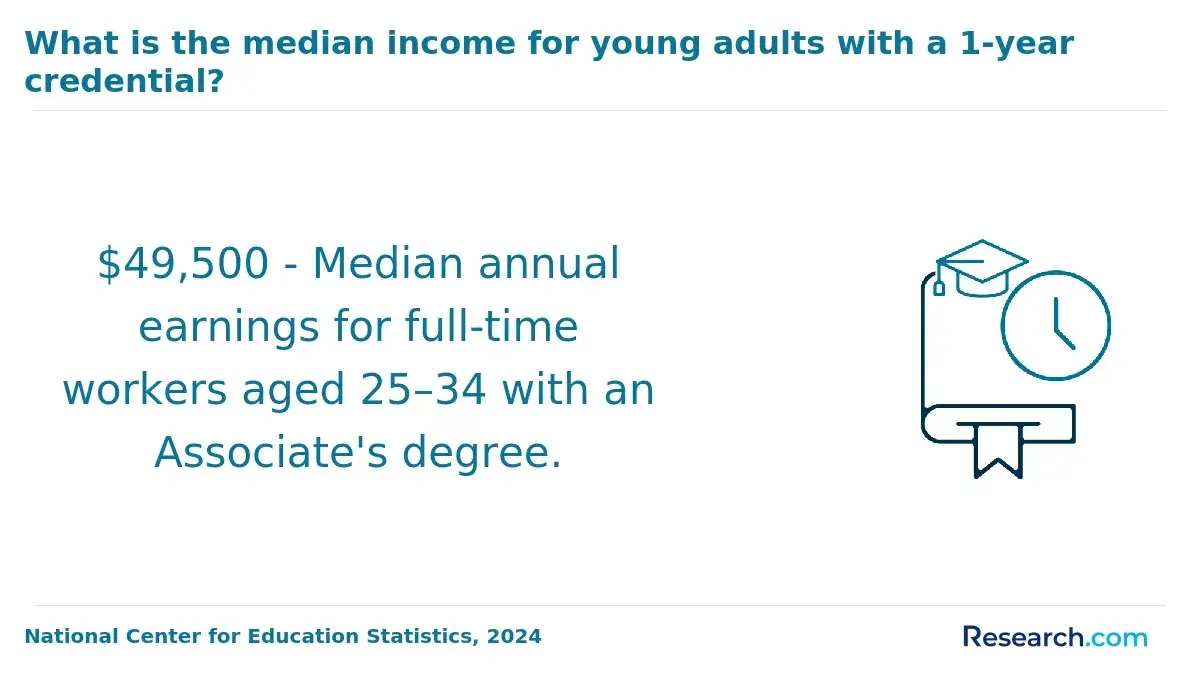
Lower tuition at public online legal studies programs often attracts cost-conscious students, but this advantage can be misleading when evaluating ROI. While public institutions typically charge around $7,500 annually for in-state students-substantially less than private or nonprofit programs-higher-priced programs may offer more robust academic support, career services, and alumni networks that bolster graduation and employment outcomes. For example, a 2024 Education Research Center survey noted that private nonprofit legal studies students completed their degrees at a rate 10% higher than those at public schools, which can significantly enhance long-term earning potential despite steeper upfront costs.
Debt burdens further complicate the value equation. Graduates from private nonprofit programs carry nearly 30% more student debt on average, according to the Institute for Higher Education Policy's 2024 report, which may delay financial stability even if these programs yield stronger salaries. Meanwhile, public students often benefit from lower net prices after aid, reducing their borrowing needs. However, public programs' greater emphasis on flexibility can prolong time-to-degree, increasing opportunity costs that may erode potential gains.
Ultimately, the interplay between tuition and ROI depends on individual career goals and financial tolerance. A working professional aiming for rapid credential completion and network access may justify higher tuition at a private nonprofit online program, whereas a budget-focused student prioritizing debt minimization might favor a public option despite potentially longer completion times. This nuanced tradeoff underscores why sticker price alone is insufficient to gauge value; careful weighing of aid, support quality, completion chances, and career payoff is essential for informed decision-making.
How Do Graduation Rates Influence Legal Studies Program ROI?
Graduation rates directly impact legal studies program roi by influencing how quickly students complete their degrees and begin earning. Public online programs often report graduation rates between 45-55%, while private nonprofit institutions typically achieve slightly higher rates near 55-65%, reflecting differences in academic support and resource availability. For adult learners balancing work, extended time-to-degree can increase debt and reduce overall financial benefits, despite the value of flexible scheduling and tailored advising that many private and nonprofit schools provide.
Using graduation rates as a sole metric for roi oversimplifies the decision-making process since these figures don't fully capture variations in student demographics, enrollment intensity, or institutional reputation, all of which affect long-term job prospects. Despite these limitations, graduation outcomes remain key indicators of program effectiveness, as they often correlate with career services quality and curriculum alignment to workforce needs. Cost-conscious students comparing public, private, and nonprofit online legal studies programs must weigh completion likelihood alongside broader factors like student debt and employment access to make informed choices.
Legal studies program roi evaluations benefit from recognizing how persistence challenges and institutional differences affect educational costs and career timing. Adult learners, in particular, should consider the implications of graduation rates in the context of managing ongoing financial responsibilities. For those investigating the field's fit, resources addressing whether is medical billing and coding worth it may offer insights into related healthcare career pathways with rising demand and distinct educational outcomes.
What Role Do Career Outcomes Play in the ROI of a Legal Studies Degree?
Career outcomes fundamentally shape the return on investment for legal studies degrees, creating distinct considerations between public, private, and nonprofit online institutions. While public programs tend to offer more affordable tuition and broader access, they may lack the employer network strength and experiential learning opportunities that many private and nonprofit programs provide, which can directly impact job placement success and long-term career mobility.
The U.S. Department of Education's College Scorecard (2024) reveals median earnings for graduates ten years post-enrollment typically range from $45,000 at public schools to around $50,000 at nonprofit and private institutions, underscoring how modest income differentials coexist with important qualitative differences in how programs prepare students for evolving legal support roles. Given a projected 7% job growth in paralegal and legal assistant positions, graduates must weigh not only initial employment rates but also how programs align with employer expectations and facilitate practical skill development to sustain career growth and credential relevance over time.
These career outcome variances intersect critically with tuition costs, student debt, and time-to-degree, influencing the ultimate educational value beyond immediate salary data. For example, upfront savings at a public online program may come at the cost of fewer internship opportunities or direct employer ties, potentially delaying professional advancement or narrowing geographic job options.
Conversely, more expensive private or nonprofit programs might accelerate industry integration, but the debt burden and comparably tight regional market demand necessitate careful scrutiny of whether the degree's practical benefits justify its price. Students focused on transferability and graduate school preparation should also assess how each program's career resources support long-term professional trajectories rather than solely initial placement success.
One recent graduate of an online legal studies program shared how their decision hinged on dissecting these outcome factors rather than simply comparing tuition. Initially uncertain whether their degree would meaningfully improve job prospects, they found that employer recognition of the credential and access to remote internships ultimately opened doors to a compliance role with expanded responsibilities.
While the salary boost was modest, the enhanced professional network and skill application provided reassuring career momentum, validating the program's ROI beyond purely financial returns. This nuanced experience highlights the importance of evaluating career outcomes as multifaceted contributors to value, especially for working adults balancing cost, time, and evolving industry demands.
How Does Student Debt Impact the Long-Term ROI of a Legal Studies Program?
Debt levels and borrowing strategies critically shape the long-term return on investment for legal studies programs, particularly across public, private, and nonprofit online institutions. Graduates from public programs often carry lower median debt-around $18,000-compared to $25,000 to $30,000 for nonprofit and private counterparts, affecting monthly repayment burdens and financial flexibility. However, lower debt may coincide with fewer immediate networking opportunities or employer connections, which can slow early career progression and limit income growth, complicating the assessment of how student loan debt affects career earnings in legal studies programs.
Graduation rates and program costs further influence ROI by impacting the debt-to-completion ratio and subsequent repayment success. Public online programs generally exhibit higher completion rates, reducing the risk of debt without credential payoff, while private and nonprofit programs' variable outcomes raise concerns about sustainability of student finances post-graduation.
Additionally, nonprofit online graduates often achieve slightly better default rates than private program graduates, indicating stronger repayment capacity related to income stability and realistic debt management. Working professionals and career changers must weigh these factors against their career goals, flexibility needs, and the quality of educational support when selecting a program.
Prospective students comparing options should incorporate long-term financial outcomes alongside the total cost of attendance, available aid, and program benefits such as career services and employer engagement. Evaluating tradeoffs between upfront debt and potential earnings advantages is essential, exemplified by those who opt for more expensive private programs hoping for stronger career trajectories versus those prioritizing cost control at public institutions. For those interested, resources on the best exercise science degree online demonstrate similar considerations of debt and ROI applicable in related fields.
How Do Flexibility and Adult Learner Support Affect Legal Studies Program Value?
The value of online legal studies programs hinges significantly on their flexibility and the extent of adult learner support, which directly affect retention, time-to-degree, and overall cost efficiency. For instance, programs offering asynchronous coursework and part-time enrollment enable working adults or parents to progress steadily without interrupting income streams, improving persistence rates by roughly 25% after the second year, according to a 2024 National Center for Education Statistics report.
In contrast, rigid scheduling or limited transfer credit policies can delay graduation, increasing both tuition and opportunity costs. Public institutions frequently lead in these areas, providing scalable flexibility alongside transfer-friendly terms, which often translates into more affordable, practical pathways for nontraditional students and veterans.
Support services tailored to adult learners-such as specialized academic advising, accessible faculty, and targeted career assistance-also play a crucial role in shaping long-term ROI by improving employability and reducing attrition. Nonprofit programs tend to prioritize these services, catering to career changers or military-affiliated students with comprehensive guidance across educational and professional transitions.
Meanwhile, private programs may offer more personalized support and advanced technology platforms but at higher tuition costs, forcing students to weigh whether these enhancements justify increased debt burdens. Ultimately, working adults must assess how institutional tradeoffs between cost, support quality, and scheduling impact not only immediate affordability but also their ability to complete credentials and enter or reenter the legal workforce efficiently.
How Do Accreditation and Institutional Reputation Influence Legal Studies ROI?
The distinction between regional and national accreditation can materially affect a legal studies graduate's return on investment, influencing credit transfer options, eligibility for federal aid, and employer recognition. For example, students attending regionally accredited institutions generally experience about a 12% higher employment rate post-graduation according to the National Center for Education Statistics (NCES, 2024).
Employers in legal-adjacent fields often scrutinize the institutional reputation alongside accreditation status, especially when evaluating candidates without specialized programmatic accreditation. This means that choosing a public or nonprofit online program with solid regional accreditation and visible institutional credibility can increase long-term career opportunities relative to lower-tier or nonaccredited alternatives.
Nonetheless, the value of reputation should be balanced against affordability and individual outcomes. While institutions with stronger academic reputations tend to report graduates earning 15-20% more within five years according to Georgetown University's Center on Education and the Workforce (2024), these gains may be offset by higher tuition costs and student debt burdens common at private schools.
Many public and nonprofit online legal studies programs offer competitive curriculum quality and adequate career supports at lower cost, thereby enhancing net financial returns even if their brand influence is less powerful. Ultimately, practical outcomes, including demonstrated competencies and experiential learning, often carry more weight with employers than institutional prestige alone.
Students weighing public, private, and nonprofit online legal studies pathways should consider accreditation and reputation as interrelated factors that shape-but do not guarantee-return on investment. Credit transferability, graduate school eligibility, and employer perception are tangible advantages linked to reputable regional accreditation. Yet affordability, student support services, and the real-world applicability of skills gained remain critical in achieving meaningful value from these programs over time.
How Does Time-to-Degree Affect the ROI of Public, Private, and Nonprofit Legal Studies Programs?
Time-to-degree directly shapes the financial and professional payoff of online legal studies programs, often dictating how tuition exposure, debt levels, and income disruption align with student goals. Public institutions typically allow for part-time enrollment, which accommodates working adults but extends completion timelines, increasing total costs and deferring credential-related earnings. This flexibility suits those balancing employment and family but requires careful weighing of prolonged opportunity costs against the need to maintain a steady income. For example, a student working full-time while attending a public program part-time may avoid high debt but delay benefits that come from quicker graduation.
Comparing time-to-completion benefits for private and nonprofit legal studies degrees reveals that accelerated pathways and generous transfer credits can substantially shorten time-to-degree, improving ROI by reducing both tuition and lost wages. However, these accelerated options often come with less flexible enrollment and sometimes higher tuition, posing challenges for those who cannot commit full-time.
Private nonprofit institutions frequently report higher graduation rates, which enhances ROI by improving completion certainty, but the faster pace may not fit all students' life circumstances. Adult learners should balance the advantages of shorter programs against the risk that rapid completion might compromise mastery and professional readiness.
Adult learners navigating these tradeoffs will benefit from assessing institutional persistence data and their own capacity for part-time versus full-time study. Understanding this balance-including how transfer credits factor in-can inform decisions to minimize debt and optimize timing to enter or re-enter the workforce. For those exploring accelerated healthcare-related transitions alongside legal studies, programs like a 6 month RN to BSN program illustrate the value of condensed pathways but also underscore the importance of matching program demands to personal and career realities.
How Can You Choose the Best Legal Studies Program Based on Your ROI Goals?
The best legal studies program for ROI varies greatly depending on a student's unique priorities rather than institution type alone. While public online programs generally have lower tuition and more financial aid, leading to reduced debt burdens, private and nonprofit options often provide stronger learner support, smaller class sizes, and more robust alumni networks that can enhance career outcomes. According to the National Center for Education Statistics, graduates from private institutions carry about 30% more debt than those from public schools, a factor that weighs heavily in ROI calculations when career entry timelines and repayment ability vary.
Time-to-degree and program flexibility are particularly salient for working professionals and adult learners balancing employment with study. Nonprofit programs frequently offer accelerated or more adaptable asynchronous formats, catering to these schedules but sometimes at a higher upfront cost. Accreditation and institutional reputation remain essential, as employers often favor graduates from regionally accredited programs with recognized legal studies affiliations, which can affect job placement and starting salary. Comparing programs through the lens of comprehensive outcomes-including debt, graduation likelihood, and career prospects-offers a more nuanced view of the best online legal studies programs for return on investment.
For prospective students weighing options, it's vital to incorporate personal circumstances such as family obligations, career goals, and financial capacity. Aligning these with transparent program characteristics and outcome metrics empowers informed decisions. Exploring related fields can also broaden opportunities, as demonstrated by increasing demand across healthcare systems for trained professionals, reflected in the choice of online healthcare degrees that parallel legal studies in online delivery and ROI considerations.
References
- Accreditation and financial ROI | Woolf News & Updates https://woolf.university/news/accreditation-and-financial-roi
- The Long-Term Effects of Student Loans | ACE Blog https://ace.edu/blog/the-long-term-effects-of-student-loans/
- Selecting the Perfect Law School | LLM GUIDE https://llm-guide.com/blog/1189/1154/selecting-the-perfect-law-school
- Insights Into Adult Education: A Need for Flexibility and Innovation https://www.wested.org/blog/insights-impact/insights-into-adult-education-a-need-for-flexibility-and-innovation/
- Main navigation menu https://www.lsac.org/discover-law/types-law-programs
- Understanding The ROI of Law Firm Process Improvement https://www.litera.com/blog/understanding-roi-law-firm-process-improvement
- What it is and how to calculate ROI or Return on Investment - Esade https://www.esade.edu/beyond/en/what-is-roi-and-how-to-calculate-return-on-investment/
- Is Grad School Worth It? A Comprehensive Return on Investment Analysis - FREOPP https://freopp.org/whitepapers/is-grad-school-worth-it-a-comprehensive-return-on-investment-analysis/
- How Student Loan Debt Impacts Your College ROI https://www.lendkey.com/blog/student-loans/how-student-loan-debt-impacts-your-college-roi/
Other Things You Should Know About Legal Studies
Public institutions often maintain more standardized curricula driven by state oversight, which can mean a steadier but sometimes less specialized learning experience. Private and nonprofit online programs may offer more tailored or niche courses, but the inconsistency in academic rigor can impact how employers perceive the credential. Students prioritizing immediate job market applicability should weigh whether a program's curriculum aligns tightly with relevant employer expectations rather than assuming a private or nonprofit label ensures quality.
Programs with strong experiential components-such as internships, legal clinics, or simulation exercises-generally yield higher ROI because they better prepare graduates for real-world legal environments. Public universities often have broader partnerships that facilitate these experiences at scale, which can benefit students seeking hands-on training. If your goal is practical readiness over theoretical knowledge, lean toward programs, regardless of type, that explicitly embed experiential learning in their online legal studies curricula.
Alumni networks can provide critical long-term value through mentorship, job referrals, and professional connections, but the effectiveness of these networks varies widely. Public institutions typically have larger, more geographically diverse alumni pools, which might offer broader access but less personalized networking. Private and nonprofit programs may deliver closer community ties but smaller networks. Prospective students should assess the quality and engagement level of alumni activities rather than size alone when considering ROI impact.
Private and nonprofit online programs sometimes expect faster pacing and heavier workloads to condense legal studies material, which can challenge working adults juggling careers or family obligations. Public programs often allow for more flexible pacing, potentially extending time to completion but easing stress. For career changers balancing significant external responsibilities, this tradeoff may influence ROI more than tuition differences, as burnout or delayed graduation can undermine timely re-entry into the workforce.