2027 Legal Studies Student Debt Report: Borrowing, Monthly Payments, and Repayment Risk

Co-Founder and Chief Data Scientist
Legal Studies programs often entail extended course durations and rigorous accreditation requirements that influence student borrowing behavior distinctively from other disciplines. Many students face internship and fieldwork obligations that can delay labor market entry, affecting repayment timelines and monthly payment pressures. Additionally, variability in salary outcomes across Legal Studies careers complicates financial forecasting for graduates. Recent data from the U. S. Department of Education (2024) shows that median debt levels for Legal Studies graduates remain steady, yet repayment challenges persist due to these field-specific factors. Analyzing age demographics reveals an influx of nontraditional students, signaling shifts in workforce demands and educational accessibility within the field.
Key Things to Know About Legal Studies Student Debt
- High average debt levels for legal studies students often extend repayment timelines beyond typical workforce entry, increasing long-term financial strain and forcing tradeoffs in early-career budgeting strategies.
- Employers in allied legal sectors frequently favor candidates with practical experience over solely academic credentials, suggesting that debt-financed education without concurrent skill acquisition may limit immediate employment returns.
- Monthly payment burdens typically surge during early career stages, coinciding with wage growth delays; this timing mismatch raises default risk and underscores the importance of strategic loan structuring and refinancing options.
- Key Things to Know About Legal Studies Student Debt Key Things to Know About Legal Studies Student Debt
- How Much Student Loan Debt Do Legal Studies Graduates Typically Have at Graduation? Average Studen Loan Debt
- What Factors Have the Biggest Impact on Legal Studies Student Loan Debt? Student Debt Key Factors
- What Is the Average Monthly Student Loan Payment for Legal Studies Graduates? Average Monthly Payment
- How Do Repayment Rates Compare Between Public and Private Institutions? Public vs. Private Institution Repayment Rates
- Do Online Legal Studies Graduates Have Different Repayment Outcomes Than Campus-Based Students? Online vs. On-Campus Student Loan Repayment
- Which Industries Provide the Best Financial Return Relative to Borrowing Costs? Which Industries Provide the Best Financial Return Relative to Borrowing Costs?
- Does Student Debt Affect Which Jobs Legal Studies Graduates Accept? Does Student Debt Affect Which Jobs Legal Studies Graduates Accept?
- What Factors Increase Student Loan Repayment Risk for Legal Studies Graduates? Loan Repayment Risk Factors
- How Can Legal Studies Students Reduce Student Loan Debt While Earning Their Degree? Tips to Reduce Student Debt
- How Should Prospective Students Evaluate Borrowing Risk Before Enrolling? Evaluating Student Debt Risk
How Much Student Loan Debt Do Legal Studies Graduates Typically Have at Graduation?
Recent figures from sources such as the National Center for Education Statistics show that graduates with a legal studies degree typically finish with student loan debt ranging between $25,000 and $45,000. This range primarily reflects borrowing from undergraduate-level coursework and paralegal-oriented education rather than advanced law degrees, which usually involve higher debt. These figures highlight the financial burden on students completing programs designed to prepare them for supporting roles within the legal sector. The realities of legal studies graduate student loan debt averages underline the need for students to gauge their borrowing against expected entry-level salaries in roles like compliance or administrative support.
Variation in overall debt among legal studies students stems largely from institutional factors and individual financing choices. Attendance at public institutions or community colleges generally results in lower debt levels, benefiting from reduced tuition and potential in-state rates, whereas private colleges often contribute to higher borrowing. Additionally, availability and utilization of scholarships and grants, as well as differences in program length and enrollment status-whether full-time or part-time-significantly influence cumulative borrowing. These dynamics, combined with cost of living factors for students studying in different states, shape the broad range of debt outcomes seen across this field, reflecting wider student loan borrowing trends for legal studies students.
The implications of these debt levels extend into repayment challenges, especially as graduates often encounter modest starting wages relative to those with juris doctor degrees. Higher debt-to-income ratios increase the likelihood that graduates will depend on income-based repayment plans to manage their loans without defaulting. This financial balancing act affects post-graduation stability and decision-making, emphasizing the importance of assessing borrowing capacity alongside career prospects. For students weighing legal studies, careful financial planning-including understanding how debt obligations interact with income-can be crucial to long-term outcomes, a consideration that should be explored further alongside programs like nursing online in comparing educational affordability across fields.
What Factors Have the Biggest Impact on Legal Studies Student Loan Debt?
Student loan debt levels for legal studies students reflect a complex interplay between institutional pricing mechanisms and individual financial circumstances. No single element wholly explains the variance in borrowing; rather, debt accumulates through combined effects that include program design, cost structures, and student choices about aid and living arrangements. Considering these factors together reveals systemic pressures shaping typical borrowing behavior across legal studies programs. This perspective helps contextualize observed differences in average student loan debt for legal studies graduates.
- Program Length and Format: Extended program durations directly increase total borrowing by prolonging exposure to tuition costs and living expenses. Legal studies programs often exceed two years, with students in three-year or longer tracks borrowing approximately 25% more on average, according to a 2024 National Center for Education Statistics report. Accelerated or alternative pathways that compress time-to-completion can significantly moderate borrowing, highlighting the impact of enrollment decisions on debt levels.
- Institution Type and Pricing: The tuition differential between public and private institutions generates notable disparities in debt. Students attending private legal studies programs typically take on larger federal loans, with average borrowing around $45,000 versus $32,000 for public school attendees. Higher tuition combined with differing institutional aid policies amplifies borrowing for those at private colleges, underscoring how institutional pricing models shape the overall cost burden.
- Financial Aid Availability: Access to grants and scholarships offsets borrowing but remains limited in legal studies. Roughly 40% of these students receive substantial grant aid, which curtails the necessity to rely exclusively on loans. Insufficient non-loan funding forces many to increase borrowing, making aid availability a critical factor influencing debt formation and repayment trajectories.
- Geographic Cost Variations: Location-specific living expenses and tuition rates significantly influence accumulated debt. Urban campuses with elevated housing and daily costs push students toward higher loan amounts relative to peers studying in lower-cost, rural areas. Geographic disparities also interact with institutional pricing and aid distribution, affecting total borrowing patterns in legal studies.
- Anticipated Career Income and Borrowing Behavior: Students' expectations regarding post-graduation earnings shape their willingness to assume debt. Those targeting higher-paying legal or compliance roles often accept greater borrowing, banking on stronger repayment capacity, while students aiming for lower-paying sectors might borrow more conservatively. This nuanced behavior reflects the variability in career pathways within legal studies and its influence on borrowing levels.
Students weighing enrollment in legal studies programs should consider how these interconnected dynamics contribute to their potential student loan debt exposure. For those exploring faster degree paths to limit borrowing duration, options such as an accelerated bachelor's degree can provide tangible financial benefits by compressing costs and time invested.
What Is the Average Monthly Student Loan Payment for Legal Studies Graduates?
Recent data from the U.S. Department of Education and the Federal Reserve indicate that the typical monthly student loan payment for legal studies graduates falls between $200 and $450. This range captures the variability caused by differences in overall debt levels, repayment terms, and interest rates. Graduates with lower borrowing amounts or those using income-driven repayment (IDR) plans often experience payments toward the lower end, while those with larger debt burdens and standard 10-year plans generally face higher monthly obligations. These figures reflect the complexity of loan repayment, shaped by both borrower choices and structural factors within federal aid programs.
The variation in monthly payments largely stems from total loan balances, with amounts commonly ranging from $20,000 to $50,000, and differing strategies for managing repayment. Income-driven plans can reduce immediate payment amounts by tying obligations to earnings but often extend repayment duration and increase total interest paid. Conversely, fixed-term standard plans demand higher monthly payments that can strain graduates, especially given the moderate wage growth typical in many legal studies career paths. Additionally, disparities in post-graduation employment within fields like legal compliance or paralegal work influence repayment capacity and the length of financial commitment to loans.
One legal studies graduate recalled a cautious approach during the rolling admissions period: weighing several program offers while navigating uncertainty about financial aid details and enrollment deadlines. With an application submitted late in the cycle, the graduate experienced anxiety over timely acceptance decisions and potential impacts on loan counseling. Ultimately, this applicant prioritized swift confirmation of admission to secure a manageable repayment plan aligned with projected entry-level salaries, highlighting the practical trade-offs students face beyond academic considerations.
How Do Repayment Rates Compare Between Public and Private Institutions?
Graduates from public institutions with legal studies degrees generally demonstrate higher student loan repayment rates within five years of entering repayment compared to their private institution counterparts. Recent 2024 data from the U.S. Department of Education's College Scorecard shows that approximately 55% of public university legal studies grads remain current on loan payments after five years, while private institution graduates lag closer to a 48% repayment rate. These differences reflect not only the raw repayment outcomes but also deeper systemic dynamics inherent to institutional types, affecting borrowers' capacity to meet obligations on time.
The drivers behind these disparities include distinct tuition structures, borrowing levels, and earnings potential post-graduation. Public universities typically feature lower sticker prices, so graduates often accumulate less debt, easing the monthly payment burden and improving repayment timelines. Conversely, students at private institutions frequently take on larger loan balances due to higher tuition and fees, which amplifies repayment risk, especially when wage growth or job placement outcomes don't proportionally offset the debt. Additionally, variations in financial aid packages and demographic factors shape borrowing behavior and stress levels, with some private school grads encountering challenging income-to-debt ratios that complicate steady repayment.
Do Online Legal Studies Graduates Have Different Repayment Outcomes Than Campus-Based Students?
Repayment rates for graduates of public institutions generally exceed those of private university alumni within the legal studies field, according to data from the National Center for Education Statistics and the U.S. Department of Education. For example, a 2024 dataset reveals that approximately 54% of public institution legal studies graduates repay their student loans within five years, compared to 48% from private institutions. These differences reflect more than just raw repayment percentages; they illustrate varied financial behaviors shaped by distinct demographic profiles and borrowing patterns. The average monthly student loan payments for online versus campus legal studies graduates further complicate this dynamic, as online learners often face differing cost structures and employment opportunities that affect their repayment trajectories across both sectors.
Several structural factors contribute to these repayment disparities. Public universities tend to offer lower tuition and more extensive financial aid, resulting in smaller average debt burdens for students. While private institutions may provide higher starting salaries for graduates due to institutional prestige or selective hiring networks, the elevated tuition costs often translate into heavier borrowing and greater repayment stress. Employment outcomes also play a role, where public institution graduates often benefit from broader access to state-funded career services and local job markets, impacting their ability to maintain consistent payments. The debt-to-income ratio commonly weighs heavier for private school graduates, increasing the likelihood of longer repayment terms or delinquency despite marginally higher initial earnings.
These repayment performance patterns influence long-term financial mobility and perceptions of program value within legal studies. Higher repayment rates are frequently viewed as indicators of institutional accountability and financial sustainability, shaping both prospective student decision-making and policy discussions. For online learners, navigating this environment requires careful evaluation of borrowing needs relative to potential income and practical career preparation. Given the nuanced interplay of tuition costs, debt loads, and job prospects, it is advisable for students to weigh these tradeoffs thoughtfully, as evidenced by data insights into average monthly student loan payments for online versus campus legal studies graduates. Those interested in flexible education options may also explore related paths, such as online MBA programs healthcare management, which illustrate the breadth of career and financial considerations in graduate education choices.
Which Industries Provide the Best Financial Return Relative to Borrowing Costs?
Financial return on legal studies degrees varies considerably across industries, influenced not just by salary levels but by the interplay of earning progression, hiring demand, and debt burden. Evaluating return on investment (ROI) thus requires analyzing how income growth aligns with typical borrowing amounts and loan repayment feasibility. Industries with faster career advancement and stronger mid-career pay often mitigate initial student debt more effectively than those with lower salaries but stable employment.
- Finance and Corporate Law: This sector consistently offers some of the highest starting salaries for legal studies graduates, frequently ranging from $75,000 to $95,000 annually. The robust demand for compliance and regulatory expertise within financial institutions supports steady salary growth, allowing borrowers to manage loan repayments within conventional timeframes. Data from government education reports indicate repayment risk here remains below 15%, reflecting balanced income-to-debt ratios.
- Technology Sector: Legal roles tied to tech companies, especially in compliance and intellectual property, benefit from high hiring demand and competitive compensation trajectories. Though initial salaries may be slightly lower than finance, accelerated career advancement often enhances earning power, reducing loan repayment duration. The sector's expanding needs for legal oversight contribute to a relatively healthy ROI versus borrowing cost.
- Healthcare and Life Sciences: Increasing regulatory complexity in healthcare drives steady hiring of legal studies graduates. Median salaries typically fall into a moderate-to-high range, with steady progression opportunities. This combination supports manageable repayment plans despite often moderate starting salaries, positioning healthcare as a viable middle ground for debt-offsetting financial returns.
- Professional Services and Consulting: Firms specializing in legal compliance consulting offer competitive salaries aligned with industry expectations, often providing quicker pathways to earnings that correspond more favorably to the debt carried by graduates. Though not as high as core finance roles, these positions generally demonstrate consistent repayment outcomes.
- Public Sector and Nonprofit Legal Services: Despite strong social mission alignment, these paths carry distinctly higher repayment risks. Starting salaries between $45,000 and $60,000 combined with average debt levels exceeding $40,000 lead to repayment challenges that frequently exceed ten years. Such roles typically require additional loan forgiveness strategies to mitigate financial strain associated with lower income growth.
Does Student Debt Affect Which Jobs Legal Studies Graduates Accept?
Graduate obligations to repay student debt strongly affect initial job choices for many legal studies alumni, especially as monthly loan payments impose tight constraints on income needs. Those carrying average debts around $29,500, as reported by the National Center for Education Statistics in 2024, often prioritize positions with competitive starting salaries to ensure consistent cash flow for repayments. This dynamic pushes graduates toward sectors like corporate compliance, government roles, or private firms where pay is relatively stable and predictable. Conversely, opportunities offering lower wages or variable income, despite potentially aligning more closely with legal studies educational aims-such as nonprofit organizations or public defense-are less frequently pursued due to financial risks tied to their debt burden. The necessity to service loans promptly narrows early career flexibility, effectively filtering out jobs that may offer long-term benefits but fail to meet immediate financial requirements.
The influence of student debt extends beyond income urgency, shaping broader behavioral and structural employment patterns among legal studies graduates. Those with higher debt levels exhibit reduced geographic mobility and heightened resistance to entering fields with slower promotion timelines or unpaid experiential roles, given the amplified risk of default or credit damage. Distinct sectoral salary disparities further stratify choices, as graduates must balance debt-to-income ratios against career growth prospects, often favoring short-term financial stability over ideal professional fit. This calibrated risk management reflects a pragmatic trade-off, sometimes sidelining advanced education or valuable internships that require deferring earnings or accumulating additional debt. Data from the Bureau of Labor Statistics underscores this trend, indicating about 40% of indebted legal studies graduates weigh financial imperatives heavily in job acceptance decisions, revealing how debt shapes not just entry-level positions but trajectories over time.
A recent legal studies graduate recounted a difficult admissions timeline intertwined with these financial pressures: hesitating initially to commit to a paralegal program due to uncertainty about job prospects and loan repayment capacity, she delayed her application while gathering more information about salary benchmarks in different sectors. The program's rolling admissions process meant that each week of indecision risked losing a spot to more decisive applicants, heightening stress over balancing timing against financial planning. Ultimately, she accepted an offer after securing a competitive stipend-based internship alongside the degree, a choice shaped less by passion alone and more by the immediate need to stabilize income and manage debt, illustrating the real-world complexity behind seemingly straightforward enrollment and employment decisions.
What Factors Increase Student Loan Repayment Risk for Legal Studies Graduates?
Student loan repayment risk among legal studies graduates results from a nuanced interplay of borrowing amounts, income volatility, job security, and institutional factors rather than any single cause. The degree to which debt burdens align with stable, sufficient earnings after graduation critically shapes repayment outcomes. Moreover, sector-specific employment and the prevalence of complex loan structures further influence a borrower's financial resilience. This complexity underpins student loan repayment risk factors for legal studies graduates, emphasizing that some face larger vulnerabilities depending on their individual circumstances and broader economic trends.
High Debt-to-Earnings Ratios: Many legal studies graduates accumulate student loan debt that is disproportionate to their entry-level salaries. A 2024 National Center for Education Statistics report highlights that the average debt exceeds $30,000, while about 25% earn less than $40,000 initially. This imbalance limits discretionary income, stretching monthly repayment capacity and increasing default risk when wages fail to keep pace with loan principal and interest.
Employment Sector and Stability: Career outcomes vary widely, with graduates employed in lower-paying public service or non-profit roles facing heightened repayment challenges compared to those in private legal sectors or corporate roles. The relative job security and wage growth potential in these sectors substantially affect long-term financial stability, with sectoral employment differences intensifying repayment vulnerability.
Loan Repayment Plan Selection and Financial Literacy: Graduates unaware of income-driven repayment options or who opt for standard repayment plans may confront excessive monthly payments early, especially if earnings fluctuate. Limited financial literacy can delay strategic refinancing or plan changes, amplifying financial strain and increasing cumulative interest burdens over time.
Labor Market Timing and Underemployment: Delays in workforce entry, intermittent unemployment, or roles below qualification level reduce earnings during critical repayment periods. Such interruptions compound risk by prolonging repayment timelines and magnifying interest accrual, especially for those balancing fixed debt obligations with volatile income.
These factors illustrate how the impact of program format on legal studies loan repayment goes beyond typical debt stress, requiring graduates to assess career trajectories and financial decisions thoughtfully. For students exploring diverse career pathways, such as a sport analyst, understanding the financial implications tied to education and employment sectors is essential to managing debt risk effectively.
How Can Legal Studies Students Reduce Student Loan Debt While Earning Their Degree?
Reducing student loan debt while earning a legal studies degree demands proactive financial planning and strategic academic decisions across the entire program. Debt minimization results from combining financial awareness with academic efficiency and the prudent use of institutional resources. This approach requires students to understand how enrollment choices, work opportunities, and aid options impact overall borrowing and long-term repayment obligations. Effective strategies go beyond generic advice by focusing on how students can optimize resources specific to legal studies programs and workforce realities.
The question of how can legal studies students minimize student loan debt during their degree programs hinges largely on early and ongoing decisions to contain costs and leverage every available aid source.
- Choose Cost-Effective Institutions Early - Starting at in-state public colleges or community colleges for foundational legal studies courses can reduce tuition costs by up to 60%, a critical factor given the average debt levels in this field. Many students overlook this pathway but limiting borrowing early enables manageable debt trajectories.
- Maintain Part-Time Enrollment with Employment - Balancing part-time study with legal-related jobs, such as paralegal or legal assistant roles, helps offset expenses. With median hourly wages near $23.83 (Bureau of Labor Statistics, 2024), working students gain income and practical experience, reducing loan dependency while enhancing employability.
- Pursue Specialized Scholarships and Grants - Legal studies programs increasingly offer targeted scholarships. Even small awards, combined with grants, significantly lower loan amounts when layered intelligently throughout the academic journey.
- Utilize Employer Tuition Assistance - For students already employed in legal or adjacent sectors, accessing employer tuition reimbursement programs is a practical way to reduce debt. These benefits, often underutilized, directly lower out-of-pocket expenses and borrowing needs.
- Prioritize Federal Loan Programs with Favorable Terms - Understanding federal options that offer income-driven repayment and Public Service Loan Forgiveness (PSLF) eligibility informs borrowing decisions. Selecting loans aligned with likely repayment scenarios minimizes long-term financial stress.
Addressing the question how hard is it to get into SLP grad school offers useful parallels in planning for rigorous degree programs that demand thoughtful financial and academic preparation. Students attuned to these tradeoffs can reduce cumulative debt, better align education with career pathways, and improve financial outcomes in the legal studies field.
How Should Prospective Students Evaluate Borrowing Risk Before Enrolling?
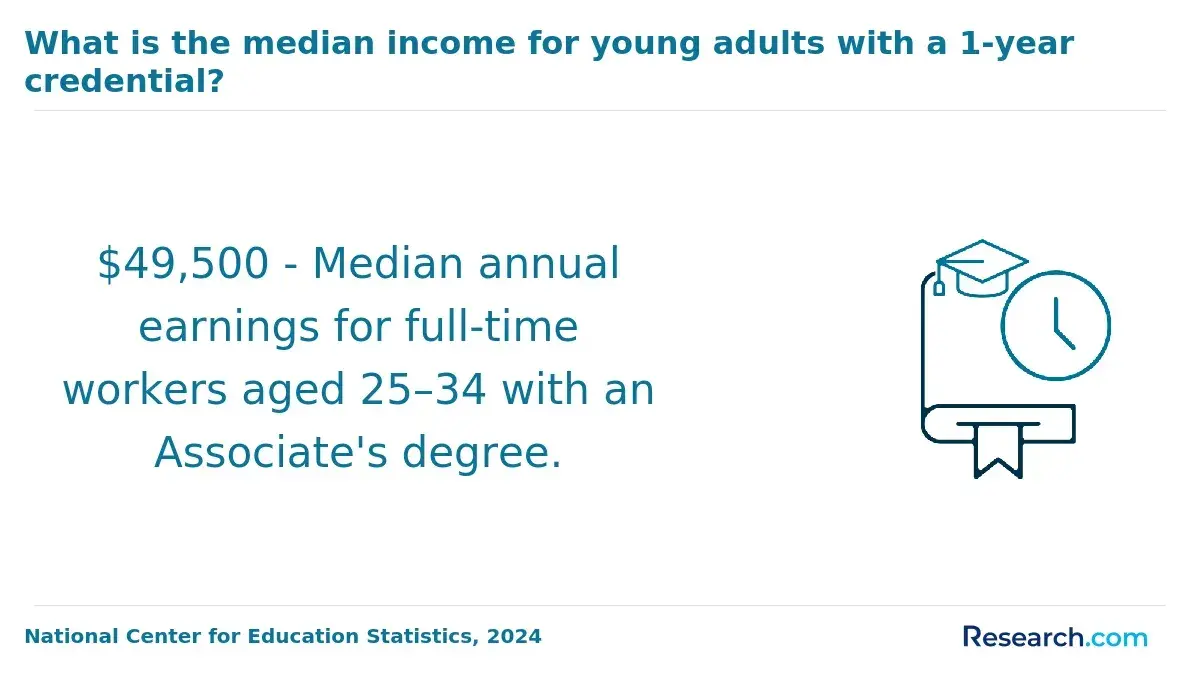
Evaluating borrowing risk before enrolling in a legal studies program is critical for understanding the long-term financial impact of educational debt. This risk reflects a balance between the total expected debt and the realistic post-graduation earnings, which largely determine a graduate's ability to manage repayment effectively. According to the National Center for Education Statistics 2024 report, the median annual income for legal studies graduates entering the workforce is approximately $45,000, providing an essential benchmark for assessing repayment capacity.
- Projected Debt Versus Income: Prospective students should compare anticipated loan amounts with the median starting salary in legal studies to estimate a sustainable debt-to-income ratio. This ensures borrowing aligns with realistic earning potential and reduces the risk of excessive debt burden.
- Monthly Payment Affordability: Calculating expected monthly loan payments based on current interest rates and standard repayment periods helps determine if these payments fit within a manageable share of take-home pay, avoiding undue financial strain.
- Loan Default and Delinquency Rates: Reviewing institutional or program-specific default data reveals historical challenges graduates face in repayment, offering insight into the program's financial risk profile.
- Employment Outcomes: Understanding the percentage of graduates employed in legal studies-related roles within six to twelve months informs whether the program's career pathways are viable and compensation adequate for debt repayment.
- Alternative Funding and Repayment Options: Exploring scholarships, grants, and income-driven repayment plans can mitigate borrowing risk by reducing principal or adjusting payments based on earnings.
Systematic evaluation of these elements frames borrowing decisions within a clear financial context, helping students avoid repayment hardships that disrupt long-term economic stability and providing a data-driven foundation for responsible enrollment choices.
References
- What is the typical debt load for graduates of four-year public universities - APLU https://www.aplu.org/our-work/4-policy-and-advocacy/publicuvalues/student-debt/
- The Impact of Student Debt on the Low-Wage Workforce https://workrisenetwork.org/working-knowledge/impact-student-debt-low-wage-workforce
- Trustpilot https://www.credible.com/statistics/average-law-school-debt
- Average Law School Debt and How to Pay it Off | SoFi https://www.sofi.com/learn/content/how-to-tackle-law-school-debt/
- Average Law School Debt [2026]: Student Loan Statistics https://educationdata.org/average-law-school-debt
- Borrowers Discuss the Challenges of Student Loan Repayment https://www.pew.org/en/research-and-analysis/reports/2020/05/borrowers-discuss-the-challenges-of-student-loan-repayment
- How to Pay for Law School After The One Big Beautiful Bill - ELFI https://www.elfi.com/how-to-pay-for-law-school-after-the-one-big-beautiful-bill/
- New Rules for Law School Loans: Limits, Repayment Plans, and What You Need to Know https://www.accesslex.org/news-tools-and-resources/new-rules-law-school-loans-limits-repayment-plans-and-what-you-need-know
- CFPB Highlights Default Risk Factors for Student Loans https://www.consumerfinancialserviceslawmonitor.com/2022/04/cfpb-highlights-default-risk-factors-for-student-loans/
- Higher Ed Reliance on Student Loans and the Student Loan Debt Crisis | ACE Blog https://ace.edu/blog/higher-ed-reliance-on-student-loans-and-the-student-loan-debt-crisis/
Other Things You Should Know About Legal Studies
The wide range of program designs-from certificate programs to bachelor's degrees-creates significant differences in total borrowing needs and the time required to enter the workforce. Programs emphasizing practical skills and internships tend to improve employability, which can mitigate repayment risk by enabling faster income growth. Students should prioritize programs with clear pathways to relevant, stable employment rather than those that simply offer theoretical knowledge, since the latter often extends time-to-degree and borrowing with less direct financial return.
Employers in law-adjacent fields often value practical experience and specialized certifications more than extended academic credentials. Graduates who accumulate high student debt without acquiring immediately marketable skills may find themselves under pressure to accept lower-paying roles, making repayment difficult. Balancing borrowing with targeted educational investments that align with employer preferences reduces the risk of prolonged underemployment and facilitates more sustainable monthly payments.
Part-time enrollment can lower the need for large upfront loans by spreading out tuition costs, but it may also delay entry into full-time employment, increasing overall borrowing duration. Choosing part-time study requires careful consideration of one's ability to maintain consistent income alongside education, as prolonged repayment periods amplify interest burdens. Prioritizing programs that allow for quicker skill acquisition and job readiness while managing cash flow could balance monthly payment pressures with long-term debt reduction.
Borrowing for living costs, on top of tuition, almost always raises repayment risk by inflating total debt without a direct connection to credential value or employment prospects. Students who finance significant living expenses with loans but graduate with modest earnings potential face tougher repayment challenges. It is advisable to evaluate potential sources of non-loan funding or affordable living arrangements to limit this added financial strain and reduce vulnerability to payment default or extended repayment periods.