
2027 Different Types of Fashion Merchandising Degrees and Their Salaries

Co-Founder and Chief Data Scientist
A fashion merchandising degree is for students who want to work where style, retail strategy, consumer behavior, buying, branding, and product decisions meet. The right program can prepare you for roles in retail management, buying, e-commerce, visual merchandising, product development, brand strategy, or sustainability-focused fashion work.
The best degree type depends on your career goal, budget, schedule, and how quickly you want to enter the workforce. An associate degree can help you start in retail or merchandising support roles, while a bachelor's degree usually offers broader career mobility. A master's degree may make sense if you are aiming for leadership, analytics, product strategy, or advanced management positions.
This guide explains the main fashion merchandising degree options, available specializations, program lengths, accelerated and online formats, typical costs, job paths, salary expectations, and the key factors to compare before enrolling.
Key Points About Different Types of Fashion Merchandising Degrees and Their Salaries
- Graduates with an associate degree in fashion merchandising typically enter entry-level positions such as retail buyer or assistant merchandiser, earning an average annual salary of around $40,000, which reflects limited advancement but faster entry into the workforce.
- Bachelor's degree holders in fashion merchandising have broader career opportunities including merchandiser, product developer, and brand manager roles, with median salaries reaching approximately $60,000 per year and better prospects for managerial advancement in competitive markets.
- Obtaining a master's degree in fashion merchandising or related fields often leads to leadership positions such as merchandising director or retail strategist, where salaries exceed $85,000 annually on average, supported by higher demand for expertise in data analysis and trend forecasting within the US fashion industry.
What Are the Different Types of Fashion Merchandising Degrees Available?
Fashion merchandising degrees are offered at several levels, from short undergraduate pathways to advanced graduate study. The right choice depends on whether you need entry-level skills, a broad business-and-fashion foundation, or preparation for management and strategy roles.
- Associate Degree in Fashion Merchandising: This is usually the quickest college degree route into the field. It covers merchandising basics, sales, retail operations, promotion, buying support, and introductory product analysis. It is a practical option for students who want to enter retail or merchandising roles sooner or later transfer into a bachelor's program.
- Bachelor's Degree in Fashion Merchandising: A bachelor's program provides a broader education in fashion products, merchandising principles, retail strategy, marketing, consumer behavior, digital technologies, and business operations. It is often the strongest baseline credential for roles such as buyer, merchandiser, retail manager, or e-commerce merchant.
- Bachelor of Fine Arts (BFA) in Fashion Merchandising: A BFA generally places more emphasis on creative development. Students may study illustration, textile science, visual merchandising, fashion design concepts, and brand presentation while also learning merchandising and retail management. This path may fit students who want a stronger creative portfolio alongside business training.
- Bachelor of Business Administration (BBA) in Fashion Merchandising: A BBA is more business-centered. Coursework typically emphasizes finance, management, retail operations, business communications, and decision-making within fashion companies. This option is useful for students interested in management, operations, entrepreneurship, or corporate retail roles.
- Bachelor of Fashion Merchandising and Marketing: This degree blends merchandising with promotion, branding, digital marketing, and consumer behavior. It is a good fit for students who want to connect product planning with campaigns, customer engagement, and sales strategy.
- Master's Degree in Fashion Merchandising: A master's degree is designed for advanced study in areas such as supply chain management, buying, merchandising analytics, research, leadership, and strategy. It can help experienced professionals move toward senior roles in merchandising, product development, retail management, or brand leadership.
Students who want to shorten their timeline can also compare fast degree programs, especially if they have transfer credits or are comfortable with a heavier course load.
What Specializations Are Available in Fashion Merchandising Degrees?
A specialization helps turn a general fashion merchandising degree into a more focused career pathway. Before choosing one, compare the courses, software tools, internship options, and job outcomes tied to that concentration. The strongest specialization is not necessarily the trendiest one; it is the one that matches the work you want to do every day.
- Fashion Merchandising: Product Development: This specialization focuses on creating, sourcing, pricing, and managing fashion products for specific markets. Students study trend analysis, textile selection, costing, vendor coordination, and product lifecycle management. It can lead to roles such as product developer, sourcing manager, or technical designer.
- Fashion Merchandising: Buying and Operations Management: This path is built around purchasing decisions, inventory planning, merchandise performance, vendor negotiations, and retail analytics. It is a strong choice for students interested in becoming retail buyers, merchandise planners, allocation specialists, or operations analysts.
- Fashion Merchandising: Visual Merchandising and Promotion: This concentration emphasizes store presentation, product storytelling, displays, brand communication, consumer psychology, and promotional planning. Graduates may work as visual merchandisers, brand promoters, showroom coordinators, or fashion event coordinators.
- Fashion Merchandising: Digital Merchandising: Digital merchandising focuses on e-commerce, online retail strategy, website presentation, social media marketing, search behavior, conversion-focused merchandising, and data analytics. It prepares students for roles such as digital merchandiser, online store manager, or e-commerce strategist.
- Fashion Merchandising: Sustainability in Fashion: This specialization addresses ethical sourcing, eco-friendly materials, compliance, supply chain transparency, and sustainable business practices. It can support roles in sustainable sourcing, corporate responsibility, supply chain analysis, or environmental impact assessment.
- Fashion Merchandising: Fashion and Lifestyle: This option connects fashion with lifestyle branding, market research, consumer trends, integrated promotion, and brand management. It may suit students interested in lifestyle marketing, brand strategy, or consumer insights roles.
If you are comparing program difficulty and speed, resources on the easiest degree to get can help you understand how shorter degree pathways differ. Still, choose a specialization based on career fit, not only perceived ease.
How Long Does It Take to Complete Each Type of Fashion Merchandising Degree?
Program length depends on the degree level, enrollment status, transfer credits, course availability, and whether the school offers accelerated or online formats. Full-time students finish faster, while part-time students often need more time but gain scheduling flexibility.
- Associate Degree in Fashion Merchandising: An associate degree is typically completed within two years of full-time study. Students may finish sooner if they bring in transfer credits or choose an accelerated format. Part-time study extends the timeline, but online options can make the program easier to fit around work or family responsibilities.
- Bachelor's Degree in Fashion Merchandising: A bachelor's degree usually requires four years of full-time study. Students may reduce the timeline by transferring credits, taking summer courses, or enrolling in an accelerated program. Many colleges also offer online or hybrid formats, though students should still confirm internship and hands-on learning requirements.
- Master's Degree in Fashion Merchandising: A master's program is generally completed in one to two years after earning a bachelor's degree. These programs often include advanced coursework, research, internships, capstones, or applied industry projects. Part-time and online master's options can help working professionals continue earning while studying.
When comparing timelines, look beyond the advertised program length. Ask whether required courses are offered every term, whether internships are mandatory, and whether transfer credits apply to major requirements or only electives.
Breakdown of Private Fully Online For-profit Schools

Are There Accelerated Fashion Merchandising Degree Programs?
Yes. Accelerated fashion merchandising degree programs in the US are designed for students who want to complete credentials faster than the traditional schedule allows. Some options combine bachelor's and master's study into as few as five years, which can help motivated students enter the workforce or qualify for advanced roles sooner.
Common accelerated formats include taking graduate-level courses while still enrolled as an undergraduate, completing condensed 7.5-week online sessions, studying year-round without long breaks, or applying transfer credits from prior college coursework or professional experience. LIM College offers fully online accelerated options with shortened course timelines, while universities such as Drexel and Mississippi State typically have students apply to accelerated tracks in their junior year after meeting requirements such as minimum GPA and completed credits.
Accelerated programs can save time, but they are not automatically the best choice for every student. The pace is usually demanding, and the workload may leave less room for part-time employment, extracurricular involvement, or a slower adjustment to college-level expectations. Students should review the weekly time commitment, internship expectations, tuition structure, and whether graduate credits will still count if they leave the accelerated track.
Admission into accelerated pathways usually involves GPA thresholds, a required number of completed credits, and a formal application process. These programs may reduce overall tuition and time in school, but students need strong time management, reliable support, and a clear reason for choosing the faster route. Graduates with advanced degrees from these programs may be positioned for higher-level roles in buying, product development, and retail management, with salaries for master's holders in this field often exceeding $70,000 annually.
One graduate of an accelerated fashion merchandising program described the experience as demanding but useful preparation for industry pressure. He said overlapping undergraduate and graduate courses left little downtime and “tested both focus and stamina.” Still, he valued the structure because it forced him to build disciplined study habits and helped him access internships and job opportunities sooner than some peers. His takeaway was clear: acceleration works best for students who are organized, self-directed, and ready for a compressed academic schedule.
Are Online Fashion Merchandising Degrees as Credible as Traditional Ones?
Online fashion merchandising degrees can be as credible as campus-based degrees when they come from a reputable, regionally accredited institution and include rigorous coursework, qualified faculty, career support, and applied learning. The delivery format matters less than the quality of the school, the curriculum, and the evidence of skills students build before graduation.
Institutions such as LIM College, Liberty University, and Arizona State University offer online programs that cover core subjects such as design, marketing, textiles, merchandising, and retail strategy. Some online programs also include internships, capstone projects, digital portfolios, or other experiential components. Those elements are important because fashion merchandising is a practical field where employers value proof that graduates can analyze trends, manage products, understand customers, and communicate visually and commercially.
Online learning offers flexibility through asynchronous or synchronous formats, but it requires discipline. Students need to manage deadlines, participate actively, and seek networking opportunities without relying on daily campus interaction. Traditional programs may offer easier access to studio spaces, campus events, local fashion networks, and in-person collaboration, which can be valuable for students who learn best through face-to-face environments.
Employer acceptance of online fashion merchandising degrees has increased, especially for programs from accredited and recognizable schools. Liberty University and Drexel University design online offerings to align with the rigor and learning outcomes of comparable traditional programs. OnlineU has also noted rising enrollment in popular online programs, which reflects demand for flexible credentials. For credibility, verify accreditation, internship access, alumni outcomes, portfolio expectations, and whether the diploma distinguishes between online and campus study.
How Much Does Each Type of Fashion Merchandising Degree Typically Cost?
Fashion merchandising degree costs vary widely by credential level, school type, residency status, delivery format, and available aid. Public colleges usually cost less for in-state students, while private institutions and out-of-state enrollment can raise the total price. Students should compare the full cost of attendance, not tuition alone, including fees, books, supplies, technology, housing, transportation, and internship-related expenses.
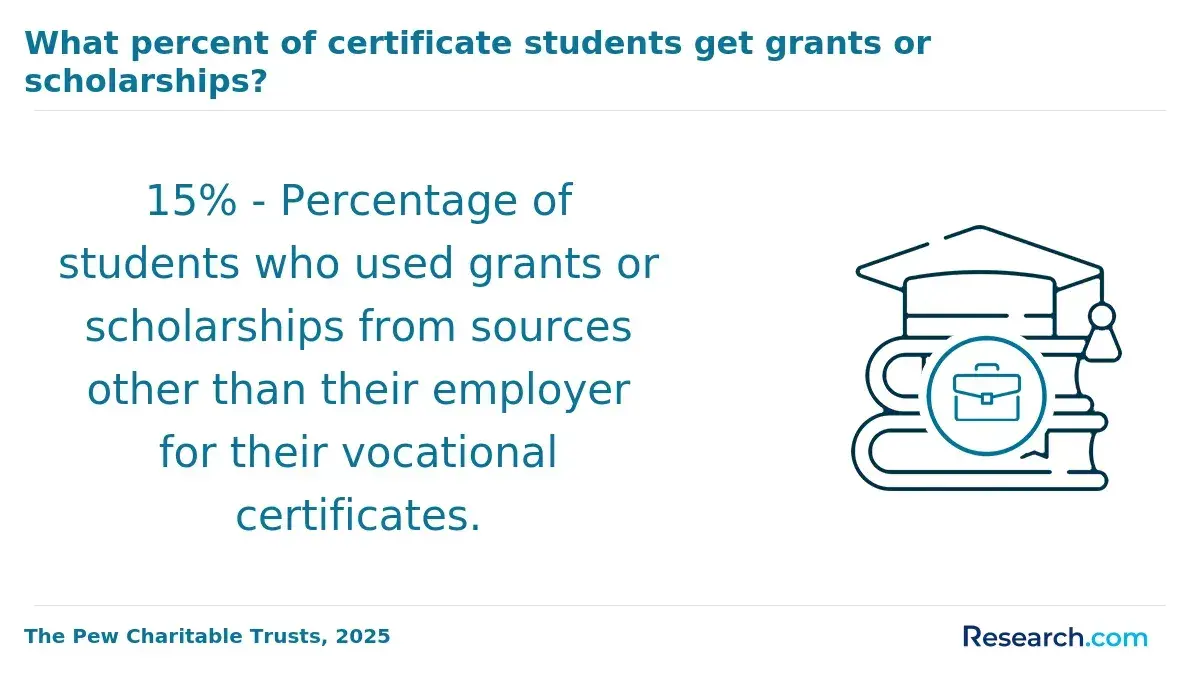
- Associate Degree in Fashion Merchandising: Tuition for associate programs usually ranges from $3,000 to $10,000 per year at public community colleges, with private colleges charging more. This is often the lowest-cost degree path into fashion merchandising. Eligible students may use federal grants, state scholarships, and other aid to reduce out-of-pocket expenses.
- Bachelor's Degree in Fashion Merchandising: Annual tuition averages about $8,325 for in-state students at public universities and $30,000 to $37,000 per year at private institutions. Online bachelor's programs vary widely, costing between $7,260 and $27,900 annually, with a median of around $15,750. The final cost depends heavily on school type, transfer credits, delivery format, and institutional aid.
- Master's in Fashion Merchandising: Typical graduate tuition ranges from $14,000 to $20,700 per year at public universities, though private and out-of-state programs often exceed this. Graduate students should ask about assistantships, fellowships, employer tuition reimbursement, and whether the program can be completed while working.
- Undergraduate Certificate or Diploma in Fashion Merchandising: These shorter programs generally have total costs between $5,000 and $16,500. They can be a faster way to build targeted skills in retail, visual merchandising, digital marketing, or related areas. Accredited certificates may qualify for federal financial aid.
A fashion merchandising graduate described paying for school as a planning exercise rather than a single decision. She said scholarships made a major difference and that part-time work related to fashion helped cover living costs while building experience. Her advice was to apply for aid early, compare net price rather than sticker price, and look for work opportunities that also strengthen a résumé.
What Jobs Can You Get with Each Type of Fashion Merchandising Degree?
Fashion merchandising careers vary by degree level, experience, location, portfolio quality, technical skills, and industry connections. Entry-level credentials can open retail and support roles, while bachelor's and master's degrees generally create more room for analytical, strategic, and managerial positions.
- Associate Degree in Fashion Merchandising: Graduates commonly pursue entry-level roles such as retail sales associate, assistant buyer, merchandising assistant, or visual merchandiser. These jobs may involve store operations, product displays, inventory support, customer analysis, and sales tracking. Common employers include department stores, specialty boutiques, large retail chains, and local fashion retailers.
- Bachelor's Degree in Fashion Merchandising: A bachelor's degree can support roles such as merchandiser, retail manager, fashion buyer, fashion marketing coordinator, allocation analyst, or online merchant. Graduates may analyze sales data, forecast demand, manage inventory, coordinate with vendors, plan assortments, and help align products with customer demand. According to Indeed, fashion buyers earn a median annual salary around $70,000, while retail managers average $58,000.
- Master's Degree in Fashion Merchandising or Fashion Business: Master's graduates are better positioned for advanced roles such as merchandise director, brand manager, strategic planner, product development manager, consultant, or educator. These roles usually involve leadership, market analysis, brand strategy, team management, and higher-level decision-making.
- Certificate Programs in Fashion Merchandising: Certificates are useful for focused skill building rather than broad career preparation. They may support roles or advancement in visual merchandising, retail management, digital marketing, buying support, or e-commerce operations, especially for professionals who already have related experience.
If you want to enter the field quickly and build from there, you may also compare what are the fastest online associate degrees available? An associate degree can be a practical first credential, particularly when credits transfer into a future bachelor's program.
How Do Salaries Differ by Fashion Merchandising Degree Type?
Salary in fashion merchandising depends on more than degree level. Location, employer size, retail segment, technical skills, experience, negotiation ability, and job function all affect pay. However, degree level can influence the types of roles a graduate can pursue and how quickly they can move into higher-responsibility positions.
- Associate Degree in Fashion Merchandising: Starting salaries for associate degree holders generally range from $32,000 to $59,000 annually, with an average around $45,000. Pay can vary by market, employer, and whether the role is in luxury, specialty retail, department stores, or mass-market retail. Advancement is possible, but some higher-level roles may require a bachelor's degree or substantial experience.
- Bachelor's Degree in Fashion Merchandising: Graduates with a bachelor's degree can expect starting salaries between $41,200 and $62,520, with mid-career averages rising to approximately $57,000 to $58,000. Common roles include buyer, merchandiser, fashion marketing coordinator, or retail manager. Salaries may be higher in major metropolitan areas like New York or Los Angeles, and bachelor's degree holders can reach salaries exceeding $89,000 in top positions.
- Master's Degree in Fashion Merchandising or Management: Individuals with a master's degree often see starting salaries beginning at $77,000, depending on experience and specialization. They are more likely to compete for leadership roles in management, product development, market analysis, or brand strategy. Long-term earning potential can increase significantly for graduates who move into senior or executive-level jobs.
Students considering academic advancement beyond merchandising or management roles may research options such as the shortest PhD program. A doctoral path is not required for most fashion merchandising careers, but it may be relevant for research, teaching, or highly specialized leadership goals.
Is There High Demand for Fashion Merchandising Degree Holders in the Job Market?
Demand for fashion merchandising degree holders is steady but changing. Traditional roles in buying, retail sales, and store management still exist, but employers increasingly need professionals who understand e-commerce, analytics, artificial intelligence, digital marketing, sustainability, and supply chain complexity. Graduates who combine fashion knowledge with business and technology skills are better positioned than those with only a general interest in fashion.
Data from Zippia projects a 1% growth in fashion merchandising roles in the United States from 2018 to 2028, indicating moderate but stable job prospects. Salaries vary widely by position: fashion buyers earn around $68,000 annually, brand managers up to $125,000, and visual merchandisers about $48,000.
Location also matters. Major urban centers such as New York, Los Angeles, and San Francisco typically offer more opportunities because they have larger concentrations of fashion brands, retail headquarters, showrooms, agencies, and e-commerce employers. Analysis of the San Diego labor market in 2025 also points to ongoing needs in roles connected to retail sales and event planning, with outcomes influenced by education level and specialization.
Advanced education can help candidates compete for higher-level roles in brand strategy, product development, supply chain management, and sustainability. Still, a degree alone is rarely enough. Internships, portfolios, merchandising software skills, data literacy, networking, and relevant work experience can strongly affect employability. Students trying to keep education costs manageable can compare cheap online universities for working adults while evaluating whether each program offers the industry exposure they need.
Overall, fashion merchandising remains a viable field for students who are willing to adapt to digital retail, sustainability expectations, and changing consumer behavior.
What Factors Should You Consider When Picking a Type of Fashion Merchandising Degree?
The best fashion merchandising degree is the one that matches your target role, finances, schedule, learning style, and need for hands-on experience. Before enrolling, compare programs using practical criteria rather than relying only on school branding or program titles.
- Career goals: Start with the job you want. Entry-level roles such as assistant buyer, sales associate, or visual merchandising assistant may be accessible with an associate or bachelor's degree. Advanced roles such as merchandising director, brand strategist, or senior product leader typically require stronger experience and may benefit from a master's degree or higher.
- Time commitment: Associate degrees usually take two years, bachelor's degrees four years, and master's programs add another two to three years. Accelerated options can shorten the timeline, but they also increase workload intensity.
- Curriculum focus: Compare required courses carefully. Some programs emphasize creative presentation and visual merchandising, while others focus on business, analytics, buying, supply chain, marketing, or digital retail. Choose a curriculum that builds skills for your intended job function.
- Salary prospects: Higher degree levels often correlate with access to higher-paying roles, though experience and location matter. Bachelor's degree holders typically earn between $45,000 and $60,000, while those with master's degrees can qualify for salaries exceeding $100,000 in senior roles.
- Industry connections and hands-on experience: Prioritize programs with internships, employer projects, portfolio development, career services, alumni networks, and access to fashion markets or retail partners. These experiences can be as important as classroom coursework.
- Flexibility and personal circumstances: If you are working, caregiving, or changing careers, look for online, hybrid, evening, part-time, or accelerated formats. Confirm that flexible programs still provide advising, internship support, and networking opportunities.
- Accreditation and transferability: Choose an accredited institution and ask how credits transfer if you plan to continue from an associate degree to a bachelor's degree or from a bachelor's degree to graduate study.
- Total cost and aid: Review tuition, fees, living costs, supplies, and the net price after grants and scholarships. A lower-cost program with strong internships may be a better investment than a more expensive program with limited career support.
What Fashion Merchandising Graduates Say About Their Degree and Salary
- : "My bachelor's degree in fashion merchandising gave me the business and creative foundation I needed to open a boutique. The most valuable part was learning how to connect products with real customer needs. Fashion merchandising is not only about clothing; it is about culture, buying behavior, pricing, and community. That perspective helped me build collections that make sense for the people I serve. — Jasmine"
- : "My associate degree helped me move directly into a role with a major retail chain. The program was practical and hands-on, especially in merchandising software, inventory management, and trend analysis. I chose that path because a traditional four-year program did not fit my timeline at the time, and it gave me a clear way to start gaining experience. — Carlos"
- : "Earning a master's degree in fashion merchandising pushed me to think beyond sales and product selection. I studied sustainability, ethical sourcing, and the business decisions behind supply chains. Balancing advanced coursework with internships was challenging, but it helped me move into work that connects career growth with social and environmental responsibility. — Maya"
Other Things You Should Know About Fashion Merchandising Degree Programs & Salaries
In 2027, fashion merchandising degree programs typically need accreditation from organizations like the National Association of Schools of Art and Design (NASAD). Accreditation ensures that educational standards are met and can influence salary potential and job opportunities in the field.
Key skills required for a fashion merchandising degree in 2027 include trend analysis, supply chain management, and digital marketing. These skills are often integrated into the curriculum to prepare students for roles such as buyers, retail managers, and brand strategists.
References
- All You Need to Know About a Career in Fashion Merchandising https://www.istitutomarangonimiami.com/blog/all-you-need-to-know-about-a-career-in-fashion-merchandising/
- Fashion Merchandising Specialization | Fashion Studies | SIU https://academics.siu.edu/design/fashion-design/specializations/fashion-merchandising.php
- Fashion Merchandising and Product Development | BGSU https://www.bgsu.edu/academics/fashion-merchandising-and-product-development.html
- Fashion Merchandising and Brand Management https://www.ashland.edu/program/fashion-merchandising-and-brand-management-bachelors
- Apparel Merchandising and Product Development (AMPD) https://catalog.uark.edu/undergraduatecatalog/collegesandschools/dalebumperscollegeofagriculturalfoodandlifesciences/schoolofhumanenvironmentalscienceshesc/apparelmerchandisingandproductdevelopmentampd/
- Careers in Fashion Merchandising https://www.limcollege.edu/careers-internships/career-pathways/careers-fashion-merchandising
- Level 4 Fast Track Buying & Merchandising | Diploma | Study at the FRA https://www.fashionretailacademy.ac.uk/study/courses/level-4-fast-track-buying-merchandising
- Fashion Merchandising and Design | Major, Minor https://www.cmich.edu/program/Fashion-Merchandising-and-Design-(Major-Minor)
- Fashion Merchandising - AAS https://www.udc.edu/cc/programs-majors/fashion-merchandising-aas
- Signaling sustainability in online fashion consumption: The role of credibility induced by certification labels - ScienceDirect https://www.sciencedirect.com/science/article/pii/S2666784325000385





