2027 Part-Time vs. Full-Time Fashion Merchandising Degree Programs

Co-Founder and Chief Data Scientist
Many students weighing part-time versus full-time fashion merchandising degree programs struggle to balance work, finances, and academic ambitions. Studies show that nearly 40% of fashion merchandising students enroll in part-time programs, reflecting a growing demand for flexible schedules that accommodate professional responsibilities alongside education.
This article explores key differences between part-time and full-time study formats, including course load, pacing, and time to graduation. Understanding these factors can empower students to select the path that best aligns with their career goals and personal circumstances.
Key Benefits of Part-Time vs. Full-Time Fashion Merchandising Degree Programs
- Part-time programs enable students to balance work and study, supporting continuous income while reducing debt, crucial in fashion merchandising where internships often pay modestly.
- Flexible scheduling in part-time study allows gradual skill development and networking alongside current industry roles, enhancing real-time career growth opportunities.
- Extended program duration helps students absorb complex trends and retail analytics at a manageable pace, improving long-term academic retention and professional readiness.
How Are Part-Time Fashion Merchandising Programs Structured Compared to Full-Time Programs?
Choosing between part-time and full-time study formats is essential for students considering fashion merchandising degrees because these options impact scheduling, pacing, and the overall academic experience. Differences in course delivery can affect how students balance education with other responsibilities and their capacity to engage deeply in learning.
Part-Time Program
- Course Load: Typically consists of 6 to 9 credit hours per term, allowing a lighter semester schedule.
- Weekly Time Commitment: Students usually spend 10 to 12 hours per week on classes and study, making it manageable for working professionals.
- Scheduling Flexibility: Evening and weekend classes are commonly offered to accommodate varied schedules.
- Online Options: Many programs provide online or hybrid courses, maximizing convenience for students who cannot attend campus regularly.
Full-Time Program
- Course Load: Enrolls about 12 to 15 credit hours per semester, requiring a heavier academic commitment.
- Weekly Time Commitment: Students devote roughly 15 to 20 hours weekly to classroom and study time, fostering immersion.
- Scheduling Structure: Primarily daytime, in-person classes with less flexibility but more cohesive learning.
- Experiential Learning: Offers greater access to internships and live projects that usually take place during business hours.
When comparing part-time versus full-time fashion merchandising program structures, understanding these differences in course delivery and scheduling is crucial for selecting the best fit. For those seeking programs with flexible pacing and learning methods, part-time study offers distinct advantages.
Additionally, those interested in accelerating their career prospects might explore top paying 6 month online certifications that align with their goals.
How Long Does It Take to Earn a Part-Time vs Full-Time Fashion Merchandising Degree?
Understanding the time commitment required to complete a fashion merchandising degree is crucial for students planning their academic and career timelines. The time to complete a fashion merchandising degree program varies significantly based on whether students enroll full-time or part-time, affecting how quickly they can enter the workforce or pursue further education.
Full-time students typically take 12 to 15 credit hours each semester, aiming to finish within two to four years, depending on whether they pursue an associate or bachelor's degree. According to the National Center for Education Statistics, a bachelor's degree usually requires about 120 credits. In contrast, part-time students take fewer courses per term, often less than nine credits, extending their studies from four up to six years.
Several factors influence the duration of the program, including the availability of evening or online classes, the possibility of transferring credits from previous coursework, and accelerated course options some institutions offer. Part-time learners benefit from flexible scheduling but must maintain consistent enrollment to avoid prolonging their studies significantly.
- Full-time: Typically 2-4 years, depending on degree type and credit load per semester.
- Part-time: Usually 4-6 years depending on course load and scheduling flexibility.
- Accelerated options: Transfer credits and fast-tracked courses can shorten overall duration.
Students wanting to explore alternative options or less demanding paths might consider an easiest masters program as a potential next step after completing their undergraduate studies in fashion merchandising.
Are Admission Requirements Different for Part-Time vs Full-Time Fashion Merchandising Programs?
Are admission requirements different for part-time vs. full-time fashion merchandising programs? While both share core expectations, their criteria differ to accommodate the distinct student profiles each format serves.
Full-time fashion merchandising program entry criteria tend to emphasize academic readiness, whereas part-time programs often focus on professional experience and flexibility.
- GPA Expectations: Full-time programs typically require a minimum GPA ranging from 2.5 to 3.0, reflecting the more demanding course load and continuous study pace. Part-time programs often offer more leniency in GPA due to their focus on working professionals balancing education with careers.
- Prerequisite Coursework: Applicants for full-time programs are usually expected to have completed foundational courses in business or fashion prior to admission, ensuring readiness for an intensive curriculum. Part-time students may have the option to complete these prerequisites concurrently with their degree, accommodating different schedules.
- Professional Experience: Part-time fashion merchandising programs frequently value relevant work experience, such as roles in retail, marketing, or merchandising. This practical experience can compensate for less stringent academic requirements and demonstrate industry knowledge important for success.
- Standardized Tests: Full-time programs commonly require SAT or ACT scores for undergraduate entry. In contrast, part-time programs, particularly those designed for adult learners, often waive such standardized testing to reduce barriers to enrollment.
- Supporting Documents: Both program types request letters of recommendation and personal statements. However, part-time applicants are generally encouraged to emphasize career goals and relevant work experience in these materials more strongly.
Prospective students considering admission requirements for part-time fashion merchandising programs or full-time options should weigh their academic background against professional experience to determine the best fit. Additionally, those interested in advanced academic options might explore a doctorate without dissertation to blend practical knowledge with scholarly achievement in their careers.
Tuition fees for part-time and full-time fashion merchandising programs differ mainly because of how institutions charge per credit hour versus flat semester rates. These cost structures influence students' budgeting strategies, as part-time enrollment often spreads expenses over a longer timeframe, while full-time enrollment requires a larger upfront investment but may be more affordable overall when considering the entire degree.
- Per-credit tuition rates: Part-time students usually pay tuition on a per-credit basis, which can range from $250 to $1,200 depending on whether the school is public or private. Full-time students generally pay a fixed tuition fee per semester, independent of the number of credits taken.
- Overall program cost: While part-time students face lower immediate costs each term, the extended duration increases indirect expenses such as supplies and lost earnings. Full-time students complete the program faster, potentially lowering total living costs despite higher semester fees.
- Financial aid implications: Full-time enrollment typically unlocks access to greater federal aid, scholarships, and grants. Part-time students often qualify for fewer financial resources, which may raise their net expenses.
- Additional fees: Both enrollment types may incur fees like technology or lab charges, but some institutions scale these fees according to course load, affecting part-time and full-time students differently.
- Enrollment intensity and expenses: Because part-time students spread credits over many semesters, they often face cumulative costs that surpass the flat rate of full-time programs, influencing long-term budgeting.
A graduate of a part-time fashion merchandising degree program shared her experience reflecting on tuition costs. She explained, "Balancing work and school was manageable because paying per credit helped me avoid large semester bills, but the extended timeframe meant I was paying fees and buying supplies for years longer than full-time peers."
She noted how financial aid was limited, making each term's payment feel significant. Despite the challenges, she valued the flexibility, saying, "It was a steady climb, but being able to progress at my own pace made the investment feel worthwhile in the end." Her story highlights the important trade-offs between time, cost, and financial support when choosing part-time versus full-time study paths.
The part-time fashion merchandising degree format generally provides more online and hybrid course options compared to full-time programs. This flexibility supports students balancing education with work or personal commitments.
Below are key factors highlighting how each format typically approaches course delivery.
- Program Design: Part-time programs emphasize adaptable schedules, often including evening, weekend, or fully online classes to accommodate working adults, while full-time formats usually focus on daytime, in-person sessions for immersive learning.
- Institutional Policies: Colleges often create policies supporting easier access for part-time students, encouraging remote or hybrid learning options, whereas full-time programs maintain traditional campus engagement but are gradually adding hybrid elements.
- Student Demographics: Part-time students frequently consist of non-traditional learners who prefer online formats due to work or family obligations, in contrast to younger, full-time students who seek face-to-face interaction.
- University Adaptations: Many institutions are evolving full-time offerings to include hybrid classes, responding to the growing demand for flexibility driven by changes in remote education trends between 2020 and 2023.
Most institutions allow students enrolled in fashion merchandising programs to switch between part-time and full-time status, though this process usually requires approval from an academic advisor or registrar. Policies vary, but key considerations include a student's course availability, academic performance, and financial aid eligibility.
Before making the switch, students must evaluate how it could affect their workload, tuition costs, and overall academic progress. Many programs are designed with flexibility in mind, but changing enrollment status mid-term may be restricted depending on course schedules and enrollment deadlines.
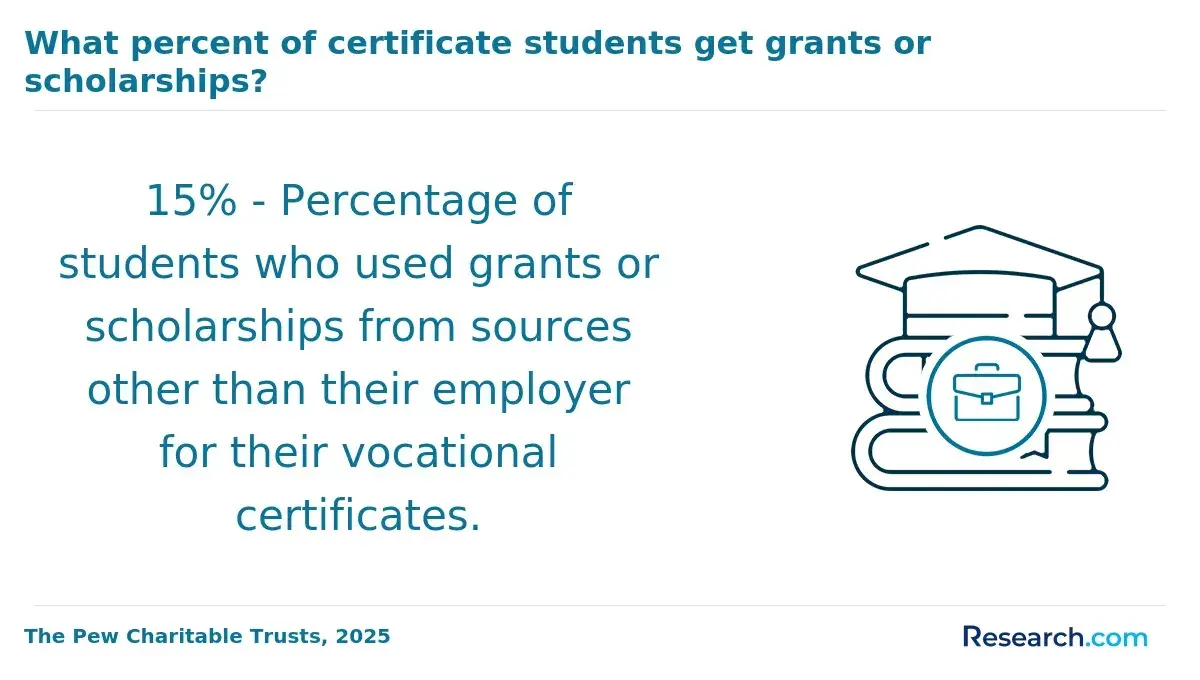
Common requirements often include maintaining a satisfactory academic standing and ensuring eligibility for financial aid, as many grants and loans mandate at least half-time enrollment. Course availability can also limit options, particularly for popular classes in fashion merchandising.
Advisors play a crucial role in guiding students through the process, helping them understand potential impacts on graduation timelines and career goals. Switching enrollment status can save money or accelerate completion but requires careful planning to avoid setbacks.
A graduate I spoke with described his experience shifting from part-time to full-time study during his fashion merchandising degree. He recalled the initial stress of balancing increased coursework with personal responsibilities but said, "Once I adjusted, the full-time schedule helped me stay immersed in the material and connect more with faculty."
He emphasized that advisor support was essential in navigating the change smoothly, and the move ultimately accelerated his path to graduation. Reflecting on his journey, he noted that switching enrollment, while challenging, opened doors to more concentrated learning and career opportunities within the fashion industry.
Choosing a delivery format significantly influences the learning experience for students pursuing a fashion merchandising degree. Flexibility varies notably between part-time and full-time study, shaping how students manage their education and personal commitments.
- Scheduling flexibility: Online programs offer greater flexibility, ideal for part-time students balancing work or family, while full-time learners might prefer campus programs with fixed class times that support a consistent routine. Hybrid formats mix in-person and remote sessions, accommodating broader availability for all students.
- Workload management: Full-time students often face a heavier workload better handled in structured campus settings, benefiting from direct faculty interaction. Part-time students favor online or hybrid options that extend coursework over time, reducing pressure and allowing focused study. A 2023 report found 62% of part-time undergraduates benefit from flexible delivery modes.
- Accessibility and location: Online courses remove geographic and commuting barriers, increasing access for those in remote areas or with mobility challenges. Campus options provide richer onsite resources but may limit part-time students unable to relocate. Hybrid models balance inclusivity with some on-campus advantages, supporting diverse needs.
- Learning pace and support: Online platforms enable self-paced study, helpful for part-time learners adjusting tempo as needed. Full-time students gain from immersive campus environments with immediate feedback and peer collaboration. Hybrid programs combine these benefits but require strong time management and self-discipline.
These factors make delivery format choices central to tailoring fashion merchandising degree paths to individual student needs. Prospective learners can explore programs at top accredited non-profit online schools to find suitable online, hybrid, and campus learning options for fashion merchandising degrees.
Employers do not universally prefer full-time fashion merchandising degrees over part-time degrees; their preferences depend on several key factors including perceived academic rigor, time management skills, and professional experience. Full-time programs are often seen as more rigorous due to their intensive and continuous nature, which may lead some employers to view full-time graduates as better prepared.
However, part-time students often develop strong time management skills by balancing work and study simultaneously, which can also impress employers. The emphasis on real-world experience frequently influences hiring decisions more than the study format alone.
This distinction aligns with the broader discussion around employer preference for full-time fashion merchandising degrees and how these perceptions affect candidate evaluation.
The fashion industry values practical experience alongside academic credentials, making the part-time versus full-time fashion merchandising degree value a nuanced topic. Many part-time students gain valuable work experience that complements their studies, giving them an edge in relevant roles.
Recent trends highlight that employers increasingly prioritize candidates with internships or job experience over the degree format itself. According to the National Association of Colleges and Employers (NACE) 2023 report, 68% of employers rank work experience as more important.
For those wondering what careers can you go to trade school for, the blend of practical skills and coursework seen in part-time students is often highly advantageous in fashion merchandising.
Return on investment (ROI) plays a significant role in deciding between part-time and full-time fashion merchandising degree programs. It reflects how tuition fees, duration of study, potential income sacrificed during school, and future earnings all interact to impact a student's financial outcome.
Full-time programs usually demand higher upfront tuition but allow quicker graduation, minimizing time away from the workforce and accelerating access to better-paying jobs.
Part-time paths offer more flexible payment schedules and let students keep working while studying, which can reduce debt and lost wages. However, they typically take longer to complete, delaying the start of higher salary prospects.
The pace of career growth and networking possibilities often differ between the two, influencing long-term earnings.
- Cost Structure: Full-time programs often require an immediate, larger tuition investment, while part-time spreads expenses over more semesters, easing short-term financial pressure.
- Opportunity Cost: Full-time students face greater lost income during study but benefit from faster workforce reentry, whereas part-time students maintain job income but extend time to degree completion.
- Salary Potential: Graduates from full-time programs tend to access higher salaries sooner due to quicker entry into advanced roles, though part-time completers eventually catch up.
- Career Advancement: Full-time students usually gain stronger connections through internships and concentrated networking, boosting early career growth relative to part-time peers.
- Long-term ROI: While part-time study reduces immediate financial strain, faster graduation and early career progression linked to full-time study generally produce greater lifetime earnings.
Choosing the right format for a fashion merchandising degree is essential to balance academic ambitions, career plans, and personal responsibilities. Understanding the differences between part-time and full-time study helps align your education with your lifestyle and goals.
- Time availability: Full-time programs require a significant weekly commitment, usually 12-18 credit hours, which suits those who can dedicate several hours daily. Part-time study allows spreading coursework over more years, ideal for those with busy schedules.
- Financial resources: Paying tuition upfront is common in full-time programs, potentially leading to quicker completion but higher short-term costs. Part-time students can manage expenses incrementally, often balancing work alongside study.
- Career goals: If you aim for rapid entry or advancement in fashion merchandising, full-time study accelerates completion. Those seeking to enhance skills without pausing their career often prefer part-time options.
- Learning style and flexibility: Part-time programs generally offer evening or weekend classes to accommodate diverse lifestyles. Full-time formats demand a concentrated, daily engagement.
- Program duration: Full-time study usually completes in 2-3 years, while part-time may extend to 4-6 years, offering more leeway but requiring longer commitment.
What Graduates Say About Their Part-Time vs. Full-Time Fashion Merchandising Degree
- Truett: "Taking the full-time fashion merchandising degree was one of the best decisions I've made. The immersive learning environment allowed me to develop strong industry skills quickly, and I noticed a significant boost in my confidence and career opportunities. Though the average cost was a big commitment, the return on investment has been worth every penny for me."
- Charlie: "Enrolling part-time in the fashion merchandising program gave me the flexibility to balance work and study, which was crucial for me financially. While the overall cost was more manageable spread over time, I appreciated how the coursework deepened my understanding of market trends and retail strategies. This degree has definitely opened doors for my career advancement."
- Daniel: "My journey through the full-time fashion merchandising degree was intense but rewarding. Managing the tuition fees was challenging, yet the comprehensive curriculum prepared me thoroughly for the competitive industry. I'm grateful for how the program shaped my professional approach and enhanced my job prospects."
Other Things You Should Know About Fashion Merchandising Degrees
Most fashion merchandising programs require a minimum 2.0 GPA for part-time enrollment, while selective schools may ask for a 2.5 or 3.0. Students also often need official transcripts and proof of high school completion or a GED before registering for classes.
In 2027, internship opportunities for fashion merchandising students may vary between part-time and full-time programs. Full-time students often have broader access to internships, as they typically have more availability. Part-time students can still secure internships, although options may be more limited due to scheduling constraints.
- How To Make A Career Transition To The Fashion Industry - GLAM OBSERVER https://glamobserver.com/how-to-make-a-career-transition-to-the-fashion-industry/
- Is Fashion Merchandising a major that pretty much guaranties a low paying career? https://talk.qa.collegeconfidential.com/t/is-fashion-merchandising-a-major-that-pretty-much-guaranties-a-low-paying-career/534951
- Fashion Merchandising https://www.mccc.edu/fashion/academic_merch.shtml
- Is Fashion Merchandising a major that pretty much guaranties a low paying career? - Parents Forum - College Confidential Forums https://talk.collegeconfidential.com/t/is-fashion-merchandising-a-major-that-pretty-much-guaranties-a-low-paying-career/534951
- Accelerated B.S. to M.S. in Textiles, Fashion Merchandising, and Design https://web.uri.edu/business/accelerated-b-s-to-m-s-in-textiles-fashion-merchandising-and-design/
- Online vs. On-Campus: Which Mode of Learning Is Best for You? https://www.onlinemastersdegrees.org/student-resources/which-mode-of-learning-is-best/
- Fashion Management MPS https://www.newschool.edu/parsons/mps-fashion-management/
- University students’ perception to online class delivery methods during the COVID-19 pandemic: A focus on hospitality education in Korea and Malaysia https://pmc.ncbi.nlm.nih.gov/articles/PMC8423591/
- The Benefits of a Career in Fashion Buying and Merchandising https://blog.portobelloinstitute.com/the-benefits-of-a-career-in-fashion-buying-and-merchandising