2027 What Can You Do with a Health Communication Master's Degree? Careers, Salaries & Growth

Co-Founder and Chief Data Scientist
Many graduates and career changers struggle to identify advanced degrees that align with growing sectors and provide strong employment prospects. Health communication master's programs respond to this need, with the Bureau of Labor Statistics projecting a 13% growth in related healthcare occupations through 2032, faster than average. Additionally, graduates often enter roles that bridge public health, media, and policy, industries experiencing rapid expansion. This article examines program structures, admission standards, and financial considerations to guide applicants. It also analyzes job titles, salary ranges, and long-term career outlooks, helping readers evaluate whether investing in a health communication master's degree suits their professional ambitions and financial goals.
Key Things to Know About What You Can Do with a Health Communication Master's Degree
- Programs typically require a bachelor's degree, with coursework balancing theory and practical skills; options include full-time, part-time, and online formats to accommodate diverse student needs.
- Graduates enter various roles such as health educators, public relations specialists, and policy analysts, with median salaries around $60,000 and potential growth linked to healthcare demand.
- Long-term earning potential rises with experience and certifications; comparing programs by cost, flexibility, and reputation helps identify the best fit for career goals and budgets.
What Are the Admission Requirements for a Health Communication Master's Program?
Preparing the necessary requirements for enrolling in a health communication master's degree is essential for a smooth admission process. Understanding the standard prerequisites helps applicants meet institutional expectations efficiently. Employment in health education and community health fields is projected to grow by 13% from 2022 to 2032, reflecting increasing demand. Key prerequisites generally include the following:
- Undergraduate Degree: Applicants typically need a relevant bachelor's degree in fields like communications, public health, or journalism from an accredited institution. Some programs also accept candidates with diverse academic backgrounds, provided they show strong writing and research capabilities.
- GPA Requirements: Most schools expect a minimum GPA of around 3.0 on a 4.0 scale to qualify. This threshold helps ensure candidates possess the academic foundation necessary for graduate-level study.
- Standardized Testing: Tests like the GRE or GMAT may be optional at many institutions, although some competitive programs still require them. Recently, many schools have waived such requirements, emphasizing professional experience and academic records instead.
- Work Experience: Relevant experience in health communication or related public health sectors can enhance an application. While not always mandatory, it strengthens candidates' practical understanding of field demands.
- Supplementary Materials: Admissions typically require two or three letters of recommendation, a personal statement outlining career goals, and writing samples demonstrating analytical and communication skills. Some programs also ask for a resume or CV.
- Field-Specific Prerequisites: Depending on the specialization, courses in statistics, research methods, or health sciences may be necessary to prepare for advanced study.
Applicants should also explore complementary training options, such as a medical assistant course, to broaden their expertise and career prospects within healthcare communications.
What Is the Minimum GPA Requirement for a Health Communication Master's Program?
Knowing the minimum GPA requirement for health communication master's admission is essential for applicants to set realistic expectations and prepare competitive applications. These programs usually require a GPA between 2.75 and 3.0 on a 4.0 scale, but requirements vary widely. Employment for health educators and community health workers is projected to grow 16% from 2021 to 2031, highlighting the importance of navigating admissions successfully. Below are key factors influencing GPA standards and admissions considerations.
- Typical GPA Range: Most programs require a minimum GPA between 2.75 and 3.0, though some schools or concentrations may adjust this based on competitiveness and program goals.
- Program Variability: Private universities and prestigious programs often set higher GPA thresholds than public institutions or less selective programs.
- Holistic Admissions: Admissions committees frequently evaluate professional experience, recommendation letters, and personal essays alongside GPA to assess candidate potential.
- Opportunities for Lower GPA Applicants: Applicants with GPAs below standard requirements may bolster their applications using strong test scores, relevant work experience, or compelling personal statements.
- Field Growth Impact: Growing demand for health communication professionals emphasizes the value of a thorough, well-rounded application beyond GPA alone.
For those considering flexible pathways, online programs can be a viable option. Many prospective students explore options like a healthcare administration online degree to complement or substitute traditional on-campus studies.
How Much Does a Health Communication Master's Degree Cost and How Can You Finance It?
Planning finances before enrolling in a health communication master's program helps manage tuition, fees, living costs, and opportunity expenses effectively. Here are key points to consider when evaluating overall investment and funding approaches:
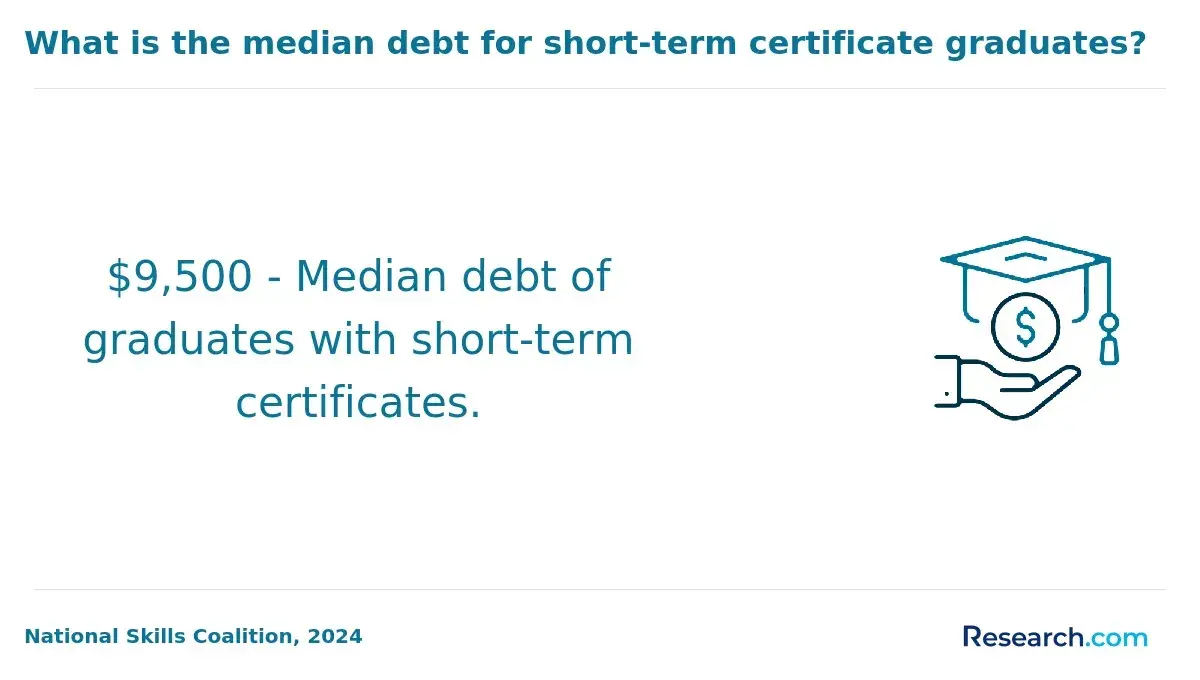
- Program Cost Variability: Tuition ranges widely; state universities usually charge $15,000 to $30,000 for in-state students, while private schools often exceed $45,000. Online options can offer savings on housing but have similar tuition fees.
- Funding Sources: Scholarships, fellowships, and graduate assistantships are common financial aids. Many students also access employer tuition reimbursement and federal loans, with about 40% of candidates utilizing some form of aid.
- Debt Reduction Strategies: Selecting public in-state institutions, applying early for departmental funding, and securing teaching or research assistant roles help lower tuition bills. Negotiating tuition waivers through assistantships can further reduce costs.
- Assessing Return on Investment: Comparing expected starting salaries in subfields like health policy or digital media with total expenses clarifies financial viability. Tools like labor market reports assist in estimating long-term earnings to justify the degree's cost.
I spoke with a graduate of a health communication master's program who emphasized the challenge of balancing coursework and work to afford tuition. She highlighted the importance of securing a graduate assistantship early, which eased both financial and time pressures. "It felt overwhelming at first," she recalled, "but the assistantship not only cut costs but also gave me relevant experience, making the program more manageable and the investment worthwhile." This firsthand insight reflects how strategic planning can ease the financial burden while enhancing professional development.
Knowing how long to complete a health communication master's degree is crucial for planning your academic and professional future. The average duration of health communication master's programs varies based on enrollment status, program type, and individual circumstances. Key factors influencing this timeline include the following:
- Full-Time Enrollment: Most full-time students finish their master's degree in about 1.5 to 2 years. This timeframe typically includes core coursework, electives, and any required thesis or practical work.
- Part-Time and Online Programs: These flexible options often extend the completion time to approximately 3 to 4 years. They cater to working professionals or those with other commitments by allowing reduced course loads and adaptable schedules.
- Accelerated Programs and Combined Pathways: Some institutions offer accelerated master's degrees or combined bachelor's/master's tracks that shorten study duration. These paths enable students to begin graduate work earlier or accumulate credits more quickly.
- Transfer Credits: Acceptance of graduate-level credits from previous studies can reduce the program length, depending on the school's policies. This option is especially beneficial for those switching programs or returning to education.
- Thesis vs. Non-Thesis Tracks: Selecting a thesis track may extend study time due to research and writing demands, while non-thesis options focus on coursework and practical projects, sometimes allowing faster graduation.
- Internship or Practicum Requirements: Clinical or hands-on experiences are common and can affect timelines based on scheduling or availability. These are valuable for career readiness but may extend total study time.
For those comparing options, including distance learning, understanding these factors is vital. Students interested in healthcare-related pathways may also explore specialized educational routes, such as rn to bsn online programs, which offer alternative timelines and structures.
This section offers prospective students insight into the career opportunities available to graduates of a health communication master's program. It highlights the diverse roles across industries and the potential career progression beyond entry-level positions.
Consider these key aspects of career paths in health communication:
- Direct Field Roles: Graduates frequently work as health communication specialists, public health educators, health promotion managers, or patient advocates. These positions focus on crafting and disseminating messages that enhance public health literacy and encourage positive behavior change.
- Adjacent Positions: Skills acquired in the program can lead to roles like healthcare marketing coordinator, corporate wellness consultant, or medical communications writer, where strategic messaging and data-driven approaches are essential.
- Career Advancement: While many start in individual contributor roles such as content creation or campaign analysis, gaining experience often opens doors to managerial and executive positions, especially in larger agencies or organizations valuing strategic leadership.
- Recruiting Industries: Employers span federal and state health departments, nonprofit advocacy groups, universities, international health organizations, and pharmaceutical companies, reflecting the broad applicability of this degree.
When discussing career options, a recent graduate shared how pursuing this degree clarified the path forward. Facing uncertainty about how to effectively influence public health, the structured learning in communication strategies and behavior change theories made it easier to identify suitable roles. The hands-on projects and networking opportunities helped build confidence in applying these skills across sectors, simplifying the transition from academics to professional practice.
Salaries for professionals with a health communication master's degree vary significantly depending on experience level, location, employer type, and industry. The compensation also tends to be higher compared to those holding only a bachelor's degree, reflecting advanced expertise and leadership capabilities. Beyond base pay, factors like bonuses, health benefits, and equity options contribute to total earnings. Key salary trends include the following points:
- Entry-Level Salaries: Individuals new to health communication roles generally earn between $50,000 and $65,000 annually. Public health agencies and nonprofit sectors usually pay on the lower side, whereas private healthcare companies may offer higher starting wages.
- Mid-Career Pay Growth: Professionals with five to ten years of experience often see salary increases into the $70,000 to $90,000 range. Urban centers with large healthcare industries typically present better mid-career earning opportunities.
- Senior-Level Earnings: Those with extensive experience, such as managers or specialists, can command salaries ranging from $95,000 to $130,000 or more. High-paying roles are commonly found in pharmaceutical firms, consulting agencies, and health policy organizations.
- Geographic and Employer Differences: Wages fluctuate by region, with cities like Washington, D.C., and Boston offering premium pay. Public sector jobs often provide more comprehensive benefits but slightly lower salaries compared to private healthcare corporations.
- Master's Degree Salary Premium: Holding a master's degree in this field usually results in a 15-25% salary increase over bachelor's degree holders, underscoring the value employers place on advanced education.
- Additional Compensation Factors: Bonuses, health plans, retirement benefits, and occasionally stock options enhance total compensation. Skillful negotiation of these elements can substantially increase overall income in this profession.
Professional certifications significantly enhance career prospects for those holding a health communication master's degree by demonstrating specialized expertise and increasing competitiveness in a growing job market. For individuals seeking the most valuable credentials, the following list highlights the key certifications that complement health communication certification programs for career advancement, along with their requirements and professional benefits.
- Certified Health Education Specialist (CHES): Offered by the National Commission for Health Education Credentialing (NCHEC), CHES requires at least a bachelor's degree with a focus on health education or related fields, though master's degree holders may qualify directly. The exam features 165 multiple-choice questions covering a broad range of health education topics, with certification renewal every five years through continuing education. CHES is highly regarded in public health agencies, nonprofits, and corporate wellness programs.
- Healthcare Communications Certification: Provided by the Healthcare Communications Association (HCA), this credential demands relevant work experience or education in healthcare or communications. Candidates are tested on strategic communication, regulatory understanding, and media relations. Renewal requires ongoing professional development, making it suitable for careers in hospitals, pharmaceutical companies, and health marketing firms.
- Project Management Professional (PMP): Granted by the Project Management Institute (PMI), PMP requires documented project management experience and successful completion of a rigorous exam. The credential is often preferred for managing complex health communication campaigns within large healthcare organizations. PMP certification must be renewed every three years through professional development units.
Strategically, pursuing these certifications after completing a master's program is ideal to fully leverage your advanced knowledge, although early preparation can improve exam success rates. Holding any of these credentials boosts salary potential and positions candidates for a wide range of roles, including leadership and specialized communication positions. For students exploring flexible options, opportunities like fast-track lpn programs online also exist within healthcare education pathways that can complement a career in health communication certification programs for career advancement.
Choosing the right industry is vital for graduates with a health communication master's degree to maximize career opportunities and growth. Various sectors offer diverse roles, each with specific employer profiles and skill expectations. Here is an overview of the most active industries employing health communication professionals and guidance on preparing for them.
- Healthcare Sector: This remains the primary employer, including hospitals, public health agencies, and healthcare providers, often medium to large organizations. Common roles include patient education specialist, health educator, and communication strategist, emphasizing skills in message crafting, cultural competence, and data interpretation.
- Government Agencies: Federal and state public health bodies hire health communication experts for campaigns addressing population health concerns. Positions like health policy analyst and community outreach coordinator are prevalent, with expertise in regulatory environments and certifications such as Certified Health Education Specialist (CHES) increasing competitiveness.
- Pharmaceutical and Biotechnology Companies: These industries are expanding, offering roles in marketing communication, corporate social responsibility, and medical writing. Candidates must be adept at translating complex scientific information for various audiences.
- Emerging Digital Health and Technology Sectors: Rapid advancements in telemedicine, health tech startups, and digital health are driving demand for professionals skilled in social media management, user experience, and digital analytics. Practical experience through internships and focused coursework in digital tools is advantageous.
- Employment Growth and Preparation: Health educators and community health workers are projected to see job growth of 17% from 2022 to 2032, outpacing many fields. Targeted internships, specialized networking events, and industry-focused classes help students align their skills with market needs.
For those pursuing a master's degree in health communication, targeting roles with higher pay can significantly impact long-term career and financial outcomes. These positions demand expertise in strategic communication, leadership, and industry-specific knowledge, particularly within healthcare settings. Below is a summary of top-paying job titles, their median salaries, key responsibilities, and essential qualifications.
- Healthcare Communications Director: Earning around $115,000 median salary, these leaders manage communication strategies for hospitals or health systems. They handle public relations efforts, supervise teams, and ensure messaging reflects organizational objectives. Relevant experience and leadership capabilities are crucial, with certifications like the Accredited in Public Relations (APR) enhancing career prospects.
- Medical and Health Services Manager: With median earnings near $104,000, these managers direct operations of medical services. They require strong skills in healthcare regulations, budgeting, and administrative oversight. Advanced experience or credentials such as Certified Medical Manager (CMM) often improve job opportunities.
- Health Informatics Specialist: Specialists in this role earn approximately $90,000 median salary by designing systems that enhance patient communication and health data exchange. Proficiency in technical tools and health informatics certifications add value in this data-driven field.
- Public Health Educator or Specialist: Typically earning between $55,000 and $75,000, these professionals develop educational campaigns to improve community health programs. Core competencies include program evaluation and cultural sensitivity, with certifications like Certified Health Education Specialist (CHES) offering additional advantages.
- Medical Writer or Content Strategist: Median salaries range from $70,000 to $90,000, focusing on creating accurate, compliant healthcare content across various platforms. Advanced writing abilities, subject matter expertise, and sometimes doctoral degrees facilitate entry into pharmaceutical or biotech industries.
Higher qualifications such as doctoral degrees or specialized licenses often open doors to executive roles that far exceed median pay. Additionally, geographic location and sector-whether private, public, or rural versus urban-can significantly influence compensation levels according to labor statistics.
Prospective students considering a Health Communication master's degree should be aware of the strong employment growth projected in this field. Understanding the job outlook for health communication professionals in the US is critical for evaluating career opportunities and long-term earning potential.
- Above-Average Employment Growth: The U.S. Bureau of Labor Statistics (BLS) projects a 14% growth rate for roles related to health educators and community health workers from 2022 to 2032, significantly outpacing the average 5% growth rate for all occupations. This indicates expanding demand for health communication careers employment growth driven by societal needs.
- Demographic and Chronic Disease Trends: Aging populations and an increase in chronic health conditions are fueling public demand for accessible healthcare information. Professionals skilled in translating complex topics will be essential in addressing these evolving needs.
- Technological Advances: Digital health platforms and telemedicine technologies are creating new channels for communication, emphasizing the need for experts who can adapt messages for diverse audiences effectively.
- Policy and Preventive Care Emphasis: Shifts toward preventive care and public health campaigns support sustained demand for health communicators who design and deliver targeted educational programs.
- Challenges from Automation and Globalization: While some routine tasks may be automated or outsourced, the human-centered nature of health communication-such as building trust and tailoring messages-remains irreplaceable, ensuring ongoing employment viability.
For those exploring program options, accredited self-paced online colleges offer flexible pathways to enter this growing field. More details are available at accredited self-paced online colleges.
Prospective students benefit from understanding the specific skills developed within a master's program in health communication, as these form the foundation for success across diverse career paths. This section outlines the technical and interpersonal abilities cultivated through the curriculum and highlights how practical experiences enhance graduate readiness.
- Technical Expertise: Students acquire proficiency in research methods, data analysis, digital media applications, and health informatics, which enable them to create evidence-based communication strategies tailored to various healthcare settings.
- Interpersonal and Leadership Skills: Emphasis is placed on developing leadership qualities, effective interpersonal communication, cultural competence, and critical thinking to foster collaboration within multidisciplinary teams and diverse environments.
- Transferability Across Sectors: The combination of hard and soft skills prepares graduates for roles in public health organizations, nonprofit agencies, healthcare providers, and corporate wellness programs, increasing flexibility in career options.
- Experiential Learning: Practical components such as internships, case studies, simulations, and group projects allow students to apply theoretical concepts in real-world contexts, strengthening their problem-solving and professional capabilities.
- Employer Priorities: Hiring managers consistently seek candidates demonstrating clear communication, adaptability, and the ability to make decisions grounded in data, reflecting the essential competencies emphasized throughout the program.
What Graduates Say About Their Health Communication Master's Degree
- Romeo: "Applying for admission to the health communication master's program was initially overwhelming, but the guidance I found through official academic catalogs clarified every step. Navigating the landscape of accredited institutions was crucial in selecting a program that matched my career goals and values. Relying on federal education resources helped me understand degree requirements deeply, making my learning experience more structured and rewarding."
- Nanette: "Reflecting on my journey, I realize how important it was to carefully research accredited health communication master's programs before applying. I appreciated how official catalogs and accrediting agencies gave me confidence that the credits I earned would be respected widely. This understanding empowered me to take full advantage of the program's resources and truly grow in my field."
- Luke: "From a professional perspective, the key to succeeding in an online health communication master's degree was thoroughly vetting potential schools through their formal accreditation status. The process of applying became smoother once I got familiar with the official academic catalogs, which detailed curriculum expectations. Additionally, federal education resources were invaluable for ensuring I met all program requirements without surprises."
Other Things You Should Know About Health Communication Degrees
In 2027, professionals with a Health Communication master's degree can expect to earn an average salary ranging from $60,000 to $90,000 annually. Factors such as location, industry, and experience level significantly influence these earnings.
Most programs require a practicum or internship of 120 to 240 hours, completed with a hospital, public health agency, nonprofit, or health department. Students usually finish it in the final year, and some schools require a faculty-approved site and learning agreement before placement.
The Bureau of Labor Statistics projects a growth rate of approximately 13% for health communication roles by 2027. This increase is driven by the expanding focus on public health initiatives and the need for clear communication in healthcare settings.
Core courses typically include Health Communication Strategies, Public Health Campaigns, and Media Relations in 2027. Programs may require around 30-36 credit hours, enabling students to develop skills essential for strategic communication roles in healthcare settings.
- Highest Paying Public Health Careers With a Master's in Public Health Online https://www.arcadia.edu/majors-and-programs/online-mph/public-health-careers-salary-guide/
- August 2025 Labor Market Update: How Healthcare Roles (and the Women Who Occupy Them) Are Propping Up the Labor Market - Indeed Hiring Lab https://www.hiringlab.org/2025/08/26/august-labor-market-update-healthcare-roles-and-the-women-who-occupy-them/
- Health Communication Tuition and fees https://online.missouri.edu/degrees-programs/mu/journalism/health-communication/ma/financial
- How Long is an Online Master’s in Communication Program? https://www.onlineeducation.com/communication/faqs/how-long-to-earn-a-communications-masters-degree-online
- All Master's in Health Communication Programs (2025 Update) https://www.mastersincommunications.com/specializations/health-communication
- Health Communication Master's | Lasell University https://www.lasell.edu/graduate-studies/academics/ms-communication---health-communication.html
- Health Communication https://www.uni-erfurt.de/en/studies/course-offerings/master/health-communication