2027 How to Become a Special Education Teacher in Arizona: Requirements & Certification

Co-Founder and Chief Data Scientist
Becoming a special education teacher in Arizona is a licensing, education, and career decision—not just a job search. You need to understand which credential applies to the students you want to teach, how Arizona educator preparation works, what exams and background checks are required, and whether the workload, salary, and long-term career path fit your goals.
This guide is for future teachers, career changers, out-of-state educators, paraprofessionals, and current teachers considering special education in Arizona. You will learn the education and licensing steps, expected timeline, demand and salary data, professional development options, advancement routes, funding opportunities, and common mistakes to avoid before choosing a program or applying for certification.
Quick Answer: How do you become a special education teacher in Arizona?
To become a special education teacher in Arizona, most candidates complete a bachelor’s degree, finish an approved Educator Preparation Program, complete supervised classroom practice, pass required Arizona Educator Proficiency Assessment exams, clear fingerprinting and background checks, and apply for the appropriate teaching certificate through the Arizona Department of Education. Career changers and licensed out-of-state teachers may qualify through alternative or reciprocity pathways, but they still need to meet Arizona’s certification rules.
Key Things to Know About Becoming a Special Education Teacher in Arizona
- Arizona has a documented need for special education teachers. O*NET OnLine projects job growth of 11% to 22% through 2030 across different special education grade levels.
- Special education teachers in Arizona earn roughly $56,000 to $70,000 per year on average, depending on grade level, location, experience, and qualifications.
- Professional organizations such as the Arizona Council for Exceptional Children (AzCEC) can help teachers access training, conferences, peer networks, and special education resources.
- Common employers include the Arizona Department of Education, public school districts such as Phoenix Union High School District, and charter schools throughout the state.
- Education requirements for Arizona special education teachers
- Arizona licensing requirements for special education teachers
- Demand for special education teachers in Arizona
- Special education teacher salary in Arizona
- Professional development options in Arizona
- Advanced roles for experienced special education teachers
- Major challenges in Arizona special education teaching
- Collaboration with parents and school professionals
- How Arizona special education laws affect teachers
- Scholarships and grants for aspiring special education teachers
- Using advanced academic qualifications to expand your career
- Working with school psychologists
- Moving from special education into substance abuse counseling
- Adding certifications to broaden career options
- Improving cross-disciplinary collaboration in schools
- Advanced certification options for special education teachers
- Partnering with school counselors
- How to transition into special education teaching in Arizona
- Affordable teaching credential options in Arizona
- Transitioning from special education into higher education
What are the educational requirements to be a special education teacher in Arizona?
Arizona special education teachers generally need college-level preparation in teaching methods, disability categories, classroom assessment, behavior support, individualized instruction, and legal compliance. The exact route depends on whether you are a first-time college student, a bachelor’s degree holder changing careers, or an experienced teacher adding a special education credential.
The standard preparation route usually includes the following components:
- Bachelor’s degree: Most candidates begin with a four-year degree in education, special education, or a related field. Candidates typically also complete an Educator Preparation Program. Arizona State University and the University of Arizona are examples of institutions that offer teacher preparation pathways relevant to special education.
- Educator Preparation Program: An EPP provides structured coursework and supervised teaching practice. Look for programs that clearly prepare candidates for Arizona certification and include fieldwork with students with disabilities.
- Master’s degree: A graduate degree is not always required for initial entry, but it can strengthen your preparation for specialized practice, leadership, behavior intervention, or instructional coaching. Northern Arizona University offers advanced study options in education-related fields.
- Cumulative GPA: Many preparation programs expect applicants to meet a minimum GPA, commonly between 2.5 and 3.0. Always confirm the exact requirement with the school before applying.
- Practicum, internship, or student teaching: Supervised classroom experience is essential because special education teachers must learn to apply IEP goals, accommodations, behavior strategies, and instructional modifications in real settings.
- Alternative routes: Arizona offers nontraditional pathways for candidates who already have a degree or work experience outside education. Programs such as Arizona Teachers of Tomorrow may help career changers move toward certification while completing required preparation.
| Candidate type | Likely education route | Best fit |
| First-time college student | Bachelor’s degree plus Educator Preparation Program | Students who know early that they want to teach special education |
| Bachelor’s degree holder in another field | Alternative certification or post-baccalaureate preparation | Career changers who need teaching preparation without completing another full undergraduate degree |
| Current certified teacher | Additional endorsement, graduate coursework, or certification pathway | General education teachers who want to move into special education |
| Out-of-state educator | Arizona reciprocity review plus any remaining state requirements | Licensed teachers relocating to Arizona |
Arizona has been expanding flexible routes into teaching to attract candidates from more varied academic, cultural, and professional backgrounds. This matters in special education because schools need educators who can serve students across disability categories, languages, communities, and learning needs.
The chart below shows the most common degrees held by special education teachers.
How long does it take to become a special education teacher in Arizona?
The timeline depends on your current education level and whether you use a traditional or alternative route. A first-time college student commonly spends several years completing a degree and teacher preparation, while a degree holder may be able to move faster through a post-baccalaureate or alternative pathway.
- Undergraduate degree: A bachelor’s degree usually takes about four years to complete.
- Educator Preparation Program: An EPP may add one to two years, depending on whether it is built into the bachelor’s degree or completed afterward.
- Internship or student teaching: Most candidates complete approximately one semester of supervised teaching, or about four to six months.
- Certification exams and application: After program completion, candidates prepare for and complete Arizona Educator Proficiency Assessment requirements and submit certification materials. This stage can take a few months.
- Optional graduate degree: A master’s degree in special education typically requires an additional two years of study.
| Path | Typical timeline | Important consideration |
| Bachelor’s degree with teacher preparation | About four years, plus any certification processing time | Best for students starting college with a clear goal of becoming a teacher |
| Bachelor’s degree plus separate EPP | About one to two years after the degree | Useful for graduates who did not complete teacher preparation during college |
| Alternative certification | Varies by program and candidate background | Confirm whether the program leads to the exact Arizona special education credential you need |
| Master’s degree route | Typically an additional two years | May be valuable for specialization, leadership, or salary advancement, but it is not always required for initial entry |
What are the licensing requirements for special education teachers in Arizona?
Licensure is the step that authorizes you to teach in Arizona public schools. Because special education teachers work with legally protected services under IEPs and disability law, the state requires proof of preparation, testing, background clearance, and ongoing renewal.
- Required exams: Candidates must pass applicable exams that measure professional teaching knowledge and special education preparation, including relevant Arizona Educator Proficiency Assessment requirements.
- Fingerprinting and background checks: Arizona requires fingerprint clearance and background review to protect student safety.
- Academic documentation: Applicants submit transcripts and evidence that they completed required preparation, coursework, and supervised teaching experiences.
- Certificate renewal: Teachers renew credentials every six, eight, or twelve years, depending on the credential type. Renewal generally requires professional learning or continuing education documentation.
- Reciprocity for licensed out-of-state teachers: Arizona may recognize valid credentials from other states, including a West Virginia teaching license, when candidates meet Arizona’s conditions. Out-of-state teachers should not assume automatic approval; the Arizona Department of Education reviews requirements and documentation.
Questions to ask before choosing a certification program
- Is the program approved for Arizona educator certification?
- Which special education certificate, endorsement, or grade band does the program prepare me for?
- Does the program include supervised fieldwork with students with disabilities?
- What exams will I need to pass after completing the program?
- Will the program support fingerprint clearance, certification paperwork, and placement for student teaching?
- If I plan to move later, how portable is this credential to another state?
What is the demand for special education teachers in Arizona?
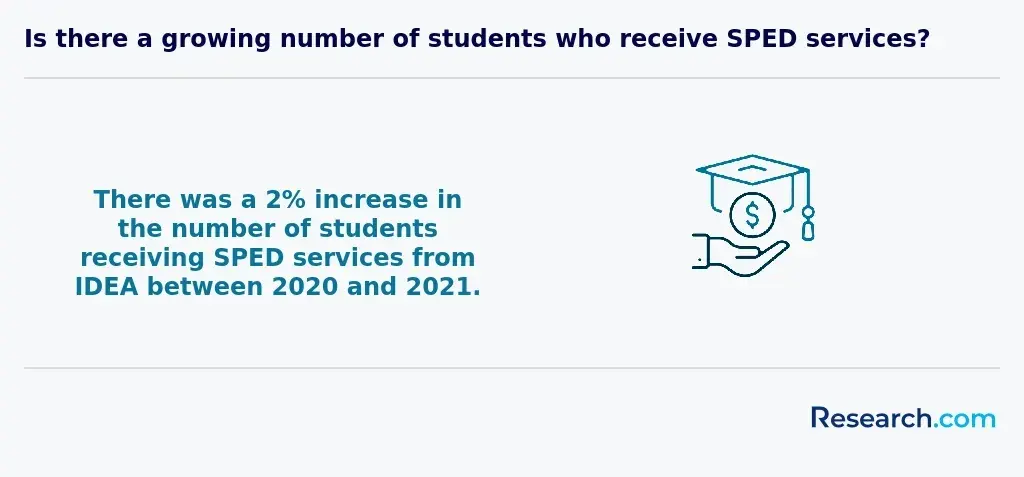
Arizona schools need qualified special education teachers because of student service needs, staffing shortages, and the legal requirement to provide appropriate services under IDEA. Demand can vary by district, grade level, disability category, and location, but the available data points to persistent need.
The National Center for Education Statistics reports that 13% of public school students in Arizona received special education services under the Individuals with Disabilities Education Act in 2022-2023.
Teacher vacancies also affect the field. A September 2024 Arizona School Personnel Administrators Association press release reported that 25.4% of teacher vacancies across 139 school districts and charter schools in the state remained unfilled, including vacancies in special education.
The Arizona Governor’s Educator Retention Task Force Research & Analysis Report also found that 45% of schools reported a special education vacancy for 2021-2022.
O*NET OnLine projects employment growth of 11% to 22% for Arizona special education teachers across different grade levels through the end of the decade.
Projected annual openings for Arizona special education teachers for 2020-2030 are listed below:
| Arizona special education role | Projected job openings |
| Secondary School Special Education Teachers | 170 per year |
| Middle School Special Education Teachers | 140 per year |
| Kindergarten and Elementary School Special Education Teachers | 310 per year |
| Preschool Special Education Teachers | 40 per year |
| All Other Special Education Teachers | 20 per year |
For job seekers, the practical takeaway is clear: special education is one of the more need-driven areas of teaching in Arizona. However, high demand does not mean every job is equally sustainable. Before accepting a position, review caseload expectations, planning time, paraprofessional support, administrative backing, and access to related service providers.
How much do special education teachers in Arizona earn?
According to 2023 Bureau of Labor Statistics data, special education teachers in Arizona earn a mean wage of about $56,000 to $70,000 annually, depending on grade level and occupational category.
Salary can differ by district, years of experience, local labor market, advanced education, additional certifications, and whether a teacher works in a high-need specialty. Urban areas such as Phoenix and Tucson may offer different pay scales than rural districts, but cost of living, commute, workload, and support should be evaluated alongside salary.
| Arizona special education role | Mean annual wage |
| Secondary School Special Education Teachers | $70,340 |
| Middle School Special Education Teachers | $57,580 |
| Kindergarten and Elementary School Special Education Teachers | $56,810 |
| Preschool Special Education Teachers | $57,110 |
| All Other Special Education Teachers | $65,420 |
How to evaluate whether the salary works for you
- Compare the district salary schedule, not just the posted starting pay.
- Ask whether master’s degrees, endorsements, or hard-to-staff assignments increase pay.
- Review health, retirement, leave, and tuition support benefits.
- Consider workload factors such as caseload size, paperwork expectations, and IEP meeting volume.
- Check whether the district offers mentorship for new special education teachers.
What professional development opportunities are available for special education teachers in Arizona?
Professional development is not optional in special education. Teachers must stay current on legal requirements, evidence-based instruction, behavior supports, assistive technology, IEP compliance, and inclusive classroom practices. In Arizona, several organizations and agencies offer training that can support both certification renewal and career growth.
- Arizona IDEA Conference: This event covers topics such as instructional practice, national special education trends, compliance, preschool services, and secondary transition. It also allows teachers to connect with service providers, families, administrators, and other educators.
- Arizona CEC Annual State Conference: AzCEC hosts professional learning sessions, presentations, and networking opportunities for special education professionals who want to exchange resources and improve practice.
- Arizona Department of Education trainings: State-sponsored trainings help educators understand evaluation procedures, instructional strategies, policy updates, and special education compliance expectations.
Professional development can also make future mobility easier. If you later move to another state, keeping strong documentation of training, coursework, and credentials may help when comparing Arizona requirements with Virginia teacher certification requirements or rules in another state.
| Professional development focus | Why it matters in special education |
| IEP compliance | Helps teachers meet legal timelines, service requirements, and documentation standards |
| Assistive technology | Supports access to instruction for students with communication, mobility, sensory, or learning needs |
| Behavior intervention | Improves classroom support for students with behavioral or emotional needs |
| Family collaboration | Strengthens IEP planning, trust, and consistency between school and home |
| Transition planning | Prepares students for postsecondary education, employment, independent living, and community participation |
Are there advanced roles for experienced special education teachers in Arizona?
Special education can lead to several career paths beyond a classroom teaching assignment. Experienced teachers often move into leadership, coaching, behavioral support, compliance, district administration, or consulting roles. The right path depends on whether you want to stay close to students, support other teachers, manage programs, or influence policy and systems.
- Special Education Coordinator: Coordinators help manage district-level services, support compliance with state and federal rules, and assist schools with program implementation.
- Behavior Analyst: Teachers who pursue behavior-focused certification may design and monitor intervention plans for students with behavioral needs, often working with school teams and families.
- Instructional Coach: Coaches support teachers by modeling strategies, reviewing student data, and helping improve instruction for students with disabilities.
- Director of Special Education: Directors oversee programs, staffing, budgets, compliance, and district-wide strategy. Larger systems such as Phoenix Union High School District may offer leadership roles of this type.
- Consultant: Consultants advise schools, agencies, nonprofits, or districts on inclusive practices, program design, compliance, and student support systems.
| Advanced role | Best for teachers who want to... | Typical preparation focus |
| Special Education Coordinator | Support programs across schools or departments | Compliance, IEP systems, team leadership |
| Behavior Analyst | Specialize in behavior assessment and intervention | Behavior analysis, data collection, intervention planning |
| Instructional Coach | Train and mentor other teachers | Instructional methods, coaching, classroom observation |
| Director of Special Education | Lead district-level special education services | Administration, budgeting, law, personnel management |
| Consultant | Advise schools or organizations outside a single classroom | Specialized expertise, communication, program evaluation |
Advanced experience can also help if you later seek licensure elsewhere. Strong documentation of leadership, coursework, and professional learning may support comparisons with Louisiana teacher standards or requirements in other jurisdictions.
What are the biggest challenges faced by special education teachers in Arizona?
Special education teaching is meaningful work, but candidates should enter the field with realistic expectations. The role can involve heavy documentation, demanding caseloads, high emotional responsibility, complex legal requirements, and coordination with multiple adults involved in each student’s education.
- Large or complex caseloads: Teachers may be responsible for students with very different needs, grade levels, accommodations, and service minutes. Caseload size affects planning time, IEP quality, and burnout risk.
- Resource limitations: Some teachers report difficulty accessing sufficient classroom materials, paraprofessional support, assistive technology, or specialist time.
- Emotional demands: Supporting students and families through academic, behavioral, medical, or developmental challenges can be rewarding but draining.
- Inconsistent administrative support: Special education teachers need leaders who understand compliance, scheduling, staffing, and behavior systems. Weak support can make the role harder to sustain.
- Professional development barriers: Teachers may need more training in assistive technology, behavior intervention, IEP compliance, and inclusive instruction than their schedules or district budgets allow.
- Work-life balance pressure: IEP paperwork, lesson adaptation, meetings, progress monitoring, and communication with families can extend beyond the school day.
Certification renewal is another responsibility to plan for. Teachers coming from another state should compare Arizona expectations carefully because South Carolina teacher license renewal rules, or rules in any other state, may not match Arizona Department of Education requirements.
Technology is also changing special education. Assistive technology, digital communication tools, accessible instructional materials, and data systems can improve learning access, but only when teachers receive adequate time, equipment, funding, and training. Without those supports, technology can become another burden rather than a practical classroom tool.
The chart below reflects teacher interest in assistive technology and related professional learning.
How can special education teachers in Arizona foster effective collaboration with parents and professionals?
Strong special education outcomes depend on teamwork. Teachers rarely support students alone; they coordinate with families, general education teachers, paraprofessionals, school psychologists, counselors, speech-language pathologists, occupational therapists, administrators, and community providers.
Effective collaboration starts with predictable communication. Teachers should explain IEP goals in plain language, invite family input before meetings, document decisions clearly, and maintain regular updates on progress. When families understand what services are being provided and why, they can reinforce goals at home and raise concerns earlier.
- Schedule communication before problems escalate, not only after a crisis.
- Use parent-friendly language when explaining accommodations, service minutes, and progress data.
- Include general education teachers in planning so accommodations are practical in daily instruction.
- Coordinate with therapists and counselors to avoid isolated interventions that do not carry over into the classroom.
- Document decisions, follow-up tasks, and timelines after meetings.
- Respect family culture, language, and priorities when designing support plans.
Cross-disciplinary awareness can also improve instruction. For example, understanding how colleagues prepare for general subject teaching, such as the pathway described in becoming an English teacher in Arizona, can help special education teachers align accommodations with content-area expectations.
How do special education laws in Arizona impact teachers?
Special education teachers work within federal and state legal frameworks. These rules affect eligibility, IEP development, service delivery, parent participation, documentation, discipline, assessment, and transition planning. Teachers do not need to be attorneys, but they must understand the rules well enough to protect student rights and maintain compliance.
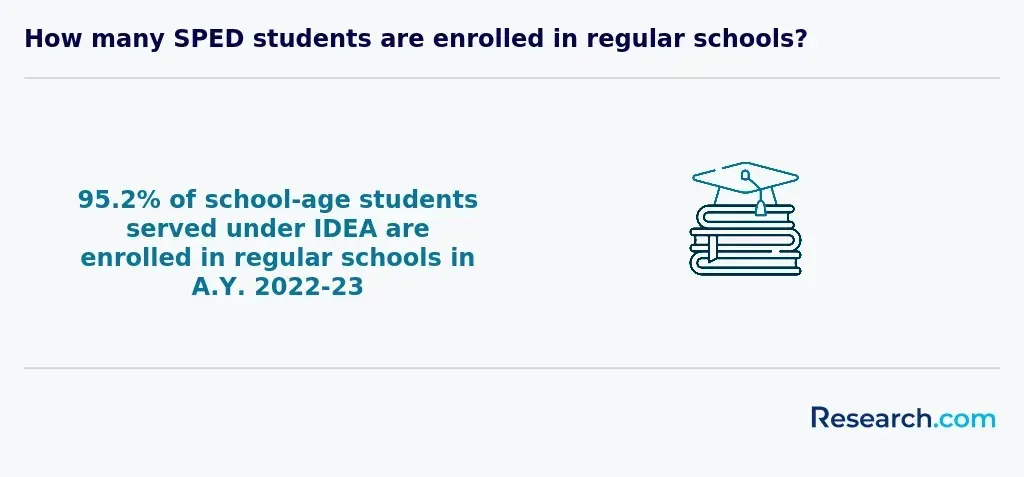
- The Individuals with Disabilities Education Act requires eligible students with disabilities to receive a Free Appropriate Public Education. In practice, this means teachers help develop and implement Individualized Education Programs that address documented student needs.
- Arizona requires IEPs to be reviewed annually, which means teachers must monitor progress, update goals, adjust services when needed, and contribute accurate classroom data.
- Parent participation is a core part of special education. Teachers are expected to communicate clearly, include family input, and support informed decision-making during the IEP process.
- Teachers must keep up with training, legal updates, and district procedures so that services are delivered consistently and documentation is defensible.
What legal compliance means in daily teaching
| Legal responsibility | Teacher action |
| Implementing the IEP | Provide accommodations, modifications, services, and progress monitoring as written |
| Documenting progress | Collect and report data tied to IEP goals |
| Supporting family participation | Communicate clearly before and after meetings |
| Maintaining confidentiality | Protect student records and discuss student information only with appropriate personnel |
| Adapting instruction | Adjust lessons so students can access the curriculum according to their plans |
Are there scholarships and grants available for special education teachers in Arizona?
Cost can be a major barrier for aspiring teachers, especially for candidates who need a bachelor’s degree, post-baccalaureate program, certification exams, or graduate study. Arizona students should compare scholarships, grants, employer tuition assistance, and service-based funding before borrowing.
- Arizona Teachers Academy: This state-funded initiative supports recruitment and retention by offering qualified students full-tuition scholarships, professional development, and instructional coaching.
- Arizona Promise Program: Arizona residents may qualify if they attend a public university in the state, complete the FAFSA, and qualify for a federal Pell Grant. The program covers remaining tuition and fees after other aid, grants, and scholarships are applied.
- National Association of Community College Teacher Education Programs Scholarship: NACCTEP offers two $1,000 scholarships to students from under-represented populations who are enrolled at a member college and pursuing teacher education.
Cost evaluation is important in any career preparation path, whether you are comparing teacher education or researching fields such as interior design career specializations. For special education, the best funding choice is usually the one that lowers debt while still leading to an Arizona-approved credential.
How to reduce the cost of becoming a special education teacher
- Complete the FAFSA early and ask each school about state-funded teacher scholarships.
- Compare public university, community college transfer, post-baccalaureate, and alternative certification costs.
- Ask whether a district offers tuition reimbursement or paid residency options.
- Verify that financial aid applies to the exact program you plan to enroll in.
- Consider part-time or online formats only if they still meet Arizona certification requirements.
How can advanced academic qualifications elevate your special education career in Arizona?
Advanced academic study can help special education teachers move into leadership, research, teacher preparation, policy, curriculum design, or higher education roles. A doctoral program may be useful for educators who want to conduct research, prepare future teachers, lead programs, or influence institutional decision-making. If your goal is to teach or lead beyond the K-12 classroom, compare options such as an online PhD in higher education with special education-focused graduate pathways before enrolling.
How can collaborating with school psychologists enhance special education outcomes in Arizona?
School psychologists contribute assessment expertise, behavioral data, intervention planning, and consultation that can make IEP decisions more accurate and instructionally useful. Special education teachers who understand Arizona school psychologist requirements can better coordinate evaluations, interpret recommendations, and align classroom strategies with psychological and behavioral findings.
Could special education expertise facilitate a transition into substance abuse counseling?
Special education teachers often build transferable skills in communication, behavior support, documentation, crisis response, and individualized planning. Those strengths may be relevant to counseling fields, although substance abuse counseling has separate education, supervised experience, and credential requirements. If you are considering that shift, review the steps for becoming a substance abuse counselor in Arizona before assuming your teaching background will satisfy licensing rules.
Can additional certifications broaden your special education career opportunities in Arizona?
Additional credentials can help special education teachers serve more age groups, specialize in behavior, move into leadership, or collaborate more effectively with early childhood and general education teams. For example, understanding preschool teacher requirements in Arizona may be useful for educators who want to work with younger children, early intervention teams, or inclusive preschool settings.
How can special education teachers enhance cross-disciplinary collaboration in Arizona schools?
Special education teachers improve outcomes when they work closely with general education teachers, content specialists, paraprofessionals, therapists, counselors, and administrators. Collaboration is especially important when accommodations must be used consistently across classrooms. Reviewing the route to becoming an elementary school teacher in Arizona can help special educators understand how general education preparation differs from special education preparation and where the two roles overlap.
What advanced certification options can empower my special education career in Arizona?
Advanced certification can help teachers specialize in behavior intervention, consultation, program leadership, or instructional support. A behavior-focused path may be especially relevant for teachers who want to develop data-based intervention plans and support multidisciplinary teams. If that aligns with your goals, review the process for becoming a BCBA in Arizona.
How can special education teachers benefit from collaborating with school counselors?
School counselors can support academic planning, family communication, crisis response, social-emotional learning, and student transition planning. Special education teachers who understand school counselor requirements in Arizona can build stronger partnerships and clarify when student needs require counseling, behavioral intervention, academic accommodation, or referral to outside services.
How to Transition into Special Education Teaching in Arizona
Career changers can enter Arizona special education through structured preparation, but the best route depends on current degrees, previous teaching credentials, and whether the candidate wants to work while completing requirements. Do not choose a program based only on speed. The program must prepare you for the appropriate Arizona credential and the realities of special education classrooms.
1. Identify your starting point
Begin by determining whether you already have a bachelor’s degree, an active teaching certificate, paraprofessional experience, or credits that can transfer into a teacher preparation program. Your starting point affects cost, timeline, and certification options.
2. Compare alternative certification pathways
Arizona options such as Arizona Teachers of Tomorrow and post-baccalaureate teacher preparation programs may help candidates without traditional education degrees. Confirm admission rules, field placement structure, exam preparation, and whether the program leads to the specific special education certification you need.
3. Use reciprocity if you are already licensed elsewhere
Out-of-state teachers should prepare transcripts, license records, fingerprint clearance materials, and testing documentation. Arizona reciprocity can reduce duplication, but it does not remove the need to meet state requirements.
4. Connect prior experience to special education work
Experience in social work, counseling, childcare, healthcare, tutoring, behavior support, or paraprofessional work may help you adapt to special education teaching. However, classroom teaching also requires lesson planning, IEP implementation, assessment, documentation, and collaboration with school teams.
5. Look for funding before enrolling
Review scholarship, district support, and state aid options before committing to tuition. Candidates from private school settings can also compare the public and private school preparation landscape through this guide to becoming a private school teacher in Arizona.
6. Build a support network early
Organizations such as the Arizona Council for Exceptional Children can help new and nontraditional candidates find professional development, mentorship, and field-specific resources.
How can I attain an affordable teaching credential in Arizona?
The most affordable credential pathway is the one that is approved, leads to the correct Arizona certification, uses your existing credits efficiently, and avoids unnecessary coursework. Candidates should compare program tuition, fees, exam costs, student teaching requirements, delivery format, and financial aid. Reviewing affordable teaching credential programs in Arizona can help you evaluate lower-cost options without ignoring accreditation or certification alignment.
| Cost factor | What to check |
| Tuition | Compare total program cost, not only cost per credit |
| Fees | Ask about application, technology, testing, and certification fees |
| Transfer credit | Confirm which previous credits will count before enrolling |
| Student teaching | Find out whether the placement is unpaid, paid, or compatible with current work |
| Financial aid | Check scholarships, grants, employer support, and FAFSA eligibility |
How can special education teachers transition into higher education roles?
Special education teachers who want to move into higher education should build a profile beyond classroom experience. Colleges and universities often look for graduate preparation, teaching expertise, research ability, curriculum design experience, publications, conference activity, and mentoring skills. A teacher interested in preparing future educators may need advanced graduate study and a clear scholarly focus. For a broader academic career roadmap, review how to become a college professor.
What other careers can special education teachers in Arizona transition into?
Special education teachers can move into related fields where individualized assessment, communication, behavior support, and family collaboration are valuable. One possible path is speech-language pathology, although that profession has its own education and licensure requirements. Teachers interested in communication disorders, language development, and therapeutic services can review the steps for becoming a speech-language pathologist in Arizona.
Common mistakes to avoid when becoming a special education teacher in Arizona
| Mistake | Better approach |
| Choosing a program without checking Arizona certification alignment | Verify approval and credential outcomes with the program and the Arizona Department of Education |
| Looking only at tuition | Compare total cost, fees, exam expenses, student teaching requirements, and aid eligibility |
| Assuming all online programs qualify for licensure | Confirm field placement, state approval, and exam preparation before enrolling |
| Ignoring caseload and support when accepting a job | Ask about paraprofessionals, planning time, administrator support, and related service access |
| Relying only on salary averages | Review district pay schedules, benefits, workload, commute, and advancement opportunities |
| Waiting until renewal time to track professional development | Keep records of training, coursework, and continuing education from the start |
Key Insights
- Arizona special education teachers usually need a bachelor’s degree, an Educator Preparation Program, supervised teaching experience, required exams, fingerprint clearance, and state certification.
- Career changers and licensed out-of-state teachers may have faster routes, but every pathway should be checked for Arizona certification alignment before enrollment.
- Demand is strong: Arizona data show special education vacancies and O*NET OnLine projects 11% to 22% growth through 2030 across grade levels.
- Arizona special education teacher mean wages range from about $56,000 to $70,000 annually, with BLS role-specific figures including $70,340 for Secondary School Special Education Teachers and $56,810 for Kindergarten and Elementary School Special Education Teachers.
- The best job offer is not always the highest-paying one. Caseload, administrative support, paraprofessional help, planning time, and district culture strongly affect sustainability.
- Professional development in IEP compliance, assistive technology, behavior intervention, and family collaboration is essential for both classroom effectiveness and credential renewal.
- Advanced roles include coordinator, behavior analyst, instructional coach, director of special education, and consultant, but each requires deliberate skill-building beyond initial certification.
- Before committing to this career, compare education cost, certification requirements, job conditions, and long-term advancement options—not just the speed of entry.
Related Articles for Nearby States
- 2027 How to Become a Special Education Teacher in New Mexico: Requirements & Certification
- 2027 How to Become a Special Education Teacher in Nevada: Requirements & Certification
- 2027 How to Become a Special Education Teacher in California: Requirements & Certification
- 2027 How to Become a Special Education Teacher in Utah: Requirements & Certification
- 2027 How to Become a Special Education Teacher in Colorado: Requirements & Certification
- 2027 How to Become a Special Education Teacher in Texas: Requirements & Certification
- 2027 How to Become a Special Education Teacher in Oklahoma: Requirements & Certification
- 2027 How to Become a Special Education Teacher in Kansas: Requirements & Certification
- 2027 How to Become a Special Education Teacher in Wyoming: Requirements & Certification
- 2027 How to Become a Special Education Teacher in Idaho: Requirements & Certification
References:
- Alsolami, A. (March 2022). Teachers of Special Education and Assistive Technology: Teachers’ Perceptions of Knowledge, Competencies and Professional Development. Sage Journals. https://journals.sagepub.com/doi/full/10.1177/21582440221079900
- Arizona Educator Retention Task Force (December 2023). The Governor’s Educator Retention Task Force Research & Analysis Report. https://azgovernor.gov/sites/default/files/educator-retention-task-force-research-and-analysis-report.pdf
- Arizona School Personnel Administrators Association (September 2024). Severe teacher shortage in Arizona continues. https://cdn.ymaws.com/www.aspaa.org/resource/resmgr/documents/press_releases/ASPAA_Press_Release_-_Septem.pdf
- Data USA (n.d.). Special education teachers. https://datausa.io/profile/soc/special-education-teachers
- National Center for Education Statistics (2023). Students with disabilities. Retrieved from https://nces.ed.gov/programs/coe/indicator/cgg/students-with-disabilities
- O*NET OnLine (n.d.). Occupation Keyword Search. https://www.onetonline.org/find/quick?s=special+education+teachers Data Retrieved on October 31, 2024
- U.S. Bureau of Labor Statistics (April 2024). May 2023 State Occupational Employment and Wage Estimates, Arizona. https://www.bls.gov/oes/2023/may/oes_az.htm
Other Things You Should Know About Becoming a Special Education Teacher in Arizona
In 2027, Arizona does not require a specific board exam for Special Education teachers. However, aspiring teachers must pass the Arizona Educator Proficiency Assessments (AEPA) relevant to their teaching field, which may include a special education subject test. **Question** How does Arizona support special education teachers? **Answer** Arizona supports special education teachers by offering professional development opportunities, mentorship programs, and state-funded initiatives to enhance instructional skills. Additionally, the state's education department provides resources to assist with classroom management and specialized instructional strategies. **Question** What are the necessary steps to become a certified special education teacher in Arizona in 2027? **Answer** To become a certified special education teacher in Arizona in 2027, candidates must hold a bachelor’s degree, complete a teacher preparation program, pass the AEPA exams, and apply for certification through the Arizona Department of Education. **Question** Are there financial aid options for those pursuing a career in special education in Arizona? **Answer** Yes, financial aid options are available in Arizona, including scholarships, grants, and loan forgiveness programs specifically aimed at prospective special education teachers. These are designed to alleviate the costs associated with teacher training and certification.
To become a Special Education teacher in Arizona in 2027, you need at least a bachelor's degree in Special Education or a related field. Additionally, coursework in areas such as psychological foundations and instructional strategies is often required.
Arizona special education teachers renew through the Arizona Department of Education’s Certification Unit. A standard Arizona teaching certificate is valid for 12 years, and renewal usually requires proof of professional development hours, completed before the certificate expires. Teachers must keep their fingerprint clearance valid as well.