
2027 How to Become a Teacher in Florida – What Degree Do You Need to Be a Teacher

Co-Founder and Chief Data Scientist
Becoming a teacher in Florida is no longer just a question of choosing a college major and applying for certification. The state is dealing with a serious educator shortage, with 5,007 vacancies reported as of January 2025 by the Florida Education Association (FEA, 2025). That figure has more than doubled from the 2,217 vacancies previously reported, making teacher preparation, certification pathways, and retention issues central concerns for schools, families, and future educators.
This guide is for students, career changers, paraprofessionals, substitute teachers, and out-of-state educators who want a clear path into Florida classrooms. It explains the degree options, certification routes, exam requirements, renewal rules, financial aid opportunities, salary and job market realities, and specializations that may improve your long-term career options.
The goal is not only to explain how to become a teacher in Florida, but also to help you decide whether this path fits your goals, timeline, budget, and tolerance for the challenges currently affecting the profession.
Quick Answer: How Do You Become a Teacher in Florida?
To become a teacher in Florida, most candidates need a bachelor’s degree, completion of a Florida Department of Education-approved educator preparation route, passing scores on required Florida Teacher Certification Examinations, fingerprinting, background clearance, and an approved certification application. Candidates who do not yet meet all Professional Certificate requirements may qualify for a Temporary Certificate if they are employed by an eligible Florida school.
Florida offers traditional teacher preparation programs, Educator Preparation Institutes, Professional Learning Certification Programs, and certificate pathways for qualified out-of-state teachers, National Board-certified educators, career changers, paraprofessionals, and other eligible applicants.
What are the advantages of being a teacher in Florida?
- Florida teachers may work in public schools, private schools, charter schools, specialized programs, early learning settings, and subject-specific classrooms.
- The state provides professional development, endorsement, and certification renewal options that allow educators to build new skills over time.
- Depending on the role, teachers in Florida earn annual salaries ranging from $34,010 to $65,460.
- Top Teaching Programs in Florida for 2027
- Florida’s Teaching Landscape
- Degree Requirements for Florida Teachers
- Easiest Education Degree Options in Florida
- Step-by-Step Process to Become a Teacher in Florida
- Alternative Routes Without a Traditional Education Degree
- Teaching Specializations in Florida
- Florida Teaching License Renewal
- Timeline to Become a Teacher in Florida
- Financial Aid and Scholarships for Future Florida Teachers
- Elementary Education Specialization Opportunities
- Professional Development for Florida Teachers
- Florida Teacher Job Market, Salaries, and Outlook
- Special Education Credentials in Florida
- Physical Education Teaching Careers
- School Librarian Career Options
- Kindergarten Teacher Requirements
- Private School Teaching in Florida
- Trends Changing Teacher Education
- Florida Teacher Certification Requirements
- Substitute Teaching Requirements
- Career Paths for Certified Teachers
- Teacher Retention Initiatives in Florida
- Summer Career Growth Opportunities
- Online Secondary Education Degrees
- How Florida Education Compares With Other States
Top Teaching Programs in Florida for 2027
How Research.com evaluates teaching programs
Choosing a teacher preparation program affects your certification eligibility, student teaching experience, subject area, cost, and job readiness. Research.com’s ranking process uses a detailed methodology and draws from trusted education data sources, including the Integrated Postsecondary Education Data System, Peterson’s database and its Distance Learning Licensed Data Set, College Scorecard, and the National Center for Education Statistics. These sources help compare Florida teaching programs using transparent, education-focused criteria.
| School | Program | Best fit for | Key certification value |
| University of South Florida | BS in Elementary Education | Students who want to teach grades K-6 | Professional Certification in Elementary Education (K-6), plus ESOL and Reading endorsements |
| Florida A&M University | BS in Secondary Education-English (6-12) | Future middle and high school English teachers | Professional Teacher Certificate with ESOL and reading endorsements |
| University of Tampa | BS in Secondary Mathematics Education | Students preparing to teach mathematics in grades 6-12 | Secondary mathematics preparation with strong certification support |
| Florida International University | BS in Early Childhood Education | Future teachers of young children from age 3 through Grade 3 | Reading/ESOL Endorsement and prekindergarten/primary preparation |
| University of Florida | Certificate Program in Secondary Teaching Preparation | Post-baccalaureate candidates seeking secondary certification | Professional Certification pathway for qualified graduates |
1. University of South Florida
The University of South Florida offers a BS in Elementary Education for students preparing to teach grades K-6. The program blends education theory, classroom practice, and field-based preparation. Graduates may qualify for Professional Certification in Elementary Education (K-6), along with English Speakers of Other Languages (ESOL) and Reading endorsements. The program is available at the Tampa and Sarasota-Manatee campuses, with two-year and four-year plan options.
- Program Length: Two to four years
- Tracks/Concentrations: Arts Integration at the Sarasota-Manatee campus
- Cost per Credit: $209.69–$211.19 for residents; $573.51–$575.01 for non-residents
- Required Credits to Graduate: 72–120
- Accreditation: Council for Accreditation of Educator Preparation (CAEP)
2. Florida A&M University
The BS in Secondary Education-English (6-12) at Florida A&M University prepares students for English teaching roles in middle and high school. Coursework covers literature, language arts instruction, classroom technology, education foundations, and classroom management. Students also complete internship and capstone experiences that connect academic preparation with real classroom practice. Graduates may be eligible for a Professional Teacher Certificate and ESOL and reading endorsements.
- Program Length: Four years
- Tracks/Concentrations: English (6-12)
- Cost per Credit: $151.78 for residents; $549.80 for non-residents
- Required Credits to Graduate: 120
- Accreditation: CAEP
3. University of Tampa
The University of Tampa offers a BS in Secondary Mathematics Education for students who want to teach math concepts, reasoning, and problem-solving skills. The program supports candidates through the teacher application process and includes preparation in special needs instruction, classroom technologies, and curriculum improvement. The university reports high certification pass rates, achieving 100%.
- Program Length: Four years
- Tracks/Concentrations: Mathematics (6-12)
- Estimated Tuition: $32,096
- Required Credits to Graduate: 95–97
- Accreditation: CAEP
4. Florida International University
Florida International University offers a BS in Early Childhood Education with a major in Prekindergarten/Primary Education: Age 3 through Grade 3 and Reading/ESOL Endorsement. The program covers educational psychology, children’s literature, ESOL-related issues, and instruction for diverse learners. Students may participate in internships or study abroad opportunities and complete student teaching during the final semester.
- Program Length: Four years
- Tracks/Concentrations:
- Early Childhood Development
- Prekindergarten/Primary Education: Age 3 through Grade 3
- Reading/ESOL Endorsement
- Tuition Cost per Semester: $3,084 for residents; $9,283 for non-residents
- Required Credits to Graduate: 120
- Accreditation: CAEP
5. University of Florida
The University of Florida offers a Certificate Program in Secondary Teaching Preparation for post-baccalaureate candidates who want a structured route toward Professional Certification. The Educator Preparation Program combines online and on-site coursework and can be completed in two semesters. Students study subject-area methods, classroom management, reading challenges, and data-informed instructional decisions.
- Program Length: One year
- Tracks/Concentrations:
- Math Education
- Science Education
- Social Studies Education
- English Education (6-12)
- Cost per Credit: $517.87 for residents; $656.40 for non-residents
- Required Credits to Graduate: 18
- Accreditation: CAEP
What Florida Teachers Say About the Career
- “Teaching has been one of the most meaningful choices I have made. I get to share a subject I care about with students in Florida while also helping them build confidence. Watching a student finally understand a difficult idea is a moment that stays with you.” - Anika
- “Working as a teacher in Florida gives me the chance to influence the next generation in a direct way. The job can be demanding, but helping students move toward their goals makes the hard days worth it.” - Sean
- “My classroom is a place where students should feel respected, included, and capable. Seeing students grow academically and personally reminds me that teaching is about more than delivering lessons; it is also about helping young people recognize what they can do.” - Dianne
Key Findings
- The total number of teacher certifications rose by 6%.
- Florida’s projected job outlooks for kindergarten to secondary education teachers range from 8.7% to 9.2%.
- Temporary and Professional Certificates are valid for five years, but Temporary Certificates cannot be renewed.
- Florida is 48th in the nation for average public school teacher pay.
- For 2025, the state’s local government aims to add $200 million in funding to increase teachers’ wages.
Florida’s Teaching Landscape
Florida’s teacher shortage shows why entering education should be treated as a serious professional decision, not simply as one of the easy college majors. New teachers are entering a system that needs qualified educators but also faces retention, pay, workload, and classroom support challenges.
According to the Florida Department of Education’s 2025–26 High Demand Teacher Needs Report, Florida had more than 10,000 courses taught by out-of-field teachers at the beginning of the school year. By early 2025, Florida's largest teachers’ union reported a shortage of about 3,200 teachers (Florida Education Association, 2025). Florida has also taken policy steps such as HB 1125, which allows eligible out-of-state teachers to work in Florida without recertification, but staffing pressure remains.
The FEA (2025) identifies low pay, limited support, reduced instructional flexibility, lack of multi-year contracts, and crowded classrooms as major reasons Florida struggles to retain educators. Future teachers should weigh these realities carefully. The demand is real, but so are the working conditions that influence long-term career satisfaction.
What Degree Do You Need to Be a Teacher in Florida?
For most candidates, the standard route to teaching in Florida begins with a bachelor’s degree and completion of an approved educator preparation program. These programs are often called Initial Teacher Preparation (ITP) Programs and should align with Florida Department of Education requirements. CAEP accreditation is also an important quality marker for many educator preparation programs.
A bachelor’s degree is generally the minimum education level for a Professional Certificate in Florida. Even the best online associate degree programs can help you start college or prepare for transfer, but an associate degree alone is not enough for a Professional Certificate. Graduate degrees may support higher-level specialization, leadership opportunities, or salary advancement depending on the employer and role.
Florida teacher preparation programs typically include clinical practice, internships, apprenticeships, fieldwork, practicum experiences, or supervised classroom placements. Candidates who already hold a bachelor’s degree in another field may use alternative certification pathways instead of completing a traditional undergraduate education degree.
| Credential path | Who it fits | Main advantage | Important caution |
| Bachelor’s degree in education | First-time college students who know they want to teach | Builds certification preparation into the degree plan | Requires careful selection of the correct grade level and subject area |
| Post-baccalaureate teacher preparation | Graduates who already hold a bachelor’s degree | Can be faster than earning a second full bachelor’s degree | Still requires exams, field experience, and state approval |
| Educator Preparation Institute | Career changers and non-education graduates | Designed specifically for alternate-route candidates | Program approval and certification alignment must be verified |
| Advanced education degree | Teachers seeking specialization or leadership growth | May support advancement into specialized or administrative roles | Does not automatically replace state certification requirements |
What Is the Easiest Education Degree to Pursue in Florida?
The easiest education degree in Florida depends on your academic strengths, subject interests, transfer credits, and certification goal. For many students, elementary education can feel more accessible because it provides broad preparation for teaching younger learners and usually follows a clearly structured certification path.
An associate degree in education may be a useful starting point if you plan to transfer into a bachelor’s program, but it does not qualify you by itself for a Florida Professional Certificate. Early childhood education and special education can lead to meaningful and needed roles, but they may include additional specialized coursework, field experiences, and endorsement requirements.
For adults who already have a bachelor’s degree outside education, an Educator Preparation Institute may be the more efficient route. EPI programs are built for career changers and generally focus on the education coursework and competencies needed for certification rather than requiring a full second undergraduate degree.
How Do I Become a Teacher in Florida?
Florida uses two major educator certificate types: the Temporary Certificate and the Professional Certificate. A Professional Certificate is the standard long-term credential, while a Temporary Certificate allows eligible candidates to begin teaching while completing remaining requirements.
- Choose the right certification route. Complete a traditional teacher preparation program, an online teaching degree that meets Florida requirements, an approved Educator Preparation Institute, or another eligible pathway. Candidates may also qualify through an out-of-state standard certificate, National Board for Professional Teaching Standards certification, two semesters of full-time college teaching experience, or completion of an approved Teacher Education Degree Program/Educator Preparation Institute Program.
- Meet subject and general knowledge requirements. Candidates typically need passing scores on required Florida Teacher Certification Examinations, including assessments of general knowledge, professional education, and subject area competence.
- Submit the certification application. Apply to the Florida Department of Education for an initial certification review.
- Review your Official Statement of Status of Eligibility. This document explains whether you qualify and what remaining steps, if any, must be completed.
- Complete fingerprinting and fee requirements. Submit fingerprints, complete background screening requirements, pay applicable fees, and wait for certificate issuance.
The Temporary Certificate process follows similar steps, but candidates must be employed by a local public school or nonpublic elementary or secondary school before the certificate can be issued. Temporary Certificates are intended for educators who have not yet completed every Professional Certificate requirement.
Florida also uses targeted temporary credentials. A Temporary Teacher Internship Certificate applies to candidates gaining experience through an internship. A Temporary Teacher Apprenticeship Certificate is available to eligible paraprofessionals with an associate degree who are employed in Florida school districts or charter schools.
The total number of certifications increased by 11% (FDOE, 2025), suggesting continued movement into Florida teaching credentials despite the challenges facing the workforce.
Can You Become a Teacher in Florida Without a Traditional Education Degree?
Yes. Florida allows qualified candidates to become teachers without holding a traditional undergraduate education degree, but they must still meet state academic, testing, employment, background, and certification requirements.
- Educator Preparation Institute Program: This route serves non-education bachelor’s degree holders and career changers who want to become certified teachers in Florida. Associate degree holders may also use education pathways that lead toward a bachelor’s degree.
- Professional Learning Certification Program: This competency-based route helps staff members with non-education degrees build the instructional skills needed for a Professional Teaching Certificate.
After completing the required pathway, candidates may be able to move from temporary eligibility to a Professional Certificate. Florida may also consider professional competence, classroom experience, or a graduate STEM degree for eligible candidates, subject to Florida Department of Education approval.
| Route | Best for | What to verify before enrolling |
| Traditional education bachelor’s degree | New college students | FDOE approval, CAEP accreditation, grade level, subject area, and student teaching placement |
| Educator Preparation Institute | Career changers with a bachelor’s degree | Program approval, exam preparation support, field experience requirements, and timeline |
| Professional Learning Certification Program | School employees moving toward certification | Employer participation, competency requirements, mentoring, and pathway to Professional Certificate |
| Out-of-state pathway | Teachers already certified elsewhere | Florida eligibility rules, subject equivalency, and any remaining testing or background requirements |
What Specializations Can I Explore as a Teacher in Florida?
Florida teachers can specialize by grade level, subject area, student population, or endorsement. If you want broad classroom preparation, an online elementary education degree may help you prepare for areas such as English, Mathematics, Social Science, or Science, depending on program design and certification alignment.
Common Florida specialization options include ESOL, early childhood education, Exceptional Student Education, foreign languages, art, music, physical education, English, reading, math, science, and secondary content areas. Educators interested in learning, assessment, behavior, and student development may also explore educational psychology programs.
Specialization matters because Florida continues to report courses taught by teachers outside their certified fields, including areas such as ECE, English, Reading, ESOL, and Science. Your program choice should match the subject and grade level you actually want to teach, not just the quickest credential available.
How Do I Renew My Teaching License in Florida?
Florida teachers must complete continuing education to keep certification active. Temporary and Professional Certificates are both valid for five years, but Temporary Certificates are not renewable. Teachers renewing a Professional Certificate must complete six semester hours of college credit during each renewal period, including at least one semester hour focused on teaching students with disabilities.
Renewal credit may come from college coursework or approved in-service points through a Florida-approved program. Requirements must be completed within the most recent validity period of the Professional Certificate and before the certificate expires.
Educators certified after 2025 must also earn at least two college credits, 40 in-service points, or a combination tied to evidence-based instruction. Teachers may also add or remove subject areas during renewal if they meet the applicable requirements.
How Long Does It Take to Become a Teacher in Florida?
The timeline depends on your starting point. In general, candidates may earn a Temporary Certificate in five to six years and a Professional Certificate in six to seven years. Your actual timeline can change based on the program type, credit load, subject area, exam readiness, employment status, and previous teaching experience.
Nontraditional routes may take eight years or more in some cases. For example, a candidate who already has a non-education bachelor’s degree may still need one to two years to complete a teacher preparation program, plus time to gain teaching experience and satisfy Professional Certificate requirements.
You should also account for exam preparation, application review, fingerprinting, background clearance, and Florida Department of Education processing. The fastest route is not always the best route if it leaves you underprepared for classroom expectations or limits your certification options.
| Starting point | Likely route | Estimated timeline stated in this guide | Decision factor |
| High school graduate | Bachelor’s degree in education and certification exams | Temporary Certificate in five to six years; Professional Certificate in six to seven years | Choose the correct subject and grade level early |
| Associate degree holder | Transfer into bachelor’s-level teacher preparation | Varies by transfer credits and program fit | Confirm how many credits apply before enrolling |
| Bachelor’s degree holder in another field | EPI, PLCP, or post-baccalaureate preparation | May require one to two years of preparation plus experience | Verify Florida approval and exam support |
| Out-of-state certified teacher | Florida eligibility review and certification application | Depends on reciprocity eligibility and missing requirements | Review the Official Statement of Status of Eligibility carefully |
What Financial Aid and Scholarships Are Available for Aspiring Teachers in Florida?
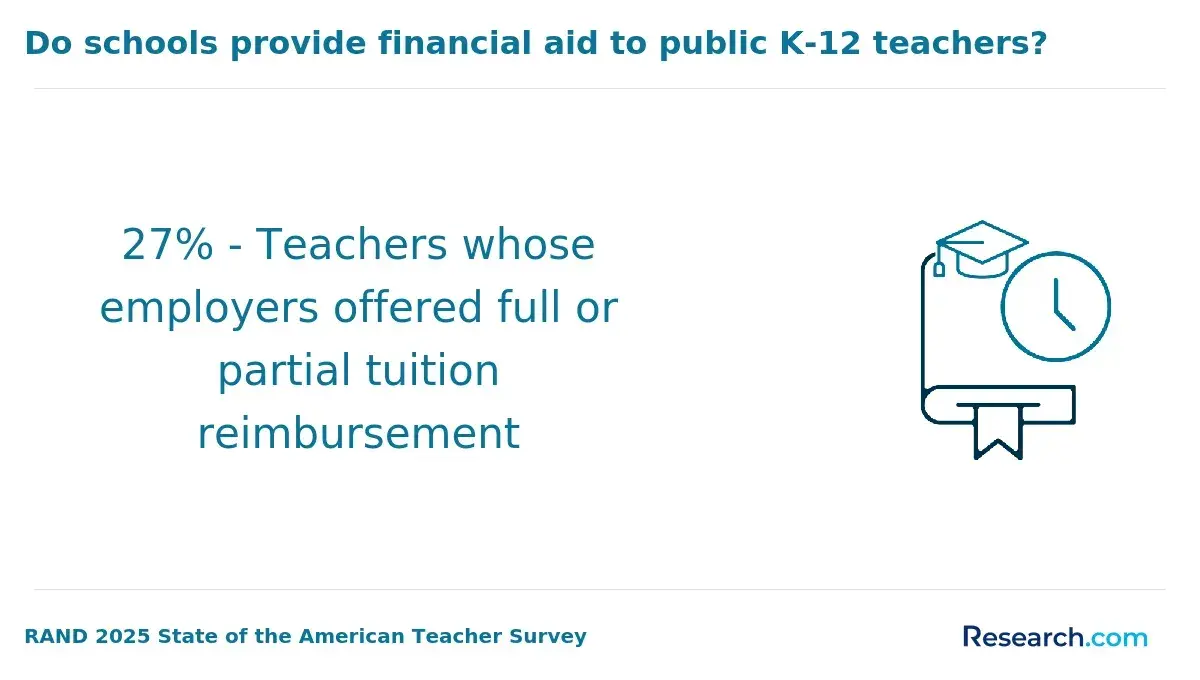
Financial aid can make teacher preparation more manageable, especially for students who are comparing traditional degree programs, post-baccalaureate options, and alternative routes. Florida students may consider state scholarships, institutional aid, local scholarships, federal aid, loan forgiveness opportunities, and lower-cost pathways such as Educator Preparation Institutes.
The Florida Bright Futures Scholarship Program is a major merit-based funding option for eligible students attending higher education institutions in Florida. The TEACH Grant provides up to $4,000 per year for students who commit to teaching in high-need subject areas or low-income schools.
Other options may include the Florida Teacher Loan Forgiveness Program, district-level scholarships, civic organization awards, and support from professional teaching associations. Career changers should compare the total cost of EPI programs against full degree programs and consider how each pathway affects certification timing.
Before choosing a route, review the types of teaching certificates in Florida and compare the certification pathway, total cost, aid eligibility, and employment requirements. The cheapest option is not always the best choice if it does not lead to the certificate, endorsement, or grade level you need.
What Opportunities Exist for Teachers to Specialize in Elementary Education?
Elementary education is a strong option for candidates who want to teach foundational literacy, math, science, social studies, and social development skills to younger learners. Florida elementary teachers often need broad instructional preparation, classroom management skills, reading knowledge, and supervised field experience.
If this is your goal, review the education, testing, and certification steps for how to become an elementary school teacher in Florida. Elementary specialization can be a practical path for candidates who want a defined grade range and a classroom-centered role, but it still requires strong preparation in child development, reading instruction, and differentiated learning.
What Ongoing Professional Development Opportunities Can Benefit Florida Teachers?
Professional development helps Florida teachers maintain certification, adapt to changing standards, improve instruction, and qualify for endorsements or specialized roles. Common options include district workshops, university courses, online training, renewal coursework, subject-area conferences, mentoring programs, and approved in-service learning.
Teachers can use professional development strategically. For example, an educator who wants to move into language arts instruction may review how to become an english teacher in Florida and then choose coursework or endorsements that support that subject area. The best professional development plan connects renewal requirements with long-term career goals.
What Is the Job Market for Teachers in Florida?
Florida needs teachers, but compensation and retention remain major concerns. By 2032, job projections for kindergarten to secondary education teachers in the state range between 9.1% and 9.5% (Florida Commerce, 2025). Preschool teachers are expected to see a growth rate of 13.2%.
Pay is a more complicated part of the decision. According to the National Education Association (2025), Florida ranks 50th in the nation for average public school teacher pay, with a mean salary of $53,098. Recent labor reports also place Florida near the bottom among states for educator compensation.
U.S. Bureau of Labor Statistics data show that Florida elementary school teachers earned an average salary of $60,370. Middle school teachers earned $59,060, while secondary school teachers earned $64,390. These figures vary by district, role, experience, contract type, and school setting.
Florida has attempted to address the shortage through measures such as offering up to a $5,000 bonus to retired law enforcement officers and paramedics who become teachers. Critics argue these measures are not enough, especially when national teacher wages average around the $70,000 range. Prospective teachers should evaluate both the demand for educators and the financial realities of working in the state.
How Can I Obtain Special Education Credentials in Florida?
Special education credentials prepare teachers to support students with disabilities through individualized instruction, accommodations, behavior support, legal compliance, and collaboration with families and school teams. Candidates typically need state-approved preparation that combines coursework with supervised practice.
Because special education requirements can be detailed, candidates should review the full pathway for special education teacher certification in Florida. This path can be especially valuable for educators who want to work with high-need student populations, but it also requires ongoing professional development and strong documentation skills.
Can Specializing in Physical Education Enhance My Teaching Career in Florida?
Physical education can expand a teaching career into fitness instruction, coaching, health education, athletics support, and school wellness programming. PE teachers need more than sports knowledge; they must understand age-appropriate movement, safety, assessment, inclusive participation, and curriculum design.
If you want a practical route into this field, compare the easiest physical education degree programs while confirming that any program you choose fits Florida certification expectations. A PE specialization may be a good fit for educators who want active teaching environments and opportunities beyond a traditional classroom.
Could Becoming a School Librarian Enhance My Career in Florida?
School librarians support literacy, research skills, digital learning, curriculum resources, and student access to information. For certified teachers, library and media roles can offer a way to remain in education while shifting into a schoolwide instructional support position.
Teachers interested in this transition should review how to become a school librarian in Florida. This career may fit educators who enjoy reading instruction, information technology, resource curation, and collaboration with teachers across grade levels.
What Are the Kindergarten Teacher Requirements in Florida?
Kindergarten teachers in Florida need preparation in early childhood development, classroom routines, early literacy, foundational math, play-based learning, family communication, and age-appropriate assessment. Certification also involves meeting state standards, passing required assessments, completing supervised experiences, and satisfying background check requirements.
For a focused overview, review the kindergarten teacher requirements in Florida. This pathway is best for educators who want to work with young children at a critical point in social and academic development.
Can Private School Teaching Offer Competitive Career Advantages in Florida?
Private school teaching in Florida may offer different hiring expectations, school cultures, class sizes, curriculum models, and levels of instructional flexibility than public school roles. Some private schools may value subject expertise, faith-based education experience, specialized pedagogy, or independent-school backgrounds.
However, candidates should not assume that private schools always provide higher pay, easier entry, or fewer professional expectations. Review the private school teacher requirements in Florida before applying so you understand credential expectations, background checks, and school-specific hiring standards.
What Emerging Trends Are Reshaping Teacher Education in Florida?
Florida teacher education is being shaped by flexible certification routes, online coursework, technology-supported instruction, competency-based preparation, data-informed teaching, and growing interest in micro-credentials and endorsements. These trends reflect the need for teachers who can adapt to diverse classrooms, digital tools, and changing student needs.
Online pathways are particularly important for working adults, paraprofessionals, and career changers who cannot attend traditional daytime programs. Candidates exploring remote preparation should understand how to become a teacher online in Florida and verify that any online program meets Florida certification rules. Flexibility is useful only if the program leads to the credential you actually need.
What Are the Teacher Certification Requirements in Florida?
Florida teacher certification generally requires a bachelor’s degree or higher, completion of an approved educator preparation route, passing required subject and professional assessments, fingerprinting, background screening, and approval from the Florida Department of Education. Candidates with non-education degrees may use alternative pathways if they satisfy the state’s requirements.
Certification rules vary by subject, grade level, and applicant background, so candidates should review the teacher certification requirements in Florida before enrolling in a program or accepting a teaching position. This is especially important for online students, out-of-state teachers, and career changers.
What Are the Substitute Teaching Requirements in Florida?
Substitute teaching can help future educators gain classroom exposure, build school connections, and test whether teaching is a good long-term fit. Requirements may include background checks, district training, onboarding modules, and other school or state expectations.
Because substitute rules can vary by district and role, review the Florida substitute teacher requirements before applying. Substitute teaching can be useful, but it should not be confused with full professional certification for a permanent teaching role.
What Career Paths Are Available for Teachers in Florida?
BLS data show that Florida had 26,600 preschool teachers, 8,960 kindergarten teachers, 107,210 elementary and middle school teachers, and 45,900 secondary school teachers. Continued demand means certified educators may find opportunities across grade levels and school types.
Teaching experience can also support movement into related education and training careers, especially with additional credentials, graduate education, or specialized experience.
- School Administrator: Experienced educators may move into roles such as principal, assistant principal, or district administrator, where they manage programs, staff, operations, and school improvement efforts.
- School Counselor: Teachers who pursue counseling preparation may support students’ academic, social, emotional, and college or career planning needs.
- Corporate Trainer: Educators can apply instructional design, presentation, and assessment skills in business, nonprofit, government, or workforce training settings.
- Educational Writer or Editor: Teachers with strong writing skills may create textbooks, curriculum materials, assessments, instructional content, or educational software resources.
What Initiatives Are in Place to Support Teacher Retention in Florida?
Florida has introduced funding and policy efforts intended to address educator shortages and retention concerns. Reported proposals and commitments include the following (FDOE, 2023b; FEA, 2024b):
- $9 million invested toward Teacher Apprenticeship Programs
- An additional $200 million in funding to increase teachers’ wages
- Total state funding in the K-12 Florida Education Finance Program (FEFP) amounting to $28,401,435,018
Other retention supports may include mentoring, certification-related bonuses, educator discounts, and nonprofit incentives. However, improving retention usually requires more than one-time incentives. Pay, workload, class size, administrative support, contract stability, and professional respect all influence whether teachers stay.
How Can Florida Teachers Leverage Summer Opportunities for Career Growth?
Summer can be more than a break from the classroom. For Florida teachers, it can be a strategic period for earning credentials, supplementing income, preparing instructional materials, and building skills that support the next school year.
- Earn additional endorsements or certifications: Teachers may use summer to pursue areas such as ESOL, Special Education, or STEM to improve flexibility and qualify for specialized roles.
- Complete professional development: Workshops, online courses, and conferences can strengthen subject knowledge, instructional strategies, and classroom management.
- Teach summer school or tutor: Summer instruction can provide extra income while helping teachers practice small-group and individualized instruction.
- Create curriculum resources: Developing lesson plans, project-based units, assessments, and classroom materials before the school year can reduce stress later.
The most effective summer plan connects your immediate classroom needs with certification renewal, endorsement goals, or long-term career advancement.
What Role Does an Online Secondary Education Degree Play in Advancing Teaching Careers in Florida?
An online secondary education degree can help current or future Florida teachers strengthen subject-specific instruction, assessment design, classroom technology use, and curriculum planning. Online study may be especially useful for working educators who need flexibility while building credentials.
Before enrolling, confirm that the program matches your intended grade level, subject area, certification route, field experience requirements, and Florida Department of Education expectations. An online degree can be valuable, but only if it supports the credential and role you are pursuing.
How Is Florida Education Compared to Other States?
Florida’s education system has both strengths and persistent challenges. The state is known for early childhood education, school choice options such as charter schools, magnet programs, and voucher systems, and relatively affordable higher education pathways. Students considering a bachelor of education online may find Florida appealing because of low tuition options and scholarship programs such as Bright Futures.
At the same time, Florida faces ongoing concerns related to underfunding, teacher pay, turnover, classroom resources, and inequities in educational outcomes. Teacher compensation remains a major disadvantage compared with many other states, and this affects both recruitment and retention.
Florida’s standardized testing performance, graduation progress, and accountability systems show areas of strength, but continued investment is important if the state wants to reduce shortages, improve equity, and keep qualified teachers in classrooms.
Related Articles for Nearby States
- 2027 How to Become a Teacher in Georgia – What Degree Do You Need to Be a Teacher
- 2027 How to Become a Teacher in Alabama – What Degree Do You Need to Be a Teacher?
- 2027 How to Become a Teacher in South Carolina – What Degree Do You Need to Be a Teacher?
- 2027 How to Become a Teacher in Mississippi – What Degree Do You Need to Be a Teacher?
- 2027 How to Become a Teacher in Tennessee – What Degree Do You Need to Be a Teacher
- 2027 How to Become a Teacher in North Carolina – What Degree Do You Need to Be a Teacher?
- 2027 How to Become a Teacher in Louisiana – What Degree Do You Need to Be a Teacher?
- 2027 How to Become a Teacher in Kentucky – What Degree Do You Need to Be a Teacher?
- 2027 How to Become a Teacher in Arkansas – What Degree Do You Need to Be a Teacher?
- 2027 How to Become a Teacher in Virginia – What Degree Do You Need to Be a Teacher
Common Mistakes to Avoid When Becoming a Teacher in Florida
| Mistake | Why it matters | Better approach |
| Choosing a program without checking Florida approval | A degree that does not align with certification requirements can delay licensure | Confirm FDOE approval, accreditation, exams, and field placement before enrolling |
| Assuming an associate degree is enough | A Professional Certificate generally requires at least a bachelor’s degree | Use an associate degree as a transfer step, not the final credential |
| Picking the fastest route without checking subject fit | Your certification area determines the classrooms you can teach in | Choose a pathway that matches your intended grade level and subject |
| Ignoring exam preparation | Certification exams can affect your timeline and eligibility | Build study time into your plan before applying |
| Looking only at tuition | Fees, textbooks, testing, commuting, unpaid fieldwork, and lost work hours add cost | Compare total cost and financial aid, not tuition alone |
| Assuming salary outcomes are guaranteed | Pay varies by district, role, experience, and contract | Review district salary schedules and local cost of living before committing |
Questions to Ask Before Choosing a Florida Teacher Preparation Program
- Is the program approved for the Florida certification area I want?
- Does the program include supervised classroom experience or student teaching?
- What exams will I need to pass, and how does the program prepare students for them?
- Does the program lead to endorsements such as ESOL, Reading, or Exceptional Student Education?
- How many credits will transfer if I already completed college coursework?
- What is the total cost after tuition, fees, testing, books, and transportation?
- Can I complete coursework online, on campus, or in a hybrid format?
- Does the program help with placement, certification paperwork, or district hiring connections?
- Will the credential support public school, private school, charter school, or specialized teaching goals?
Key Insights
- Florida needs teachers, but candidates should enter the field with a clear understanding of pay, workload, certification requirements, and retention challenges.
- A bachelor’s degree is generally the minimum education requirement for a Florida Professional Certificate; an associate degree can help with transfer but is not enough by itself.
- Traditional education degrees, Educator Preparation Institutes, Professional Learning Certification Programs, and out-of-state pathways can all lead toward teaching, but eligibility depends on your background and certification goal.
- Temporary Certificates can help eligible candidates begin teaching while completing requirements, but they are not renewable.
- Program choice matters. Verify Florida approval, accreditation, subject area, grade level, fieldwork, endorsements, and exam preparation before enrolling.
- Specializations such as ESOL, Reading, Exceptional Student Education, early childhood, secondary math, science, and English may improve career flexibility in shortage-affected areas.
- Financial aid, scholarships, grants, and loan forgiveness options can reduce costs, but candidates should compare total program cost and certification outcomes before choosing a route.
- The best path is the one that matches your timeline, budget, subject strengths, and long-term plan for staying and growing in Florida education.
References:
- American Board for Certification of Teacher Excellence. (2025). Teacher certification pathways. https://www.abcte.org/become-a-teacher
- Council for the Accreditation of Educator Preparation. (2025). Teacher preparation accreditation standards. https://caepnet.org/standards
- Florida Education Association. (2025, January 14). New data shows Florida’s teacher and staff shortage remains high. https://feaweb.org/release/new-data-shows-floridas-teacher-and-staff-shortage-remains-high/
- Florida Department of Education. (2025). Identification of high demand teacher needs areas for 2025-26. https://www.fldoe.org/file/7584/HDTeacherNeeds25-26.pdf
- Florida Department of Education. (2025). General knowledge requirement for educator certification. https://www.fldoe.org/teaching/certification/general-cert-requirements/general-knowledge.stml
- Florida Department of Education. (2025). Professional preparation and education competence. https://www.fldoe.org/teaching/certification/general-cert-requirements/professional-preparation-edu-competenc.stml
- Florida Department of Education. (2025). Satisfying subject specialization. https://www.fldoe.org/teaching/certification/general-cert-requirements/satisfying-subject-specialization.stml
- Florida Education Association. (2025, January 15). Florida’s teacher vacancy crisis continues mid-school year. https://feaweb.org/release/floridas-teacher-vacancy-crisis-continues-mid-school-year/
- Florida Department of Education. (2025). Educator Certification Annual Report. https://www.fldoe.org/teaching/certification/reports/
- National Education Association. (2025). Rankings of the States Estimates of School Statistics 2025. https://www.nea.org/resource-library/rankings-and-estimates-report-2025
- National Education Association. (2025). Teacher pay and salary trends. https://www.nea.org/resource-library/educator-pay-and-student-spending
- National Center for Education Statistics. (2025). Characteristics of public school teachers. https://nces.ed.gov/programs/coe/indicator/clr/characteristics-of-teachers
- U.S. Bureau of Labor Statistics. (2025). Kindergarten and elementary school teachers. https://www.bls.gov/ooh/education-training-and-library/kindergarten-and-elementary-school-teachers.htm
Other Things You Should Know About Becoming a Teacher in Florida
The Florida Department of Education, through the Bureau of Educator Certification, approves teacher certification applications. Applicants must submit official transcripts, pass required exams, and complete a fingerprint-based background check before the state issues a certificate.
To earn teacher certification in Florida in 2027, candidates must pass the Florida Teacher Certification Examinations (FTCE), which include the General Knowledge Test, the Professional Education Test, and a Subject Area Examination specific to their teaching field.


