
2027 Teacher Salary with a Master’s Degree

Co-Founder and Chief Data Scientist
A master’s degree can be a smart salary move for teachers, but only when the numbers work in your specific district. Some school systems reward graduate education with a clear move to a higher salary lane. Others offer only a small stipend or no automatic increase at all. The difference can determine whether the degree pays for itself in a few years or becomes an expensive credential with limited financial return.
This guide is designed for licensed teachers, future educators, and career changers who want a practical answer before committing to graduate school. It explains how a master’s degree affects teacher pay, which factors create the biggest salary differences, which education specializations tend to have stronger earning potential, how public and private school compensation compares, and how to calculate your own payback period before enrolling.
Quick Answer: Does a Master’s Degree Increase Teacher Salary?
Yes, a master’s degree often increases teacher salary, especially in public school districts that use step-and-lane pay schedules. In many districts, teachers with a master’s degree earn $2,000 to $10,000 more per year than teachers with only a bachelor’s degree. The average beginning salary for a teacher with a master’s degree is $48,182, which is $3,652 higher than the starting salary for a teacher with a bachelor’s degree.
The financial return is strongest when the degree qualifies a teacher for a higher salary lane, a shortage-area endorsement, or a better-paid role such as instructional coach, reading specialist, school counselor, assistant principal, curriculum coordinator, or department chair. The return is weakest when tuition is high, the district’s graduate-degree premium is small, or the school does not formally reward advanced education.
Essential Facts About Teacher Pay With a Master’s Degree
- Teachers with a master’s degree commonly earn $2,000 to $10,000 more per year than bachelor’s-level teachers, but the actual raise depends on district and state compensation rules.
- Most public school districts use step-and-lane salary schedules. “Steps” usually represent years of experience, while “lanes” represent graduate credits or degree level.
- Shortage and high-need areas such as STEM, special education, bilingual education, ESL, and advanced high school coursework may create additional salary opportunities or stipends.
- Public school teachers usually receive more predictable pay increases and benefits than private school teachers, although some elite private schools may pay competitively.
- Master’s-level teacher salary varies by state, district funding, cost of living, collective bargaining agreements, and local staffing needs.
- The payback period for a master’s degree often falls between five and 12 years, depending on program cost, borrowing, fees, and the annual salary increase.
- How much can a master’s degree raise teacher pay in 2027?
- How large is the salary gap between master’s-level and bachelor’s-level teachers?
- Which factors determine teacher salary after earning a master’s degree?
- Which master’s degrees tend to have the strongest effect on teacher salaries in 2027?
- How does master’s-level pay compare in public and private schools?
- Do high school teachers with master’s degrees make more than elementary teachers?
- Which teaching subjects are associated with higher salaries for master’s-prepared educators?
- Can a fast-track EdD help educators move into higher-paying roles?
- Does an online master’s degree have the same salary value as an on-campus program?
- What are the smartest ways to pay for a master’s degree in education?
- How can an EdD affect long-term educator career growth?
- Can an online organizational leadership doctorate expand educator career options?Doctoral leadership options for educators
- How does experience change salaries for teachers with master’s degrees?
- How can library science help educators move into different roles?
- What career advantages can come with a master’s degree beyond salary?
- How can graduate education support interdisciplinary education careers?
- How does master’s-level teacher salary differ by state?
- How long does it take for a master’s degree to pay for itself?
- Can a master’s degree affect teacher satisfaction and retention?Master’s degree payback period
How much can a master’s degree raise teacher pay in 2027?
A master’s degree can increase a teacher’s salary, but there is no single national raise attached to the credential. Pay is usually decided locally through district salary schedules, state funding rules, union agreements, teacher experience, assignment type, and subject-area demand.
The average beginning salary for a teacher with a master’s degree is $48,182, or $3,652 more than the beginning salary for a teacher with a bachelor’s degree. In some districts, the difference can reach $15,000 or more per year. Teachers who pair graduate study with a shortage-area credential may have stronger earning potential. For instance, educators interested in high-need support roles should review special education certification requirements for teachers before selecting a program.
Public school teachers usually have the clearest path to a salary increase because many districts publish pay schedules that specify compensation by education level and experience. These schedules may include lanes for a bachelor’s degree, bachelor’s plus graduate credits, master’s degree, master’s plus additional credits, and advanced degrees. The National Education Association’s data on starting teacher pay and state education spending can help educators compare pay patterns across locations. Private schools may also value graduate education, but their compensation rules are often less standardized.
| Salary factor | How it changes master’s-level teacher pay | What to verify before enrolling |
| District salary schedule | Shows whether a master’s degree places you in a higher pay lane. | Compare the bachelor’s and master’s lanes at your current and future experience steps. |
| Years of experience | The value of a graduate degree may grow as you move up the step schedule. | Check the salary difference at entry, mid-career, and the maximum step. |
| Subject area | Shortage fields may include stipends, incentives, or stronger hiring leverage. | Ask whether STEM, special education, bilingual education, or ESL teachers receive extra pay. |
| School type | Public schools often have more transparent graduate-pay policies than private schools. | Request the written compensation policy rather than relying on informal assurances. |
| Program cost | High tuition can delay or reduce the return on the salary increase. | Add tuition, fees, books, licensure costs, loan interest, and any lost income. |
How large is the salary gap between master’s-level and bachelor’s-level teachers?
Teachers with master’s degrees usually earn more than teachers whose highest degree is a bachelor’s, but the gap varies widely. A common national estimate is 10% to 15%, yet local salary schedules are more useful than broad averages when making a financial decision.
- Early career: In the first year, a master’s degree often adds about $2,000 to $3,000 compared with bachelor’s-level pay.
- Middle and later career: The gap can become much larger as teachers move through higher salary steps and graduate-degree lanes. At the top of the pay scale, teachers with a master’s degree earn an average of $22,000 more annually than teachers with only a bachelor’s degree. Educators considering leadership roles should also examine principal and administrative certification requirements.
- Full-career earnings: Across 30 years, a teacher with a master’s degree can earn an average of $158,562 more than a teacher with only a bachelor’s degree. In some districts, the lifetime difference exceeds $250,000.
The district-level spread can be dramatic. In Montgomery County Public Schools in Maryland, teachers at the top of the salary schedule with a master’s degree earn $36,716 more per year than teachers with a bachelor’s degree. In Jefferson Parish Public School System in Louisiana, the master’s degree premium is only $600 per year. That contrast is why teachers should never base the decision on national averages alone.
Debt also matters. Many educators take on student loans for graduate school, and a higher credential may not produce enough additional pay to offset an expensive program. Before applying, compare your expected salary-lane increase with the full cost of the degree.
Which factors determine teacher salary after earning a master’s degree?
A master’s degree is only one part of a teacher’s compensation picture. Your final salary may also depend on where you work, how long you have taught, whether your degree meets licensure requirements, whether your assignment qualifies for stipends, and how your district recognizes graduate credits.
| Factor | Why it affects pay | Best decision move |
| State and district | Teacher salaries are generally set by districts, while state funding affects what districts can afford. | Use the actual salary schedule for the district where you work or plan to apply. |
| Experience level | Graduate-degree pay often becomes more valuable as teachers advance through salary steps. | Calculate the raise at your current step and again at the highest step. |
| Degree specialization | Some graduate degrees lead to better-paid specialist, counseling, administrative, or leadership roles. | Select a program that matches your intended job, not just a generic salary lane. |
| Licensure and endorsements | Certain roles require state credentials beyond the master’s degree itself. | Confirm that the program satisfies your state’s endorsement, certification, or license rules. |
| Grade level | Secondary roles may offer more paid opportunities tied to specialized subjects and advanced courses. | Compare elementary, middle, and high school compensation policies in your district. |
| Supplemental assignments | Mentoring, coaching, department leadership, curriculum writing, and clubs may add stipends. | Ask which extra duties are paid and how competitive those roles are. |
| Union or contract terms | Collective bargaining agreements can define raises, benefits, lane movement, and credit approval. | Read the negotiated agreement before assuming your coursework will count. |
Questions to ask before choosing a graduate program
- Will this exact degree move me into a higher salary lane?
- Does my employer require approval before I begin graduate coursework?
- Will my district accept online credits for salary advancement?
- Does the program lead to the endorsement, certification, or license required for my target role?
- What will the degree cost after tuition assistance, grants, scholarships, and employer reimbursement?
- How many years do I realistically expect to remain in teaching or in this district after graduation?
Which master’s degrees tend to have the strongest effect on teacher salaries in 2027?
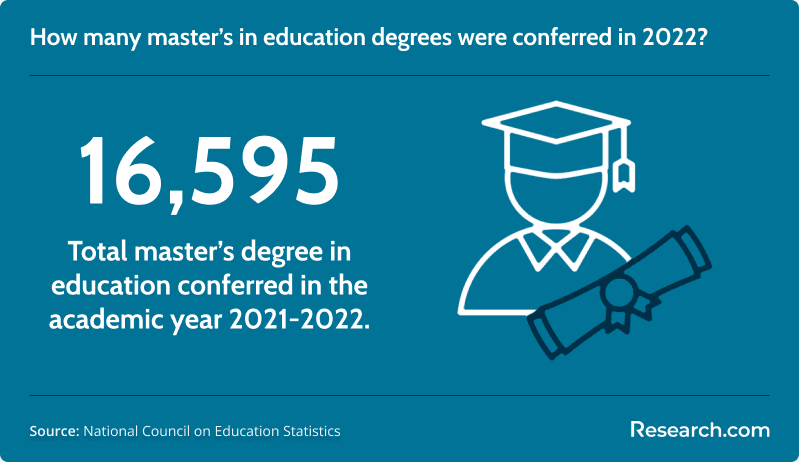
During the 2021-22 academic year, 166,595 master’s degrees in education were awarded. The strongest salary impact usually comes from programs connected to leadership roles, shortage fields, specialist credentials, or formal district salary lanes. Teachers comparing affordable online master’s degrees in teaching and education should focus on programs that align with both employer pay rules and long-term career goals.
| Master’s degree focus | Reported salary impact | Who it fits best |
| Educational Leadership or Administration | $10,000 to $30,000 more annually compared with classroom teachers, depending on district and state. | Teachers planning to become principals, assistant principals, curriculum coordinators, or district leaders. |
| Special Education | $5,000 to $15,000 more per year compared with general education teachers. | Educators who want to work in high-need disability services and specialized instruction. |
| STEM Education | $5,000 to $12,000 annually, with possible incentives for AP or advanced courses. | Math, science, technology, engineering, or advanced secondary teachers. |
| Curriculum and Instruction | $3,000 to $10,000 more per year, depending on role and district. | Teachers interested in coaching, curriculum design, assessment, or teacher leadership. |
| Educational Technology | $4,000 to $9,000 more per year. | Educators who want roles in digital learning, instructional technology, or technology integration. |
| Reading and Literacy Education | $3,000 to $8,000 more per year. | Teachers pursuing reading specialist, interventionist, literacy coach, or early literacy positions. |
| School Counseling | $8,000 to $20,000 more annually. | Teachers who want to transition into counseling roles requiring specialized preparation. |
| ESL or Bilingual Education | $4,000 to $10,000 more per year. | Educators serving English learners or bilingual student communities. |
Master’s in Educational Leadership or Administration
This pathway often has the largest salary upside for teachers who want to move from classroom instruction into administrative work. It can support roles such as principal, assistant principal, curriculum coordinator, or district administrator. The added pay reflects broader responsibility for staffing, school improvement, compliance, family communication, and student outcomes.
Master’s in Special Education
Special education is a persistent high-need area in many districts. A graduate degree in this field may support stipends, salary premiums, or specialized job opportunities, but teachers should confirm state certification rules before enrolling.
Master’s in STEM Education
Graduate study in STEM education can be especially useful for secondary math, science, technology, engineering, and advanced-course teachers. Salary advantages are most likely in districts that provide incentives for hard-to-fill subjects or AP and advanced coursework.
Master’s in Curriculum and Instruction
This degree can prepare teachers for instructional coaching, curriculum development, assessment design, teacher training, and school improvement roles. Its pay value depends on whether those responsibilities come with a higher salary classification or paid stipend.
Master’s in Educational Technology
Schools need educators who can evaluate learning tools, support teachers with classroom technology, and lead online or blended instruction. This degree may help teachers qualify for roles such as digital learning coach, instructional technology specialist, or technology coordinator.
Master’s in Reading and Literacy Education
Literacy-focused graduate programs can support careers in reading intervention, literacy coaching, and reading specialist work. These roles are often important in elementary and middle grades, where districts prioritize reading growth.
Master’s in School Counseling
A school counseling master’s degree can move a teacher into a different professional track. Because counseling roles typically require state-approved preparation, practicum hours, and specific credentials, program approval is critical.
Master’s in ESL or Bilingual Education
ESL and bilingual education programs can strengthen opportunities in districts with large or growing English learner populations. Some districts offer bilingual stipends, but compensation policies differ substantially.
How does master’s-level pay compare in public and private schools?
Public and private schools often value graduate education in different ways. Public districts are more likely to publish salary schedules that show exactly how a master’s degree changes pay. Private schools may consider advanced education during hiring or negotiation, but many do not use formal salary lanes.
| Category | Public school teachers with a master’s degree | Private school teachers with a master’s degree |
| Typical salary range stated | $55,000 to $85,000 annually, depending on location, experience, and role. | $40,000 to $70,000 per year on average. |
| Pay structure | Often follows step-and-lane schedules based on education and experience. | Often depends on negotiation, school policy, budget, or mission-specific factors. |
| Graduate degree premium | Commonly $5,000 to $15,000 more per year than bachelor’s-level pay. | May be limited, inconsistent, or tied to the individual school’s resources. |
| Benefits | Often includes stronger health coverage, retirement plans, paid leave, and pension structures. | Benefits vary; some schools may offer tuition discounts, smaller classes, or greater curriculum flexibility. |
| Best fit | Teachers seeking predictable salary progression and contract-based compensation where available. | Teachers who prioritize mission fit, independent or religious school settings, specialized curricula, or smaller communities. |
Teachers researching accredited online education degree programs should ask prospective employers whether the degree will count toward pay advancement. Accreditation, state authorization, program approval, and district policy can be just as important as the degree name.
Why public and private school salary outcomes differ
- Funding source: Public schools rely heavily on state and local funding, while private schools depend on tuition, donations, endowments, and enrollment stability.
- Contract structure: Public school salaries may be shaped by collective bargaining agreements. Private school salaries are usually set by individual institutions.
- Cost-of-living policies: Public districts in expensive regions may have more formal cost-of-living adjustments, while private schools vary by budget and market position.
- Total compensation: Benefits can change the real value of a job. A lower salary with stronger retirement and health benefits may sometimes be worth more than a higher salary with weaker benefits.
Do high school teachers with master’s degrees make more than elementary teachers?
High school teachers with a master’s degree in an education degree area often have higher earning potential than elementary teachers with similar graduate credentials, particularly when they teach specialized, advanced, or hard-to-staff subjects. However, the answer depends on district policy. Some districts pay all classroom teachers on the same schedule, while others offer stipends or differentiated pay for secondary assignments.
The average salary for high school teachers with a master’s degree ranges from $60,000 to $90,000 per year, depending on subject area, location, and experience. Elementary teachers with a master’s degree typically earn between $55,000 and $80,000 annually.
Secondary teachers may have more paid opportunities because high school assignments can involve advanced content knowledge, AP or IB preparation, department leadership, extracurricular supervision, exam coordination, and specialized curriculum work. These added responsibilities can increase total compensation even when the base salary schedule is the same.
Still, grade level alone does not guarantee higher pay. In districts with a single teacher salary schedule, an elementary and high school teacher with the same education level and experience may receive the same base salary. Any difference may come from stipends, hard-to-staff subject incentives, or supplemental duties.
Which teaching subjects are associated with higher salaries for master’s-prepared educators?
The better-paid education career paths for teachers with master’s degrees are often tied to staffing shortages, specialized credentials, advanced content knowledge, or additional legal and instructional responsibilities. Even then, salary outcomes depend on local contracts and district budgets.
| Subject or specialization | Salary range stated | Reason it may command higher pay |
| STEM subjects | $65,000 to over $100,000 annually. | Districts may face shortages of qualified math, science, technology, and engineering educators. |
| Special education | $60,000 to $95,000 annually, with possible district stipends. | The role requires specialized instruction, IEP expertise, and compliance responsibilities. |
| Career and Technical Education | $60,000 to $90,000 or more per year. | Schools value industry experience in areas such as IT, healthcare, engineering, and vocational training. |
| ESL or bilingual education | $58,000 to $88,000 per year, with possible bilingual proficiency stipends. | Districts serving English learners often need teachers with language and instructional specialization. |
| AP and IB subjects | $65,000 to over $100,000 annually. | Advanced courses require deep subject expertise and may involve extra paid responsibilities. |
STEM Subjects
STEM teachers in mathematics, science, technology, and engineering can have strong salary prospects, especially in secondary grades and advanced classes. Additional compensated work may include AP courses, IB courses, robotics, science competitions, STEM clubs, or curriculum development.
Special Education
Special education teachers may receive higher compensation because their work involves individualized instruction, legal documentation, collaboration with families and specialists, and compliance with student support plans. Teachers pursuing this field can compare the most affordable online master’s in special education programs to control costs.
Career and Technical Education
CTE teachers connect classroom learning with workplace skills. Educators with industry experience or professional certifications may be especially competitive in information technology, healthcare, engineering, skilled trades, and related fields.
English as a Second Language or Bilingual Education
ESL and bilingual educators provide specialized language instruction and academic support for multilingual learners. Salary advantages are more likely in urban, diverse, and multilingual districts with strong demand for bilingual staff.
Advanced Placement and International Baccalaureate Subjects
AP and IB teachers often need advanced content knowledge, course-specific training, and additional preparation time. Higher compensation may come through stipends for AP or IB certification, exam responsibilities, curriculum design, or advanced-course leadership.
Can a fast-track EdD help educators move into higher-paying roles?
A master’s degree can improve teacher pay, but an EdD may be more relevant for educators targeting senior leadership, district administration, policy, or organizational change roles. Fast-track EdD programs are built for working professionals who want doctoral-level preparation in applied research, leadership, policy, and school or system improvement without leaving the workforce for a long period.
Possible post-EdD roles include superintendent, curriculum director, district administrator, college administrator, policy leader, and education consultant. These positions may pay more than classroom teaching, but they also require broader responsibility, leadership experience, competitive hiring credentials, and sometimes administrative licensure. Educators evaluating this path can review fast-track EdD programs to compare structure and timeline.
Does an online master’s degree have the same salary value as an on-campus program?
For salary purposes, the delivery format is usually less important than accreditation, district acceptance, state approval, licensure alignment, and salary-schedule rules. An online degree can produce the same salary-lane benefit as an on-campus degree if the employer recognizes the institution, program, and credits.
Campus programs may offer in-person faculty access, local partnerships, and cohort networking. Online programs may offer flexibility, fewer commuting costs, and better fit for full-time teachers. Educators interested in school library, media specialist, research, or information management careers may also compare the most affordable online MLIS degree programs.
| Program format | Possible advantages | Possible disadvantages |
| Traditional campus program | In-person faculty interaction, local networking, cohort support, and campus services. | Less scheduling flexibility, commuting requirements, and potential conflicts with teaching hours. |
| Online master’s program | Flexible scheduling, location independence, and possible cost savings. | Requires strong self-management; salary recognition depends on accreditation and employer policy. |
| Hybrid program | Offers online convenience while keeping some face-to-face interaction. | May still require travel, weekend sessions, or scheduled campus attendance. |
What are the smartest ways to pay for a master’s degree in education?
The best financing plan starts by lowering the total cost before taking out loans. Even a degree that raises annual pay by several thousand dollars can have a poor return if tuition, fees, interest, and time costs are too high.
- Ask your district first: Check for tuition reimbursement, professional development funds, approved provider lists, and salary-lane preapproval.
- Compare the full price: Include tuition, fees, books, technology charges, travel, testing, and licensure expenses.
- Use free aid before loans: Look for grants, scholarships, employer support, and aid for shortage-area or public service educators.
- Borrow carefully: If loans are necessary, compare monthly repayment obligations with the documented annual salary increase.
- Match the credential to the goal: A cheap degree is not a good deal if it does not qualify you for the raise, endorsement, or position you want.
Some teachers also compare graduate education options with broader academic pathways, such as an online history degree, when building subject expertise or long-term career flexibility. The critical step is to connect the program to your district’s pay rules and your intended role.
How can an EdD affect long-term educator career growth?
An EdD can extend career options beyond the salary increase associated with a master’s degree. It is best suited for educators who want to move into district leadership, policy work, consulting, curriculum administration, higher education administration, or organization-wide improvement roles.
Doctoral study can strengthen skills in strategic planning, applied research, data-driven decision-making, leadership, and policy analysis. These competencies may help educators compete for roles such as superintendent or curriculum director, but the degree itself does not guarantee a promotion or salary increase. Experience, licensure, leadership record, local needs, and hiring conditions still matter. Educators considering doctoral study can compare affordable online EdD programs as part of a long-range advancement strategy.
Can an online organizational leadership doctorate expand educator career options?
An online doctorate in organizational leadership may benefit educators who want to lead schools, districts, higher education units, nonprofits, training teams, consulting projects, or policy initiatives. The degree focuses on systems-level leadership rather than classroom instruction alone.
This pathway can build expertise in organizational strategy, change management, leadership communication, and policy analysis. It is not automatically the same as a state administrative credential, so educators should verify whether their target jobs require a specific education administration license. Those weighing this option can explore an online doctorate in organizational leadership.
How does experience change salaries for teachers with master’s degrees?
Experience is one of the strongest drivers of teacher pay. A master’s degree may place a teacher into a higher lane, while years of service move that teacher up the steps within the lane. Educators planning their career timeline may also want to understand how long it takes to become a teacher and how salary growth typically unfolds after entry.
| Career stage | Salary range stated for teachers with a master’s degree | Common drivers of growth |
| Early career: one to five years | $50,000 to $60,000 per year. | Entry placement, probationary status, tenure rules, and annual increases of 2% to 5%. |
| Mid-career: 6 to 15 years | $60,000 to $80,000 per year. | Higher salary steps, stronger lane value, and annual increases of $2,000 to $5,000. |
| Experienced: over 16 years | $80,000 to $100,000 or more per year. | Top-step placement, longevity pay, leadership stipends, and retirement-related incentives. |
Supplemental roles can also add meaningful compensation. Department chairs, mentor teachers, curriculum specialists, coaches, and club sponsors may receive stipends ranging from $1,500 to $10,000 annually. These roles can also increase workload, so the added pay should be weighed against time demands.
Salary growth may flatten once a teacher reaches the top of the schedule. That is why teachers should review the entire salary table, not only the first-year master’s increase. The real value of the degree often comes from the cumulative difference earned over many years.
How can library science help educators move into different roles?
A library science degree can help teachers transition into school library, media specialist, research support, digital curation, instructional resource management, or information literacy roles. For educators who enjoy curriculum, technology, student inquiry, and research skills, this pathway can provide a practical alternative to a traditional classroom assignment.
Requirements vary by state. Some school librarian jobs require a specific certification in addition to the graduate degree. Educators considering this move can review career options with a library science degree before choosing a program.
What career advantages can come with a master’s degree beyond salary?
A master’s degree may increase pay, but its value can also show up through career mobility, professional credibility, stronger instructional skills, and access to specialist or leadership roles. For some teachers, the most important benefit is the ability to move into work that is more sustainable, influential, or aligned with long-term goals.
Possible opportunities include instructional coaching, curriculum development, teacher mentoring, reading intervention, school counseling, department leadership, education technology, and administration. Teachers interested in leadership-focused graduate study can compare affordable online master’s degrees in educational leadership.
How can graduate education support interdisciplinary education careers?
A master’s degree can help educators transfer teaching skills into adjacent fields such as instructional design, educational technology, nonprofit training, corporate learning, curriculum publishing, museum education, education policy, academic advising, and community outreach. These roles may value classroom experience, communication, assessment design, and the ability to build effective learning experiences.
Educators who want a broader academic foundation may also consider interdisciplinary study. For example, an online interdisciplinary studies bachelor’s degree can support flexible career planning when combined with graduate education, teaching experience, or specialized credentials.
How does master’s-level teacher salary differ by state?
Teacher pay with a master’s degree differs significantly across states. State funding, local tax bases, cost of living, union strength, and district salary policies all influence compensation. A higher salary in an expensive state may not provide more real purchasing power than a lower salary in a more affordable area.
On average, teachers with a master’s degree start at approximately $48,182 per year, about 8.2% more than teachers with a bachelor’s degree. State-level examples show the range:
- New Jersey: Highest average starting salary at $56,434.
- California: Starting salary of $55,283 for teachers with a master’s degree.
- Missouri: One of the lowest starting salaries at $36,829.
- Montana: Starting salary of $34,476.
The master’s degree premium often grows over time in districts where the master’s lane remains higher at each experience step. Teachers interested in literacy positions can also review reading specialist certification requirements to see how graduate coursework and endorsement rules connect.
Location should be judged by both salary and expenses. States such as New York and California may offer higher teacher salaries, but housing, taxes, transportation, and childcare can reduce take-home value. Lower-salary states may still offer better purchasing power when living costs are lower.
How long does it take for a master’s degree to pay for itself?
The payback period is the amount of time needed for your added salary to equal the full cost of the degree. The basic formula is simple: divide total program cost by the annual raise you can document from your district.
Typical cost examples for a master’s in education include:
- Public universities: $15,000 to $30,000.
- Private universities: $30,000 to $60,000.
- Online programs: $10,000 to $40,000.
Teachers earn $2,000 to $7,000 more per year on average with a master’s degree compared with a bachelor’s degree. Examples include:
- New York: Up to $7,500 more per year.
- Texas: Around $3,000 more per year.
- California: About $5,000 more per year.
| Example scenario | Degree cost | Annual salary increase | Estimated payback period |
| Lower-cost public university example | $15,000 to $30,000. | $2,000 to $7,000 more per year. | Can be approximately five years, depending on actual cost and raise. |
| Higher-cost private university example | $30,000 to $60,000. | $2,000 to $7,000 more per year. | Can take longer; one example is approximately 12.5 years. |
| Online program example | $10,000 to $40,000. | $2,000 to $7,000 more per year. | Depends heavily on employer recognition and total borrowing. |
Common mistakes that reduce the financial return
- Enrolling before confirming that the district will approve the program for salary advancement.
- Comparing tuition only while ignoring fees, books, loan interest, technology charges, and licensure expenses.
- Assuming every online master’s program satisfies state certification or endorsement requirements.
- Borrowing heavily for a degree that produces only a small annual raise.
- Selecting a specialization that does not match local hiring needs or personal career plans.
- Relying only on rankings instead of checking accreditation, employer recognition, student support, and completion requirements.
Can a master’s degree affect teacher satisfaction and retention?
A master’s degree can improve job satisfaction when it helps teachers become more effective, gain confidence, access leadership opportunities, or move into roles that better fit their strengths. Graduate coursework may improve instructional strategy, assessment design, curriculum planning, student support, and professional collaboration.
Retention benefits are most likely when the degree creates real career mobility. Teachers who move into roles such as reading specialist, instructional coach, department chair, librarian, counselor, or administrator may stay in education longer because the work becomes more sustainable or more aligned with their goals. Educators considering library-focused alternatives can review the librarian career path to see how teaching experience may transfer.
Graduate study can also create stress if it adds debt, workload, or disappointment when the expected raise does not materialize. Teachers should weigh financial return, schedule flexibility, family responsibilities, professional growth, and long-term career fit before committing.
How to decide whether a master’s degree is financially worth it
- Find your district salary schedule. Compare the bachelor’s and master’s lanes at your current step and future steps.
- Get program approval in writing. Ask HR whether the specific institution, degree, delivery format, and credits qualify for salary advancement.
- Verify accreditation and licensure fit. Confirm that the program meets requirements for certification, endorsement, counseling, administration, or specialist roles if those are your goals.
- Calculate the total price. Include tuition, fees, books, technology, exams, license costs, loan interest, and any unpaid time away from work.
- Estimate your payback period. Divide the full cost by the annual salary increase you can verify.
- Include non-salary benefits carefully. Leadership access, career mobility, professional confidence, and lower burnout can matter, but they should not replace a realistic financial calculation.
- Compare lower-cost alternatives. Graduate certificates, endorsements, employer-sponsored training, and public university options may deliver a better return than a high-cost private degree.
Key Insights
- A master’s degree can raise teacher salary, but the amount depends primarily on district compensation policy rather than the degree title alone.
- The average beginning salary for teachers with a master’s degree is $48,182, which is $3,652 higher than the starting salary for teachers with a bachelor’s degree.
- The best financial outcomes usually occur in public school districts with clear step-and-lane salary schedules, especially when graduate education is paired with years of experience.
- At the top of the pay scale, teachers with a master’s degree earn an average of $22,000 more annually than bachelor’s-only teachers, and the 30-year earnings difference can average $158,562.
- District differences are substantial. Montgomery County Public Schools in Maryland shows a $36,716 top-of-scale annual difference, while Jefferson Parish Public School System in Louisiana adds only $600 per year for a master’s degree.
- Higher-impact graduate fields often include educational leadership, special education, STEM, curriculum and instruction, educational technology, literacy, school counseling, ESL, and bilingual education.
- Public school teachers with master’s degrees typically earn $55,000 to $85,000 annually, while private school teachers with master’s degrees earn $40,000 to $70,000 on average.
- High school teachers with master’s degrees often earn $60,000 to $90,000 per year, while elementary teachers with master’s degrees typically earn $55,000 to $80,000.
- The payback period can be approximately five years for lower-cost public university options and approximately 12.5 years in a higher-cost private university example.
- The best next step is to verify your district’s salary schedule, secure written program approval, calculate total cost, and choose a degree that supports both your compensation goals and long-term education career path.
References:
- National Center for Education Statistics. (n.d.). Average annual salary of full-time teachers in public elementary and secondary schools, by selected characteristics: Selected years, 1990-91 through 2021-22.
- National Education Association. (n.d.). Educator pay and student spending: How does your state rank?.
- National Education Association. (2023). Gains in teacher pay may not be enough to ease shortages.
- O*NET OnLine. (n.d.). Middle School Teachers: 25-2022.00.
- O*NET OnLine. (n.d.). Secondary School Teachers: 25-2031.00.
Other Things You Should Know About Teacher Salary with a Master’s Degree
In 2027, states like New York, New Jersey, and Connecticut offer bonuses or salary increases for teachers with a master’s degree. These incentives can range from $1,000 to $10,000 annually, depending on the state's education policies and budget allocations.
No. Most districts require only a state-issued teaching license and documented graduate-level coursework, usually 30 semester credit hours or a completed master’s degree. Pay placement is set by district salary schedules and collective bargaining agreements, not by a separate national rule.
Yes, geographical variations exist for teacher salaries with a master’s degree. In 2027, salaries are typically higher in states like New York and California due to cost of living and demand, while states with lower living costs may offer less competitive wages.


