2027 Environmental Engineering Transfer Credit Trends: How Schools Are Adapting for Adult Learners

Co-Founder and Chief Data Scientist
Jessica, a working professional with an associate's degree and military training, planned to transfer into an environmental engineering bachelor's program expecting most credits to count. Instead, she found her credits narrowly accepted, adding semesters and thousands in tuition. This disruption exemplifies a key challenge as only 59% of transfer credits are accepted on average nationwide, per a 2024 National Student Clearinghouse report-highlighting inconsistent policies and limited credit mobility.
For adult learners balancing careers and finances, such gaps complicate degree completion timelines and affordability. This article analyzes how environmental engineering programs adjust transfer credit policies and flexible pathways to help students optimize their prior learning and graduate efficiently.
Key Things to Know About Environmental Engineering Transfer Credit Trends for Adult Learners
- Expanded credit acceptance increasingly includes industry certifications and military training, reflecting workforce relevance but requiring careful evaluation of curriculum alignment to avoid gaps in foundational engineering skills.
- Institutions' use of technology-driven transcript analysis reduces administrative delays, enabling adult learners to access degree-completion pathways faster, yet uneven statewide articulation policies still limit credit mobility and prolong time to graduation.
- Recognition of prior learning boosts degree accessibility but can cause employers to question rigor if credits stem from less standardized alternative sources, prompting students to weigh credential value against transfer convenience.
- Key Things to Know About Environmental Engineering Transfer Credit Trends for Adult Learners Key Things to Know About Environmental Engineering Transfer Credit Trends for Adult Learners
- How Are Environmental Engineering Programs Changing Transfer Credit Policies for Adult Learners? Evolving Adult Transfer Policies
- Why Are More Environmental Engineering Schools Accepting Credit for Prior Learning and Work Experience? Prior Learning Credit Benefits
- How Do Environmental Engineering Colleges Evaluate and Award Transfer Credits Today? Transfer Credit Evaluation Process
- Which Alternative Credits Are Most Commonly Accepted by Environmental Engineering Programs? Accepted Alternative Credits
- How Are Environmental Engineering Schools Improving Transfer Pathways for Community College Students? Improved Community College Pathways
- How Can Transfer Credits Help Environmental Engineering Students Graduate Faster? Accelerating Degree Completion
- How Much Money Can Students Save Through Environmental Engineering Transfer Credit Opportunities? Cost Saving Through Transfers
- How Are Environmental Engineering Programs Supporting Military Students and Workforce Learners Through Transfer Credits? How Are Environmental Engineering Programs Supporting Military Students and Workforce Learners Through Transfer Credits?
- What Transfer Credit Innovations Are Shaping the Future of Environmental Engineering Education? What Transfer Credit Innovations Are Shaping the Future of Environmental Engineering Education?
- How Can Adult Learners Maximize Transfer Credits in a Environmental Engineering Program? Maximizing Your Transfer Credits
How Are Environmental Engineering Programs Changing Transfer Credit Policies for Adult Learners?
Environmental engineering programs are increasingly revising transfer credit policies to better accommodate adult learners, working professionals, and military-affiliated students, reflecting a broader shift toward recognizing a range of prior learning experiences. Many institutions now accept credits from workforce training, professional certifications, and military education, which can significantly reduce time-to-degree and improve affordability for students balancing education with employment. However, the variability in credit acceptance across programs means that transfer students must evaluate articulation agreements and prior learning credit (CPL) policies carefully to avoid losing valuable credits-a challenge especially evident for those coming from community colleges or non-specialized courses.
This evolving landscape of transfer credit acceptance in environmental engineering highlights a tradeoff between increased access and institutional limitations on upper-division technical credit transferability. Programs often streamline transcript evaluations by incorporating AI-assisted review systems, which help advisors provide clearer guidance on course sequencing and degree progression.
Despite progress, students must navigate differences in credit mobility and eligibility requirements, making informed comparisons between schools essential. According to the National Student Clearinghouse Research Center, nearly 65% of transfer students benefit from expanded articulation agreements, underscoring the growing emphasis on practical credit transfer strategies that align with diverse academic and professional backgrounds.
For adult learners seeking accelerated degree pathways, the integration of alternative credits and formalized CPL policies in environmental engineering programs offers new opportunities, but also requires strategic planning to optimize outcomes. Tracking transfer student graduation rates shows that comprehensive credit recognition correlates with a 25% higher likelihood of graduating within four years, emphasizing the real-world impact of these policy reforms.
Those weighing their options should also consider emerging digital tools that improve credit evaluation transparency and turnaround times. More broadly, these shifts represent a structural response to the complex demands of transfer credit acceptance trends in environmental engineering for working professionals, providing a foundation for informed decision-making anchored in practical realities and long-term career implications. For individuals exploring flexible degree completion formats, including options like an online EdD, understanding these transfer dynamics can inform better academic planning.
Why Are More Environmental Engineering Schools Accepting Credit for Prior Learning and Work Experience?
The increasing acceptance of credit for prior learning and work experience in environmental engineering programs reflects a shift beyond mere flexibility toward strategic adaptation to workforce and learner realities. Institutions recognize that adult learners and transfer students often bring substantial industry skills and certifications that can meet or exceed academic requirements, reducing redundant coursework and accelerating time to degree.
For example, schools now routinely evaluate military training, professional licenses, and employer-based learning portfolios to directly align credits with the competencies demanded by employers, balancing credit awards with academic rigor. According to a 2024 report by the Council for Adult and Experiential Learning, about 75% of institutions offer some form of prior learning credit, underscoring how these policies aim to bolster both enrollment and persistence among diverse student populations without compromising program standards.
This emphasis on recognizing experiential learning also addresses practical hurdles for working professionals who must integrate education alongside employment. However, the extent of credit granted varies widely as schools carefully scrutinize documentation quality and course equivalency, imposing limits to protect degree integrity. The net effect influences degree planning strategies - students can significantly shorten their pathway, but often with nuanced advisement to avoid gaps in required competencies. Institutions must therefore navigate a tradeoff between inclusivity and maintaining educational outcomes aligned with labor market expectations, particularly in technical fields like environmental engineering where practical skills are critical but must be validated within an academic framework.
One adult learner with military experience illustrating this trend submitted extensive documentation of environmental safety training and industry certifications earned during service. Initially skeptical about how much credit could be transferred, the student found the process of portfolio evaluation rigorous and time-consuming but ultimately rewarding. The institution granted partial credits, allowing the learner to bypass introductory classes but requiring additional coursework to meet specialized academic standards.
This nuanced recognition of prior learning not only validated the learner's background but also shaped an individualized degree plan that balanced prior knowledge with program requirements-highlighting the complexity and evolving nature of credit acceptance in environmental engineering education.
How Do Environmental Engineering Colleges Evaluate and Award Transfer Credits Today?
Transfer credit evaluation in environmental engineering colleges has shifted from a routine administrative step to a strategic process influencing enrollment and student progression. Institutions now deploy comprehensive transcript analyses, cross-referencing prior coursework with exact curriculum requirements and leveraging articulation agreements or course equivalency repositories.
For instance, a military-affiliated student with technical training credits faces nuanced scrutiny where accreditation status of prior institutions and alignment with program learning outcomes significantly determine credit applicability, impacting how many credits satisfy core versus elective mandates.
Accreditation remains a decisive factor, with regional and programmatic recognition forming the baseline for credit acceptance. Additionally, many schools integrate credit for prior learning policies, acknowledging professional certifications, military experience, and standardized exams like CLEP or DSST, though these typically require rigorous equivalency documentation.
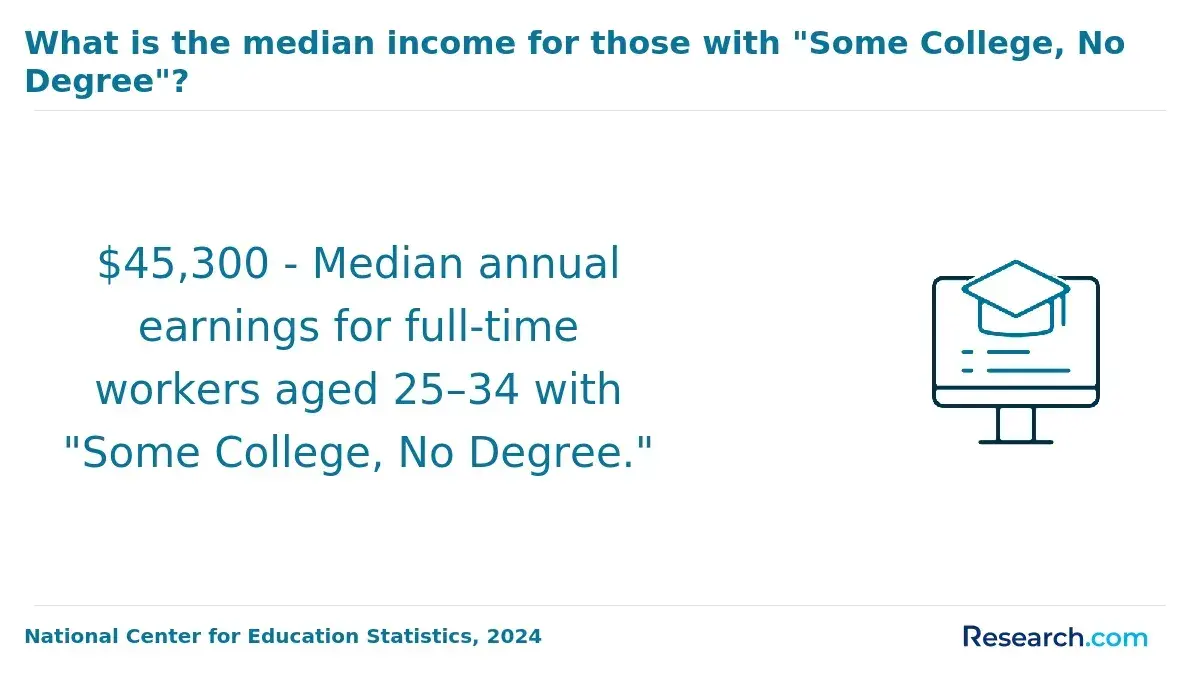
According to recent data from the National Center for Education Statistics, 68% of colleges formalized CPL policies by 2024, reflecting growing institutional responsiveness to nontraditional learners. These evolving practices can shorten degree timelines and reduce educational expenses, but adult learners must navigate varying residency rules and minimum grade thresholds that influence the transferability and weighting of upper-division credits.
Such evaluation methods critically shape the mobility and academic planning of students transferring from community colleges, workforce programs, or alternative credential providers. The tradeoff often involves balancing maximized credit recognition with preserving academic rigor and program integrity.
This balance affects the time-to-degree and readiness for professional certification or licensure, requiring adult learners to strategically select target colleges with transparent, flexible transfer frameworks aligned to their unique educational backgrounds and career objectives.
Which Alternative Credits Are Most Commonly Accepted by Environmental Engineering Programs?
Acceptance of alternative credits has evolved into a strategic tool for enhancing degree accessibility and accelerating completion for adult learners in environmental engineering programs rather than a mere administrative adjustment. Many accredited programs lean heavily on credit for prior learning (CPL) portfolios and military training credits rigorously evaluated through American Council on Education (ACE) recommendations, which approximately 70% of programs review as a reliable standard.
Yet, institutions balance these credits against residency requirements and upper-division credit limits, often requiring detailed course equivalency assessments to ensure alignment with degree outcomes. For example, a working professional transferring military technical training in hazardous materials management may receive elective credit but still face limits on how many alternative credits apply toward core technical instruction.
Programs also accept CLEP and DSST exam credits mainly for foundational science or math, though environmental engineering-specific content remains scarce in these standardized tests, restricting their direct utility. Workforce certifications in environmental health and safety or sustainable practices gain growing acceptance but usually undergo individualized reviews to verify academic rigor and relevance. Additionally, online platforms like Sophia Learning can supplement transfer credit options accepted by environmental engineering programs, albeit typically under articulation agreements or through competency-based education models emphasizing adult learners' flexibility.
These policies impact affordability and transfer planning, making it essential for students to carefully map prior coursework and credentials to program-specific credit policies to realistically reduce time to degree completion. Those exploring alternative credit pathways should evaluate practical consequences within their chosen programs, as not all previously earned credits advance academic goals equally or efficiently. For related adult learner strategies, institutions sometimes reference resources such as the cheapest online PhD in criminal justice to model flexible, cost-conscious degree planning.
How Are Environmental Engineering Schools Improving Transfer Pathways for Community College Students?
Reducing time to degree completion while maintaining academic rigor has become a critical priority prompting environmental engineering schools to refine transfer pathways for community college students. Formal articulation agreements and clearly mapped course equivalencies help limit credit loss-recent data from the National Student Clearinghouse Research Center indicates reductions in lost credits of up to 25% where these agreements are active.
This matters because environmental engineering curricula rely heavily on technical coursework with varying rigor, so students must navigate not only credit acceptance but also ensuring transferred courses meet core requirements that employers expect for technical competency. Institutions expanding dual-admission partnerships and transfer advising models tailor support to adult learners managing work and family commitments, helping them strategically select courses aligned with bachelor program requirements to avoid delays caused by denied credits.
Beyond articulation agreements, some programs incorporate prior learning assessments evaluating certifications and professional experience, which can accelerate progression but introduce inconsistency depending on the institution's policies. Standardized transfer frameworks, like those developed by state higher education systems, offer recommended course sequences that smooth credit articulation across campuses but do not eliminate challenges since program focus and accreditation variances still affect acceptance.
Students must weigh these factors and maintain ongoing communication with advisors to preserve academic momentum and ensure that credits earned align with employment-relevant competencies. Failure to critically assess transfer pathways can result in extended time and additional cost, particularly when lost credits require retaking foundational technical courses.
One community college transfer student pursuing environmental engineering shared frustration navigating conflicting guidance on which courses would transfer toward degree requirements. Initial uncertainty about credit applicability was compounded by inconsistent transcript evaluation responses until they connected with a dedicated transfer advisor through a dual-admission partnership.
This support clarified how specific coursework aligned with the bachelor program's curriculum map and highlighted which technical credits were prioritized or excluded. The student expressed cautious optimism that these targeted advising resources and formal articulation pathways would significantly reduce the risk of credit loss and shorten time to degree completion compared to peers without such structured transfer support.
How Can Transfer Credits Help Environmental Engineering Students Graduate Faster?
Transfer credit policies for environmental engineering students play a decisive role in how effectively prior coursework can shorten the time to degree completion. While some institutions accept a significant portion of credits, tightly sequenced curricula and strict upper-division requirements often limit how many technically relevant courses transfer directly to major requirements.
For many adult learners, military-affiliated students, and transfer students, these academic planning considerations mean that credits from general education or workforce training may only satisfy elective or non-core requirements, creating gaps in foundational knowledge that necessitate additional enrollment and extend time to graduation.
Accelerated degree completion through transfer credits depends heavily on articulation agreements and institutional flexibility, with some schools enforcing caps on allowed transfer credits or requiring minimum grades for STEM prerequisites. Such policies necessitate careful early advising and strategic credit evaluation to avoid redundant coursework or unexpected remedial classes.
For students weighing affordability against timely degree attainment, understanding how transfer credits fit within the program's residency mandates and course sequencing restrictions is crucial. Integrating transfer credit benefits with options like an online MBA with no GMAT may further support working professionals' goals while navigating these complexities.
Ultimately, transfer credit policies remain a pivotal factor influencing both enrollment strategies and degree-completion timelines. Careful consideration of credit applicability and institutional limits is essential for making informed decisions that optimize prior learning without sacrificing the comprehensive training employers expect from environmental engineering programs.
How Much Money Can Students Save Through Environmental Engineering Transfer Credit Opportunities?
Transfer credit acceptance in environmental engineering programs can markedly reduce a student's financial burden, but the extent of savings depends heavily on institutional policies and credit applicability. While military-affiliated students and working professionals often benefit from recognized prior learning assessments (PLAs) and technical training credits, many programs limit transfer acceptance to roughly 50-75% of required coursework, with residency mandates requiring completion of a core curriculum on campus.
For example, a veteran with substantial technical training might find that only a portion of these credits count toward degree requirements, necessitating additional semesters and tuition beyond initial expectations despite significant prior experience.
These constraints mean transfer credits tend to lower costs primarily by shortening degree timelines rather than fully offsetting expenses. According to the National Student Clearinghouse Research Center's 2024 data, students can reduce tuition payments by 25% to 40% when transfer policies align with their prior coursework, but roughly 20% of credits are lost due to non-equivalency or institutional caps. The interplay between credit acceptance and course restrictions requires strategic enrollment planning, especially for adult learners balancing work and study, as incomplete credit transfers can lead to unforeseen financial and time investments.
A practical combination of community college credits, military training recognition, and PLA evaluations typically results in $5,000 to $15,000 in savings, illustrating how these mechanisms shape the overall educational investment and career trajectory within environmental engineering fields.
How Are Environmental Engineering Programs Supporting Military Students and Workforce Learners Through Transfer Credits?
Environmental engineering programs increasingly leverage transfer credit policies that recognize military training, professional certifications, and workforce-based learning as legitimate pathways to academic credit. This approach, supported by the 2024 American Council on Education (ACE) report, acknowledges that many adult learners bring highly specialized technical skills from their service or career experience that align with STEM curricula.
However, students must navigate challenges stemming from inconsistent evaluation standards and the variability of military and workforce transcripts, which can complicate credit articulation and prolong degree completion timelines-a reality highlighted by a GAO study revealing that nearly 40% of military-affiliated STEM students experience delays of 6 to 12 months due to credit transfer barriers.
Prior Learning Assessments (PLA) and formal articulation agreements have become critical tools to translate experiential learning into transferable credits, helping reduce both the cost and time investment for degree completion. Yet, the degree to which workforce credentials count varies widely across institutions, often requiring students to actively verify how their military or apprenticeship training maps to specific environmental engineering degree requirements.
For many transfer students balancing employment with education, these nuanced credit policies influence academic planning and course scheduling in meaningful ways, determining whether previously earned competencies can significantly decrease remaining coursework or simply serve as supplemental learning.
What Transfer Credit Innovations Are Shaping the Future of Environmental Engineering Education?
Transfer credit innovations are reshaping degree accessibility and completion pathways for adult learners in environmental engineering by streamlining how prior learning is evaluated and credited. AI-assisted transcript evaluation has been shown to increase processing speed and consistency by up to 40%, according to a 2024 National Institute for the Study of Transfer Students report.
This improvement helps reduce administrative bottlenecks but introduces tradeoffs around smaller programs' capacity to implement such tools and concerns about maintaining academic standards. For example, a working professional transferring military training credits may face uneven acceptance if institutions lack robust digital credentialing systems or statewide articulation agreements that ensure credit portability and reduce course repetition.
Competency-based education models and digital credentialing platforms are increasingly recognized for their role in acknowledging skills over seat time. Council for Adult and Experiential Learning data from 2024 indicates institutions adopting digital badges have improved transfer credit acceptance rates by 25%, which is significant for military-affiliated students and workforce learners seeking practical credit recognition. However, institutions must continuously balance flexible credit policies with employer expectations for rigor and relevant skill demonstration.
Such dynamics require adult learners to strategically assess transfer credit policies to align with degree timelines and long-term career outcomes in environmental engineering. Those evaluating options should also consider institutional variations in transfer credit innovation when exploring an environmental engineer degree online, where program responsiveness to transfer credits can noticeably affect time to completion and educational accessibility.
How Can Adult Learners Maximize Transfer Credits in a Environmental Engineering Program?
Maximizing transfer credit strategies for adult environmental engineering students requires prioritizing early, detailed transcript evaluations, as credit acceptance often depends on granular course equivalencies and institutional policies. For example, an adult learner transferring from a community college with relevant technical coursework might face strict credit caps or lack of alignment with required core competencies, which can extend time-to-degree despite prior learning.
Navigating this landscape means balancing the potential savings in tuition and time with the reality that some credits may not fulfill crucial accreditation standards or prerequisite sequences, potentially delaying entry into advanced environmental engineering topics.
Many programs increasingly incorporate credit for prior learning, including military training and professional certifications, recognizing their relevance to foundational courses. However, limits on such credit can affect how much prior experience translates into progress, so students should confirm these thresholds before enrollment.
Using degree mapping tools and engaging academic advisors early can clarify how transferred credits integrate with program requirements and optimize course sequencing. As nearly 67% of transfer students benefit from pre-admission credit assessments, integrating these assessments strategically supports maximizing transfer credits in environmental engineering degree programs while managing institutional constraints.
Adult learners should also seek programs that maintain articulation agreements with prior institutions to streamline credit recognition. These agreements can reduce redundant coursework but vary widely in scope, especially within scientific and technical disciplines relevant to environmental engineering.
Considering long-term academic flexibility, including potential impacts on educational costs and time-to-degree, is essential for informed decision-making. For those exploring related fields or needing alternative pathways, reviewing options such as the best online animal science degree programs may provide comparative insight into credit transfer policies and career implications.
References
- Environmental Engineering Technology - Blue Ridge Community College https://www.blueridge.edu/programs-courses/engineering/environmental-engineering-technology/
- St. Petersburg College https://www.spcollege.edu/future-students/degrees-training/engineering-manufacturing-and-building-arts/engineering-and-manufacturing/environmental-engineering-aa-transfer-plan---fgcu/
- Improving the Experience for Community College Transfer Students https://changinghighered.com/improving-the-experience-for-community-college-transfer-students/
- How CA gives college credit for work experience - CalMatters https://calmatters.org/education/higher-education/2026/02/college-credit-california/
- The Missing Link: Adult Learners and the Transfer Process https://www.cael.org/resouces/pathways-blog/the-missing-link-adult-learners-and-the-transfer-process
- Hard up for students, more colleges are offering college credit for life experience, or ‘prior learning’ https://hechingerreport.org/to-fill-seats-more-colleges-offer-credit-for-life-experience/
- How to Transfer College Credits and Finish Your Degree Faster https://www.park.edu/blog/transfer-college-credits-finish-degree-faster/
- Sustainability https://eaea.org/why-adult-education-2/environmental-sustainability-and-green-transition/
- Civil and Environmental Engineering https://catalog.vmi.edu/preview_entity.php
Other Things You Should Know About Environmental Engineering
Transfer credit acceptance often prioritizes general education over specialized environmental engineering courses, which can lead to gaps in essential technical knowledge. Students transferring a large share of credits might need to complete extra coursework or bridge programs to cover discipline-specific competencies, potentially extending time to graduation. Prioritizing programs that explicitly evaluate and accept advanced technical credits can reduce these challenges and better prepare students for the profession's rigorous demands.
Many environmental engineering programs maintain strict requirements for in-person labs and fieldwork, which typically do not transfer well from other institutions or prior experiences. As a result, students relying heavily on transfer credits may face a concentrated workload in practical components later in their studies, which can be time-intensive and challenging to schedule alongside full-time work. Adult learners should assess program flexibility and availability of evening or weekend lab sessions before committing.
Employers often value comprehensive and hands-on training that aligns closely with industry standards, which can be compromised if transferred credits result in abbreviated exposure to foundational and applied coursework. Graduates from programs that heavily accept generic transfer credits may be perceived as less prepared for complex problem-solving tasks in environmental engineering roles. Choosing programs with rigorous accreditation and clear articulation of transfer credits helps maintain employer confidence in graduate capabilities.
Yes, selecting programs that combine transfer credit recognition with flexible scheduling and remote learning options can significantly enhance degree completion rates for adult learners balancing work and personal commitments. However, this flexibility should not come at the expense of critical course components like labs or capstone projects, which are essential for workforce readiness. Evaluating how schools balance credit transfer with degree rigor will lead to better long-term career outcomes.