2027 Environmental Engineering Salary Trends Report: Are Wages Keeping Up With Tuition and Inflation?

Co-Founder and Chief Data Scientist
Considering enrollment in environmental engineering often involves weighing the rising cost of higher education against potential earnings after graduation. A prospective student or recent graduate faces the challenge of determining if the financial return on this degree compensates for increasing tuition fees and shifting economic conditions.
Tuition costs and inflation have climbed steadily, yet salary growth in environmental engineering does not always mirror this pace. This discrepancy raises questions about whether earning an environmental engineering degree remains a sound long-term investment.
Comparing graduate salaries with tuition expenses and inflation-adjusted purchasing power offers a clearer view of financial viability than salary figures alone. Salary growth, education costs, and inflation interact in complex ways, influencing affordability and return on investment differently over time. Analyzing trends in environmental engineering wages alongside these economic factors reveals vital insights for decision-making.
This article examines salary trends, tuition costs, inflation, return on investment, affordability, and the variables shaping the long-term financial value of an environmental engineering degree.
Key Things to Know About Environmental Engineering Salary Trends
- Graduate wages in environmental engineering grew by just 2.5% annually through 2023, lagging inflation and tuition hikes exceeding 4%, indicating potential real income erosion shortly after degree completion.
- Specializing in water resource management correlates with 15% higher starting salaries versus generalist roles, emphasizing how targeted expertise can offset rising educational debt burdens.
- Long-term salary growth depends heavily on professional licensure and multidisciplinary skills, as non-licensed graduates face wage stagnation, limiting returns amid increasing industry complexity.
- Key Things to Know About Environmental Engineering Salary Trends Key Things to Know About Environmental Engineering Salary Trends
- What Is the Current Salary Outlook for Environmental Engineering Graduates? Salary Outlook
- Are Environmental Engineering Salaries Keeping Up With Inflation? Inflation Impact
- How Do Tuition Costs Compare With Environmental Engineering Salary Growth? Tuition vs Salary
- Does a Environmental Engineering Degree Deliver a Positive Return on Investment? Degree ROI
- Which Industries Offer the Highest Salaries for Environmental Engineering Graduates? Which Industries Offer the Highest Salaries for Environmental Engineering Graduates?
- Which States and Cities Offer the Highest Pay for Environmental Engineering Professionals? Which States and Cities Offer the Highest Pay for Environmental Engineering Professionals?
- How Do Environmental Engineering Salaries Grow Throughout a Career? Career Growth
- How Do Environmental Engineering Salaries Compare With Similar Degrees? Salary Comparison
- How Is Employer Demand Affecting Environmental Engineering Salary Trends? Employer Demand
- How Can Students Maximize Their Lifetime Earnings With a Environmental Engineering Degree? Maximizing Earnings
What Is the Current Salary Outlook for Environmental Engineering Graduates?
The current salary outlook for environmental engineering graduates in 2024 reflects moderate wage growth amid economic challenges such as rising tuition and inflation. According to the U.S. Bureau of Labor Statistics, the median annual wage for environmental engineers is around $96,000, with entry-level salaries typically ranging between $60,000 and $70,000.
However, factors such as geographic location and employment sector significantly influence starting pay. For example, a graduate working for a government agency or consulting firm in California may earn notably more than a peer starting in a less regulated region or smaller private company. Such variation underscores why two individuals with the same degree can experience quite different salary outcomes early in their careers.
Interpreting this salary data alongside broader career considerations is essential. Despite entry-level wages being competitive, they may not fully compensate for inflation-adjusted education costs or living expenses in high-cost areas. Yet, the projected average salary growth for environmental engineers, estimated at about 3% annually over the next decade, surpasses overall occupational growth rates, driven by expanding environmental regulations and sustainability demands.
Building expertise in niches like renewable energy or environmental compliance can further enhance long-term earning potential and job security. Prospective students should weigh these factors carefully, recognizing that starting salary is just one piece of a complex financial equation.
Prospective and current students evaluating the average starting salary for environmental engineers in the US should also consider job market dynamics and future demand. Demand for professionals equipped to manage pollution control, green infrastructure, and climate resilience is expected to rise.
While salaries set a baseline, career trajectories will diverge based on specialization and sector choice. For those seeking context on how this degree stacks up against other fields, exploring the highest paying jobs can provide insight into where environmental engineering fits within the broader landscape of earning potential in STEM disciplines.
Are Environmental Engineering Salaries Keeping Up With Inflation?
Environmental engineering salary trends versus inflation reveal that nominal wage increases often mask a decline in real earning power. Recent data show that median salaries for environmental engineers rose by about 4.2% from 2022 to 2023, but with inflation hovering near 6.5% during that time, these gains fail to preserve purchasing power.
In practical terms, this means an early-career environmental engineer receiving a modest raise may still feel financially squeezed as everyday costs-rent, utilities, and groceries-rise faster than their paycheck. This scenario underscores that apparent salary growth does not guarantee improved economic stability.
Factors influencing whether environmental engineering wages keep pace with inflation include regional demand, industry sectors, and experience levels. Entry-level engineers may experience slower wage growth compared to seasoned professionals in high-demand areas, but on average, salaries lag behind both inflation and rising tuition costs.
Are environmental engineering wages keeping pace with tuition is a critical question for those financing their education, particularly as engineering program costs increase by over 5% annually, compounding the challenge of recouping student loans. Prospective students might explore flexible pathways, such as leadership doctoral programs, to diversify skills and bolster future earning potential amid these constraints.
How Do Tuition Costs Compare With Environmental Engineering Salary Growth?
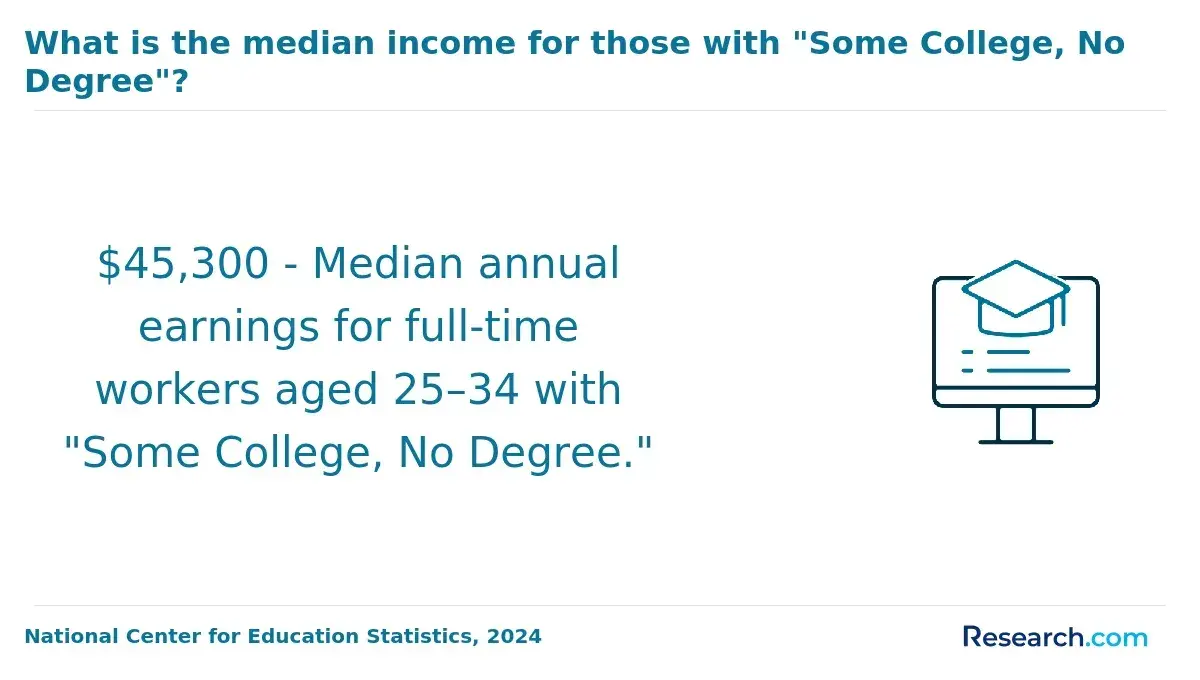
Evaluating the rising cost of tuition in relation to the pace of salary growth for environmental engineering graduates reveals a widening gap that challenges assumptions about return on investment. Over the past decade, average undergraduate engineering tuition inflation has grown roughly 3.5% annually according to the National Center for Education Statistics, outstripping general inflation.
Meanwhile, the Bureau of Labor Statistics reports that median starting salaries for environmental engineering graduates in 2024 are near $67,000, with mid-career wages reaching between $90,000 and $95,000. Because salary increases largely track inflation rather than exceed it, the increasing financial burden of education is not fully offset by earnings growth, leading to longer periods to recoup student loan debt and tightening the overall value proposition of the degree.
This dynamic can play out quite differently depending on a student's financial background and geographic location. For instance, a recent graduate from a public university in a high-cost-of-living area may face tuition expenses escalating beyond wage gains, resulting in tighter budgets and delayed financial milestones such as homeownership.
Conversely, someone attending a more affordable institution in a region with strong environmental infrastructure demand might experience a more balanced tradeoff between up-front costs and steady, if modest, salary growth. Factors such as scholarship availability, loan terms, regional job demand, and personal debt tolerance further shape how well tuition aligns with career earnings, underscoring the necessity of examining these figures together rather than in isolation.
One environmental engineering graduate recalled hesitating before enrolling due to tuition hikes that exceeded her initial income projections. She weighed deferring enrollment to save more versus entering the workforce sooner with a smaller degree burden. Eventually, she chose a state school where tuition increases were moderate and secured part-time work related to sustainability initiatives during her studies.
This approach allowed her to manage debt cautiously and build relevant experience, though she acknowledges that not every student has the option to recalibrate enrollment choices or work flexibly. Her experience highlights how individual circumstances critically influence how tuition inflation interacts with salary growth in practical terms.
Does a Environmental Engineering Degree Deliver a Positive Return on Investment?
Calculating the return on investment (ROI) for an environmental engineering degree involves weighing the total cost of education against the long-term salary growth, career stability, and professional development opportunities it unlocks. ROI in higher education is not simply about starting salaries but the ability to recoup expenses through sustained wage increases and job demand over time.
For instance, a graduate investing in a public university program that costs $30,000 in total tuition may expect to see median salaries grow from around $75,000 to significantly higher levels with experience and certifications, outpacing inflation by about 3% annually. This scenario highlights how strategic choices regarding institution and geographic location can accelerate payback periods compared to private university graduates carrying greater debt burdens.
Key factors shaping the ROI of an environmental engineering degree include rising tuition costs, which currently increase near 5% per year, contrasted against median wage growth averaging 6% annually according to 2024 data from the U.S. Bureau of Labor Statistics and National Center for Education Statistics. Demand for environmental engineers remains strong due to expanding investments in sustainability and infrastructure, which supports continued salary advancement and job security.
However, individual outcomes vary widely depending on variables like program expenses, regional job markets, and the graduate's ability to leverage advanced degrees or professional credentials. Overall, while an environmental engineering degree tends to provide a positive financial return over time, its value depends on calculated investment decisions and adaptability to evolving industry needs.
Which Industries Offer the Highest Salaries for Environmental Engineering Graduates?
Career prospects for graduates with an environmental engineering degree vary widely across industries, with salary potential strongly influenced by sector-specific demands and regulatory complexities. Rising tuition costs and inflation pressure students to seek industries that not only value their technical expertise but also offer substantial financial returns.
Data from the U.S. Bureau of Labor Statistics 2024 highlights that certain sectors consistently lead in compensation due to the critical nature of environmental challenges they address. Understanding these distinctions can help prospective and current environmental engineering students target fields with the strongest employment demand and earning potential.
Below are some of the top paying sectors for environmental engineering professionals by industry, emphasizing the conditions that drive higher salaries:
- Oil and Gas Extraction: This sector offers some of the highest wages due to complex environmental risks such as contamination control and emissions management. Environmental engineers here develop advanced remediation and compliance strategies under stringent regulations, requiring specialized skills in geotechnical and chemical processes.
- Environmental Consulting Services: Firms focusing on consulting provide salaries reflecting the critical advisory role environmental engineers play in impact assessments, waste management, and regulatory compliance. Consultants must combine technical expertise with strong communication skills to influence major infrastructure projects.
- Federal and State Government Agencies: While generally offering stable but moderate pay, government roles related to environmental policy and enforcement can yield higher earnings in specialized positions. These roles prioritize regulatory knowledge and policy development, providing long-term career growth in public service.
- Renewable Energy Sector: Jobs in solar, wind, and other sustainable energies are rapidly growing and increasingly well-compensated. Engineers in this industry focus on minimizing environmental footprints and designing sustainable systems critical to meeting climate goals.
- Manufacturing and Industrial Sectors: Environmental engineers here address pollution control and resource efficiency in complex production environments. Expertise in process optimization and compliance with environmental standards can significantly boost salary potential.
- Civil Infrastructure and Construction: Professionals working on environmental impacts related to large-scale construction projects command competitive salaries by ensuring regulatory adherence and sustainability practices.
- Waste Management and Remediation: This specialized field demands technical skills to tackle soil, water, and air pollution issues, with salaries elevated by the need for innovative remediation technologies.
For those contemplating the financial return of their environmental engineering degree amidst economic pressures, prioritizing sectors such as oil and gas, environmental consulting, and renewable energy offers the highest potential for robust earnings.
One practical example is a graduate choosing to specialize in emissions management within oil and gas, where the combination of regulatory complexity and technical challenges drives salaries above national averages. Prospective students can explore career pathways aligning their skills with these high-demand industries while considering both immediate salary prospects and long-term professional development.
Students evaluating which industries offer the highest salaries for environmental engineering graduates in the United States may also want to consider broader educational investments. Exploring related professional options through resources like the best online social work programs can provide insights into diverse fields that complement technical expertise with social impact, expanding career versatility.

Which States and Cities Offer the Highest Pay for Environmental Engineering Professionals?
The earning potential for environmental engineering professionals varies significantly depending on geographic location, with factors such as local industry presence, economic conditions, and cost of living shaping real-world income outcomes. While some areas offer high nominal salaries, the actual financial advantage must be weighed against living expenses and job market stability.
For example, a recent graduate might find a top salary in California but face steep housing costs that reduce disposable income, whereas a mid-tier salary in Texas might yield better net savings due to lower living expenses.
Understanding these nuances is crucial for students and career changers evaluating where to work after earning an environmental engineering degree. The following highlights key states and metropolitan areas leading in compensation and demand as of 2024:
- California: California consistently tops median pay rankings for environmental engineering professionals, driven by a large population, innovation hubs, and strict environmental regulations. Roles frequently focus on sustainable development and regulatory compliance. However, high salaries coincide with expensive housing markets, which may limit financial gains despite top-dollar wages.
- Texas: Texas benefits from a robust energy sector emphasizing environmental impact reduction and extensive urban infrastructure projects. Lower costs of living here often mean higher retained income even when salaries are moderately lower than California, providing an attractive balance for recent graduates.
- New York: High demand in New York stems from its dense urban environment and heavy focus on infrastructure modernization and environmental consulting. While salaries are competitive, the high cost of living and tight housing market require prospective workers to assess overall quality of life carefully.
- San Francisco Bay Area: This metro area offers median salaries exceeding $110,000, fueled by a tech-driven economy integrating green innovations. The high wage premium is tempered by extraordinary living expenses, posing a significant tradeoff for young professionals.
- Washington D.C. Metro: Concentrations of government agencies, consulting firms, and policy organizations create a strong demand for environmental engineers. Salaries are elevated, reflecting the strategic importance of environmental compliance, but commuting and living costs remain substantial.
- Seattle: Seattle's blend of environmental technology firms and public sector initiatives supports competitive pay scales. The city's growing green economy combined with moderate living costs compared to California offers a valuable middle ground.
- Boston and Denver: These cities benefit from academic institutions and research entities fostering innovation in environmental engineering. Both offer a strong job market and moderate salaries, with living expenses that are generally more manageable than in the highest-paying coastal regions.
How Do Environmental Engineering Salaries Grow Throughout a Career?
Environmental engineering salaries typically start between $65,000 and $75,000 annually for recent graduates, reflecting entry-level positions that still require on-the-job training and initial professional licensure. Within five years, salaries often rise to roughly $75,000 to $90,000 as engineers deepen their technical skills and earn certifications, though this early growth may only partly offset escalating student debt and inflation.
By mid-career-usually 10 to 20 years in-many environmental engineers move into supervisory or project management roles, where salaries average $90,000 to $110,000, with variations depending on specialization in niches like sustainability or water resource management. Those who diversify their expertise typically experience stronger earning gains, yet even these increases must contend with the shrinking purchasing power caused by persistent inflation.
Late-career professionals with over 20 years of experience can surpass $120,000 annually, especially when advancing into senior leadership or highly specialized technical positions, often complemented by bonuses or profit-sharing. However, these higher salaries do not always keep pace with the compounding rise in tuition fees and general cost of living increases.
Consider two environmental engineering graduates: one who steadily pursues professional licensure and expands into consulting roles may see steady salary advancement; the other, choosing a narrower technical path without management responsibilities, might experience slower income growth. Key contributors to long-term salary improvement include continued education, professional certifications, and strategic career moves toward leadership or emerging environmental sectors.
One recent graduate reflected on their journey, recalling hesitation after finishing their degree amid heavy student loans and uncertainty about salary progression. Initially accepting a standard engineering role, they later chose to obtain a professional engineering license and pursued part-time courses in environmental policy, which opened doors to consultancy and project leadership.
Although this path required extra time and financial investment upfront, it eventually led to a substantial pay increase and greater job stability, providing relief and a sense of validation after years of careful decision-making under financial pressure.
How Do Environmental Engineering Salaries Compare With Similar Degrees?
Environmental engineering salaries generally rank competitively compared to closely related degrees, but subtle differences in industry demand and job focus influence earning trajectories. While median wages suggest environmental engineering graduates earn solid incomes, the nuances of their roles versus similar fields can affect long-term financial outcomes.
Understanding these distinctions is essential for students weighing the investment of time and tuition costs against probable returns. Below is a concise comparison highlighting key salary dynamics among relevant degrees:
- Civil Engineering: Median wages for civil engineers are slightly lower than environmental engineering, with figures around $92,000 compared to $94,000 for environmental engineers according to the U.S. Bureau of Labor Statistics. Civil engineering tends to involve infrastructure design and construction, often with consistent public sector roles, which can limit rapid salary growth relative to environmental engineering's regulatory and sustainability focus.
- Chemical Engineering: This field commands higher median salaries around $103,000, reflecting strong private sector demand, especially in pharmaceuticals and petrochemicals. Chemical engineering's specialized technical applications drive both starting pay and growth, making it a higher-earning path but often requiring more intensive schooling and technical expertise.
- Environmental Science: With median salaries near $75,000, environmental science graduates typically enter research and policy-focused careers. These roles often emphasize public and nonprofit sectors, where wages lag behind engineering degrees, despite crucial contributions to sustainability and regulatory compliance.
- Entry-Level Pay Comparison: Starting salaries for environmental engineering graduates average about $67,000, trailing chemical engineering's $73,000. This gap highlights how initial earning potential can favor degrees linked to private sector specialization, even if long-term infrastructure and compliance demands support stable wage growth in environmental engineering.
These salary comparisons should be balanced against rising tuition costs and inflation pressures that disproportionately impact student debt repayment. Prospective environmental engineering students, for example, might consider their return on investment relative to peers by reviewing specific program costs and expected job sectors.
Similarly, those interested in public sector roles could explore career options alongside the value of ASHA accredited SLP programs as a parallel for understanding specialized degree returns within STEM fields.
How Is Employer Demand Affecting Environmental Engineering Salary Trends?
Employer demand significantly shapes salary trends in environmental engineering by intensifying competition for skilled candidates. The U.S. Bureau of Labor Statistics projects an 8% growth in environmental engineering jobs through 2032, outpacing average occupational growth and prompting employers to offer higher wages to attract talent.
In practical terms, a graduate seeking a position in a metropolitan area with a strong environmental policy framework may receive a noticeably higher starting salary than a peer in a region with less investment in sustainability initiatives. This geographic variation underscores how employer demand, driven by local industry expansion and regulatory priorities, influences salary offers and hiring activity.
Key factors fueling employer demand include industries like renewable energy, water resource management, and pollution control, which increasingly require specialized expertise. Recent data from the National Association of Colleges and Employers reveal that these employers are willing to pay premium starting salaries for environmental engineering graduates compared to other engineering disciplines.
However, while strong employer demand can accelerate wage growth, actual salaries also depend on experience level, niche specialization, broader economic conditions, and organizational budgets. Despite rising demand, salary increases have not fully matched the pace of tuition inflation, making the assessment of return on investment essential for prospective students, who might also consider options such as 6-month certificate programs to enter the field more rapidly.
Understanding the interplay of employer demand with salary trends helps prospective students and recent graduates evaluate long-term earning potential realistically.
Although growing demand bolsters compensation strategies, the uneven distribution across regions and sectors means that evaluating local job markets and employer priorities remains critical. Balancing this with economic factors and educational costs is vital for making informed decisions regarding an environmental engineering degree.
How Can Students Maximize Their Lifetime Earnings With a Environmental Engineering Degree?
Maximizing lifetime earnings with an environmental engineering degree requires strategic choices beyond completing coursework. Data from the U.S. Bureau of Labor Statistics (2024) and the National Association of Environmental Professionals (2024) show that specialized skills, industry alignment, and geographic factors strongly influence salary trajectories over time.
For example, an engineer who obtains a Professional Engineer license and targets renewable energy firms in California may earn significantly more than peers without certifications working in less-regulated regions. Below are key strategies grounded in recent evidence and workforce trends to help students enhance their long-term income potential:
- Professional Certification: Acquiring credentials like the Professional Engineer (PE) license substantiates technical expertise and unlocks higher-paying roles with employers valuing verified qualifications. Students can prep while studying and pursue certification early in their careers to boost earnings and job security.
- Advanced Education: Pursuing master's or doctoral degrees correlates with better-paying opportunities in research, consulting, and leadership. Graduate studies deepen specialized knowledge that commands a premium in niche sectors.
- Industry Focus: Targeting growth sectors such as renewable energy, water resource management, and environmental consulting aligns skills with rising demand and above-average salary growth.
- Geographic Mobility: Relocating to metropolitan areas with strict environmental regulations-like California or the Pacific Northwest-exposes engineers to projects with higher budgets and wage premiums.
- Continuous Learning: Regular engagement with emerging technologies such as environmental data analytics and green infrastructure keeps skills marketable and facilitates access to better-paid assignments and promotions.
- Professional Networking: Active participation in industry societies and conferences accelerates career growth by expanding contacts and exposing engineers to new opportunities with top employers.
References
- Is College Worth it? | Return on Investment Analysis of College Degree https://educationdata.org/college-degree-roi
- Environmental Engineering: Salary & ROI (2026) https://www.campusroi.com/majors/environmental-engineering/
- Environmental Engineers: Salary, career path, job outlook, education and more - RaiseMe https://www.raise.me/careers/architecture-and-engineering/environmental-engineers/
- Does College Pay Off? A Comprehensive Return On Investment Analysis - FREOPP https://freopp.org/whitepapers/does-college-pay-off-a-comprehensive-return-on-investment-analysis/
- Engineering Salary Inflation Tracker Q1 2026 https://brainsource.io/engineering-salary-inflation-tracker/
- Environmental Engineers to See Growth in Salaries https://www.michaeldesafey.com/environmental-engineers-to-see-growth-in-salaries/
- Environmental Engineer - Salary, How to Become, Job Description & Best Schools https://www.onlinedegree.com/careers/engineering/environmental-engineer/
Other Things You Should Know About Environmental Engineering
Specialized environmental engineering programs often offer deeper technical expertise but may limit flexibility in shifting to other engineering roles, potentially affecting long-term earning potential if market demand shifts. Broader engineering curricula can provide adaptable skills but might result in starting at lower salaries within niche environmental roles. Prospective students should prioritize program structures that balance core environmental engineering competencies with transferable skills, especially since salary growth in environmental-specific roles can fluctuate with regulatory and funding changes.
High tuition debt without commensurate wage growth in environmental engineering can delay financial milestones like homeownership or savings. Since salary gains in this field have generally lagged behind tuition hikes and inflation, careful budgeting during and after school is critical. Students should explore programs with strong internship or cooperative education components that may improve post-graduation earnings and reduce reliance on large loans.
Employers increasingly expect environmental engineers to maintain certifications or pursue continuing education, which can require additional time and money beyond the initial degree. While these credentials may unlock higher salary brackets, they also extend the timeline before salary increases fully offset educational investments. Professionals should factor these ongoing costs and efforts into their career planning and prioritize credentials aligned with growth sectors within environmental engineering.
Smaller firms may offer faster responsibilities and diverse project experience but often provide lower starting salaries and slower formal salary progression compared to large corporations. In contrast, big firms may have structured pay scales and stronger benefits, contributing to steadier income growth over time. Candidates should weigh immediate earnings against opportunities for skill-building and career trajectory, choosing based on long-term goals rather than initial salary alone.