2027 Environmental Engineering Affordability by State: Where Students Pay the Most and Least

Co-Founder and Chief Data Scientist
Choosing between an in-state Environmental Engineering program with moderate tuition and a lower-ranked out-of-state option offering substantial scholarships forces a tough financial calculation for many students. A 2024 National Center for Education Statistics report found that average in-state tuition increased by 4.5% nationally, outpacing wage growth and prompting higher borrowing, especially in costly states. Such trends illustrate how tuition sticker price alone can mislead students who underestimate living costs or ignore state residency benefits. These factors complicate decisions with long-term debt implications and affect employability if financial stress limits degree completion.
This article examines state-by-state affordability for Environmental Engineering students to highlight where degrees offer the best financial value and where costs may be prohibitive.
Key Things to Know About Environmental Engineering Affordability by State
- States with lower tuition often compensate with higher living costs or reduced state funding, increasing total attendance expenses-students must analyze net costs beyond sticker price for informed financial planning.
- In-state tuition benefits mainly favor residents, but cross-state workforce dynamics compel many graduates to settle elsewhere, impacting employer expectations about candidate preparedness and regional program alignment.
- Online options emerging post-2023 show variable pricing aligned with state funding shifts; choosing remote learning influences timing to degree and access to scholarships, affecting overall affordability and debt levels.
- Key Things to Know About Environmental Engineering Affordability by State Key Things to Know About Environmental Engineering Affordability by State
- Which States Have the Most Affordable Environmental Engineering Degree Programs? Most Affordable State Programs
- Which States Have the Highest Environmental Engineering Degree Costs? Highest State Tuition Costs
- How Much Does a Environmental Engineering Degree Cost by State? Degree Costs by State
- Why Does Environmental Engineering Affordability Vary So Much Between States? State Affordability Variations
- How Do In-State and Out-of-State Tuition Rates Affect Environmental Engineering Affordability? In-State vs. Out-of-State Rates
- How Does the Cost of Living Impact Overall Environmental Engineering Affordability by State? Living Costs and Affordability
- Which States Offer the Best Value for a Environmental Engineering Degree? Best Value State Degrees
- What Financial Aid and Scholarship Opportunities Can Reduce Environmental Engineering Costs? What Financial Aid and Scholarship Opportunities Can Reduce Environmental Engineering Costs?
- Are Online Environmental Engineering Degree Programs More Affordable Than On-Campus Options? Are Online Environmental Engineering Degree Programs More Affordable Than On-Campus Options?
- Is a Environmental Engineering Degree Worth the Cost Based on Career Outcomes and ROI? Degree ROI and Outcomes
Which States Have the Most Affordable Environmental Engineering Degree Programs?
State-level differences in tuition structures, public funding priorities, and higher education infrastructure critically shape where students find the most affordable environmental engineering degree programs. States that sustain robust investment in their public university systems tend to offer lower in-state tuition costs for environmental engineering degrees by state, directly benefiting residents who meet eligibility requirements. For instance, choosing to study in Wyoming versus a state with higher tuition can mean saving thousands annually, a difference that influences whether students can maintain enrollment without interruption or incur burdensome debt. This dynamic highlights the tradeoff many learners face between staying in-state for cost advantages and pursuing programs elsewhere that may offer unique opportunities but at a significantly higher price point.
Residency policies play a foundational role in the affordability equation; in-state students often pay less than half of what out-of-state students are charged, underscoring how residency status factors into strategic enrollment decisions and financial planning. Complementing tuition, states with active financial aid programs and competitive institutional pricing further reduce net education costs, making programs in regions like the South and Midwest more accessible. However, these affordability benefits must be weighed against other variables such as regional cost of living and local job market demand, as the total value of an environmental engineering degree is tied not only to price but to employability post-graduation. Budget-conscious learners can also explore hybrid or online models, much like those found in the cheapest SLP master's programs, to stretch their resources without compromising quality.
Which States Have the Highest Environmental Engineering Degree Costs?
States with high environmental engineering degree costs generally reflect a complex blend of tuition policies, local economic conditions, and institutional funding models rather than simple geographic coincidence. For instance, states like California and Massachusetts combine steep in-state and out-of-state tuition with some of the country's highest living expenses, a dual burden that significantly raises the total cost of attendance. These states often lack extensive community college pathways or transfer agreements tailored to environmental engineering, limiting lower-cost entry points for budget-conscious students. Moreover, public universities in such states frequently face constrained state support, compelling them to increase fees, while private institutions with prominent engineering programs charge premium rates to sustain faculty and cutting-edge research infrastructure, fostering a tradeoff between educational quality and affordability.
Compared to states with lower overall expenses, these factors can push prospective students to reconsider not just where they want to study but how they finance their education, including weighing online versus in-person options or prioritizing financial aid opportunities. The disparity between in-state and out-of-state tuition, often doubling costs in states with strict residency rules, adds another layer of complexity. Students must balance the potential advantage of stronger local job markets and advanced program profiles against the immediate financial strain associated with higher price tags. According to the 2024 College Board data, some public universities in high-cost states report annual tuition fees exceeding $15,000 for residents, with private institutions routinely charging well over $50,000, underscoring the scale of investment needed in these regions.
One recent graduate recalled spending months deliberating between enrolling in a prestigious environmental engineering program out of state or remaining in a less expensive local university. Residency status complicated the decision since out-of-state tuition was nearly triple that of in-state rates, and relocating to a city with a high cost of living added anticipated expenses beyond tuition. The student explored online programs as a middle ground but found few that matched the specific research focus desired. Ultimately, financial aid offers and the prospect of regional employment opportunities swayed the choice, though the decision carried ongoing concern around debt load and return on investment in the chosen program's local labor market.
How Much Does a Environmental Engineering Degree Cost by State?
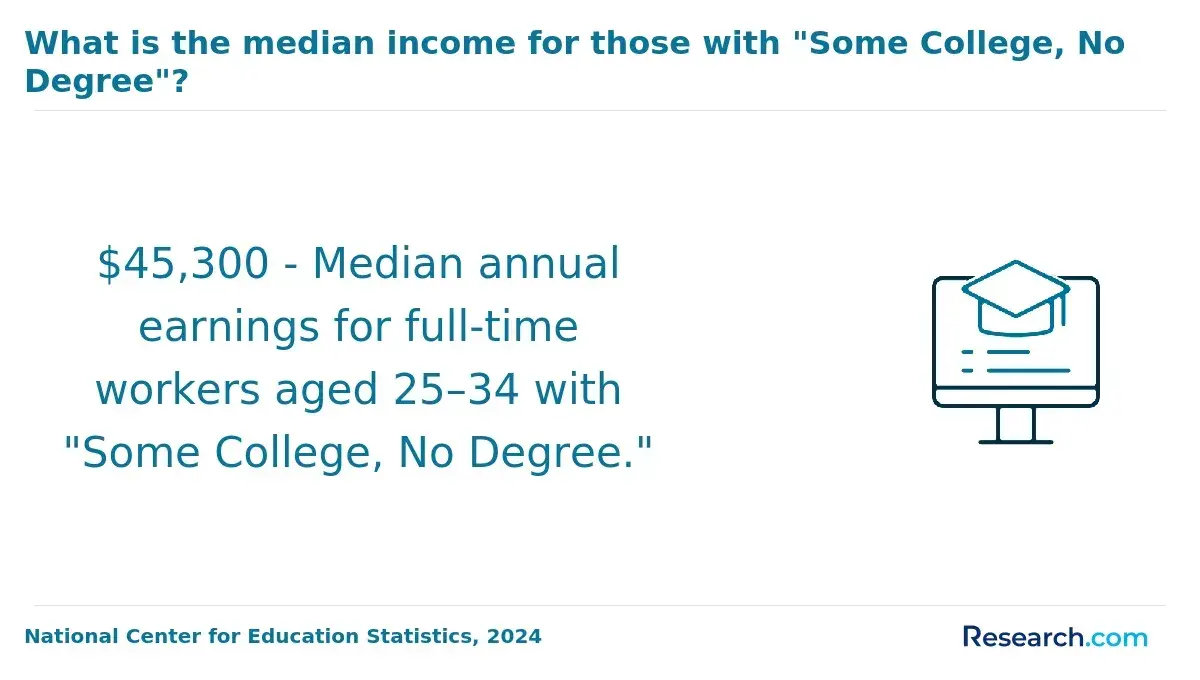
Costs for earning an environmental engineering degree vary notably across states, primarily due to differences in institutional types, residency policies, and regional economic factors. Public universities typically offer lower tuition for in-state students because of state subsidies, whereas private schools charge substantially higher rates regardless of residency, often exceeding $50,000 annually. This gap means a student in a state dominated by private institutions, like New York or Illinois, could face significantly higher expenses compared to one attending a public university in a state like Wyoming or New Mexico, where total costs may be closer to $15,000 per year according to 2024 IPEDS data.
Out-of-state tuition premiums further complicate financial planning. For example, pursuing a public degree outside one's home state can multiply tuition costs by two or three times, making cross-state enrollment less viable without substantial financial aid. Additionally, wide variations in cost of living-California and New York's high expenses versus more affordable states like Mississippi-add layers of economic strain that extend beyond tuition. These factors influence decisions about relocating, leveraging online program options, or selecting institutions with strong state-funded scholarships for engineering disciplines.
Because borrowing needs are affected by these state-specific cost dynamics, students must weigh residency status, institutional mix, and living expenses within their long-term financial strategies. Choosing a program without factoring in these variables can increase debt burdens and affect post-graduation flexibility. Aligning educational choices with employment markets and personal circumstances means thoroughly assessing the interplay between tuition structure, state policies, and regional cost drivers rather than relying solely on headline sticker prices.
Why Does Environmental Engineering Affordability Vary So Much Between States?
Variations in state funding for public higher education fundamentally shape environmental engineering tuition differences by state, with more generous allocations directly lowering in-state costs. For example, Wyoming and New Mexico's relatively high per-student public funding correspond with noticeably reduced tuition rates, illustrating how policy priorities affect affordability. Conversely, states with limited financial aid availability and a dominance of private institutions, which tend to charge higher tuition, see inflated average costs that complicate budgeting and enrollment decisions. Understanding these dynamics helps budget-conscious students weigh whether pursuing degrees locally, transferring, or exploring affordable EdD programs online supplements their pathway effectively.
State-level cost-of-living also significantly impacts institutional pricing strategies, as higher operating expenses in regions like California and New York translate into greater tuition and fee burdens. These factors intersect with enrollment trends; institutions facing declining student numbers may increase tuition to offset lost revenue, further complicating affordability. Many employers in environmental engineering consider credential rigor and hands-on experience equally important, so students must evaluate if higher tuition in certain states correlates with tangible post-graduation advantage. Amid these complexities, prospective students should assess the full landscape of cost, financial aid, and institutional mix rather than relying on sticker price alone when planning long-term educational strategies.
How Do In-State and Out-of-State Tuition Rates Affect Environmental Engineering Affordability?
The stark contrast between in-state and out-of-state tuition rates significantly shapes the affordability of environmental engineering education, often forcing students to weigh geographic loyalty against program quality or specialization. Public universities typically set out-of-state fees two to three times higher than those for residents-averaging around $10,500 annually for in-state compared to over $27,000 for non-residents, according to 2024 National Center for Education Statistics data-which can alter the cost-benefit balance of attending schools beyond one's home state. This disparity influences whether a student can practically consider relocation or whether regional tuition reciprocity agreements, like the Academic Common Market or Western Undergraduate Exchange, mitigate this gap enough to justify cross-state enrollment. Additionally, private and online programs, with flat tuition structures regardless of residency, present alternative options that trade the financial predictability of consistent pricing against higher sticker prices or variable financial aid packages.
These tuition differentials often extend beyond sticker price, affecting scholarship eligibility, loan limits, and even in-state residency reclassification timelines in certain states, which can stretch financial aid opportunities or lengthen costly out-of-state payment periods. Students must also factor in how state funding priorities can affect the relative value of tuition dollars through quality of facilities, research opportunities, and post-graduate networks, impacting long-term career outcomes. For some, paying out-of-state rates is a calculated investment to access top-tier environmental engineering expertise or specialized curricula unavailable locally; for others, leveraging residency advantages or selecting online pathways is a key financial survival strategy. Understanding the interplay between tuition classification policies, regional compacts, and institutional aid can ultimately shape the feasibility of completing an environmental engineering degree without excessive debt.
One recent graduate shared how uncertainty about residency classification complicated their decision: moving across state lines shortly before enrollment meant paying out-of-state rates for at least the first year, nearly tripling tuition costs. Despite initial enthusiasm for the institution's program, they hesitated and spent months weighing whether the higher expense was financially defensible given comparable in-state options back home. Only after securing a regional exchange agreement that reduced their fees did they commit, underscoring how residency status and timing can create financial strain and decision paralysis even for well-informed students aiming to balance quality and cost in environmental engineering education.
How Does the Cost of Living Impact Overall Environmental Engineering Affordability by State?
Tuition alone does not capture the full cost of pursuing an environmental engineering degree; regional variations in housing, transportation, and basic living expenses significantly shape students' financial commitments. For example, while tuition in states like California and New York may be comparable to that in more affordable states, their housing costs-often two to three times higher-inflate overall expenses sharply. This spatial disparity affects decisions about enrollment and residency: students facing high local rent and transit expenses often must weigh costly daily commutes against relocating or pursuing online alternatives, which can carry their own tradeoffs in networking and hands-on opportunities. Such cost-of-living impact on environmental engineering program affordability by state underscores how living expenses amplify or mitigate the burden posed by tuition fees alone.
Food prices, healthcare, and utilities further compound these variations, particularly in metropolitan regions with elevated cost indices. In addition, local wage conditions influence students' potential for part-time employment, affecting both their earning capacity and dependence on loans. Navigating these complexities requires integrating regional living expenses and environmental engineering education costs into financial planning to avoid excessive debt and support degree completion. Prospective students might also explore flexible options like online degrees, as seen in resources highlighting programs such as masters in human resources online, to mitigate geographic cost disparities while balancing educational quality and workforce readiness.
Which States Offer the Best Value for a Environmental Engineering Degree?
Determining the best value for an environmental engineering degree hinges on more than just tuition rates; students must weigh how in-state tuition policies, financial aid availability, and graduation outcomes interact with local economic conditions. For instance, Texas exemplifies a market where below-average public university tuition, combined with a relatively low cost of living and a completion rate surpassing 60%, helps reduce overall debt and supports smoother transitions into regional engineering roles. Conversely, states like California, despite prestigious programs, often impose higher tuition and living costs, which can inflate debt burdens-as much as $32,000 on average according to recent data-potentially diminishing net returns for graduates facing variable local demand and salary structures.
Affordability also varies based on residency qualifications and program delivery modes, affecting whether students can benefit from lower in-state rates or must account for out-of-state premiums. North Carolina's targeted investment in STEM fields awards well-equipped programs and career services that boost graduation rates above 65%, enhancing early job placement for environmental engineers amid growing regional infrastructure needs. This illustrates a key tradeoff: a state with moderate tuition but strong completion and employability metrics can provide better long-term value than a lower-cost option with weaker outcomes or limited job markets. Students considering relocation, online options, or scholarship opportunities must analyze these factors together, recognizing that the cheapest sticker price rarely equates to the most financially prudent path when viewed through completion timelines, debt accrued, and employment prospects within target labor markets.
What Financial Aid and Scholarship Opportunities Can Reduce Environmental Engineering Costs?
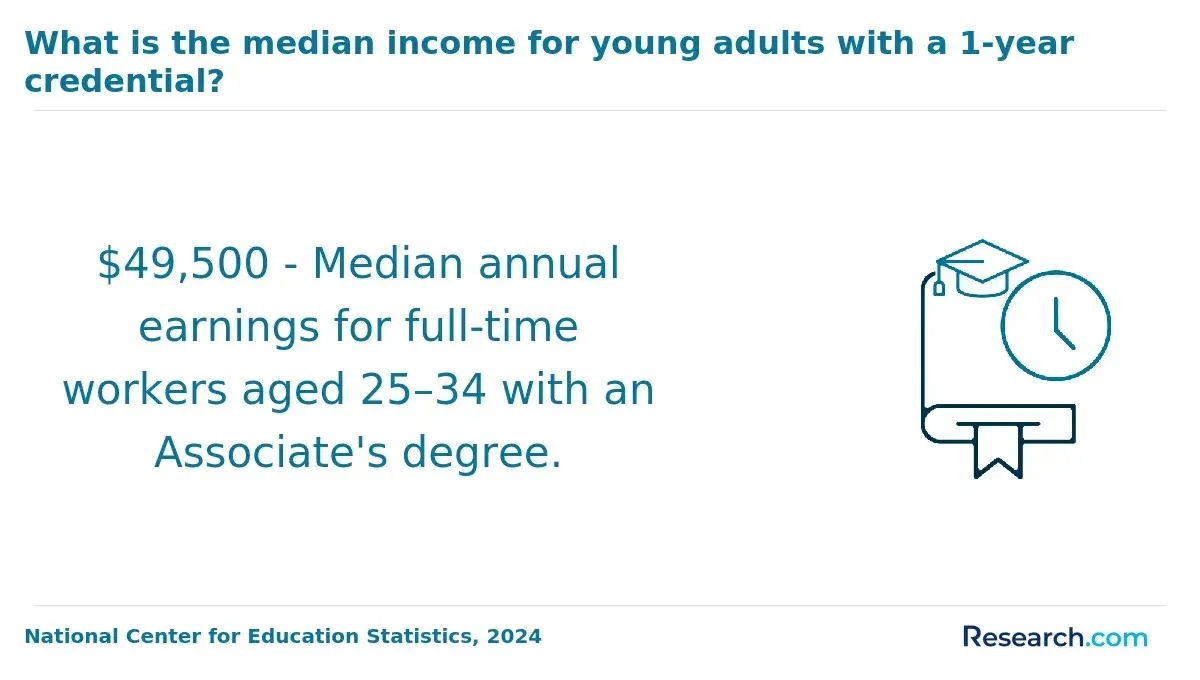
Federal aid remains foundational for controlling the cost of an environmental engineering degree, with Pell Grants covering nearly 70% of undergraduates nationally, according to the U.S. Department of Education. However, this assistance is often contingent on maintaining full-time enrollment and meeting income thresholds, requiring students to plan carefully to avoid losing eligibility. State grants and scholarships further complicate affordability, as their availability and criteria vary dramatically-New York and California offer robust need-based support, while states with tighter budgets lean on merit awards that favor high academic achievement but may exclude mid-tier students who could benefit most.
Institutional funding introduces additional stratification, with public universities emphasizing regional workforce development priorities and private institutions balancing larger endowments against higher tuition rates. For example, a student in a bordering state might tap into tuition reciprocity agreements to reduce costs, but must weigh that against possible restrictions on state aid renewal or differences in scholarship renewal policies. Employer tuition benefits in environmental sectors also emerge as a significant, though inconsistent, factor, often aligning with job retention expectations, which adds a layer of long-term commitment that not all students can meet. These intersecting aid policies and geographic realities highlight that affordability depends less on sticker price and more on a strategic understanding of eligibility, renewal conditions, and aid stacking limitations across different funding sources.
Are Online Environmental Engineering Degree Programs More Affordable Than On-Campus Options?
Online environmental engineering degree affordability by state is a complex calculation that cannot be reduced to simple tuition comparisons. While online programs often report 15-20% lower base tuition than their on-campus counterparts according to NCES 2024 data, students must weigh variable factors such as residency-based tuition policies that may apply higher rates for online enrollees from other states. For example, a nonresident student enrolled remotely may face out-of-state tuition charges that erode any savings gained from avoiding campus fees, housing, and commuting expenses. This dynamic highlights a significant real-world scenario where the nominal cost advantage of online delivery is offset by institutional pricing rules and uneven access to financial aid.
Moreover, cost comparison of online versus on-campus environmental engineering programs in the US should include the potential impact of limited financial aid packages for online learners, which many institutions still designate differently from on-campus students. While online students save on housing-sometimes exceeding $10,000 annually depending on the region-and transportation, they might incur technology fees or miss out on institutional scholarships typically awarded to traditional students. These tradeoffs matter for budget-sensitive applicants, particularly adult learners balancing work and family commitments. Decisions must also consider how employer recognition of ABET-accredited online degrees affects the long-term return on investment, as practical experiences and in-person networking remain valuable assets that online formats often cannot fully replicate. Prospective students might explore related fields or alternative pathways, such as a masters in child psychology online, to gauge affordability and career alignment across disciplines.
Is a Environmental Engineering Degree Worth the Cost Based on Career Outcomes and ROI?
Evaluating the financial viability of an environmental engineering degree requires more than comparing tuition across states; it demands a nuanced understanding of career outcomes and local labor markets. For example, students graduating in Midwest or Southern states often benefit from lower tuition and higher completion rates, resulting in less debt and a more manageable repayment horizon. In contrast, pursuing the degree in high-cost states like California or those on the Northeast coast can mean greater upfront costs and debt burdens, yet these areas may offer stronger environmental industry demand and higher starting salaries that partially offset educational expenses. Students must consider these regional disparities within the context of environmental engineering degree return on investment by state to optimize their educational and financial decisions.
Beyond tuition, factors such as opportunity costs, program quality, and alignment with career goals significantly impact ROI. Lower-cost programs with robust employer connections can enhance early-career prospects and reduce the risk of extended repayment that hinders financial flexibility. Additionally, geographic mobility constraints and local industry regulations affect long-term earnings potential. Prospective students should assess these practical tradeoffs alongside salary prospects for environmental engineering graduates in the U.S. to avoid costly misalignments.
For those considering advanced study options, exploring doctoral programs online no dissertation can be a strategic alternative to balance academic advancement with financial and time commitments.
References
- 2025 Most Affordable Online Environmental Science Degrees https://www.onlineu.com/most-affordable-colleges/environmental-science-degrees
- College Affordability Still Out of Reach for Students with Lowest Incomes, Students of Color https://www.ihep.org/college-affordability-still-out-of-reach-for-students-with-lowest-incomes-students-of-color/
- MS in Environmental Engineering in USA | Masters in Environmental Engineering in USA | GoUSA https://www.gousa.study/ms-in-environmental-engineering-in-usa
- Assessing the real climate costs of manufacturing https://www.universityofcalifornia.edu/news/assessing-real-climate-costs-manufacturing
- Environmental Engineering: Salary & ROI (2026) https://www.campusroi.com/majors/environmental-engineering/
- Top 60 Environmental Science Scholarships to apply for in 2025 https://bold.org/scholarships/by-major/environmental-science-scholarships/
- 50 Income related Environmental Engineering Scholarships available in the UK https://www.hotcoursesabroad.com/study/international-scholarships/uk/qn/environmental-engineering/income-related/all/210/qid/g16/1170/nty/scholarship.html
- The Effects of Rising Student Costs in Higher Education - Ithaka S+R https://sr.ithaka.org/publications/the-effects-of-rising-student-costs-in-higher-education/
- Study Environmental Engineering in USA - Top Universities for Masters, MBA, PhD Degree Programs https://studee.com/degree/usa/environmental-engineering
- This map shows how cost of living varies by state https://finance.yahoo.com/personal-finance/banking/article/cost-of-living-by-state-map-164246259.html
Other Things You Should Know About Environmental Engineering
State funding models directly influence the resources universities can allocate to environmental engineering programs, impacting faculty expertise, lab facilities, and research opportunities. Programs in states with fluctuating or reduced funding may offer lower tuition but could compromise on hands-on learning experiences and industry connections, which are critical for employability. Students should weigh affordability against potential gaps in practical training that might hinder workforce readiness.
Choosing a program in a state with strong environmental engineering industries can improve post-graduation job prospects, but such states often have higher tuition and living costs. Conversely, cheaper programs in regions with limited industry presence may delay employment or require relocation. Prospective students should prioritize programs that balance cost with local employer activity to maximize immediate career opportunities and reduce relocation expenses.
Environmental engineering programs vary in credit requirements, internship mandates, and available specializations, which influence both cost and student workload. Programs emphasizing internships or co-op experiences, often found in higher-cost states, may increase short-term expenses and time commitment but enhance practical skills. Budget-conscious students in lower-cost states should assess whether reduced program rigors might limit hands-on experience valued by employers.
While affordability is critical, students must consider long-term returns tied to program reputation, alumni networks, and employer relationships localized by state. Selecting the cheapest program may reduce upfront debt but potentially limit salary growth or advancement if industry ties are weak. Where possible, students should prioritize moderately priced programs with strong employer connections to optimize both financial investment and career trajectory.