2027 Nutrition Degree vs. Certificate: Which Should You Choose?

Co-Founder and Chief Data Scientist
If you want to work in nutrition, the first decision is not simply where to study. It is whether you need a full nutrition degree or whether a shorter certificate will meet your goal. The right choice affects your time in school, tuition cost, transfer options, eligibility for regulated roles, and long-term earning potential.
A nutrition degree is usually the better fit for students who want broad scientific training, stronger academic credentials, or access to roles connected to dietetics, healthcare, research, public health, or graduate study. A certificate is usually better for learners who want focused nutrition knowledge for wellness coaching, fitness, community education, or professional development without committing to a multi-year program.
This guide compares nutrition degrees and certificates across the factors that matter most: program length, online availability, admissions, credits, tuition, accreditation, transferability, job options, and starting salary. Use it to match your education path to the work you actually want to do.
Key Points About Nutrition Degree vs. Certificate Programs
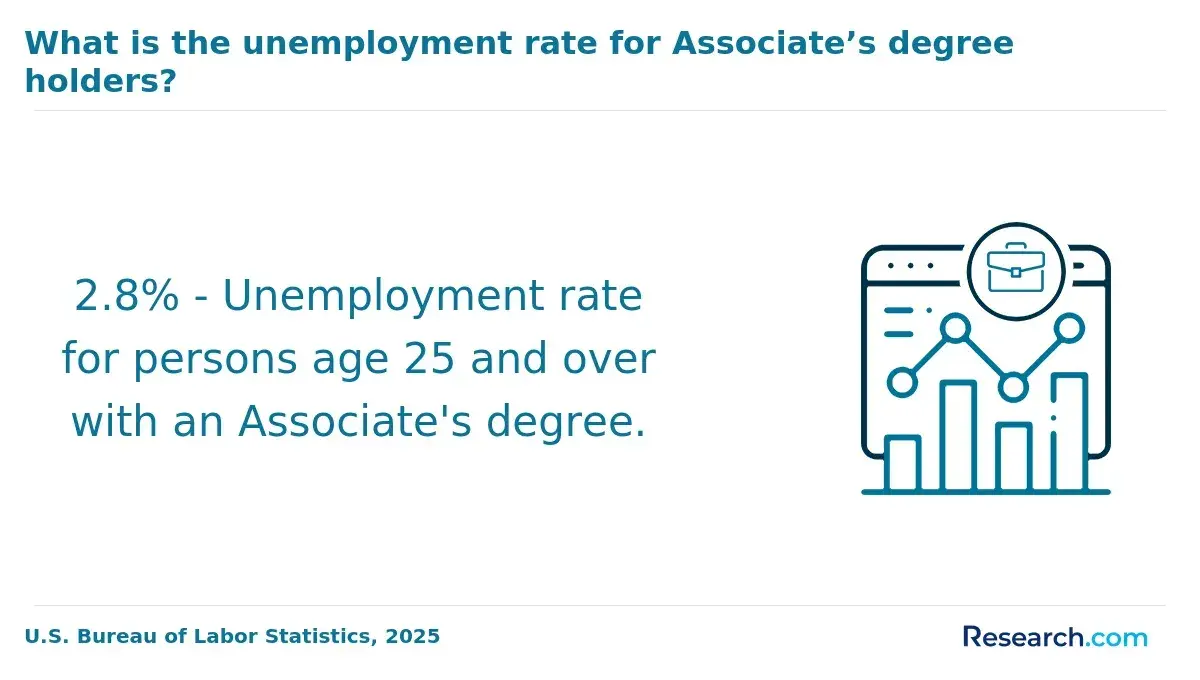
- Nutrition degrees typically take 2-4 years, offering comprehensive knowledge and higher salary potential, with median wages about 25% above those holding certificates.
- Certificate programs focus on specialized skills and faster completion, ideal for career changers seeking immediate entry or skill enhancement.
- Degrees provide eligibility for registered dietitian roles and greater professional growth, while certificates support roles like nutrition coaching or community health education.
What Are the Differences Between Nutrition Degree and Certificate Programs?
The main difference is scope. A nutrition degree is a broader academic credential that usually includes science prerequisites, general education, research exposure, and deeper study of human nutrition. A certificate is a shorter credential focused on practical knowledge or a specific nutrition-related skill area.
For most students, the decision comes down to career target. If you want a pathway toward clinical, research, public health, or advanced nutrition roles, a degree usually carries more weight. If you want to add nutrition knowledge to an existing career in fitness, wellness, coaching, education, or food service, a certificate may be enough.
Key differences to compare
- Depth of learning: Degree programs typically cover nutrition science in more detail, including biology, chemistry, physiology, metabolism, and evidence-based practice. Certificate programs usually focus on applied nutrition concepts, client education, meal planning basics, or wellness topics.
- Career use: Degrees are more likely to support specialized, regulated, or advancement-oriented roles. Certificates are more often used for entry-level wellness roles, career changes, continuing education, or skill building within an existing job.
- Time commitment: Degrees require a longer academic timeline and more structured coursework. Certificates are shorter and often designed for learners who need a faster option while working or managing other responsibilities.
- Cost and accessibility: Certificates generally cost less and are commonly available online. Degrees require a larger investment but may offer broader career mobility and better preparation for graduate study or credentialed roles.
- Professional recognition: A degree from an accredited institution is usually easier for employers, graduate schools, and licensing bodies to evaluate. Certificate quality varies more, so students need to check provider credibility carefully.
A practical rule: choose a degree if the job you want requires formal education, supervised training, licensure, or graduate-level preparation. Choose a certificate if your goal is targeted knowledge, faster completion, or an add-on credential rather than a primary professional qualification.
How Long Does It Take to Complete a Nutrition Degree vs. a Certificate Program?
A nutrition degree takes substantially longer than a certificate because it includes a broader curriculum and more credit requirements. A certificate is designed for speed and focus, while a degree is designed for academic depth and career preparation.
- Typical duration: A Bachelor of Science in nutrition generally takes about four years of full-time study. An Associate degree usually takes around two years. Graduate study can add approximately two more years. By comparison, a nutrition certificate often takes three to six months for full-time learners, though some programs may extend up to a year when completed part-time or in a specialized format.
- Flexibility: Degree programs commonly include general education, lab sciences, prerequisites, and sequenced major courses, which can limit how quickly students progress. Certificate programs usually focus on core topics and may offer self-paced or flexible online formats.
- Factors that affect timeline: Transfer credits and prior coursework can shorten a degree, especially for students who already completed general education or science classes. Certificates are less likely to be shortened by prior credits because they are already compact. Full-time enrollment is the fastest route for both options; part-time enrollment extends completion time.
In general, expect how long to get a nutrition degree to range from two to four years or longer if graduate study is included. Nutrition certificate program length usually falls between three and twelve months, depending on pacing and program structure.
Working adults should compare not only calendar length but also weekly workload. A short certificate can still be demanding if courses move quickly, while a degree may be manageable if taken part-time or through a flexible format. Students who need an accelerated route can also review options such as fast online degrees for working adults.
Can You Complete a Nutrition Degree or Certificate Entirely Online?
Yes, many nutrition certificates and some nutrition degree programs can be completed fully online, especially when the program is designed for general nutrition education, wellness, public health, or non-licensure career paths. However, online coursework does not always mean every requirement can be completed remotely.
Many accredited U.S. institutions offer fully online nutrition degree programs. Examples include Arizona State University, Kansas State University, and the University of Arizona, which provide fully online bachelor's degrees in nutrition. Graduate options are also available online, including Master of Science programs from the University of Houston and Texas Woman's University, with flexible pacing or multiple start dates.
Online certificate programs are often even more accessible. Many accredited online nutrition certificate programs allow students to build focused skills in a shorter time frame without campus visits. These programs may suit fitness professionals, health coaches, educators, food service workers, or career changers who want structured nutrition training without enrolling in a full degree.
When online is not fully online in practice
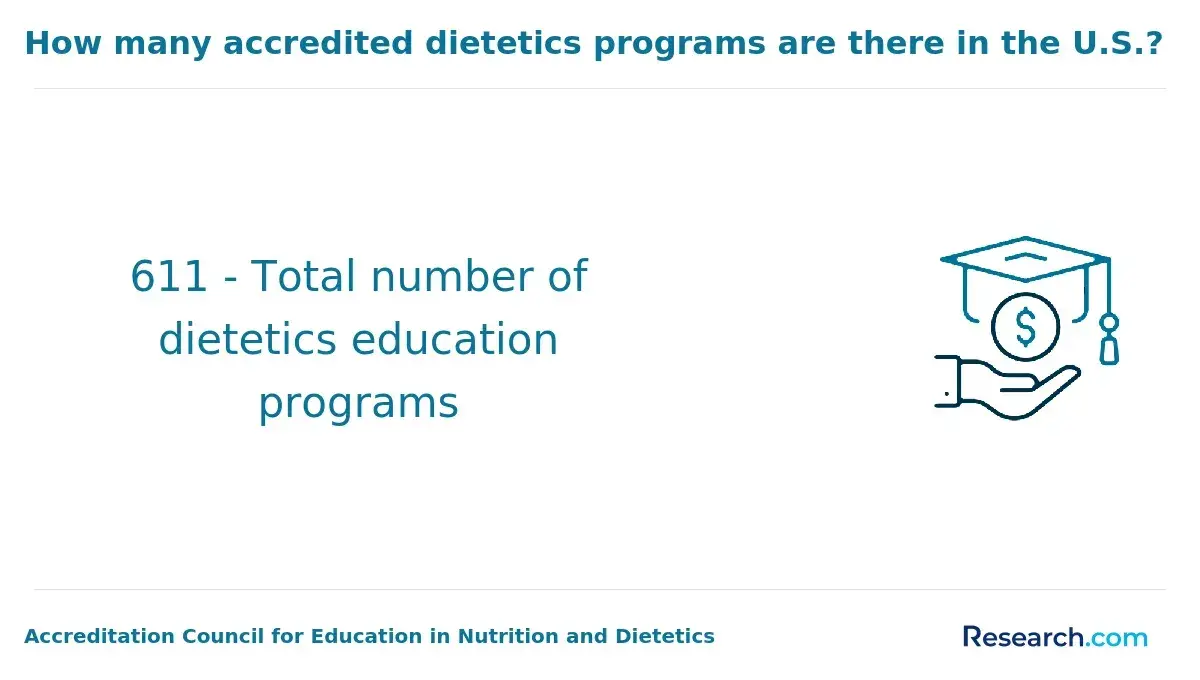
Students pursuing Registered Dietitian (RD) or Registered Dietitian Nutritionist (RDN) preparation should be especially careful. Programs that lead toward RD credentials may require in-person internships, supervised practice, clinical experiences, or other hands-on components even when didactic coursework is online. ACEND-accredited pathways tied to licensure and credentialing often include supervised practice requirements that cannot be replaced by online classes alone.
Before enrolling, ask whether the program requires any campus sessions, labs, clinical placements, internship hours, proctored exams, or local fieldwork. Also confirm whether the online format meets requirements in your state if you plan to pursue a regulated nutrition or dietetics credential.
If your goal is general nutrition knowledge or a non-licensure wellness role, a fully online certificate or degree may be sufficient. If your goal involves clinical nutrition, medical nutrition therapy, or RD/RDN eligibility, verify every supervised practice and accreditation requirement before applying. For broader graduate program research, see this list of the easiest master's programs to get into.
What Are the Admission Requirements for a Nutrition Degree vs. a Certificate Program?
Nutrition degree programs usually have more formal admission requirements than certificate programs. Degrees must verify that students are academically prepared for science-heavy coursework, while certificates are often designed for broader access and professional upskilling.
Requirements vary by school and degree level. Undergraduate nutrition degrees may admit students with a high school diploma or GED, while graduate nutrition degrees usually expect previous college coursework and stronger academic preparation. Certificate programs may have open or simplified admissions, although advanced certificates can still require prior education or professional experience.
Admission Requirements for Nutrition Degree Programs
- Educational background: Applicants generally need a bachelor's degree from an accredited institution for graduate-level nutrition programs, often in nutrition, biology, or a closely related science field.
- GPA minimum: A minimum GPA of 3.0 is commonly required, with many programs favoring applicants who exceed this benchmark.
- Prerequisite coursework: Programs often require prior coursework in general and organic chemistry, biology or physiology, biochemistry, and introductory nutrition.
- Letters of recommendation: Two or three academic or professional references are commonly expected to show readiness for advanced study.
- Personal statement: Most programs ask applicants to explain their academic interests, career goals, and reasons for pursuing nutrition.
- English language proficiency: Non-native English speakers are usually required to submit TOEFL or IELTS scores when applying to programs that require proof of English proficiency.
- Interview or writing sample: Some programs may request an interview or writing sample to assess fit, communication skills, or preparation for graduate-level work.
Admission Requirements for Nutrition Certificate Programs
- Educational background: A high school diploma or GED is often enough. Some certificates may prefer or require an associate's or bachelor's degree, but this is not universal.
- GPA minimum: Most certificate programs do not enforce a minimum GPA, making admission less competitive than many degree programs.
- Prerequisite coursework: Prior science or nutrition coursework is usually not required, although advanced certificates may expect basic biology or chemistry knowledge.
- Letters of recommendation: Few certificate programs request references, though specialized certificates may require one.
- Personal statement: Some programs request a short statement focused on professional interest or career goals, but many do not.
- English language proficiency: Non-native speakers may need to demonstrate English proficiency, though requirements are often less extensive than those for degree programs.
The admissions takeaway is straightforward: nutrition degrees reward academic preparation, especially in science. Nutrition certificates prioritize accessibility and speed. If you are comparing options related to graduate study or long-term earning potential, it may also help to review education paths connected with high paying master's degrees.
How Many Credits Do You Need to Complete a Nutrition Degree vs. a Certificate?
Nutrition degrees require far more credits than certificates because they include general education, foundational sciences, major coursework, electives, and sometimes field experiences. Certificates require fewer credits because they focus on a narrower set of nutrition topics.
- Bachelor's degree: Typically ranges from 120 to 128 semester credits. This credit load supports a broad curriculum that may include general education, lab sciences, nutrition assessment, lifecycle nutrition, food science, metabolism, and related electives.
- Associate degree: Usually involves 60 to 65 credits. These programs often combine introductory nutrition coursework with general studies and may be used for entry-level preparation or transfer into a bachelor's program.
- Certificate: Generally requires between 12 and 24 credits. Certificates are more focused and may cover topics such as nutrition fundamentals, wellness coaching, community nutrition, sports nutrition, or dietary guidance.
Credits matter because they affect cost, time, workload, and transfer planning. A certificate can be appealing if you need a credential quickly or want to test your interest in nutrition before committing to a degree. A degree is more appropriate if you need a recognized academic credential for graduate study, clinical preparation, or broader career mobility.
One student who completed a nutrition certificate while working full time described the smaller credit load as demanding but manageable: "The compact credit load meant I could focus on mastering targeted topics without the overwhelming time investment of a full degree." He also said, "I appreciated how the certificate allowed me to advance professionally without years of study." That experience reflects a common advantage of certificates: they reduce academic scope so students can build targeted skills faster.
What Is the Average Tuition for a Nutrition Degree vs. a Certificate?
Nutrition certificates usually cost much less than nutrition degrees. The trade-off is that a lower-cost certificate may not qualify you for the same jobs, credentials, or advancement opportunities as a degree. The best value depends on whether the program matches your career goal, not just whether it has the lowest tuition.
Average Tuition for Nutrition Degree Programs
- Tuition range: A bachelor's degree in nutrition at public universities usually costs between $10,000 and $15,000 per year for in-state students. Private institutions charge $30,000 to $50,000 annually. Total tuition over four years can range from $40,000 to $200,000 depending on the type of school.
- Graduate program costs: Master's degrees in nutrition, including MS or MPH programs, commonly cost $15,000 to $52,000 per year. Total two-year program expenses can range from $30,000 to $104,000. Tuition per credit hour often falls between $763 and over $1,000.
- Public vs. private pricing: Public universities usually provide lower tuition for resident students, while private schools may charge double or more annually.
- Additional fees: Students should budget for lab costs, textbooks, health insurance, fieldwork, and mandatory fees, which can add roughly $600 to $1,000 per semester.
- Online vs. on-campus costs: Online degrees may reduce commuting and housing costs, but tuition can still represent a major investment.
Average Tuition for Nutrition Certificate Programs
- Tuition range: Nutrition certificate program cost comparison shows that certificates are usually more affordable, typically ranging from $1,000 to $5,000 for the full certificate.
- Program length: Certificates are short-term and often completed within months up to one year, which lowers total tuition exposure.
- Type of institution: Community colleges and online providers often offer lower-cost certificates. University-affiliated certificates can fall closer to the higher end of the range.
- Online accessibility: Many nutrition certificates are available online, which can reduce commuting, parking, and campus-related costs.
- Additional costs: Students may still pay for textbooks, materials, or certification exams, though these expenses are generally less than $500.
When comparing price, calculate total cost, not just tuition. Include fees, books, commute or technology costs, lost work hours, and whether the credential will actually support the role you want. Students who are weighing speed, cost, and return on investment may also want to compare nutrition programs with other options among the fastest degree to make money.
Can You Transfer Certificate Credits Toward a Nutrition Degree Later On?
Sometimes, but transfer is never automatic. Certificate credits may transfer into a nutrition degree if the courses were completed at an institution the receiving school recognizes, if the credits are college-level, and if the course content matches degree requirements.
Credits from regionally accredited institutions usually have a stronger chance of being accepted. Transfer is also more likely when the certificate includes science-based nutrition courses that align with the degree curriculum. Credits from technical, continuing education, or career-training certificates may be accepted only as electives, or not accepted at all.
What affects whether credits transfer?
- Institutional policy: Each college sets its own transfer rules, and departments may apply additional rules for nutrition major requirements.
- Accreditation status: Credits are more portable when they come from a recognized accredited institution.
- Course match: A general wellness coaching course may not replace a required nutrition science course. A course with similar learning outcomes, credit level, and assessment standards has a better chance.
- Grade requirement: Many programs require a minimum grade of "C" for transfer credits to be considered.
- Transfer credit caps: Some schools limit how many credits can be transferred from prior coursework, including credits from a two-year program.
- Major vs. elective credit: A course may transfer to the institution but not count toward the nutrition major. This distinction can affect graduation time.
Before enrolling in a certificate with the hope of later earning a degree, contact the degree-granting institution and ask for written guidance. Request clarification on which courses may transfer, whether they count toward the major, and whether there is a time limit on older coursework.
A student who completed a nutrition certificate before entering a degree program described the process this way: "I wasn't sure how many credits would transfer or if I'd have to retake courses." After confirming policies with both schools, she found that some credits helped reduce her later course load. Her experience highlights the most important transfer strategy: ask early, document the answer, and do not assume every certificate course will apply to a degree.
Are Certificate Programs Accredited the Same Way as Nutrition Degrees?
No. Nutrition certificates are generally not accredited in the same way as nutrition degrees. Degree programs are more likely to undergo formal institutional and, in some cases, programmatic accreditation review. Certificate programs vary widely, and some may carry limited formal recognition beyond the institution or organization that offers them.
Nutrition and dietetics degree programs may be reviewed by organizations such as the Accreditation Council for Education in Nutrition and Dietetics (ACEND) or the Accreditation Council on Nutrition Professional Education (ACNPE). These agencies evaluate elements such as curriculum quality, faculty qualifications, student support, outcomes, and alignment with professional standards.
Certificate programs may or may not be connected to an accredited college or recognized professional organization. Some are strong, well-designed programs that serve a clear purpose. Others may be short, noncredit, or marketing-driven credentials with limited employer recognition. This is why students should evaluate certificates carefully rather than relying on the word "certified" or "accredited" in promotional material.
How to check credibility before enrolling
- Verify institutional accreditation: Check whether the school is accredited by an agency recognized by the U.S. Department of Education or the Council for Higher Education Accreditation (CHEA).
- Check programmatic accreditation: For dietetics-related degree pathways, look for relevant programmatic accreditation such as ACEND when applicable.
- Ask what the certificate qualifies you to do: A certificate may improve knowledge or marketability, but it may not qualify you for licensure, medical nutrition therapy, or regulated dietetics practice.
- Review employer expectations: Search job postings in your target role to see whether employers request a degree, RDN credential, certificate, or experience.
- Confirm transfer value: If you may later pursue a degree, ask whether the certificate credits are transcripted and transferable.
Accreditation matters because it affects credibility, credit transfer, graduate school eligibility, licensure preparation, and employer confidence. For degrees, accreditation should be a central part of your decision. For certificates, focus on provider reputation, curriculum quality, instructor qualifications, and whether the credential is respected in the specific career area you plan to enter.
What Jobs Can You Get with a Nutrition Degree vs. a Certificate?
A nutrition degree generally supports a wider range of career paths, especially in healthcare, public health, research, food service management, and roles that require stronger scientific training. A nutrition certificate is more commonly used for wellness, coaching, education, or support roles that do not require licensure.
The key distinction is scope of practice. Certificate holders should be careful not to present themselves as licensed dietitians or provide services that require a regulated credential. Degree graduates may still need additional supervised practice, exams, certification, or licensure depending on the role and state.
Jobs You Can Get with a Nutrition Degree
- Registered Dietitian Nutritionist (RDN): Provides medical nutrition therapy and dietary planning in healthcare settings, often requiring licensure and certification.
- Clinical Nutritionist: Works with patients in hospitals or clinics to manage nutrition-related health issues and support treatment planning.
- Community Nutritionist: Develops and supports public health nutrition programs, education campaigns, and outreach services.
- Food Service Manager: Oversees meal planning and food operations in settings such as schools, hospitals, long-term care facilities, or other institutions.
- Research Dietitian: Supports or conducts nutrition research in academic, clinical, public health, or scientific settings.
Jobs You Can Get with a Nutrition Certificate
- Health Coach: Helps clients build healthier habits related to food, lifestyle, and wellness, usually outside clinical practice.
- Nutrition Consultant: Provides general nutrition education or wellness guidance to individuals or organizations, depending on state rules and professional scope.
- Wellness Coach: Supports clients with nutrition-related goals, behavior change, and healthy routines in gyms, wellness centers, or private coaching settings.
- Nutrition Educator: Shares nutrition information and promotes healthy behaviors in community, school, nonprofit, or corporate settings.
- Corporate Wellness Coach: Helps design or deliver workplace wellness programs focused on nutrition, healthy living, and employee engagement.
If your target job involves patient care, disease management, clinical nutrition, or insurance-reimbursed services, research credentialing rules before choosing a certificate-only path. If your target job is coaching, general education, or wellness programming, a certificate may be a practical starting point, especially when paired with related experience.
What Is the Average Starting Salary for a Certificate vs. Nutrition Degree Graduates?
Nutrition degree graduates usually have stronger starting salary potential than certificate holders, especially when they qualify for roles requiring advanced education, licensure, or the RDN credential. Certificate holders may still find solid opportunities, but their pay depends heavily on job title, employer, location, experience, and whether the role is full-time, part-time, or client-based.
- Typical salary range: Certificate holders usually earn between $34.13 and $45.19 per hour, translating to about $44,000 to $62,000 annually for full-time roles. Nutrition degree graduates, especially registered dietitian nutritionists (RDNs), start around $48,830 to $73,850 per year.
- Credentials impact: Holding an RDN credential or an advanced nutrition degree can boost starting pay by $25,000 to $30,000 compared to those with only a certificate.
- Experience effect: Entry-level salaries can rise with experience. Senior nutritionists with 10-15 years can earn two to three times more than starting figures.
- Industry and location: Jobs in government, corporate wellness, or high-demand states such as California and Connecticut typically offer higher wages.
- Specialization premium: Certifications in areas such as sports or clinical nutrition may add $4,000 to $12,000 annually to earnings.
- Career outlook: Nutrition degree graduates generally have stronger advancement opportunities and access to more regulated positions. Certificate holders often have more flexibility but may face lower salaries and narrower role options.
Salary should not be the only factor. A certificate may produce a faster return if you need a low-cost credential for an existing job. A degree may provide better long-term value if it unlocks regulated roles, graduate education, or higher-level positions. Students who want a career that fits their personality and work style can also explore careers for introverts that may align with a nutrition background.
Here's What Graduates of Nutrition Programs Say About Their Degree or Certificate
- Robert: "Pursuing a nutrition certificate was a perfect fit for my busy schedule. The program's fast pace allowed me to learn essential concepts quickly without the hefty cost associated with a full degree, which often runs well above $20,000. It gave me the practical skills I needed for my job in wellness coaching, and I couldn't be happier with the outcome."
- Case: "Enrolling in the nutrition degree program was a transformative experience that offered a deeper and more comprehensive understanding of food science and health. Though the degree took longer and was more expensive than certificate options, the broader curriculum opened doors to clinical dietetics and research opportunities I hadn't anticipated. It's an investment that truly advanced my career in healthcare."
- Sebastian: "Having completed both the nutrition certificate and degree programs, I appreciate the distinct advantages each brings. The certificate served as a quick, affordable introduction to nutrition fundamentals, while the degree provided the thorough education and credibility needed for specialized roles. Balancing cost with my career goals was key, and combining both programs maximized my knowledge and marketability."
Other Things You Should Know About Nutrition Degrees
Yes. Many accredited colleges allow certificate coursework to transfer if the credits are from a regionally accredited or ACEND-recognized program, but acceptance is not automatic. Schools usually cap transferable credits at 60 to 90 semester hours, and only courses with a grade of C or better are commonly accepted.
For a nutrition degree in 2027, you typically need a high school diploma with coursework in biology and chemistry. Certificate programs may require a diploma but have fewer science prerequisites, making them more accessible to those without a strong science background.
References
- How Long Does It Take to Become a Nutritionist? - Become A Nutritionist https://becomeanutritionist.org/blog/how-long-does-it-take-to-become-a-nutritionist/
- Nutritionist Certification vs Degree: What's the Difference? | Garage Gym Reviews https://www.garagegymreviews.com/nutritionist-certification-vs-degree
- Nutrition and Dietetics Associate in Science Degree for Transfer https://catalog.nocccd.edu/fullerton-college/degrees-certificates/foods-nutrition/nutrition-and-dietetics-associate-in-science-degree-for-transfer/
- Become a Certified Clinical Nutritionist | Online, Science-based, Accredited Program https://thehealthsciencesacademy.org/clinical-nutrition-program-become-a-certified-nutritionist/
- 3 Types of Nutrition Certifications | University of Bridgeport https://www.bridgeport.edu/news/nutrition-certifications/
- Cert VS Degree: What Type of Nutrition Credential is Best? | ISSA https://www.issaonline.com/blog/post/cert-vs-degree-what-type-of-nutrition-credential-is-best
- Become a Nutritionist Without a Degree 2025 | 7 Paths https://www.nutritioned.org/nutritionist-without-a-degree/
- Online Nutrition and Wellness Courses https://nursinglicensemap.com/resources/health-certificate-courses/nutrition-certificate-course-online/
- Types of Nutrition Degrees: Your Guide to a Nutrition Career https://und.edu/blog/types-of-nutrition-degrees.html
- Nutrition and Food (BASc) FAQs https://www.torontomu.ca/nutrition/undergraduate/nutrition-and-food-faqs/