2027 Self-Paced Online Early Childhood Education Bachelor's Degree Programs

Co-Founder and Chief Data Scientist
A self-paced online bachelor’s degree in early childhood education is built for students who cannot reliably attend scheduled classes but still need a credible path into teaching, childcare leadership, family support, or related early learning roles. The main decision is not simply whether online learning is convenient; it is whether a self-paced format gives you enough flexibility without leaving you without structure, support, or a clear route to graduation.
These programs can help working adults, parents, career changers, and current childcare professionals move toward a degree while managing real-life obligations. Reports show that enrollment in self-paced online education has increased by 25% over the past five years, reflecting stronger demand for flexible learning paths. Still, the format is not ideal for everyone. Students must compare accreditation, tuition models, transfer credit rules, practicum expectations, financial aid eligibility, and state licensure requirements before enrolling.
This guide explains how self-paced online early childhood education bachelor’s programs work, how they differ from traditional online degrees, which accredited institutions offer them, what they cost, how long they take, and what to check before committing.
Key Benefits of Self-Paced Online Early Childhood Education Bachelor's Degree Programs
- Self-paced online early childhood education bachelor's programs offer unmatched flexibility, allowing working professionals to balance study schedules with job and family commitments efficiently.
- Accelerated competency-based models enable students to acquire critical skills faster by demonstrating mastery rather than spending fixed time in class-ideal for advancing careers swiftly.
- These programs often reduce overall costs through transfer credits and prior learning assessments, delivering cost-effective pathways to earning an accredited credential without compromising quality.
What Are Self-Paced Online Early Childhood Education Bachelor's Degree Programs, and How Do They Differ From Traditional Online Formats?
Self-paced online early childhood education bachelor’s degree programs let students move through coursework with more control over timing than a standard online program. Instead of logging in for live classes or submitting assignments on a fixed weekly schedule, students usually complete modules, assessments, projects, or competencies when they are ready. Many programs still set overall term limits, satisfactory academic progress rules, and deadlines for financial aid purposes, so “self-paced” does not mean unlimited time.
The most important distinction is structure. Traditional online programs may be asynchronous, but they commonly follow a semester calendar with weekly readings, discussion boards, and due dates. Self-paced programs are often milestone-based: students advance after demonstrating mastery of course outcomes. This approach is common in competency-based early childhood education online courses, where progress depends on evidence of learning rather than seat time alone.
Self-paced vs. traditional online early childhood education programs
| Feature | Self-paced online format | Traditional online format |
| Start dates | Often open, rolling, or more frequent enrollment windows | Usually tied to semester, quarter, or cohort start dates |
| Course pacing | Students may accelerate or slow down within program rules | Students follow weekly or term-based schedules |
| Progress model | Often based on competencies, projects, exams, or mastery checks | Usually based on credit hours, assignments, and term completion |
| Faculty interaction | Typically asynchronous, with mentors, tutors, or faculty support as needed | May include scheduled lectures, discussions, instructor deadlines, and peer interaction |
| Best fit | Self-directed students with unpredictable schedules | Students who want external deadlines and regular class rhythm |
Who benefits most from this format?
- Working childcare professionals: Students already employed in early learning settings may study during evenings, weekends, or slower work periods without leaving their jobs.
- Parents and caregivers: A flexible format can make degree progress possible when family schedules change from week to week.
- Returning adult learners: Students who have prior college credits or professional experience may be able to shorten their path through transfer credit or prior learning assessment.
- Highly independent learners: Students who can plan, study, and meet goals without frequent reminders are often better suited to self-paced coursework.
The trade-off is accountability. A cohort-based program gives students a built-in calendar, regular peer contact, and frequent instructor prompts. A self-paced program gives more control but also requires stronger time management. Before enrolling, ask how often advisors check in, whether faculty provide feedback quickly, how field experiences are scheduled, and what happens if you fall behind.
Students who want to build credentials alongside a degree may also compare short-term options such as online certificates, especially when planning a step-by-step career transition.
Which Accredited Institutions Offer Self-Paced Online Early Childhood Education Bachelor's Degree Programs?
Accredited self-paced online early childhood education bachelor’s programs are available through several institutions, but their formats differ. Some are fully competency-based and allow students to move quickly through material they already know. Others are traditional credit-hour programs with asynchronous coursework and flexible scheduling. The best option depends on your transfer credits, budget, need for faculty structure, and whether you are seeking a pathway connected to licensure.
| Institution | Accreditation stated | Program model | Cost structure stated | Completion timeline stated |
| Western Governors University | Northwest Commission on Colleges and Universities (NWCCU) | Competency-based Bachelor of Arts in Early Childhood Education | Flat rate every six months regardless of course load | Average completion time of about 2 to 3 years |
| Northern Arizona University | Higher Learning Commission (HLC) | Online Bachelor of Science in Early Childhood Education with asynchronous coursework | Credit-hour tuition system | Many finish within 3 to 4 years, depending on transfer credits |
| Capella University | Higher Learning Commission (HLC) | FlexPath Bachelor of Science in Early Childhood Education | Flat rate with unlimited courses per term | Often within 2 years |
| Fort Hays State University | Higher Learning Commission | Online Bachelor of Science in Early Childhood Unified Education | Per credit hour | Most students complete within 3 to 4 years depending on course load |
| University of Massachusetts Global | WASC Senior College and University Commission | Competency-based Bachelor of Arts in Early Childhood Education online | Subscription-based eight-week term with unlimited courses | Average time to complete is around 2 to 3 years |
How to compare these programs
- Confirm the exact program title and licensure status: Early childhood education, early childhood unified education, child development, and education studies programs can lead to different outcomes.
- Ask how fieldwork is handled: Even online programs may require observations, practica, student teaching, or supervised experiences in approved settings.
- Compare tuition by pace: Subscription pricing can be cost-effective for students who complete many courses per term, but it can become expensive if progress slows.
- Request a transfer evaluation before enrollment: The number of accepted credits can change the real timeline and total cost more than the advertised format.
- Verify financial aid eligibility: Competency-based programs may package and disburse aid differently from semester-based programs.
These institutions show the range of flexible online early childhood education bachelor’s options available to working adults and non-traditional students. When comparing pricing models across online degrees, students may find it useful to review how other flexible programs explain tuition and aid, including resources on best online executive mba programs.
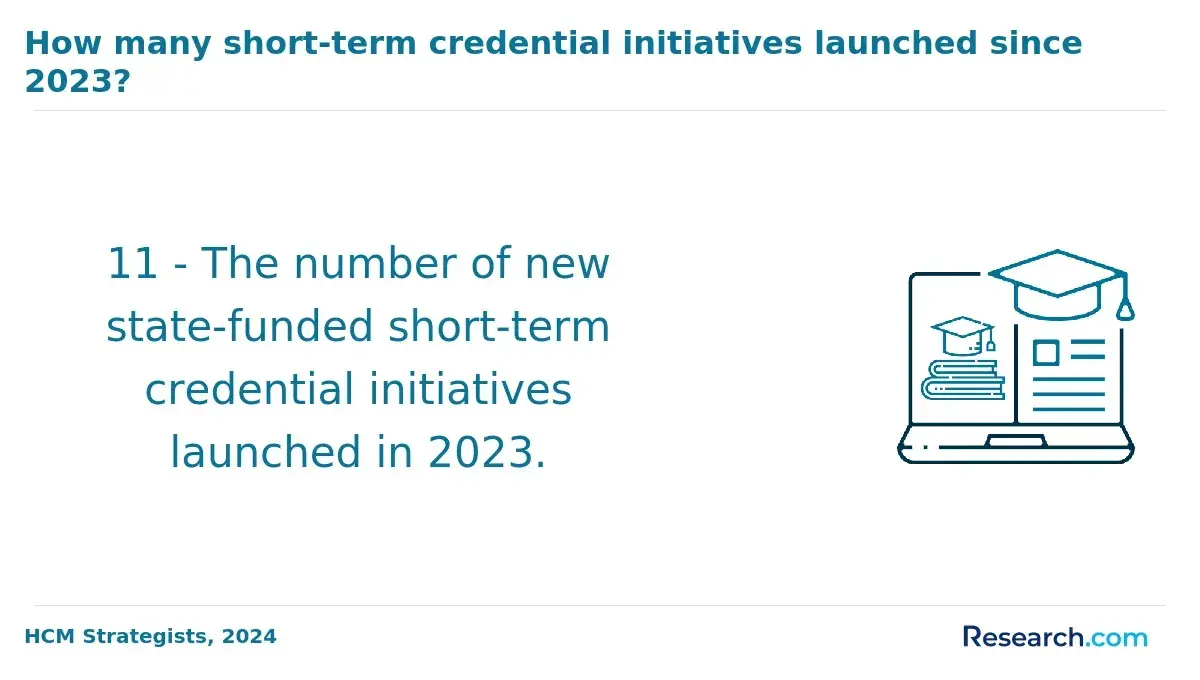
How Long Does It Take to Complete a Self-Paced Online Early Childhood Education Bachelor's Degree?
The time required to complete a self-paced online early childhood education bachelor’s degree depends mainly on how many credits you bring in, how quickly you complete assessments, and how many hours you can study each week. While many part-time students average four to six years, as reported by the National Center for Education Statistics, some students complete degrees in as little as two years by accelerating their studies. Others take longer because of work schedules, caregiving responsibilities, fieldwork availability, or financial aid pacing rules.
Factors that can shorten or extend your timeline
- Prior credits: Accepted transfer credits can reduce the number of courses remaining. General education, associate degree coursework, and relevant early childhood education classes may all help if they meet the school’s requirements.
- Weekly study time: Students who can consistently devote more hours to coursework usually finish faster. Students studying around full-time work and family obligations often need a slower pace.
- Prior learning assessments: Exams, portfolios, or evaluations of work experience can help students earn credit without repeating material they already know.
- Competency-based structure: Students with strong prior knowledge may move quickly through mastered content, but students who need more academic support may progress at a steadier pace.
- Field experience requirements: Practicum or student teaching placements can affect timing because they depend on school approval, placement availability, and state or program rules.
How to estimate your own completion time
Before enrolling, ask the school for a degree plan showing accepted credits, remaining requirements, practicum obligations, and the typical course load for students in your situation. Then compare that plan with your actual weekly availability. A realistic schedule is better than an aggressive plan that leads to burnout or financial aid complications.
A professional who enrolled in a self-paced program shared that managing studies alongside a full-time job and family responsibilities was challenging. He noted, “It wasn’t easy juggling everything, but being able to set my own pace made all the difference.” He also appreciated the opportunity to use prior work experience to bypass some coursework, saying, “That recognition saved me months.” His experience points to a common pattern: self-paced programs can save time, but only when students plan carefully and use support services early.
What Are the Admission Requirements for Self-Paced Online Early Childhood Education Bachelor's Degree Programs?
Admission requirements for self-paced online early childhood education bachelor’s degree programs vary by institution, but most schools look for evidence that applicants are ready for college-level writing, reading, math, and professional education coursework. Flexible enrollment does not eliminate academic standards, especially in programs connected to teacher preparation, field placements, or licensure.
- High school diploma or GED: Applicants typically need a high school diploma or GED. Some programs may offer conditional pathways for students finishing these credentials, but policies differ by school.
- Minimum GPA: Programs often require a minimum GPA between 2.0 and 2.5 on a 4.0 scale. More selective programs may expect stronger academic records, previous college success, or additional review materials.
- Prerequisite coursework: Students may need foundational classes in English, math, and introductory child development. Some programs allow these courses to be completed after admission, while others require them before entry into major coursework.
- Transfer transcripts: Applicants with prior college experience must usually submit official transcripts from every institution attended. These records determine transfer credit and academic standing.
- Background checks or fieldwork clearance: Programs involving work with children may require background checks, fingerprinting, immunization records, or site approval before practicum participation.
- Open or rolling admission: Many self-paced programs use flexible start dates, which can help working adults and returning learners begin without waiting for a traditional fall or spring semester.
How to strengthen your application
If your GPA is below the preferred range, ask whether the school considers professional childcare experience, recommendations, a personal statement, or successful completion of preparatory courses. If you already work in early childhood education, certifications, training records, and supervisor letters may help demonstrate readiness, though they do not automatically replace admission requirements.
Students comparing flexible credentials outside early childhood education may also review options such as bookkeeping certification online to understand how online admission rules and career-focused programs can differ across fields.
How Much Does a Self-Paced Online Early Childhood Education Bachelor's Degree Cost, and What Affects Tuition?
The cost of a self-paced online early childhood education bachelor’s degree depends on the school, tuition model, transfer credits, fees, and how quickly you complete the program. Many schools charge per credit hour, typically between $200 and $600. For a 120-credit program, that creates a total tuition range from $24,000 to $72,000 before fees, books, supplies, or other expenses. Some institutions instead use a flat-rate subscription model, where students pay a fixed monthly or term fee and may complete multiple courses during that period.
The cheapest option on paper is not always the cheapest option for your situation. A per-credit program may be predictable for part-time students. A subscription program may save money for students who can complete courses quickly, but it can cost more if work, family, or fieldwork delays slow progress.
| Cost factor | How it affects the final price | What to ask before enrolling |
| Per-credit tuition | Charges increase with each credit taken and may vary by institution, residency, and program type | What is the total cost for all remaining credits after transfer evaluation? |
| Subscription tuition | Students pay a flat fee for a term or month, which rewards faster completion | What happens financially if I complete fewer courses than planned? |
| Transfer credits | Accepted credits can reduce both time and tuition | How many credits will apply directly to my degree requirements? |
| Prior learning assessment | Credit for experience or exams can reduce course requirements | Are there PLA fees, portfolio fees, or exam fees? |
| Additional fees | Technology, proctoring, textbooks, software licenses, and materials can add hundreds or thousands of dollars beyond tuition | Can the school provide a full estimated cost of attendance? |
Public universities often offer lower rates for in-state residents, while private colleges usually charge higher tuition. However, online pricing does not always follow the same pattern as campus pricing, so students should compare the full program cost rather than assuming one school type will be cheaper.
A professional who completed her self-paced online early childhood education degree said the flexibility helped her balance work and school, but she had to budget carefully for exam proctoring and software access. “It wasn’t just tuition—I had to plan for all the extra costs that popped up along the way,” she reflected. Her experience highlights why students should review the full fee schedule, not only the advertised tuition rate.
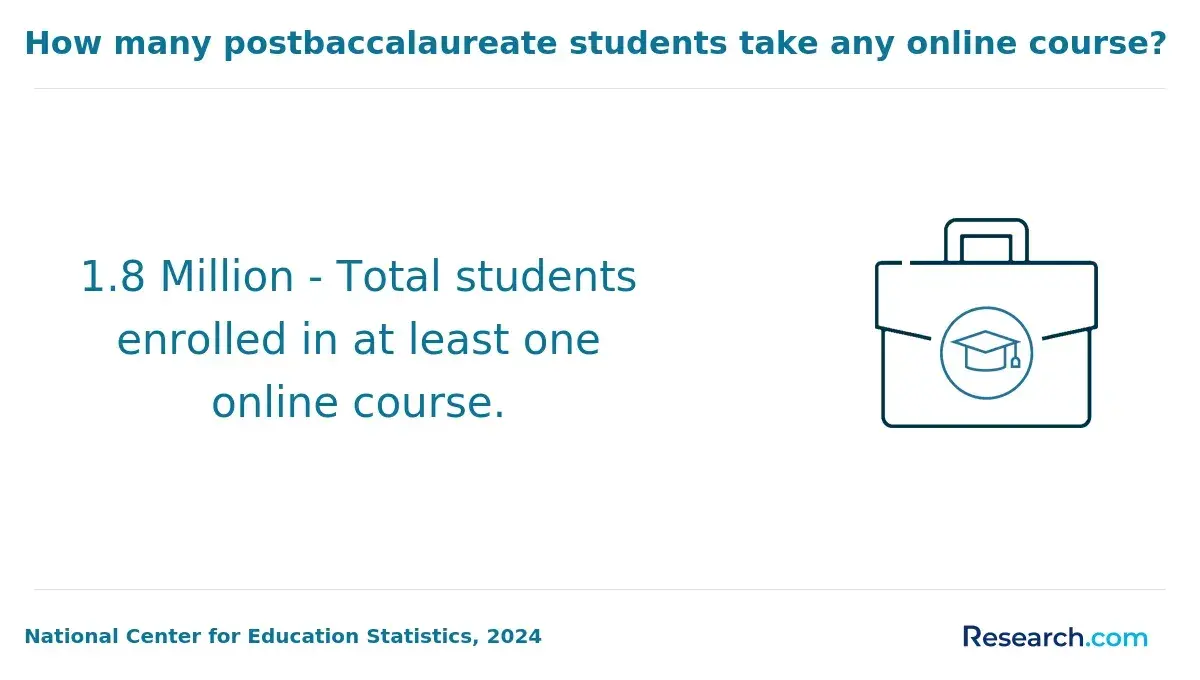
What Financial Aid Options Are Available for Self-Paced Online Early Childhood Education Bachelor's Programs?
Financial aid may be available for self-paced online early childhood education bachelor’s programs, but eligibility depends on the institution, accreditation, program structure, enrollment status, and how the school defines academic progress. Students should never assume that a flexible or competency-based program automatically qualifies for federal aid. Confirm FAFSA eligibility directly with the school’s financial aid office before enrolling.
Many eligible students use federal aid such as Pell Grants, Direct Loans, and Federal Work-Study when their programs meet federal standards. The College Board’s Trends in Student Aid report shows that undergraduate students typically receive about $14,500 annually from federal, state, and institutional aid combined, though actual awards vary by student, school, enrollment level, and program format. Some colleges also offer scholarships for online, adult, transfer, or non-traditional students. Professional organizations such as the National Association for the Education of Young Children (NAEYC) may offer targeted scholarships for students pursuing early childhood education degrees.
Because self-paced and competency-based formats may not follow a standard semester calendar, aid disbursement can work differently. Awards may be tied to credit-hour equivalents, completed competencies, academic progress checkpoints, or term structures. From 2018 to 2023, enrollment in fully online undergraduate programs grew by an average of 7% yearly, which makes it even more important for students to understand how aid policies apply to online learning.
- Federal aid: FAFSA-based aid may be available if the school and program meet federal requirements and the student meets eligibility rules.
- State grants: Some state aid programs depend on residency, institution type, enrollment intensity, or program approval.
- Institutional scholarships: Colleges may offer awards for transfer students, adult learners, education majors, or online students.
- Professional scholarships: Organizations such as NAEYC may provide support for students preparing for early childhood education careers.
- Employer tuition assistance: Current childcare workers should ask employers whether tuition reimbursement, scholarships, or professional development funds are available.
- Disbursement timing: Aid in self-paced programs may be released according to progress milestones rather than traditional academic terms.
Questions to ask the financial aid office
- Is this exact program eligible for FAFSA-based federal student aid?
- How are competencies converted into credit-hour equivalents?
- When is aid disbursed in a self-paced term?
- What pace must I maintain to keep aid?
- What happens to my aid if I pause, slow down, or fail an assessment?
How Do Competency-Based Education (CBE) Models Work in Self-Paced Online Early Childhood Education Programs?
Competency-based education (CBE) in self-paced online early childhood education programs measures progress by demonstrated mastery rather than by simply completing a set number of classroom hours. Students advance by passing assessments that may include exams, lesson plans, projects, portfolios, observations, case analyses, or performance tasks. In early childhood education, competencies may involve child development knowledge, classroom guidance, curriculum design, family engagement, assessment practices, and professional ethics.
The advantage of CBE is that students who already understand a topic may move through it quickly. The challenge is that students must be disciplined enough to study independently, prepare for assessments, and seek help before they lose momentum. Strong CBE programs do not leave students alone; they provide faculty feedback, mentors, academic coaching, and clear rubrics for each competency.
Two common CBE structures
- Direct assessment programs: Students earn credit based on demonstrated competencies rather than traditional seat time. These programs can offer significant flexibility but face more stringent regulatory oversight and are less common.
- Credit-hour-equivalent programs: Competencies are aligned with credit-hour equivalents for academic records, transfer, and financial aid purposes. This structure keeps the program closer to traditional higher education systems.
For financial aid eligibility, CBE programs must translate demonstrated mastery into credit hour equivalents or otherwise meet applicable federal requirements. This is why students should ask how the program documents progress, how often assessments are evaluated, and what academic progress standard applies.
Institutions offering self-paced online early childhood education degrees using CBE include Western Governors University, which uses performance assessments and faculty-reviewed portfolios with mentor support, and Southern New Hampshire University, which combines competency-based courses with regular instructor interaction and employer-recognized certifications. A recent study reports a 15% increase in enrollment in online competency-based degree programs between 2021 and 2023, showing growing interest in flexible degree models.
- Assessment-driven progress: Students move forward by proving competency through exams, projects, portfolios, or other evaluated work.
- Personalized pacing: Students may accelerate through familiar material and spend more time on new or difficult topics.
- Credit-hour conversion: Programs may map competencies to credit-hour equivalents for records and aid purposes.
- Faculty and mentor support: Effective programs provide clear feedback, coaching, and academic planning.
- Student fit: CBE works best for students who are organized, self-motivated, and comfortable learning without frequent live class meetings.
What Accreditation Should a Self-Paced Online Early Childhood Education Bachelor's Program Hold?
A self-paced online early childhood education bachelor’s program should be offered by an institution with recognized institutional accreditation. Accreditation affects financial aid eligibility, transfer credit, graduate school admission, employer recognition, and, in some cases, licensure pathways. It is one of the first items students should verify because a flexible program that lacks credible accreditation can become an expensive dead end.
In the U.S., regionally accredited early childhood education bachelor’s degrees have traditionally held the broadest acceptance among employers, graduate schools, and other colleges. The six regional accrediting bodies recognized by the U.S. Department of Education are the Middle States Commission on Higher Education (MSCHE), New England Commission of Higher Education (NECHE), Higher Learning Commission (HLC), Northwest Commission on Colleges and Universities (NWCCU), Southern Association of Colleges and Schools Commission on Colleges (SACSCOC), and Western Association of Schools and Colleges Senior College and University Commission (WSCUC).
Programmatic accreditation or recognition can also matter. Many reputable early childhood education programs look to standards from organizations such as the National Association for the Education of Young Children (NAEYC), which signals that the curriculum aligns with professional expectations in the field. Programmatic accreditation does not replace institutional accreditation, but it can add confidence that the degree is relevant to early learning practice.
Accreditation checks before enrolling
- Verify institutional accreditation: Confirm the school’s status through the U.S. Department of Education’s accreditation database and the Council for Higher Education Accreditation (CHEA) directory.
- Check programmatic recognition: Ask whether the early childhood education program follows NAEYC or other field-specific standards.
- Confirm transfer policies: Credits from non-accredited or less widely recognized institutions may not transfer easily.
- Ask about licensure alignment: If you plan to become a licensed teacher, confirm whether the program meets requirements in your state.
- Avoid vague claims: Phrases such as “recognized,” “approved,” or “career-ready” are not substitutes for verified accreditation.
Students comparing accreditation-sensitive online programs in other fields may find similar issues in resources such as aba approved online paralegal programs, where program recognition can also affect professional outcomes.
How Many Transfer Credits Can Be Applied Toward a Self-Paced Online Early Childhood Education Bachelor's Degree?
Self-paced online early childhood education bachelor’s programs often accept transfer credits, but each school decides how many credits apply and which requirements they satisfy. Transfer credit caps typically range from 60 to 90 semester hours. The number that matters is not simply how many credits are accepted by the university, but how many count toward your specific degree plan.
Many programs review general education courses, early childhood education classes, associate degree credits, and relevant electives. Credits from regionally accredited institutions are usually easier to transfer. Some schools also consider military training evaluated through American Council on Education (ACE) recommendations. Competency-based programs, such as those offered by Western Governors University, accept up to 90 transfer credits and may also use prior learning assessments to recognize existing knowledge.
Community college articulation agreements can be especially helpful. If a university has a formal agreement with a community college, an associate degree or specific course sequence may transfer more smoothly into the bachelor’s program. Without an agreement, credits may still transfer, but students may lose time if courses do not match degree requirements.
What to do before enrolling
- Request an official transfer evaluation: Do this before committing, not after enrollment, so you know your remaining requirements.
- Ask where each credit applies: Credits may transfer as electives but still leave major, fieldwork, or upper-division requirements unfinished.
- Review credit age limits: Some programs may limit older coursework, especially in professional or methods-based subjects.
- Confirm residency requirements: Schools often require students to complete a minimum number of credits through the degree-granting institution.
- Compare total remaining cost: A program with a higher transfer allowance may be cheaper overall than a lower-tuition program that accepts fewer credits.
Students seeking flexible and affordable degree-completion options may also compare the best value online interdisciplinary studies degrees, which sometimes include education-related pathways or specializations.
Can Students Earn Credit Through Prior Learning Assessment in Self-Paced Online Early Childhood Education Programs?
Yes. Prior Learning Assessment (PLA) can allow students in self-paced online early childhood education programs to earn academic credit for college-level learning gained outside a traditional classroom. This may include professional childcare experience, military training, workplace training, industry certifications, volunteer work, or independent study. PLA can reduce both cost and time to degree, but it is not automatic. Students must document and prove that their learning matches specific course outcomes.
Common PLA methods include portfolio review, challenge exams, and standardized tests such as CLEP and DSST. Institutions like Western Governors University and Southern New Hampshire University offer some of the most flexible and affordable PLA options, allowing students to apply up to 30-50% of their degree requirements via prior learning. The American Council on Education (ACE) also supports credit recommendations for military and workforce training, which can help service members and working adults convert verified training into college credit.
According to the Council for Adult and Experiential Learning, 70% of adult learners who utilize PLA earn credits that accelerate degree completion, enhancing affordability.
Types of prior learning credit
- Portfolio review: Students submit evidence such as work samples, training records, reflective essays, supervisor letters, and documentation tied to course competencies.
- Challenge exams: Students take an exam to prove mastery of a course’s learning outcomes without completing the full class.
- CLEP and DSST exams: Standardized exams may apply to general education or elective requirements, depending on school policy.
- ACE credit recommendations: Military and workplace training evaluated by ACE may be accepted by participating institutions.
- Professional certifications: Some certifications or training programs may be reviewed for credit if they align with degree requirements.
How to maximize PLA credit
Start the PLA process early. Ask for written policies on credit limits, fees, accepted documentation, appeal options, and how PLA credits appear on the transcript. A strong portfolio should connect experience to measurable learning outcomes, not simply describe job duties. For example, a childcare worker should show how their experience demonstrates knowledge of child development, observation, family communication, classroom routines, or inclusive practice.
What Concentrations or Specializations Are Available in Self-Paced Online Early Childhood Education Bachelor's Programs?
Self-paced online early childhood education bachelor’s programs may offer concentrations that prepare students for different roles in schools, childcare centers, family services, administration, or special education. The right specialization depends on your career goal, state requirements, willingness to complete fieldwork, and whether you want to pursue licensure.
| Concentration | Common focus | Possible career direction | Salary information stated |
| Child Development and Family Studies | Child behavior, family systems, development, and support services | Family advocate or child life specialist; licensure generally is not necessary, though internships improve hiring prospects | Median salaries hover around $48,000 |
| Early Childhood Special Education | Developmental challenges, inclusive practice, individualized support, and intervention | Special education teacher roles; state licensure, certification exams, and practicum experience are commonly required | About $60,000 annually |
| Curriculum Planning and Instruction | Teaching methods, lesson planning, assessment, and classroom leadership | Lead preschool or elementary teacher pathways; state certification and student teaching are common prerequisites | Median pay near $58,000 |
| Administration and Leadership in Early Education | Program management, budgeting, staffing, compliance, and center operations | Director or coordinator roles; leadership credentials may be preferred | Typically earning close to $75,000 |
| Early Childhood Literacy and Language Development | Early literacy, language acquisition, reading support, and intervention strategies | Specialist or interventionist roles; certification needs vary by state | Median salaries range from $50,000 to $57,000 |
How to choose a specialization
- If you want classroom teaching: Prioritize programs that clearly explain licensure alignment, student teaching, and state certification requirements.
- If you want childcare leadership: Administration and leadership may be more relevant than a classroom-focused track.
- If you want to work with children with disabilities: Early childhood special education may offer the strongest fit, but it often comes with additional fieldwork and licensure expectations.
- If you want family or community roles: Child development and family studies may provide a broader non-licensure path.
- If you want faster completion: Ask whether the concentration adds practicum hours, specialized courses, or certification requirements that could extend your timeline.
Because requirements vary by state and employer, students should confirm whether a concentration leads to the role they want before choosing it. A specialization can strengthen a resume, but it should align with the actual credential, license, or experience expected in your target job market.
What Graduates Say About Self-Paced Online Early Childhood Education Bachelor's Degree Programs
Graduate experiences often point to the same pattern: self-paced programs can work well for motivated students who need flexibility, but the format requires planning, budgeting, and consistent effort. The comments below highlight common benefits such as affordability, career mobility, and the ability to keep working while studying.
-
: "Choosing a self-paced online early childhood education bachelor's degree was a game-changer for me because I needed the flexibility to balance work and studies. The affordability of the program truly stood out, making it a feasible investment in my future without burdening me with debt. Since graduating, I've been able to advance into leadership roles at my childcare center, and the knowledge I gained has made a real impact on my teaching strategies.
— Azai"
-
: "Reflecting on my experience, the decision to pursue a self-paced online early childhood education degree was driven by my desire to learn at my own rhythm while maintaining my full-time job. Cost was a crucial consideration, and this program offered quality education that fit within my budget. Professionally, completing this degree has opened doors to specialized certifications and improved my confidence in supporting diverse learners.
— Russell"
-
: "I approached the self-paced online early childhood education bachelor's degree program with a clear goal-to establish a solid foundation for my career in education without sacrificing my present responsibilities. The program's competitive pricing made it accessible, and the autonomy it provided kept me motivated throughout. Now, armed with a degree, I've secured a position in a reputed school and feel empowered to influence early learning positively.
— Christian"
Other Things You Should Know About Early Childhood Education Degrees
Yes, students typically need a reliable high-speed internet connection, a computer with updated operating systems, and specific software like video conferencing tools to participate effectively in a 2027 self-paced online Early Childhood Education bachelor's degree program.
Yes. Most accredited programs require supervised practicum or student-teaching hours, often 120 to 300 hours total, completed in approved early childhood settings. Programs usually require a criminal background check, site approval, and a cooperating teacher or mentor before field placement begins.
References
- What Is Competency-Based Education? A Beginner’s Guide for Students | Rasmussen University https://www.rasmussen.edu/student-experience/college-life/what-is-competency-based-education/
- Types of Financial Aid for Online Colleges https://www.umassglobal.edu/blog-news/types-financial-aid-online-colleges
- PLA: Earn Credit Through Prior Learning Assessment | UAGC https://www.uagc.edu/admissions/non-traditional/pla
- 10 Key Components of a Competency-Based Education Program https://www.openlms.net/blog/education/10-key-components-competency-based-education-program/
- Exploring Early Childhood Education Bachelor's Degree Online: A Comprehensive Guide https://www.worldwondersgardens.co.uk/blog/Exploring_Early_Childhood_Education_Bachelors_Degree_Online_A_Comprehensive_Guide.html
- Accreditation Overview - Association for Early Learning Leaders https://www.earlylearningleaders.org/accreditation/accreditation-overview/
- How Long Does Early Childhood Education Take? - CDI College Online https://www.cdicollege.ca/study-online/community/news/how-long-does-early-childhood-education-take/
- Online Colleges for Early Childhood Education https://www.educba.com/online-colleges-for-early-childhood-education/
- How do I earn my online Bachelor's degree in Early Childhood Education? https://www.onlineschoolscenter.com/online-bachelors-degree-early-childhood-education/
- Can You Accelerate Your Degree With Previous ECE Experience? https://www.nscece.com/plar