2027 Hybrid vs Fully Online Early Childhood Education Bachelor's Degree Programs

Co-Founder and Chief Data Scientist
Imagine a working parent living in a rural area, balancing a demanding job with childcare responsibilities, as they consider enrolling in an early childhood education bachelor's degree. The choice to attend classes fully online offers unmatched flexibility but limits direct interaction with instructors and peers. Alternatively, a hybrid program requires occasional campus visits, providing access to practical labs and networking but complicating scheduling and travel.
According to recent studies, over 60% of online early childhood education students cite hands-on experience and peer collaboration as critical to their success. This article explores the differences between hybrid and fully online formats, guiding prospective students to select the best fit for their goals and lifestyles.
Key Benefits of Hybrid vs Fully Online Early Childhood Education Bachelor's Degree Programs
- Hybrid programs offer increased learning flexibility by combining online coursework with scheduled in-person sessions, accommodating diverse student availability better than fully online options.
- In-person interaction in hybrid programs enhances practical skill development and networking opportunities, which fully online programs often lack, impacting hands-on experience critical to early childhood education.
- Fully online programs provide greater convenience for balancing education with work and family, with 42% of students reporting improved time management compared to hybrid peers.
What is a hybrid vs. a fully online early childhood education bachelor's degree?
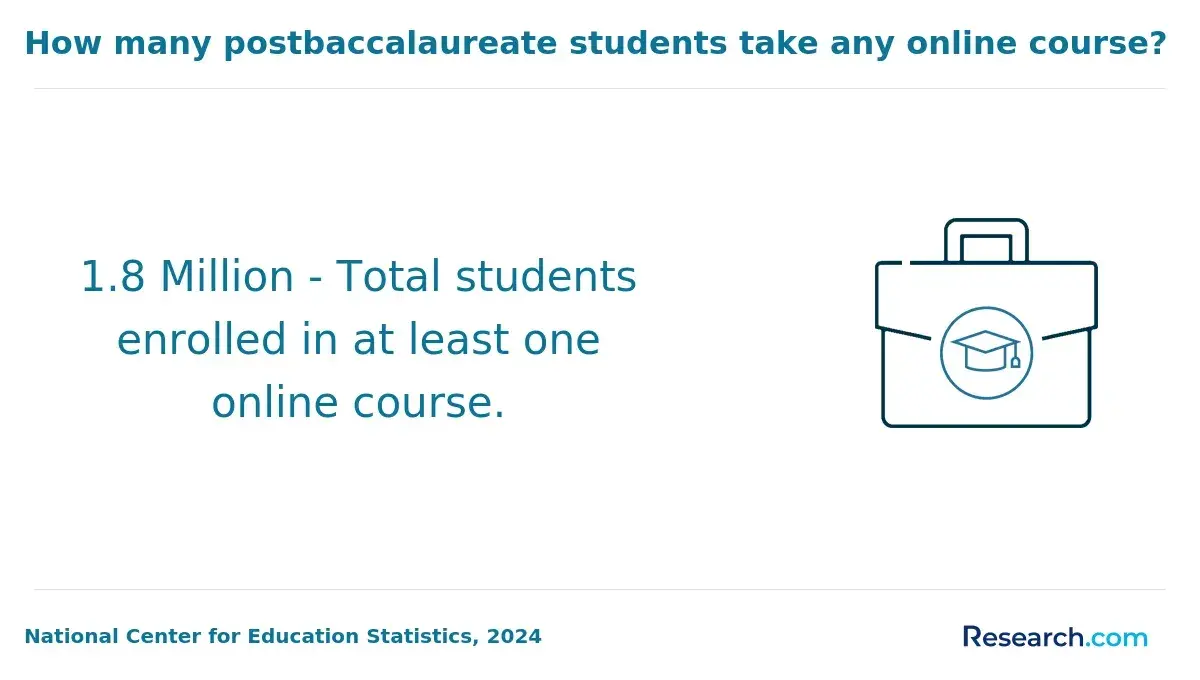
Hybrid and fully online early childhood education bachelor's degree programs differ primarily in their delivery methods, in-person interaction, and overall learning structure. The National Center for Education Statistics reports that about 40% of undergraduate students have taken at least one online course recently, highlighting the rising trend of flexible learning options. Below is a breakdown of key distinctions between these two learning formats.
Hybrid Programs
- Coursework combines online learning with scheduled in-person sessions for lectures, labs, or fieldwork, offering a balanced educational environment.
- Students must plan for onsite class attendance alongside meeting online deadlines, blending flexibility with campus engagement.
- The format encourages immediate feedback and networking opportunities through face-to-face interaction with instructors and peers.
- Hands-on activities and traditional classroom dynamics are better supported, making it ideal for those who value direct engagement.
Fully Online Programs
- All instruction, assignments, and assessments are conducted through digital platforms without any on-campus requirements.
- Students enjoy maximum flexibility, often able to access coursework at any time that suits their schedules.
- Interaction happens primarily via digital forums, video conferencing, and email, emphasizing independent learning.
- The program relies on virtual tools that support self-directed study and adaptability to diverse lifestyle needs.
Prospective students weighing hybrid early childhood education bachelor's degree programs against fully online early childhood education bachelor's degree options should consider their learning preferences and life commitments. For those seeking a concise advanced credential with flexible online options, explore 1 year master programs that complement these bachelor's degree paths.
How does a hybrid vs. a fully online early childhood education bachelor's degree program work?
Both hybrid and fully online early childhood education bachelor's degree programs follow clearly structured academic pathways designed to deliver essential knowledge and skills. The primary difference lies in how coursework is delivered and how students engage with instructors and classmates.
According to the National Center for Education Statistics, over 40% of undergraduate students were enrolled in at least one online course in recent years, signaling significant growth in remote learning options across higher education. Below is a comparison of the hybrid early childhood education bachelor's degree program structure versus the fully online format.
Hybrid Programs
- Class delivery is divided between scheduled on-campus meetings and online components accessed via a learning management system.
- Students attend some lectures, labs, or seminars in person during designated days or weekends.
- Online portions include video lectures, assignment submissions, and discussion forums that complement on-site activities.
- Instructors facilitate engagement both live and virtually, encouraging collaboration among peers through mixed-group projects.
- Communication occurs via email, video conferencing, and face-to-face meetings, allowing more immediate feedback during in-person sessions.
Fully Online Programs
- All coursework, lectures, and exams take place online through a centralized virtual learning environment.
- Students study asynchronously, accessing materials and completing assignments on their own schedule within set deadlines as part of the fully online early childhood education bachelor's degree learning format.
- Live sessions, when offered, are optional and conducted via video conferencing tools to simulate real-time discussions.
- Peer interaction is fostered through online forums, group chats, and collaborative document editing.
- Communication with instructors is primarily through email, messaging systems, and scheduled virtual office hours.
For students exploring remote learning options in related fields, programs such as the most affordable online counseling degrees also utilize similar delivery methods that blend flexibility with academic rigor.
Are admission requirements different for hybrid and fully online early childhood education bachelor's degrees?
Admission requirements for hybrid and fully online early childhood education bachelor's degrees generally align closely, reflecting similar academic standards. Yet, slight variations emerge due to delivery formats and institutional policies. The following points highlight key distinctions between the two program types.
- Technical Requirements: Fully online programs typically mandate proof of dependable internet access, a personal computer, and comfort with virtual learning tools. Hybrid programs expect similar preparedness but often place less emphasis on extensive home technology since some sessions happen on campus.
- Application Materials: Hybrid applicants may need to provide additional documentation like campus visit confirmations or proof of local residency, which fully online candidates rarely require. In contrast, fully online programs might request verification methods suited to remote testing, such as identity authentication or proctoring arrangements.
- Academic Qualifications: Both formats usually call for a high school diploma or equivalent and relevant standardized test scores if needed. Hybrid degrees might prefer candidates with experience supporting hands-on or collaborative environments, while fully online programs offer more leniency in completing prerequisites.
- Program-Specific Prerequisites: Due to in-person practicum elements, hybrid programs often require upfront background checks or immunization records. Fully online tracks generally allow students to fulfill these requirements later during their coursework.
- Admissions Deadlines: Hybrid programs might impose stricter cutoff dates tied to on-campus scheduling, whereas fully online programs tend to provide more flexible enrollment windows, accommodating students who need rolling or multiple start options.
A student enrolled in a fully online early childhood education bachelor's degree shared that navigating the admissions process felt smoother in terms of timeline flexibility but required extra attention to verifying identity for remote exams. She mentioned, "Getting through technical checks wasn't difficult, but I had to coordinate with the school to set up remote proctoring, which was new for me."
Balancing these distinct requirements helped her appreciate how online programs are designed to support remote learners without sacrificing academic integrity. She noted that while the process was sometimes a little more complex than traditional admissions, the ability to manage everything digitally fit well with her busy lifestyle.
Hybrid early childhood education bachelor's programs combine face-to-face sessions with online coursework, offering a balanced approach to learning. This format enables direct interaction with instructors and classmates, which enhances engagement through real-time discussions and prompt feedback.
Students also experience hands-on activities and group projects that foster practical skills essential to the field. Access to campus amenities like libraries and academic support further enriches the learning environment. However, managing both in-person attendance and online responsibilities demands strong organizational skills, which may be difficult for some learners.
Fully online early childhood education bachelor's degrees emphasize flexibility, making them suitable for students juggling other commitments. Communication primarily relies on virtual tools such as discussion forums, video conferencing, and emails, which may limit spontaneous exchanges but encourage reflective participation.
These programs usually provide extensive multimedia content and virtual simulations that support the curriculum effectively. Although lacking physical classroom interaction might reduce immediate hands-on learning, some courses offer virtual practicums or community-based experiences to compensate. The format generally benefits self-disciplined students comfortable with independent study in a digital setting.
Hybrid early childhood education bachelor's degree programs offer a balance between online coursework and mandatory on-campus activities. These programs usually require students to participate in practical sessions such as student teaching, labs, or group projects, which can limit full scheduling flexibility due to fixed in-person commitments.
While students can complete theoretical parts online, the need to attend scheduled on-site sessions means studying entirely at one's own pace is challenging. This format suits those who want some flexibility but still value hands-on experiences. When weighing flexibility comparison hybrid versus fully online early childhood education degree options, hybrid programs fit those needing a mix of structure and remote study.
Fully online early childhood education bachelor's degree programs provide the most scheduling freedom by allowing remote access to all learning materials and offering mainly asynchronous coursework. This means students can view lectures, complete assignments, and engage in discussions without fixed times, helping those balancing education with work or family responsibilities.
According to a 2023 survey by the National Center for Education Statistics, about 65% of online students cited flexible scheduling as their main reason for choosing online education. For individuals representing the advantages of flexible online early childhood education bachelor's programs, fully online formats allow independent time management and eliminate commuting hassles. Prospective students interested in exploring flexible degree options further may also find value in resources like the best masters in data science online.
Although hybrid and fully online early childhood education bachelor's degree programs follow comparable academic standards, they differ in how students pace their studies and manage their time due to the mode of course delivery. Data from the National Center for Education Statistics shows that online postsecondary students typically devote about 14 hours per week to their coursework, though this can vary depending on the program structure. These distinctions shape how students balance their responsibilities and navigate their learning schedules.
In hybrid early childhood education programs, students divide their workload between scheduled in-person sessions and online coursework. These classes often require attendance at on-campus or regional locations for labs, practicums, or face-to-face discussions, providing a structured routine.
This balance of physical meetings alongside digital assignments can help students maintain a consistent pace throughout the semester, as the fixed class times encourage regular study habits. However, this format may offer less flexibility for those juggling unpredictable personal or professional commitments.
Fully online early childhood education programs emphasize asynchronous learning, where students engage with lectures, discussions, and assignments on their own schedules. This setup demands significant self-discipline and proactive planning, as workload generally concentrates around assignment deadlines rather than fixed class meetings.
Such flexibility benefits learners managing work or family obligations but can be challenging for individuals who prefer more external guidance and routine. Overall, these variations highlight important considerations for students choosing a program aligned with their lifestyle and learning preferences.
Tuition structures for hybrid and fully online early childhood education bachelor's degree programs vary widely depending on institutional policies, credit requirements, and additional fees. Data from the National Center for Education Statistics shows that fully online programs generally have slightly lower tuition rates per credit hour compared to hybrid formats.
- Per-Credit Costs: Fully online programs often charge less per credit hour due to reduced overhead costs like classroom maintenance. Hybrid programs typically require access to physical facilities, which can increase per-credit prices.
- Technology and Campus Fees: Students in hybrid formats may encounter campus-based fees or technology surcharges to support on-site resources. Fully online learners generally face fewer or lower ancillary fees, reflecting their remote mode of study.
- Residency and Facility Charges: Hybrid degrees often mandate in-person practicum hours or campus visits, which may come with additional costs such as parking, lab usage, or facility maintenance fees. These charges are usually not required for online-only students.
- Payment Flexibility: Fully online programs commonly offer flexible payment plans or subscription-based tuition options. This can make managing tuition payments easier, compared to some hybrid programs with less adaptable payment structures.
- Credit Requirements: Hybrid degrees sometimes include more in-person practicum credits, potentially increasing overall costs, especially if fees apply to these hands-on sessions.
When asked about tuition, a graduate from a hybrid early childhood education bachelor's degree shared that balancing the unexpected fees was challenging but manageable. "The upfront tuition seemed reasonable, but extra costs like parking permits and lab fees added up faster than I expected," he explained.
He also noted that coordinating payment for practicum sessions involved detailed budgeting and communication with the school's financial office. Despite these hurdles, he felt the hybrid format offered hands-on experiences that justified the added expenses, reflecting the need to weigh cost against educational benefits when deciding between hybrid and online options.
Employer perceptions of hybrid and fully online early childhood education bachelor's degrees have evolved significantly as online education gains widespread acceptance. Surveys from organizations like the National Association of Colleges and Employers (NACE) report that about 82% of employers now regard online degrees from accredited schools as comparable to on-campus degrees. This shift impacts how hiring managers view hybrid versus fully online credentials in early childhood education, leading to nuanced preferences.
- Hands-On Experience: Employers often favor hybrid programs because the blend of online coursework and in-person practicum provides direct engagement with classroom settings. This practical experience reassures employers about graduates' readiness to handle real teaching environments.
- Technology & Adaptability: Fully online degrees have gained credibility due to advances in virtual learning and practicum arrangements. Some employers appreciate the high self-motivation and adaptability these programs require, qualities valuable in education careers.
- Regional Differences: Urban employers with multiple early childhood education programs tend to be more comfortable with fully online degrees, while those in rural or traditional areas may still prefer the hybrid model for its face-to-face components.
- Valuing Competencies: Increasingly, employers prioritize accreditation, relevant experience, and demonstrated competencies rather than focusing solely on the delivery mode of early childhood education bachelor's degree programs.
- Job Market Views: The evolving job market views on fully online versus hybrid early childhood education degrees show a narrowing preference gap, highlighting the growing legitimacy of online learning pathways.
Prospective students weighing their options should consider not only employer preferences but also their own scheduling needs and learning styles. For those interested in exploring affordable programs with flexible formats, information on online real estate degrees may offer insights into the broader landscape of online education affordability and accessibility.
The decision between hybrid and fully online formats for early childhood education bachelor's degree programs largely depends on each student's learning preferences, the flexibility they need in their schedules, and their lifestyle demands. Both formats offer unique benefits that cater to different types of learners and situations. Understanding who benefits most from each format can help students choose the best path for their educational success.
- Preference for In-Person Interaction: Students who appreciate occasional face-to-face discussions and hands-on experiences tend to thrive in hybrid early childhood education bachelor's degree programs benefits. This balance of online and on-campus engagement supports deeper connections and practical learning.
- Structured Schedule Seekers: Those who need a consistent routine with scheduled classes and campus visits often find hybrid formats more motivating and easier to manage alongside other responsibilities.
- Work and Family Balancers: Hybrid programs suit learners who juggle work or family duties but can commit to occasional campus attendance, giving them the chance to engage directly without sacrificing flexibility entirely.
- Maximum Flexibility Required: Fully online programs are ideal for students demanding total schedule freedom due to unpredictable jobs or caregiving roles. This format allows studying anytime and anywhere, fitting around life's complexities.
- Remote Location Residents: Those living far from educational centers or in rural areas benefit from fully online early childhood education bachelor's degree advantages, eliminating the need for long commutes or relocation.
- Self-Motivated Independent Learners: Students who excel at managing their own time and thrive on autonomous study often prefer fully online programs, where self-discipline is key to success.
For those investigating their educational options further, this most useful masters degrees resource offers valuable insights into in-demand programs and trends in education fields.
Strategies for success vary between hybrid and fully online early childhood education bachelor's degree programs due to their differing formats and interaction levels. While hybrid programs combine on-campus and online elements, fully online courses rely entirely on virtual engagement. The following strategies help students thrive in both settings, tailored to their unique demands.
- Organizational Skills: Hybrid learners benefit from scheduling campus visits alongside online study sessions, requiring strong planning to keep up with mixed-format demands. Fully online students must establish routines that prioritize consistent daily work without physical prompts.
- Active Participation: Engaging in face-to-face discussions and hands-on activities enhances hybrid students' understanding and networking. Conversely, online learners should regularly contribute to discussion boards and virtual projects to stay connected with peers and instructors.
- Time Management: Hybrid students juggle travel and attendance with coursework, so effective calendar use is vital. Fully online students need to set aside uninterrupted blocks of time to avoid procrastination and maintain steady progress.
- Digital Tool Use: Hybrid students may rely on learning management systems for accessing materials between campus visits, while fully online students depend heavily on video conferencing and collaboration platforms to engage actively.
- Goal Setting and Feedback: Setting clear study objectives and promptly seeking instructor feedback support success in both formats by steering focus and improving understanding.
- Dedicated Workspace: Creating a distraction-free environment at home helps all students concentrate, with hybrid learners adapting to varied study locations and online learners fostering a virtual community to counter isolation.
What Graduates Say About Hybrid vs Fully Online Early Childhood Education Bachelor's Degree Programs
- Azai: "Choosing a fully online early childhood education bachelor's program allowed me to balance my work and family commitments effectively. The flexibility to attend lectures and complete assignments on my own schedule made the entire learning experience manageable and rewarding. Now, as a professional, I appreciate how this degree has enhanced my ability to create inclusive learning environments for young children."
- Russell: "The hybrid program gave me the perfect mix of face-to-face interaction and online convenience, which suited my learning style perfectly. Navigating coursework alongside in-person practicums strengthened both my theoretical knowledge and practical skills. Pursuing this degree has opened doors to leadership roles in early childhood centers, and I'm confident it will continue to impact my career growth."
- Christian: "At first, I was hesitant about enrolling in an online early childhood education bachelor's degree, but the structured virtual classes and dedicated faculty support transformed my perspective. The experience taught me self-discipline and adaptability, skills that are invaluable in early childhood settings. Completing this program online has not only advanced my career but also inspired me to advocate for accessible education pathways."
Other Things You Should Know About Early Childhood Education Degrees
In hybrid early childhood education programs, practicum experiences may be coordinated more closely with the in-person components, potentially offering easier access to local classrooms for observation and instruction. Fully online programs arrange practicum or student teaching placements independently, often requiring students to find cooperating schools near their residence. Both formats mandate supervised fieldwork to meet licensure or certification standards but may differ in how support and supervision are delivered.
Accreditation standards generally apply equally to both hybrid and fully online early childhood education bachelor's degrees, with accrediting bodies focusing on curriculum quality, faculty qualifications, and student outcomes rather than delivery format. Regional and programmatic accreditors ensure that both types of programs meet professional and educational benchmarks required for licensure and employment. Students should verify that any program, regardless of format, holds proper accreditation relevant to early childhood education.
Most accredited early childhood education bachelor’s programs require about 120 to 600 supervised field-experience hours, including classroom observation and student teaching. Hybrid formats usually schedule some hours on campus or in local partner schools, while fully online programs place those hours near the student’s home under approved supervision.
- Top 10 tips on how to make hybrid education work for your child https://world-schools.com/top-10-tips-on-how-to-make-hybrid-education-work-for-your-child/
- Cost of Online Education vs. Traditional Education [2025]: Comparison https://educationdata.org/cost-of-online-education-vs-traditional-education
- How to Get a Bachelor's in Early Childhood Education Online | NU https://www.nu.edu/blog/how-to-get-a-bachelors-degree-early-childhood-education-online/
- Best Online Classes for Early Childhood Education: What to Know | Miller-Motte College https://www.miller-motte.edu/blog/education/best-online-classes-for-early-childhood-education/
- Hybrid Programs: Structure, Benefits, and What to Evaluate https://www.tshanywhere.org/post/hybrid-programs-structured-learning
- Compare Online vs Hybrid Diplomas in Early Childhood Education â Start Your Path Today! https://www.apextraining.edu.au/post/choosing-early-childhood-diploma-online-vs-hybrid-learning
- Difference between Hybrid, Online & In-Class Degree Programmes | BSBI https://www.berlinsbi.com/blog/what-is-the-difference-between-hybrid-online-and-in-class-degree-programmes
- Accelerated Early Childhood Education Degree Online: Navigating the Path to a Rewarding Career https://www.worldwondersgardens.co.uk/blog/Accelerated_Early_Childhood_Education_Degree_Online_Navigating_the_Path_to_a_Rewarding_Career.html
- BA (Hons) Early Childhood Studies Online | University of East London https://www.uel.ac.uk/undergraduate/courses/ba-hons-early-childhood-studies-online
- Hybrid Programs- Which Students Want Them? https://encoura.org/resources/wake-up-call/hybrid-programs-which-students-want-them