2027 Online Early Childhood Education Bachelor's Degree Completion Programs for Working Adults

Co-Founder and Chief Data Scientist
Balancing work, family, and education can leave many adults feeling stuck when attempting to finish a bachelor's degree in online early childhood education. Approximately 45% of working adults with some college credits never complete their degrees, often due to rigid program structures and limited transfer policies. Online degree completion programs aim to address these barriers by offering flexible schedules and credit evaluations tailored to adult learners' unique needs. This article examines the design, accreditation, credit transfer, tuition, and outcomes of top online early childhood education bachelor's degree completion programs to help prospective students identify the best fit for advancing their careers effectively.
Key Benefits of Online Early Childhood Education Bachelor's Degree Completion Programs for Working Adults
- Online early childhood education bachelor's degree completion programs offer flexible scheduling designed for working adults balancing careers and studies without relocating or reducing work hours.
- Fully asynchronous coursework allows learners to study at their own pace, accommodating demanding work schedules while maintaining full-time income and minimizing financial disruption.
- These programs enable faster graduation by accepting transfer credits and prior learning assessments, accelerating completion compared to starting a traditional four-year degree.
What Are Online Early Childhood Education Bachelor's Degree Completion Programs, and Who Are They Designed For?
Online early childhood education bachelor's degree completion programs are tailored for adults who have accumulated some college credits but have not yet finished their undergraduate degree. Unlike traditional four-year bachelor's degrees, these programs concentrate on the final portion of the degree, allowing students to transfer prior coursework and complete the remaining credits in an accelerated, flexible format. According to the National Center for Education Statistics (NCES), over 36 million Americans have some college experience but no credential, representing the primary audience for these programs. This pathway is especially valuable for those seeking the best online early childhood education bachelor's degrees for transfer students who want to leverage their existing credits efficiently.
These completion programs emphasize a structure that supports working adults through online or hybrid classes, making balancing work and family commitments more manageable. Key features include an accelerated format, with compressed course schedules enabling faster completion; generous transfer credit policies that reduce redundancy and cost; and flexible course delivery designed around busy professional lives. As bachelor's degrees become increasingly required for jobs that once demanded less formal education, the growth of these programs reflects their role as practical, accessible pathways to career advancement for adult learners. Those interested in further education may also explore options like one year masters programs online for continued professional development.
- Target Audience: Adults with some college credits, including community college transfers, military veterans, and mid-career professionals seeking to complete a degree while managing work and family.
- Accelerated Format: Compressed course schedules allow for quicker completion compared to traditional four-year programs.
- Transfer Credit Policies: High acceptance of previous coursework reduces time and cost, focusing on specialized early childhood education courses.
- Flexible Delivery: Online and hybrid options make learning accessible without the need for on-campus attendance.
How Do Online Early Childhood Education Degree Completion Programs Differ From Traditional Four-Year Early Childhood Education Bachelor's Degrees?
Online early childhood education degree completion programs cater specifically to adults who have accumulated approximately 60 college credits, often through community colleges or other postsecondary experiences. Unlike traditional bachelor's degrees, which require completing roughly 120 credits starting from foundational coursework, these completion programs welcome extensive transfer credit acceptance in online early childhood education bachelor programs, allowing students to focus on finishing the remaining 60-70 credits efficiently.
- Credit Requirements: Completion programs reduce the total credits needed by recognizing prior coursework, easing the pathway to graduation. Traditional degrees, on the other hand, require a full curriculum of both general education and major-specific courses.
- Curriculum Sequencing: Completion programs often substitute some general education requirements with life-experience credits or competency-based assessments, which map well to adult learners balancing work and study. Traditional bachelor's curricula usually follow a fixed sequence, emphasizing campus-based semester progressions.
- Time to Completion: For students transferring in 60 or more credits, completion programs are designed to be finished in 1 to 2 years of full-time study, compared to about four years for a full traditional bachelor's degree. IPEDS data reflects that while per-credit tuition rates may be comparable or slightly higher for completion programs, the overall cost tends to be lower due to fewer required credits.
- Curriculum Mapping and Flexibility: Completion degrees utilize flexible schedules and online delivery to accommodate working adults. Recognition of prior learning and competency assessments make these programs attractive for those balancing career and education.
Students evaluating these pathways must consider practical trade-offs in cost, time, and transfer credit policies to align their choice with individual academic and career goals. For those seeking a related professional route, exploring options in online clinical mental health counseling may offer complementary opportunities within the education field.
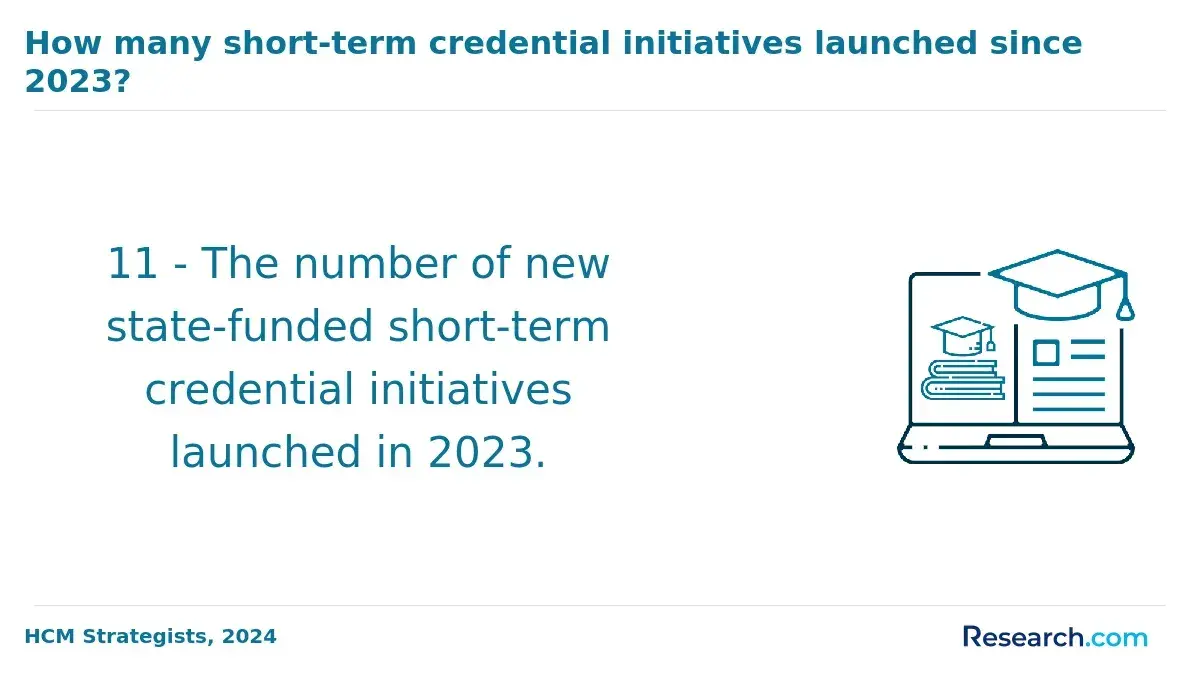
2026 Update: Field Experience and Licensure Planning for Working Adults
For 2026, this guide was updated to emphasize how online early childhood education completion programs handle in-person requirements, especially for adults already working in childcare, preschool, or school settings.
- Whether supervised field hours can be completed at your current workplace
- If student teaching, practicum, or internship placements must meet state-specific rules
- Whether the program leads to teacher licensure, childcare director credentials, or non-licensure career paths
- How early you must secure background checks, fingerprinting, or site approvals
- Whether evening, weekend, or split-placement options are available for working adults
- How the university supports students who live outside the institution’s home state
Checking these details before enrolling helps students avoid delays and choose a program that fits both their work schedule and long-term early childhood education goals.
- Fort Hays State University: This public university in Kansas offers a uniform online tuition rate of about $218 per credit hour, with no difference between in-state and out-of-state students. Fully accredited by the Higher Learning Commission (HLC), the program aligns with state licensure standards for early childhood education. It supports transfer credits and prior learning assessments, making it well-suited for working adults.
- Minot State University: Based in North Dakota and also HLC accredited, Minot State charges $230 per credit hour uniformly for all online learners. Its early childhood education curriculum carries specialized accreditation from the National Association for the Education of Young Children (NAEYC), ensuring adherence to rigorous educator preparation benchmarks.
- Western Governors University: WGU uses a flat-rate tuition model of roughly $3,500 per term instead of per credit hour, simplifying cost planning. Accredited by the Northwest Commission on Colleges and Universities (NWCCU), WGU's early childhood education program includes NAEYC recognition and emphasizes competency-based progression. Transfer-friendly policies and flexible pacing accommodate adult learners with professional commitments.
- University of North Dakota: UND offers an online bachelor's completion pathway with tiered tuition: approximately $369 per credit for residents and $614 for non-residents. Accredited by the HLC, the program is also NAEYC-approved, providing credible training with flexible scheduling and support for transfer students.
Wichita State University: Charging around $245 per credit hour for in-state students and $535 for those out-of-state, Wichita State holds HLC accreditation and NAEYC programmatic approval. Its online program emphasizes asynchronous courses and prior learning credit options to benefit working professionals aiming to complete their degrees.
Generally, the most affordable online early childhood education programs feature flat-rate fees regardless of residency and seamless transfer credit acceptance. Institutions in the mid-cost range may charge different tuition rates based on residency but often supplement this with enhanced accreditation and student support services, striking a balance between affordability and quality.
A professional who completed an online early childhood education degree shared that managing work, family, and coursework was initially overwhelming. "I appreciated how the program acknowledged my previous credits and work experience, which allowed me to move faster through the curriculum," he said. Navigating the asynchronous course design gave him flexibility but required self-discipline and strong time management. The support from academic advisors and fellow students eased his transition from part-time to full-time study at times. His experience highlights the value of programs that recognize prior learning while offering adaptable pacing to accommodate busy adults. This approach ultimately enabled him to complete the degree and confidently pursue teaching opportunities.
- Typical Credit Caps: Most online early childhood education degree completion programs allow between 60 and 90 semester hours for transfer credits. This flexibility helps working adults who hold some college credits apply much of their prior coursework toward finishing their degree, typically covering about two-thirds of requirements.
- Credit Equivalency Evaluation: Transfer credits are thoroughly reviewed against the receiving institution's classes through course descriptions, syllabi, and grades. This process ensures transferred credits align well with program objectives and maintain educational standards.
- Articulation Agreements: Formal agreements between community colleges and four-year universities often guarantee smooth credit transfers. Choosing programs with these articulation partnerships minimizes credit loss, which is critical since the U.S. Department of Education's transfer summit reports an average 40% credit loss during transfers.
- Transfer-Friendly Policies: Some programs offer exceptional acceptance, including ACE-recommended military training credits and recognized professional certifications. This inclusivity benefits veterans and experienced professionals seeking early childhood education degrees.
- Transcript Evaluation Advice: Requesting an official transcript evaluation before enrolling clarifies exactly which credits will transfer, aiding working adults in making informed choices while balancing education with other responsibilities.
Program Selection Tip: Working adults should explore options with well-defined transfer credit policies and pathways. For example, consider an accelerated online construction management degree program to see a model of structured transfer protocols that could similarly apply in your early childhood education degree completion journey.
- Transfer Credit Requirements: Applicants usually need between 24 and 60 transferable college credits, demonstrating foundational academic work before advancing to upper-division courses. This typically reflects two to five semesters of prior college experience.
- GPA Expectations: A cumulative GPA of 2.5 to 3.0 on a 4.0 scale is commonly required, with more competitive programs demanding higher academic standing to ensure readiness for specialized coursework.
- Supporting Documentation: Official transcripts from all previous institutions must be submitted, along with proof of any pertinent certifications. Some programs may also request letters of recommendation or a personal statement to gauge commitment and suitability.
- Prerequisite Coursework: Completion of introductory courses related to early childhood education or child development is often required. Students missing these may have the option to fulfill prerequisites through local community colleges before enrollment.
- Admission Selectivity: Open-admission programs accept all qualified transfer students, offering broader access but sometimes with limited academic support. In contrast, selective programs apply stricter criteria, providing enhanced faculty engagement and career resources but with more competitive entry.
- Conditional Acceptance: Certain programs offer provisional admission to students narrowly missing eligibility, often under academic monitoring or by requiring completion of bridge courses.
Application Improvement Strategies: Strengthening admission chances involves maintaining a strong GPA, completing required prerequisite classes, and assembling comprehensive documentation. Community college preparation plays a vital role in meeting transfer standards and easing the transition to advanced coursework.
A professional who established her career after completing an online early childhood education bachelor's degree completion program shared her experience: she found the application process rigorous but manageable, especially after taking additional prerequisite courses at a local college. "Navigating transcript submissions and meeting GPA requirements was initially stressful," she recalled, "but proactive preparation helped me feel confident." She emphasized that conditional admission options provided a valuable safety net, allowing her to start coursework while finalizing missing elements. Reflecting on her journey, she noted the importance of thorough planning and patience, which ultimately made the program accessible and rewarding.
- Transfer Credit Impact: Students transferring 90 credits often complete their degree within 12 to 18 months. Those entering with 30 credits generally require 3 to 4 years, while 60-credit transfers usually take between 2 to 3 years, depending on course load.
- Enrollment Intensity: Part-time students taking about 6 credits per semester extend their graduation timeline but balance work and school responsibilities better. Full-time learners enrolling in 12 or more credits per semester can finish much faster, frequently in under 18 months.
- Accelerated Terms: Many programs employ eight-week terms rather than traditional 16-week semesters, enabling two course cycles per semester. This structure accelerates progress while accommodating working adults' schedules.
- Workload Example: A working professional enrolled part-time with two courses each semester and 60 transfer credits can expect to graduate in about 2.5 to 3 years. Taking summer courses often shortens this timeframe by several months.
- Competency-Based Options: Self-paced or competency-based formats let students advance quickly through material they already master, significantly reducing total completion time for experienced learners.
- Life and Support Factors: Family duties, employment commitments, and tuition assistance influence pacing. Students with robust support systems tend to maintain quicker progress without sacrificing balance.
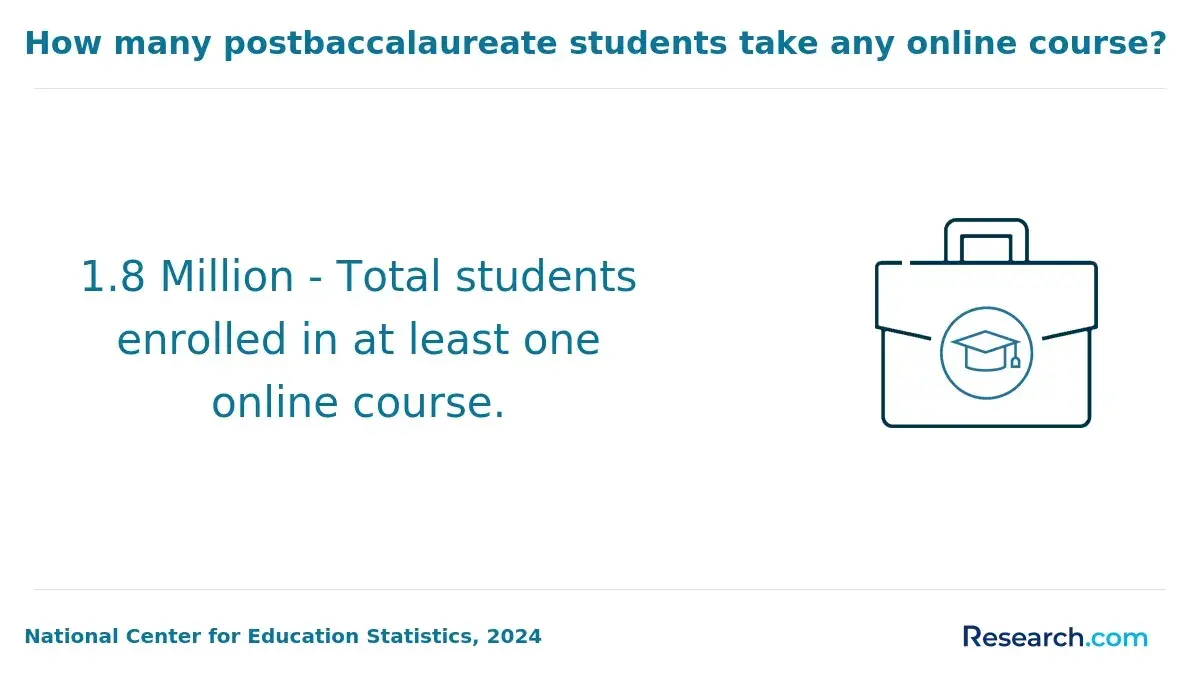
Recent Enrollment Trend: According to the National Center for Education Statistics (2023), working adult enrollment in online bachelor's programs rose 12% over two years, underscoring growing demand for flexible degree completion paths.
Federal Pell Grants and Direct Loans continue to provide essential funding for eligible adult learners pursuing online early childhood education bachelor's degree completion programs. Many states also offer targeted grants specifically for adult returners, which can significantly reduce tuition costs. Institutional scholarships increasingly focus on non-traditional students, rewarding prior college credits, work experience, and community involvement, making them ideal for those balancing education with career and family responsibilities.
Employer tuition assistance programs offer an additional financial resource. Under IRS Section 127, employers can provide up to $5,250 per year in tax-free tuition benefits for undergraduate degree programs. Consulting with your HR or benefits department is critical to understanding available programs, tax implications, and any partnerships with universities that might offer enhanced tuition discounts.
Adult learners returning to higher education may also qualify for scholarships and fellowships created specifically to support those advancing their careers in early childhood education. These awards often prioritize students demonstrating commitment to professional growth and community impact.
Before enrolling, working adults should complete these financial aid steps:
- File the FAFSA: Submit the Free Application for Federal Student Aid to determine eligibility for federal grants, loans, and other financial aid critical to funding your degree completion.
- Research State Grants: Visit your state's education department website to identify grants targeting adult learners returning to college to help offset tuition expenses.
- Apply for Institutional Scholarships: Contact your chosen school's financial aid office to explore scholarships designed for transfer and non-traditional students.
- Request Employer Tuition Benefits: Work with your employer's HR department to secure a tuition assistance agreement and understand any tax-free education benefits available under IRS Section 127.
Recent NCES and IPEDS data reveal that the national average tuition per credit hour for online early childhood education bachelor completion programs is roughly $350, though rates vary widely across institutions. Comparing these benchmarks against a curated group of accredited programs shows rates spanning from about $250 to over $500 per credit hour. Such variation makes it crucial for students to evaluate not just cost per credit but also total program expenses based on their transfer credit status, which often ranges between 60 and 90 credits earned.
For example, a program charging $300 per credit hour would amount to approximately $18,000 for 60 credits and $27,000 for 90 credits, excluding additional fees. These ancillary fees-including technology, graduation, proctoring, and textbook charges-can add several hundred dollars annually and increase total program costs by up to 25%. This impact highlights the importance of assessing the full financial commitment beyond advertised tuition rates.
Moreover, some programs may require more credits than standard thresholds due to transfer credit policies or curriculum-specific prerequisites. Consequently, choosing the lowest per-credit tuition does not always produce the lowest overall cost. Prospective students should consider both per-credit pricing and total credit requirements to accurately estimate their investment.
For professionals comparing options in online early childhood education bachelor completion cost comparison, program flexibility and credit transfer policies also play a significant role in affordability and completion timelines. Military veterans, mid-career professionals, and community college transfers often find distinct pathways through these variables.
Students interested in emerging fields can also explore related opportunities such as a blockchain degree, which demonstrates how tuition models vary across disciplines and delivery formats.
- National Tuition Average: The average per-credit cost for online early childhood education completion programs is about $350, but rates range from $250 to over $500 depending on the institution.
- Total Program Costs: For students transferring 60 to 90 credits, total tuition can vary widely, significantly impacting affordability and financial planning.
- Ancillary Fees Impact: Charges such as technology, proctoring, and textbooks add meaningful expense beyond base tuition, often increasing overall program costs by up to 25%.
- Credit Hour Requirements: Programs with higher total credit requirements can raise total costs, so students should consider both per-credit rates and total credits needed to graduate.
Prior Learning Assessment (PLA) options offer working adults valuable pathways to convert existing knowledge and experience into academic credit, significantly accelerating degree completion in online early childhood education programs. Common PLA methods include CLEP and DSST credit-by-exam policies in online early childhood education programs for working adults, portfolio assessments, and credit for military training evaluated through the American Council on Education (ACE) credit recommendation system.
- CLEP and DSST Exams: These standardized tests allow students to demonstrate proficiency in foundational subjects, enabling them to bypass introductory coursework and reduce time to graduation.
- Portfolio Assessment: Many institutions accept detailed portfolios showcasing relevant work experience, certifications, and professional development. There is wide variation among schools in how portfolios are reviewed and the maximum credits granted, so it is vital to consult each program's policies.
- ACE Credit Evaluations: Military veterans and individuals with corporate training can leverage ACE evaluations to translate service and training into college credits. This enhances affordability and acknowledges prior learning outside the classroom.
- Documentation Preparation: To optimize acceptance, students should gather syllabi, detailed work histories, and evidence of competencies. Clear and well-organized submissions improve institutional credit evaluations.
Among top-ranked online early childhood education degree completion programs, those with the most expansive PLA policies may accept up to 45 credits via prior learning, particularly for community college transfer students and military personnel. These flexible policies can dramatically reduce tuition costs and program length, making them highly attractive to mid-career professionals.
For working adults seeking comprehensive information on affordable and flexible online options, including detailed PLA policies, the affordable library science degree online rankings offer valuable insights and comparisons.
- Flexible Scheduling: Fully asynchronous courses let students access lectures, assignments, and discussions anytime, accommodating varied time zones and work shifts without fixed login requirements.
- Assignment Structure: Coursework is typically designed with staggered deadlines, enabling learners to pace their progress effectively while balancing job and family commitments.
- Discussion Format: Online forums allow thoughtful interaction at each student's convenience, fostering collaboration without real-time pressure, which benefits busy professionals and caregivers.
- Assessment Methods: Tests and projects often have broad submission windows, providing ample time to prepare and reducing stress compared to timed exams.
- Comparison to Other Formats: Unlike synchronous or hybrid models requiring scheduled attendance, asynchronous programs offer superior flexibility for shift workers and travelers but less immediate peer interaction.
- Eight-Week Terms: Some institutions use shorter, intensive terms, focusing on fewer courses at once. This structure helps students manage their workload and integrate learning smoothly with professional duties.
- Time Management Strategies: Successful learners report using planners, digital calendars, and task apps to organize studies around work and personal life effectively.
- Digital Tools: Productivity apps, note-taking software, and reliable internet access are essential for staying engaged and meeting deadlines consistently.
Online early childhood education bachelor's degree completion programs generally offer several concentration options integrated within the standard 120-credit curriculum, ensuring no added credit hours and minimizing extended time and costs. Prospective students should verify transfer credit acceptance and course load specifics with their chosen institution, as some paths might require extra coursework.
- General Early Childhood Education: Prepares students for teaching roles in preschools and elementary environments. This track supports state certification requirements and aligns with median annual salaries of $30,000 to $50,000, as noted by BLS data.
- Special Education: Focuses on educating children with disabilities or developmental challenges. Graduates often qualify for specialized licensure and pursue careers with median earnings above $60,000.
- Child Development and Family Studies: Centers on child growth and family dynamics, leading to roles in family services or early intervention with typical salaries between $40,000 and $55,000.
- Administration and Leadership: Equips students for managing early childhood programs, taking on director or manager positions with potential salaries exceeding $70,000 annually.
- Curriculum and Instruction: Prepares individuals for designing and assessing educational programs. Careers in this track offer salary ranges that vary broadly based on experience and work setting.
Some concentrations also prepare candidates for credentialing such as the Child Development Associate (CDA) or state licensure exams, enhancing employability. Selecting a specialization should balance personal interest with market demand to secure strong career advancement opportunities in early childhood education.
What Graduates Say About Online Early Childhood Education Bachelor's Degree Completion Programs for Working Adults
- Azai: "The program's clear structure and its accreditation gave me the confidence that my bachelor's degree would be respected in the field. I appreciated how many of my previous credits transferred seamlessly, which saved me both time and money. This degree has already opened doors to new opportunities at my workplace, making me feel valued as a professional."
- Russell: "Looking back, I'm grateful for the flexible prior learning options that recognized my hands-on experience, allowing me to complete the program faster than I anticipated. The transparent and reasonable tuition model was a huge relief, especially since I was balancing work and family. Taking this step has not only enhanced my knowledge but has significantly boosted my confidence in leading early childhood programs."
- Christian: "Completing the online bachelor's degree was a pivotal move in my career thanks to the program's emphasis on accredited standards and its generous transfer credit policies. The ability to apply previous coursework meant I wasn't starting from scratch, and the support for prior learning assessments made the journey more manageable. Since graduating, I've noticed a clear advancement in my role and salary, validating the investment in this degree."
Other Things You Should Know About Early Childhood Education Degrees
Most accredited bachelor’s completion programs accept up to 90 transfer credits from regionally accredited colleges, leaving at least 30 credits to finish the degree. Some also evaluate credits from CDA coursework or military training, but the final transfer decision is made by the receiving institution.
Most online completion programs offer dedicated academic advising tailored to working adults, including transfer credit evaluation and degree planning. They typically provide access to tutoring, writing assistance, and technical support. Career services often include resume help, interview preparation, and job placement resources specific to early childhood education careers.
Several institutions have adopted flat-rate or subscription-based tuition models for online early childhood education completion programs to provide cost predictability. These models allow students to pay a fixed amount per term or month while taking as many courses as they can handle. This approach benefits working adults by potentially reducing overall tuition costs and accelerating degree completion.
- BA in Early Childhood Education https://www.umassglobal.edu/academic-programs/ba-early-childhood-education
- International Funding Programs for Early Childhood Education - fundsforNGOs https://www2.fundsforngos.org/articles/international-funding-programs-for-early-childhood-education/
- Early Childhood Education Certificate vs. Degree - Graduate Programs for Educators https://www.graduateprogram.org/blog/early-childhood-education-certificate-vs-degree/
- What is Asynchronous Online Learning? A Complete Guide - Curiously https://curiously.app/blog/asynchronous-online-learning-guide
- The benefits of studying early childhood education https://www.swinburneonline.edu.au/the-benefits-of-studying-early-childhood-education/
- Educational Support Grant Application https://www.childdevelopment.org/esg/educational-support-grant-application
- How Long Does Early Childhood Education Take? - CDI College Online https://www.cdicollege.ca/study-online/community/news/how-long-does-early-childhood-education-take/
- Scholarships and Financial Aid https://earlychildhoodny.org/resources/scholarships-and-financial-aid
- The ECE Grant Assistance Program- Financial Supports and Upgrade Information https://professionallearninghub.ca/financial-supports/
- Early Childhood Education Online Courses | Fisher College https://www.fisher.edu/academics/professional-studies-certificates/professional-studies-courses/early-childhood-education-courses-online