2027 English as a Second Language Career Outcomes by Degree Level Report: Pay, Employment, and Advancement Patterns

Co-Founder and Chief Data Scientist
Deciding whether to pursue an associate, bachelor's, or graduate degree in English as a second language poses a critical dilemma for many learners balancing finances, time, and career goals. Recent 2024 labor data reveals that degree level significantly impacts employment rates in education-related fields, with bachelor's degree holders experiencing notably higher job placement than those with associate credentials. This disparity reflects employers' increasing emphasis on advanced skills and certifications, constraining upward mobility for lower-level degree completers. Understanding these nuanced patterns of pay, employment, and career advancement across degree tiers is essential for informed decision-making.
This article examines the concrete outcomes linked to different English as a second language degrees to help learners navigate their educational investment strategically.
Key Things to Know About English as a Second Language Career Outcomes by Degree Level
- Associate degrees often yield quicker entry into teaching roles but limit advancement; this tradeoff forces many to weigh immediate employment against slower credential progression.
- Employers increasingly prefer master's credentials for leadership in ESL programs, signaling a labor market shift that constrains upward mobility for lower-degree holders.
- Certificate and bachelor's pathways reduce time and cost barriers, enhancing access for working adults, though these credentials may not deliver long-term job security or leadership roles as reliably.
- Key Things to Know About English as a Second Language Career Outcomes by Degree Level Key Things to Know About English as a Second Language Career Outcomes by Degree Level
- What Career Outcomes Can Students Expect From Each English as a Second Language Degree Level? Career Outcomes by Degree
- How Much Do English as a Second Language Graduates Earn by Degree Level? Salary by Degree Level
- Which English as a Second Language Degree Level Offers the Strongest Employment Prospects? Best Degrees for Employment
- What Entry-Level Jobs Can You Get With a English as a Second Language Degree? Entry-Level Career Opportunities
- How Do English as a Second Language Degree Levels Affect Career Advancement and Promotion Opportunities? Career Growth by Degree
- Is a English as a Second Language Degree Worth It Based on Salary, Employment, and ROI? Salary, ROI, and Value
- How Do Associate, Bachelor's, Master's, and Doctoral English as a Second Language Degrees Compare? Comparing Degree Levels
- Which Industries and Employers Hire English as a Second Language Graduates by Degree Level? Which Industries and Employers Hire English as a Second Language Graduates by Degree Level?
- What Skills, Credentials, and Experience Improve English as a Second Language Career Outcomes? What Skills, Credentials, and Experience Improve English as a Second Language Career Outcomes?
- Which English as a Second Language Degree Level Is Best for Your Career Goals? Choosing the Right Degree
What Career Outcomes Can Students Expect From Each English as a Second Language Degree Level?
Bachelor's degrees provide essential qualifications for full teaching certification and broader instructional roles, aligning directly with many public school requirements and opening doors to specialized services like bilingual education. Data from recent national education reports indicate bachelor's credentials significantly enhance hiring success and job stability, underscoring their importance for candidates aiming at sustainable ESL employment. Meanwhile, master's and doctoral degrees extend professional scope by qualifying graduates for leadership, specialized interventions, or academic positions-but these advanced pathways involve tradeoffs in time, cost, and immediate earnings. For working professionals or military-affiliated students, understanding these dynamics is crucial; those weighing options might also explore flexible programs including internships or research components that boost readiness for advancement.
Given the variance in outcomes and employer preferences, prospective students must consider how degree choices affect employability and leadership potential within English as a Second Language roles. Credential requirements often dictate hiring and promotion, with states frequently mandating licensure for core instructional positions and valuing formal pedagogical training. Practical factors such as program length, credit transfer policies, and access to practicum experiences play pivotal roles in determining whether immediate workforce entry or longer-term specialization best suits one's goals.
For tailored guidance in fast-tracking employment without compromising future prospects, prospective students might consult accelerated program options, such as an accelerated medical assistant program, as a comparative example of time-efficient credentialing models relevant across fields.
How Much Do English as a Second Language Graduates Earn by Degree Level?
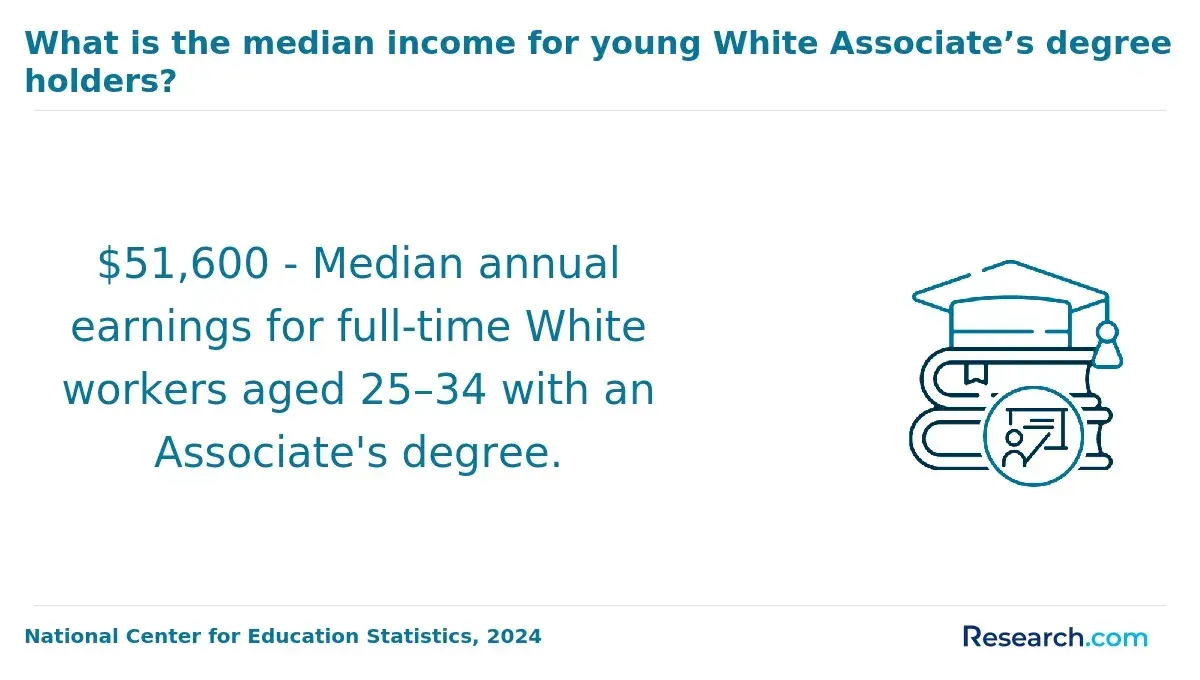
Wages for English as a second language graduates differ significantly by degree level, reflecting employer demands, credential requirements, and role eligibility. Certificates and associate degrees typically lead to entry-level positions such as instructional assistants or community language support staff, with starting salaries generally between $35,000 and $45,000, according to 2024 data from the U.S. Bureau of Labor Statistics and National Center for Education Statistics.
While these credentials allow quicker workforce entry, advancement tends to stall without additional qualifications, requiring many working adults to consider the time and financial investment needed to progress. Bachelor's degree holders often qualify for licensed teaching roles with median wages around $50,000 to $60,000 and benefits like job stability and state certification opportunities, but pursuing a master's degree can open doors to specialized roles and a notable 20-35% wage premium in some regions, offsetting longer completion times and higher costs.
Those obtaining graduate degrees in applied linguistics or ESL-related fields tend to secure positions with significantly higher earnings-ranging from $65,000 to above $85,000-and greater job security due to roles in program coordination, curriculum design, or higher education. However, these outcomes vary widely depending on local labor markets, employer preferences, and individual specialization, especially since some sectors prioritize experience and licensure over advanced degrees.
For adult learners and transfer students balancing work and family, the decision to pursue additional degrees requires weighing practical factors like credit transferability, completion timelines, and the relative scarcity of advancement without higher credentials. Understanding these nuances is essential for aligning educational investments with realistic employment and compensation expectations in the ESL workforce.
One graduate recalls initially choosing a certificate program to gain quick access to ESL support roles but grew concerned after comparing local job postings, which consistently required bachelor's degrees for teaching positions with better pay and benefits. Faced with limited upward mobility and stagnant wages, this individual carefully evaluated whether a master's degree justified the additional tuition and years away from full-time employment. Conversations with program advisors and employers revealed that regional demand for advanced ESL credentials was mixed, leading to a cautious decision to pursue part-time graduate studies while maintaining employment-highlighting the complex trade-offs adult learners face between immediate income and long-term career potential.
Which English as a Second Language Degree Level Offers the Strongest Employment Prospects?
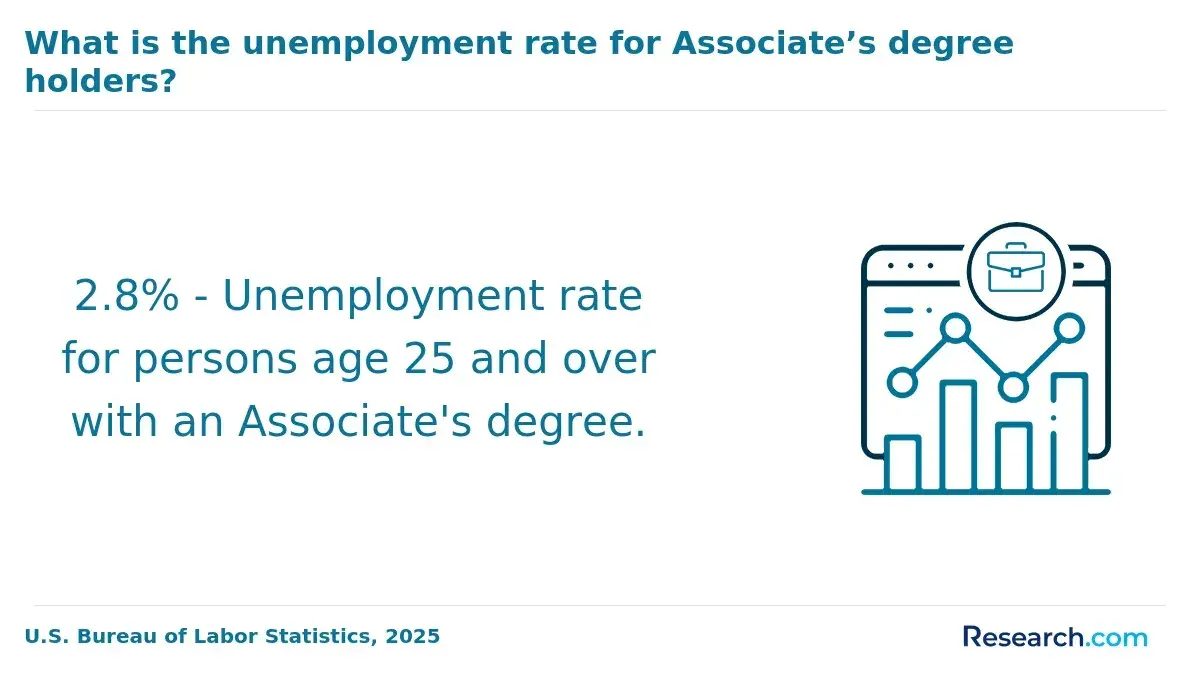
Employment prospects in English as a second language (ESL) vary considerably based on degree level, with bachelor's and master's degrees typically providing stronger access to stable, meaningful positions than certificates or associate degrees. For example, certificate holders may quickly enter paraprofessional or teaching assistant roles but often face limited advancement and job security, especially in regions with competitive education markets. The National Center for Education Statistics indicates that about 80% of bachelor's degree graduates find full-time ESL employment within a year, reflecting how licensure and degree requirements for many K-12 and community college ESL roles maintain a robust barrier that certificates alone cannot overcome.
Master's degrees in ESL tend to open doors to specialized jobs such as curriculum design, program management, or university instruction that generally offer higher salaries and clearer leadership trajectories. These advanced programs also frequently incorporate practicum experiences, improving candidates' regional employability and adaptability to labor market demands. Choosing to pursue a master's while working in entry-level roles can be a strategic move to move from routine instruction to roles with greater professional influence. Conversely, doctoral degrees remain niche, often tied to academic research or policy work, with employment patterns hinging on narrow institutional needs and offering less predictable career outcomes.
The decision between entering the workforce sooner with a certificate or associate degree versus investing time and resources in higher ESL credentials hinges on balancing immediate income against longer-term professional rewards and stability. While shorter programs provide a quicker path to employment, they rarely meet the credential thresholds that many employers set for full teaching responsibilities or advancement. Understanding local licensing demands, regional staffing shortages, and employer preferences is critical for candidates weighing further education versus entering the workforce promptly or transferring credits toward bachelor's and master's programs.
What Entry-Level Jobs Can You Get With a English as a Second Language Degree?
Entry-level positions available to graduates with an English as a Second Language degree vary considerably by educational attainment and employer requirements. While associate degree holders often find roles in community organizations or tutoring that prioritize hands-on communication skills over formal credentials, those with bachelor's degrees are typically positioned for licensed ESL teaching roles within K-12 public schools, where state licensure is essential. Despite this, gaining practical experience through internships or student teaching remains a critical factor in securing preferred hiring outcomes. The U.S. Bureau of Labor Statistics projects a 7% growth in demand for ESL instructors over the next decade, reflecting steady but competitive opportunities particularly favoring candidates who balance formal education with applied practice.
For many career-focused learners, understanding that early ESL roles range from assistant positions to certified teaching jobs can shape realistic employment plans based on degree level and certification pursuits. Urban centers generally offer higher access to entry points, while remote opportunities increasingly require additional credentials like TESOL or TEFL, underscoring the tradeoff between geographic flexibility and qualification depth. Candidates without a master's degree often face limitations entering advanced fields such as curriculum development or program coordination, which typically demand graduate coursework and supervised practicum. Navigating these pathways also involves recognizing how certifications like CCS certification and technology skills impact employability and long-term career mobility, helping graduates weigh immediate job availability against future advancement possibilities.
How Do English as a Second Language Degree Levels Affect Career Advancement and Promotion Opportunities?
Advancement opportunities in English as a second language (ESL) careers are closely tied to degree level, with employers frequently prioritizing bachelor's and master's degrees for supervisory and leadership roles. Data from the U.S. Department of Education's 2024 workforce report highlights that individuals holding only certificates or associate degrees face limited promotion prospects compared to those with higher academic credentials. This distinction often reflects employer expectations for specialized skills such as linguistics expertise, cross-cultural communication, and educational technology, which are typically developed through advanced degree programs rather than shorter credential pathways. While holders of associate degrees may enter the workforce more quickly, they often encounter a ceiling in formal advancement without pursuing further education or state-required certification like TESOL endorsement.
The timing and trajectory of career progression also vary based on prior experience and the flexibility offered by degree pathways, with many working professionals benefiting from transfer-credit policies and part-time study options to accelerate progress. However, even seasoned ESL practitioners with extensive classroom experience might find leadership roles or administrative positions-and their accompanying pay increments-are inaccessible without at least a bachelor's degree combined with relevant licensure. Master's or doctoral qualifications commonly become prerequisites for policy-making and higher-level educational roles, underscoring the tradeoff between immediate workforce entry and longer-term career mobility. These credential distinctions are not guarantees of promotion but serve as gatekeeping filters in competitive job markets.
One ESL student recalled weighing options between an associate degree and a bachelor's path after several years as a teaching assistant. Although eager to step into a coordinator role, the student hesitated because most openings required a bachelor's degree and TESOL certification. The student found that although certificates expedited initial employment, only the bachelor's facilitated credible internal applications and boosted confidence for leadership responsibilities, a realization that shaped the decision to invest additional time in higher education despite financial and personal constraints.
Is a English as a Second Language Degree Worth It Based on Salary, Employment, and ROI?
Salary and employment outcomes for English as a Second Language degree holders vary notably by degree level and local labor market conditions. Bachelor's degree holders often face underemployment or part-time roles not fully aligned with their training, which limits both earnings and career mobility. In contrast, those with master's degrees or additional certifications generally access more stable positions with clearer salary growth, especially in urban or high-immigration regions where demand is stronger. The practical tradeoff for working adults or transfer students is balancing the cost and time of advanced study against the potential for improved wages and more predictable employment paths.
Return on investment for an English as a Second Language degree depends heavily on tuition costs, regional hiring patterns, and opportunity costs such as lost wages during study periods. For instance, a working professional pursuing a graduate credential must consider whether temporary income disruption and added education expenses yield sufficient long-term salary gains and employment stability to justify the effort. Geography also matters; rural areas typically offer fewer openings and slower growth, complicating ROI calculations. Prospective students evaluating employment outcomes and ROI for English as a Second Language graduates should factor in credential levels, time-to-completion, and local demand, much like students comparing pathways such as the online biology bachelor's degree, where similar cost-benefit and market dynamics apply.
Ultimately, decision-making around an English as a Second Language degree requires weighing immediate financial impacts against future career flexibility, wage potential, and credential utility. Higher degrees improve prospects but entail more upfront investment and opportunity cost, making them more suitable for those with the resources and employment goals aligned with advanced ESL roles. The variability in salary and employment stability by degree level and location means this degree's worth is not inherent but contingent on informed, context-specific judgment about how educational pathways fit individual career scenarios.
How Do Associate, Bachelor's, Master's, and Doctoral English as a Second Language Degrees Compare?
Associate degrees in English as a Second Language primarily open doors to entry-level teaching support roles, such as paraprofessionals or aides, but often depend heavily on local funding and district demand, making job security variable. While credits often transfer toward a bachelor's degree, many employers increasingly require at least a bachelor's for full licensure, limiting upward mobility without further education. Bachelor's degrees broaden eligibility for certified teaching positions and specialized roles, helping candidates access a wider range of classroom and adult education jobs; U.S. Department of Education data from 2024 highlight a 15% higher employment rate in ESL instruction at this level compared to associates. However, advancing into leadership or niche specializations typically demands graduate-level credentials, making the bachelor's a critical but not final step for many seeking sustained career growth.
Master's degrees serve as a gateway to advanced instructional roles, curriculum leadership, and administrative positions, often satisfying state licensure requirements for specialist certifications or director roles. The Bureau of Labor Statistics projects higher workforce growth for educators holding master's degrees, reflecting rising demand across diverse ESL settings and the value of flexible, often stackable graduate programs suitable for working adults. Yet, the increased time and financial costs can be substantial, so weighing these against tangible career gains is essential. Doctoral study in ESL targets research, policy, and higher education faculty tracks where competition is intense and practical classroom applications less direct. For those without clear goals in academic leadership or scholarship, the investment in a doctorate may yield limited return compared to master's-level specialization, especially given the narrower niche market and extended timeline involved.
Which Industries and Employers Hire English as a Second Language Graduates by Degree Level?
Employment outcomes for English as a Second Language graduates vary sharply with degree level, shaping their eligibility for distinct employer types and advancing roles. Associate degree holders frequently fill support roles such as teaching assistants or paraprofessionals in K-12 public schools and community programs, where minimal licensure but practical bilingual skills suffice. In contrast, bachelor's degree graduates gain entry to certified teaching positions in public school districts and nonprofits, with roughly 65% of ESL teachers in public schools holding at least this credential, according to National Center for Education Statistics. This degree level typically opens doors to classroom instruction and curriculum involvement but may limit advancement without further qualifications.
Master's degree holders are often recruited by large school districts and higher education institutions for specialized positions including program coordination and curriculum development, where salary premiums of 20-30% over bachelor's holders reflect greater expertise and management responsibilities. Doctoral graduates tend to secure research, policy, or higher education leadership roles, often in universities, think tanks, or federal agencies, reliant on extensive field experience and scholarly contributions. Certificate programs facilitate quick labor market entry primarily as adult education aides or private tutors but rarely support long-term upward mobility. This differentiation means candidates must carefully assess whether immediate access to entry-level roles outweighs the limitations on career growth inherent in lower-level certificates or associate programs.
What Skills, Credentials, and Experience Improve English as a Second Language Career Outcomes?
Career outcomes for English as a Second Language educators hinge critically on acquiring role-specific technical skills and applied credentials rather than relying solely on foundational competencies. For example, bachelor's and graduate degree holders frequently face employer mandates for state-recognized teaching licensure or certification, which function as gatekeepers for hiring and advancement. Associate degree holders benefit materially from technical certificates highlighting proficiency in bilingual instruction tools or educational technology, which distinguish candidates in crowded applicant pools. This emphasis on credentials aligned with formal accreditation bodies reflects workforce expectations that educators demonstrate readiness for classroom management and compliance with regulatory standards, reinforcing that informal experience alone rarely suffices to improve employment prospects.
Practical experience tailored to ESL settings-such as internships, apprenticeships, or structured field placements-remains a leading factor in career mobility and promotion readiness. Employers value portfolio evidence of lesson planning and student engagement strategies as proof of effective instructional capabilities, with documented leadership experience further enhancing advancement potential. Notably, stacking credentials by combining degree programs with certification or licensure yields the most robust outcomes for mid-career professionals aiming to pivot or accelerate within the field. This approach acknowledges the practical realities adult learners face when balancing prior credits, relevant work experience, and modular credential pathways. Those exploring how to advance may find valuable comparative insights in Capella university vs WGU RN to BSN discussions, which illustrate the nuanced decisions involved in program selection and credential stacking relevant across education sectors.
Soft skills including adaptability, communication, and collaboration universally underpin ESL educator success and complement technical qualifications. Candidates who develop these alongside specialized certifications aligned with their degree level frequently navigate access barriers more effectively and position themselves favorably for promotion. Understanding English as a Second Language teacher certification requirements for career advancement can clarify the investment needed to align academic achievements with employer expectations. The practical value of progressing from an associate degree plus technical certificates into bachelor's or graduate credentials lies not just in wage premiums but also in unlocking more diverse instructional roles and leadership opportunities within evolving educational contexts.
Which English as a Second Language Degree Level Is Best for Your Career Goals?
Selecting the appropriate English as a Second Language degree level directly impacts employment opportunities, wage potential, and eligibility for specialized roles. Associate degrees typically enable faster, less costly entry into roles like instructional aides but often limit wage growth and access to permanent teaching positions. For working adults or military-affiliated students balancing time and finances, this credential offers expediency but may require pursuing further education to meet employer expectations for advancement.
Bachelor's degrees offer a stronger balance of cost, completion time, and breadth of role eligibility, including positions in K-12 systems and community colleges. Data from the National Center for Education Statistics highlights that around 68% of bachelor's-level ESL graduates secure full-time jobs within a year, outperforming associate degree holders by a significant margin. Many bachelor's degree programs also facilitate credit transfer and flexible pacing, which helps transfer students or career changers manage opportunity costs while preparing for long-term professional growth. This makes a bachelor's degree the best English as a Second Language degree for career advancement when considering practical workforce demands.
Master's degrees cater to those targeting leadership, curriculum development, or specialized certifications such as TESOL, though they demand greater time and financial investment. Graduate study correlates with a 20% higher promotion likelihood within five years compared to bachelor's holders, underscoring its value for upward mobility. Learners should evaluate program flexibility and prerequisites carefully since additional coursework or certification may be necessary. Prospective students can also review online speech pathology degree tuition data to better understand cost considerations across advanced language-related degrees.
References
- From ESL Classroom to Career Advancement | Workforce Essentials https://workforceessentials.com/from-esl-classroom-to-career-advancement-the-path-forward/
- ESL Job Markets Guide: Opportunities & Where to Teach English https://teflinstitute.com/blog/esl-job-markets-explained/
- What Language Job should you choose to be successful? https://preply.com/en/blog/language-jobs-for-those-who-know-english/
- Exploring the Impact of English Fluency on Career Growth https://gateway.english3.com/how-english-fluency-can-boost-your-career-the-direct-impact-of-english-proficiency-on-career-growth/
- How English Skills Can Boost Your Job Prospects: ESL for Career Advancement - Acacia https://acacia.edu/blog/how-english-skills-can-boost-your-job-prospects-esl-for-career-advancement/
- How learning English can change your career opportunities in 2026 https://ecenglish.com/en/blog/english/how-learning-english-can-change-your-career-opportunities-in-2026/
- How English Fluency Boosts Career Growth – The ESL Advantages - Cornerstone College of Alberta https://ccalberta.ca/blog/how-english-fluency-boosts-career-growth-the-esl-advantages/
- How English Language Proficiency Impacts Career Advancement - Talaera https://www.talaera.com/emails-and-writing/how-english-proficiency-impacts-career-advancement/
- the growing demand for english in the professional - Journals https://www.wosjournals.com/index.php/pteconf/article/download/1840/2415
- Why Are Language Skills Essential for Career Advancement? https://languesacademy.com/en/why-are-language-skills-essential-for-career-advancement/
Other Things You Should Know About English as a Second Language
Degree programs in English as a second language differ widely in their curriculum intensity and practical components, which directly affect how quickly graduates can enter the workforce. For instance, master's programs often include supervised teaching practicums that provide hands-on experience but may extend the completion timeline. In contrast, bachelor's programs might focus more on general education and theory with fewer applied experiences, potentially delaying readiness for certain specialized roles. Prospective students should weigh whether faster graduation or in-depth practical training better aligns with their career urgency and desired job functions.
Higher degree levels in English as a second language typically demand more rigorous academic engagement, including research, advanced coursework, and sometimes thesis requirements, which can impose significant time and cognitive loads. Working adults may find associate or bachelor's programs more manageable due to their structured schedules and fewer independent projects. Those prioritizing career advancement while maintaining employment should consider lower degree levels to avoid burnout, unless their current job settings offer flexibility or tuition support to offset the increased demands of graduate-level study.
While employers value formal degrees in English as a second language, many emphasize additional certifications and demonstrable teaching experience as key for hireability and promotion. Depending on the degree level, graduates might find that possessing widely recognized ESL certifications or completing specialized workshops can outweigh the prestige of a higher degree alone. For those facing tight budgets or timeline constraints, strategically supplementing a bachelor's or associate degree with targeted credentials may provide a more efficient path to employment than pursuing advanced degrees without concurrent practical qualifications.
Job market saturation and institutional reputation significantly affect outcomes independent of degree level. Graduates from programs in regions with high demand for ESL educators may secure employment faster and with better pay than those holding identical degrees from oversubscribed areas. Additionally, graduates from programs with strong employer networks or practicum placement policies tend to see better advancement opportunities. Therefore, prospective students should evaluate not only the degree but also the program's regional context and industry connections to optimize career trajectory.