2027 English as a Second Language Job Market Report: Open Roles, Salary Bands, and Hiring Momentum

Co-Founder and Chief Data Scientist
The labor market for English as a second language professionals reflects complex shifts driven by evolving employer priorities, regulatory frameworks, and technological integration in educational settings. Open roles and salary bands serve as markers of these broader dynamics, revealing where credential expectations and specialized skills intersect with organizational restructuring. Hiring momentum often aligns with investment cycles in language programs and geographic demand variations, rather than uniform growth.
Workforce demographics, particularly the age distribution of students-from younger immigrants to adult learners-shape employer requirements and instructional approaches. These patterns suggest an ongoing adaptation in the field toward greater educational accessibility and responsiveness to diverse learner needs.
Key Things to Know About English as a Second Language Job Market
- Although ESL job openings have grown by 7% since 2023, many roles require cross-cultural competencies, challenging candidates who focus solely on language proficiency without broader instructional skills.
- Salary growth in ESL teaching remains moderate, reflecting employer preference for experience and certifications beyond initial credentials, influencing long-term career progression and compensation potential.
- Rising demand pressures accelerate hiring but also strain training pipelines, making timely program completion crucial; delays can reduce employability due to shifting pedagogical standards and employer expectations.
- Key Things to Know About English as a Second Language Job Market Key Things to Know About English as a Second Language Job Market
- How Strong Is Demand for English as a Second Language Graduates in Today's Job Market? Demand for Graduates
- Which English as a Second Language Careers Have the Most Open Job Opportunities? In-Demand Careers
- What Salary Bands Are Employers Offering Across English as a Second Language Careers? Offered Salary Bands
- Which Industries Are Hiring the Most English as a Second Language Graduates? Top-Hiring Industries
- How Does Hiring Demand Vary by State, Region, and City? Hiring Demand by Location
- What Skills Are Employers Prioritizing in English as a Second Language Job Postings? In-Demand Skills
- Which Certifications Increase Employability and Salary Potential? High-Value Certifications
- How Do Remote and Hybrid Opportunities Affect the English as a Second Language Job Market? How Do Remote and Hybrid Opportunities Affect the English as a Second Language Job Market?
- Which English as a Second Language Careers Show the Strongest Long-Term Hiring Momentum? Strongest Careers
- How Can Students Use Job Market Data to Make Better Career Decisions? How Can Students Use Job Market Data to Make Better Career Decisions?
How Strong Is Demand for English as a Second Language Graduates in Today's Job Market?
Current labor market data from the U.S. Bureau of Labor Statistics and LinkedIn Workforce Reports indicate that the demand for English as a second language graduate job demand in the US remains steady but moderate, aligning closely with the average growth rate for education roles overall. This trend reflects a stable but competitive hiring environment, particularly in sectors such as public K-12 education and higher education institutions where language services are crucial. Despite consistent openings, many positions are part-time or contract-based, which tempers overall job security and income stability for graduates. These factors underscore the importance of considering regional labor market nuances and institutional types when assessing employment prospects in ESL.
Key industries hiring English as a second language professionals hinge on demographic shifts and evolving learning delivery methods, with areas experiencing increased immigration or international student enrollment showing the strongest gains. Employers increasingly prioritize candidates who supplement language instruction with cultural competency, digital literacy, and curriculum design skills, reflecting the impact of remote learning and technology integration on teaching models. Additionally, competition and automation pressures in some settings motivate institutions to seek versatile educators capable of multifaceted roles beyond basic ESL teaching. Salary variation across regions and job types further emphasizes the need for realistic expectations concerning compensation and growth.
For prospective students and early-career professionals, interpreting these demand signals involves recognizing that practical experience and complementary skills often outweigh ESL credentials alone in securing sustainable roles. Navigating the current market effectively may require targeted skill development and geographic mobility, with an eye toward specialization as a pathway to long-term stability. Exploring alternative or supplementary educational routes, such as RN to BSN programs with no clinicals, may also be worth consideration for those evaluating the broader scope of career flexibility amid shifting labor demands.
Which English as a Second Language Careers Have the Most Open Job Opportunities?
Job opportunity distribution within English as a Second Language (ESL) careers reflects expanding sector needs, persistent skills shortages, and shifting employer expectations tied to demographic and economic trends. Rather than isolated listings, open roles are indicative of systemic labor market developments, including increased diversity in public education, focused federal investment in adult learning, and corporate globalization strategies. Understanding which ESL pathways exhibit the strongest demand requires looking at how industry growth, regulatory requirements, and specialized skill sets shape hiring activity across various environments.
- ESL Teachers in K-12 Schools: Public school districts face ongoing pressure to address increasing linguistic diversity among students, driving sustained demand for ESL teachers with state certification and ESL endorsements. The National Center for Education Statistics reported over 8,000 ESL-focused teaching vacancies, highlighting how immigration trends and policies mandating language access services uphold this hiring momentum.
- Adult Education ESL Instructors: Positions serving immigrant and refugee adult populations are expanding in community colleges and nonprofit programs, supported by substantial federal funding like the Workforce Innovation and Opportunity Act. Employers prioritize cultural competence alongside adult pedagogy, reflecting the complex needs of adult learners striving for workplace language proficiency and social integration.
- Corporate ESL Trainers: Global business sectors such as technology, finance, and healthcare increasingly recruit ESL trainers to enhance workforce communication skills amid globalization. These roles demand bilingual instructional abilities merged with sector-specific knowledge, addressing both linguistic and cross-cultural barriers that impact productivity and compliance.
- Curriculum Developers with ESL Expertise: Emerging demand exists for professionals who design instructional materials tailored to diverse English learners. Although vacancies are fewer, organizations value expertise in educational technology and evidence-based language acquisition methodologies as they seek innovative approaches to achieve learning outcomes at scale.
- Education Technology Specialists in ESL: As digital platforms and remote learning expand, specialists who combine ESL knowledge with technical skills are sought to implement and support language learning technologies. Their role is crucial in adapting resources to varied learner demographics, reflecting a broader shift toward blended and technology-enhanced instruction across the ESL field.
These hiring trends underscore broader factors shaping employment in English as a Second Language careers, including demographic shifts and evolving employer requirements emphasizing both instructional skill and contextual fluency. For those assessing open positions for ESL instructors in the United States, the interplay between regulatory credentials, cultural agility, and technological proficiency significantly affects employability and career stability.
In considering pathways related to language education, candidates may find value in exploring sectors beyond traditional K-12 settings to include adult education and corporate environments which currently show robust and growing job availability. For individuals weighing educational program choices, understanding these labor market dynamics is essential for aligning training with realistic job prospects and minimizing credential obsolescence risks.
For further information that relates to educational program prerequisites affecting career entry, some prospective ESL educators might also review options related to nursing schools that don't require TEAS or HESI, as alternative professional routes that occasionally intersect with language instruction initiatives in health settings.
What Salary Bands Are Employers Offering Across English as a Second Language Careers?
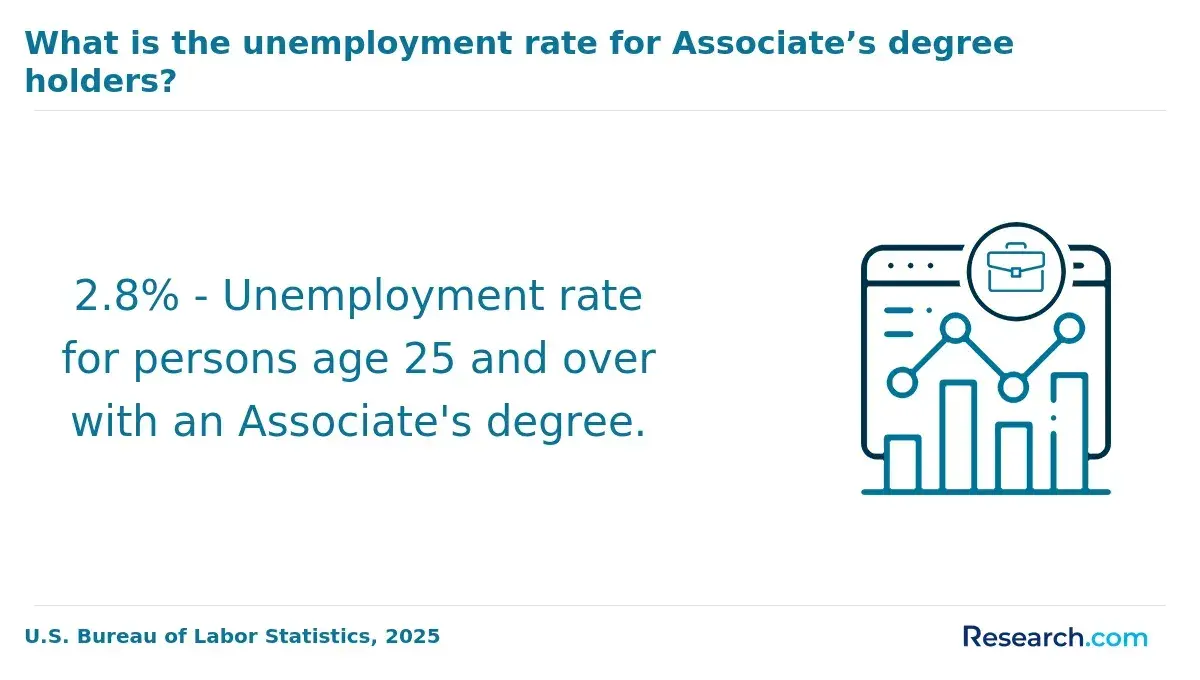
Recent 2024 data from sources such as the U.S. Bureau of Labor Statistics and industry salary reports reveal clear stratification in compensation within English as a Second Language careers. Entry-level teachers generally earn between $38,000 and $48,000 annually, reflecting basic credential requirements and limited experience expectations. Those with three to five years of experience, especially educators with additional certifications or niche expertise like business English, see salaries rise to a range of $48,000 to $65,000. Senior roles involving leadership, curriculum coordination, or specialized administration typically command $65,000 to $90,000, with some metropolitan-area positions exceeding $100,000 due to the complexity and scale of responsibilities involved.
The variation in salary bands is strongly shaped by factors including specialization depth, regional demand, and institutional type. In areas with high immigrant populations or private sector employers offering tailored programs, mid- and senior-level roles benefit from increased competition and higher wages. Urban centers tend to pay more but often correspond with elevated living expenses, affecting net compensation. Additionally, the scarcity of advanced credentials and managerial skills raises pay substantially at senior levels, while geographic mobility and the ability to adapt to diverse learner needs also influence where candidates fall within these bands. Employer preferences for demonstrated versatility and ongoing professional development notably affect upward salary mobility beyond initial classroom roles.
A recent ESL graduate described the admission process for a specialized teaching certificate as unexpectedly protracted due to rolling decisions. They initially hesitated to submit their final application materials, uncertain whether earlier submission would improve chances amid fluctuating cohort capacities. Facing a narrowing window before program start dates, they expedited their documents only after receiving informal feedback indicating limited spots remained. This timing pressured them to balance thorough preparation with urgency, reinforcing how admissions unpredictability can impact entry timing into the labor market and subsequent salary progression opportunities.
Which Industries Are Hiring the Most English as a Second Language Graduates?
Current demand for graduates trained in English as a second language (ESL) is heavily concentrated in industries experiencing structural workforce shifts, including digital transformation, expanding multilingual populations, and evolving communication needs. These sectors are responding not simply to volume but to changing skill requirements, seeking ESL-trained professionals who can navigate complex linguistic environments and enhance cross-cultural engagement. Hiring patterns reveal how broader economic and demographic trends shape the need for expertise that bridges language gaps in practical, outcome-focused roles.
- Education: Schools and higher education institutions face ongoing growth in English learner populations, with recent studies showing more than 10% of public school students classified as English learners. This compels education systems to recruit ESL specialists capable of delivering culturally sensitive, adaptive instruction and supporting academic success. Employers prioritize skills in curriculum adaptation, student engagement across language barriers, and proficiency in assessment techniques tailored for diverse classrooms.
- Healthcare: Increasing linguistic diversity among patients drives healthcare providers to hire ESL graduates who facilitate clearer communication, reducing misunderstandings and improving treatment adherence. Data from 2022 to 2024 indicates a 15% rise in ESL-related roles within hospitals and community health programs. Proficiency in medical terminology alongside cultural competence are critical employer expectations in this sector.
- Corporate Training and International Business: Globalization compels firms to invest in ESL expertise to enhance internal communications and cross-border workflows among multilingual teams. Human resources and learning and development departments consistently seek ESL graduates skilled in workplace language training, intercultural communication, and tailored content design that addresses specific linguistic needs within diverse employee populations.
- Nonprofit and Government Agencies: Organizations serving immigrant, refugee, and integration services rely on ESL professionals to support community assimilation and access to resources. These roles demand adaptability, strong interpersonal skills, and familiarity with legal and social service terminology to meet both immediate language support needs and broader social integration objectives.
Understanding these industries' unique contexts clarifies why ESL graduates with targeted competencies in cultural sensitivity, sector-specific language, and adaptive instructional methods are favored. The evolving labor market rewards those able to apply linguistic expertise pragmatically within the specific operational frameworks and shifting demographics of these hiring sectors.
How Does Hiring Demand Vary by State, Region, and City?
Demand for English as a Second Language job openings by state demonstrates clear variation rooted in economic structures, immigrant demographics, and educational investment priorities. Labor market data from the U.S. Bureau of Labor Statistics and regional workforce analytics highlight states like California, Texas, and New York as consistent leaders due to their large immigrant populations and extensive K-12 school systems that integrate ESL programming. Regional funding approaches and policy decisions further differentiate states, with the West Coast and Northeast maintaining stable demand given their longstanding cultural diversity and public education support. In contrast, emerging growth in the South and Midwest reflects shifting population patterns but encounters limitations from less developed ESL infrastructure. These disparities underscore that ESL hiring demand is less about static numbers and more intertwined with how regional economies and educational frameworks adapt to language diversity.
At the city level, hiring demand intensity, salary ranges, and employer competition are influenced by industry clusters, urban economic ecosystems, and cost-of-living considerations. Metropolitan hubs with universities, international business centers, and sizable immigrant communities-such as Los Angeles, Houston, and Chicago-offer the strongest employment prospects for ESL professionals, benefiting from large provider networks and specialized programs. Conversely, smaller communities may present fewer openings but can offer more direct engagement and less saturation, which can affect candidate competition and local salary scales. Infrastructure that supports ongoing workforce development, as well as access to credentialing like kinesiology certification online, plays a pivotal role in shaping the competitive landscape. Understanding how these localized conditions shape ESL hiring helps prospective professionals make strategic decisions aligned with varied regional workforce realities.
What Skills Are Employers Prioritizing in English as a Second Language Job Postings?
Employer expectations for candidates in English as a Second Language (ESL) roles have shifted notably as technological advances and evolving educational demands reshape the field. The integration of digital tools and the diversification of learner populations require ESL professionals to demonstrate multifaceted capabilities beyond traditional language instruction. Recent labor market analyses highlight a dynamic skills landscape where adaptability and interdisciplinary competence increasingly determine employability and professional growth within ESL positions.
Current job postings emphasize the following key skills:
- Advanced English Grammar and Phonetics: Deep expertise in linguistic structure remains a foundational requirement, enabling educators to address nuanced learner errors effectively. Mastery in this area supports tailored instruction that can accelerate language acquisition, making candidates more competitive in roles demanding precise linguistic correction and assessment.
- Pedagogical Adaptability: Employers value educators who can modify teaching methods according to diverse learner needs, including varying proficiency levels and cultural backgrounds. This flexibility aligns with broader industry trends toward personalized education, enhancing educators' ability to deliver impactful instruction across multiple contexts.
- Digital Teaching Platform Proficiency: Familiarity with Learning Management Systems and virtual classroom tools has gone from optional to essential, reflecting the sector's move toward hybrid and remote learning environments. Skilled use of these technologies improves instructional reach and engagement, indicating higher readiness for modern ESL roles.
- Intercultural Communication and Sensitivity: With classrooms becoming increasingly multilingual and multicultural, the capacity to navigate cultural nuances is critical. Employers associate this skill with the ability to foster inclusive environments that support learners' social-emotional development and language confidence.
- Practical Experience Coupled with Certification: While certifications such as TESOL or CELTA serve as baseline credentials, real-world application-particularly in specialized areas like business English or adult education-confers a decisive advantage. This combination signals readiness to meet complex, context-specific teaching challenges.
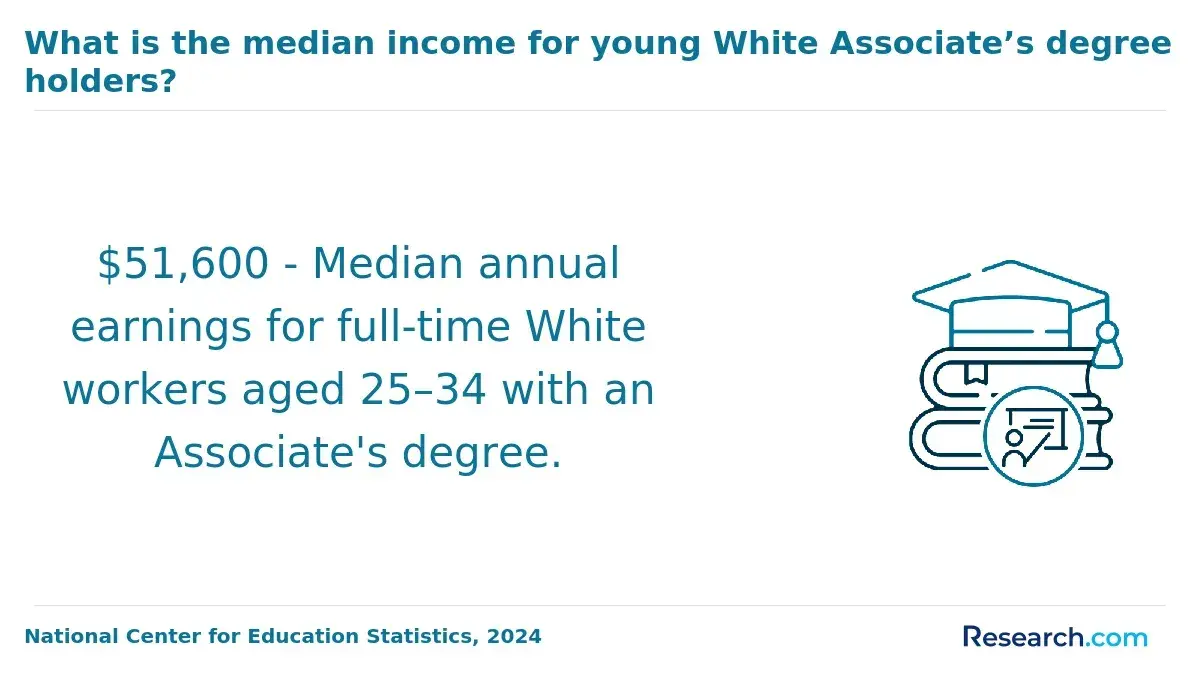
A 2024 study from the TESOL International Association revealed that 68% of ESL employers specifically prioritize cultural sensitivity, underscoring how interpersonal skills intersect with pedagogical effectiveness. Simultaneously, data from the U.S. Bureau of Labor Statistics and linked analyses note a 37% annual increase in job postings requiring technological competence, reinforcing that digital fluency is no longer supplementary but fundamental. Together, these patterns illustrate how ESL labor market demands increasingly favor professionals who integrate linguistic expertise with adaptive, tech-savvy, and culturally responsive capabilities.
Which Certifications Increase Employability and Salary Potential?
Certifications in the english as a second language field frequently function as important signals that validate specialized teaching skills, linguistic proficiency, and readiness to meet diverse learner needs. These credentials complement formal education by demonstrating an applicant's practical competence and alignment with current pedagogical standards. For employers facing a competitive labor market and persistent skill shortages, recognized certifications offer a clearer indication of job readiness, influencing both hiring preferences and compensation offers.
- TESOL (Teaching English to Speakers of Other Languages) Certificate: TESOL remains the most widely recognized credential with significant market influence, as it certifies an ability to design and implement effective instructional strategies. According to a 2024 U.S. Bureau of Labor Statistics report, TESOL-certified educators command salaries roughly 12-18% higher than uncertified peers, reflecting employer trust in their practical classroom skills and curriculum development expertise.
- CELTA (Certificate in English Language Teaching to Adults): CELTA is particularly valued in international and competitive private education sectors, where it signals readiness to operate in diverse cultural contexts and adult learning environments. The International Language Teaching Association's 2024 data underscores CELTA's impact on faster job placement abroad and a median wage uplift of about 10%, though its utility varies regionally, with stronger recognition in Europe and Asia.
- Professional Endorsements and Advanced Certificates: Credentials from bodies such as the International TESOL Association often indicate ongoing professional development and mastery of contemporary applied linguistics. While these endorsements typically yield modest short-term salary increases-generally between 5-8%-they serve as credible indicators of commitment to best practices and enhance prospects for leadership roles and specialized positions over time.
A recent graduate in english as a second language vividly recalled the uncertainty faced during their program's rolling admissions. Initially hesitant to apply before securing TESOL training, they delayed applications to gain foundational certification and practical experience. This strategic timing allowed them to demonstrate relevant skills in interviews, but the wait introduced stress and risk of missing optimal placement windows. The decision underscored how credential timing and preparation can critically affect employability outcomes, beyond the certifications' inherent value.
How Do Remote and Hybrid Opportunities Affect the English as a Second Language Job Market?
Remote and hybrid opportunities have notably transformed hiring trends within English as a second language roles, expanding talent sourcing beyond traditional local markets. According to recent workforce analytics, many employers prioritize candidates who demonstrate proficiency not only in language instruction but also in digital teaching tools and remote engagement strategies, reflecting a sharper focus on technological adaptability. The hybrid employment trends for ESL educators in North America further require professionals to blend interpersonal and virtual communication skills effectively. This evolution encourages a more diverse applicant pool yet raises the bar for multi-modal competencies, affecting how institutions vet and select educators.
These work models also influence broader labor market dynamics by narrowing regional disparities in job availability while contributing to salary normalization across geographic areas. While remote roles may offer slightly lower salaries reflective of local cost-of-living adjustments, they often balance this through flexible scheduling and reduced commuting expenses. Competition intensifies as employers seek self-motivated candidates capable of balancing asynchronous communication and collaborative demands in virtual environments. Over time, this trend is likely to encourage sustained investment in continuous digital skills development and influence program design for prospective ESL professionals exploring options like accelerated speech pathology programs online that overlap with language teaching. Understanding how remote work expands English as a second language teaching jobs in the US is crucial for candidates navigating a labor market increasingly shaped by hybrid employment trends for ESL educators in North America.
Which English as a Second Language Careers Show the Strongest Long-Term Hiring Momentum?
Long-term hiring momentum in english as a second language careers reflects deep structural shifts rather than transient labor market fluctuations. This momentum is driven by enduring demographic changes, technological integration in education delivery, and regulatory priorities that underscore English proficiency as essential for economic participation. As employer expectations evolve, the sustainability of demand hinges on skill adaptability and targeted support for diverse learner populations. These factors collectively shape the strongest career paths in the field, ensuring resilience beyond short-term trends.
- ESL Classroom Teachers in K-12 and Adult Education: Sustained immigration and urbanization fuel ongoing needs for classroom-based ESL instructors, especially in diverse metropolitan areas. Public school systems and adult education programs prioritize cultural competency alongside language skills, reinforcing stable demand tied to demographic patterns and educational policy mandates.
- Online ESL Instructors: The expansion of remote learning platforms and globalization of education widens the market for online ESL teachers. Their ability to offer flexible, personalized instruction supports a growing population of international learners, making this role resilient amid digital transformation and shifting workforce preferences.
- Curriculum Developers and Instructional Coordinators: Continuous updates in language acquisition theories and compliance with state and federal education standards create long-term openings for professionals who design ESL programs. Technological tools and data-driven instruction emphasize the importance of specialized curriculum that adapts to evolving learner needs and regulatory frameworks.
- Education Specialists for Specific Populations: Roles focusing on refugees, migrants, and other specialized groups reflect structural service gaps that persist due to social and economic factors. These experts integrate trauma-informed approaches and language training tailored to unique learner circumstances, addressing sustained policy and humanitarian commitments.
According to the U.S. Bureau of Labor Statistics (2024), employment in adult basic and secondary education, including ESL teaching, is projected to grow 6% through 2032, outpacing average occupation growth and signaling enduring workforce demand. Many employers seek candidates who blend language proficiency with technological adaptability and cultural sensitivity to navigate increasingly heterogeneous classrooms and virtual environments. Salaries for public school ESL teachers typically range from $50,000 to $65,000 annually, while online instructors often earn between $20 and $40 per hour, reflecting varied job structures and funding sources.
Job seekers should consider that entry into ESL careers may require navigating certification complexities and variable contract terms, aspects that directly impact job stability. Investment in advanced training and digital pedagogy often correlates with better employment prospects and career longevity in this evolving labor market. These dynamics highlight the importance of strategic credentialing aligned with long-term sector needs rather than short-term job availability. Prospective professionals can benefit from exploring related fields offering accessible pathways, such as aBSN programs with high acceptance rates, that expand multidisciplinary competencies.
How Can Students Use Job Market Data to Make Better Career Decisions?
Students aiming for careers in English as a Second Language should leverage current labor market data from 2024 sources like hiring platforms, government labor reports, and salary databases to assess both demand and compensation trends. These data sources reveal which roles-such as ESL instructors, curriculum developers, or assessment specialists-are expanding and which geographic areas exhibit sustained openings. Salary bands across regions and experience levels provide insight into realistic earning potential and help frame expectations about return on investment for advanced certifications or training. Tracking industry growth signals further guides students toward emerging fields, including technology-enhanced instruction or specialized adult education segments, that may offer more robust opportunities.
Interpreting this data requires balancing practical factors such as career stability, geographic flexibility, and alignment with skill sets against personal aspirations. Overemphasis on short-term hiring spikes may mislead candidates if broader trends or market shifts-driven by policy changes or immigration patterns-aren't considered. Combining objective labor data with self-assessment ensures students avoid strategies that emphasize immediate openings at the expense of long-term employability and growth. This nuanced approach supports strategic planning grounded in real-world employer expectations, helping students prioritize pathways that meet both market demand and individual career goals in the evolving ESL landscape.
References
- Teach English as a foreign language in the UK or abroad https://www.englishuk.com/en/about-us/uk-elt-careers/teach-english-as-a-foreign-language-in-the-uk-or-abroad
- Career Opportunities with English Language Proficiency https://www.myprivatetutor.co.th/blog/career-opportunities-with-english-language-proficiency
- 5 Foreign Languages Especially Valued by Employers https://e-kariera.vistula.edu.pl/5-foreign-languages-especially-valued-by-employers
- Teach English as a Second Language: Career Pathways and Impact | TEFL Institute https://teflinstitute.com/blog/teach-english-as-a-second-language/
- The skills employers seek https://www.emerging.fr/post/the-skills-employers-look-for-in-new-university-graduates
- The Transformative Impact of Remote Work: How Online Jobs are Empowering Workers in Emerging Markets https://nextbillion.net/transformative-impact-remote-work-online-jobs-empowering-workers-emerging-markets/
- Why Learning ESL (English as a Second Language) Can Transform Your Career - ABC Access Business College https://abccollege.ca/why-learning-esl-english-as-a-second-language-can-transform-your-career/
- Soft Skills Employers are Looking for in a Graduate https://www.law.ac.uk/resources/blog/soft-skills-employers-are-looking-for-in-a-graduate/
- Teach English as a Second Language Job and Salary Outlook | CUNE https://www.cune.edu/news/teach-english-second-language-salary
- Major Employers of Foreign Language Graduates https://www.gcc.edu/Home/Academics/Majors-Departments/Arts-Letters/Modern-Languages/Internships-After-Graduation/Career-Preparation/Major-Employers-of-Foreign-Language-Graduates
Other Things You Should Know About English as a Second Language
Choosing between K-12 and adult education ESL roles involves weighing differences in instructional focus, workload, and long-term career development. K-12 positions often require navigating district regulations, standardized testing preparation, and collaboration with diverse stakeholders, which can increase administrative demands. Adult education roles tend to offer more flexibility in curriculum design but may involve irregular schedules and funding uncertainty. For early-career professionals, prioritizing K-12 roles may offer clearer career pathways and stability, while adult education can provide practical experience in customized instruction-selection should align with one's tolerance for structural complexity versus autonomy.
Accepting lower-paying ESL roles in regions with more abundant openings can improve short-term employment prospects but often comes with tradeoffs such as higher workloads, limited professional development, and fewer advancement opportunities. Geographic flexibility may expose instructors to institutions with less-established support systems, affecting teaching quality and job satisfaction. Candidates should assess whether immediate employment outweighs potential stagnation in skill growth and compensation, as long-term career progression typically benefits from roles offering competitive salaries coupled with mentorship and resources.
Variability in hiring momentum, often driven by policy changes and funding cycles, directly affects contract length and predictability for ESL educators. In markets with cyclical hiring, educators may experience short-term contracts, leading to job insecurity and increased pressure to find subsequent positions. This instability can impact instructional continuity and increase workload through repeated onboarding. Educators should prioritize roles with demonstrated funding stability or multi-year contracts to minimize career disruptions and maintain instructional effectiveness.
Focusing on established institutions usually means clearer job expectations, structured training, and potentially higher salaries, but the competition and bureaucracy can limit innovation and rapid advancement. Emerging programs may offer leadership opportunities and curriculum influence but often lack stability, resources, and competitive pay. Job seekers should assess their career priorities-those valuing institutional support and predictable growth should lean toward established settings, while professionals seeking rapid skill diversification and leadership roles might strategically target emerging programs despite the inherent risk.