2027 English as a Second Language Degree Popularity by Gender, Region, and Degree Level

Co-Founder and Chief Data Scientist
When a prospective English as a second language student compares program enrollments across states, the variation in gender representation and degree level completions quickly complicates straightforward conclusions about program strength or career prospects.
For instance, data from 2024 show women earn nearly 65% of bachelor's degrees in the field nationwide, yet some regions report a closer balance or male majority due to local demographic shifts and workforce needs. Such disparities impact peer networks, the diversity of classroom experiences, and regional employer demand for credentials.
This article examines how english as a second language degree popularity differs by gender, region, and degree level to clarify trends affecting student decisions and career trajectories.
Key Things to Know About English as a Second Language Degree Popularity by Gender, Region, and Degree Level
- Women represent nearly 65% of English as a second language degree enrollees in 2024, highlighting gendered workforce trends that prioritize communication roles, but this skews access to advancement in related education fields.
- Enrollment concentrations in the Northeast and West Coast reflect regional immigrant demographics, influencing employer demand for ESL educators, which varies notably with local language diversity and policy frameworks.
- Master's degrees in ESL see slower growth than bachelor's programs due to higher costs and time barriers, limiting advanced credential availability despite employers often valuing graduate-level expertise for curriculum development roles.
- Key Things to Know About English as a Second Language Degree Popularity by Gender, Region, and Degree Level Key Things to Know About English as a Second Language Degree Popularity by Gender, Region, and Degree Level
- How Does Job Market Demand Influence English as a Second Language Degree Popularity? Market Demand and Degree Popularity
- How Does Online English as a Second Language Degree Enrollment Compare to Traditional Campus Programs? Online vs. Campus Enrollment
- What Degree Level Is Most Common Among English as a Second Language Students? Most Common Degree Levels
- How Do Enrollment Trends Differ Between Associate, Bachelor's, Master's, and Doctoral English as a Second Language Degrees? Enrollment Trends by Degree Level
- How Popular Is the English as a Second Language Degree Compared to Other College Majors? Degree Popularity vs. Other Majors
- Why Is the English as a Second Language Degree More Popular in Certain States and Regions? Regional Popularity Drivers
- What Demographic Groups Are Driving Growth in English as a Second Language Degree Programs? Growth by Demographic Groups
- What Is the Future Outlook for English as a Second Language Degree Enrollment by Gender, Region, and Degree Level? What Is the Future Outlook for English as a Second Language Degree Enrollment by Gender, Region, and Degree Level?
- How Have English as a Second Language Degree Enrollment Trends Changed Over the Past Decade? How Have English as a Second Language Degree Enrollment Trends Changed Over the Past Decade?
- Where Is the English as a Second Language Degree Most Popular Across the United States? Geographic Popularity Analysis
How Does Job Market Demand Influence English as a Second Language Degree Popularity?
Employer demand for English as a second language degree holders frequently hinges on regional demographics and credentialing requirements, shaping enrollment patterns in nuanced ways. For instance, states with high recent immigration like California and Texas exhibit sustained ESL program popularity due to localized instructional needs, even though overall employment growth in ESL jobs is moderate nationally.
Meanwhile, graduate-level programs often see accelerated growth driven by licensing and certification standards, reflecting employer preferences for higher qualifications in specialized language instruction roles. This dynamic means potential students must weigh how regional workforce shortages and credential expectations intersect with their own educational investments.
Gender disparities also reflect labor market realities, with female students constituting roughly 65% of ESL degree enrollees, a pattern linked both to broader trends in education and sociocultural factors influencing career pathways. Despite the clear female majority in enrollment, the decision to pursue bachelor's versus master's degrees often aligns with specific occupational trajectories, as master's credentials increasingly correlate with advanced roles in community organizations, corporate training, and technology-enhanced language instruction.
These evolving demands intersect with workforce trends and emerging remote learning platforms, underscoring that enrollment shifts in the English as a second language degree job market demand in North America are not solely a function of hiring volume but also reflect employer expectations for adaptable, credentialed professionals.
Prospective students aiming to evaluate program value should consider that enrollment does not always map directly to immediate job openings; some graduates transition into adjacent fields or pursue additional certifications to meet complex employer requirements. The landscape of digital learning and remote opportunities further complicates traditional hiring models, requiring technological proficiency alongside language teaching skills.
Such conditions make understanding the broader impact of workforce trends on English as a second language degree popularity critical. Comparing pathways is essential, and for those exploring professional advancement in related fields, options like pharmacy school online demonstrate how specialized degree programs across sectors adapt to evolving labor market demands.
How Does Online English as a Second Language Degree Enrollment Compare to Traditional Campus Programs?
The surge in online English as a Second Language degree enrollment over traditional campus programs illustrates a pronounced demographic and regional shift in how learners access language education. By 2024, online programs accounted for around 45% of total ESL degree enrollments nationally, up from 32% three years earlier, reflecting broader participation from adult learners and immigrants who often juggle work and family obligations.
This modality tends to attract students from rural or underserved areas who face barriers to relocating or commuting. Meanwhile, campus-based programs maintain appeal among younger students and recent high school graduates, particularly at the master's level, where experiential learning components require in-person attendance, underscoring the practical tradeoffs of each pathway.
Regional trends further differentiate enrollment patterns, with Western and Southern states showing faster growth in online associate and bachelor's degree ESL programs due to more advanced distance learning infrastructure. However, employers in ESL-related fields may still place more weight on credentials earned through traditional settings, especially for advanced degrees that demand face-to-face interaction and practicum work.
Completion rates also vary, with online students averaging around 58% versus 68% in campus programs, signaling potential challenges in student support and engagement that applicants should weigh when choosing their path. These disparities highlight the need to align educational format decisions not only with logistical considerations but also with long-term career objectives and program rigor.
A nontraditional student from a small town reflected on her choice between an online and a campus-based English as a Second Language program. Limited by the absence of nearby institutions offering ESL degrees in person, she initially hesitated about online education because of its reputation and unknown peer dynamics.
However, the flexibility to study while working full-time and the ability to access resources remotely ultimately outweighed her concerns. Though she missed some on-campus networking opportunities, she found that the convenience enabled her to persist through challenges that might have derailed a traditional program, offering an illustrative example of how personal circumstances shape the value derived from each modality.
What Degree Level Is Most Common Among English as a Second Language Students?
The bachelor's degree consistently represents the dominant academic level among students pursuing English as a Second Language, accounting for roughly 55% of enrollments according to 2024 National Center for Education Statistics data. This prevalence largely reflects labor market requirements where most K-12 teaching certifications and frontline ESL roles demand at least a bachelor's credential. Additionally, bachelor's programs benefit from broader institutional availability, including public universities, and established transfer routes from associate-level studies, which together enhance accessibility and appeal to a wide range of students.
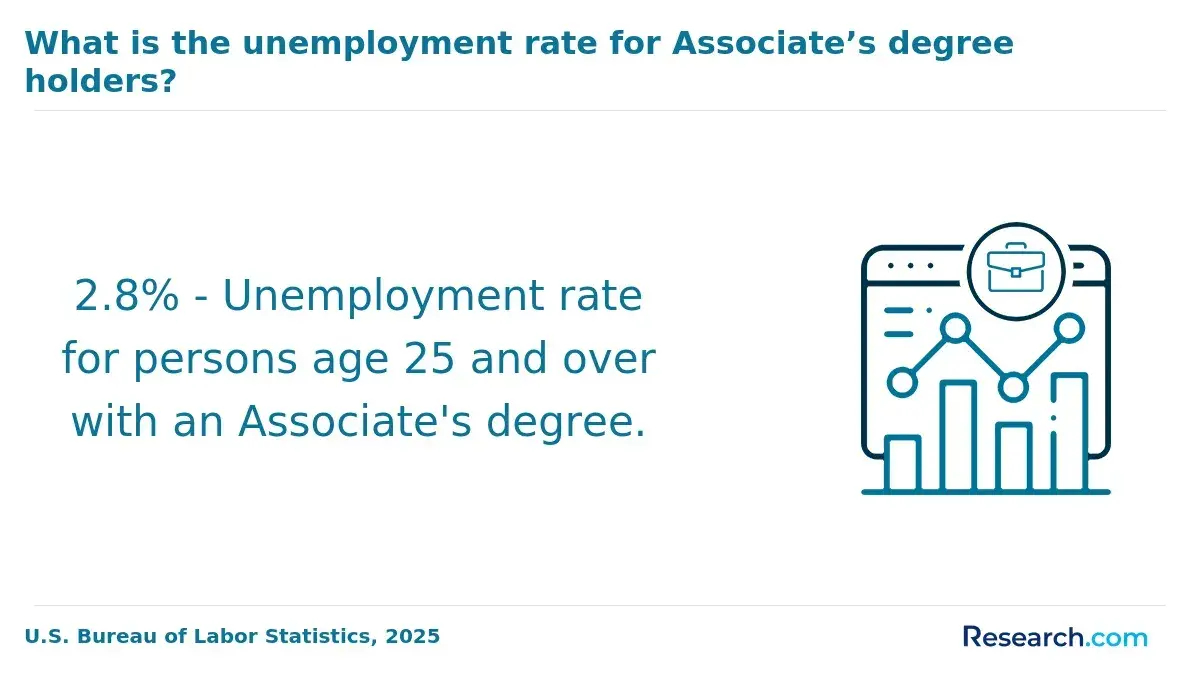
In contrast, associate degrees serve more as entry points or stepping stones rather than terminal credentials, with enrollments typically under 15%. Master's programs attract around a quarter of students but often cater to those pursuing specialized teaching skills, leadership roles, or applied linguistics expertise, which tend to require greater time and financial investment and thus limit their scale. Doctoral-level study, representing less than 5%, is generally pursued by individuals targeting academic research or university faculty positions, making it far less common and relevant to the majority of ESL practitioners engaged in direct instruction.
These patterns underscore practical tradeoffs for students balancing career objectives with educational commitments. The bachelor's degree offers the most direct path to standard ESL teaching employment and is increasingly available in online or hybrid formats, improving flexibility. Pursuing advanced degrees may open specialized or administrative roles but requires careful consideration of costs versus benefits, while associate programs mainly support those seeking quick entry or progression toward higher credentials. Prospective ESL students should weigh these factors relative to their immediate occupational goals and capacity for extended study.
How Do Enrollment Trends Differ Between Associate, Bachelor's, Master's, and Doctoral English as a Second Language Degrees?
Enrollment patterns in English as a Second Language degree programs reveal strategic choices tied to career goals and institutional demands. Associate degrees typically attract students aiming for quicker workforce entry, often supporting bilingual education roles without lengthy credentialing, which explains their steady but limited growth in community colleges.
In contrast, bachelor's programs—growing about 3% annually per the National Center for Education Statistics—draw both recent graduates and those switching careers, balancing teacher certification preparation with practical multilingual skills useful in expanding K-12 and adult education settings. This distinction highlights how time-to-degree and cost weigh heavily for students seeking immediate applicability.
Master's enrollments in English as a Second Language programs are rising faster, around 5% yearly, reflecting employer expectations for advanced linguistic expertise and leadership roles such as curriculum development, especially among international professionals. Doctoral programs, though small, remain pivotal for those focusing on research or policy influence rather than classroom teaching, often requiring longer commitments aligned with academic career aspirations.
Regional trends in English as a Second Language degree programs by degree type further underscore that higher degree pursuits correlate with greater emphasis on career mobility and specialized skill sets rather than initial job access.
These enrollment dynamics inform critical decisions about educational planning and outcomes, particularly for students assessing the tradeoff between immediate job prospects and advanced qualifications. For some, exploring options like an LPN program no TEAS required can offer alternative pathways balancing credentialing demands and workforce entry, illustrating how diverse educational trajectories intersect with ESL career planning in practical terms.
How Popular Is the English as a Second Language Degree Compared to Other College Majors?
The relatively low enrollment in English as a Second Language degrees compared to majors like business or engineering reflects more than mere popularity; it signals a niche academic and career pathway with specialized appeal. According to the 2024 IPEDS data, fewer than 15,000 undergraduates pursue ESL-related programs nationally, a stark contrast to fields drawing hundreds of thousands, which impacts program size, peer diversity, and specialization options.
Graduate completions follow a similar pattern, rarely exceeding 5,000 annually, suggesting limited but stable interest often tied to education and social services rather than rapidly expanding sectors. This scale and focus influence how institutions allocate resources and affect students' networking opportunities and alignment with workforce demand, especially in regions with dense immigrant populations like Southern and Western states.
Gender disparities further characterize ESL enrollment, with women consistently representing about three-quarters of the student body, mirroring trends across teaching professions but also shaping professional development and recruitment dynamics. The modest size of ESL programs may constrain some options but also fosters a focused community for students committed to linguistics and cultural mediation.
Prospective students should weigh the tradeoff between broader popularity and the degree's strong fit within education and community contexts, recognizing that program visibility and institutional emphasis vary substantially by region and institutional mission.
One former ESL degree holder recalled entering a small introductory class, noting the unusual blend of learners compared to other larger majors. Guided conversations with academic advisors highlighted the program's uniquely targeted scope, which sparked initial hesitation given enrollment numbers but also affirmed the degree's relevance in specific urban settings.
The graduate appreciated the intimate cohort experience and discovered that while the degree lacked mass appeal, its distinct focus opened professional doors aligned with their interest in supporting multilingual populations, validating the decision despite the program's comparative scale.
Why Is the English as a Second Language Degree More Popular in Certain States and Regions?
The regional demand for English as a second language programs is largely shaped by local labor markets and demographic realities rather than mere student preference. States like California and Texas, with immigrant populations exceeding 20%, demonstrate consistently higher enrollment in ESL degrees, reflecting direct workforce needs in education, healthcare, and social services sectors.
This localized demand influences not only the number of graduates but also affects networking opportunities and the perceived value of the degree within those regions. For instance, California's sustained migration trends have driven a roughly 15% higher completion rate for ESL degrees compared to the national average, highlighting how dynamic regional industries shape educational outcomes and career trajectories.
Access to institutional resources and state education policies also impacts how widely ESL programs flourish across different parts of the country. Regions emphasizing bilingual education funding and certifying ESL teachers generate stronger enrollment incentives, creating more robust pipelines for employment. Conversely, rural or less diverse states often experience limited program availability and lower population demand, which may restrict student choices and post-graduation employment avenues.
Women remain the majority in ESL degree programs nationwide, a gender pattern linked to the professions' caregiving and education roles, although this varies somewhat by region depending on local labor force compositions and cultural contexts.
Prospective and current students must weigh these regional factors carefully when planning their educational pathways, as the concentration of ESL degrees in particular states influences practical considerations such as program selection and long-term employability.
Those outside major immigrant hubs might find fewer on-campus options but could explore programs like the online ABSN programs model for flexible learning alternatives in related fields. Ultimately, navigating the connections between geography, policy, and workforce demand is essential for aligning an English as a second language degree with realistic career goals.
What Demographic Groups Are Driving Growth in English as a Second Language Degree Programs?
Enrollment growth in English as a second language degree programs increasingly reflects shifting workforce demands and demographic complexity rather than mere population increases. Adult learners over 25, often balancing work and family, lead this trend due to the need for bilingual skills in healthcare, social services, and education sectors, which require practical language proficiency rather than purely academic credentials.
The rise in online offerings is instrumental for these nontraditional students, enabling access without sacrificing employment or caregiving responsibilities, though this modality also reshapes peer dynamics and instructional approaches within programs.
Gender patterns reveal female students still dominate enrollment, consistent with broader education-sector trends, but the steady increase in male participation signals expanding opportunities in business and technology fields that value multilingual abilities. Regionally, states across the South and West experience outsized enrollment growth driven by immigrant populations and workforce retraining initiatives, which link language education to economic integration. Hispanic and Asian student populations notably contribute to this increase, underscoring the importance of culturally responsive program design that accommodates diverse community needs and supports tailored retention strategies.
These demographic and delivery-system shifts have practical implications for prospective students and educators alike. Programs must balance flexibility with rigor to serve adult learners who seek direct applicability in their employment contexts, while also addressing the evolving expectations of employers for language proficiency coupled with specialized knowledge.
Understanding these nuances is crucial for stakeholders aiming to align instruction with real-world outcomes, as the growth patterns suggest that future program development will increasingly prioritize adaptability, regional relevance, and the intersection of language skills with sector-specific demands.
What Is the Future Outlook for English as a Second Language Degree Enrollment by Gender, Region, and Degree Level?
Enrollment in English as a second language degree programs is shifting in response to demographic and regional labor market dynamics rather than simply growing broadly. Women, who represent about 60% of undergraduate ESL enrollees according to the National Center for Education Statistics, are likely to maintain this gender dominance due to persistent educational participation patterns.
This affects program design and recruitment strategies while also influencing classroom environments and peer networks. For students and workforce planners, understanding this imbalance is crucial for anticipating collaboration styles and addressing potential gaps in male representation within the field.
Geographically, ESL enrollment is set to concentrate in the Western and Southern United States, where immigrant populations and multilingual communities are expanding. Institutions in these regions are increasingly adapting by offering more flexible and hybrid program formats that meet the needs of working adults and nontraditional students.
Graduate-level ESL demand, particularly at the master's level, is projected to grow over 10% nationally by 2030, driven by professionalization pressures in education and curriculum development roles. This trend underscores a strategic tradeoff for prospective students weighing whether to pursue advanced degrees that afford expanded employment options but require greater time and financial investment compared to undergraduate pathways.
For current ESL students and graduates, these enrollment patterns highlight the importance of regional labor market alignment and the increasing relevance of technological fluency in language instruction. Policies encouraging immigrant integration and the adoption of technology-enhanced learning are shifting curricular priorities and employer expectations.
Consequently, prospective students should carefully evaluate how program delivery, demographic realities, and degree level intersect to shape their educational outcomes and long-term career opportunities within a competitive multilingual education landscape.
For working adults balancing these ESL career goals with other responsibilities, self paced online colleges can offer the flexibility needed to complete coursework around variable schedules, making advanced degree pursuit more manageable alongside jobs and family commitments.
How Have English as a Second Language Degree Enrollment Trends Changed Over the Past Decade?
Changes in English as a second language degree enrollment over the past decade reflect evolving workforce needs and shifting demographic realities rather than simple growth patterns. While total enrollment increased by about 12% from 2014 to 2019, this expansion was uneven across regions and genders.
Women accounted for roughly 70% of all enrollments, reinforcing longstanding gender disparities in education fields. Regionally, demand concentrated in the Northeast and West Coast, where immigrant and refugee influxes created stronger market signals for ESL educators compared to slower-growing areas like the Midwest. These trends highlight how regional labor demands and demographic pressures shape both program availability and student interest.
Enrollment fluctuations also underscore the influence of external factors such as policy adjustments and the rise of online education after 2018, which expanded access to nontraditional and working students. However, the pandemic years (2020-2022) exposed vulnerabilities caused by reduced international student flow and institutional disruptions, contributing to a decline in participation and complicating completion rates that remain near 65%.
For prospective students and professionals, acknowledging these dynamics is critical; demand persists, but navigating regional disparities and program delivery modes, including flexible options like direct entry MSN programs online, is essential for long-term career viability. These realities emphasize a strategic approach that balances formal credentials with practical experience.
Where Is the English as a Second Language Degree Most Popular Across the United States?
English as a second language degree popularity in the United States is heavily concentrated in regions with significant immigrant populations and well-established educational infrastructures that prioritize bilingual instruction. This concentration reflects targeted workforce needs where demand for ESL-trained educators in K-12 and community programs is highest.
States like California and Texas demonstrate this trend, as their robust metropolitan centers create both educational program availability and practical teaching opportunities, shaping the regional professional landscape. Understanding English as a second language degree popularity by region in the United States is crucial for students assessing where the degree holds the most operational value and networking potential.
The uneven distribution also highlights how Midwestern states—with smaller immigrant populations and limited large urban hubs—experience lower ESL degree enrollment, though some cities show emergent growth signaling shifting demographic and workforce demands. Regions with specialized programs in TESOL and bilingual education provide enhanced pathways but often require students to weigh the tradeoff between program prestige and local job market saturation.
These geographic disparities have implications for graduates' employability, as alignment with state or metro workforce demand strongly influences long-term career outcomes compared to national degree statistics. For those balancing geographic flexibility with professional requirements, exploring related fields, including alternatives like online RN programs for non-nurses in Florida, may offer strategic advantages in parallel workforce sectors.
References
- United States ESL Schools and Programs https://www.esldirectory.com/esl-program-search/usa/
- Adapting to Changes in California’s English Learner Population - Public Policy Institute of California https://www.ppic.org/publication/adapting-to-changes-in-californias-english-learner-population/
- English as a Second Language vs English Language Arts vs Academic Writing – Englist https://englist.com/en/english-as-a-second-language-vs-english-language-arts-vs-academic-writing/
- Enrollments in Languages Other Than English in United States... https://www.mla.org/Resources/Guidelines-and-Data/Reports-and-Professional-Guidelines/Enrollments-in-Languages-Other-Than-English-in-United-States-Institutions-of-Higher-Education
- English VS. Foreign language degrees https://talk.collegeconfidential.com/t/english-vs-foreign-language-degrees/1118728
- 6 Best Tesl (Teaching English As A Second Language) courses In the USA 2026 https://www.hotcoursesabroad.com/study/training-degrees/us-usa/tesl-teaching-english-second-language-courses/loc/211/cgory/gc.523-4/sin/ct/programs.html
- In-Person Learning vs. Online Learning: Which Is Right for You? | ACE Blog https://ace.edu/blog/examining-in-person-instruction-from-a-virtual-mindset-what-can-we-improve/
- English as a second or foreign language - Wikipedia https://en.wikipedia.org/wiki/English_as_a_second_or_foreign_language
- Planning to take a degree taught in English when it’s not your first language? Here are some tips for success https://theconversation.com/planning-to-take-a-degree-taught-in-english-when-its-not-your-first-language-here-are-some-tips-for-success-254833
- What's Changed in English Language Teaching? Key Trends Shaping Modern ESL Classrooms https://www.lingua.edu/what-s-changed-in-english-language-teaching-key-trends-shaping-modern-esl-classrooms
Other Things You Should Know About English as a Second Language
Gender imbalances in English as a second language degree programs can shape peer interactions and teaching approaches. For example, programs with a predominance of female students may emphasize collaborative and communicative teaching styles, impacting how curriculum is delivered and received. Prospective students should consider how their learning preferences align with the typical gender mix, as it can influence group work dynamics and networking opportunities.
Regional differences affect ESL program accessibility, faculty expertise, and community engagement opportunities. Programs in diverse metropolitan areas often provide richer multicultural immersion and practical teaching experiences with varied learner populations. Conversely, rural or less diverse regions may offer smaller classes but fewer real-world practice chances, which can impact readiness for diverse classroom environments post-graduation.
Choosing specialization within an English as a second language degree can enhance employability in niche fields such as digital literacy or adult education, but it may limit opportunities if career goals shift. Broad degree tracks provide wider foundational skills, supporting diverse roles but may lack targeted expertise. Students should weigh immediate job market demands against their openness to evolving career paths, favoring specialization only if aligned with specific, foreseeable goals.
Higher degree levels in English as a second language programs typically entail increased research expectations and theoretical study, demanding greater academic commitment. While master's and doctoral degrees open paths to leadership, policy, or academic roles, they require a longer investment with uncertain immediate salary returns. Those focused on classroom teaching may find bachelor's degrees adequate, prioritizing direct teaching skills over advanced theory, which is a crucial consideration for balancing workload and career plans.