2027 Online Cinematography, Film & Media Bachelor's Degree Programs That Accept Transfer Credits

Co-Founder and Chief Data Scientist
Many students with prior college credits face uncertainty when seeking online cinematography, film & media bachelor's degree programs that recognize their previous coursework. Nearly 60% of students transferring into creative arts programs report transfer credit challenges, which can delay graduation and increase costs. This issue is particularly pressing in a growing field where timely degree completion influences career launch and employment in media industries.
This article explores online bachelor's programs that accept transfer credits, aiming to guide prospective students in selecting schools that maximize credit transfer, reduce redundancy, and streamline their path to a degree in cinematography, film & media.
Key Benefits of Online Cinematography, Film & Media Bachelor's Degree Programs That Accept Transfer Credits
- Accepting transfer credits reduces time to degree completion by allowing students to bypass redundant coursework, often shortening programs by up to one year.
- Students save significantly on tuition and fees, as transferred credits lower the total number of courses needed for graduation.
- Flexible online formats accommodate diverse schedules, enabling those with prior academic experience to tailor study pace around work or personal commitments.
Who Should Consider an Online Cinematography, Film & Media Bachelor's Degree With Transfer Credits?
Online cinematography, film & media bachelor's degree programs that accept transfer credits provide an efficient pathway for students with prior college coursework to complete their degree faster. According to a 2022 report by the National Student Clearinghouse Research Center, nearly 37% of undergraduate students in the U.S. transfer at least once, underscoring the growing significance of credit mobility in higher education. These programs particularly benefit students looking to leverage previous academic efforts while pursuing flexible online options.
Those who should consider an online cinematography, film & media bachelor's degree with transfer credits include:
- Students With Prior Credits: Individuals who want to maximize their past academic investments can avoid retaking courses by transferring college credits, accelerating their path to graduation.
- Working Professionals: Those seeking flexible film and media degrees that accept prior coursework can continue advancing their careers without interrupting their job responsibilities.
- Adult Learners: Returnees to education benefit from scheduling flexibility and the ability to apply previously earned credits, making it easier to balance studies with personal commitments.
- Military Veterans: Service members who have completed college or gained relevant training through military experience can transfer those credits toward their degree.
- Students Seeking Flexibility: Learners facing geographic, occupational, or personal constraints find that these adaptable programs meet their unique needs, helping them achieve educational goals efficiently.
Prospective students looking for online bachelor's degree programs with transfer credit options in cinematography and film will find this approach supportive of diverse educational backgrounds. Working professionals seeking flexible film and media degrees that accept prior coursework gain especially from credit transfer opportunities. For more guidance on related flexible learning paths, prospective students may explore programs like msw.
How Many Credits Can I Transfer Into an Online Cinematography, Film & Media Bachelor's Degree?
Students transferring into an online Cinematography, Film & Media bachelor's degree typically find that programs accept between 60 and 90 semester credits, which can represent roughly half or more of the total 120 to 130 credits needed for graduation. Many schools impose a cap on transfer credits around 75% of the degree requirements to uphold academic standards and ensure that essential skills and knowledge are gained through their curriculum. This approach allows students to accelerate degree completion while maintaining program quality, an important consideration in online film and media bachelor's degrees with transfer credit limits.
The number of credits accepted depends on several factors, including the compatibility of previous coursework with the receiving program's curriculum. Transfer credits tend to be approved when courses closely align with coursework in film production, screenwriting, visual storytelling, or media theory. Accreditation also significantly influences transferability; credits from regionally accredited institutions are generally preferred, while those from nationally accredited or non-accredited schools may be scrutinized more closely. Additionally, many programs equally recognize credits earned through online or in-person formats if standards are met. Prospective students should carefully compare their prior credits with major-specific and general education requirements to maximize their transfer potential and degree efficiency. For individuals interested in graduate-level study, exploring online mlis programs may offer a complementary educational path.
2026 Update: Checking Portfolio and Production Requirements After Transfer
For 2026, this update adds guidance on what transfer students should review beyond credit acceptance, especially in hands-on online cinematography, film, and media programs where final projects and portfolios matter.
- Whether transferred production, editing, or media courses count toward portfolio-building requirements.
- What camera, lighting, audio, and editing software access is expected for remote coursework.
- Whether the program requires a senior film, capstone, reel, or collaborative production project.
- How online students receive critique, mentoring, and feedback on visual storytelling work.
- Whether prior creative work can be reviewed for placement into advanced production courses.
- Any in-person intensives, screenings, internships, or local production expectations.
Reviewing these details helps students choose a transfer-friendly program that not only accepts past credits but also supports a strong portfolio for film and media careers.
What Types of Credits Transfer to an Online Cinematography, Film & Media Bachelor's Degree?
Many students entering online cinematography, film & media bachelor's programs bring a variety of prior academic credits, which can help reduce the time and cost needed to finish their degree. Recent trends indicate that about 60% of online learners use transfer credits to advance their education. Below are common types of credits often accepted by these programs.
- Community College Coursework: Credits from accredited community colleges, especially general education and introductory media classes, are frequently transferable. These courses serve as a solid foundation for upper-level study in film and media.
- Advanced Placement (AP) and International Baccalaureate (IB) Credits: High scores on AP or IB exams may be recognized to satisfy general education or elective requirements, allowing students to bypass certain entry-level courses.
- Military Training and Accredited Coursework: Veterans can often apply military experience and related coursework toward degree requirements, making higher education more accessible for service members.
- Professional and Technical Training: Documented participation in workshops, film schools, or technical institutes relevant to media production might be evaluated for credit, reflecting practical skills alongside academic learning.
- Previous University Coursework: Classes completed at accredited four-year institutions, particularly those related to communication, media studies, or liberal arts, are commonly reviewed for transfer eligibility if they align with the destination program's curriculum.
When discussing what credits transferred, a graduate of an online cinematography, film & media bachelor's degree shared that navigating the transfer evaluation process was "both exciting and nerve-wracking." He noted how he had to compile detailed syllabi and course descriptions to demonstrate equivalency and sometimes had to advocate personally for credit recognition. Although challenging at times, he emphasized that the effort saved him from retaking many classes and ultimately expedited his graduation timeline, making the journey well worth the persistence.
What Are the Rules for Transferring Credits to an Online Cinematography, Film & Media Bachelor's Degree?
Transfer credit policies for online cinematography, film & media bachelor's degree programs follow distinct academic guidelines and institutional criteria to maintain educational quality. Nearly 70% of students applying to transfer credits in related programs receive partial or full acceptance, demonstrating the value of knowing eligibility requirements early. Below are essential transfer credit rules relevant to these degrees.
- Accreditation Requirements: Credits must originate from institutions with regional or national accreditation, ensuring that transferred coursework aligns with established academic standards suitable for online cinematography programs.
- Course Equivalency: Transfer credits are accepted only when course content and learning outcomes closely mirror those in the film and media curriculum, especially focusing on fundamental cinematography subjects.
- Minimum Grade Standards: Many programs stipulate that prior courses should be completed with a satisfactory grade, typically a C or above, to qualify for transfer consideration in cinematography, film & media bachelor's degrees.
- Credit Limits: Institutions often impose a maximum cap on transferable credits, frequently ranging from half to three-quarters of the total degree requirements, influencing students' eligibility to reduce their time to graduation.
- Time Sensitivity: Due to rapid advancements in film and media fields, some programs restrict how old transferable credits can be, ensuring relevance and currency of the knowledge applied.
Careful review of eligibility criteria for transferring credits to film and media programs enables students to better map out their educational pathways. For similar academic planning in a different field, students might reference resources like this construction management degree guide for additional insight.
Which Colleges Are Transfer-Friendly for an Online Cinematography, Film & Media Bachelor's Degree?
Transfer policies vary widely among colleges offering online cinematography, film & media bachelor's degrees, with some institutions more receptive to accepting prior credits. National data shows that nearly four in ten undergraduate students move between schools during their studies, underscoring the importance of transfer-friendly options. Several types of colleges typically provide smoother pathways for credit transfers.
- Public Universities: Often backed by formal agreements with community colleges and regional institutions, these schools streamline the credit transfer process, providing clearer guidelines and predictable outcomes for transfer students.
- Online-Focused Schools: Designed with nontraditional learners in mind, these programs prioritize transfer evaluations and make admissions straightforward to support students who bring coursework from elsewhere.
- Adult-Friendly Programs: Catering to mature students, such programs frequently recognize prior learning and professional experience, allowing more credits to apply toward degree completion.
- Regional Comprehensive Colleges: Emphasizing accessibility and student success, these institutions tend to adopt more flexible credit acceptance policies to retain and graduate transfer students.
- Consortium or Network-Affiliated Institutions: Colleges that belong to academic networks facilitate credit sharing among members, reducing roadblocks for students moving between related programs.
When asked about her experience, a graduate of an online cinematography, film & media bachelor's degree shared that navigating credit transfers initially felt daunting due to inconsistent information across schools. She explained, "It took persistence to gather all the right documents and clarify course equivalencies." However, once the transfer process was underway, she found that schools with dedicated transfer support staff significantly eased the transition. Reflecting on her journey, she noted that choosing a program known for transfer flexibility saved her time and alleviated stress, enabling her to focus more fully on her creative studies.
Which Online Cinematography, Film & Media Bachelor's Degree Programs Accept the Most Transfer Credits?
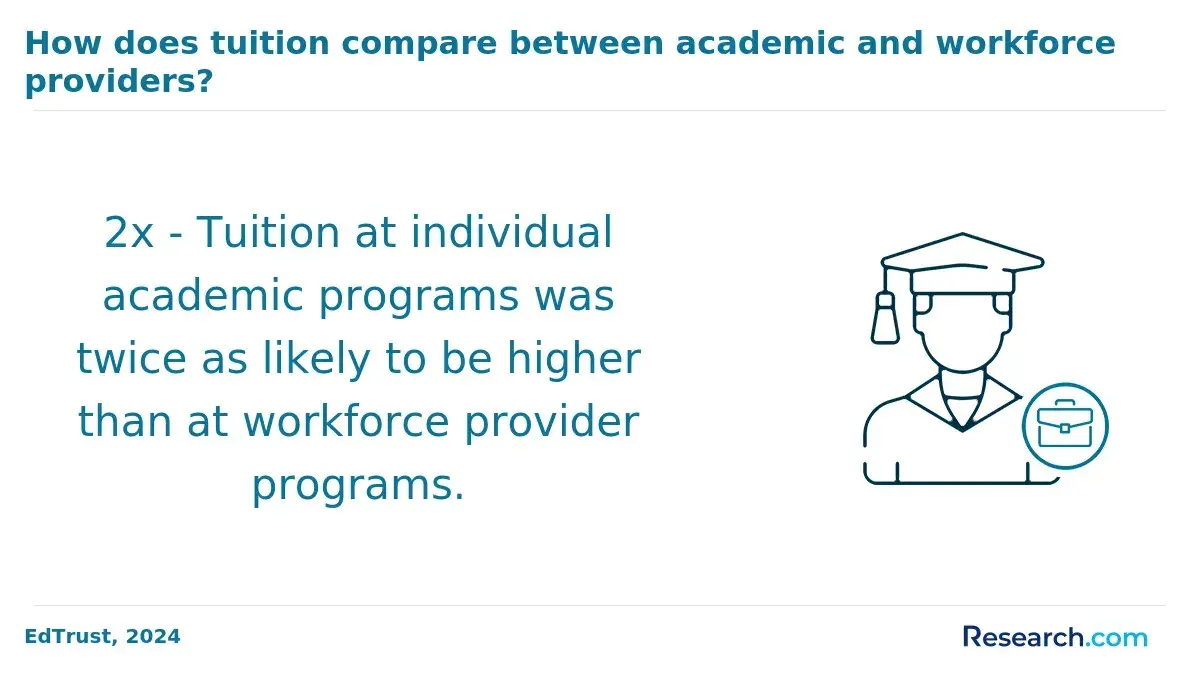
Certain online cinematography, film & media bachelor's degree programs are tailored to maximize the acceptance of transfer credits, allowing students to progress toward graduation more rapidly. Some institutions report transfer credit limits reaching as high as 90 credit hours, substantially cutting both the time and expense needed to complete a degree. Below are key traits common to programs with generous transfer policies.
- Flexible Curricula: These programs allow prior coursework to fulfill general education or elective requirements, adapting to a wide range of academic backgrounds and helping students avoid redundant classes.
- Competency-Based Formats: Instead of relying solely on completed courses, some programs evaluate students through portfolios, exams, or demonstrations of skills, awarding credit based on demonstrated knowledge.
- Adult Learner Focus: Designed for working students or those with family obligations, these programs emphasize credit acceptance to streamline degree completion and accommodate busy lifestyles.
- Articulation Agreements: Collaborations with community colleges or other institutions simplify the transfer process, ensuring smoother credit evaluations and greater credit acceptance.
- Transparent Advising: Clear transfer policies reinforced by dedicated academic advising help students identify which credits count, reducing lost time and aiding effective degree planning.
How Do I Transfer Credits to an Online Cinematography, Film & Media Bachelor's Degree?
Transferring credits to an online Cinematography, Film & Media bachelor's degree involves a structured process that recognizes your previous college coursework to help you save time and expense. Nearly 38% of undergraduates transfer at least once, emphasizing the need to understand how to effectively manage credit transfers. The following steps outline the basic process students typically follow.
- Transcript Submission: Provide official transcripts from all colleges or universities you have attended. These documents are essential for the admissions team to verify your academic history.
- Course Evaluation: Faculty or academic advisors compare your past coursework with the curriculum of the new program to assess alignment and relevance.
- Credit Approval: Transfer credits are awarded based on course equivalency, content, and acceptable grades. Not all credits may transfer, depending on program policies.
- Degree Plan Review: Incorporate the approved credits into your new degree plan, ensuring they satisfy general education or major-specific requirements in Cinematography, Film & Media.
- Academic Advising: Meet with an advisor to confirm that transfer credits support your graduation timeline and to plan any remaining coursework necessary for completion.
Supplying course syllabi or detailed descriptions can improve the accuracy of evaluations. Each program has its own transfer credit guidelines, but these steps offer a common framework to assist U.S. students pursuing an online bachelor's degree in Cinematography, Film & Media.
How Do Transfer Credits Speed Up an Online Cinematography, Film & Media Bachelor's Degree?
Transfer credits play a vital role in reducing the number of courses required to complete an online cinematography, film & media bachelor's degree. On average, students who transfer credits can save six months to a year on their degree completion time. This advantage allows students to focus on advanced coursework sooner and tailor their studies more efficiently. The benefits of transfer credits extend beyond just saving time; here are key ways they accelerate degree completion:
- Reduced Coursework: Transfer credits validate previous college-level work, allowing students to bypass classes on material they already know. This reduction in required courses lets students dedicate more time to specialized cinematography and film production subjects.
- Skipped Prerequisites: Many transfer students can avoid lower-level prerequisite courses. This enables direct enrollment in advanced classes that align closely with their career goals, speeding up academic progress in the chosen field.
- Shorter Timelines: By applying transfer credits, the total credit load needed to graduate decreases. This is especially helpful for students balancing work or family commitments, as it permits a more flexible and manageable study pace.
- Faster Progression: Quickly reaching academic milestones fosters motivation and reduces the risk of burnout. Maintaining steady momentum increases the likelihood of timely degree completion in a competitive creative industry.
These points demonstrate how transfer credits for online cinematography degree programs provide a practical strategy to accelerate film and media bachelor's degree completion. Students looking to optimize their educational journey may also explore a variety of accelerated psychology masters programs as another example of accelerated academic pathways available online.
Can Transfer Credits Reduce the Cost of an Online Cinematography, Film & Media Bachelor's Degree?
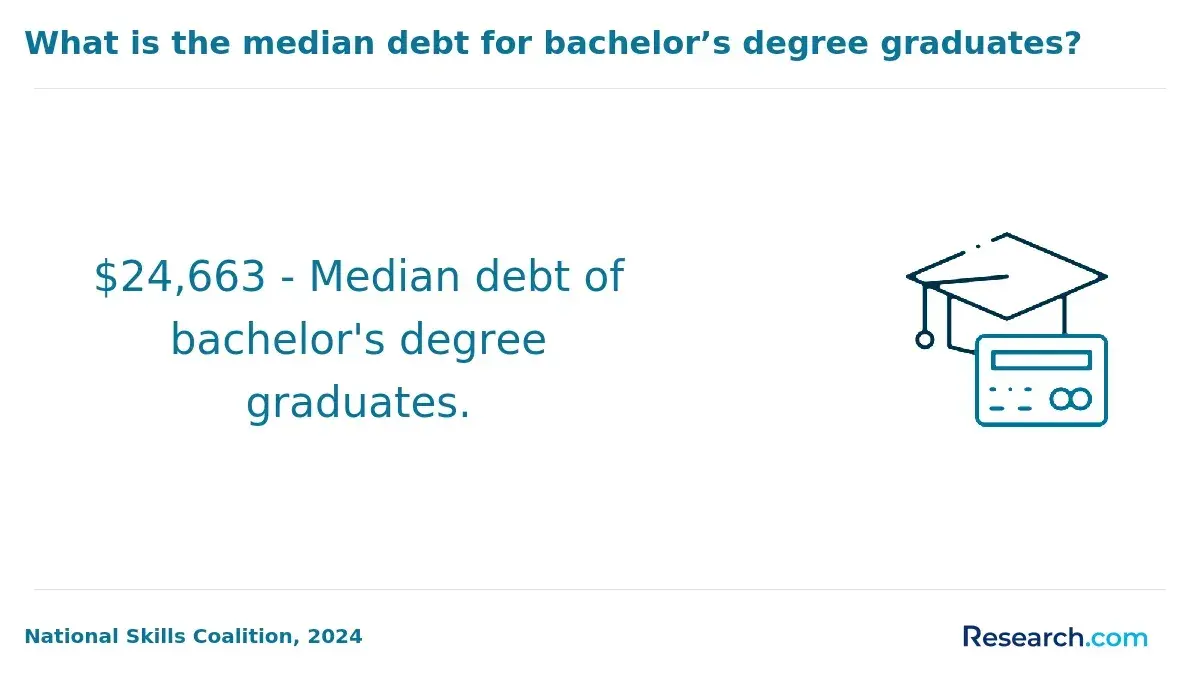
Transfer credits can significantly lower tuition costs for students pursuing an online cinematography, film & media bachelor's degree by reducing the number of courses needed to graduate. The National Center for Education Statistics reports that students who use transfer credits save an average of 20-25% on tuition compared to those starting from scratch. This cost-saving advantage extends beyond tuition and can impact various aspects of a student's educational expenses.
Benefits of applying transfer credits include:
- Fewer Tuition Payments: By reducing the total course load, transfer credits directly decrease the number of tuition installments a student must pay, making it easier to manage education expenses over time.
- Lower Textbook Costs: A shorter path to degree completion means purchasing fewer textbooks and course materials, which can add up to significant savings throughout the program.
- Reduced Enrollment Fees: Transfer credits often mean fewer semesters enrolled, which can lower associated fees such as technology, activity, or campus service charges typically billed per term or credit hour.
- Less Time Enrolled: Completing an online cinematography, film & media degree faster helps students enter the workforce sooner, potentially increasing lifetime earnings by starting their careers earlier.
- Minimized Ancillary Costs: For hybrid programs, fewer semesters on campus translate into savings on housing, commuting, and related expenses. Fully online options can further reduce or eliminate these costs.
Students looking to reduce degree cost with transfer credits in online cinematography, film & media programs may also find additional financial and time-saving benefits by focusing their resources on specialized tools and software essential for their studies. Exploring online interdisciplinary studies tuition costs can provide further insights into potential savings when combining credits from varied academic backgrounds.
How Can I Maximize Transfer Credits for an Online Cinematography, Film & Media Bachelor's Degree?
Strategically applying previous college credits can significantly shorten the time and lower the cost of earning an online cinematography, film & media bachelor's degree. Nearly 70% of transfer students successfully count prior credits toward their degree, accelerating completion and reducing expenses. Employing specific tactics improves the chances that your credits will be accepted.
- Review Policies: Investigate the transfer credit rules of your target programs early to determine which courses qualify. Schools vary in their acceptance criteria, so knowing the details helps you align your credits effectively.
- Plan Coursework: Select current and future classes that closely resemble the film & media curriculum to enhance transferability. Matching your courses with degree requirements reduces credit loss and fills essential gaps.
- Get Evaluations: Seek official credit assessments before enrollment to identify transferable credits in advance. Preliminary reviews prevent surprises and guide your course selection.
- Document Experience: Compile comprehensive records of workshops, professional training, and portfolios. Prior learning assessments or credit-by-exam options may award additional credits when well documented.
What Graduates Say About Online Cinematography, Film & Media Bachelor's Degree Programs That Accept Transfer Credits
- Valentino: "Choosing to transfer my credits to an online cinematography, film & media bachelor's degree program was a game changer. I was drawn by the flexibility it offered, allowing me to keep working while finishing my education. The reasonable cost of credit transfer made it accessible, and now I feel fully prepared for the film industry with the skills I gained."
- Zev: "Reflecting on my decision to transfer into an online cinematography, film & media bachelor's program, the process was straightforward and surprisingly affordable. What really stood out was how the program recognized my previous coursework, which saved me both time and money. This experience boosted my confidence and opened doors in my professional career that I hadn't anticipated."
- Grayson: "Professionally, transferring my credits to an online cinematography, film & media program was one of the smartest moves I made. The cost-effectiveness of transferring credits allowed me to invest more in equipment and workshops. This program's focused curriculum and industry connections have directly impacted my ability to land better film projects."
Other Things You Should Know About Cinematography, Film & Media Degrees
For 2027 online cinematography, film & media programs, transfer credits typically require courses to be from regionally accredited institutions, with a minimum grade of C or equivalent. Some programs may request course syllabi for evaluation to ensure alignment with their curriculum.
In 2027, most online film & media programs allow the transfer of up to 60 credits, equivalent to two years of study, from accredited institutions. This helps students seamlessly integrate into their bachelor's programs, ensuring they can complete their degrees efficiently.
Transfer credits are reviewed against course-by-course equivalency, accreditation status, and grade minimums. Many bachelor’s programs accept only credits earned with a C or better, and they may require official syllabi before awarding upper-division film, media, or production credit.
References
- Online Degrees https://www.nyfa.edu/online-degrees/
- Digital Cinematography Bachelor's https://www.fullsail.edu/degrees/digital-cinematography-bachelor-degree-program
- Bachelor in Filmmaking Transfer Program | Prague Film Institute https://www.praguefilminstitute.cz/filmmaking/bachelor-transfer/
- Bachelor Programme in Film and Media - Cinematography - Stockholm University of the Arts (SKH) https://www.uniarts.se/english/courses/bachelor-programmes/bachelor-programme-in-film-and-media-cinematography/
- Transfer Students https://illinoisstate.edu/academics/film-digital-media/transfer/
- BA, BFA, or Bachelor’s Specialization in Cinematic Arts & New Media https://www.miu.edu/bachelors-in-cinematic-arts-and-new-media
- How to Get a Bachelor's Degree Faster https://www.snhu.edu/about-us/newsroom/education/how-to-get-a-bachelors-degree-faster
- Bachelor of Science in Digital Media & Cinema - Columbia International University https://ciu.edu/program/bs-digital-media-cinema/
- Film Production Degree Program (BFA) | Undergraduate Admissions - Apply Here - Concordia University https://www.concordia.ca/academics/undergraduate/film-production.html
- Online Film School Programs https://www.affordablecollegesonline.org/degrees/best-online-bachelors-in-film-programs/