2027 English as a Second Language Degree Oversupply or Undersupply? Student Volume vs Employer Demand

Co-Founder and Chief Data Scientist
This article compares ESL student volume with employer demand, job growth patterns, industry needs, regional conditions, and skill gaps to assess whether this field offers sustainable opportunities or rising competition.
Key Things to Know About English as a Second Language Graduate Supply and Employer Demand
- Rising ESL graduate numbers outpace regional job openings by 15%, highlighting a tradeoff where increased credentials intensify entry-level competition, compelling candidates to pursue niche specializations or geographic flexibility.
- Employers prioritize ESL teachers with bilingual or digital literacy skills, signaling workforce demands that favor adaptable professionals and leave traditionally trained graduates at a disadvantage.
- Lengthy certification processes delay market entry, raising access costs and time burdens that disproportionately affect adult learners, potentially restricting workforce replenishment where ESL demand grows steadily.
- Key Things to Know About English as a Second Language Graduate Supply and Employer Demand Key Things to Know About English as a Second Language Graduate Supply and Employer Demand
- Is There an Oversupply or Undersupply of English as a Second Language Graduates? Graduate Oversupply or Shortage
- How is English as a Second Language Degree Enrollment Changing? Degree Enrollment Trends
- How Many English as a Second Language Graduates Enter the Workforce Each Year? Annual Graduate Workforce Entry
- Does Job Growth Support the Rising Supply of English as a Second Language Graduates? Job Growth Versus Supply
- How Competitive is the Entry-Level Market for English as a Second Language Graduates? Entry-Level Market Competition
- Which Industries Have the Greatest Demand for English as a Second Language Graduates? Top Hiring Industries
- Where are English as a Second Language Graduates Most in Demand? Top Geographic Demand
- Which English as a Second Language Specializations and Degree Levels Face the Strongest Demand? Which English as a Second Language Specializations and Degree Levels Face the Strongest Demand?
- Are Employer Skill Gaps Affecting Demand for English as a Second Language Graduates? Are Employer Skill Gaps Affecting Demand for English as a Second Language Graduates?
- What is the Future Supply-and-Demand Outlook for English as a Second Language Graduates? Future Supply-Demand Outlook
Is There an Oversupply or Undersupply of English as a Second Language Graduates?
Employers increasingly seek candidates with master's degrees or additional credentials like bilingual education, which creates credential mismatches that complicate straightforward workforce calculations. This affects the interpretation of ESL degree workforce demand trends, as entry-level competition is intense in some sectors yet adult literacy and corporate language training sectors show growing openings.
Prospective students and degree holders should carefully assess local labor market conditions and evolving employer expectations to make strategic decisions; for example, supplementing ESL training with targeted certifications can improve placement chances in niche markets. Those considering further education might explore options like the shortest DNP programs online as a model for balancing advanced credentials with time investment in related fields.
How is English as a Second Language Degree Enrollment Changing?
Enrollment growth is most prominent in associate degrees and certificate programs geared towards rapid workforce entry, contrasted with slower expansion in bachelor's-level programs where longer completion times and part-time study complicate alignment with employer demand. This divergence creates a supply dynamic where some sectors may experience credential saturation, particularly in widely available, lower-level certifications, while specialized or higher-degree pathways remain crucial for meeting nuanced employer needs, such as advanced ESL pedagogy or curriculum development roles. Consequently, workforce planners and prospective students should weigh whether program format, length, and specialization align with the realities of variable hiring patterns and the potential for attrition affecting timely entry into the labor market.
One ESL student recounted their experience navigating a program that had recently expanded online offerings, noting that cohort sizes had grown noticeably in the last two years. They expressed both curiosity and caution, as increased enrollment suggested rising interest but also raised concerns about job market saturation upon graduation. Their part-time status and balancing work with coursework underscored how shifting demographics-particularly more diverse, non-traditional students-shape enrollment trends that do not straightforwardly translate into guaranteed demand, emphasizing the need for strategic program and career planning.
How Many English as a Second Language Graduates Enter the Workforce Each Year?
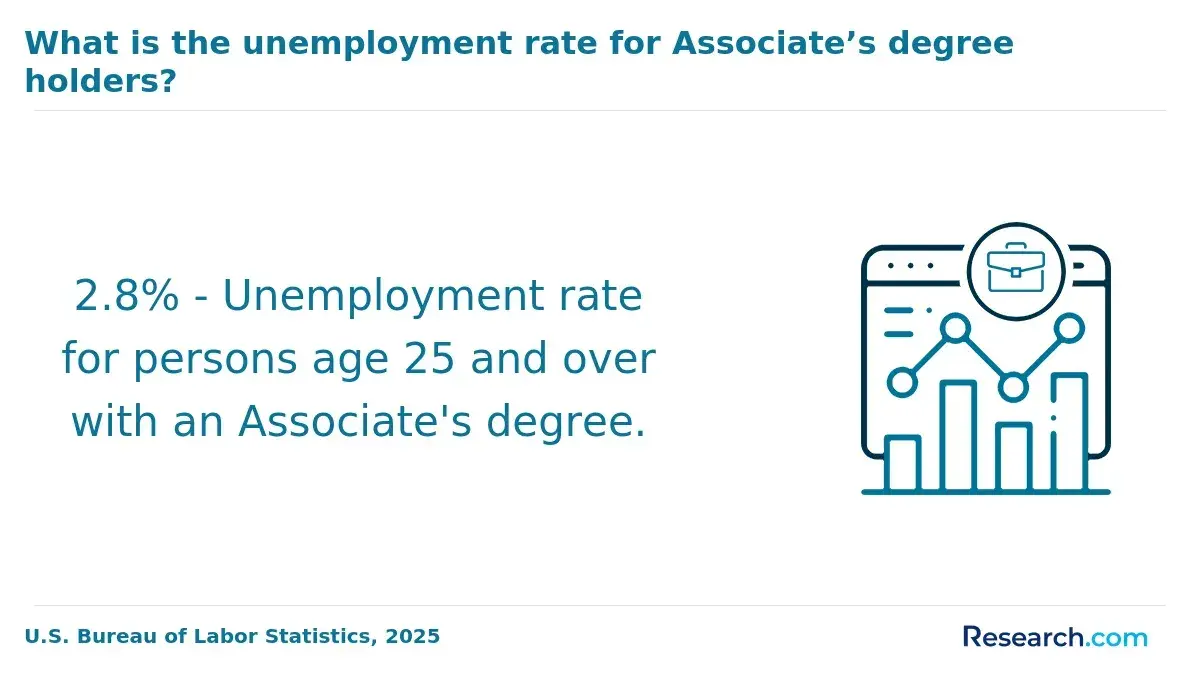
Employment outcomes vary widely by region, institution type, and specialization, with urban and immigrant-dense areas absorbing a higher proportion of ESL educators than rural districts. Around 60% to 70% of new graduates find relevant ESL-related jobs within a year, but this statistic masks important nuances such as employer preferences for additional certifications, bilingual capabilities, and practical experience beyond degree completion. Private language schools, adult education programs, and expanding online instruction platforms also shape hiring landscapes, creating opportunities that are not uniformly reflected in traditional public school vacancy counts. Misinterpreting graduate supply without factoring in these conditions risks overestimating workforce saturation or underestimating niche demands critical to regional and sectoral hiring patterns.
This complexity underscores the necessity for prospective and current ESL students to evaluate labor market data alongside detailed employment trends and credentialing requirements. Oversupply conclusions drawn solely from degree completion statistics can misguide career planning, especially given the fragmented nature of online ESL employment and variability in full-time versus part-time roles. The alignment between ESL graduate volume and employer demand must be assessed with contextual understanding of workforce segmentation, skill expectations, and geographic hiring disparities documented in authoritative education and labor datasets from 2024 onward.
Does Job Growth Support the Rising Supply of English as a Second Language Graduates?
Despite a projected 9% employment increase for roles related to English as a second language, this growth barely stretches to match the surge in graduates entering the market. The rise in degree completers, driven by expanded access to teacher preparation and interest in multilingual education, surpasses job creation, creating intensified competition especially in urban and immigrant-dense regions that traditionally offer more positions. Many openings require additional certifications-such as TESOL-or relevant experience, limiting access for fresh graduates. A prospective ESL teacher in a metropolitan area may find more roles than in rural zones, but still face barriers without specialized credentials or a track record, highlighting how employer demand nuances complicate clear-cut supply-demand assumptions.
Recruitment in ESL-related positions is further shaped by replacement needs from retirements and turnover, which absorb a notable fraction of vacancies and thus dilute opportunities for first-time hires. Moreover, sectors like education and community service often have constrained funding, restricting full-time slots despite apparent occupational growth. This layered demand contrasts with perceptions of uniform shortage and reveals risks of underemployment for graduates lacking geographic mobility or licensure. Stakeholders evaluating English as a second language job market growth trends should weigh these factors carefully, as steady expansion alone does not ensure broad employability or reduced competition.
For those navigating complex workforce dynamics, augmenting an ESL degree with practical experience and credentials remains essential. Interested professionals might also compare demand patterns within fields such as nursing, which sees increasing opportunity reflected in many employers' preference for candidates from affordable RN to BSN online programs. Such contrasts emphasize that aligning degree production with real employer demand requires more than following job growth rates; it demands strategic credentialing and geographic targeting to capitalize on evolving labor market realities.
How Competitive is the Entry-Level Market for English as a Second Language Graduates?
Entry-level employment for English as a second language graduates in 2024 reflects a complex interplay between rising graduate numbers and uneven employer demand rather than a straightforward oversupply. Labor projections from the U.S. Bureau of Labor Statistics suggest a moderate 7% growth in roles related to adult literacy and remedial education through 2032, but opportunity distribution is uneven across regions and institutions. Employers frequently prioritize candidates with prior teaching experience and certifications such as TESOL or CELTA, adding to barriers for new graduates entering the field directly from degree programs. This dynamic creates a competitive environment where many candidates accept unrelated or non-education roles initially, often in metropolitan areas saturated with ESL professionals and programs. The following factors significantly shape entry-level competition:
- Applicant Volume: The number of graduates entering the job market often surpasses immediate openings, intensifying competition among candidates, especially those lacking hands-on teaching experience. Graduates should assess program output relative to local hiring trends.
- Experience Requirements: Many job postings specify the need for practical teaching hours or recognized certifications, which can exclude fresh graduates and lengthen job searches.
- Industry Demand Variation: Growth is concentrated differently between public schools, private language institutes, and community-based programs, affecting job availability depending on sector focus.
- Geographic Concentration: Urban centers with established ESL ecosystems tend to have more roles but also denser applicant pools, while smaller markets may offer fewer positions but less competition.
- Professional Specialization: Skills in digital teaching platforms and hybrid instruction models are increasingly valued, rewarding candidates who cultivate relevant technological competencies.
- Credential Recognition: Holding certifications beyond the degree positively impacts employability by signaling readiness and compliance with employer standards.
- Labor Market Fluidity: Underemployment in related or non-teaching roles is common early in careers, highlighting the importance of strategic job acceptance to build experience.
One recent graduate recounted applying extensively in a large metropolitan area, encountering repeated requests for prior teaching credentials despite strong academic performance. After facing several interview rejections, they pivoted to targeting smaller districts and private programs willing to accept candidates with internship experience. This shift improved their chances but required geographic flexibility and acceptance of lower initial compensation. Their experience underscores the nuanced challenge of balancing credentials, experience, and location choices in a market that is neither purely oversupplied nor clearly undersupplied but marked by selective demand and skill expectations.
Which Industries Have the Greatest Demand for English as a Second Language Graduates?
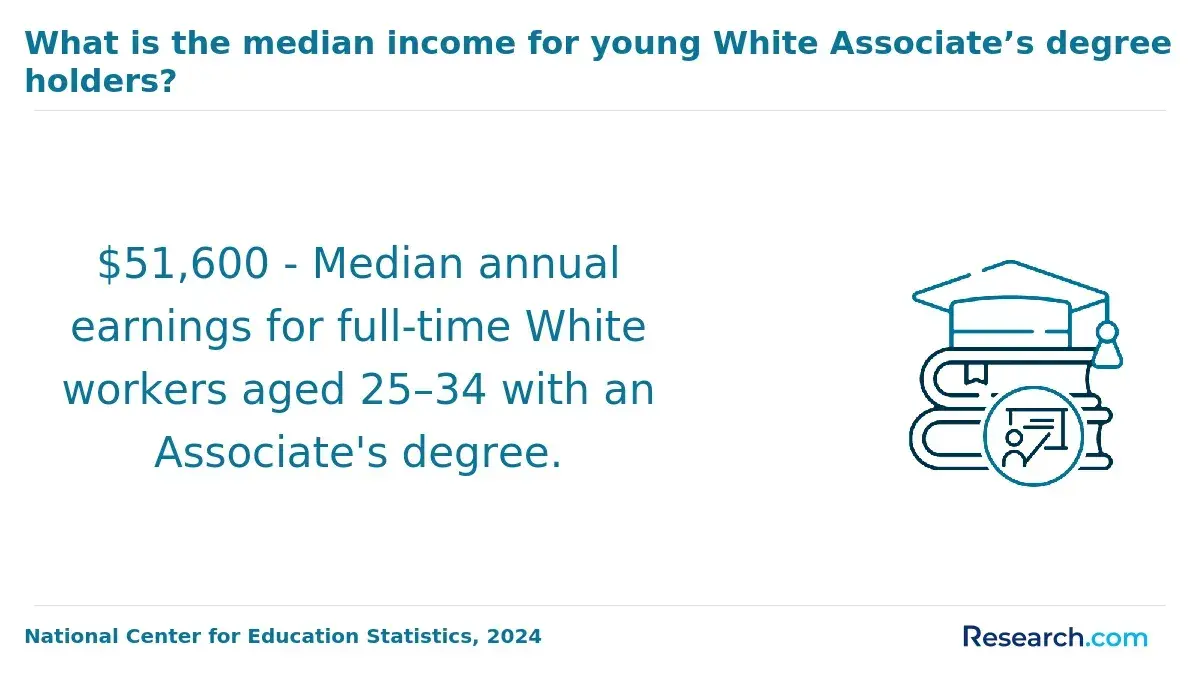
Employer demand for English as a Second Language graduates tends to cluster within a handful of sectors where both demographic trends and policy priorities align. High student volume in ESL programs can create a competitive landscape, especially when those graduates target fields with constrained hiring capacities. For example, a recent graduate deciding between public education or corporate roles must weigh the relative abundance of entry-level teaching positions against the specialized credentials required for business-oriented ESL training. This analysis reflects how regional demand for English as a Second Language specialists varies significantly based on industry-specific needs and labor market conditions. Below are major industries driving the strongest demand for ESL graduates.
- Education Sector: This remains the foremost employer of ESL graduates, particularly in K-12 public schools, adult education, and community colleges. Demand stems from ongoing immigration and multilingual education mandates. Entry-level roles focus on classroom teaching, while advanced positions involve curriculum development and administration.
- Healthcare Industry: Hospitals and clinics increasingly seek ESL professionals who can support patients with limited English proficiency. Roles range from direct language instruction to training healthcare staff in cultural competency, reflecting interdisciplinary integration. Specialized certifications may be preferred here.
- Social Services: Nonprofit organizations and agencies aiding immigrant and refugee populations rely on ESL expertise for communication facilitation, language assessment, and access to social programs. Opportunities often require skills in curriculum design and client-centered education.
- Corporate Sector: Multinational companies hire ESL graduates mainly to train employees in English communication for workplace safety and compliance. These positions demand combined ESL and business knowledge, narrowing the candidate pool and limiting volume.
- Trade and Manufacturing: ESL roles here depend heavily on local immigrant workforce concentrations. Seasonal labor fluctuations create episodic openings, but steady opportunities remain limited and regionally focused.
Graduates must balance job volume against competition and specialization demands. For instance, public education often offers more openings but higher competition, whereas corporate roles require additional credentials but fewer qualified applicants. Similarly, regional variations influence employer demand for English as a Second Language graduates, underscoring the importance of localized labor-market research. When considering their career path, students should also look beyond typical ESL domains-fields like healthcare may present less crowded paths for advancement. Prospective students evaluating programs should review practical employment outcomes carefully to avoid oversupply pitfalls.
For example, individuals weighing allied healthcare options alongside ESL degrees can also explore fields like radiology technology; links to the best online radiology tech programs offer alternative routes with distinct labor-market dynamics and potentially stronger growth profiles, illustrating the need for comprehensive career assessment amid fluctuating ESL job realities.
Where are English as a Second Language Graduates Most in Demand?
National figures on demand for English as a Second Language graduates often obscure sharp regional disparities tied to local demographics, educational ecosystems, and employer density. High immigrant populations in states like California and New York create frequent openings, particularly within public school districts and community agencies, yet these markets tend to be highly competitive and expensive to enter. For example, a recent graduate pursuing ESL roles in a large metro like Los Angeles might face numerous qualified candidates, requiring additional bilingual skills or specialized certifications to stand out, while also navigating elevated living costs and limited remote work options.
Conversely, smaller or less diverse states may offer fewer ESL positions but also weaker applicant pools, presenting different strategic considerations for graduates willing to relocate or specialize. Demand concentrates where institutional support for language education is robust, such as urban centers with integrated adult education programs or higher education institutions catering to international students. However, oversupply risks remain outside these hubs, meaning candidates must evaluate job volume in concert with local credential expectations and sector-specific needs rather than relying solely on headline vacancy numbers.
Labor market data from authoritative sources like the U.S. Bureau of Labor Statistics underscores that ESL employment prospects are more nuanced than overall growth projections suggest. Candidates benefit from analyzing not only job availability but also employer preferences for cultural competence, curriculum expertise, and administrative skills within particular regions. Weighing factors such as competition intensity, cost of living, and industry concentration enables more informed decisions, guiding graduates to roles where practical opportunity aligns realistically with their qualifications and long-term career ambitions.
Which English as a Second Language Specializations and Degree Levels Face the Strongest Demand?
Employer demand in English as a Second Language (ESL) fields is highly concentrated in specific degree levels and specializations rather than broadly spread across all graduates. Candidates with master's degrees focusing on TESOL and applied linguistics generally command more favorable hiring conditions, reflecting employer priorities for advanced theoretical knowledge combined with curriculum and instructional expertise. For instance, a TESOL master's graduate with practical experience typically accesses a wider range of K-12 and adult education roles, while a bachelor's degree holder in general education with an ESL endorsement often faces more competition and fewer specialized openings without additional certifications.
State workforce research indicates that about 65% of filled ESL-related vacancies require graduate-level credentials or specialized endorsements, demonstrating how degree level strongly influences market readiness. Employers also increasingly value bilingual education and intercultural communication given demographic shifts, especially in urban and high-immigrant regions. However, doctoral degrees, while prestigious, open narrower pathways primarily in university teaching and research, attracting a smaller, competitive segment of the labor market.
Key areas of strongest demand include:
- TESOL Master's Degrees: These remain the top choice for K-12 and adult education sectors because of their balanced emphasis on linguistic theory, teaching methods, and practical classroom preparation, often tied to licensure or certification requirements.
- Applied Linguistics Graduate Programs: Professionals with this specialization fulfill roles needing advanced language acquisition expertise and curriculum development skills, highly demanded in public schools and government educational agencies.
- Bilingual Education Expertise: Growing rapidly in linguistically diverse regions, this specialization addresses employer needs for culturally responsive teaching practices and mandates compliance with educational policies.
- Practical Teaching Experience With Credentials: Candidates coupling ESL degrees with classroom practice or TESOL certifications increase their competitiveness, especially for entry-level teaching roles requiring immediate instructional readiness.
- Doctoral Degrees in TESOL or Linguistics: Though representing a smaller segment, these are aligned with university-level research and faculty positions, a market with fewer openings and more academic competition.
Are Employer Skill Gaps Affecting Demand for English as a Second Language Graduates?
The persistent employer skill gaps for English as a Second Language graduates reflect not a straightforward shortage of candidates but rather a mismatch between graduate competencies and evolving job requirements. Many openings remain hard to fill because employers prioritize candidates with practical classroom experience, digital proficiency, and certifications beyond foundational ESL knowledge. For example, school districts with rapidly changing student demographics may prefer educators skilled in culturally responsive pedagogy and bilingual technologies, leaving well-credentialed but narrowly trained graduates at a disadvantage despite the steady inflow of degree holders.
The impact of skill mismatches on ESL job demand often distorts labor-market signals, contributing to an uneven landscape of oversupply in certain regions while undersupply persists in high-need or underserved communities. This regional variability is compounded by employers' preference for hybrid roles involving paraeducating or integrating tech tools alongside language instruction. Prospective students and current degree holders should consider how targeted internships, specialized certifications, and hybrid skill development can bridge these gaps. Aligning with employer expectations means adapting education pathways to encompass more than basic ESL coursework, a strategy similar to navigating competitive fields like ADN to NP programs where practical experience weighs heavily alongside academic qualifications.
Understanding these nuanced market realities is crucial for ESL graduates evaluating their career prospects. Simply holding an ESL degree does not guarantee stable employment, especially where digital literacy and application of adaptive instruction methods are increasingly demanded. Recognizing the impact of employer skill mismatches on English as a Second Language graduates and tailoring one's skill set accordingly will better position candidates to meet regional hiring priorities and long-term workforce demands.
What is the Future Supply-and-Demand Outlook for English as a Second Language Graduates?
Targeted job searches for English as a Second Language graduates consistently yield better results than high-volume, unfocused applications because they align efforts with demonstrated employer demand and specific regional needs. Graduates who research precise entry-level titles-such as ESL instructor roles in high-immigrant urban centers or bilingual education support specialists-can tailor resumes to reflect terminology and skills sought by these employers. For example, a recent graduate focusing solely on generic ESL teaching roles in saturated metropolitan areas might receive fewer interview callbacks than one who prioritizes suburban districts with documented educator shortages and highlights cross-cultural competency and digital literacy on their application. This approach is aligned with observed employment outlook and hiring trends for English as a Second Language degree holders, where localized demand and skill specialization directly affect job prospects.
Allocating time toward industries and locations where ESL demand is strongest allows candidates to demonstrate relevant classroom experience and practical skills through projects or volunteer roles, creating evidence of readiness beyond academic credentials. Graduates should also monitor application timing and market research to engage employers when hiring activity peaks, improving the likelihood of being noticed. While networking can support entry, it is not a standalone solution; measurable alignment between a graduate's qualifications and employer requirements drives interview conversions more reliably. Understanding the future supply and demand for English as a Second Language graduates in the US as a patchwork rather than uniform market helps direct job search strategies toward realistic opportunities that match qualifications and regional needs.
It is also useful for ESL graduates to consider adjacent education roles or fields with overlapping skills, similar to strategic moves in fields like athletic director jobs, where knowing the nuances of roles and employer expectations enhances job search efficiency. This nuanced strategy reduces wasted effort and positions candidates to compete effectively in a market where moderate growth coexists with areas of both oversupply and undersupply.
References
- 70 Fascinating English Language Statistics | EC English https://ecenglish.com/en/blog/news/70-statistics-about-the-english-language/
- Benefits of Degrees in English as a Second Language | AllEducationSchools https://www.alleducationschools.com/teaching-degrees/english-as-a-second-language/
- Planning to take a degree taught in English when it’s not your first language? Here are some tips for success https://theconversation.com/planning-to-take-a-degree-taught-in-english-when-its-not-your-first-language-here-are-some-tips-for-success-254833
- Teach English Abroad: Top 54 Countries (Table 2025) | TEFL.Org https://www.tefl.org/teach-english-abroad/
- Foreign Language Classes are Becoming More Scarce – Digital Promise https://digitalpromise.org/2019/04/16/foreign-language-classes-are-becoming-more-scarce/
- In-Demand Jobs for English Degree Holders | OEd https://oed.com.ph/top-10-careers-for-english-major-graduates/
- 5 Foreign Languages Especially Valued by Employers https://e-kariera.vistula.edu.pl/5-foreign-languages-especially-valued-by-employers
- Best English as a Second Language Jobs in Higher Education https://www.academicjobs.com/higher-ed-jobs/technical-and-career-jobs/english-as-a-second-language-jobs
- The Most Marketable Second Languages: A Study of 600 Job Postings https://preply.com/en/blog/most-marketable-languages/
- 7 Top Countries That Need English Teachers Abroad https://teflinstitute.com/blog/countries-that-need-english-teachers/
Other Things You Should Know About English as a Second Language
Longer ESL degree programs with extensive practicum or specialization components often enhance hands-on teaching skills and cultural competence, which employers highly value. However, these programs require greater time and financial investment, which may not be practical for all students. Prioritizing programs that balance core language acquisition theory with applied teaching methods can improve readiness without overextending resources, making employability gains more meaningful.
Programs heavily weighted toward linguistics or theoretical frameworks may prepare graduates well for academic research or higher education but often provide less direct training in classroom management, lesson planning, and student engagement techniques. This mismatch can reduce appeal to typical ESL employers who seek candidates ready for immediate instructional responsibilities. Students should critically assess whether a program's curriculum aligns with practical teaching demands to avoid limiting job prospects.
Employers tend to favor candidates from programs with established reputations or local accreditation recognized within their hiring region, which means graduates from lesser-known or online ESL programs may face obstacles despite comparable skills. For students targeting specific regions or school districts, prioritizing institutions with strong regional ties or partnerships can substantially improve chances of job placement and networking opportunities.
While advanced ESL degrees and certifications can open doors to specialized roles or higher salaries, extended schooling delays workforce entry and accumulating practical experience. For many candidates, especially those balancing financial constraints, gaining immediate teaching experience and pursuing credentials incrementally may offer a better return. Evaluating whether the additional qualifications directly correspond to available job openings is crucial before committing to longer academic pathways.