2027 Best AI Degrees for Students Interested in Marketing Analytics

Co-Founder and Chief Data Scientist
Many students with backgrounds unrelated to marketing or technology struggle to find clear pathways into the rapidly growing field of marketing analytics powered by artificial intelligence. The lack of flexible, accredited degree programs tailored to newcomers creates barriers to entry for those seeking career advancement. This creates a critical need for guidance on choosing degrees that combine foundational knowledge with practical AI applications specific to marketing.
This article explores the best degree options designed for individuals aiming to pivot into marketing analytics, highlighting programs that balance technical skills with real-world business insights to accelerate career transformation.
Key Things You Should Know
- Degrees combining marketing analytics and artificial intelligence emphasize data-driven decision making and predictive modeling, reflecting a 20% industry growth in AI marketing jobs projected by 2028.
- Top U.S. programs in 2027 integrate machine learning, consumer behavior analytics, and programming skills, ensuring graduates meet increasing demands for AI proficiency in marketing roles.
- Employers value interdisciplinary expertise; graduates with AI degrees focusing on marketing analytics command starting salaries averaging $75,000, 15% higher than traditional marketing degrees.
What is a marketing analytics AI degree, and what careers does it prepare you for?
A marketing analytics AI degree programs equip students with skills to apply artificial intelligence techniques in analyzing consumer behavior, market trends, and campaign performance. This specialized degree combines data science, machine learning, and marketing principles to help graduates extract actionable insights from large datasets. Coursework often includes predictive modeling, natural language processing, and data visualization tailored to marketing objectives.
Careers in marketing analytics with AI skills include roles such as market research analyst, data strategist, customer insight analyst, and AI marketing specialist. These professionals focus on optimizing marketing campaigns through data-driven strategies, improving targeting accuracy, and measuring ROI using advanced analytics tools. For example, a data strategist may leverage AI algorithms to uncover emerging market segments, while a customer insight analyst could automate sentiment analysis on social media.
The degree also supports careers in digital marketing, sales forecasting, and consumer behavior modeling. Industries like retail, finance, technology, and advertising increasingly demand professionals with AI expertise to enhance decision-making. According to the U.S. Bureau of Labor Statistics (Occupational Outlook Handbook), employment for market research analysts is projected to grow 13% from 2022 to 2032, reflecting rising needs for AI-driven marketing analytics.
Students should seek programs offering hands-on experience with AI tools such as Python, R, and TensorFlow, along with marketing datasets integration. Ethical considerations and data privacy in AI use are critical topics mirroring real-world marketing analytics challenges. For more detailed insights on AI education pathways, explore ai degrees.
Which AI degrees best match marketing analytics roles and employer needs?
Degrees that best match marketing analytics roles and employer needs are those emphasizing data science, machine learning, and applied artificial intelligence combined with marketing or business analytics coursework. The World Economic Forum's Future of Jobs Report highlights "AI and Big Data" as a leading growth area, confirming strong alignment of these degrees with market demands.
Specifically, bachelor's or master's degrees in data science with a marketing concentration, artificial intelligence with business analytics tracks, and specialized master's programs in marketing analytics that incorporate AI tools offer the most direct career preparation. These programs focus on skills like predictive modeling, natural language processing, and customer segmentation analytics.
For those seeking the best artificial intelligence programs for marketing analytics jobs, curricula should emphasize:
- Machine learning algorithms for consumer data analysis
- Big data platforms tailored for marketing datasets
- Statistical programming languages such as Python and R for AI modeling
- Interpretation of automated insights to guide marketing decisions
Degrees centered solely on marketing theory without embedded AI or data science components tend to fall short of employer expectations for technical skills. Conversely, standalone AI degrees lacking marketing context limit understanding of consumer behavior. Hybrid AI-marketing analytics degrees address this precisely, especially when combined with internships or projects at marketing technology firms that enhance job readiness.
U.S. students aiming for ai degrees for marketing analytics careers should seek programs that integrate artificial intelligence fundamentals, advanced analytics, and marketing expertise. Exploring options like an online mechanical engineering bachelor degree can also benefit those interested in data-driven roles intersecting technology and marketing.
What jobs can you get with an AI degree focused on marketing analytics?
An AI degree focused on marketing analytics opens doors to valuable ai marketing analyst career opportunities. Graduates often fill roles such as data analyst and data scientist, highly sought after to process large marketing datasets and improve customer targeting, trend forecasting, and campaign performance. These professionals use tools like SQL and Python, key skills taught in marketing analytics programs, to manage databases and perform advanced statistical analyses.
Job roles in marketing analytics with ai degree include marketing data engineer, who builds scalable data pipelines, and AI product managers, who guide the creation of AI-driven CRM and personalization solutions. Business intelligence analysts also play a critical role by converting complex marketing data into actionable insights for leadership. Clear communication of data findings is essential to collaborate effectively with marketing teams on AI-enabled strategies.
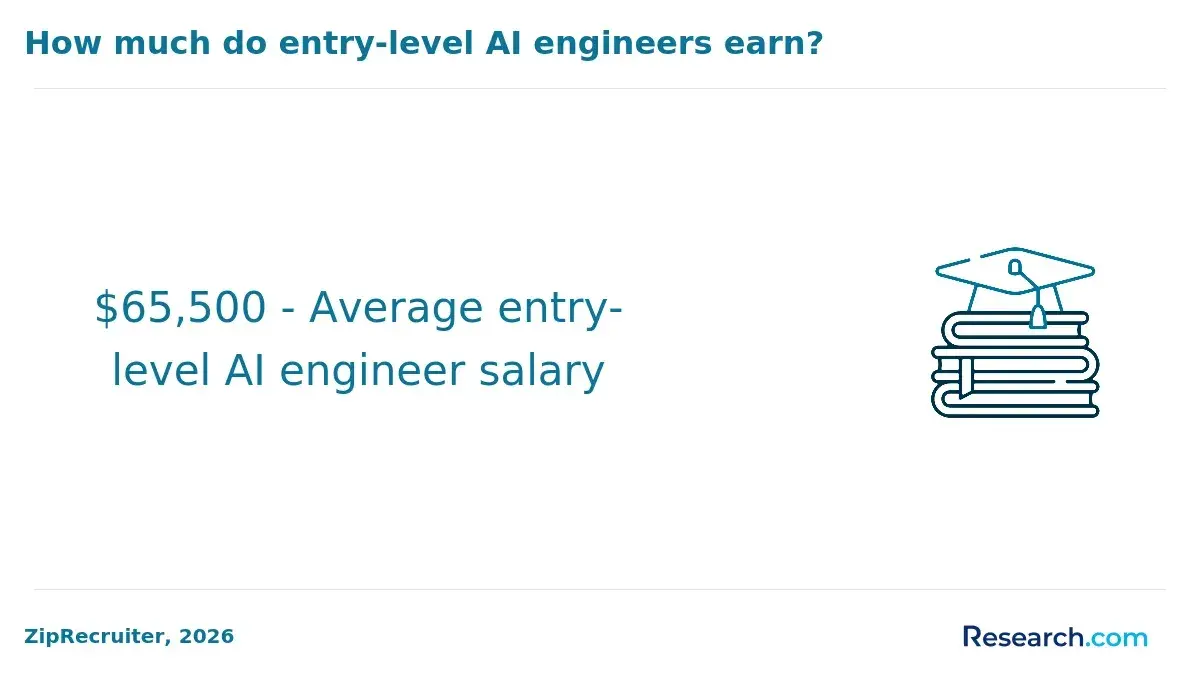
Opportunities span various industries including e-commerce, digital advertising agencies, and consumer goods, offering salaries that typically range between $65,000 and $120,000 based on experience and location. Those interested may explore programs such as an ai masters degree to build the necessary expertise and maximize career growth potential.
How do online AI programs compare with on-campus options for marketing analytics?
Online AI marketing analytics degrees compare with traditional on-campus programs by offering flexibility that suits students juggling work, family, and education. According to National Center for Education Statistics / IPEDS 2024 data, about one-third of U.S. postbaccalaureate students are fully enrolled in distance education, underscoring the growing acceptance of online advanced analytics and AI studies.
Compared to on-campus options, many online programs provide the same core courses, including data mining, predictive modeling, and marketing data visualization. However, evaluating the quality of virtual labs and AI software access is essential for building practical marketing analytics skills. Some online degrees also include live sessions, mentoring, and collaborative projects, helping narrow the gap between remote and campus experiences.
On-campus programs offer face-to-face networking with peers, faculty, and local industry professionals, which can lead to internships or part-time roles applying AI to marketing analytics in real-world settings. Students seeking immediate immersion in marketing firms or tech hubs may find unique benefits in these traditional programs.
Online learners should verify if virtual internships, industry partnerships, and career services are available to gain hands-on experience. Employers increasingly recognize reputable online AI degrees, but graduates must showcase skills through capstone projects or certifications. Those interested in affordable study options might explore online cybersecurity degree programs for comparison. Ultimately, the benefits of online versus on-campus AI degrees in marketing analytics depend on personal circumstances, including time, location, learning preferences, and career goals.
What courses and skills should an AI marketing analytics program include?
An ai marketing analytics program must develop strong foundations in both data science and marketing principles. Core subjects include machine learning algorithms, which enable predictive modeling and customer segmentation for targeted marketing strategies. Training in statistics and experimental design is vital to accurately evaluate campaign performance and optimize marketing efforts.
Proficiency with analytics tools is equally important. Programs commonly teach Python, R, SQL, and popular marketing analytics software to extract actionable insights from large datasets. Students also learn data visualization tools like Tableau or Power BI to turn complex metrics into clear business intelligence for marketing teams.
LinkedIn's Most In-Demand Skills report highlights ai literacy and data analysis as rapidly growing skills employers seek, underscoring the importance of courses that combine machine learning, analytics, and experimentation. Hands-on projects simulating real-world challenges, such as customer journey mapping and A/B testing, are essential for practical experience.
Additional coursework often covers digital marketing fundamentals, consumer behavior analytics, and ethics in ai use, preparing students for the multidimensional environment of modern marketing. Understanding privacy regulations and data governance is critical for compliance in data-driven marketing.
Complementary skills include natural language processing for sentiment analysis and interpreting marketing KPIs through ai-powered dashboards. This skill set equips graduates to address questions like improving campaign ROI, predicting customer churn, and automating marketing workflows efficiently.
What accreditation should AI degrees have to be credible to employers?
Credible AI degrees in marketing analytics come from institutions accredited by a U.S. Department of Education (DOE)-recognized accreditor. DOE accreditation is essential for students to qualify for federal financial aid, acting as a baseline for program quality and rigor. This ensures degrees are respected by employers and graduate schools.
Accreditation confirms that a program meets academic standards, offers relevant curricula aligned with industry needs, and employs qualified faculty. Degrees from nonaccredited schools can limit financial aid access and reduce job market competitiveness.
Students should check for regional accreditation bodies like the Middle States Commission on Higher Education (MSCHE) or Western Association of Schools and Colleges (WASC). National accreditors recognized by DOE are also valid but less common for AI and analytics programs. Programmatic accreditation, such as ABET (Accreditation Board for Engineering and Technology), adds further credibility. For example, an AI analytics degree from a regionally accredited university with ABET-accredited computer science or data science departments carries stronger employer recognition.
Recruiters often prefer candidates from accredited institutions due to compliance with federal and industry standards. Verify accreditation through DOE's database or the school's official website to confirm financial aid eligibility and enhance career prospects.
Accreditation remains the most objective way to assess the legitimacy and value of AI degrees tailored for marketing analytics roles.
What admissions requirements do AI degrees typically have for marketing analytics students?
Admissions for ai degrees focused on marketing analytics usually require a bachelor's degree in business, computer science, statistics, marketing, or related fields. Strong quantitative skills and a foundation in programming or data analysis are necessary, often demonstrated by prerequisite coursework in calculus, linear algebra, and statistics. Some programs ask for competitive GRE scores, typically 160 or higher in the quantitative section, although several have recently waived this requirement.
Letters of recommendation from professors or industry experts who can attest to an applicant's analytical and problem-solving abilities are important. Personal statements should clearly outline goals related to marketing analytics and ai applications. For international applicants, proof of English language proficiency is critical. Many U.S. graduate programs expect TOEFL iBT scores between 80 and 100 to ensure readiness for technical coursework.
- Portfolios featuring coding projects, data analysis, or marketing research may be requested to showcase practical skills.
- Relevant work experience in marketing analytics or data science can strengthen applications, especially if academic qualifications are less comprehensive.
Early preparation of these elements enhances the chances of admission into competitive programs. Meeting academic and language benchmarks supports successful progression into ai fields focused on marketing analytics.
How long do AI degrees take, and what do they cost?
AI degrees generally require two to four years to complete, varying by program type and level. Associate degrees in AI or data analytics take about two years and provide foundational skills suitable for early workforce entry. Bachelor's degrees, common for marketing analytics roles, usually span four years and cover AI concepts, marketing principles, and data analysis. Some institutions offer online or part-time bachelor's options extending to five years, helping working professionals balance schedules.
Master's degrees in AI or marketing analytics typically demand one to two years beyond a bachelor's. These programs focus on specialized topics like machine learning in marketing or predictive analytics. Shorter certificate programs last several months, offering targeted AI skills but often serve as supplements rather than stand-alone credentials.
The College Board's Trends in College Pricing 2024 reports average in-state tuition and fees at public four-year universities are about $11,000 annually. A typical bachelor's degree in AI for marketing analytics at a public university costs roughly $44,000 in tuition alone, excluding housing and materials. Private institutions may charge two to three times more. Master's programs vary widely, from $20,000 to over $60,000 total, depending on the school and format.
What salaries can AI marketing analytics graduates expect in the United States?
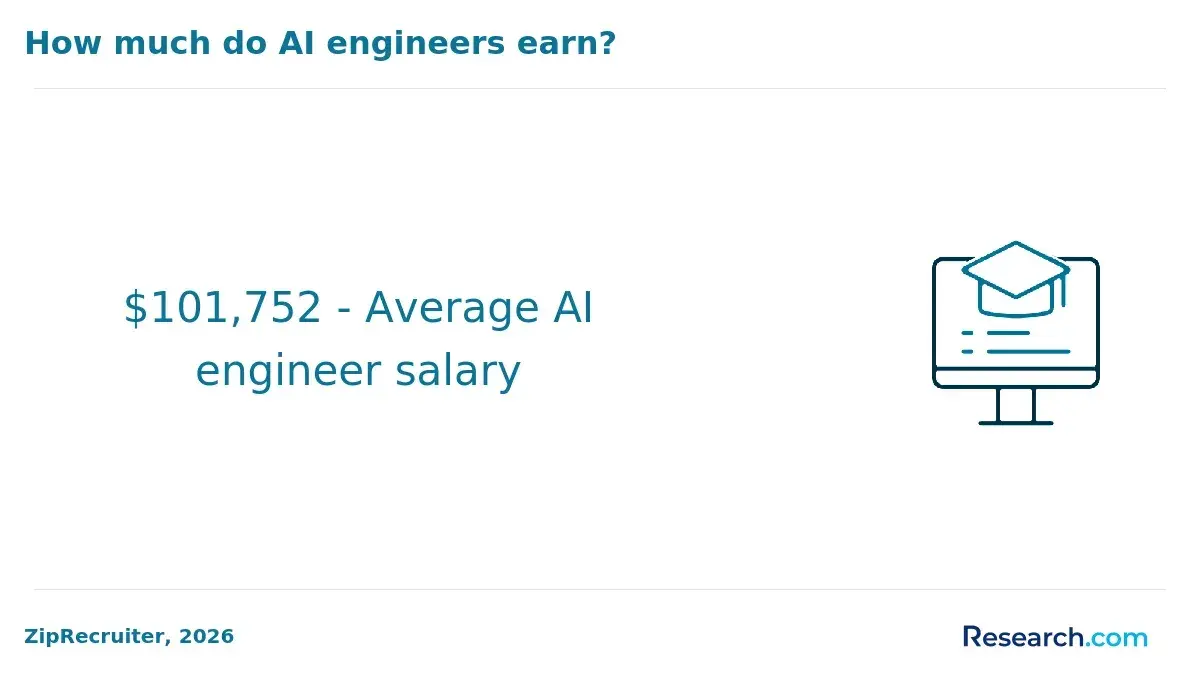
AI marketing analytics graduates in the United States generally earn median annual salaries around $108,000, based on data from the U.S. Bureau of Labor Statistics (May 2024 Occupational Employment and Wage Statistics). This wage reflects the median salary for data scientists, a role closely related to AI-focused marketing analytics.
Entry-level positions often start between $70,000 and $85,000, influenced by employer and regional factors. Tech hubs like San Francisco, New York, and Seattle typically offer salaries 15-25% above the national median due to higher living costs and competitive labor markets. In contrast, smaller cities or industries outside tech may provide salaries near or slightly below the national average.
Experienced professionals with advanced degrees or certifications can expect between $120,000 and $150,000 annually. Leadership roles such as analytics managers or AI strategy leads may command salaries exceeding $160,000. Key skills that boost earnings include machine learning, natural language processing, and advanced statistical analysis.
Many graduates explore freelance and consulting work, which can pay hourly rates from $50 to $150 depending on expertise and client needs. Employers prioritize hands-on experience with tools like Python, R, TensorFlow, and AI-integrated marketing platforms.
Salary expectations vary by location, experience, and specific AI competencies, yet the median data scientist wage offers a reliable benchmark of strong earning potential for AI marketing analytics graduates across the United States.
What certifications complement an AI degree for marketing analytics careers?
Certifications that complement an AI degree significantly boost technical skills and employability in marketing analytics careers. Industry demand favors expertise in data analytics, machine learning, cloud computing, and digital marketing technologies. According to Coursera's Global Skills Report, certificates in data analytics, AI, and cloud computing rank among the fastest-growing by learner enrollments, reflecting strong job market needs.
Key certifications to enhance an AI degree include:
- Google Data Analytics Professional Certificate: Focuses on data cleaning, analysis, and visualization using tools like SQL and Tableau, key for interpreting marketing data.
- Microsoft Certified: Azure AI Fundamentals: Covers foundational AI services on Azure, enabling marketers to design scalable AI-driven campaigns.
- IBM AI Engineering Professional Certificate: Provides deep knowledge in machine learning pipelines and deep learning aligned with predictive marketing models.
- HubSpot Digital Marketing Certification: Teaches data-driven marketing strategies, SEO, and inbound marketing techniques that complement AI insights.
- Certified Analytics Professional (CAP): Recognizes advanced analytics skills across various business applications and tools.
Combining an AI degree with these certifications addresses employer emphasis on practical skills rather than theory alone. These credentials fill gaps in cloud deployment, algorithm application, and user engagement metrics. Candidates should pursue certificates featuring hands-on projects that simulate real marketing scenarios. This approach strengthens resumes by demonstrating both technical proficiency and strategic marketing knowledge to recruiters and hiring managers.
Other Things You Should Know About Artificial Intelligence
Core subjects often include data mining, machine learning, marketing strategy, consumer behavior analysis, and predictive analytics. These courses equip students with the skills needed to leverage AI technologies effectively in marketing campaigns and consumer insights generation.
Programming languages such as Python and R are most commonly taught in AI degrees focused on marketing analytics due to their strong support for data analysis and machine learning libraries. These languages enable students to build predictive models, automate data processing, and implement algorithms crucial to analyzing consumer behavior and market trends.
Most bachelor’s programs require about 120 semester credit hours, including 30 to 45 credits in the major and concentration. Master’s programs usually require 30 to 36 credits. Programs tied to marketing analytics often add coursework in statistics, machine learning, consumer data, and predictive modeling.
Admission requirements often include a bachelor’s degree in a related field, proficiency in statistics and programming, and a statement of purpose. Some programs may also require GRE scores and letters of recommendation, particularly for competitive programs in marketing analytics and AI.
References
- What’s the Difference Between Online vs. On-Campus Digital Marketing Master’s Programs? | Digital Marketing Institute https://digitalmarketinginstitute.com/blog/whats-the-difference-between-online-vs-on-campus-digital-marketing-masters-programs
- AI Marketing Analytics Certification | IABAC https://iabac.org/artificial-intelligence-certification/certified-ai-professional-in-marketing-analytics
- AI-driven Digital Marketing: Admission requirements https://www.rotterdamuas.com/programmes/exchange/AI-driven-digital-marketing/admission-requirements/
- Top Digital Marketing with AI Certifications for Jobs https://proplusacademy.com/top-digital-marketing-with-ai-certifications/
- 3 Ways to Tell if Your AI Certification is Credible - Bizzuka https://www.bizzuka.com/3-ways-to-tell-if-your-ai-certification-is-credible/
- Courses in AI and Marketing Analytics in Oviedo, Spain https://ia.university/academic-programs/ai-marketing-analytics-oviedo-ia-ai/
- 2-Year MSc in Data Science and AI for Marketing https://www.audencia.com/en/our-programs/2-year-msc-in-data-science-and-ai-for-marketing/overview
- Understanding the Salary Potential for AI Marketing Analysts https://quantacus.ai/post/understanding-the-salary-potential-for-ai-marketing-analysts
- Degrees That Transfer to Emerging AI Careers https://www.careergroupcompanies.com/blog/degrees-that-transfer-to-emerging-ai-careers
- How Much is an AI Course? https://www.nobledesktop.com/learn/ai/how-much-is-a-ai-course