2027 AI Master's Degree Careers in Natural Language Processing

Co-Founder and Chief Data Scientist
In 2027, many professionals with unrelated undergraduate degrees face challenges transitioning into careers focused on natural language processing (NLP). The rapid growth of AI applications demands specialized knowledge, but finding flexible and accredited master's programs tailored for career pivots remains difficult. Without the right educational pathway, these individuals risk missing emerging opportunities in this competitive field.
This article explores current AI master's degree options that emphasize NLP, highlighting practical career outcomes and pathways. It aims to guide prospective students in selecting programs that efficiently bridge their background with industry-relevant skills and certifications.
Key Things You Should Know
- Master's degrees in natural language processing (NLP) are increasingly valuable, with a 28% job growth projected by 2028, driven by demand in tech, healthcare, and finance sectors.
- The curriculum typically includes deep learning, linguistics, and data science, equipping graduates with skills to develop AI models that understand and generate human language.
- Average starting salaries for NLP master's graduates in 2026 range from $90,000 to $120,000 annually, reflecting the competitive market and critical industry applications.
What careers can you pursue with an AI Master's degree in Natural Language Processing?
An AI master's degree in natural language processing (NLP) prepares graduates for diverse careers that involve enabling machines to understand and generate human language. Popular job opportunities in natural language processing for AI graduates include positions such as NLP engineer, where professionals create algorithms to analyze text, speech, and sentiment. These skills are crucial in developing chatbots or virtual assistants for customer service, requiring knowledge of machine learning, linguistics, and software engineering.
Other prominent roles include machine learning engineer and data scientist positions focused on NLP tasks such as entity recognition, text classification, and summarization. These roles often span industries like healthcare, finance, and marketing, where extracting insights from unstructured text data informs strategic decisions. A computational linguist combines expertise in linguistics and AI to enhance language models and speech recognition, critical for multilingual applications and real-time translation.
With the NLP market projected to reach $61.35 billion by 2028, careers with an AI master's degree in natural language processing are growing rapidly across startups, major tech firms, and government agencies. For those interested in research, academic and AI researcher roles focus on advancing NLP algorithms and ethical AI usage. Practical advice for job seekers includes mastering frameworks like TensorFlow and PyTorch and transformer models such as BERT or GPT to tackle challenges like automated content moderation and sentiment analysis.
Technical rigor and interdisciplinary knowledge define these career paths. Prospective students may also explore insights on applied artificial intelligence salary to better understand the value of this expertise.
What is the job outlook and salary potential for NLP professionals in the United States?
The job outlook for natural language processing experts in the US is exceptionally positive, fueled by growing demand for machine learning and data-driven language technologies. Machine learning engineers, a common career path for NLP graduates, earn a median annual salary of $136,000. The U.S. Bureau of Labor Statistics projects a 36% job growth rate through 2032, much faster than average. Key industries driving this need include technology, healthcare, finance, and government sectors developing chatbots, speech recognition, and automated translation systems.
nlp professional salary trends in the United States vary widely based on experience, specialization, and location. Entry-level professionals typically start between $90,000 and $110,000, while senior roles in major tech hubs often surpass $150,000 annually. Specialized jobs like deep learning researchers and computational linguists attract premium salaries. Obtaining certifications in recent frameworks and working with large language models can significantly boost earning potential.
Graduates are encouraged to explore related fields such as AI research, data science, and software engineering, which often overlap with NLP expertise. Geographic flexibility enhances opportunities, with clusters in cities like San Francisco, New York, and Boston. Continuous skill development remains vital as employers value professionals who apply the latest advances in artificial intelligence to solve real-world language processing challenges. For those interested in broadening their STEM background, consider options like mechanical engineering degrees online.
What are the admission requirements for AI Master's programs specializing in Natural Language Processing?
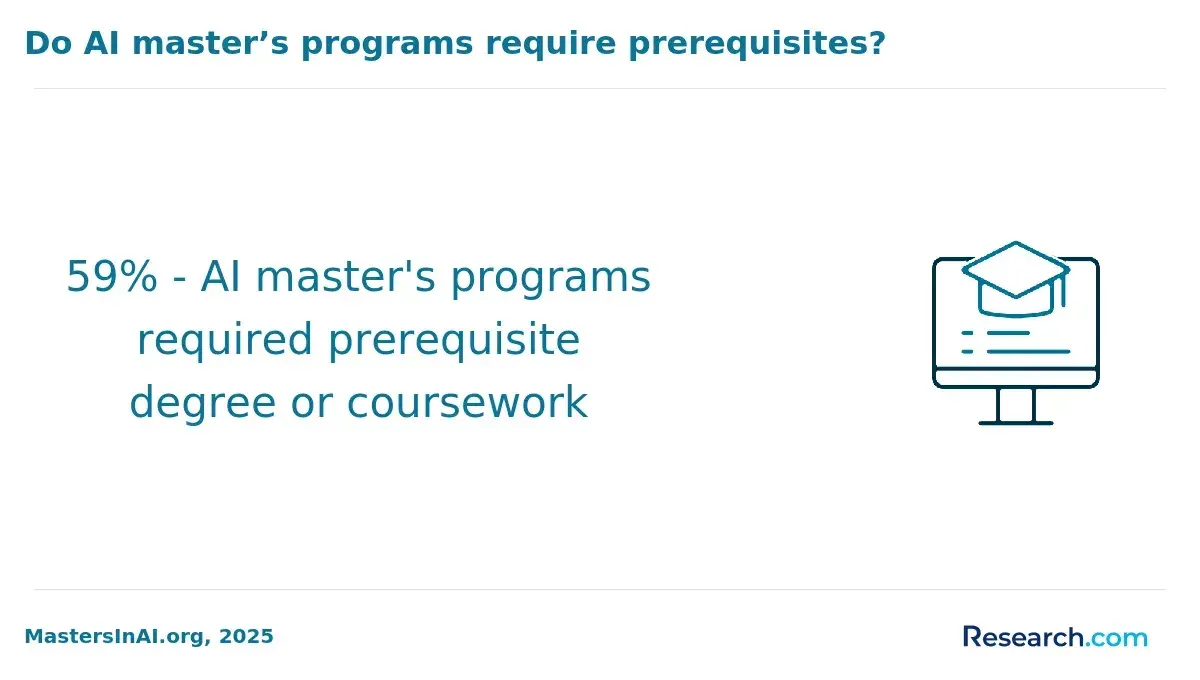
Admission to AI master's programs specializing in natural language processing (NLP) typically requires solid foundational knowledge in mathematics, computer science, or related fields. Around 73% of leading programs require undergraduate coursework in subjects such as linear algebra, calculus, probability, statistics, and programming languages like Python or Java. These prerequisites ensure applicants have a strong technical base appropriate for advanced study.
Applicants must submit official transcripts and often GRE scores, although some schools have made the GRE optional. Strong letters of recommendation highlighting technical skills and research experience related to NLP or AI improve an applicant's chances. A statement of purpose is also needed to demonstrate motivation and relevant background. These components form the core of the graduate admission criteria for AI master's in natural language processing.
Candidates without formal degrees in computer science or mathematics may be allowed to take prerequisite courses or certificates before or early in the program. Practical experience with projects in machine learning, computational linguistics, or programming can also offset gaps in formal education. Work experience in AI development or NLP research is valuable but usually not strictly required. International students must provide proof of English proficiency such as TOEFL or IELTS scores.
Specific requirements vary by institution, so reviewing individual programs is essential. Prospective students searching for an affordable pathway may explore options highlighted in this ai online degree resource to find suitable programs matching required qualifications for AI master's programs specializing in natural language processing.
How do online and campus-based AI Master's programs in NLP compare in format and flexibility?
Online AI master's programs in natural language processing offer asynchronous coursework, allowing students to access lectures and assignments at their convenience. This flexibility suits working professionals and those balancing study with other commitments. In contrast, campus-based AI master's degrees in nlp program format comparison highlight fixed schedules with regular in-person classes, fostering direct interaction but requiring physical presence and less schedule freedom.
The rise in flexible online formats has driven a 41% enrollment increase in computer science and AI fields, with 58% of online learners valuing this adaptability (National Center for Education Statistics, 2024). Campus programs emphasize immersive, in-person labs, seminars, and networking opportunities, which can accelerate skill development but may present geographic or time constraints.
While some online programs include live virtual sessions, others are fully self-paced. Campus attendance is mandatory, presenting challenges for students with jobs or families, though it encourages spontaneous collaboration and immediate feedback. For those pursuing hands-on research or lab-intensive projects, campus formats may be preferable, whereas students seeking flexible pacing and remote access benefit from online degrees.
Hybrid programs combine online lectures with optional in-person sessions, blending flexibility and immersion. Prospective students researching affordable options might also explore cybersecurity programs as an alternative pathway.
The choice between formats depends on individual needs and learning styles, balancing flexibility, location, and networking advantages.
What core coursework and technical skills are covered in NLP-focused Master's programs?
Core coursework in master's programs focusing on natural language processing (NLP) typically covers machine learning, computational linguistics, and deep learning techniques specialized for language data. Students explore areas such as syntax, semantics, language modeling, and information retrieval to grasp how machines interpret and generate human language.
Programming proficiency, particularly in Python, is emphasized in nearly all accredited AI master's programs specializing in NLP, reflecting its prominence in the field. Python's powerful libraries like NLTK, spaCy, and Transformers enable students to translate theoretical knowledge into practical applications.
Hands-on experience with neural networks-including recurrent and transformer-based models-is common, preparing students for tasks like sentiment analysis, machine translation, and speech recognition. Coursework also addresses statistical methods, natural language understanding, and ethical issues such as algorithmic bias and data privacy.
Many programs involve projects using large datasets and cloud computing platforms, bridging academic knowledge with industry practice. Students learn to evaluate NLP models for accuracy and efficiency, tackling challenges like ambiguity and contextual interpretation in text data.
Assessment often includes coding assignments and research projects, ensuring graduates can implement complex NLP algorithms and contribute to innovation within Artificial Intelligence. Mastery of both theoretical frameworks and programming tools is crucial for professionals pursuing or advancing careers in this dynamic field.
How long does an AI Master's degree in Natural Language Processing take to complete?
An AI master's degree in natural language processing typically spans 24 months of full-time study. Part-time students often extend this to 36-48 months to balance education with professional and personal commitments. This flexibility supports working professionals who want to deepen their expertise without sacrificing other responsibilities. Recently, accelerated programs have grown by 35%, offering completion in 12 to 18 months, according to Peterson's Graduate Programs Database (2024). These intensive tracks condense coursework and research but maintain academic rigor.
Curriculum structures influence program length. Full-time students usually take 9 to 12 courses annually, combining core AI fundamentals with specialized NLP topics like semantic analysis, machine translation, and speech recognition. Part-time programs stretch the same content over more semesters, suiting those with external obligations. Accelerated options demand strong time management skills and may include summer or year-round sessions.
Longer programs benefit students targeting research careers or doctoral study by providing more opportunities for thesis work and internships, which enhance practical skills and professional networks. Prospective students should weigh their goals and capacity before choosing between standard or accelerated pathways within the natural language processing field.
What is the average cost and financial aid availability for NLP Master's degree programs?
The cost of a two-year master's degree in artificial intelligence and natural language processing varies widely between private and public universities. Private schools generally charge between $80,000 and $120,000 for the full program, reflecting higher tuition and additional fees. Public universities offer more affordable tuition, usually ranging from $30,000 to $50,000, excluding living expenses which can significantly impact the overall cost depending on location.
Financial aid in STEM master's programs remains limited. According to College Board, only about 12% of master's students receive full tuition coverage. Most rely on partial scholarships, graduate assistantships, or external funding sources. Assistantships can reduce tuition by 20-50% but require competitive teaching or research commitments. Merit-based scholarships and employer tuition reimbursement programs provide alternative financial support, though rarely covering the full cost.
Need-based aid is occasionally available at private institutions but often with strict eligibility. Public universities typically offer more state-funded aid limited to in-state residents. For working professionals, part-time or online master's programs with employer support provide more flexible, affordable options. Comparing programs and funding opportunities carefully is essential for managing expenses in artificial intelligence and natural language processing education.
Which universities offer accredited AI Master's degrees with specializations in Natural Language Processing?
Several U.S. universities offer accredited AI master's degrees with strong specializations in natural language processing (NLP). Leading institutions like Carnegie Mellon University, Stanford University, and the University of Washington provide programs combining core AI concepts with advanced coursework in language modeling, speech recognition, and machine translation.
Data from the National Association of Colleges and Employers (2024) shows a significant rise in universities offering NLP-focused AI master's degrees, increasing from 23 in 2020 to 87. About 64% of these programs have ABET or equivalent accreditation, which is essential for those prioritizing academic quality and employment prospects after graduation.
Emerging affordable options include programs at the University of Texas at Austin and Georgia Tech, well-known for their industry ties and emphasis on practical NLP applications in areas such as healthcare, finance, and conversational AI. Prospective students should confirm that these programs provide hands-on NLP coursework, exposure to large datasets, and internship opportunities.
For working professionals, part-time or online AI master's degrees with NLP tracks are available at schools like Northeastern University and Johns Hopkins University. These flexible formats maintain accreditation and curriculum depth to fit varied schedules without compromising educational standards.
What professional certifications or credentials complement an NLP Master's degree?
Professional certifications greatly enhance the value of an NLP master's degree for careers in natural language processing. Industry-recognized credentials such as the AWS Certified Machine Learning - Specialty and Google Cloud Professional Machine Learning Engineer demonstrate hands-on skills in deploying and managing machine learning models on cloud platforms, an essential part of modern NLP workflows. The Microsoft Certified: Azure AI Engineer Associate certification emphasizes proficiency in integrating NLP models into scalable enterprise applications.
For those focused on deep learning for NLP, the TensorFlow Developer Certificate validates expertise with key machine learning frameworks widely used in both research and production. Additionally, reputable courses from institutions like Stanford's Natural Language Processing with Deep Learning and Coursera's TensorFlow in Practice Specialization offer applied knowledge that complements formal education.
Broader technical certifications such as Certified Data Scientist (CDS) or Certified Kubernetes Administrator (CKA) add value by showing a comprehensive skill set needed for deployment and scaling of NLP solutions within cloud and containerized environments.
According to the LinkedIn Salary Report 2024, combining an NLP master's degree with at least one industry certification results in median salaries approximately 28% higher than peers without certifications, reflecting employer preference for measurable, current expertise alongside academic credentials.
How do you evaluate and choose a reputable NLP Master's program for your career goals?
Evaluate an NLP master's program by investigating its industry connections, as partnerships with technology companies offer tangible benefits such as networking and real-world project experience. Graduates from programs requiring internships experience notably higher employment rates within three months-82% compared to 64% from programs without these requirements (National Association of Colleges and Employers, 2024). Such data highlights the importance of internships in enhancing career prospects. Check if internships are mandatory or strongly encouraged to gain practical skills valued by employers.
Review the curriculum carefully to confirm coverage of essential NLP topics like language modeling, machine learning, deep learning, and computational linguistics. Look for electives matching your interests, such as speech recognition or sentiment analysis. Programs that include interdisciplinary courses in data science and ethics can broaden your expertise and adaptability.
Assess faculty expertise and research activity, as strong research programs often reflect access to emerging technologies and cutting-edge knowledge. Examine publication records and ongoing projects of faculty to ensure alignment with your goals.
Consider program flexibility through part-time, online, or hybrid options to accommodate professional commitments. Accreditation status and alumni success rates are key indicators of program quality and career impact.
Finally, explore financial aid options like assistantships, scholarships, or employer tuition reimbursement to reduce costs. Prioritize programs offering robust career services and alumni networks to bolster job placement after graduation.
Other Things You Should Know About Artificial Intelligence
Yes, programming experience is generally essential for AI master's programs, including those specializing in natural language processing. Students are expected to be proficient in languages like Python, as well as comfortable with algorithms and data structures. This foundation enables them to engage effectively with machine learning frameworks and NLP toolkits during their studies.
Absolutely. Graduates with AI expertise, particularly in NLP, find opportunities across various industries such as healthcare, finance, legal services, and government. Organizations in these sectors use AI-driven language technologies for tasks like medical records analysis, financial forecasting, contract review, and public service automation.
In 2027, individuals with an AI master's specializing in NLP can explore careers as NLP researchers, computational linguists, or AI product managers. They may work in tech firms, healthcare, finance, and entertainment, focusing on AI development, machine translation, sentiment analysis, and conversational AI applications.
Many AI master's programs include internships, capstone projects, or industry collaborations as part of their curriculum. These practical experiences provide hands-on exposure to real-world challenges, allowing students to apply theoretical knowledge and improve their career readiness in natural language processing roles.
References
- Natural Language Processing (NLP) Job Roles - GeeksforGeeks https://www.geeksforgeeks.org/nlp/natural-language-processing-nlp-job-roles/
- NLP Certification Levels Explained https://nlpyourself.com/nlp-certification-levels-explained/
- How do you choose the right NLP Training Course for you? - Imaginarium Learning & Development https://imaginariumdev.com/how-do-you-choose-the-right-nlp-training-course-for-you/
- What Can I Do With a Master’s Degree in Artificial Intelligence (AI)? https://wp.wpi.edu/catalyst/2024/04/03/what-can-i-do-with-a-masters-degree-in-artificial-intelligence-ai/
- Nlp certification: Best Guide 2026 https://www.innerglowcircle.com/nlp-certification-ultimate-guide/
- NLP Training: The Good, The Bad and The Ugly - How to Choose a Course - Phil Parker https://www.philparker.org/nlp-training-how-to-choose-course/
- Jobs – NLP People https://nlppeople.com/jobs/
- Skills: "natural language processing" | UNjobs https://unjobs.org/skills/natural-language-processing
- NLP Master Practitioner Certification – What to Expect & How to Succeed https://www.nlpcoaching.com/nlp-master-practitioner-certification-expect-success/
- Natural Language Processing (Master) https://www.uni-trier.de/universitaet/fachbereiche-faecher/fachbereich-ii/faecher/computerlinguistik-und-digital-humanities/studium/studienangebot/natural-language-processing-master