2027 AI Degree vs Software Engineering Degree Career Outcomes

Co-Founder and Chief Data Scientist
Choosing between an AI degree and a software engineering degree poses a significant challenge for many prospective graduate students seeking a career pivot. The decision affects long-term career prospects, skill relevance, and salary potential in a rapidly evolving job market. Many learners struggle to understand which educational path better aligns with the demand for flexibility and practical application in the AI industry. This article will analyze career outcomes for each degree type, comparing job roles, market needs, and post-graduation trajectories, helping readers make an informed choice tailored to their professional goals and the changing technology landscape.
Key Things You Should Know
- By 2026, AI degree graduates are expected to earn 15%-25% higher starting salaries than software engineering graduates, reflecting growing demand for specialized skills in machine learning and data science.
- Career growth for AI degree holders includes roles in research, development, and ethics, while software engineering graduates often focus on application development and system architecture.
- Job market projections show a 29% growth for AI-related roles through 2030, outpacing the 22% growth expected for software engineering positions in the U.S.
What are the key differences between an AI degree and a software engineering degree?
An artificial intelligence degree centers on the theory, development, and application of intelligent systems. Coursework covers machine learning, natural language processing, computer vision, robotics, and data analytics. Graduates learn to design algorithms that mimic cognitive functions like reasoning and decision-making. In contrast, software engineering emphasizes software development principles, programming languages, system architecture, and project management. This degree prepares students to build, test, and maintain large-scale software systems used across various industries.
Key differences between artificial intelligence degree and software engineering degree include their technical skill sets: AI demands advanced mathematics, statistics, and familiarity with AI tools such as TensorFlow or PyTorch, while software engineering focuses on coding best practices, software lifecycle, and tools like Git and containerization. AI careers often require proficiency in data manipulation and algorithm optimization, whereas software engineers prioritize creating reliable, maintainable code in collaborative environments.
Career outcomes for artificial intelligence versus software engineering graduates show that AI roles typically command higher salaries. According to the Dice Tech Salary Report, professionals working in AI solution design earn about 17.7% more than peers in non-AI tech roles. The rising demand for AI specialists aligns with the scarcity of qualified talent.
For students weighing these paths, consider aptitude: AI suits those comfortable with abstract concepts and statistics, while software engineering fits individuals focused on scalable software products. Combining software engineering knowledge with AI expertise can boost employability, as AI applications require strong software engineering for deployment. Students may explore hybrid curriculums or minors to enhance skills. Those interested can find the best online computer science degree options to fit their goals.
Which degree better aligns with current and emerging technology job markets in the U.S.?
The artificial intelligence degree is increasingly aligned with the best US job market alignment for AI degree fields, outpacing traditional software engineering degrees in growth. By 2026, the role of "AI Engineer" is the fastest-growing job nationwide, with postings rising 143% year over year, signaling high demand for skills in machine learning, natural language processing, and data analytics.
While software engineering degrees provide essential programming and systems skills valuable across many tech roles, they often lack the specialized focus required for AI-related positions. AI degrees concentrate on mathematics, data science, and algorithmic modeling, preparing graduates for emerging sectors such as autonomous systems, AI-driven cybersecurity, and predictive analytics.
Career prospects for software engineering degree holders remain solid for software development, infrastructure, and application support but typically experience more modest job growth. Graduates with AI degrees compete strongly for roles like AI research scientist, machine learning engineer, and data scientist-positions that offer higher salaries and rapid expansion in industries such as healthcare, finance, and manufacturing.
Students interested in these growth sectors should consider:
- Building strong foundations in math and statistics through AI programs
- Gaining practical experience with AI tools like TensorFlow or PyTorch
- Exploring interdisciplinary applications linking AI with other domains
How do career outcomes and typical job roles compare for AI vs software engineering graduates?
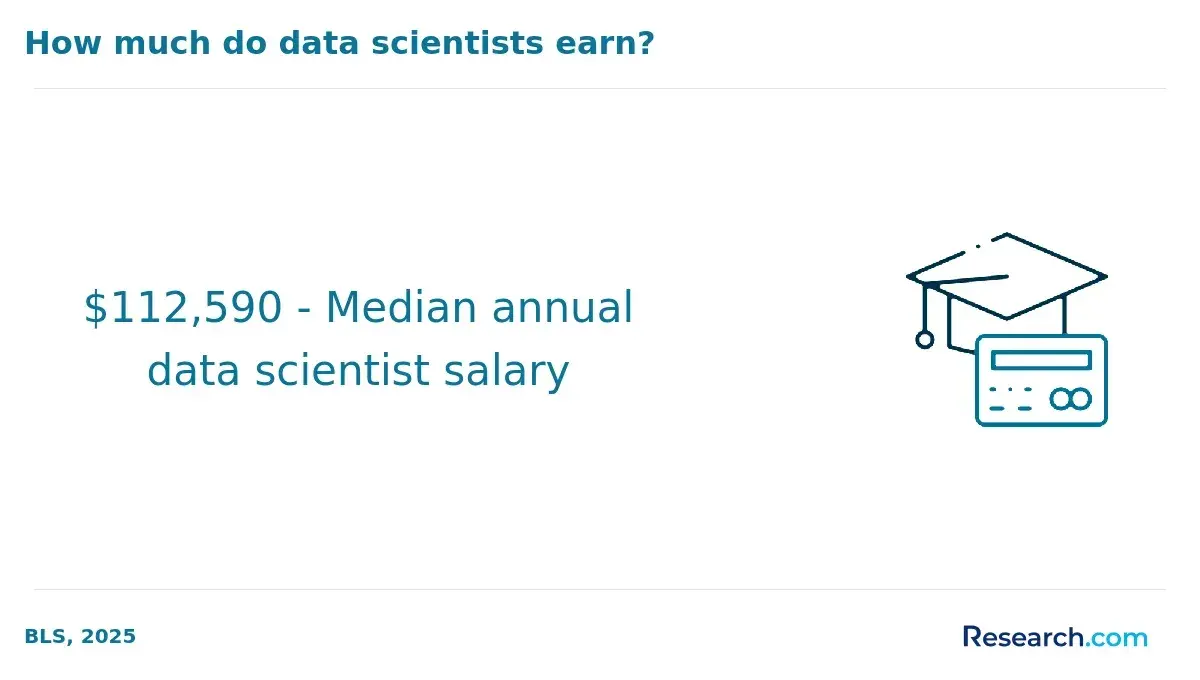
Career outcomes for artificial intelligence graduates differ significantly from those of software engineering graduates, particularly in job roles and compensation. AI graduates frequently secure positions such as machine learning engineer, data scientist, or AI research analyst, focusing on algorithm development, neural network training, and statistical modeling. In contrast, software engineering graduates often become software developers, systems engineers, or backend engineers, with an emphasis on software design, coding, and infrastructure maintenance.
Industry data shows that entry-level AI engineers earn between $100,000 and $130,000 annually, while software engineers start around $85,000 to $110,000, reflecting a 15-25% pay premium for AI specialization according to The Crunch. This difference highlights demand for advanced algorithmic expertise and data-driven decision-making skills. Typical job roles in artificial intelligence and software engineering fields also influence career trajectories. AI graduates tend to move into research and specialized technical leadership, while software engineers often advance into project management, system architecture, or product development.
- AI roles require strong mathematical foundations, proficiency with machine learning frameworks, and data science knowledge.
- Software engineering positions demand expertise in multiple programming languages, software design principles, and system integration.
Tech hubs and sectors like finance, healthcare, and autonomous vehicles prioritize AI specialists with higher salaries and advanced roles. Software engineering offers broader job options across industries but generally lower starting pay. For those choosing between these paths, focusing on algorithmic innovation and data analytics through an artificial intelligence degree often leads to stronger financial rewards and niche expertise, while software engineering ensures versatile employment opportunities. Prospective students may also explore options such as an online MS data science to enhance relevant skills for these careers.
What courses and skills are usually included in AI degree programs versus software engineering programs?
AI degree programs course curriculum and skill sets typically include in-depth training in machine learning, deep learning, natural language processing, computer vision, robotics, data mining, and probabilistic reasoning. Students build a strong foundation in statistics, linear algebra, calculus, and programming languages like Python, R, or Julia, essential for developing AI models. Hands-on experience with AI frameworks such as TensorFlow or PyTorch is emphasized, alongside courses addressing ethics and societal impacts of AI technologies.
In comparison, software engineering program typical courses and competencies focus on broader software development skills. This includes data structures, algorithms, software design patterns, systems programming, databases, networking, and software testing. Students learn languages such as Java, C++, and C# and gain expertise in project management, version control, and software architecture, stressing reliable and maintainable code for complex software systems.
The key difference lies in specialization versus breadth; AI degrees prioritize advanced analytical techniques, while software engineering highlights constructing and maintaining large-scale software. Salary data from Levels.fyi shows mid-career AI-focused software engineers earn a median of $245,000, AI engineers about $153,750, and machine learning engineers around $270,000. Prospective students might also explore an accelerated cyber security degree if they seek a related technology path.
How do admissions requirements and prerequisite backgrounds differ for AI and software engineering majors?
AI and software engineering majors have distinct admission requirements and prerequisite skills. AI programs typically demand strong foundations in advanced mathematics such as linear algebra, calculus, probability, and statistics. These areas are critical for grasping machine learning and data analysis. In contrast, software engineering focuses more on programming fundamentals, data structures, and algorithms, with less emphasis on higher-level math.
AI applicants often need prior experience with Python, R, or AI frameworks, alongside demonstrated analytical projects. Software engineering applicants usually show proficiency in languages like Java, C++, or JavaScript and understanding of software development life cycles, prioritizing practical coding skills.
Entry into AI tends to be more competitive due to its multidisciplinary nature and requires high quantitative aptitude, often attracting students from STEM backgrounds. Software engineering programs generally have more accessible math requirements but expect strong logical thinking and coding ability.
Labor market trends reflect these differences. A Stanford Digital Economy Study reports employment for software developers aged 22-25 in AI-exposed roles fell by 13% from late 2022 to July 2025. Conversely, employment for ages 35-49 grew by 6-9%, underscoring the automation risk for younger developers versus better job security for AI specialists with advanced skills.
What are the typical program length, tuition costs, and financial aid options for each degree?
Typical program lengths for artificial intelligence degrees range from 2 to 4 years, depending on the level-associate, bachelor's, or master's degree. Software engineering bachelor's programs generally take 4 years, while master's degrees require 1 to 2 years. A bachelor's in artificial intelligence usually combines foundational computer science classes with specialized AI coursework, paralleling the duration of traditional software engineering degrees. Tuition for in-state public universities averages between $10,000 and $25,000 annually, while private institutions often charge $40,000 or more per year for both disciplines.
Financial aid opportunities include federal Pell Grants, subsidized and unsubsidized student loans, and merit-based scholarships. There are also scholarships targeted at underrepresented groups in STEM and artificial intelligence fields. Some universities provide assistantships or internships linked to AI research, helping master's students reduce their education costs.
The job market shows rapid growth in artificial intelligence roles, with openings for AI scientists increasing by 80% and machine learning engineers by 70% from 2024 to 2025. Meanwhile, traditional software engineering roles declined by 20-24% during the same period as reported by hiring surveys from industry leader Zilker Partners. When choosing between artificial intelligence and software engineering degrees, prospective students should consider these growth trends alongside tuition costs and program durations.
How do online AI and software engineering degrees compare to campus-based programs in quality and credibility?
By 2026, online AI and software engineering degrees have nearly matched traditional campus programs in quality and credibility. Accredited universities now offer fully online curricula featuring project-based learning, real-world coding challenges, and access to expert faculty. Despite this progress, campus programs still have an edge with hands-on laboratory experiences and immediate peer collaboration.
Employers increasingly value online degrees when paired with demonstrable skills and portfolios. Programs that integrate internships or cooperative education, especially those partnering with tech companies, provide practical experience comparable to traditional internships. This addresses common concerns about less direct mentorship in virtual settings.
The return on investment for AI degrees is especially strong. Roles requiring artificial intelligence skills earn a 56-62% wage premium over comparable non-AI positions, as noted in PwC's global compensation study for 2025-2026. This wage boost applies regardless of whether the degree was earned online or on campus, underscoring that skill mastery matters more than the delivery mode.
Key factors that signal program quality and credibility include:
- Accreditation by recognized agencies ensuring curriculum standards
- Industry-relevant projects and internships embedded in the coursework
- Access to up-to-date AI tools and computing resources
- Alumni outcomes and employer partnerships supporting job placement
Prospective students should carefully evaluate online programs for these indicators rather than discounting them outright. Aligning career goals with programs offering verified hands-on experience and strong employer networks can maximize degree value and salary potential.
What accreditation standards should AI and software engineering programs meet to be recognized in the U.S.?
In the U.S., accreditation for AI and software engineering degree programs is primarily overseen by ABET, the recognized accreditor for computing disciplines. For software engineering, ABET's Computing Accreditation Commission (CAC) assesses programs on curriculum quality, faculty expertise, student outcomes, and continuous improvement. Core competencies such as software design, development, testing, and project management must be covered.
AI degree accreditation is less uniform but often linked to ABET or regional accreditors like the Higher Learning Commission (HLC). Some institutions seek additional recognition from organizations such as the Association for the Advancement of Artificial Intelligence (AAAI) to validate AI-specific courses and research.
Accreditation confirms program quality, ensuring recognition from employers, licensing boards, and graduate schools. According to Zilker Partners, by 2025, 1.8% of all U.S. job postings will explicitly require AI skills, representing a 28% increase since 2023. Prospective students should verify AI degrees are offered within ABET-accredited departments or endorsed by credible AI organizations to guarantee program relevance and credibility.
Additionally, some states require engineering degrees to meet licensure standards, particularly for software engineering roles with public safety responsibilities. Graduates from accredited programs tend to have stronger employment prospects as employers prioritize officially recognized qualifications amid the fast-growing AI job market.
How do salaries, advancement opportunities, and long-term earning potential differ between AI and software engineering careers?
Careers in artificial intelligence typically offer higher salaries than traditional software engineering roles due to specialized skills in machine learning, data modeling, and advanced algorithms. Entry-level AI specialists generally earn between $95,000 and $110,000 annually, while software engineers start around $75,000 to $90,000. Senior AI professionals often see salaries exceeding $150,000, reflecting the premium on expertise in cutting-edge AI technologies.
Advancement in AI tends to be dynamic, requiring continuous upskilling and adaptation to rapid technological changes. Many AI professionals move into leadership roles overseeing AI research or product development. In contrast, software engineering career paths are more established, with progression from developer to tech lead or architect offering steadier growth but often lower maximum salaries than AI roles.
Growing demand in sectors like healthcare, finance, and autonomous systems supports long-term salary increases in AI fields, with annual salary growth of 5%-8% for AI-focused graduates. Software engineers face slower growth and higher competition, partially due to an 8.1% decline in enrollment for computer and information science programs at U.S. universities according to the National Student Clearinghouse.
Students considering these paths should evaluate their inclination for continuous learning and specialized training in AI versus the broader job availability and traditional career ladders in software engineering. Strong mathematical and analytical skills can enhance prospects in AI careers.
How can prospective students choose between AI and software engineering based on their goals and strengths?
Choosing between an ai degree and a software engineering degree depends on your career goals and personal strengths. An ai-focused program suits those interested in mathematical modeling, data analysis, and machine learning, emphasizing algorithms, neural networks, and probabilistic reasoning. In contrast, software engineering is ideal for building and maintaining software applications, covering development lifecycles, coding practices, and system architecture.
Key skills align differently for each path:
- Ai benefits those with strengths in abstract thinking and statistics.
- Software engineering suits students with strong problem-solving abilities, coding efficiency, and collaboration skills.
Advanced roles like natural language processing or research demand deeper ai theory and applications, while software engineering offers broader options in product development, mobile apps, and infrastructure. Job market data reflects these trends. A recent survey by Zilker Partners reveals 87% of employers value candidates with ai experience, highlighting ai's growing impact across software roles.
Even software engineers gain from ai skills, but a dedicated ai degree provides more specialized training in emerging technologies. Consider also that ai degrees often require intensive mathematics and specialized coursework, potentially extending study time. Software engineering programs tend to allow quicker entry into the job market with strong coding-focused skills.
Evaluate your interest in theoretical foundations versus practical coding and consider job market demands for ai proficiency when choosing your degree path.
Other Things You Should Know About Artificial Intelligence
In 2027, graduates with an AI degree typically have higher income potential than those with a Software Engineering degree. This is driven by increasing demand for AI expertise in various sectors, leading to competitive salaries. Nevertheless, both fields offer lucrative opportunities, often influenced by experience, industry, and geographic location.
A career in artificial intelligence typically requires strong programming skills, especially in languages like Python and R. Proficiency in mathematics, particularly linear algebra, statistics, and calculus, is essential. Additionally, experience with machine learning frameworks, data analysis, and a solid understanding of algorithms is critical for success in AI roles.
Yes, transitioning from software engineering to artificial intelligence is common and often straightforward with the right additional training. Software engineers usually have a strong foundation in coding and problem-solving, which are critical for AI work. Gaining expertise in AI-specific topics such as machine learning models and data science techniques will facilitate this career switch.
Graduates with degrees in artificial intelligence find opportunities in diverse industries, including technology, finance, healthcare, automotive, and retail. AI skills are applied in roles like developing intelligent systems, automating business processes, and enhancing data-driven decision-making. Companies focused on robotics, cybersecurity, and research also actively recruit AI specialists.
References
- AI engineers vs. software engineers: how AI is changing the experience of building software https://getdx.com/blog/ai-engineer-vs-software-engineer/
- Guidance on the Responsible Use of Artificial Intelligence (AI) in Accredited Continuing Education (CE) - ACCME https://accme.org/resource/guidance-on-ai/
- Emerging Tech Roles Shaping the US Job Market https://blog.bps-world.com/emerging-tech-roles-shaping-the-us-job-market
- Software & AI Engineer Course â Build Practical Skills https://www.turingcollege.com/software-and-ai-engineering
- AI Engineer vs. Software Engineer | Jellyfish https://jellyfish.co/library/ai-engineer-vs-software-engineer/
- Top Degrees in Demand for the Future: 2026 & Beyond https://skillifysolutions.com/blogs/career-growth/top-degrees-in-demand-for-the-future/
- New Use of Artificial Intelligence Accreditation Policy and Procedures - Middle States Commission on Higher Education https://www.msche.org/2025/07/02/new-use-of-artificial-intelligence-accreditation-policy-and-procedures/
- Careers That Will Dominate the U.S. Job Market by 2030 https://www.floridacoastaluniversity.com/jobs-of-the-future-careers-that-will-dominate-the-u-s-job-market-by-2030/
- Paying for College 101 https://www.lendkey.com/private-student-loans/paying-for-college-101/
- Artificial Intelligence Degree Requirements: What Do You Need to Apply? https://aifwd.com/education/artificial-intelligence-degree-requirements/