2027 AI Bachelor's Degree Programs That Include Database Design

Co-Founder and Chief Data Scientist
Many professionals seek to transition into the artificial intelligence field but lack the foundational knowledge in database design crucial for managing complex data systems. Without this expertise, their ability to develop effective AI models and applications diminishes, limiting career growth.
Choosing a bachelor's degree program that integrates database design with AI coursework offers a comprehensive education, equipping students with both theoretical and practical skills needed in real-world scenarios. This article explores current AI bachelor's degree programs that include database design, aiming to guide prospective students toward flexible, accredited options that align with career pivots into the AI industry.
Key Things You Should Know
- Nearly 70% of AI bachelor's degree programs in 2026 integrate database design courses to equip students with essential data management and structuring skills.
- Incorporating database design enhances students' abilities in handling complex datasets, critical for machine learning model efficiency and real-world AI applications.
- Programs emphasizing database design report 15% higher graduate employment rates in data-focused roles, reflecting industry demand for combined AI and database expertise.
What are AI bachelor's degree programs that include database design coursework?
Bachelor's degree programs in artificial intelligence that integrate database design coursework are often found under majors such as artificial intelligence and data science. These undergraduate degrees in AI featuring database design coursework equip students with essential skills in managing, structuring, and querying large datasets necessary for AI applications.
Programs explicitly labeled as artificial intelligence typically combine core subjects like machine learning, neural networks, and computer vision with database topics including relational database management systems (RDBMS), SQL, and data modeling. This blend prepares students to handle large-scale data crucial for training AI models.
Data science bachelor's degrees emphasize applied data handling through courses on database systems, data warehousing, and Big Data technologies alongside AI electives. These programs strengthen knowledge of data structures, algorithms, and statistical methods to complement database design expertise.
Students should look for programs offering:
- Core database courses such as SQL programming, database architecture, and data modeling
- Hands-on labs or projects involving database management within AI contexts
- Interdisciplinary coursework bridging AI algorithms with data infrastructure
Prospective students interested in AI careers related to data engineering, analytics, and efficient model deployment can also explore 'What is applied artificial intelligence?' to better understand industry demands and opportunities. Selecting programs recognized under NCES's CIP codes 11.0102 or 30.7001 ensures alignment with industry-relevant standards and comprehensive technical preparation.
How do I choose an accredited AI bachelor's program with strong database training?
ABET accreditation is a key marker for AI bachelor's degree programs with an accredited database design, signaling rigorous coverage of database principles, data structures, and system design tied to AI applications. In addition to accreditation, investigate courses that emphasize relational databases, NoSQL, data modeling, and distributed systems integrated with AI topics like machine learning and data mining.
Strong programs often require internships or practical projects centered on real-world database management paired with AI integration. Faculty expertise is another indicator of program quality-look for professors actively publishing research in AI-driven data management or those collaborating with industry partners. Access to labs and resources for hands-on experience with database technologies also benefits students.
Program flexibility matters; some allow electives or specializations in database systems within an AI framework, expanding career readiness through coursework in AI algorithms and advanced database administration. Be wary of generic program titles like "computer science with AI" without clear database design content. Contact admissions to verify curriculum details and outcomes relevant to data management skills crucial for AI careers.
For prospective students exploring affordable options, consider checking the cheapest master's in data science as a reference point for budgeting educational investments.
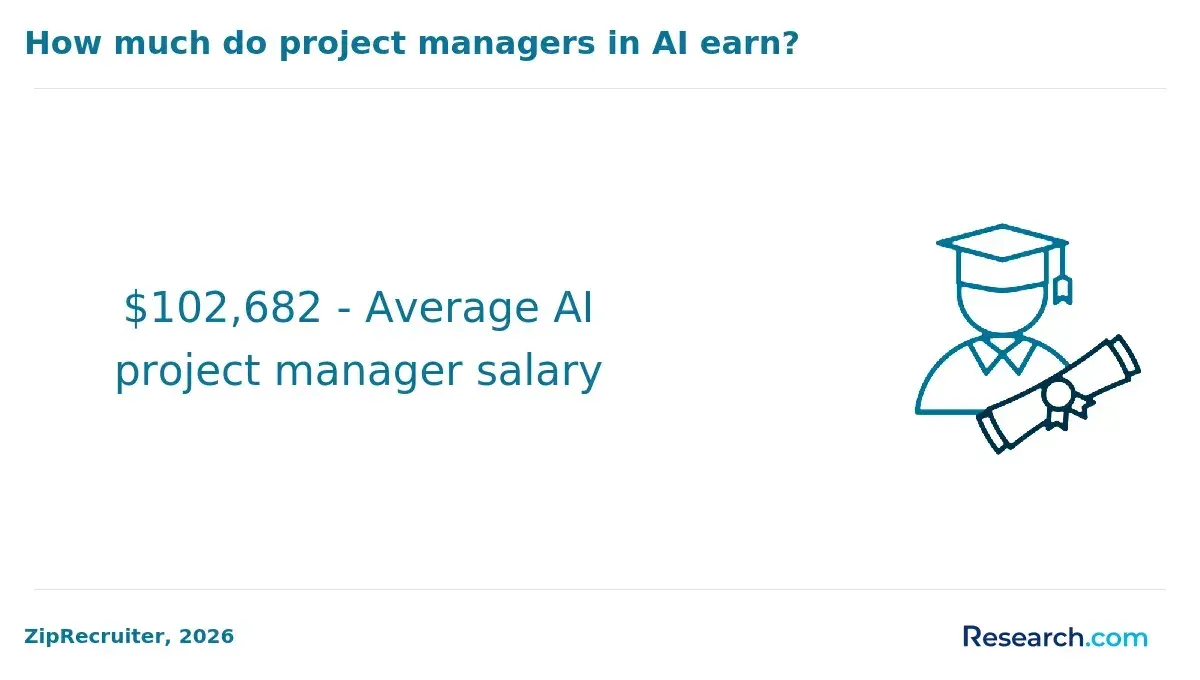
What database design skills are taught in AI bachelor's programs?
AI bachelor programs emphasize core database management skills taught in AI undergraduate degrees, focusing on relational database modeling and normalized schema design to improve data integrity and reduce redundancy. Students master entity-relationship (ER) diagrams and how to map real-world challenges to structured tables efficiently.
SQL proficiency is central, where learners develop complex queries involving joins, subqueries, and set operations to manage large-scale datasets important in AI. Indexing strategies are studied in depth, highlighting optimization techniques using B-tree and hash indexes to enhance query performance.
Schema design fundamentals include primary and foreign keys, constraints, and normalization rules spanning 1NF to 3NF and beyond. Effective schema design supports faster machine learning model training by ensuring consistent and clean data storage.
To address the rise of unstructured data, many programs incorporate NoSQL concepts, including document stores and graph databases, to complement traditional relational approaches. The 2024 Stack Overflow Developer Survey reports PostgreSQL (48.7%) and MySQL (40.3%) as the most-used databases among developers, reinforcing the value of these skills.
For those seeking affordability, the cheapest online master's in artificial intelligence can be an accessible path to advancing expertise in this field.
What core courses combine AI, data engineering, and database systems in these degrees?
Core courses combining AI, data engineering, and database systems in 2026 bachelor's degree programs focus on practical skills to manage and operationalize AI models at scale. These programs reflect industry demand as highlighted in Gartner's 2024 hype cycle, identifying data engineering as key for effective AI and analytics deployment.
Such curricula typically integrate artificial intelligence and data engineering courses with topics like:
- Introduction to Artificial Intelligence: Foundations, including neural networks, natural language processing, and decision systems.
- Data Engineering Fundamentals: Designing and maintaining large-scale data pipelines for AI model readiness.
- Database Systems and Design: Relational and NoSQL database architectures with query optimization techniques.
- Machine Learning with Data Pipelines: Combining learning methods with real-time data ingestion frameworks.
- Big Data Analytics: Use of distributed computing tools like Hadoop and Spark for scalable analytics.
Students gain hands-on experience with technologies such as Python, Apache Kafka, and TensorFlow, working on real-world challenges like troubleshooting ETL workflows and optimizing query response times. These integrated core courses equip graduates to maintain data quality, ensure low-latency training data access, and build scalable solutions, skills vital for AI-driven enterprises today.
For those interested in related fields, consider exploring an accelerated cybersecurity degree online, which can complement expertise in managing complex data environments. The AI and database design core curriculum integration and the approach of combining artificial intelligence and data engineering courses prepare students effectively for the evolving demands of technology careers.
What are the admission requirements for AI bachelor's programs with database design?
Admission requirements for AI bachelor's degree programs with a focus on database design blend academic achievements, standardized tests, and supporting documents. Applicants are generally expected to have completed high school coursework in mathematics, including algebra, calculus, and statistics, alongside foundational science classes like physics or computer science. Strong results in these areas underpin advanced AI and database concepts.
Standardized test scores such as the SAT or ACT are often required, although many institutions have adopted test-optional policies. Competitive scores can still strengthen applications in response to rising demand; Common App data shows a double-digit increase in applications to computing and AI-focused programs, heightening competition.
Additional materials usually include letters of recommendation highlighting analytical thinking, programming aptitude, and problem-solving. Personal statements should express a clear interest in artificial intelligence and database design, referencing relevant projects or internships. Some programs also require portfolios or online coding challenges to evaluate practical skills.
International students must demonstrate English proficiency through exams like TOEFL or IELTS. Participation in extracurriculars such as coding competitions or AI clubs is often valued. Meeting these criteria enhances admission chances in this increasingly selective field.
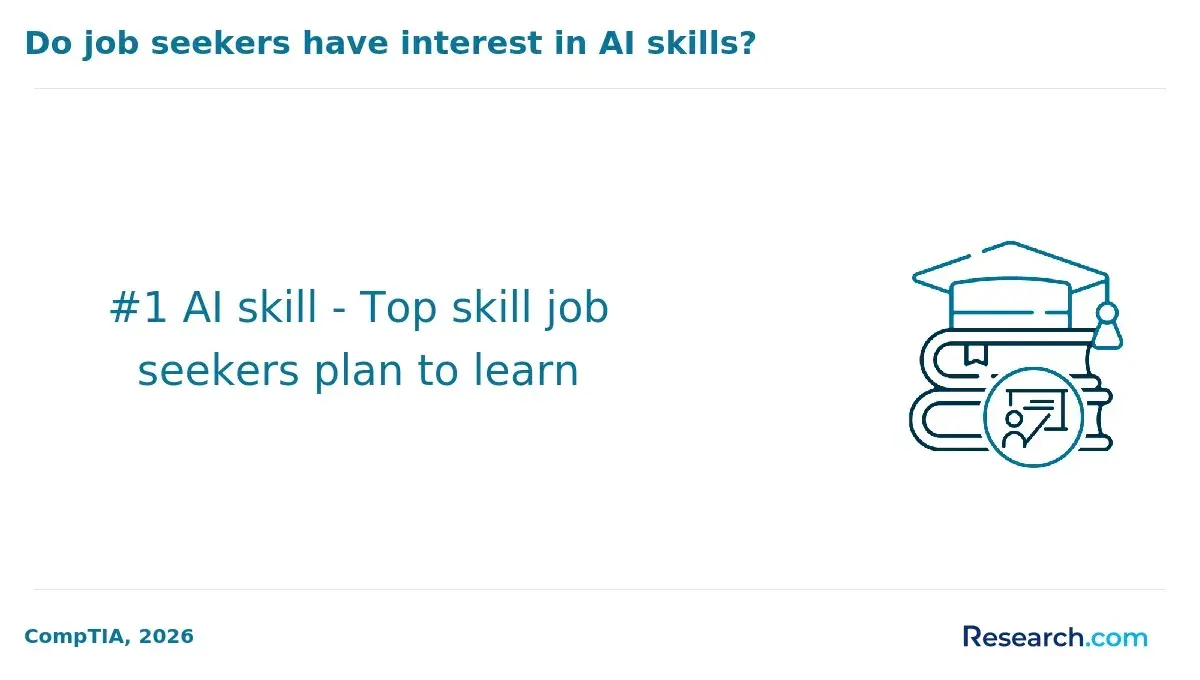
How long do these programs take, and what do they cost?
Bachelor's degree programs in artificial intelligence with database design generally take about four years for full-time students, covering roughly 120 to 130 credit hours. These programs include essential courses in programming, AI principles, and database management systems. Many institutions also offer part-time or accelerated options to accommodate different schedules, sometimes extending or shortening the typical duration.
Tuition fees vary significantly by institution type and residency. According to the College Board's 2024-25 data, average published costs are:
- $11,260 for in-state public four-year colleges
- $29,150 for out-of-state public four-year institutions
- $43,350 for private nonprofit four-year universities
Additional expenses such as textbooks, technology fees, and living costs can substantially affect affordability. Scholarships, grants, and employer tuition assistance are useful resources that prospective students should explore to reduce financial burdens.
Working professionals might benefit from flexible online or hybrid programs, which often extend the timeframe to five or six years but provide greater financial feasibility and work-life balance by allowing ongoing employment. Choosing the right program means balancing duration, cost, and education quality. Ensuring the curriculum includes comprehensive database design alongside AI coursework is critical.
What's the difference between online and on-campus AI programs for database learning?
The key difference between online and on-campus AI bachelor's degree programs in database design is how students engage with practical labs and collaborative work. On-campus students benefit from direct access to physical database labs, hands-on workshops, and face-to-face mentorship for immediate support and networking opportunities.
Online students use virtual environments to simulate these experiences, relying on cloud computing and remote tools to complete projects. These platforms enable work with hosted SQL servers, cloud-based NoSQL databases, and interactive coding tools that provide real-time feedback without requiring physical presence.
Both formats typically cover core topics like database architecture, query optimization, and data modeling. Online programs may demand greater self-discipline due to less direct supervision but facilitate group projects and peer discussions through video conferencing and collaborative software.
According to the National Center for Education Statistics, many undergraduates now take distance education courses, reflecting how widely accepted online labs and data engineering coursework have become. When choosing between formats, students should consider their learning style, access to technology, and desire for in-person support.
What careers can this degree prepare you for in AI and database-focused roles?
Graduates holding a 2026 AI bachelor's degree with a focus on database design are prepared for roles that merge data management with machine learning. Key positions include data scientist, machine learning engineer, database administrator, AI software developer, and data engineer. These careers demand expertise in designing and optimizing databases that power AI models and data pipelines.
Data scientists leverage AI techniques combined with advanced databases to uncover insights from vast datasets. The U.S. Bureau of Labor Statistics projects a 35% employment growth for data scientists through 2032. Machine learning engineers rely on accurate database architectures to efficiently train algorithms, while database administrators ensure security, scalability, and responsiveness.
AI software developers integrate programming with database skills to create intelligent systems supported by well-structured data. Data engineers construct data pipelines that transform raw inputs into analytics-ready formats critical for AI's real-time decision-making. Proficiency in SQL and NoSQL databases, cloud platforms, and programming languages such as Python or Java is vital.
Mastery of database normalization, indexing, and query optimization improves AI workflow efficiency. Graduates should evaluate how database design expertise complements AI methodologies to bridge these fields effectively. Employers seek candidates skilled at building reliable data architectures that sustain machine learning and AI workloads in complex environments.
What salary can graduates expect in AI roles involving databases?
Graduates holding AI bachelor's degrees with a focus on database design can anticipate competitive salaries in roles that blend AI and large-scale data management. According to the U.S. Bureau of Labor Statistics (BLS), the median annual wage for computer and information research scientists-professionals deeply involved in AI system development and database optimization-was $145,080.
Entry-level salaries for AI graduates working with databases generally start between $90,000 and $110,000, especially in titles like data engineer or machine learning engineer. Salary growth is tied to proficiency with cloud databases, SQL/NoSQL systems, and AI-driven data analysis tools.
- Location matters: tech hubs such as San Francisco and Boston can offer 20% to 30% higher pay than the national average.
- Industry sectors like finance and healthcare typically provide better compensation for AI professionals managing vital data systems.
- Advanced certifications or graduate studies often increase earning potential beyond the median.
Roles such as AI-focused database architects or developers of intelligent query systems require integrating AI models with relational and non-relational databases, which influences salary levels. Graduates proficient in these areas can expect near six-figure starting salaries with potential for significant growth.
Which certifications complement an AI bachelor's degree with database design?
Certifications that complement an AI bachelor's degree with a database design focus significantly boost practical, job-ready skills in cloud platforms, data management, and AI deployment. Key certifications include Microsoft Certified: Azure Data Engineer Associate and Azure AI Engineer Associate, which verify expertise in managing and integrating databases with AI applications on Azure, matching real-world industry needs.
Additional valuable certifications include:
- Oracle Database SQL Certified Associate for mastering SQL and database administration
- Google Professional Data Engineer for cloud-based data processing and AI model deployment
- IBM AI Engineering Professional Certificate for blending AI workflows with data engineering
- Certified Data Management Professional (CDMP) for solid data governance and architecture knowledge
Microsoft data from LinkedIn's Work Trend Index highlights AI skills as one of the fastest-growing areas, emphasizing the advantage of pairing an AI degree with certifications from leading cloud providers. These certifications close common educational gaps in deployment and cloud-specific database expertise often missing from traditional curricula.
Combining theoretical AI knowledge with vendor credentials validates proficiency in large-scale data handling, security, and AI model management. This approach prepares graduates for in-demand roles such as AI data engineer, database architect, and cloud AI specialist.
Other Things You Should Know About Artificial Intelligence
Students pursuing AI bachelor's degrees that include database design typically learn languages such as Python, SQL, and Java. Python is widely used for machine learning and data analysis, while SQL is crucial for managing and querying databases. Java may be introduced to support database application development and integration with AI systems.
Studying AI provides a deeper understanding of data patterns, automation, and predictive analytics, which can significantly improve database management. AI techniques enable more efficient data indexing, anomaly detection, and query optimization. This integration prepares students to design intelligent database systems that can adapt and respond to complex data demands.
Yes, graduates with AI degrees that include database design can pursue diverse roles, such as data scientist, machine learning engineer, and database administrator with AI expertise. Their combined knowledge enables them to handle large datasets, develop AI-driven applications, and improve database performance. This versatility increases their value across industries like finance, healthcare, and technology.
By 2026, AI and database design graduates can find roles in data engineering, AI system development, and database architecture. Opportunities extend to sectors like finance, healthcare, and tech companies focusing on artificial intelligence in healthcare master’s, where integrating AI solutions with database management is crucial.
References
- Bachelor Artificial Intelligence https://www.ost.ch/en/degree-programs/computer-science/bachelor-computer-science-1
- Ultimate Guide: How to Choose the Right AI Training Course to Boost Your Career - ONLC https://www.onlc.com/blog/how-to-choose-ai-training-courses/
- Professional Program in Data Engineering with Data Analytics and AI Fundamentals - https://www.nextgenedu.in/professional-program-in-data-engineering-with-data-analytics-and-ai-fundamentals/
- A Complete 4-Year Course Plan for an Artificial Intelligence Undergraduate Degree https://www.mihaileric.com/posts/complete-artificial-intelligence-undergraduate-course-plan/
- How to Choose the Right AI Degree Program https://humainelabs.com/blogs/agentic-ai-engineering/how-to-choose-the-right-ai-degree-program
- What is the difference between online learning and offline learning - Microsoft Q&A https://learn.microsoft.com/en-us/answers/questions/437505/what-is-the-difference-between-online-learning-and
- Online vs. In-Person AI and Machine Learning Courses: Which is Better for You? https://orhanergun.net/online-vs-in-person-ai-and-machine-learning-courses-which-is-better-for-you
- What Are the Top AI Degree Programs for Undergraduate Students? https://tetr.com/blog/what-are-the-top-ai-degree-programs-for-undergraduate-students
- LM in AI and Data Engineering https://computer.ing.unipi.it/en/masters-degree-in-artificial-intelligence-and-data-engineering/
- What do you learn in a bachelor's in artificial intelligence? | edX https://www.edx.org/resources/what-do-you-learn-in-a-bachelors-in-artificial-intelligence