2027 Self-Paced AI Master's Degree Programs

Co-Founder and Chief Data Scientist
Many professionals with unrelated undergraduate degrees face challenges breaking into the rapidly evolving field of artificial intelligence. Traditional master's programs often demand full-time attendance and extensive prerequisites, creating barriers for working adults. The fast pace of AI advancements requires flexible learning schedules that accommodate varied commitments and skill levels. This gap leaves aspiring learners seeking credible, self-paced master's degrees to build relevant expertise without career disruption. This article explores leading self-paced AI master's programs available in 2026, highlighting options that combine accreditation, flexibility, and industry relevance to guide career transitions effectively in this dynamic sector.
Key Things You Should Know
- Self-paced AI master's programs in 2026 allow flexibility for working professionals, with 45% of enrollees pursuing degrees part-time to balance careers and education.
- Many programs emphasize hands-on projects using current AI tools, with 60% offering cloud-based labs for remote practical experience and skill application.
- Graduates see strong career outcomes; recent reports show a 35% average salary increase within two years, reflecting high industry demand for AI expertise.
What are self-paced AI master's degree programs and how do they differ from traditional full-time programs?
Self-paced artificial intelligence master's degree benefits include the ability to complete coursework on personalized schedules, unlike traditional full-time AI programs that rely on fixed calendars and synchronous classes. This flexibility supports working professionals or those with personal obligations, allowing learners to progress at their own pace. Some programs enable acceleration through foundational material with extra focus on advanced topics, while others offer monthly enrollments instead of semester-based starts.
The differences between self-paced and traditional full-time AI programs are significant. Self-paced degrees mostly use asynchronous formats via video lectures, readings, and online assessments, requiring strong self-discipline and effective time management. Interaction varies, from live office hours and discussion forums to automated feedback and peer collaboration tools. Curriculum and credentials often match those of conventional programs but are tailored to diverse life situations.
Demand for AI expertise is rising sharply; the U.S. Bureau of Labor Statistics projects 15% job growth in computer and information technology occupations through 2033. Prospective students should evaluate their motivation levels and plan carefully to navigate dynamic career timelines. For those seeking options that balance speed and flexibility, exploring an accelerated bachelor's degree computer science may also be relevant.
Ultimately, self-paced programs can streamline workforce entry but require clear planning to ensure success in the competitive AI job market.
Which universities offer accredited self-paced master's degrees in artificial intelligence?
Several accredited universities in the U.S. now offer fully self-paced master's degrees in artificial intelligence, catering especially to working professionals and remote learners. Notable programs include Colorado State University Global's Master of Science in Artificial Intelligence, designed for flexible completion within two to five years, and the University of Texas at Austin's online Master of Science in Computer Science with an AI specialization, which allows learners to progress independently while accessing advanced AI coursework. These options represent some of the best online self-paced master's programs in artificial intelligence, balancing rigor with flexibility.
American University also provides a self-paced master's program that emphasizes both practical AI applications and research ethics. Typically, these programs feature asynchronous lectures, virtual labs, and project-based assessments, making them ideal for students balancing careers or personal commitments. Admission requirements generally include a bachelor's degree in a relevant field, with potential for transfer credits to shorten the timeline. Prospective students seeking universities with accredited self-paced master's degrees in artificial intelligence should verify accreditation through recognized agencies like ABET or regional bodies while reviewing faculty expertise, comprehensive course content, and student support services.
The Online Learning Consortium reported that 73% of universities now offer fully online graduate programs, with AI and data science leading enrollment growth in STEM fields. Students should also look for AI-specific resources, such as access to cloud computing and research centers, which enhance learning and career prospects. Graduates can pursue roles in AI engineering, data analysis, and technology leadership with widely recognized credentials. For those exploring related technical degrees, consider also programs like the mechanical engineer degree, another growing field with flexible online options.
What are the admission requirements and prerequisites for enrolling in a self-paced AI master's program?
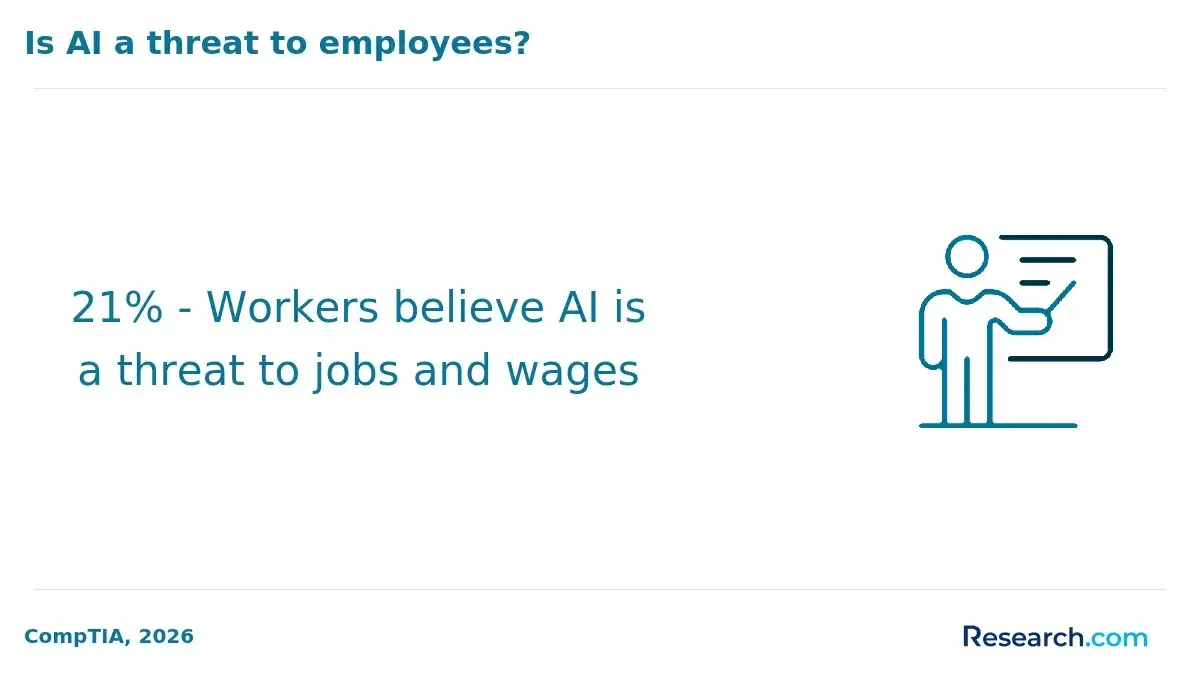
Admission criteria for self-paced artificial intelligence master's programs typically require a bachelor's degree in computer science, engineering, mathematics, or a related STEM field. While some programs accept diverse academic backgrounds, they often expect demonstrated proficiency in programming and foundational math subjects like calculus, linear algebra, and probability. Applicants might submit transcripts, letters of recommendation, and a statement of purpose highlighting their motivation and experience in AI or related fields, reflecting common prerequisites for enrolling in a self-paced AI master's program.
Standardized test scores like the GRE are increasingly optional; a majority of graduate computer science programs have adopted test-optional policies, benefiting working professionals and non-traditional students with relevant work experience but no recent exam scores.
Proficiency in programming languages such as Python, R, or Java is often recommended or required. Candidates lacking formal coursework can compensate by completing online certifications or showcasing project experience in machine learning or data science. Preparatory courses on algorithms, data structures, and statistics may be available for students needing technical refreshers before starting the core curriculum.
International students usually must demonstrate English proficiency through exams like TOEFL or IELTS. Application deadlines and document requirements vary by institution, so early preparation is crucial. Prospective students seeking a cheap online engineering degree may find self-paced programs offer the flexibility needed to balance education with professional demands.
Overall, success depends on a relevant academic background, technical competency, and a clear demonstration of interest and capability in AI, supported by admissions policies that accommodate diverse educational and professional profiles.
How long does it take to complete a self-paced AI master's degree and what is the typical cost?
Completing a self-paced artificial intelligence master's degree generally takes between 1.5 and 3 years, depending on credit requirements, prior knowledge, and time commitment. Accelerated tracks allow students to finish within 12 to 18 months by dedicating 15 to 20 hours weekly, while flexible programs accommodate those balancing full-time work or other responsibilities, sometimes extending beyond three years.
The average cost of self-paced AI master's degree programs ranges from $15,000 to $45,000. Tuition varies by institution type, residency, and resources included. Public universities often charge about $500 per credit hour for 30 to 36 credits, whereas private institutions may exceed $1,200 per credit. Online options tend to be 20-30% less expensive than on-campus equivalents. Self-paced formats may save money by charging per credit and allowing extended enrollment, helping students spread payments and avoid full-time fees.
Students should also budget for AI-related software, hardware, and certification exams. Choosing a self-paced model requires planning to prevent prolonged enrollment that increases indirect costs. Establishing a study schedule and engaging with mentorship or networking supports consistent progress and timely degree completion.
For those exploring options and affordability in AI education, reviewing rankings of a data science master online can provide valuable insights tailored to current market offerings.
What core coursework and technical skills are covered in self-paced AI master's curricula?
Self-paced AI master's degree programs deliver essential technical skills focused on machine learning algorithms, data mining, natural language processing, and computer vision. Students gain hands-on expertise with programming languages such as Python and tools like TensorFlow and PyTorch to build and deploy AI models effectively. Foundational knowledge in statistics, linear algebra, and optimization techniques underpin the development and understanding of these models.
Industry demand increasingly values skills in designing and fine-tuning neural networks, especially generative AI models. According to LinkedIn's 2024 Jobs Report, machine learning engineering, prompt engineering, and generative AI rank as the fastest-growing skills, with demand rising 74% year-over-year. Programs often incorporate prompt engineering strategies to enhance interaction with large language models, bridging practical deployment with research.
Curriculums also address AI ethics, data privacy, and algorithmic fairness, preparing graduates to navigate real-world implementation challenges. Modules on cloud computing and MLOps ensure students can manage AI systems in production environments. Capstone projects typically involve real datasets, simulating workplace conditions and reinforcing project-based learning.
When evaluating programs, students should look for a blend of theoretical concepts and applications using tools like Jupyter notebooks and open-source libraries. This approach equips graduates for diverse roles such as AI researchers, data scientists, and AI product engineers across multiple industries.
How do employers view self-paced AI master's degrees compared to traditional on-campus degrees?
Employers increasingly view self-paced AI master's degrees from accredited institutions as comparable to traditional on-campus programs. A Coursera survey found that 78% of hiring managers see online degrees in AI and machine learning as equally valuable, reflecting a shift toward flexible learning without sacrificing quality.
Hiring managers focus on skills, practical experience, and applied knowledge rather than the degree's delivery method. Graduates who complete industry-relevant projects or certifications alongside their degrees often stand out. Self-paced programs also benefit working professionals by allowing upskilling without career interruptions, which employers value for demonstrating adaptability and continuous learning.
Nevertheless, employers remain cautious about online degrees lacking regional accreditation or strong institutional reputation. Prospective students should verify accreditation and seek programs offering internships or research collaborations to showcase hands-on expertise, thereby improving employer perceptions.
Networking concerns typical in on-campus education can be addressed through active involvement in virtual AI communities, hackathons, or professional organizations. Employers appreciate candidates who engage with the field beyond coursework.
In 2026, a self-paced AI master's degree combined with verified skills and relevant experience effectively meets employer expectations, narrowing the gap between online and traditional credentials.
What career roles and job titles are available to graduates of self-paced AI master's programs?
Graduates of self-paced artificial intelligence master's programs can pursue a variety of roles in machine learning, data science, and AI engineering. Job titles often include machine learning engineer, AI research scientist, data scientist, AI software developer, and natural language processing (NLP) engineer. These roles involve developing algorithms, optimizing models, and building intelligent applications across industries such as healthcare, finance, technology, and manufacturing.
Other opportunities include computer vision engineer, specializing in AI systems that analyze images and video data, and robotics engineer, who integrates AI to automate physical devices. AI product managers and consultants leverage technical expertise to drive development strategies and advise organizations on AI adoption and implementation.
Employers highly value proficiency in AI frameworks and programming languages like Python, TensorFlow, and PyTorch. Experience with big data tools and cloud platforms such as AWS and Azure can further enhance job prospects. According to the U.S. Bureau of Labor Statistics, the demand for machine learning engineers is expected to grow by 36% from 2023 to 2033, reflecting strong industry growth.
Graduates benefit by aligning roles with their backgrounds-software developers may focus on AI integration, while those with a statistics foundation might pursue data science. Building certifications and portfolios featuring real-world AI projects can improve competitiveness in the job market.
What is the job outlook and salary potential for AI master's degree holders in the United States?
Job prospects for master's degree holders in artificial intelligence remain very strong across multiple U.S. industries such as technology, finance, healthcare, and manufacturing. The U.S. Bureau of Labor Statistics projects employment growth in computer and information research science roles at 22% from 2022 to 2032, a rate considerably higher than the average for all occupations, fueled primarily by advances in AI.
AI specialists with master's degrees can expect substantial salary potential. Glassdoor's 2024 Salary Report indicates an average base salary of $156,000 annually, with total compensation including bonuses reaching up to $205,000. Salaries tend to be even higher in competitive tech hubs like Silicon Valley, Seattle, and New York.
Graduates often find roles as machine learning engineers, data scientists, AI research scientists, or AI product managers, all offering salaries above the median for related tech positions. Specialized expertise in areas like natural language processing, computer vision, or reinforcement learning can boost earning potential further.
To enhance employability, candidates should seek industry experience through internships or projects using tools such as Python, TensorFlow, or PyTorch. Employers value professionals who combine strong technical skills with domain knowledge in sectors like healthcare or finance, expanding career opportunities significantly.
Are there professional certifications or industry credentials recommended alongside a self-paced AI master's degree?
Professional certifications paired with a self-paced AI master's degree greatly enhance employability and earning potential. Research indicates that roles requiring both a master's and relevant industry certifications command salaries 28% higher than those needing only a master's degree. This highlights the value employers place on verified technical expertise beyond academic qualifications.
Notable certifications include the Certified Artificial Intelligence Practitioner (CAIP), which focuses on practical skills in AI model building, deployment, and ethics. The Google Professional Machine Learning Engineer credential specializes in cloud-based AI solutions and scalable machine learning systems. These credentials provide strong evidence of a candidate's technical capabilities.
Complementary certifications in related fields like data science, machine learning, and cloud computing add further advantages. Examples include the Certified Data Scientist and AWS Certified Machine Learning Specialty, which demonstrate hands-on experience with current tools and frameworks commonly used in AI roles.
Additionally, pursuing industry-specific certifications-especially for healthcare, finance, or automotive AI sectors-can provide an edge by addressing domain-specific regulations, data privacy, and safety standards. Combining a self-paced AI degree with two or more recognized certifications strategically positions candidates in the competitive AI job market.
How should prospective students evaluate and compare different self-paced AI master's programs?
When evaluating self-paced artificial intelligence master's programs, prioritize accreditation and employer reputation as key indicators of quality. Accredited programs by recognized U.S. regional or national agencies ensure academic standards and credit transferability. Align your choice with current industry demands by reviewing courses covering machine learning, natural language processing, computer vision, and AI ethics. Programs offering hands-on projects, internships, or capstone experiences provide valuable practical skills, especially those partnered with tech companies supplying real-world datasets.
Flexibility varies among self-paced formats-some allow up to five years for completion, while others have stricter timelines. Investigate how the program supports learner interaction through faculty access, mentorship, and peer forums to enhance understanding despite asynchronous learning. Consider transparent tuition costs and financial aid availability, noting whether pricing is per credit or a flat rate.
Review alumni employment outcomes and job placement rates; programs showing over 70% placement within six months highlight strong employer connections. Additionally, technology requirements and platform usability are critical-robust student support and reliable learning management systems reduce technical disruptions for remote learners balancing work and study.
Other Things You Should Know About Artificial Intelligence
Artificial intelligence systems can be designed to be ethical and unbiased, but challenges remain due to the data they are trained on and human oversight. Bias in AI often arises from unrepresentative datasets or flawed assumptions embedded in algorithms. Researchers and practitioners are actively developing methods to reduce bias and improve fairness, transparency, and accountability in AI applications.
Artificial intelligence is generally categorized into three types: narrow AI, general AI, and superintelligent AI. Narrow AI is designed for specific tasks such as image recognition or language translation, and is the only type currently in practical use. General AI would have human-like cognitive abilities across various domains, while superintelligent AI refers to a hypothetical future system surpassing human intelligence.
Artificial intelligence applications extend beyond technology industries into healthcare, finance, transportation, and education. In healthcare, AI assists in diagnostics and personalized medicine. Financial institutions use AI for fraud detection and algorithmic trading, while it supports autonomous vehicles in transportation and adaptive learning platforms in education. These applications demonstrate AI's growing impact across diverse sectors.
Graduates can pursue careers in diverse fields such as data science, machine learning engineering, robotics, and AI research. Additionally, students interested in specialized areas can explore career opportunities in artificial intelligence in healthcare master’s programs for roles in medical technology and healthcare innovation.
References
- Top 10 AI certifications and courses for 2025 https://www.techtarget.com/whatis/feature/10-top-artificial-intelligence-certifications-and-courses
- Masters Artificial Intelligence https://www.udacity.com/masters-artificial-intelligence
- What kind of job could I find after finishing this master? https://www.tue.nl/en/education/what-kind-of-job-could-i-find-after-finishing-this-master
- AI Certifications: Accredited Programs, Vendor Credentials, and Emerging Standards - Total Seminars https://totalsem.com/ai-certifications-accredited-programs-vendor-credentials-and-emerging-standards/
- Certifications in AI that would allow you standout in job hunting https://community.deeplearning.ai/t/certifications-in-ai-that-would-allow-you-standout-in-job-hunting/871654
- 23 Top AI Certifications to Know | Built In https://builtin.com/articles/ai-certification
- Navigating the AI Frontier: How Prospective Students Can Identify Truly AI-Ready Business Schools https://mastergradschools.com/master-industry-trends/ai-ready-business-schools-prospective-master-students
- Application and admission - Master Artificial Intelligence https://www.uva.nl/shared-content/programmas/en/masters/artificial-intelligence/application-and-admission/international-prior-education/international-prior-education-foldout-menu.html
- How an Online Master’s in AI Can Prepare You for the Future of Tech https://www.ucumberlands.edu/blog/how-online-masters-ai-can-prepare-you-future-tech
- What AI certification options are best for professionals transitioning into AI roles? https://dev.to/georgiaweston/what-ai-certification-options-are-best-for-professionals-transitioning-into-ai-roles-20gp