2027 AI Degree ROI Report: Cost vs Salary by Degree Level

Co-Founder and Chief Data Scientist
Choosing to pursue an AI degree involves significant financial and time commitments, especially for those pivoting from unrelated fields. Prospective students often struggle to evaluate whether the investment aligns with their career goals and potential earnings. Without clear insights, they risk accruing debt without commensurate salary benefits.
This analysis dissects the relationship between degree costs and salary outcomes across different educational levels in AI programs. The article aims to equip readers with data-driven guidance to make informed decisions that balance affordability with career advancement opportunities in the competitive AI industry.
Key Things You Should Know
- The average starting salary for AI bachelor's degree holders in 2025 was approximately $85,000, while master's graduates saw an average of $110,000, reflecting higher ROI with advanced degrees.
- Cost variations are significant, with public universities averaging $30,000 total for AI degrees and private institutions exceeding $90,000, impacting long-term financial outcomes.
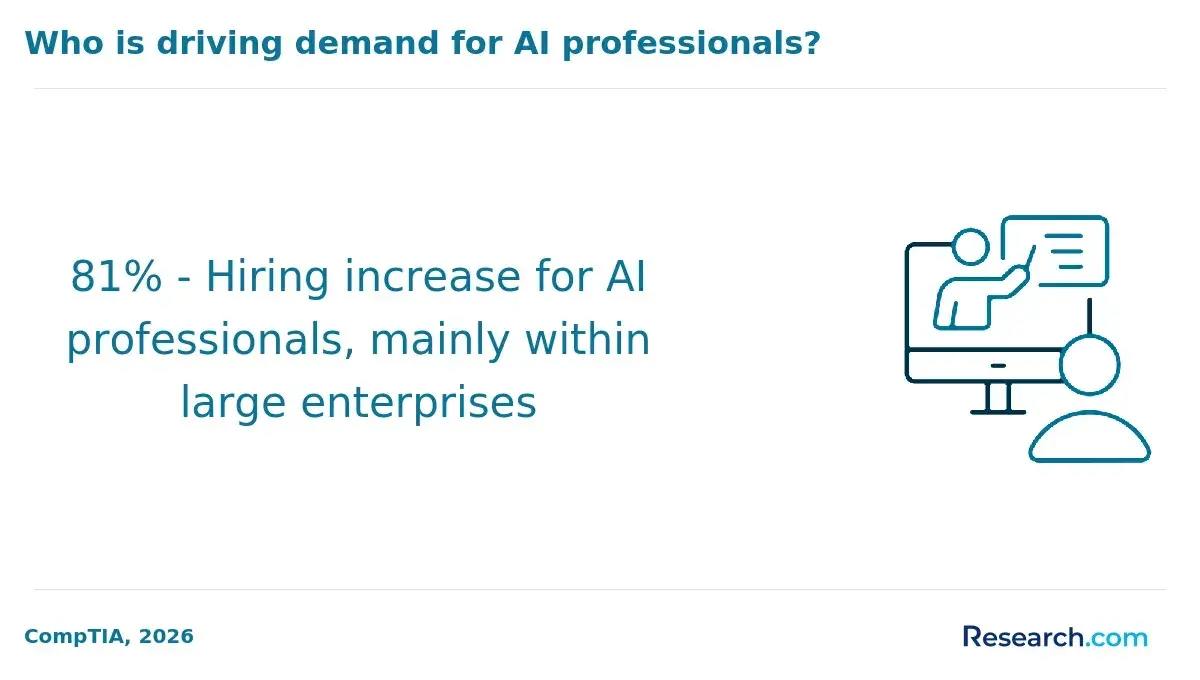
- Job market demand for AI professionals is projected to grow 40% by 2030, emphasizing the value of investing in higher education for sustainable salary growth.
What is the ROI of an AI degree?
The return on investment (ROI) for an AI degree in the United States is exceptionally high, with bachelor's degrees in computer and information sciences-including AI and related specializations-offering an average lifetime ROI of 1,561%. This significantly surpasses the median ROI of $160,000 seen across all majors, reflecting the strong salary potential and manageable educational costs associated with these programs.
Graduates with AI-focused degrees often secure starting salaries between $90,000 and $110,000 annually, well above the national average. Mid-career professionals can expect even greater salary growth, which boosts cumulative lifetime earnings and increases overall ROI. When considering cost versus salary for AI degrees, this rapid financial return makes these programs attractive compared to other fields with longer certification processes or lower wage prospects.
Prospective students should weigh factors such as:
- Cost of education relative to expected salary in AI-related roles.
- Opportunities for advancement into specialized or managerial AI positions..
- Geographic and industry-specific salary differences affecting ROI.
Investing in advanced degrees or certifications can further enhance financial outcomes. However, careful evaluation of tuition, opportunity costs, and career growth expectations is crucial. Students interested in exploring educational options can learn more about AI graduate programs as part of a strategic approach to maximizing the benefits of an AI degree return on investment in the United States.
How much does an AI degree cost by level?
In the United States, the cost of an AI degree varies widely by education level. Bachelor's, master's, and PhD programs in computer science or related AI fields usually range between $40,000 and $120,000 in total tuition, reflecting differences in institution type, program length, and location. The average tuition fees for ai degrees show that undergraduate programs generally cost between $40,000 and $70,000, while master's programs are more expensive, often ranging from $60,000 to $120,000.
Doctoral degrees in AI or computer science frequently exceed these amounts but may include stipends or assistantships that help offset tuition. For those seeking less costly alternatives, AI-specific bootcamps offer significant savings, averaging around $14,000. This tuition is roughly three to eight times less than formal degree programs, making bootcamps a faster, more affordable option for skill acquisition.
Choosing between these options depends largely on career goals. Formal degrees provide extensive theoretical foundations and research opportunities essential for academia or advanced research roles. Bootcamps are better suited to professionals aiming to upscale rapidly for industry positions.
Prospective students should carefully weigh these costs and benefits to make informed decisions. Students interested in engineering-related fields may also explore mechanical engineering degrees online, which sometimes offer different tuition structures and flexibility for learners.
What salaries do AI degree holders earn?
AI degree holders command highly competitive salaries from the outset, reflecting strong market demand. According to data projected for 2026 by PayScale and summarized by Hakia, the median starting salary for AI graduates is 95,000 USD. The top 25% of entry-level AI engineers can earn over 115,000 USD their first year, significantly surpassing national averages across many fields.
Salary progression continues robustly into mid-career, where average annual earnings reach about 165,000 USD. This growth mirrors gained experience, skill enhancement, and specialization in high-demand areas such as machine learning or natural language processing. Variations in salary ranges by degree level-bachelor's, master's, or doctorate-play a critical role, as do factors like industry, location, and company size. For instance, AI professionals in major tech hubs like Silicon Valley or New York generally receive higher pay than those in smaller markets.
Understanding the average earnings for AI graduates in the United States helps prospective students gauge the return on investment of their education. Those interested in accelerating their tech career might consider complementary pathways, such as an accelerated cyber security degree online, which can broaden job opportunities in related fields, enhancing earning potential and career flexibility.
Ultimately, salary growth often aligns with continued education and gaining niche expertise, making strategic planning essential for maximizing long-term financial rewards in AI careers.
Which AI degrees lead to the best jobs?
The best AI degree programs for top jobs combine strong technical foundations with applied specialization. Graduates with an AI bachelor's degree experience a positive ROI in 4.2 years, outperforming the 6.8 years typical for all bachelor's degrees, according to Hakia's 2026 analysis. These degrees often lead to roles in software engineering, machine learning, data science, and AI research with higher starting salaries and significant career growth.
Specialized fields like machine learning, robotics, natural language processing, and computer vision consistently offer the highest paying artificial intelligence degrees in the US. For instance, a bachelor's in applied machine learning qualifies graduates for autonomous systems or predictive analytics jobs, with median starting salaries over $90,000 annually.
Advanced degrees boost earning potential and access to leadership or research positions. Master's or PhD programs focusing on AI algorithms, methods, or ethical governance open doors to principal data scientist or AI architect roles, often exceeding $130,000 in salary. They also shorten payback periods through increased lifetime earnings.
Long-term salary growth and career flexibility favor AI degrees over non-STEM or generic technology degrees. Over 20 years, AI bachelor's holders earn about $1.8 million more than high school graduates and $750,000 more than average college grads. This premium is enhanced by internships, certifications, or research on emerging AI applications.
Practical experience remains essential beyond the degree. Prospective students should target programs offering hands-on projects, industry partnerships, and clear pathways to high-demand AI roles. For budget-friendly options, consider the cheapest online computer science degree paths that also include AI specialization.
Is an online AI degree respected by employers?
Online AI degrees from accredited universities often carry similar weight to on-campus programs, especially when completed at top-tier institutions renowned for research and strong project-based learning. These degrees can be valuable for positions needing deep theoretical knowledge or leadership in the field. However, many employers prioritize practical skills and job readiness, which has increased the appeal of AI bootcamps.
Bootcamps offer accelerated pathways into the AI industry, typically taking 3-6 months to secure the first job and delivering a median salary increase of 51%, according to the Blockchain Council. Their tuition break-even period of 15-19 months contrasts sharply with master's programs, which may cost between $40,000 and $120,000 and take over four years to recoup.
For those choosing between paths, consider these points:
- Online AI master's degrees are suited for roles demanding complex algorithm expertise, advanced research, or leadership.
- Bootcamps focus on practical skills, providing quicker access to industry, ideal for career changers or those seeking immediate employment.
- Bachelor's degrees form a common baseline but often need to be supplemented with certifications or experience for AI specialization.
Ultimately, employer respect depends on demonstrated skills and real-world problem solving rather than certification alone, making applied competence crucial for success in artificial intelligence careers.
What accreditation should an AI program have?
AI degree programs should be offered by regionally accredited institutions recognized by bodies such as the Higher Learning Commission (HLC), Middle States Commission on Higher Education (MSCHE), or Western Association of Schools and Colleges (WASC). This regional accreditation ensures that the institution adheres to quality and accountability standards in higher education, which is essential for federal financial aid eligibility, credit transfer, and employer acceptance.
Programmatic accreditation like ABET adds value by validating the curriculum's rigor and alignment with industry requirements, particularly for computer science or engineering-focused AI programs. This highlights the program's relevance to workforce needs and technical standards.
Cost is a key factor in choosing an AI bachelor's degree. According to Hakia's analysis of College Scorecard data, the total four-year cost for AI degrees at public universities averages around 80,000 USD, compared to 280,000 USD at top-tier private universities. However, the net present value (NPV) tends to be higher for public programs (~580,000 USD) than for private ones (~420,000 USD), indicating stronger financial returns over time.
Students should consider these questions before enrolling:
- Is the institution regionally accredited?
- Does the AI program have ABET or equivalent accreditation?
- How do the costs compare with expected salary outcomes?
Accreditation affects your access to financial aid, credit recognition, and employment prospects. Without proper accreditation, degree value and career opportunities can be limited. Confirming accreditation protects your investment and boosts long-term career ROI.
What classes are in an AI degree program?
Core classes in AI degree programs cover essential technical skills and foundational knowledge, including machine learning for algorithm development and neural networks inspired by the human brain. Students learn natural language processing to help machines understand human communication and computer vision for analyzing images and videos. Data structures and algorithms provide efficient problem-solving techniques, while programming courses-commonly in Python or R-build practical coding expertise.
Mathematics is a critical component, with courses in linear algebra, calculus, probability, and statistics supporting AI model creation. Ethics and AI policy classes explore societal impacts and regulatory concerns. Electives may focus on fields like robotics, reinforcement learning, or AI applications in healthcare, enabling students to specialize their studies.
According to DegreeWorth's analysis, majors with very high AI exposure earn about $15,570 more annually in their first year compared to low-risk fields, growing to a $25,801 difference by year five. The return on investment (ROI) is notably higher for technical AI degrees, with a multiple of 11.9x versus 9.2x for less AI-centric majors.
Students should prioritize programs offering a balance of theory and hands-on projects, which are crucial for roles requiring both conceptual understanding and coding ability. Identifying courses that emphasize applied AI or ethical considerations can better prepare graduates for the fast-evolving AI job market.
What are the admissions requirements for AI programs?
Admissions for artificial intelligence programs differ by degree level but consistently stress strong quantitative and programming abilities. Bachelor's applicants typically need a high school diploma with coursework in math-such as calculus and algebra-and foundational computer science skills. Some programs also ask for SAT or ACT scores and evidence of coding experience through projects or competitions.
Master's programs generally require a bachelor's degree in STEM fields like computer science, engineering, mathematics, or physics. Admissions committees look for solid understanding of algorithms, data structures, and statistics. GRE scores, recommendation letters, and a statement of purpose illustrating AI research interests are often required. Relevant work experience in technology or data analysis can strengthen applications.
Doctoral candidates usually must hold a master's degree or exceptional bachelor's credentials along with research experience. Essential materials include academic transcripts, GRE scores, strong faculty recommendations, and a clear research proposal focused on AI subfields such as machine learning or robotics. Prior publications or involvement in AI research projects enhance an applicant's profile.
Costs and return on investment vary internationally. For example, in India, a four-year AI-related engineering degree costs around 6.3 lakh INR at government colleges versus 16.8 lakh INR at private schools. With an average starting salary near 4.74 lakh INR and a 10% annual increment, it may take over 20 years to break even, per 1Finance's Global Economic Outlook 2026 report.
How long does it take to finish an AI degree?
The time to complete a degree in artificial intelligence depends on the level and format of study. Associate degrees typically take two years, while bachelor's programs require about four years of full-time study. Master's degrees add one to two years beyond a bachelor's, varying with program intensity and part-time or accelerated options. Doctoral programs, focused on research and specialization, can span four to six years.
Part-time and online formats extend these timelines for working professionals. For those seeking quicker workforce entry, alternatives like bootcamps and AI certifications provide faster pathways. According to Blockchain Council's 2024-2026 outcomes review, audited AI-related bootcamps show 64-78% in-field employment within 180 days, with beginning salaries averaging $70,698. These programs offer tuition break-even points in just 15-19 months, delivering a faster return on investment compared to most degree paths.
Degree programs offer greater depth and research opportunities but require longer commitments before career benefits emerge. Key factors that influence time to completion include program format, prior education, and urgency to enter the AI job market. For rapid entry and strong ROI, bootcamps are compelling. For advanced, research-intensive roles, master's and doctoral degrees remain essential.
What certifications help AI graduates get hired?
Certifications play a crucial role in boosting career opportunities for AI graduates by validating key skills that employers actively seek. Top certifications include:
- Certified Artificial Intelligence Practitioner (CAIP), which highlights practical knowledge in AI system design and deployment.
- Google's Professional Machine Learning Engineer certification, valued for applying machine learning models in production environments.
- Microsoft Certified: Azure AI Engineer Associate, focusing on building AI solutions on Microsoft Azure.
- IBM AI Engineering Professional Certificate, covering machine learning, deep learning, and data science integration.
- TensorFlow Developer Certificate, demonstrating proficiency with one of the most popular AI frameworks.
These credentials address employer demands for measurable expertise beyond formal degrees. Tech recruiters often prioritize candidates with mastery of AI tools and cloud platforms, reducing hiring time and justifying higher salaries.
Choose certifications aligned with your career goals. For roles like data scientist or machine learning engineer, CAIP or Google's certification offer strong ROI. Professionals focused on cloud-based AI should consider Microsoft or IBM credentials.
According to FinanceWonk's 2026 college ROI analysis, STEM degrees related to AI can add over 3 million USD in lifetime earnings compared to average degrees. Pairing these degrees with targeted certifications enhances employability and salary potential by combining theoretical knowledge with proven applied skills.
Other Things You Should Know About Artificial Intelligence
Yes, artificial intelligence professionals find opportunities across various sectors beyond traditional technology companies. Healthcare, finance, automotive, manufacturing, and even entertainment industries employ AI experts to develop solutions like disease diagnosis tools, fraud detection systems, autonomous vehicles, and content recommendation engines. AI's interdisciplinary nature allows its application in many fields.
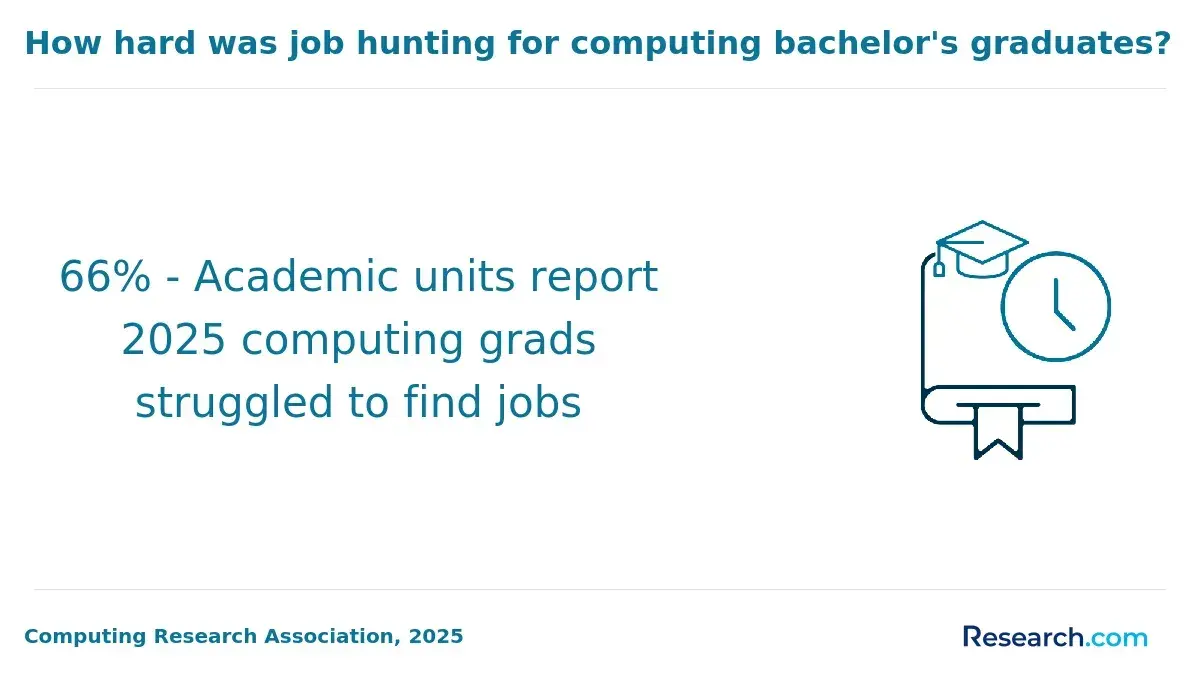
AI graduates often face challenges such as keeping pace with rapidly evolving technologies and the need for continuous learning. Another hurdle is the competitive job market, where practical experience and demonstrated project work can be as important as academic credentials. Graduates also need to navigate ethical considerations and potential biases in AI systems.
While advanced degrees like master's or PhDs are common and beneficial in artificial intelligence, especially for research roles, they are not always required. Many entry-level and applied AI positions focus on practical skills and experience. Certifications, bootcamps, and hands-on projects can also help candidates gain employment in the AI field without advanced degrees.
In 2027, the return on investment for AI degrees varies significantly by industry, with finance showing particularly strong potential. Graduates in sectors like finance and AI master’s degree can expect higher starting salaries and job opportunities compared to others, driving better ROI.
References
- Artificial Intelligence Degree Salary & ROI Analysis 2026 https://hakia.com/degrees/artificial-intelligence/salary-roi/
- Most Affordable Online Master's in AI for 2025 https://www.mastersinai.org/degrees/affordable-online-masters-in-ai/
- AI Certification vs. Traditional Degree: What Actually Gets You Hired in 2026? https://www.nplus.global/blogs/ai-certification-vs-traditional-degree/
- AI engineer vs AI developer salary: What to expect https://www.walbrook.ac.uk/subjects/ai/ai-engineer-salary/
- How Much Does it Cost to Learn AI? https://blog.nobledesktop.com/learn/ai/ai-cost-to-learn
- AI pricing: how much does AI cost in 2025? | Future Processing https://www.future-processing.com/blog/ai-pricing-is-ai-expensive/
- AI & Machine Learning Course Fees in 2026: Complete Guide https://www.almabetter.com/bytes/articles/ai-and-ml-course-fees-2026
- How to Get into a BSc in AI Program | Admission Guide 2025 https://futurense.com/blog/bsc-ai-program
- AI ROI - AI Glossary Terms https://www.elvex.com/glossary/ai-roi
- ROI of AI: Key Drivers, KPIs & Challenges | DataCamp https://www.datacamp.com/blog/roi-of-ai