2027 AI Master's Programs With No GMAT Requirement

Co-Founder and Chief Data Scientist
Many prospective graduate students face hurdles when applying to AI master's programs due to the GMAT requirement. This barrier can be especially limiting for working professionals with unrelated undergraduate degrees seeking a swift career pivot. The time, cost, and stress of preparing for the GMAT often discourage capable candidates from advancing in this rapidly growing field. Fortunately, several accredited U. S. programs now waive the GMAT, offering more accessible admission paths.
This article explores 2027 AI master's programs that require no GMAT, guiding readers to flexible, credible options suited for career changers and busy professionals.
Key Things You Should Know
- Many top U.S. universities now offer AI master's programs with no GMAT requirement, emphasizing relevant experience and academic records instead of standardized tests.
- By 2026, over 40% of AI master's programs waive GMAT scores to increase accessibility, reflecting industry demand for skilled professionals over test performance.
- These programs often focus on practical skills and interdisciplinary approaches, integrating data science, machine learning, and ethics to prepare graduates for diverse AI career paths.
Which universities offer accredited AI master's degrees without requiring the GMAT?
Several accredited U.S. universities now offer master's degrees in artificial intelligence without requiring the GMAT, reflecting a significant shift in admission policies. This trend supports the Graduate Management Admission Council's finding that 62% of graduate business and STEM programs had removed standardized test requirements by 2024. Notable universities include Stevens Institute of Technology, which offers an MS in Artificial Intelligence with no GMAT needed, and Northeastern University, whose MS in Artificial Intelligence and Machine Learning waives the GMAT for applicants meeting certain academic or professional standards.
Many ai master's programs without GMAT admission selectively require GRE scores or accept professional experience instead, widening opportunities for working professionals. For example, the University of Texas at Austin's AI-related master's tracks within the computer science department often waive both the GMAT and GRE for candidates with strong quantitative backgrounds. Carnegie Mellon University's Master of Computational Data Science and related AI courses prioritize academic achievement and relevant experience over standardized tests, effectively bypassing GMAT requirements.
Prospective students should confirm each school's latest admissions criteria, as policies continue to evolve. Programs increasingly value undergraduate GPA, relevant coursework, technical skills, and letters of recommendation instead of relying on exam scores. This shift benefits applicants aiming to enhance portfolios, coding skills, and AI project experience rather than focusing solely on test prep.
Students looking for universities offering accredited AI degrees no GMAT might consider Stevens Institute of Technology, Northeastern University, University of Texas at Austin, and Carnegie Mellon University as strong starting points. For those interested in flexible study options, exploring a computer science degree online can also complement AI education and career goals.
What are the typical admission requirements for no-GMAT AI master's programs?
Admission criteria for no GMAT AI master's programs focus largely on academic records and relevant professional experience rather than requiring standardized test scores. Typically, candidates need a bachelor's degree in computer science, engineering, mathematics, or a related STEM field, often with a minimum GPA close to 3.0 on a 4.0 scale. Transcripts should confirm proficiency in key subjects such as programming, linear algebra, and statistics.
Work experience significantly influences acceptance chances. According to the National Association for College Admission Counseling (NACAC), 73% of graduate programs rate professional background as a top admission factor, second only to GPA. Many artificial intelligence graduate degrees require applicants to have at least 1-2 years of relevant industry experience, internships, or research projects. Practical skills in machine learning, data analysis, or software development can compensate for the lack of GMAT scores. This emphasis on the typical admission criteria for no GMAT AI master's programs reflects the growing importance of demonstrated technical capability.
Applications usually call for letters of recommendation from professors or employers familiar with the applicant's abilities, along with a statement of purpose explaining career goals and motivation for AI study. Some programs may request a resume highlighting certifications, publications, or coding portfolios. Additional materials like coding samples or prerequisite online courses could also be required, especially for verifying readiness in advanced AI coursework. English proficiency tests such as TOEFL or IELTS remain mandatory for international students.
Prospective students interested in STEM fields might also explore options like a mechanical engineering degree as an alternative pathway. These no GMAT AI master's programs prioritize measurable academic success and demonstrated industry experience to build strong candidates for the evolving AI job market.
How do online AI master's programs compare to campus-based options for students without GMAT scores?
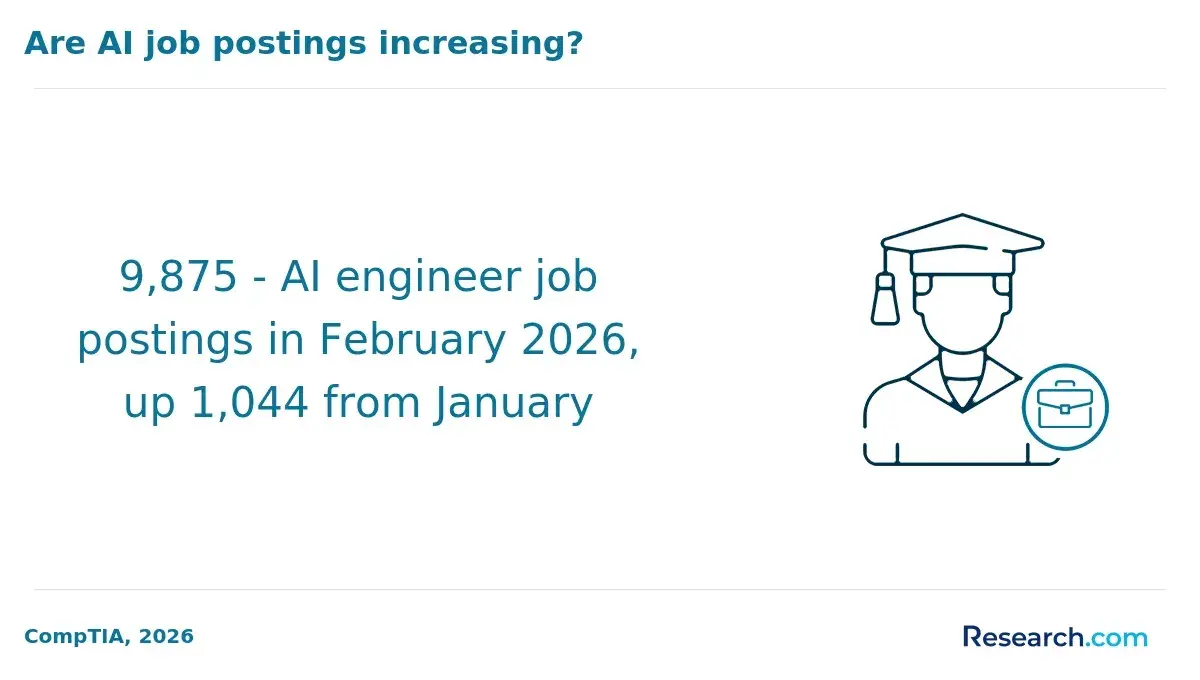
Online AI master's programs for students without GMAT scores offer significant advantages, such as waiving test requirements to attract diverse applicants. These programs emphasize relevant work experience, undergraduate GPA, and technical skills, which benefits professionals and recent graduates who may lack time to prepare for standardized tests. Enrollment in online master's programs, particularly in STEM fields, has grown notably, reflecting the rising acceptance of online AI education.
When comparing campus versus online AI master's programs no GMAT requirement, flexibility stands out. Online programs often provide asynchronous learning, helping students balance study with work or personal commitments. However, campus programs may offer stronger immersion with direct access to faculty, research labs, and in-person networking vital for those focused on AI research or academic careers.
Both formats typically require a relevant bachelor's degree and prerequisites in math and programming. Online schools frequently enhance admissions with coding challenges or project portfolios, reducing reliance on standardized exams. While online platforms simulate practical experiences, campus programs often deliver deeper hands-on lab work suited to intensive research roles.
Applicants should align their choice with career objectives, as online AI degrees tend to prepare students for software development and AI implementation roles. To evaluate affordability and options, consider exploring the cheapest online civil engineering degree offerings, which may also indicate competitive pricing in related fields including AI.
What coursework and technical skills will you develop in an AI master's program?
An AI master's program technical skills development is centered on advanced coursework and practical training in machine learning, data science, and system design. Students build expertise in algorithms, neural networks, natural language processing, and computer vision, mastering programming languages like Python and R alongside frameworks such as TensorFlow and PyTorch to create and optimize AI models effectively.
The curriculum typically includes data structures, probability, and statistics to establish a strong foundation for understanding model behavior and evaluation metrics. Emphasis on data preprocessing, feature engineering, and model deployment prepares students for complete AI solution workflows. Many programs incorporate hands-on projects that apply theory to real-world challenges, including autonomous systems, robotics, and healthcare analytics.
Advanced coursework in artificial intelligence techniques also covers software development best practices like version control and testing, as well as cloud computing platforms such as AWS and Azure. Ethics and bias mitigation are integrated to promote responsible AI use. According to LinkedIn's Jobs Report, machine learning engineering and AI specialization roles are among the fastest-growing careers, with a 74% demand increase over four years.
Those exploring AI education might consider related fields as well; for example, students looking for cybersecurity options can find valuable information about online cyber security degrees to complement their skill set in this evolving technology landscape.
How long does it take to complete a no-GMAT AI master's degree, and what is the typical cost?
Completing a no-GMAT artificial intelligence master's degree typically takes between 12 and 24 months of full-time study, depending on program design and institutional requirements. Accelerated formats allow completion in as little as one year through intensive course loads or summer terms. Part-time options, which accommodate working professionals, may extend the timeline to three years or more.
Tuition costs vary significantly by institution type and program structure. Private universities charge an average of $48,000 for master's degrees, with STEM fields, including AI, usually about 18% higher, bringing costs close to $56,600 on average. Public universities provide lower tuition, especially for in-state residents, with total costs often ranging from $15,000 to $35,000. Online no-GMAT AI master's programs may offer more affordable pricing with per-credit fees between $500 and $1,200; however, students should confirm whether additional fees or materials are included.
Choosing between faster completion and lower tuition requires careful budgeting. A one-year accelerated program might cost more but can reduce living expenses and opportunity costs, while part-time study lengthens the program but allows income generation alongside coursework. Overall, no-GMAT AI master's degrees cost roughly $16,000 to $60,000 depending on public versus private status, format, and region.
What career roles and job titles are available to AI master's graduates?
Graduates of AI master's programs are well-positioned for careers like machine learning engineer, AI researcher, and data scientist-roles essential for building and advancing AI technologies. Machine learning engineers create and refine algorithms that enable systems to learn from data, while data scientists interpret complex datasets to generate actionable insights. AI researchers push the boundaries of AI theory and develop innovative applications, often contributing in academia, research laboratories, or corporate R&D.
Additional roles include AI software developer, who integrates AI models into scalable software, and AI product manager, who connects technical teams with business goals. Specialized positions such as natural language processing engineer and computer vision specialist have emerged due to growing AI applications in text and image analysis. These roles frequently cross into healthcare, finance, automotive, and cybersecurity industries, reflecting AI's broad adoption.
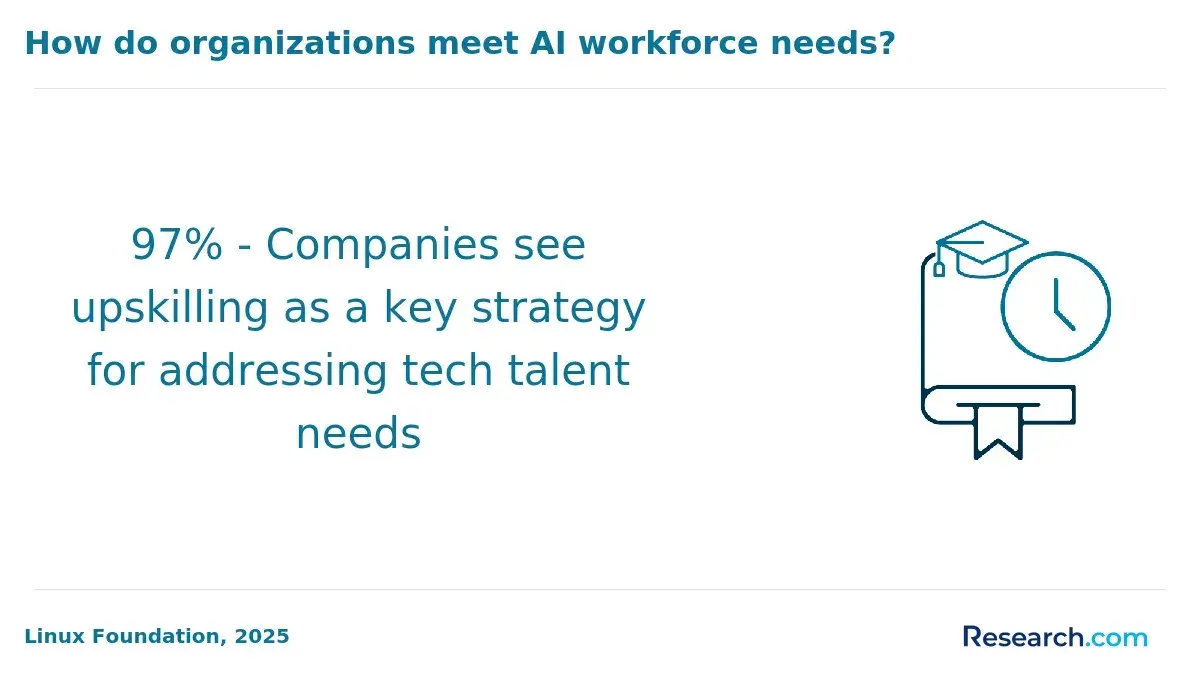
The U.S. Bureau of Labor Statistics reports a 71% increase in AI-related job postings between 2022 and 2024, demonstrating strong demand. Graduates can improve career prospects by focusing on niches like reinforcement learning, edge computing, or ethical AI and gaining hands-on experience with tools like TensorFlow and PyTorch.
Success in AI roles often requires translating technical concepts for non-technical audiences, making communication and collaboration skills vital. Certifications and contributions to open-source projects can also boost credibility and employability in this competitive field.
What is the projected job outlook and salary range for AI master's degree holders?
The job outlook for master's degree holders in artificial intelligence is very promising. The U.S. Bureau of Labor Statistics projects a 23% growth in employment for computer and information research scientists between 2023 and 2033, far exceeding the 3% average growth rate across all occupations. This demand is driven by the need for advanced data analysis, machine learning, and AI development across technology, healthcare, finance, and automotive industries.
Salaries for AI master's graduates vary according to role, experience, and location. Entry-level positions start around $90,000 annually, while specialized professionals can earn over $150,000 per year. AI research scientists often earn upwards of $130,000, and AI engineers or machine learning specialists typically see median salaries between $110,000 and $140,000. Senior roles at top tech firms or research institutions may exceed $180,000.
Credentials beyond the degree, such as programming skills in Python or R, experience with AI frameworks like TensorFlow, and knowledge of cloud platforms, significantly impact salary and job prospects. Applied AI fields such as healthcare and finance may offer unique compensation packages based on industry demand.
For potential students, this strong employment growth and competitive salary landscape make pursuing an AI master's degree without requiring a GMAT an attractive option. Choosing programs with industry partnerships and internships can enhance employability and salary potential.
How should you evaluate the accreditation and reputation of an AI master's program?
Accreditation is a crucial factor when evaluating AI master's programs. Priority should be given to those accredited by ABET, which specializes in computing and engineering degrees. As of recent data, only about 12% of AI and machine learning programs hold this specialized accreditation, underscoring the importance of verifying this credential before applying.
In addition to ABET, confirm that the university is regionally accredited by a recognized U.S. Department of Education agency. Regional accreditation ensures overall institutional quality but does not specifically guarantee AI curriculum rigor. Look for programs with industry certifications or partnerships with leading AI companies and research labs to ensure practical relevance and professional recognition.
Faculty expertise further reflects program quality. Review instructors' qualifications, research activity, and their involvement with respected AI conferences or journals. Alumni success and connections with employers in AI-focused roles also provide insight into the program's reputation.
Evaluating program outcomes is equally important. Investigate graduation rates, job placement statistics, and whether the curriculum addresses emerging AI topics such as ethical AI, deep learning, and reinforcement learning. These factors help distinguish cutting-edge programs from those with outdated or insufficient training.
Are there professional certifications or credentials that complement an AI master's degree?
Professional certifications complement an AI master's degree by validating specialized skills and enhancing career prospects. Studies show that 68% of AI professionals hold at least one industry certification alongside their master's degree. Certifications in machine learning, data science, and cloud computing highlight expertise that goes beyond academic knowledge.
Notable credentials include the Certified Artificial Intelligence Practitioner (CAIP), recognized for practical AI model development and deployment. The Google Professional Machine Learning Engineer certification is highly regarded for demonstrating proficiency in applying machine learning on cloud platforms. Those focused on data analytics often pursue the Certified Data Scientist credential to master insights extraction from large datasets.
Cloud-related certifications such as Amazon Web Services (AWS) Certified Machine Learning - Specialty and Microsoft's Azure AI Engineer Associate broaden a graduate's ability to implement scalable AI solutions. These credentials align with employer demands for professionals skilled in real-world AI applications.
Emerging ethical AI and governance certifications from organizations like ISACA address responsible AI use and risk management, reflecting growing regulatory emphasis. Pursuing certifications helps professionals demonstrate adaptability and ongoing skills development, meeting evolving industry expectations.
What alternative pathways exist for entering AI careers without a traditional master's degree?
Alternative pathways into AI careers beyond the traditional master's degree include bootcamps, online certifications, and self-directed learning. According to Coursera's 2024 Skills Report, 43% of AI professionals entered the field through these non-traditional routes, which often focus on practical skills designed to meet current industry demands.
Bootcamps, such as those offered by Springboard and General Assembly, provide intensive, hands-on training over weeks or months. They emphasize programming, machine learning frameworks, and data science, often including real-world projects and career mentorship without requiring GMAT scores.
Online certifications from platforms like Coursera, edX, and Udacity offer flexible learning on subjects such as neural networks, natural language processing, and reinforcement learning. Many certificates come from respected universities or companies, improving credibility. Completing several related certificates can build expertise similar to master's degree coursework.
Self-directed study suits disciplined learners who use textbooks, open-source resources, and community forums. Organizations like OpenAI, TensorFlow, and fast.ai provide free tutorials supporting independent learning. Participating in open source projects and Kaggle competitions can showcase abilities to potential employers.
Employers increasingly prioritize demonstrable skills and project portfolios over formal degrees. Candidates without a master's should develop strong coding skills in Python, proficiency in AI frameworks like PyTorch or TensorFlow, and apply AI to domain-specific problems. Networking through AI meetups and virtual conferences also expands career opportunities.
Other Things You Should Know About Artificial Intelligence
Financial aid for AI master's programs without GMAT requirements in 2027 includes scholarships, grants, and student loans. Specific options vary by institution, but federal aid may also be accessible if the program is accredited. Always check with the program's financial aid office for details.
Several universities are offering AI master's programs without GMAT requirements in 2027, including Massachusetts Institute of Technology (MIT), Carnegie Mellon University, and Stanford University. Each program has its specific application process, and it's essential to check individual websites for detailed admission requirements.
Yes, some do. Many AI master’s programs waive the GMAT but still require GRE scores, while others waive both exams for applicants with a qualifying bachelor’s degree, a minimum 3.0 GPA, and relevant coursework in calculus, statistics, or programming.
Application deadlines vary among programs, typically ranging from December 2025 to March 2027. Prospective students should check individual program websites for specific dates. For those interested in a specialized path, consider the AI and financial technology master’s.
References
- AI Jobs With No Experience â 10+ Entry-Level Roles | Beginner Guide 2026 â Mindrift https://mindrift.ai/blog/ai-jobs-with-no-experience
- Top 12 Paying Careers for AI Graduates in 2026 - AI Degrees Online https://aidegreesonline.com/careers/highest-paying-ai-careers/
- Check Your Eligibility for Universities without GMAT https://sem.leapscholar.com/universities-usa-v3/universities-without-gmat
- Best AI Certifications to Boost Your Career in 2026 – Dataquest https://www.dataquest.io/blog/best-ai-certifications/
- Top 25 Online Master’s In AI Programs for 2026 - Programs.com https://programs.com/programs/online-masters-in-ai/
- 11 Best AI Certifications in 2025 to Deepen Your Technical Knowledge | DigitalOcean https://www.digitalocean.com/resources/articles/ai-certifications
- What Jobs Can I Get With a Master's in Artificial Intelligence? | CSU Global https://csuglobal.edu/blog/what-jobs-can-you-get-masters-artificial-intelligence
- MSc Artificial Intelligence-career prospects University of Hull Online https://online.hull.ac.uk/courses/msc-artificial-intelligence/careers
- What Can I Do With a Master’s Degree in Artificial Intelligence (AI)? https://wp.wpi.edu/catalyst/2024/04/03/what-can-i-do-with-a-masters-degree-in-artificial-intelligence-ai/
- 16 Artificial Intelligence Career Paths https://www.calmu.edu/news/artificial-intelligence-career-paths