2027 AI Bachelor's Degree Programs That Include Product Thinking

Co-Founder and Chief Data Scientist
Many students and professionals aiming to enter the AI field struggle to find bachelor's programs that integrate product thinking with deep technical training. This gap often leaves graduates ill-prepared to create solutions that align with market needs and user experience. Without understanding product strategy, even strong AI skills may fail to translate into impactful innovations or career growth. This article reviews bachelor's degree programs focused on AI that also emphasize product thinking, helping readers identify educational paths that equip them with both technical expertise and a practical, market-oriented mindset to succeed in the evolving AI industry.
Key Things You Should Know
- 2027 AI bachelor's programs increasingly integrate product thinking to bridge technical skills with user-centric design and business strategy, preparing students for interdisciplinary roles.
- Over 60% of top U.S. universities now include product management and design courses within AI degrees, enhancing graduates' employability in tech-driven markets.
- Curricula emphasize practical projects and internships reflecting real-world product challenges, aligning education with industry demands for versatile AI professionals.
What is an AI bachelor's degree with product thinking?
An AI bachelor's degree with product thinking integrates core artificial intelligence technologies with skills in developing market-ready products. Students gain expertise not only in building algorithms and models but also in transforming them into scalable solutions that fulfill real business needs. This approach bridges a crucial gap in AI education by combining theoretical knowledge with practical product design, user experience, and deployment challenges.
The growing demand for graduates who understand both AI frameworks and product integration is reflected in industry trends. IBM reported that 42% of enterprise-scale organizations have deployed AI, with another 40% exploring adoption. Such trends highlight the value of undergraduate artificial intelligence degrees with product management focus.
These programs typically include technical courses in machine learning, natural language processing, and data engineering, alongside training in product management, AI ethics, and human-centered design. Students learn to:
- Develop AI models that address specific user problems
- Analyze market needs to prioritize features
- Collaborate with cross-functional teams to align technical and business goals
- Design AI-driven interfaces ensuring accessibility and compliance
Many programs emphasize industry-specific applications, including healthcare and finance, and offer internships or capstone projects for hands-on experience. This prepares students for roles such as AI product manager, solution architect, or data scientist working alongside product teams. Prospective students might also consider options like a 2-year computer science degree online to complement AI knowledge with agile, accelerated pathways.
Without product thinking skills, AI graduates may find it challenging to translate models into solutions that deliver measurable business impact.
Which accredited U.S. schools offer AI bachelor's programs emphasizing product development?
Accredited U.S. schools offering AI bachelor's degrees with product development focus remain limited but are gaining prominence. Nationwide, only a few hundred students complete bachelor's degrees specifically in Artificial Intelligence (CIP 11.0102) annually, underscoring the scarcity of programs that combine AI theory with product thinking rather than a general computer science curriculum.
Top U.S. universities with AI bachelor programs emphasizing product thinking include Northeastern University and Carnegie Mellon University. Northeastern's Bachelor of Science in Artificial Intelligence integrates courses like human-computer interaction and design thinking alongside core AI algorithms. Carnegie Mellon's program offers options focusing on product innovation and interdisciplinary projects that mimic real-world development cycles.
The University of California, Irvine also provides a Bachelor of Science in Computer Science with a specialization in artificial intelligence featuring coursework on product development, entrepreneurship, and user-centric design principles. These programs prepare students to develop AI applications from concept to market-ready products.
Students should evaluate curriculum components such as user experience, prototyping, and business strategy-key skills for product thinking. Given the low national output of specialized AI bachelor's degrees, pursuing joint majors or minors in product management or design alongside AI can broaden practical skills and improve career outcomes. For those comparing costs, researching mechanical engineering degree online cost data might provide useful parallels in understanding affordability across technical programs.
What careers can you pursue with an AI product-focused bachelor's degree?
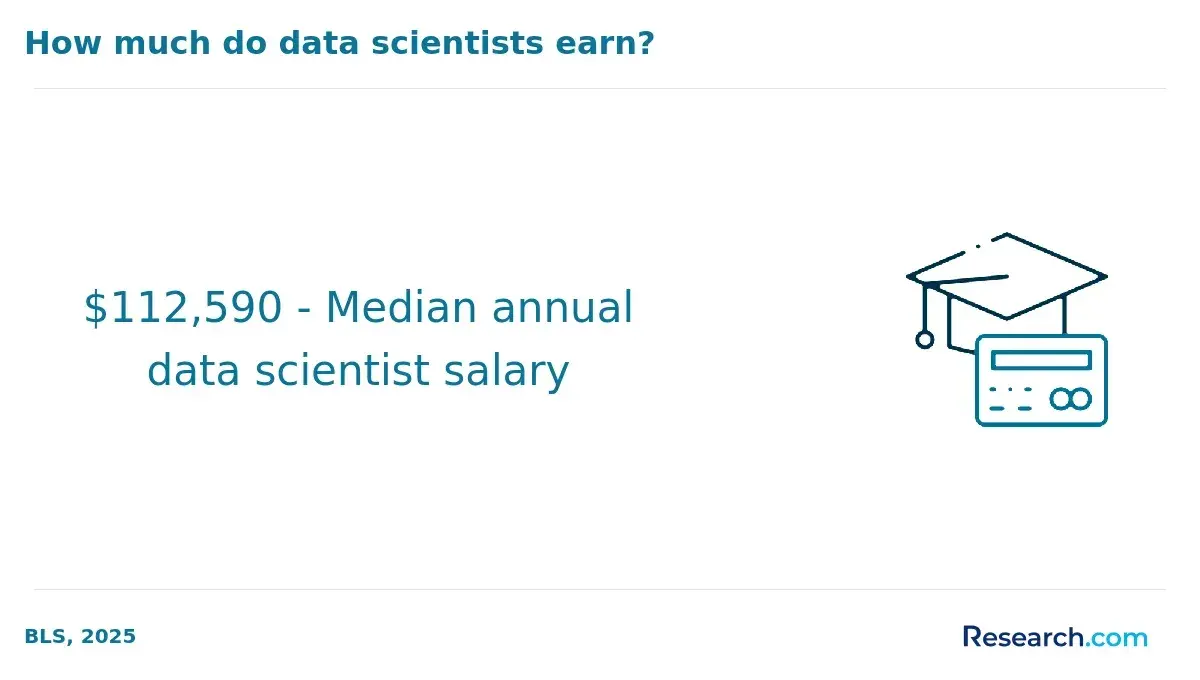
An AI product-focused bachelor's degree prepares graduates for roles where technical knowledge meets strategic product development. Careers in AI product management are expanding, with positions like AI product manager growing rapidly compared to traditional product roles, according to Lightcast (2025). These professionals lead the design and deployment of AI-driven products tailored to user needs.
Job opportunities with AI product-focused degrees extend beyond management to roles such as AI business analyst, who interprets AI data for product decisions, and AI solutions architect, designing frameworks within products. Product owners specializing in AI also benefit by managing development that requires in-depth AI understanding.
While more technical roles like machine learning engineer or data scientist often need additional specialization, graduates with AI product skills excel by connecting technical teams to market needs. This multidisciplinary competence includes communication, user experience design, and project management alongside AI fundamentals, enabling professionals to address challenges such as bias mitigation and ethical AI use.
Students aiming for industries like healthcare, finance, or consumer software will find AI product roles suited to unique challenges. The degree supports collaboration across teams to ensure AI tools solve real-world problems responsibly. Prospective students interested in combining AI with product expertise can explore programs via engineering degree online options for accessible education paths.
What coursework builds both AI skills and product management fundamentals?
Coursework that builds AI skills alongside product management fundamentals combines applied technical training with business strategy and user-centered design. Core AI classes emphasize programming languages like Python, data structures, machine learning algorithms, and model evaluation. Students gain hands-on experience with Python libraries such as TensorFlow and scikit-learn, often utilizing Jupyter Notebooks for exploratory data analysis and iterative experimentation. GitHub's Octoverse confirms Python as the top language on the platform, with growing adoption of Jupyter Notebooks highlighting practical curriculum trends.
Undergraduate programs integrating AI skills with product thinking often complement technical training with modules on product lifecycle management, market research, customer discovery, and agile methodologies. These courses develop the ability to translate AI capabilities into value propositions, prioritize features based on user needs, and analyze competitive landscapes. For instance, product analytics classes introduce A/B testing, key performance indicators (KPIs), and data-driven decision-making, essential for managing AI products post-launch.
Interdisciplinary project-based courses require students to develop AI-driven prototypes that address real-world problems, integrating code development with user feedback. Electives may also explore ethics, legal considerations, and AI's social impact, preparing graduates for responsible product leadership. Students seeking a well-rounded AI bachelor's degree curriculum combining product management should look for programs offering these topics:
- Advanced Python programming and machine learning implementation
- Product management fundamentals including roadmap planning and agile frameworks
- Data analytics and A/B testing techniques for product optimization
- Human-computer interaction and user experience design
- Capstone projects combining AI deployment with product strategy
Those interested in related technology disciplines can explore affordable options such as cybersecurity programs, offering complementary skills for tech careers.
How do online AI bachelor's programs compare with on-campus product-focused options?
Online AI bachelor's degree programs increasingly compete with traditional on-campus options by focusing on product-oriented education. According to Bay View Analytics/CHLOE (2024), many online program leaders expect enrollment growth fueled by career outcome priorities. These programs appeal to students seeking flexible schedules and curricula aligned with roles in product management and AI integration.
Advantages of online programs include:
- Flexible, adaptable schedules ideal for working professionals.
- Project-based learning emphasizing product iteration, user-centered design, and AI applications.
- Partnerships with tech companies offering virtual internships and real-world case studies.
On-campus programs, meanwhile, provide benefits such as face-to-face faculty interaction, networking, and access to specialized labs and AI research centers. These resources support deeper theoretical understanding and collaborative problem-solving but often require less flexible timelines and incur higher living expenses.
Choosing between formats involves evaluating personal learning preferences and career goals. Those valuing hands-on collaboration may prefer on-campus study, while students balancing employment often find online programs equally rigorous and increasingly career-focused.
Both pathways emphasize integrating AI with user experience, market validation, and agile methodologies to cultivate product thinking. Prospective AI professionals are encouraged to research specific programs' delivery modes, resources, and outcomes rather than rely on traditional prestige alone.
What admissions requirements are typical for AI bachelor's programs with product emphasis?
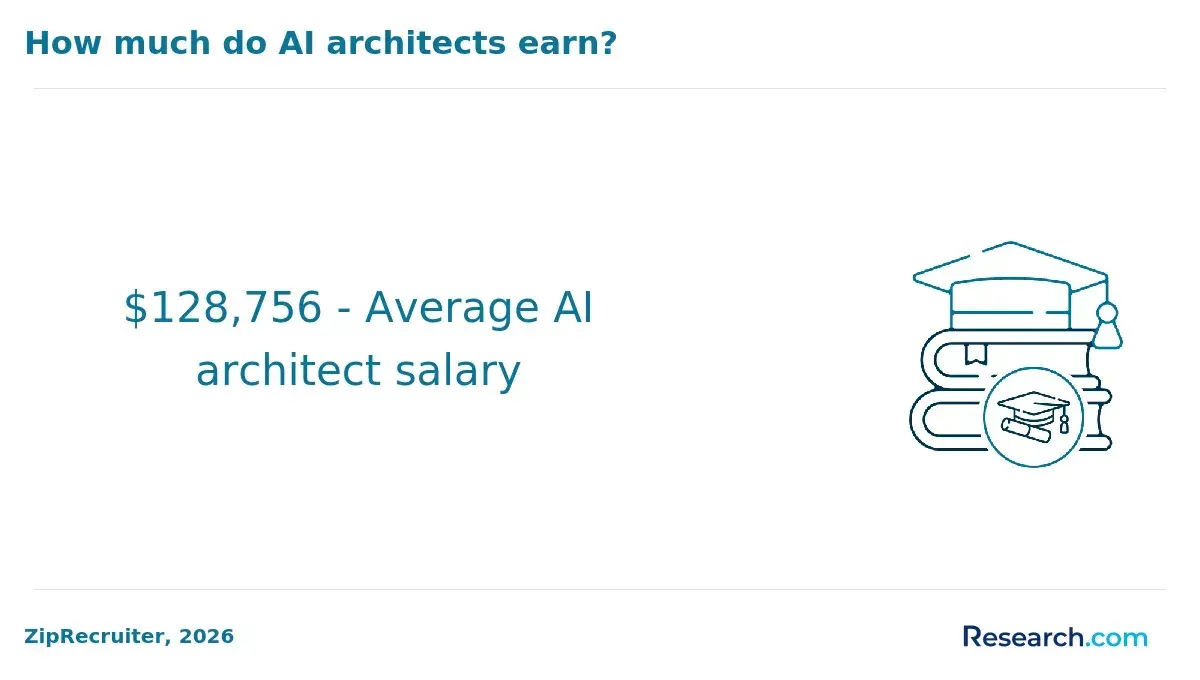
Admissions for AI bachelor's degree programs with a product thinking focus emphasize academic background and project experience over standardized tests. Many four-year colleges maintain test-optional policies, minimizing the weight of SAT or ACT scores in favor of holistic evaluations that highlight coursework and practical work, as noted by NACAC's State of College Admission (2024).
Applicants typically need strong foundations in mathematics (algebra, calculus), computer science (programming, data structures), and sometimes introductory product management or business courses. A minimum GPA of around 3.0 in STEM subjects often demonstrates the quantitative skills vital for AI and product development.
Beyond grades, evidence of hands-on experience is crucial. Personal statements should discuss AI-related projects, internships, or competitions combining technical skills with user-centered product solutions. Portfolios or GitHub repositories showcasing design thinking and product iteration are frequently requested to prove practical competency.
Letters of recommendation usually come from educators or mentors able to vouch for both technical aptitude and teamwork abilities, which are essential for AI product teams.
Applicants must also be prepared to articulate their understanding of AI's practical applications and product lifecycle during essays or interviews. This ensures alignment with the product thinking emphasis and readiness to integrate AI expertise with user-focused design approaches.
How long do these programs take, and what do they cost?
Bachelor's degree programs in artificial intelligence that include product thinking generally require four years of full-time study, similar to traditional undergraduate paths. Some schools offer accelerated or part-time options, which can adjust this timeline depending on enrollment and curriculum flexibility.
Costs vary widely based on institution type and residency. Public four-year institutions typically charge about $11,260 annually for in-state tuition and fees, while private universities may range from $30,000 to $60,000 per year. Online programs often provide a flexible, affordable alternative, with tuition typically between $7,000 and $15,000 annually.
Additional expenses may include specialized lab fees, software licenses, books, and unpaid internship periods. Financial aid, scholarships, and employer tuition reimbursement can help reduce these costs. Prospective students should compare net prices after aid to evaluate affordability accurately.
Program structure is equally important. Options such as summer courses and credit transfers can help shorten time to degree completion without sacrificing academic rigor, influencing debt load and job readiness post-graduation.
What experiential learning options support product thinking, like capstones or internships?
Experiential learning is crucial for developing product thinking in AI bachelor's degree programs. Capstone projects often require students to design AI-integrated products with real market potential. These projects help students understand product life cycles, user experience, and iterative design, fostering a product-focused mindset that emphasizes tangible outcomes.
Internships offer invaluable industry experience, particularly paid internships, which significantly increase job offer rates according to NACE (2024). Such placements allow students to work on live AI products, collaborate with cross-functional teams, and incorporate customer feedback, bridging academic knowledge with real-world product development challenges.
Additional experiential opportunities include:
- Industry-sponsored hackathons that mimic fast-paced product development scenarios.
- Collaborative projects with startups or established companies integrating AI technologies.
- Design thinking workshops embedded in curricula to enhance user-centered design skills.
- Entrepreneurship labs focused on prototyping AI-driven products and iterating with mentor input.
Students should pursue programs with strong career services and alumni networks that support paid internships and projects demonstrating measurable product outcomes. Exposure to product management roles within these settings can greatly enhance one's ability to think like an AI product professional.
What certifications complement an AI bachelor's degree for product and AI roles?
Certifications that complement an AI bachelor's degree for product and AI roles bridge technical expertise with strategic product management skills. Cloud certifications like AWS Certified Machine Learning Specialty or Google Cloud Professional Machine Learning Engineer validate the ability to deploy AI models at scale, essential for production-level AI systems.
Product management certificates, such as the Certified Scrum Product Owner (CSPO) or Pragmatic Institute's Product Management certification, focus on user-centered design, agile development, and market-fit strategies. These programs enhance skills needed to align AI solutions with business goals, a vital competency in product roles.
Additional credentials in data analysis and machine learning operations (MLOps) support deploying and maintaining AI models reliably. Notably, Coursera's Generative AI and LLM Developer Certificates have gained prominence, backed by Coursera's Global Skills Report, which identifies generative AI skills among the fastest-growing clusters.
Practical examples include:
- Cloud certification to build scalable AI products
- Product management to translate AI insights into user value
- MLOps to ensure AI model reliability in deployment
Combining these certifications helps graduates demonstrate comprehensive AI product lifecycle knowledge and stand out in competitive job markets. Prioritizing industry-recognized certificates with hands-on projects maximizes employability and prepares candidates for evolving AI-product roles.
What salary ranges and job outlook apply to AI product-oriented bachelor's graduates?
Graduates with bachelor's degrees focused on AI and product thinking are well-positioned to enter a competitive job market with attractive salary prospects. According to the U.S. Bureau of Labor Statistics (2024), Computer and Information Research Scientists earn a median annual salary near $145,000, representing the higher end of AI-related roles that blend product strategy and development.
Entry-level salaries usually range from $80,000 to $100,000, influenced by location and company size. Those skilled in AI model deployment, user experience design, and product lifecycle management often surpass these figures. Mid-career professionals managing AI-driven projects with strong product leadership can expect between $120,000 and $160,000.
Job growth for AI product-oriented bachelor graduates is strong, projected at about 23% from 2022 to 2032. Key sectors driving this increase include healthcare technology, autonomous systems, and fintech, where AI product integration is essential.
Potential roles include AI product managers, data scientists with product expertise, and innovation strategists. Developing proficiency in both AI technologies and product management frameworks is critical to gaining an edge in this growing field.
Other Things You Should Know About Artificial Intelligence
Common programming languages for artificial intelligence include Python, R, Java, and C++. Python is the most widely used due to its simplicity and extensive libraries for machine learning and data processing. Learning these languages helps students implement AI models and work efficiently on AI product development.
While having a solid understanding of mathematics, especially linear algebra, calculus, and statistics, is important for AI, many programs provide foundational courses to build these skills. Students without a strong math background can still succeed, but they should be prepared to engage deeply with quantitative concepts as part of their AI studies.
Interdisciplinary knowledge is crucial in artificial intelligence education since AI development often intersects with fields like psychology, ethics, business, and product management. Programs that combine AI with product thinking emphasize this broader context to prepare students for practical, real-world applications of AI solutions.
Product thinking in 2027 AI bachelor's programs equips students with the ability to design AI solutions that are user-centric, practical, and innovative. This approach fosters skills vital for launching successful products, complementing technical expertise. Similar methodologies are adapted in MSc healthcare artificial intelligence programs.
References
- Top AI Certifications for 2026: A Guide to Advancing Your Tech Career | DataCamp https://www.datacamp.com/blog/top-ai-certifications
- AI Engineer Guide: What They Do and How to Become One https://www.udacity.com/topic/what-is-an-ai-engineer
- Bachelor in Management and Artificial Intelligence https://www.kozminski.edu.pl/en/programs/undergraduate-programs-bachelor/bachelor-management-and-artificial-intelligence
- Top 5 Universities in the USA To Pursue Artificial Intelligence Course https://www.avanse.com/blog/top-ai-universities-in-usa
- Who is an AI Product Expert and what do they do? - Domus Academy https://www.domusacademy.com/the-envisioner-magazine/jobs/who-is-an-ai-product-expert-and-what-do-they-do/
- What Are the Career Paths After a Bachelor of Science in AI https://tetr.com/blog/what-are-the-career-paths-after-a-bachelor-of-science-in-ai
- Best AI Certifications to Boost Your Career in 2026 – Dataquest https://www.dataquest.io/blog/best-ai-certifications/
- AI Product Managers Are the PMs That Matter in 2025 https://productschool.com/blog/artificial-intelligence/guide-ai-product-manager
- A Guide to Types of Experiential Learning for Advanced Degree Job Seekers https://wesolv.com/a-guide-to-types-of-experiential-learning/3290/
- 16 Artificial Intelligence Career Paths https://www.calmu.edu/news/artificial-intelligence-career-paths