
2027 What Careers Can You Pursue With a Fashion Design Degree? Salary Potential, Job Outlook, and Next Steps

Co-Founder and Chief Data Scientist
Considering a fashion design degree often sparks questions about career direction and salary potential. Many recent graduates wonder how their creative skills translate into stable employment. According to the U.S. Bureau of Labor Statistics, employment of fashion designers is expected to grow 3% through 2032, reflecting steady industry demand amid evolving market trends.
While some may assume limited opportunities outside of design houses, the reality includes roles in merchandising, textile production, and fashion marketing. This article explores various career paths, salary expectations, job outlook, and practical next steps for those pursuing or holding a fashion design degree.
Key Things to Know About the Careers You Can Pursue With a Fashion Design Degree
- Fashion design graduates pursue diverse careers beyond apparel, including product development, marketing, and textile innovation, reflecting the industry's broad scope across retail, entertainment, and technology sectors.
- Skills gained, such as creativity, technical drawing, and trend analysis, transfer well to roles in graphic design, merchandising, and brand management, enhancing employment flexibility.
- Education in fashion design aligns with career growth, as 10% job growth is projected through 2032, supporting advancement into senior design, buying, or entrepreneurship roles.
What Careers Can You Pursue With a Fashion Design Degree?
A fashion design degree offers diverse career opportunities across various industries such as apparel, entertainment, and retail. Employment of fashion designers is projected to grow about 3% through 2032, indicating steady demand for creative professionals who understand both design and market trends.
Exploring the salary and job outlook for fashion design graduates can help tailor career goals effectively. The following are some key career paths available to those with a fashion design degree:
- Fashion Designer: Professionals in this role create original clothing, accessories, or footwear by sketching concepts, selecting fabrics, and overseeing production to bring their creative ideas to market.
- Textile Designer: These specialists focus on developing fabric patterns and textures that enhance garments and home products, requiring an in-depth knowledge of color theory and materials.
- Fashion Illustrator: Illustrators provide detailed drawings or digital renditions of design concepts, supporting designers, marketing teams, and publications in visually communicating styles.
- Fashion Merchandiser: By analyzing market trends, merchandisers guide product selection, pricing, and promotion, bridging the gap between creative design and consumer demand.
For those exploring the easiest degree to get online that offers versatile career options, strategic communication stands out as a strong contender. The degree provides a practical foundation for entering dynamic fields where clear communication shapes public perception and drives business success.
What Are the Highest-Paying Careers With a Fashion Design Degree?
A degree in fashion design can unlock a variety of high-paying career opportunities across industries such as retail, marketing, and entertainment. According to recent data, the median annual wage for fashion designers in the United States is around $77,000, with top professionals earning well above $120,000.
Wage growth trends indicate strong demand for graduates combining creative and business skills. Here are some of the highest-paying careers available to those with a fashion design degree:
- Fashion Designer: Fashion designers create original clothing, accessories, and footwear by researching trends, sketching, selecting fabrics, and managing production. Salaries typically range from $50,000 to $120,000, with those working for major brands or in fashion capitals earning toward the higher end.
- Creative Director: These professionals oversee the creative vision of a fashion brand or collection, leading design and marketing teams. With leadership and strategic responsibilities, their salaries usually fall between $90,000 and $150,000 or more.
- Fashion Merchandiser: Combining creativity with business insight, merchandisers plan product lines based on market trends and consumer demand. A fashion design background helps them understand product appeal, with typical earnings from $60,000 to $110,000.
- Textile Designer: Specializing in developing fabrics and materials for fashion production, textile designers earn between $50,000 and $100,000. Their knowledge of fibers and production processes is enhanced by a fashion design education.
- Costume Designer: Working mainly in film, theater, and television, costume designers craft clothing that reflects characters and settings. Earnings vary widely but often range from $50,000 to $130,000, depending on experience and project scope.
Those exploring the highest-paying fashion design careers in the United States may benefit from understanding the diverse roles and earning potentials available. For more information on degrees with strong salary prospects, consult the best bachelor's degrees to get. With a fashion design degree, graduates are well-positioned to enter top-salaried jobs for fashion design degree holders that reward a blend of artistic talent and business acumen.
What Is the Job Outlook for Fashion Design Degree Careers?
The job outlook for careers related to a fashion design degree shows moderate growth, with the industry balancing creative innovation and shifting consumer demands. Employment opportunities are influenced by economic factors and evolving trends such as sustainable fashion and digital marketplaces. The U.S. Bureau of Labor Statistics projects a 3% growth in fashion designer employment through 2032.
As the fashion industry globalizes and embraces technology, employers increasingly seek candidates who combine artistic skills with business and digital fluency. Adapting to changing market needs and emerging niches will be key for professionals aiming to maintain career momentum.
A professional with a degree in fashion design shared that navigating the job market can feel uncertain and competitive, especially when adapting to fast-changing trends and technological innovations. "It's not just about creating beautiful designs anymore," he explained.
"But staying ahead with new tools and understanding what customers want right now." He described the challenge of continuously refining skills and building a diverse portfolio to stand out. "Sometimes it's overwhelming, but that process pushes you to be more resilient and flexible," he added, emphasizing how important it is to embrace change to succeed long term.
A degree in fashion design equips graduates with creative and technical skills essential for a variety of roles in the apparel industry. Approximately 60% of fashion design graduates find employment related to their field within the first year of finishing their studies, underscoring solid early career prospects. This strong hiring trend highlights some of the best starting jobs for fashion design graduates.
Entry-level positions serve as important stepping stones to gain hands-on experience and industry insights, particularly in the United States. Typical roles include:
- Assistant Designer: Collaborates with lead designers to develop collections by preparing sketches and selecting materials. A fashion design degree provides the foundational knowledge needed for design techniques and fabric understanding.
- Fashion Illustrator: Produces detailed visual concepts of fashion pieces for marketing or presentations, building on skills in drawing and creative rendering emphasized during the program.
- Textile Assistant: Supports specialists in sourcing fabrics and analyzing textile properties, applying coursework knowledge on materials science crucial to garment production.
- Production Assistant: Coordinates between design and manufacturing teams to ensure smooth production flow, relying on an understanding of garment construction and timelines gained from studies.
- Merchandising Assistant: Helps plan and select merchandise that aligns with consumer trends, using insights into fashion forecasting developed through the degree program.
These roles demonstrate how a fashion design entry-level position in the United States leverages both creativity and technical expertise. For individuals seeking to advance further, complementing a fashion design background with a data science master's online program can offer additional analytical skills that enhance marketability.
A fashion design degree cultivates a wide range of skills that are valuable not only in apparel creation but also across various creative and business industries. Recent studies show that more than 75% of employers in creative fields prioritize strong technical and conceptual skills, underscoring the practical expertise developed through such programs.
These competencies enable graduates to adapt to different professional environments. Students typically acquire the following key skills during their studies:
- Technical Mastery: This includes hands-on abilities like sewing, pattern making, textile understanding, and garment construction. These skills are honed through studio work, practical workshops, and internships, giving students insights into fabric properties and production processes.
- Innovative Thinking: Fashion design encourages originality by challenging students to explore new concepts and aesthetics. Coursework often involves experimenting with color theory, style variations, and cultural influences to inspire unique creations.
- Visual Presentation: Being able to communicate ideas clearly through sketches, digital tools, and presentations is a core skill. Training includes computer-aided design (CAD) and portfolio assembly, essential for expressing design visions effectively.
- Analytical Problem-Solving: Students learn to address real-world constraints, such as materials availability, market demands, and sustainability. This critical evaluation process supports the creation of functional and relevant designs.
One graduate of a fashion design program shared insight into her experience: "Balancing creativity with practical challenges was intense, especially during group projects where deadlines felt tight. The rigorous critique sessions pushed me to rethink ideas and adapt quickly. Over time, I realized that the patience and resilience I developed were as important as the artistic skills. Those moments taught me how to navigate both the technical and emotional sides of design work."
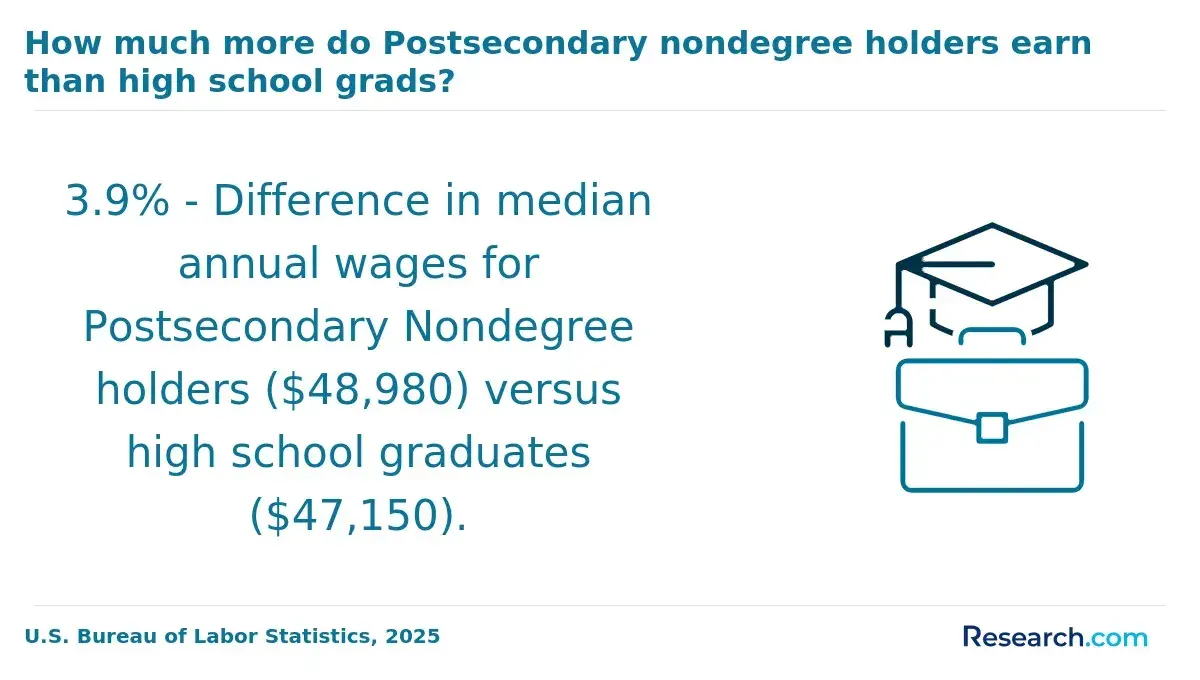
A bachelor's degree in fashion design equips graduates with a valuable skill set that enables many to advance into professional roles without pursuing additional degrees or certifications. Data indicates that roughly 65% of graduates in creative disciplines such as fashion design secure mid-level or higher positions within five years, reflecting strong workforce mobility and degree-based advancement.
Professionals with this degree can move into several leadership and specialized roles that emphasize management, production, and strategic influence. Some of these career opportunities include:
- Fashion Designer: Progressing beyond creating initial designs, mid-level fashion designers often lead teams and coordinate with other departments like marketing and production. Their educational background in textiles, color theory, and technical drawing provides a solid foundation for shaping innovative and cohesive collections.
- Technical Designer: Tasked with converting creative concepts into precise specifications, technical designers ensure garments meet fit, function, and quality requirements. Knowledge gained from a fashion design degree, especially in garment construction, allows graduates to effectively bridge communication between designers and manufacturers.
- Production Manager: Overseeing manufacturing processes and supply chains, production managers focus on delivering products on time and maintaining quality standards. The organizational, analytical, and problem-solving skills developed during a fashion design program are critical for managing complex production timelines.
- Merchandise Planner: This role centers on analyzing market trends and sales data to optimize inventory decisions. Fashion design graduates bring insights into consumer preferences and product life cycles, allowing them to support strategic planning within retail and wholesale environments.
These career paths highlight how a fashion design bachelor's degree prepares individuals for roles involving leadership, collaboration, and project management, enabling advancement without the necessity of further formal education.
Many careers linked to a fashion design degree require additional certifications or advanced education beyond a bachelor's level to gain specialized skills and meet professional standards. Research shows that nearly 30% of professionals in creative fields pursue postgraduate education to strengthen their credentials and improve job competitiveness.
These extra qualifications are often essential for access to leadership roles and compliance with industry norms. Common career paths in fashion design where further credentials are typically necessary include:
- Fashion Merchandising Manager: These professionals oversee marketing strategies and consumer engagement, often needing an MBA or certifications in business analytics to navigate complex market trends effectively.
- Textile Technologist: This role focuses on fabric innovation and sustainability. A master's degree in textile science combined with certifications in quality assurance or chemical safety is generally required for advanced positions.
- Costume Designer: Working in film and theater demands professional certifications and specialized training beyond a bachelor's degree. Advanced study in textile conservation or design history enhances credibility and opportunity for high-profile projects.
- Fashion Educator or Researcher: Teaching at the college level or engaging in academic research typically requires a master's or doctoral degree, alongside teaching credentials recognized by academic institutions.
- Sustainability Consultant: Experts integrating eco-friendly practices in fashion companies often hold certifications in environmental management, such as LEED accreditation, reflecting their specialized expertise.
These credentials play a vital role in helping professionals succeed and differentiate themselves within the competitive fashion industry ecosystem.
Graduates with a fashion design degree have flexible skills that can lead to alternative career opportunities beyond traditional fashion roles. Studies show that about 30% of creative field graduates, including those in fashion design, switch to interdisciplinary or unrelated careers within five years, demonstrating the degree's adaptability. This flexibility allows graduates to explore nontraditional career paths with a fashion design degree that utilizes their creativity and technical knowledge in diverse industries.
Several promising options are available for graduates seeking to apply their skill set in new directions:
- Visual Merchandiser: Combining design principles, color theory, and consumer psychology, visual merchandisers craft compelling retail displays. Fashion design graduates use their sense of aesthetics and fabric expertise to enhance in-store experiences that engage customers and boost sales.
- Costume Designer: This role involves creating costumes for theater, film, and television, drawing on construction skills and creativity learned in fashion design. Graduates develop attire that supports storytelling and reflects historical or character-driven authenticity.
- Textile Designer: Focused on developing innovative fabric patterns and textures, textile designers benefit from a fashion design background to understand material functionality and production, fueling advancements in clothing and home decor.
- Fashion Illustrator or Technical Illustrator: These professionals provide detailed sketches communicating design ideas to manufacturers and clients. The fashion design curriculum enhances drawing ability and technical garment knowledge, bridging artistic vision with production realities.
- Fashion Marketing and Branding Specialist: Applying insights into trend forecasting and consumer behavior, graduates promote brands in authentic ways. Their direct design experience informs the creation of compelling visual campaigns and brand stories.
Students interested in expanding their career options might also consider complementary fields such as finance, as understanding business fundamentals can enhance job versatility. Programs like a finance degree online offer accelerated pathways to strengthen financial expertise alongside creative skills.
Salary growth for fashion design graduates in the United States is influenced by multiple professional and educational factors that determine earning potential throughout a career. For instance, wage variation within the apparel manufacturing and design sector can be significant, with the top 10% of earners making more than twice the median salary.
Understanding these variables helps graduates anticipate their financial trajectory. Key factors affecting salary potential in fashion design include:
- Industry Choice: Graduates employed by high-end fashion houses or luxury brands generally earn substantially more than those in mass-market retail or costume design. The specific sector within the fashion industry plays a major role in compensation levels.
- Level of Experience: Entry-level designers usually start with modest salaries, but earnings rise considerably with years of professional experience and skill development. Senior roles, such as lead designers or creative directors, command higher wages due to their expertise and leadership responsibilities.
- Geographic Location: Metropolitan fashion hubs like New York, Los Angeles, and Chicago offer higher salaries that reflect the increased cost of living and competition for skilled talent. Smaller cities or regions with less fashion activity typically have lower wage scales.
- Specialization: Focusing on niches such as sustainable fashion, technical apparel, or digital fashion design can provide access to unique markets with different pay scales. Combining design abilities with skills in marketing or merchandising may also unlock additional income opportunities.
- Role Responsibility: Positions involving team management, brand strategy, or cross-department collaboration generally offer premium salaries compared to roles centered purely on creative output.
For prospective students aiming to enhance their career options, exploring options at online colleges that accept 2.0 GPA can be a practical step toward entering the field with a solid educational foundation aligned with salary growth for fashion design graduates in the United States.
Many graduates with a fashion design degree transition quickly into professional roles or further studies, with about 75% securing employment or continuing education within a year of graduation. These pathways often blend practical experience with ongoing learning to navigate the competitive industry. Several common next steps can help graduates advance their careers.
The following options highlight typical directions after earning a fashion design degree:
- Entering the Workforce: Graduates often begin as assistant designers, textile developers, or visual merchandisers, gaining hands-on experience and developing portfolios essential for understanding industry expectations.
- Further Specialization: Pursuing advanced certificates or programs in areas like sustainable design or fashion merchandising allows graduates to deepen expertise or pivot within the field.
- Internships and Apprenticeships: These opportunities provide practical skills and networking, frequently opening doors to permanent positions and offering insight into brand operations and market trends.
- Entrepreneurship: Some graduates build their own brands or independent labels, using digital media and social platforms to expand their reach while balancing creative and business skills.
- Industry Engagement: Participation in fashion events, competitions, and shows helps emerging designers gain exposure and mentorships, fostering long-term professional growth.
What Graduates Say About the Careers You Can Pursue With a Fashion Design Degree
- Caleb: "Choosing to study fashion design was driven by my passion for creativity and the desire to influence style trends. After graduating, I found that careers in styling, fashion merchandising, and costume design allow unique ways to express artistic vision while building a viable profession. Earning a fashion design degree truly opened doors, giving me the confidence and skills to navigate the industry's complex demands."
- Dennis: "Reflecting on my journey, the decision to pursue fashion design was rooted in understanding fabric, form, and function beyond just aesthetics. Deciding between becoming a garment technologist or a sustainable fashion consultant helped me appreciate the industry's depth and the impact one can have on environmental and ethical standards. The degree provided a solid foundation and credibility that employers respect, making my career path much clearer."
- Thomas: "I approached my fashion design degree with a professional mindset, intending to specialize in fashion marketing and product development. The program helped me realize the importance of business acumen combined with design knowledge, steering me towards roles that blend creativity with strategic planning. This degree has been instrumental in advancing my career by equipping me with both creative and analytical tools."
Other Things You Should Know About Fashion Design Degrees
Professional certifications can strengthen a fashion design graduate’s job prospects in 2027, especially Adobe Certified Professional for Illustrator or Photoshop and CLO 3D software training. These credentials help prove technical ability to employers in design, product development, and technical design roles, where digital patterning and presentation skills are in demand.
In 2027, internships are essential for fashion design graduates as they provide practical experience and industry connections. They enhance a graduate's resume by showcasing hands-on skills, which are crucial for securing job opportunities in the competitive fashion industry.
In 2027, fashion design graduates should master digital design tools like Adobe Illustrator and CLO 3D, as well as possess skills in textile technology and sustainability practices. Mastery of these technical skills can significantly enhance job prospects and align with industry trends.
- Fashion Designers: Salary, career path, job outlook, education and more - RaiseMe https://www.raise.me/careers/arts-and-design/fashion-designers/
- Best Entry Level Fashion Jobs in New York City, NY 2026 | Built In NYC https://www.builtinnyc.com/jobs/entry-level/fashion
- 17 Fashion Degree Careers | What Can you do with a Fashion Degree https://villiotifashioninstitute.co.za/what-can-i-do-with-a-fashion-degree/
- What careers can you do with a fashion degree? | University for the Creative Arts https://www.uca.ac.uk/blogs/careers-with-a-fashion-degree/
- Top Career Options After Fashion Design https://www.lingayasvidyapeeth.edu.in/top-career-options-after-fashion-design/
- Key Skills for Becoming a Successful Fashion Designer https://www.ifaparis.com/the-school/blog/key-skills-for-becoming-successful-fashion-designer
- Fashion Design Career Opportunities: Your Guide to Industry Success https://nifglobal.college/blog/from-student-to-stylist-fashion-design-career-opportunities-explained/
- What can you do with a Fashion degree? https://www.falmouth.ac.uk/study/undergraduate/what-can-you-do-fashion-degree
- Top 5 Fashion Career Opportunities after Graduation https://www.lcca.ac.uk/blog/fashion/top-5-fashion-career-opportunities-after-graduation/
- Top 10 Highest Paying Jobs With Fashion Designing https://www.vidyalive.com/blog/top-highest-paying-jobs-fashion-designing/


