2027 How Long Does It Take to Earn an Online Social Work Degree?

Co-Founder and Chief Data Scientist
Choosing an online social work program is largely a timing decision: how quickly can you finish, how much flexibility do you need, and will the degree support the kind of social work role you want? The answer depends on degree level, transfer credits, field placement requirements, enrollment pace, and whether you qualify for advanced standing.
Demand is also part of the decision. According to the U.S. Bureau of Labor Statistics, employment for social workers is projected to grow 12% from 2022 to 2032, which makes program quality, accreditation, practicum planning, and licensure preparation especially important for students entering the field now.
This guide explains typical online social work degree timelines, the factors that can shorten or extend completion, the main program types, common course requirements, start-date options, accelerated formats, costs, career timing, and salary expectations so you can choose a path that fits both your schedule and your professional goals.
Key Benefits of Online Social Work Degree
- Most online social work bachelor's programs take about 4 years to complete, aligning with traditional timelines but offering greater flexibility for working adults.
- Accelerated online master's degrees in social work can be finished in 1 to 2 years, allowing students to enter the workforce or advance quickly.
- Self-paced courses enable learners to balance studies with personal commitments, often extending or shortening the overall degree completion time based on individual schedules.
What is the Average Completion Time for Online Social Work Programs?
Most online social work programs take 1 to 4 years to complete. The biggest variables are the degree level, whether you study full-time or part-time, how many credits you transfer, and whether your program includes a faster pathway such as advanced standing.
Online delivery can make scheduling easier, but it does not remove required coursework or field education. Students should plan around both online classes and supervised practicum hours, which often must be completed at an approved local agency.
| Program type | Typical completion time | Best fit |
| Bachelor of Social Work (BSW) | About 2 years for many degree-completion tracks; 15-24 months for some accelerated transfer students; up to 4 years for students starting fresh | Students preparing for entry-level social work roles or graduate study |
| Master of Social Work (MSW) - Regular Program | About 2 years full-time; 3 to 4 years part-time | Students who do not already hold a BSW or who need the full graduate curriculum |
| Master of Social Work (MSW) - Advanced Standing | As little as 1 year full-time; up to 2 years part-time | Recent BSW graduates from accredited programs who qualify to skip foundational coursework |
The fastest route is not always the best route. A shorter program can be useful if you have strong academic preparation, reliable time for fieldwork, and a clear career target. A longer part-time format may be more realistic if you are working, caregiving, or need to pace practicum hours carefully.
Students considering short credentials alongside a degree can also review 6 month certificate programs that pay well online, especially if they want a near-term career boost while planning a longer social work pathway.
What Factors Can Affect How Long It Takes to Earn an Online Social Work Degree?
The length of an online social work degree depends on more than the advertised program timeline. Two students in the same program can graduate at different times because of transfer credit decisions, field placement scheduling, course load, work obligations, and school policies.
Before enrolling, ask the program for a written degree plan that shows required credits, field education timing, start dates, expected weekly workload, and the process for changing pace if your circumstances change.
- Enrollment status: Full-time students usually finish faster, but the workload can be demanding when courses and field placement overlap. Part-time study offers more breathing room but can extend a bachelor’s or master’s timeline substantially.
- Program pathway: MSW students in a regular track generally complete the full graduate sequence. Advanced standing students with an eligible BSW can reduce the timeline to as little as one year full-time because foundational coursework is waived.
- Transfer credits: Accepted transfer credits can reduce general education or lower-level requirements, especially in BSW programs. Confirm not only how many credits may transfer, but whether they apply to major requirements or only electives.
- Course load and scheduling flexibility: Accelerated terms, year-round coursework, and multiple start dates can help motivated students move faster. Taking fewer courses, skipping terms, or pausing enrollment will extend the timeline.
- Field education and practicum requirements: Field hours are a major timing factor because they depend on agency availability, supervisor approval, background checks, and your weekly schedule. Delays in placement can delay graduation even if coursework is on track.
- Personal and professional obligations: Work schedules, caregiving, military service, health needs, and transportation limits can affect how quickly students complete courses and practicum hours.
- Program policies and format: Some schools limit when students can switch from part-time to full-time, join an accelerated track, or enter a field placement sequence. Policy details matter because they can add unexpected time.
If you are still comparing education levels, reviewing easiest associate's degree programs can help you understand how shorter college pathways work before committing to a full social work degree.
What Are the Different Types of Online Social Work Programs Available?
Online social work programs are available at several academic levels, but they do not all lead to the same outcomes. The right choice depends on your current education, whether you want direct practice or leadership work, and whether your long-term goal includes clinical licensure.
- Bachelor of Social Work (BSW): A BSW prepares students for entry-level social work practice or graduate study. Programs typically require around 120 credits and combine social work theory, policy, practice methods, and supervised field experience. Many online BSW options are designed for transfer students completing the final portion of a bachelor’s degree.
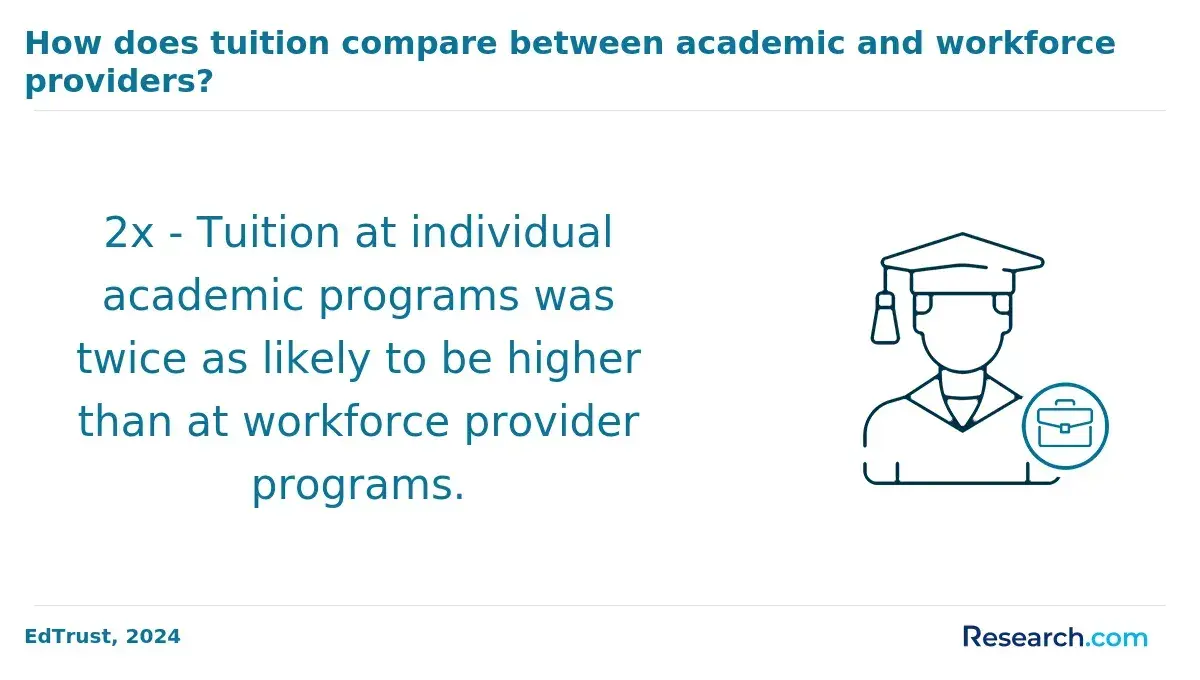
- Master of Social Work (MSW): The MSW is the primary graduate degree for advanced social work practice. Online MSW programs may offer regular standing for students without a BSW and advanced standing for eligible BSW graduates. Students may be able to focus on clinical social work, community practice, policy, leadership, or related areas, depending on the school.
- Doctoral Programs (DSW/PhD): Online doctoral options are less common and are generally intended for experienced professionals. A DSW often emphasizes advanced practice and leadership, while a PhD is typically more research- and academic-oriented. These programs may be appropriate for social workers pursuing senior leadership, scholarship, teaching, or systems-level change.
- Concentration and format options: Programs may include electives, minors, honors tracks, cohort models, or specialized study in areas such as law, social justice, policy, clinical practice, child welfare, aging, or school social work. Most online programs still require in-person field education at an approved site.
Students comparing graduate options should look beyond speed and tuition. Review accreditation, field placement support, state licensure alignment, faculty expertise, and whether the curriculum fits your target population or practice setting. If affordability is a major factor, an online msw comparison can help you identify programs that better match your budget and career plan.
How Many Credit Hours Are Required for an Online Social Work Degree?
Credit requirements vary by degree level, and those credits shape both program length and workload. Online classes may be flexible, but students still need to complete the same academic and field education requirements set by the program.
| Degree level | Typical credit requirement | Typical timeline considerations |
| Associate Degree in Social Work | 60 to 65 credit hours | Often completed in about two years by full-time students; part-time study takes longer |
| Bachelor of Social Work (BSW) | 120 to 124 credit hours | Roughly four years for full-time students starting from the beginning; some transfer students graduate in as little as two years |
| Master of Social Work (MSW) | 60 to 63 credit hours | Often two years full-time; three years or longer part-time; advanced standing can reduce credit and time requirements |
| Doctoral Degree in Social Work (DSW or PhD) | 45 to 60 credit hours beyond the master's degree | Usually three to five years depending on enrollment status, dissertation progress, and transfer policies |
When reviewing credit hours, do not look only at the total number. Ask how many credits are taken per term, whether courses are sequential, when field education begins, and whether any required classes are offered only once per year.
One online Social Work degree graduate described the challenge of balancing coursework with a full-time job and family responsibilities. Practicum hours required careful coordination around an unpredictable schedule, and the credit load felt overwhelming at times.
The graduate said the most useful strategy was breaking the degree into smaller milestones: term requirements, weekly assignments, and field-hour targets. Online flexibility helped them stay enrolled without giving up personal commitments, but success depended on planning ahead and communicating early with instructors and placement supervisors.
What Courses Are Included in a Standard Online Social Work Curriculum?
A standard online social work curriculum is designed to build professional judgment, ethical practice skills, policy awareness, research literacy, and field readiness. Coursework varies by school and degree level, but most programs include a combination of human behavior, practice methods, social welfare policy, diversity, ethics, research, and supervised field education.
- Introduction to social work: This course explains the history, purpose, values, and major practice settings of the profession. It helps students understand what social workers do in agencies, schools, healthcare systems, community organizations, and public programs.
- Human behavior in the social environment: Students study how biological, psychological, social, cultural, and environmental factors affect individuals, families, groups, and communities. This course supports assessment and intervention planning.
- Social welfare policy and services: Students examine U.S. social welfare systems, policy development, service delivery, and advocacy. The course helps future social workers understand how laws and programs shape client access to support.
- Social work practice methods: These courses teach interviewing, assessment, case planning, documentation, intervention, referral, and evaluation skills. Programs often cover micro, mezzo, and macro practice with individuals, families, groups, organizations, and communities.
- Diversity, oppression, and social justice: Students examine discrimination, structural inequality, cultural humility, and advocacy. The goal is to prepare graduates to work ethically and effectively with diverse populations.
- Professional ethics: Coursework commonly draws on the National Association of Social Workers (NASW) Code of Ethics. Students practice identifying ethical dilemmas, protecting confidentiality, maintaining boundaries, and making responsible professional decisions.
- Social work research methods: Students learn research design, basic data analysis, evidence evaluation, and how to apply research findings to practice. This is especially important for evidence-based service delivery.
- Field education/practicum: Students complete supervised practice in an approved setting, often totaling 400 to 900 hours. Field education connects classroom learning to real client, agency, and community work.
- Specialized electives: Electives may cover child and family services, aging, corrections, school social work, healthcare, mental health, substance use, policy, or community practice. These courses help students align the degree with a career focus.
Before choosing a program, compare course sequence and field placement timing. A strong curriculum should not only be convenient online; it should also prepare you for the populations, practice settings, and licensing expectations relevant to your state and career goals.
How Often Do Online Social Work Programs Start During the Year?
Online social work programs may start once, twice, several times, or nearly year-round, depending on the school. Start-date flexibility can reduce waiting time, but it should be weighed against admissions deadlines, field placement schedules, financial aid timing, and course availability.
- Traditional academic calendar: Many programs begin primarily in the fall, with some also offering spring or summer entry. This format works well for students who prefer a predictable academic rhythm and longer planning time.
- Trimester or semester-based starts: Some schools offer two or three entry points per year, such as fall, spring, and summer. This can shorten the gap between admission and enrollment while still keeping students on a structured schedule.
- Multiple or rolling admissions: Certain programs offer as many as six start dates annually. This can be helpful for working adults who want to begin soon after admission rather than wait for a traditional intake.
- Monthly or flexible start dates: Monthly or bi-monthly starts are less common in social work, but they may be available in some online formats. These options require careful planning because field placements and course sequences may not be as flexible as the start dates appear.
When comparing start dates, ask whether all students can access the same course sequence and practicum opportunities regardless of entry term. A program with many start dates is only useful if it also lets you progress smoothly toward graduation.
How Much Faster Can You Complete an Accelerated Online Social Work Degree?
An accelerated online social work degree can shorten the timeline by compressing course terms, allowing year-round study, accepting transfer credits, or placing eligible students into advanced standing. The time savings can be meaningful, but the pace is more demanding and field education still requires substantial weekly availability.
- Shorter course terms: Accelerated programs may use six- or eight-week terms instead of the usual 15 weeks. This allows students to complete more courses per year and may make it possible to finish degrees like the Master of Social Work (MSW) in about 12 to 16 months rather than two years.
- Year-round enrollment: Programs that include summer and winter sessions reduce long academic breaks. Continuous enrollment can help students maintain momentum and graduate sooner.
- Advanced standing for BSW holders: Students with a Bachelor of Social Work (BSW) from a CSWE-accredited program may bypass foundational coursework and move into advanced study and fieldwork. This can reduce required credits by up to one-third and allow completion of an MSW in as little as 12 months.
- Transfer credits: Accepted transfer credits can prevent students from repeating equivalent coursework. This is especially valuable for students with prior college credits or a completed associate degree.
- Competency-based learning: Some curricula allow students to progress by demonstrating mastery. Highly motivated students with relevant experience may move faster than in a fixed-term format.
Acceleration works best for students who can protect consistent study time, handle frequent deadlines, and complete field hours without major scheduling conflicts. It may be a poor fit if you need a lighter workload, have limited daytime availability for practicum, or are still building foundational academic skills.
One graduate of an accelerated online social work degree said the hardest part was maintaining balance during intense six-week courses while working part-time and caring for family. The pace was stressful, but it reduced downtime and kept progress visible.
Looking back, the graduate valued the quick skill-building and immediate application to real-world practice. Their advice was to treat the program like a serious professional commitment, not simply a convenient online option.
Does Finishing an Online Social Work Degree Faster Save You Money?
Finishing an online social work degree faster can save money, but it is not automatic. The savings depend on the school’s tuition model, whether you pay by credit or term, how many credits you need, your ability to keep working, and whether an accelerated pace causes you to retake courses or reduce paid work hours.
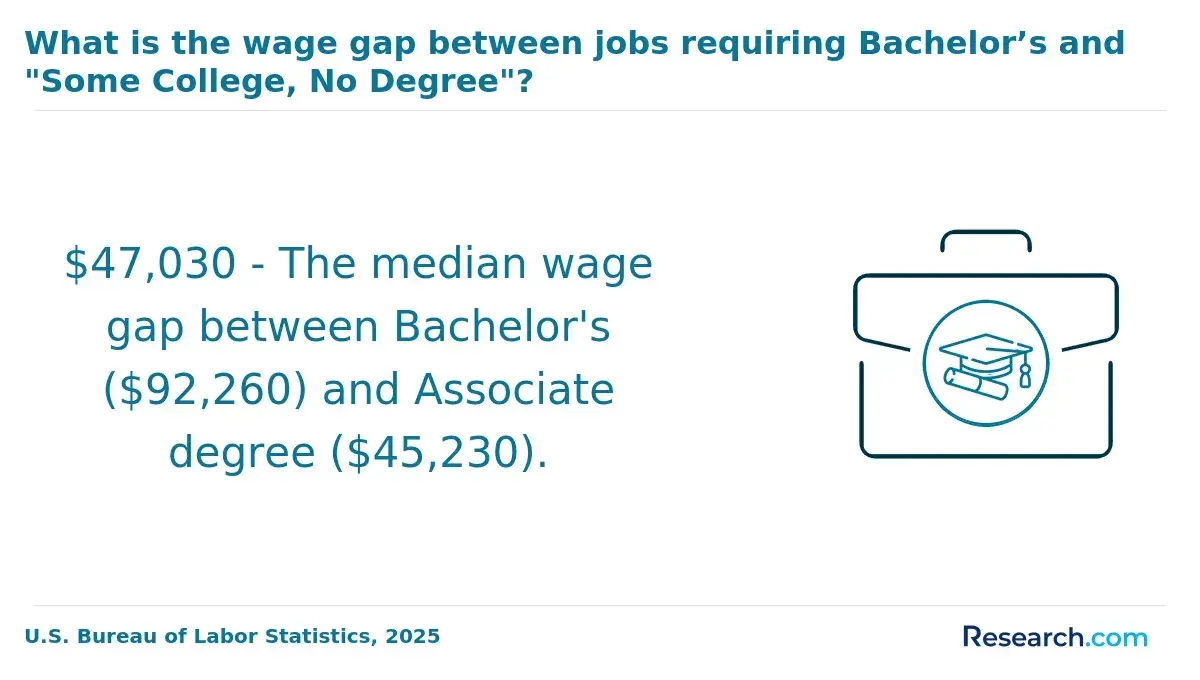
- Lower tuition costs: If the program charges by term or if acceleration helps you avoid extra semesters, graduating faster can reduce tuition. With the average annual tuition for an online bachelor's in social work around $12,451 in 2025 dollars, cutting a year off your studies can save over $12,000, excluding additional fees and materials.
- Reduced living expenses: Less time in school can shorten the period in which you are balancing tuition, books, technology, and everyday costs. Online students may avoid relocation, but they still need to budget for the full time they remain enrolled.
- Earlier entry into the workforce: Graduating sooner can help you start earning earlier. Median annual earnings stand at $50,390 for bachelor's holders and $58,380 for those with a master's, so an earlier start may improve long-term return on investment.
- Less time off work: Some students can maintain employment while studying online. Others may reduce hours during field placement or accelerated terms. The financial benefit depends on whether the faster format preserves or disrupts your income.
- Fewer incidental fees: Additional terms may bring recurring registration, technology, or student service fees. Finishing sooner can limit these repeated charges.
The main risk is overloading your schedule to save money and then extending the program because of burnout, failed courses, or delayed field placement. A financially smart plan is one you can actually complete.
Students comparing low-cost pathways may also want to review low cost online associate degrees, especially if they are deciding whether to begin with a shorter credential before transferring into a bachelor’s program.
How Soon Can Graduates Start Working After Earning Their Online Social Work Degree?
Many graduates can begin applying for social work or human services roles shortly after completing an online degree, but the exact timeline depends on degree level, state requirements, employer expectations, and the type of role. Some BSW graduates qualify for entry-level positions quickly, while clinical roles generally require a master’s degree, licensure steps, and supervised experience.
For nonclinical or entry-level positions, the transition from graduation to employment may take a few weeks to several months. Prior experience, field placement connections, volunteer work, and local job demand can shorten the search. Graduates who completed a practicum with a strong agency may have an advantage because they already have references and practical experience.
Clinical social work takes longer. Graduates aiming for clinical positions usually need to complete a master's plus 2-3 years of supervised experience before full licensure, though they may work in related roles during that period. Because licensure rules vary by state, students should check requirements before choosing a program, not after graduation.
Online social work programs often include fieldwork, internships, or practicums that help students build experience before they finish the degree. These placements can strengthen resumes, create professional contacts, and make the first job search more targeted. Students should ask each program how placements are arranged, whether the school helps identify local sites, and what happens if a placement falls through.
How Much Do Online Social Work Graduates Earn on Average?
Online social work graduates typically earn between $49,000 and $91,500 annually, depending on education level, licensure, experience, specialization, employer type, and location. The online format itself is usually less important than whether the program is credible, relevant to licensure goals, and respected by employers.
- Entry-level roles for BSW graduates: Graduates with a bachelor's degree (BSW) usually start with salaries between $49,353 and $56,626. Pay can rise with experience, licensure, and movement into more specialized settings.
- Mid-career roles for MSW holders: Graduates with a Master of Social Work (MSW) can expect to earn from $65,000 to $85,000, typically about $13,000 more than BSW holders. Clinical, supervisory, and advanced practice positions often offer stronger earning potential.
- Specialized positions: Healthcare social workers may earn $60,000 to $80,000+, while mental health/substance abuse social workers may earn between $45,000 and $65,000. Certifications, licensure, and metropolitan work locations can affect pay.
- Leadership and administration: Social workers in administrative, policy, or research roles may earn $70,000 to $90,000 or more. Doctoral-level education may increase salaries by $20,000 to $25,000 annually, depending on role and setting.
- Industry and location differences: Earnings vary widely by region and employer. Metropolitan and Pacific regions often offer higher incomes, while rural areas and school or government settings may provide stable but generally lower salaries.
Salary should be evaluated alongside debt, licensure timeline, field placement quality, and career fit. A higher-paying specialization may require additional supervision, certification, or graduate education, so students should compare both short-term and long-term costs.
For a broader look at career and salary paths outside traditional college routes, you can also review different trade school jobs.
Here's What Graduates of Online Social Work Programs Have to Say About Their Degree
Graduate experiences can help prospective students understand the practical trade-offs of online study: flexibility, workload, field placement demands, peer connection, and career mobility. The comments below highlight common themes students should consider before enrolling.
- Jamal: "Completing my online social work degree allowed me the flexibility to balance work, family, and school. The program was rigorous but rewarding, providing real-world applications that helped me feel confident stepping into my new role at a community mental health center. Being able to learn from anywhere eliminated many obstacles I would have faced otherwise, especially as a single parent. This experience has truly empowered me to make a positive impact in underserved communities."
- Yasmin: "Reflecting on my journey, finishing an online social work degree was more than just academic achievement; it was an opportunity for profound personal growth. The diverse virtual classroom helped me gain perspectives I might not have encountered locally, enriching my understanding of systemic issues affecting clients. Additionally, the supportive faculty and peer network provided a strong foundation for launching my career in child welfare. I now feel equipped to advocate effectively and contribute meaningfully in my role."
- Diego: "Pursuing my social work degree online opened doors to unique professional opportunities, including specialized training and certifications not available in traditional programs nearby. As a result, I advanced quickly from case manager to clinical supervisor in just a few years. The program's emphasis on evidence-based practice and leadership skills gave me the tools to elevate the services we offer to vulnerable populations. It's fulfilling to know that this degree helped me enhance care quality and improve lives on a broader scale."
Other Things You Should Know About Online Social Work Degree Programs
Electives in 2027 for online social work degrees often include courses like Human Behavior, Social Justice Issues, Mental Health, and Substance Abuse. These courses allow students to tailor their education towards specific social work interests and career paths.
In 2027, transferring credits can shorten the time to earn an online social work degree. With transferred credits, students may complete the degree in approximately 1.5 to 2.5 years, depending on the number of credits accepted and the program's structure.
Admission requirements typically include a high school diploma or GED, transcripts, and letters of recommendation. Some programs may require a minimum GPA and relevant experience. Check with individual institutions for specific criteria applicable in 2027.
In 2027, online social work programs typically require students to complete in-person internships, coordinated through program partnerships with local agencies. Credits and required hours vary by program, so it's important to verify specifics with the institution. Virtual supervision tools may augment the experience, enhancing flexibility.
References
- Best Affordable Master's Degree In Social Work https://www.psychology.org/social-work/best-affordable-masters-programs/
- Bachelor of Social Work https://online.uc.edu/undergraduate-degrees/bsw-social-work/transfer-articulation/
- WVU Online | Social Work, B.S.W. https://online.wvu.edu/programs/bachelors-degrees/bachelor-of-social-work-bsw
- Social Work, M.S.W. https://academics.charlotte.edu/program/social-work-m-s-w-online/
- Is an Online Master’s in Social Work (MSW) Degree Worth it? https://socialworklicensemap.com/social-work-degrees/online-msw-programs/is-an-online-masters-in-social-work-msw-degree-worth-it/
- Pros and Cons of Becoming a Social Worker | University of Phoenix https://www.phoenix.edu/articles/social-work/pros-and-cons-of-becoming-a-social-worker.html
- Compare one-year MSW and accelerated programs | edX https://www.edx.org/masters/online-msw-programs/one-year-msw-programs
- Best Online Social Work Degrees 2025 https://www.affordablecollegesonline.org/degrees/social-work-programs/
- One-Year MSW Programs Online | Advanced Standing Guide 2025 https://www.socialworkdegrees.org/program/one-year-msw
- The Difference Between the Advanced Standing and Traditional MSW Program https://onlinemsw.fsu.edu/blog/online-msw-traditional-vs-advanced-program