2027 Can You Complete an Online Social Work Degree Program While Working Full-Time?

Co-Founder and Chief Data Scientist
Working full-time while earning an online social work degree is possible, but it is not a casual add-on to an already busy schedule. The real decision is whether the program’s format, field placement expectations, cost, and support systems match your work hours, family responsibilities, and long-term licensing goals.
This matters because many online social work students are not traditional full-time campus learners. According to recent data, nearly 44% of online learners in the U.S. are employed full-time, which means programs increasingly serve adults who need flexibility without lowering academic or professional standards.
This guide explains what full-time workers should expect from an online social work degree, including completion timelines, asynchronous versus live classes, internships, technology needs, financial aid, employer support, salary implications, and how to choose a program that will not derail your job or personal life.
Key Benefits of Completing an Online Social Work Degree Program While Working Full-Time
- Flexible scheduling allows full-time workers to balance coursework with job responsibilities, essential for social workers managing unpredictable client needs or crisis interventions.
- Online programs offer asynchronous learning, accommodating diverse work hours common in social work roles like case management or community outreach.
- Access to digital resources and virtual field placement support professional development without sacrificing income or employment stability, critical for advancing in social work careers.
How Long Does It Take to Complete an Online Social Work Degree While Working Full-Time?
Most full-time workers should plan for a longer completion timeline than students who can devote most weekdays to school. Online social work programs may advertise fast options, but your actual pace depends on course load, field placement hours, transfer credit, and whether your job can accommodate practicum requirements.
For many working adults, part-time enrollment is the most realistic route. It lowers weekly academic pressure but extends the degree. A full-time student may finish faster, but that pace can be difficult when coursework, employment, family obligations, and field education all compete for the same hours.
- Enrollment status: Full-time study, typically defined as around 15 credits per semester, usually takes 16 to 24 months to complete. Part-time study, which many employed students choose, often extends the timeline to 2.5 to 4 years.
- Course format: Asynchronous courses can make the week easier to manage because students can complete lectures and assignments outside business hours. Accelerated formats may shorten the calendar but usually increase weekly workload.
- Advanced standing: Students who already hold a qualifying Bachelor of Social Work may be eligible for advanced standing, which can reduce completion time to as little as 9-16 months full-time.
- Transfer credits: Prior graduate coursework or a qualifying BSW may reduce the number of required classes, but each school sets its own transfer and waiver policies.
- Weekly study time: Full-time employees may need to reserve 15-20 hours weekly for readings, assignments, discussions, group projects, and field-related preparation.
- Field education: Many MSW programs require practicums or internships totaling 900+ hours. If those hours must be completed during weekday business hours, your employment schedule may become the main factor controlling your timeline.
If speed is your main priority, compare program calendars carefully rather than relying on headline claims. Some 1 year master's programs online may be useful points of comparison, but social work degrees often have field requirements that make ultra-fast completion harder for full-time workers.
Is an Asynchronous or Synchronous Online Social Work Program Easier for Students Working Full-Time?
For most full-time workers, an asynchronous online social work program is easier to manage because it gives students more control over when they watch lectures, complete readings, post discussions, and work on assignments. That flexibility is especially valuable for people with rotating shifts, caregiving responsibilities, long commutes, or unpredictable workplace demands.
Synchronous programs, however, are not automatically a poor fit. Live classes can provide structure, real-time discussion, stronger faculty presence, and more immediate peer connection. The trade-off is that students must be available at fixed times, which can become difficult when work meetings, client responsibilities, overtime, or family obligations conflict with class sessions.
| Format | Best for full-time workers who... | Main trade-off |
| Asynchronous | Need maximum scheduling flexibility and can stay organized without weekly live class meetings. | Requires strong self-discipline and proactive communication with instructors. |
| Synchronous | Prefer live discussion, accountability, and scheduled interaction with faculty and classmates. | Fixed meeting times may conflict with job duties or practicum hours. |
| Hybrid online | Want flexibility but still benefit from occasional live sessions, intensives, or group meetings. | Students must confirm all required meeting times before enrolling. |
The best choice depends less on whether a program is “online” and more on how predictable your work schedule is. Before applying, ask admissions staff for a sample weekly schedule, the number of required live sessions, expected group project availability, and whether field seminars meet at fixed times. If you are also comparing shorter credentials while planning your education path, resources on online certifications that pay well can help you think through workload and career timing.
What Time Management Strategies Help Online Social Work Students Working Full-Time?
Time management for online social work students is not just about using a calendar. It is about protecting enough weekly capacity for emotionally demanding readings, reflective writing, group work, and field preparation while still performing well at work.
The most successful working students usually build a repeatable weekly system before classes begin. They know when they will study, when they will rest, when they will handle family obligations, and when they will contact instructors or supervisors if a conflict arises.
- Build a realistic weekly schedule: Block recurring study periods in a digital calendar, and place them around your highest-energy hours. Do not assume you can complete all coursework late at night after a full workday.
- Work backward from deadlines: Break papers, case analyses, readings, and discussion posts into smaller steps. Assign each step to a specific day so one missed evening does not collapse the entire week.
- Use short, focused work sessions: Tools such as Clockify or methods like the Pomodoro technique can help you track effort and avoid losing limited study time to distractions.
- Separate urgent from important: Not every assignment requires the same level of depth. Prioritize graded work, field documentation, licensing-relevant content, and assignments tied to major competencies.
- Set boundaries early: Tell family members, roommates, and trusted coworkers when you are unavailable. A protected study block is easier to defend when people understand it is part of your degree plan.
- Plan for low-capacity weeks: Social work coursework can be emotionally heavy. Build buffer time into your schedule for work crises, family needs, illness, or difficult field experiences.
One graduate who balanced a demanding full-time job with online social work coursework said perfectionism became one of her biggest obstacles. She progressed more steadily once she stopped treating every task as if it had to be flawless and focused instead on consistent completion, timely communication, and learning from feedback.
Her experience points to a practical lesson: time management is also expectation management. Students who communicate early with employers, instructors, field supervisors, and family members are better positioned to stay on track without treating every schedule conflict as a personal failure.
What Are the Biggest Challenges Full-Time Workers Face in Online Social Work Programs?
The hardest parts of completing an online social work degree while working full-time usually involve time, emotional stamina, and field education logistics. Coursework can often be completed at night or on weekends, but practicum hours, supervision, and group work may be less flexible.
- Time pressure: Students must coordinate job responsibilities, readings, assignments, online discussions, exams, field paperwork, and practicum hours. Falling behind by even one week can create a backlog that is hard to recover from.
- Emotional exhaustion: Social work education asks students to engage with trauma, poverty, discrimination, family conflict, mental health, and ethical dilemmas. If your job is also emotionally demanding, the combined load can increase the risk of burnout or compassion fatigue.
- Field placement conflicts: Many agencies operate primarily during business hours. Full-time workers may struggle to find placements that offer evening or weekend options, especially when direct supervision is required.
- Limited informal support: Online students may have fewer spontaneous conversations with classmates and faculty. Working students need to be intentional about office hours, peer groups, advising, and field consultation.
- Role strain: Some students are employees, caregivers, interns, and learners at the same time. Switching between these roles can be mentally draining, especially during peak work seasons or major assignments.
A common mistake is choosing a program based only on tuition or speed without confirming whether the field placement model fits a full-time work schedule. Before enrolling, ask exactly when field hours can be completed, who finds the placement, how supervision works, and what happens if your employment schedule changes.
How Do Online Social Work Programs Handle Internships for Full-Time Workers?
Online social work programs still require hands-on field education. The online format may make classes more flexible, but it does not remove the need for supervised practice in real service settings. For full-time workers, the internship or practicum is often the most difficult part of the degree to schedule.
Programs may support working students in several ways, but flexibility varies by school, agency, state requirements, and supervisor availability.
- Flexible part-time scheduling: Some programs allow students to spread field education over multiple semesters with reduced weekly hours, typically around 13-15 hours. This can make the placement more manageable but may extend the degree timeline.
- Evening and weekend placements: Certain agencies offer nontraditional hours, which can help students who work weekdays. Availability is not guaranteed, and some supervision or training may still occur during the day.
- Use of current employment: Some schools allow students to complete field requirements at their workplace if the duties are educationally appropriate, supervised separately, and different from the student’s regular job responsibilities.
- Placement coordination: Strong programs help students identify agencies, prepare applications, understand documentation requirements, and negotiate schedules that meet both academic and agency expectations.
- Early field planning: The best programs explain field hour requirements, competencies, background checks, liability insurance, and supervision expectations before students reach the placement stage.
Students should not assume that “online” means “complete practicum whenever you want.” Ask whether the school has placed working adults in your area, how far students typically travel, whether remote or telehealth-related tasks are allowed when appropriate, and what backup process exists if a placement falls through.
One student who worked full-time while completing an internship said the field office was critical in helping him find a site that could accommodate unconventional hours. The arrangement still required careful planning with his employer and field supervisor, but he said the program’s support made a demanding requirement feel achievable rather than impossible.
What Technology Do You Need for an Online Social Work Degree While Working Full-Time?
Full-time workers need dependable technology because they often study during narrow windows before work, after work, or on weekends. A slow laptop, weak internet connection, or unreliable audio setup can quickly turn limited study time into lost time.
- Dedicated laptop or desktop: Use a computer that can handle the learning management system, video meetings, research databases, word processing, presentations, and multiple browser tabs. A practical setup for many students includes 8-16 GB of RAM.
- Reliable high-speed internet: A stable connection is important for video lectures, live classes, supervision meetings, library access, and cloud-based collaboration. A commonly recommended baseline is 25 Mbps download and 5 Mbps upload.
- Video conferencing software: Programs may use Zoom, Microsoft Teams, or similar platforms for live sessions, advising, group projects, and field seminars. Learn the platform before your first required meeting.
- Cloud storage and collaboration tools: Microsoft OneDrive, Google Drive, or similar tools help students share documents, collaborate on group assignments, and access files from different locations.
- Webcam, headset, and microphone: Clear audio and video matter in online discussions, presentations, supervision, and professional communication. A headset with a microphone can reduce background noise if you study in a shared space.
- Privacy safeguards: Because social work coursework may involve sensitive case material, use password protection, secure Wi-Fi, and school-approved platforms. Avoid storing confidential course or field documents on shared devices.
Technology costs should be part of your budget along with tuition, fees, books, transportation to field sites, and lost work hours if you need schedule adjustments. If affordability is a major factor, compare broader lists of cheap online master degrees as well as the cheapest cswe-accredited online msw programs to understand how social work options fit your financial plan.
Can You Qualify for Financial Aid If You Study Online and Work Full-Time?
Yes, working full-time does not automatically disqualify you from financial aid for an online social work degree. Eligibility usually depends on the school’s participation in aid programs, your enrollment status, your FAFSA information, degree level, cost of attendance, and the type of aid involved.
- FAFSA and federal aid: Completing the Free Application for Federal Student Aid is the standard first step for federal loans and many need-based aid opportunities. Online students may qualify if they attend an eligible institution and meet program requirements.
- Enrollment status: Many aid programs require at least half-time enrollment. For graduate students, this is often six credits per semester, though schools define enrollment categories in their own policies.
- Income considerations: Full-time income can affect need-based aid calculations, but it usually does not prevent access to federal student loans if other eligibility requirements are met.
- Employer tuition assistance: Some employers reimburse tuition or provide education benefits for employees pursuing job-relevant degrees. Read the fine print on grade requirements, annual limits, repayment obligations, and post-degree service commitments.
- Scholarships and grants: Online social work students may be eligible for awards based on academic merit, financial need, community service, identity, geography, or intended practice area.
- Part-time pacing and aid limits: Taking fewer courses can lower semester costs but may reduce aid amounts and extend the number of terms you pay fees, books, and other expenses.
Before enrolling, ask the financial aid office for a full cost estimate based on your intended pace, not just published tuition. Include practicum-related expenses, technology, travel, books, background checks, and any fees tied to online learning. If you are weighing education against shorter career pathways, information on fast careers that pay well can help you compare opportunity costs.
Do Employers Support Employees Pursuing Online Social Work Degrees in 2027?
Some employers support employees pursuing online social work degrees, but support is not universal. Agencies, hospitals, schools, nonprofits, and government offices may see the degree as a workforce development investment, especially if the employee’s new skills align with organizational needs. Others may be cautious if classes or field hours could interfere with job performance.
- Tuition assistance: Employers may offer tuition reimbursement or education benefits for accredited programs. Confirm annual caps, eligible expenses, required grades, and whether you must remain employed after receiving funds.
- Flexible scheduling: Some workplaces allow adjusted hours, compressed workweeks, shift swaps, or limited schedule flexibility for field placement and class requirements.
- Employer-based practicum options: In some cases, students may complete field education at their current workplace if the placement meets program standards and is distinct from regular job duties.
- Career advancement pathways: Employers may connect degree completion to promotion eligibility, expanded responsibilities, licensure preparation, or movement into clinical, supervisory, or program roles.
- Performance concerns: Some managers may worry that school will reduce availability or productivity. A clear plan for maintaining job responsibilities can reduce resistance.
Approach the conversation professionally. Explain the program schedule, likely field requirements, how the degree benefits your role, and what support you are requesting. If you are still early in your education planning and comparing undergraduate options before graduate social work study, a cheap online bachelor degree may also be relevant to your long-term path.
Does Completing an Online Social Work Degree While Working Full-Time Improve Your Salary?
Completing an online social work degree can improve salary potential, but it does not guarantee a raise by itself. Pay depends on degree level, licensure, experience, employer type, location, specialization, union or government pay scales, and whether the new credential qualifies you for a different role.
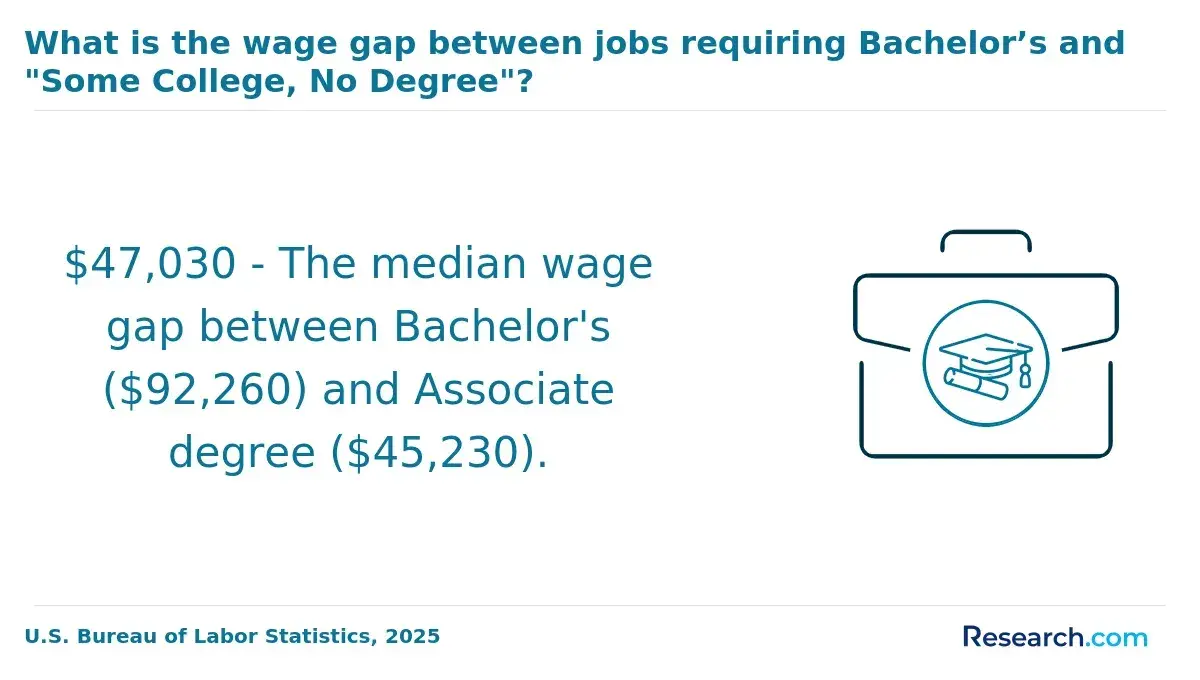
Degree level matters. MSW graduates often earn more than BSW graduates, with MSW graduates making about $13,000 more annually on average. On average, MSW holders earn around 29% more than bachelor's degree holders. Those figures are useful benchmarks, but individual outcomes can vary widely by setting and career path.
Working full-time while studying may strengthen your salary case because you continue building experience while earning the credential. You may also be able to apply new skills immediately, demonstrate commitment to the field, and pursue internal advancement if your employer values the degree.
The strongest salary gains usually occur when the degree leads to a concrete next step: eligibility for advanced licensure, transition into clinical or specialized practice, movement into healthcare or mental health roles, promotion into supervision, or access to jobs that require an MSW. Before enrolling, compare tuition cost, expected debt, licensing requirements, and likely job openings in your target practice area.
What Should Full-Time Workers Look for When Choosing an Online Social Work Program?
Full-time workers should choose an online social work program based on fit, not just reputation or speed. A strong program for a traditional student may be difficult for an employed adult if live classes, field hours, or advising are not compatible with work responsibilities.
- CSWE accreditation and licensure alignment: For social work licensure pathways, accreditation by the Council on Social Work Education is often essential. Also confirm that the curriculum aligns with requirements in the state where you plan to practice.
- Flexible course delivery: Look for asynchronous or mostly asynchronous courses if your work hours vary. If live sessions are required, ask when they meet and whether attendance is mandatory.
- Realistic field placement support: Ask who finds placements, how early planning begins, whether the school has placement partners near you, and how it supports students who work full-time.
- Part-time and extended pacing options: A part-time track can reduce weekly strain. Make sure the program allows a pace that matches your job, finances, and family obligations.
- Transparent total cost: Compare tuition, fees, books, technology, travel, background checks, and potential lost wages from reduced work hours. The cheapest tuition is not always the lowest total cost if field placement requires major schedule changes.
- Student support services: Prioritize programs with accessible academic advising, field advising, technical support, library help, writing support, and mental health resources.
- Faculty and specialization fit: If you are interested in clinical practice, schools, healthcare, child welfare, policy, or community practice, review electives, field options, and faculty expertise.
- Clear communication: Avoid programs that cannot answer practical questions about workload, field education, licensure, and student support before enrollment.
A useful test is to ask, “Could I follow this program’s weekly expectations during my busiest work month?” If the answer is no, consider a slower pace, a different format, or a program with stronger field placement flexibility.
What Graduates Say About Completing an Online Social Work Degree While Working Full-Time
- Christopher: "As a full-time employee, the online social work degree offered a professional and efficient pathway to advance my career without sacrificing my job. The well-structured curriculum and reasonable tuition fees made it a smart choice financially and academically. This experience has profoundly shaped my professional outlook toward client care."
- Jesiah: "Enrolling in an online social work program while managing my professional responsibilities taught me valuable time management skills. The rigorous coursework made me reflect deeply on my values and approach to helping others, which has enriched both my career and personal life. Although the cost was a significant consideration, it was an investment that truly paid off."
- Tristan: "Balancing a full-time job while pursuing my online social work degree was challenging but incredibly rewarding. The flexible pace of the program allowed me to absorb the material thoroughly without feeling overwhelmed, and I was pleasantly surprised by how affordable it was compared to traditional programs. This degree has opened doors for career advancement I never thought possible."
Other Things You Should Know About Social Work Degrees
To complete an online social work degree in 2027, you'll need a reliable computer, high-speed internet, and access to specified software like Microsoft Office Suite. Institutions may also recommend or require using certain platforms for virtual classrooms and communication tools.
Most accredited online social work programs provide student support services such as academic advising, tutoring, and career counseling designed to accommodate working students. These services often include resources available outside regular business hours, making them more accessible for those balancing jobs and coursework.
Yes, most online social work degree programs in 2027 require in-person internships to meet accreditation standards. These internships often take place in local agencies or institutions and could last several hundred hours, depending on the program's specific requirements.
References
- Social Work Scholarships https://socialworklicensemap.com/social-work-resources/social-work-scholarships/
- Overcoming the Challenges of Studying Social Work Online https://www.onlinecoursesaustralia.edu.au/online-education-blog/overcoming-the-challenges-of-studying-social-work-online/
- MSW online program https://socialwork.wayne.edu/msw/online
- 100% Online MSW Program https://socialwork.rutgers.edu/academics/master-social-work-msw/msw-program-options/100-online
- Benefit of Earning a Online Degree While Working Full-Time https://amityonline.com/blog/advantages-earning-degree-while-working-full-time
- Standard Online MSW Program | Diana R. Garland School of Social Work | Baylor University https://socialwork.web.baylor.edu/admissions/online-msw/standard-online-msw-program
- Synchronous vs Asynchronous | University of Bridgeport https://www.bridgeport.edu/news/synchronous-vs-asynchronous/
- Demand for social workers is growing—here are 3 ways to optimize your program for growth | EAB https://eab.com/resources/blog/adult-education-blog/demand-social-workers-optimize-program-growth/
- Tech Advice for Incoming Online MSW Students: What You’ll Need, What You Can Skip https://www.socialworker.com/feature-articles/technology-articles/tech-advice-for-incoming-online-msw-students-what-youll-need-skip/
- Technology in Social Work: Digital Tools & Innovations 2025 https://www.socialworkdegrees.org/technological-innovations-in-social-work