2027 Accelerated Online Social Work Degree Programs VS Weekly Start Online Degrees: Which Is Faster

Co-Founder and Chief Data Scientist
Choosing an online social work degree is not only a question of “How fast can I graduate?” It is also a question of how much structure, workload, start-date flexibility, transfer credit, fieldwork planning, and financial pressure you can realistically manage. Accelerated online social work programs can shorten the path to completion for students who can handle compressed courses and frequent deadlines. Weekly start online degrees, by contrast, usually help students begin sooner and schedule coursework around work or family obligations, but they do not always reduce the total time to graduation.
According to the National Association of Social Workers, over 45% of online social work students seek faster degree completion to enter the workforce sooner. That makes the difference between accelerated pacing and weekly start access especially important. This guide compares both formats by completion time, structure, workload, flexibility, cost, financial aid, transfer credits, and career support so you can choose the option that fits your timeline without overlooking accreditation, licensure preparation, or long-term affordability.
Key Benefits of Accelerated Online Social Work Degree Programs vs Weekly Start Online Degrees
- Accelerated online social work degree programs typically shorten overall completion time by up to 30%, while weekly start programs may extend duration due to flexible, rolling enrollment.
- Reduced idle periods between courses in accelerated formats minimize downtime, unlike weekly start models where gaps can delay progress and graduation.
- Accelerated programs offer more predictable graduation timelines, aiding students in career planning, whereas weekly start programs' variable pacing can complicate scheduling.
How Long Does It Take to Finish an Accelerated Online Social Work Degree vs Weekly Start Online Degree?
The faster option depends on whether you mean time to start or time to finish. Accelerated online social work degrees are usually designed to shorten the total path to graduation. Weekly start online degrees are designed to reduce the wait before you begin, but they often follow a more standard overall pace.
Students focused on accelerated online social work degree completion time may be able to reduce their journey by up to 50% compared to weekly start formats, depending on transfer credits, course load, field placement requirements, and whether the program allows year-round enrollment. Weekly start programs can still be efficient, but their main advantage is access: you may not have to wait for a fall, spring, or summer term.
Accelerated Online Social Work Degrees
- Course length: Terms typically last 5 to 8 weeks, which compresses the same academic expectations into a shorter window.
- Enrollment pacing: Programs often run with minimal breaks so students can move quickly from one course sequence to the next.
- Course load: Students may take multiple courses at once or complete back-to-back short terms, increasing weekly reading, writing, discussion, and fieldwork planning demands.
- Breaks between terms: Few or no extended breaks help maintain momentum but leave less room for recovery, schedule disruptions, or retaking a course.
- Completion timeline: These programs generally allow degree completion in 12 to 24 months, which can be appealing for students who already have strong academic preparation and a stable weekly schedule.
Weekly Start Online Social Work Degrees
- Course length: Courses often follow longer formats, typically 12 to 16 weeks, giving students more time to complete readings, assignments, and projects.
- Enrollment pacing: Students can start every week, which reduces downtime after admission but does not necessarily speed up the degree itself.
- Course load: Fewer concurrent classes can make the format easier to manage for students working full time or caring for family members.
- Breaks between terms: Regular academic breaks maintain a more conventional rhythm and may help prevent burnout.
- Completion timeline: Programs usually extend from 24 to 48 months, reflecting standard pacing even when enrollment access is more frequent.
If your goal is to graduate as quickly as possible, compare the full degree plan, not just the advertised start date. Ask whether field placements, prerequisites, capstone requirements, or cohort sequencing can delay completion. For a related example of compressed online program design, see accelerated doctoral programs in education online.
How Are Accelerated Online Social Work Degree vs Weekly Start Online Degrees Structured?
Program structure determines how predictable your schedule will be, how quickly assignments arrive, and how much control you have over when you begin. Accelerated online social work degree program structure tends to emphasize speed and sequencing. Weekly start online social work degree format tends to emphasize access and scheduling flexibility.
Accelerated Online Social Work Degree Structure
- Academic terms: These programs usually follow fixed academic calendars with set start dates. Some align with traditional semester schedules, while others use shorter sessions within a larger term.
- Course length: Courses are condensed into shorter sessions, typically lasting 5 to 8 weeks. This can work well for focused learners but may be difficult if your work schedule changes often.
- Enrollment start dates: Students usually enter at specific points in the year. Missing an application or registration deadline can mean waiting for the next available cohort or term.
- Pacing and workload: The compressed schedule requires steady weekly engagement. Falling behind in a 5-week or 8-week course can be much harder to recover from than falling behind in a longer course.
Weekly Start Online Social Work Degree Structure
- Academic terms: Programs commonly use rolling admissions with multiple entry points, often weekly or monthly.
- Course length: Classes typically run 8 to 12 weeks, creating a more moderate pace than many accelerated formats.
- Enrollment start dates: Frequent starts reduce the gap between acceptance and the first day of class, which can be useful for students who need to begin immediately.
- Pacing and workload: The structure spreads coursework over more time, making it easier to plan around employment, caregiving, or field education requirements.
The most important structural question is whether the program’s calendar matches your real life. A fast program is not efficient if it forces you to drop courses, delay field placement, or reduce work hours in a way you cannot afford. Students comparing other accelerated online formats can review accelerated psychology programs online for a useful point of comparison.
Is the Workload Heavier in Accelerated vs Weekly Start Online Social Work Degrees?
Yes. In most cases, the workload feels heavier in accelerated online social work degrees because the same academic expectations are compressed into shorter terms. Weekly start programs may still be demanding, especially when field education is involved, but they usually give students more time to complete readings, papers, discussions, and applied assignments.
- Weekly time commitment: Accelerated degrees require roughly 20 to 30 hours of study each week because courses move quickly. Weekly start programs typically ask for 10 to 15 hours, which may be more manageable for students with full-time jobs or family responsibilities.
- Assignment frequency: Accelerated courses often include several assignments per week, frequent discussion posts, short turnaround times, and fast feedback cycles. Weekly start degrees usually provide longer deadlines and fewer overlapping tasks.
- Pacing and scheduling: Accelerated programs compress full courses into short periods, so exams, papers, group projects, and field-related tasks can cluster together. Weekly start models create a steadier pace and may offer more room to plan around work shifts or caregiving needs.
- Participation expectations: Accelerated students need consistent engagement from the first day of class. Weekly start students also need discipline, but the longer schedule reduces the risk that one difficult week will derail the entire course.
- Burnout risk: Accelerated programs can be effective for students with strong support systems and protected study time. They can be risky for students already stretched thin, especially if they are new to online learning or returning to school after a long break.
Before choosing an accelerated schedule, review a sample syllabus if available. Look at the number of weekly readings, written assignments, synchronous meetings, group projects, and field placement expectations. If the weekly workload exceeds what you can reliably complete, a slower format may lead to faster graduation in practice because you are less likely to withdraw or repeat coursework.
Breakdown of All 2-Year Online Title IV Institutions

Which Online Social Work Degree Offers More Flexibility-Accelerated or Weekly Start?
Weekly start online social work degrees generally offer more day-to-day and calendar flexibility. Accelerated programs offer time efficiency, but they often trade flexibility for speed. The better choice depends on whether you need to finish as soon as possible or need a program that can adapt to an unpredictable schedule.
Accelerated online social work degree programs condense coursework into shorter periods, often allowing completion within 12 to 18 months instead of several years. That can be valuable for students who have a clear graduation target and enough weekly availability to sustain the pace. The trade-off is that these programs commonly require more than 20 hours of weekly study, fixed start dates, and strict term sequences. A missed deadline, job change, illness, or family emergency can have a bigger impact because the course window is short.
Weekly start online social work degrees are usually more adaptable. Students can often enroll almost any week or month throughout the year, and coursework is spread over a longer period. The weekly time commitment is typically around 10 to 15 hours, which can be easier to manage for working adults, parents, military students, and learners with variable schedules. Rolling admissions and staggered course starts also reduce the need to pause education plans while waiting for a traditional term.
Choose accelerated study if your schedule is stable, you can protect study time, and graduating sooner is worth a heavier pace. Choose a weekly start format if your main concern is flexibility, immediate access, or maintaining steady progress while balancing employment and personal responsibilities.
Which Social Work Program Lets You Start Faster-Accelerated or Weekly Start?
Weekly start online social work programs usually let students begin faster. Accelerated programs may finish faster after enrollment, but they often have fixed start dates. This distinction matters if you have already decided to enroll and want to avoid waiting weeks or months for the next term.
- Start date flexibility: Accelerated programs usually have set start dates tied to academic terms such as fall or spring. If you miss the deadline, you may have to wait until the next available term or cohort.
- Enrollment frequency: Weekly start programs offer multiple start opportunities throughout each month. This continuous enrollment model can help students move from admission to coursework quickly.
- Time to begin classes: Students enrolling in weekly start social work degrees can typically start classes within days up to one week following application approval. Accelerated programs may require waiting weeks or even months before classes officially begin, even if the degree itself is shorter.
- Admissions planning: Weekly start access does not remove the need to submit transcripts, financial aid forms, transfer credit documents, or field placement paperwork. Delays in any of these steps can still slow your start.
For students who need rapid access to coursework, weekly start programs have the advantage. For students who can wait for the right cohort and then commit to a compressed schedule, accelerated programs may still produce the earlier graduation date. The practical question is not only “When can I start?” but also “When can I realistically finish?”
Is an Accelerated Online Social Work Degree More Expensive Than Weekly Start Online Degrees?
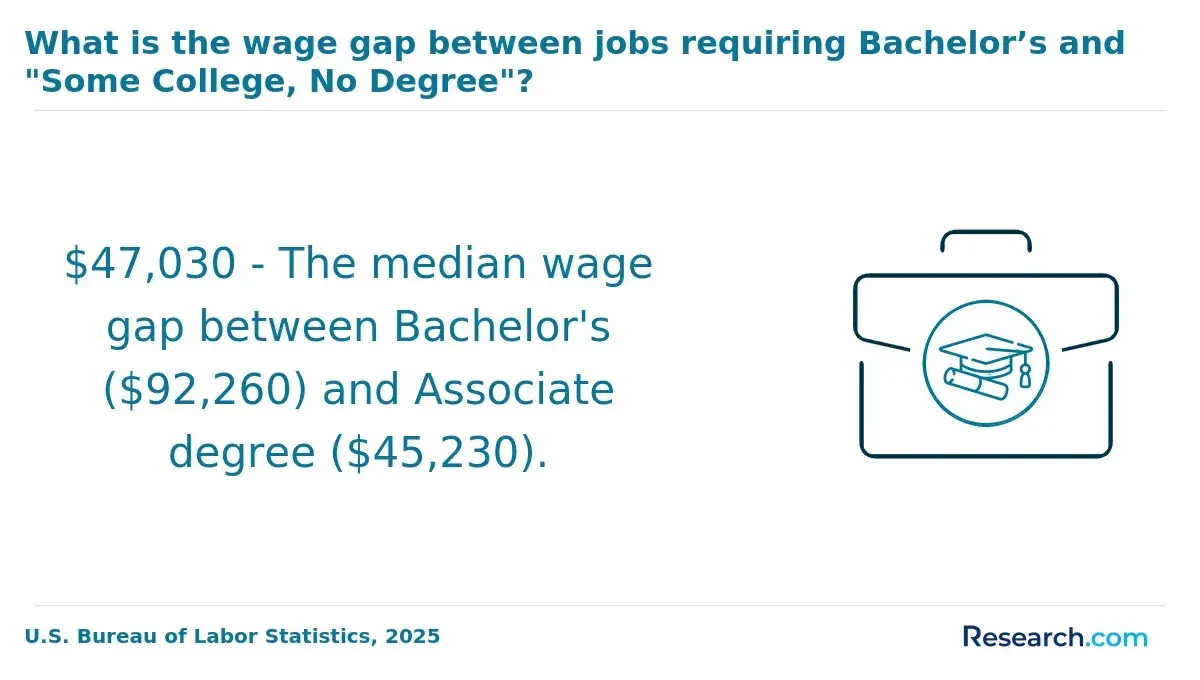
An accelerated online social work degree is not automatically more expensive than a weekly start online degree. The average tuition for online social work courses typically ranges between $300 and $600 per credit, with accelerated programs occasionally charging a premium due to their intensive schedule. However, the total cost depends on credit requirements, transfer credits, fees, enrollment length, financial aid timing, and whether faster completion reduces other expenses.
- Higher per-credit cost but shorter duration: Accelerated programs may charge slightly more per credit or require a heavier term load. The shorter timeline may reduce the amount of time students spend paying for school-related costs, but it can also make it harder to work as many hours while enrolled.
- Flexible enrollment with steady total cost: Weekly start programs allow students to begin courses at nearly any time, which helps with planning. Total tuition often remains similar to traditional pacing because students still complete comparable credit requirements.
- Consistent additional fees: Both formats may include technology fees, course materials, administrative charges, and other program costs. These fees can add up, so students should compare the full cost of attendance rather than tuition alone.
- Opportunity cost: Accelerated study may help students enter the workforce sooner, but only if they can complete the program without stopping out. Weekly start programs may take longer, but they may allow students to keep earning income while studying.
- Affordability checks: If price is a major factor, compare tuition, fees, transfer policies, and aid options across several programs, including lists of the least expensive online msw programs.
Before enrolling, ask for a written cost breakdown that includes tuition per credit, total required credits, program fees, field placement costs if applicable, books, technology requirements, and estimated aid. The cheapest-looking option may not be the most affordable if it accepts fewer transfer credits or extends your enrollment longer than expected.
How Does Financial Aid Work for Accelerated Online Social Work Degree vs Weekly Start Online Degrees?
Financial aid can work differently depending on how the program defines terms, enrollment intensity, academic progress, and disbursement schedules. Nearly 59% of online students utilize some form of financial assistance, underscoring how important aid planning is for both accelerated and weekly start online social work degrees.
- Eligibility constraints in accelerated programs: Accelerated programs often connect aid eligibility to fixed academic terms such as semesters or quarters. Even if courses are shorter, students may need to meet enrollment status and satisfactory academic progress requirements within the school’s aid calendar.
- Multiple disbursements with weekly start programs: Weekly start online social work degree financial assistance may align with rolling enrollment, allowing funds to be released at several points throughout the year. This can help students manage expenses in smaller cycles.
- Adjustments for program intensity: Accelerated formats may require aid packages that account for condensed timeframes and heavier course loads. Students should confirm whether tuition is billed by term, credit, subscription period, or course.
- Cash flow considerations with weekly starts: Staggered aid release in weekly start programs can make budgeting easier, but students should still plan for gaps between billing dates, refund dates, and personal expenses.
- Enrollment status: Dropping below required credit levels can affect aid eligibility in either format. This is especially important in accelerated programs because one dropped course can quickly change a student’s enrollment status.
Students should complete required aid forms early, ask when funds are disbursed, and confirm whether accelerated pacing changes lifetime aid limits or term-based eligibility. For those exploring affordable options beyond social work degrees, examining the cheapest online MFT programs can provide another cost comparison point.
Do Accelerated Online Social Work Degrees Work Better Than Weekly Start Programs for Transfer Credits?
Not always. Transfer credit policies depend more on the institution, accreditation, course equivalency, grades, credit age, and degree level than on whether the program is accelerated or weekly start. Still, program format can affect how easily transfer credits fit into the degree plan.
- Evaluation criteria matter: Credits are typically reviewed based on accreditation status, course equivalency, and minimum grade requirements. Students should request a transfer evaluation before committing to a program whenever possible.
- Program format can influence credit transfer: Transfer credits in accelerated social work programs may face stricter limits because the curriculum is often tightly sequenced. If courses must be taken in a specific order, fewer substitutions may be available.
- Weekly start formats may be more flexible: Weekly start social work degrees credit transfer can be easier to manage when programs evaluate incoming students continuously and offer multiple entry points throughout the year.
- Documentation helps: Students should provide official transcripts, course descriptions, syllabi, field education documentation if relevant, and proof of accreditation from prior institutions.
- Transfer credits can affect both time and cost: Accepted credits may reduce tuition and shorten the degree timeline. Rejected credits may extend enrollment, even in a program marketed as fast or flexible.
The best strategy is to ask three questions before enrolling: How many credits can transfer? Which requirements will they satisfy? Will transfer credits change my expected graduation date? Programs with flexible credit transfer policies can reduce both time and cost, but only if prior coursework applies directly to the degree plan. Prospective students interested in cost-effective pathways might also explore affordable EdD programs that may offer additional credit transfer options and savings.
Do Accelerated Online Social Work Degrees Offer Better Career Placement Options Than Weekly Start Online Degrees?
Accelerated online social work degrees do not automatically offer better career placement than weekly start online degrees. Career outcomes depend on accreditation, field placement quality, employer relationships, advising, licensure preparation, student experience, and local workforce demand. However, the structure of the program can shape when and how students use career services.
Career placement support is still an important factor. The National Association of Colleges and Employers reports that 82% of students who utilize career resources find a job within six months of graduation. Students comparing formats should look beyond general promises and ask what services are available before field placement, during the final term, and after graduation.
- Career services intensity: Accelerated social work degree career outcomes may benefit from concentrated career support because students approach graduation quickly. Advising, résumé review, interview preparation, and job search planning may need to happen earlier in the program.
- Networking opportunities: Accelerated programs may deliver employer events, alumni panels, or placement preparation in a shorter window. Weekly start degrees may give students more time to attend workshops, build relationships, and explore different practice areas.
- Employer connections: Programs with weekly start online social work job placement may maintain ongoing employer relationships and repeat opportunities for students to connect with agencies. The advantage is continuity rather than speed.
- Field placement alignment: Social work career preparation is closely tied to supervised field experience. Students should ask how placements are arranged, whether the school helps find sites, and whether placement options align with their target area of practice.
- Job placement rates: Graduates from accelerated programs generally achieve modestly higher job placement within the first year post-graduation, reflecting the quick transition from study to workforce. Weekly start program students may experience slower initial placement but benefit from sustained career development support throughout their studies.
Students should also verify that the degree meets relevant professional and licensing expectations in the state where they plan to work. A fast program with weak placement support may be less useful than a slower program with strong advising, field partnerships, and employer connections. Students comparing broader education paths can also review guidance on the easiest associate degree to get as part of longer-term career planning.
How to Choose Between an Online Social Work Degree vs Weekly Start Online Degrees?
Choose an accelerated online social work degree if your priority is graduating sooner and you can handle a heavier, more structured schedule. Choose a weekly start online degree if your priority is starting quickly, preserving flexibility, and balancing school with work or family responsibilities. Neither format is automatically better; the right choice depends on your timeline, support system, finances, and career goal.
Choose an accelerated program if:
- You can reliably study 20 to 30 hours per week.
- You want to finish in 12 to 24 months, if the program allows it.
- You are comfortable with short courses, frequent deadlines, and fewer breaks.
- Your job and family schedule are stable enough to support intensive enrollment.
- You have already confirmed how fieldwork, transfer credits, and financial aid fit into the accelerated calendar.
Choose a weekly start program if:
- You want to begin classes within days up to one week following application approval.
- You prefer a lighter weekly workload of about 10 to 15 hours.
- You need more control over when you start and how you plan each term.
- You are balancing full-time employment, caregiving, military service, or changing work shifts.
- You want more time to absorb course material and use advising or career services gradually.
Before applying, verify accreditation, total cost, transfer credit rules, field placement support, faculty access, tutoring, advising, career services, and any state-specific licensure considerations. Do not rely only on marketing terms such as “fast,” “flexible,” or “weekly start.” Ask for the degree plan, course sequence, tuition breakdown, and graduation timeline in writing. The best program is the one you can complete successfully, afford responsibly, and use toward your intended social work career path.
What Graduates Say About Their Accelerated Online Social Work Degree Programs vs Weekly Start Online Degree
- Tristan: "Choosing the accelerated online social work degree was a game-changer for me because it allowed me to finish my education quickly without pausing my career. The cost was surprisingly affordable compared to traditional programs, which was a huge relief. Now, I'm able to make a real difference in my community as a licensed social worker much earlier than I expected."
- Mavi: "I took the weekly start online social work program because it offered flexibility that fit my hectic schedule. Paying around the average tuition for accelerated programs made the financial burden manageable, which eased my worries. Looking back, this program's structure gave me the confidence and skills to excel in a professional setting more rapidly than I thought possible."
- Ellix: "The accelerated online social work degree appealed to me due to its intensive format and cost-effectiveness, which was nearly half of what some on-campus programs charge. It was challenging but rewarding, providing practical knowledge I could immediately apply in my work. This degree has truly elevated my professional profile in the social work field."
Other Things You Should Know About Social Work Degrees
Accredited BSW programs usually require about 400 to 500 field hours, while MSW programs commonly require 900 to 1,200 hours under CSWE standards. Programs must place students in approved agencies, and licensure boards may require fieldwork completed before graduation.
Both accelerated and weekly start online social work degrees require students to complete field placements or internships for licensure eligibility. However, accelerated programs might have tighter deadlines for arranging and completing these practical experiences, whereas weekly start programs may provide a more extended timeline for placement coordination.
Academic support services such as tutoring, advising, and career counseling are typically available to students in both accelerated and weekly start online social work programs. The availability and responsiveness of these services depend more on the institution rather than the program format or start schedule.
References
- Types of Field Placements Available in Accelerated MSW Programs - Social Work Degree Center https://www.socialworkdegreecenter.com/accelerated-msw/field-placements/
- Fast Track Accelerated Social Work Degree Online - Counseling Degrees Online https://www.counselingdegreesonline.org/accelerated-social-work-degree-online
- Advanced Standing Online MSW Programs https://socialworklicensemap.com/social-work-degrees/online-msw-programs/advanced-standing/
- Accelerated Online MSW Programs for 2025 - MSW Degrees https://www.mswdegrees.org/degrees/online/accelerated-msw-programs/
- Best Online Social Work Degrees 2025 https://www.affordablecollegesonline.org/degrees/social-work-programs/
- Guide to Online Accelerated Degree Programs https://www.onlineu.com/resources/accelerated-degrees
- 12 Accelerated Online MSW Programs: Complete Your Degree in 12 Months - Social Work Education Center https://www.socialworkdegree.net/online-msw-programs/accelerated-online-msw-programs/
- Online MSW vs Campus MSW: 2025 Outcomes & Career Guide https://www.socialworkdegrees.org/online-msw-vs-campus-msw
- Advanced Standing MSW Programs https://www.onlinemswprograms.com/online-social-work-degrees/advanced-standing-online-msw-programs/
- Fastest Online BSW Programs 2025: Shortest Bachelor of Social Work Degrees | Accelerated Social Work Education https://www.counselingpsychology.org/fastest-online-bsw-programs/