2027 Weekly Start Online Degrees vs Self-Paced Accelerated Social Work Degree Programs

Co-Founder and Chief Data Scientist
The format of an online social work degree can affect far more than convenience. It can shape how quickly you graduate, how much structure you receive, how predictable your costs are, and how well the program fits around work, caregiving, field placement, and licensure planning. For students comparing weekly start online degrees with self-paced accelerated social work programs, the main question is not which format is “better.” It is which format matches your schedule, learning style, support needs, and career timeline.
Scheduling flexibility is a major reason students choose online social work education. Studies reveal that 58% of online social work students cite course scheduling flexibility as a primary factor influencing program completion rates. However, flexibility can mean different things. A weekly start program may let you begin soon but still require weekly deadlines. A self-paced accelerated program may give you more control over when you study but place more responsibility on you to stay on track.
This guide explains how the two formats compare in structure, admissions, completion time, flexibility, difficulty, grading, tuition, instructor support, employer perception, salary outcomes, and graduate experience. Use it to identify the format that is most likely to help you finish—not just enroll.
Key Benefits of Weekly Start Online Degrees vs Self-Paced Accelerated Social Work Degree Programs
- Weekly start online degrees offer consistent structure and frequent enrollment opportunities, boosting flexibility for students balancing work and family commitments in social work education.
- Self-paced accelerated programs significantly reduce time and tuition costs, enabling faster degree completion and earlier entry into the social work field.
- Both formats enhance student success by accommodating diverse learning styles; 68% of social work students report higher satisfaction and retention with flexible program pacing.
How Are Weekly Start Online Degrees and Self-Paced Accelerated Social Work Programs Structured?
Weekly start online degrees and self-paced accelerated social work programs differ mainly in how much control students have over timing. Weekly start programs offer frequent entry points but usually follow instructor-led weekly modules. Self-paced accelerated programs give students more control over progression, but that freedom comes with higher expectations for planning and self-discipline.
Weekly start online degrees
A weekly start format is best understood as a structured online program with frequent enrollment opportunities. You may be able to begin a course quickly, but once enrolled, you usually follow a set academic rhythm.
- Course pacing: Fixed weekly deadlines guide progress and keep students moving through readings, discussions, papers, quizzes, and exams.
- Term length: Courses typically last between 5 to 8 weeks, with new classes beginning every week throughout the year.
- Assignment schedule: Weekly quizzes, discussion posts, written assignments, and timed exams create regular checkpoints.
- Weekly commitment: Students usually spend 15 to 20 hours per week on coursework and assessments.
- Best fit: This structure often works well for students who want flexibility in start date but still need external deadlines to stay accountable.
Self-paced accelerated social work degrees
A self-paced accelerated format gives students more control over when they complete lessons and assessments. This can shorten the path to graduation, but only if the student can maintain steady progress without weekly instructor-driven deadlines.
- Course pacing: Learners move through material at their own convenience, usually within broader program completion limits such as 12 to 18 months.
- Term length: The overall program timeline is flexible and designed to support faster completion when students can handle an intensive pace.
- Assessment methods: Students often submit assignments or take exams when they are ready, rather than on a fixed weekly calendar.
- Weekly commitment: Time demands vary widely and may exceed 20 hours per week for students trying to finish quickly.
- Best fit: This structure is usually better for students who are organized, self-directed, and comfortable planning their own study schedule.
The practical difference is this: weekly start programs provide predictable structure after enrollment, while self-paced accelerated programs provide greater control over speed. Students comparing formats should also review accreditation, field education requirements, and state licensure expectations, because structure alone does not determine whether a social work degree will meet professional goals.
Students comparing online education costs across fields may also find it useful to review examples such as the most affordable online artificial intelligence degree programs.
Are Weekly Start Online Social Work Programs Easier to Get Into vs Self-Paced Accelerated Programs?
Weekly start online social work programs may feel easier to access because they offer more frequent enrollment opportunities. However, admissions difficulty depends more on the school, degree level, accreditation status, GPA expectations, prerequisites, field placement requirements, and applicant pool than on the delivery format alone. Around 60% of online social work programs use holistic admissions that consider more than GPA or standardized test scores.
In general, weekly start programs tend to emphasize access and scheduling convenience, while self-paced accelerated programs may screen more carefully for academic readiness because the pace can be demanding.
| Admissions factor | Weekly start online social work programs | Self-paced accelerated social work programs |
| GPA expectations | May accept a broader GPA range, depending on the institution. | May expect stronger prior academic performance because of the accelerated workload. |
| Prerequisite coursework | Requirements may be flexible, especially for general online degree pathways. | Prerequisites may be enforced more strictly to ensure students can move quickly. |
| Standardized testing | May place less emphasis on GRE scores, depending on the program. | GRE requirements may appear more often, although policies vary by school. |
| Admissions calendar | Frequent start dates can reduce waiting time. | May allow flexible entry, but acceptance can still depend on readiness and available support resources. |
| Applicant fit | Often suits students who want structure and regular faculty interaction. | Often suits students with strong self-management skills and clear completion plans. |
Do not assume that faster admission means a weaker program or that accelerated admission means better career outcomes. Before applying, confirm whether the program is properly accredited, whether field education is available in your location, and whether the curriculum aligns with your intended social work role. Students exploring related helping-profession pathways can also compare affordable online counseling degrees.
How Long Does a Weekly Start Online Degree Take to Complete vs Self-Paced Accelerated Social Work Degree?
Completion time depends on credit requirements, transfer credits, course load, field placement availability, and the student’s ability to keep up with assignments. According to the National Center for Education Statistics, the average duration to finish an online bachelor's degree is around 4.5 years. Weekly start programs typically offer steady progress, while self-paced accelerated social work programs may shorten the timeline for students who can commit more time each week.
- Term length: Weekly start programs generally use fixed intervals, usually between 8 to 16 weeks per term. Self-paced social work degrees allow students to move faster or slower within the school’s rules.
- Pacing control: Self-paced students can often accelerate by completing coursework quickly or taking multiple courses, but this requires consistent effort. Weekly start students follow the academic calendar and may have less control over speed.
- Credit load: Weekly start programs may cap credits per term to keep workloads manageable. Self-paced programs may permit heavier workloads for students who can handle them.
- Transfer credits: Both formats may accept prior college credits, which can reduce time to degree. Policies vary, so students should request a transfer evaluation before enrolling.
- Enrollment flexibility: Weekly start programs reduce long waits by offering frequent starts. Self-paced programs may allow immediate progression, but students still need to meet program milestones.
- Field placement timing: For social work students, practicum or field education can be the factor that limits acceleration. Even if coursework moves quickly, placement availability and supervision requirements may affect graduation timing.
The fastest option is not always the best option. A self-paced accelerated program can be efficient for students with protected study time, strong organization, and access to required field placements. A weekly start program may be better for students who need a reliable rhythm while working or managing family responsibilities.
How Flexible Are Weekly Start Online Degrees vs Self-Paced Accelerated Social Work Programs?
Both formats are flexible, but they solve different problems. Weekly start online degrees are flexible at the point of entry because students can begin without waiting for a traditional semester. Self-paced accelerated social work programs are flexible during the course because students have more control over when and how quickly they complete work.
- Scheduling control: Weekly start programs still require students to meet instructor-set weekly deadlines. Self-paced formats give students more control over study timing.
- Pacing speed: Weekly start courses follow a predetermined calendar. Self-paced learners can speed up or slow down depending on work, family, health, and motivation.
- Start dates: Weekly start systems typically offer enrollment every week. Self-paced programs may offer immediate or highly flexible enrollment, depending on the institution.
- Assignment deadlines: Weekly start courses use fixed due dates to promote steady progress. Self-paced courses usually offer broader completion windows.
- Instructor interaction: Weekly start students are more likely to have scheduled discussions, office hours, and regular feedback cycles. Self-paced students may rely more on asynchronous support.
- Ability to pause: Weekly start students may need to withdraw, request an extension, or wait for a future term if life interrupts coursework. Self-paced programs may allow students to pause and resume more easily, though school policies still matter.
- Field education flexibility: Social work programs may require field hours at approved agencies. These hours are often less flexible than online coursework, regardless of format.
If you need predictable weekly accountability, choose flexibility in start date. If you need control over daily and weekly study timing, choose flexibility in pacing. Students comparing affordability and format together may also want to review online social work masters programs as part of their search.
Are Self-Paced Accelerated Social Work Degrees Harder Than Weekly Start Online Programs?
Self-paced accelerated social work degrees are not automatically harder in academic content, but they are often harder to manage. The challenge shifts from meeting weekly instructor deadlines to creating and following your own schedule. For some students, that independence is freeing. For others, it can lead to procrastination, isolation, and last-minute pressure.
- Workload intensity: Self-paced accelerated programs can compress a large amount of work into a shorter period. Weekly start programs distribute assignments more evenly.
- Pacing expectations: Self-paced students must decide how quickly to move and how much to complete each week. Weekly start students follow an established course sequence.
- Self-discipline required: Accelerated formats rely heavily on independent motivation. Weekly start formats provide external accountability through deadlines, reminders, and course discussions.
- Assessment structure: Self-paced programs may rely on larger assessments or competency demonstrations completed when the student is ready. Weekly start programs often use regular quizzes, discussions, papers, and exams.
- Instructor and peer interaction: Self-paced students may experience less real-time interaction. Weekly start students are more likely to build routine contact with instructors and classmates.
- Emotional workload: Social work coursework can involve trauma, ethics, inequality, crisis intervention, and human behavior. Students in faster formats should make sure they have time to process complex material, not just complete assignments.
A self-paced accelerated program is usually a better match for students who already know how to study independently online. A weekly start program is often safer for students who benefit from routine, peer discussion, and frequent feedback.
How Does Grading Differ Between Weekly Start Online vs Self-Paced Accelerated Social Work Programs?
Grading in weekly start programs is usually tied to a shared class calendar. Grading in self-paced accelerated programs is often tied to mastery, competency, or broader completion windows. Students should review grading policies carefully because they affect workload, feedback timing, resubmission opportunities, and academic standing.
- Assessment frequency: Weekly start programs often require weekly or biweekly assessments. Self-paced accelerated programs may allow students to submit work when ready within broader deadlines.
- Mastery requirements: Weekly start formats may use cumulative grading across discussions, assignments, exams, and projects. Self-paced formats may emphasize competency-based progression before a student moves forward.
- Pacing of evaluations: Weekly start students are evaluated on a common schedule. Self-paced students may be evaluated individually as they complete units or assessments.
- Feedback timing: Weekly start programs often provide regular feedback because everyone moves through the course together. Self-paced feedback may be more variable, depending on instructor availability and submission timing.
- Grading flexibility: Weekly start programs may offer fewer chances to revise work after deadlines pass. Self-paced programs may allow more revision or reassessment, especially when built around mastery learning.
- Participation grades: Weekly start courses may include graded discussion posts or group activities. Self-paced courses may use fewer peer-based participation grades because students are not always working on the same module at the same time.
Students who perform well with steady, smaller assignments may prefer weekly start grading. Students who prefer to demonstrate mastery after independent study may prefer self-paced grading, provided they can avoid delaying submissions.
How Does Tuition Compare Between Weekly Start Online and Self-Paced Accelerated Social Work Programs?
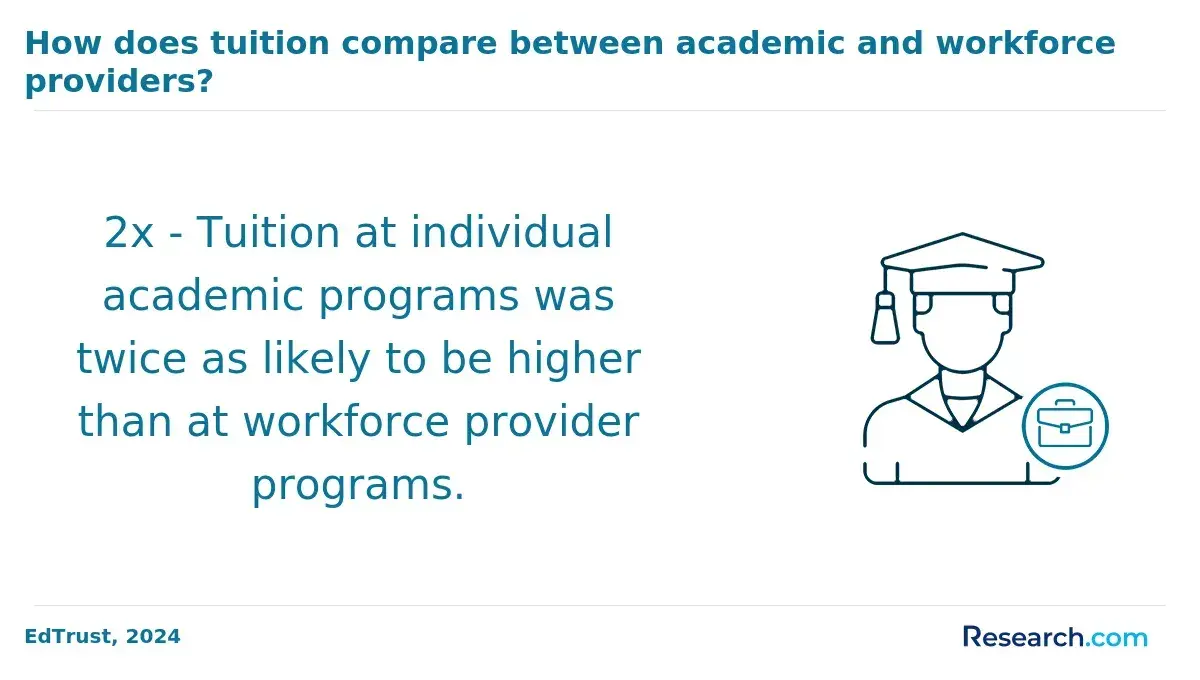
Tuition comparisons can be misleading if students look only at the advertised price per credit or term. Total cost depends on how long you stay enrolled, how many credits transfer, whether you repeat courses, how field placement fees are handled, and whether financial aid applies to the program format.
- Pricing structure: Weekly start programs commonly charge by credit hour or course. Self-paced accelerated programs may use flat-rate tuition for set terms, allowing students to complete more courses during that period.
- Time-to-completion: Accelerated formats can lower total cost if students finish quickly. If students slow down, repeat work, or extend enrollment, savings may shrink.
- Cost predictability: Weekly start programs can make budgeting easier because costs are tied to registered credits. Self-paced models may be cost-effective but require careful planning to avoid paying for terms without making enough progress.
- Course intensity: Self-paced accelerated programs may require more concentrated study time, which can affect work hours and income. Weekly start programs may be easier to balance with employment.
- Additional fees: Both formats may include technology fees, field placement fees, course materials, graduation fees, or other charges beyond tuition.
- Transfer credits and prior learning: Accepted transfer credits or prior learning assessments can reduce tuition in both formats, with savings up to 30% reported by education data sources.
- Financial aid fit: Students should confirm whether the program is eligible for federal aid, scholarships, employer tuition assistance, or payment plans before enrolling.
The lower-cost option depends on your pace. A flat-rate self-paced program can be economical for students who finish many credits in a short time. A per-credit weekly start program may be safer for students who need a slower, more predictable workload.
Do Weekly Start Online Social Work Degrees Offer More Instructor Support Than Self-Paced Accelerated Programs?
Weekly start online social work degrees often provide more predictable instructor support because students move through the course on the same schedule. Self-paced accelerated programs can still offer strong support, but students may need to initiate contact more often and manage questions without the same rhythm of weekly class interaction.
- Instructor availability: Weekly start programs typically include regular instructor presence throughout the term. Self-paced programs may rely more on student-initiated communication.
- Response times: Weekly start formats often communicate expected response times within 24 to 48 hours. Self-paced programs may have more variable response times because students submit work at different points.
- Structured interaction: Weekly start courses use scheduled modules, discussions, and deadlines to create ongoing contact. Self-paced models usually have fewer required touchpoints.
- Live communication opportunities: Weekly start students may have virtual office hours, synchronous sessions, or scheduled check-ins. Self-paced students usually communicate asynchronously, though policies vary.
- Academic advising: Weekly start programs may include defined advising checkpoints for course planning and progress monitoring. Self-paced programs may expect students to track pace and completion more independently.
- Student independence: Self-paced accelerated programs work best for learners who are comfortable asking for help before problems become serious. Weekly start programs better support students who want routine engagement.
- Field support: In social work, instructor support is only one part of the experience. Students should also ask how the program supports field placement, supervision, documentation, and professional readiness.
If you are new to online learning or concerned about staying motivated, stronger built-in support may matter more than maximum flexibility. Students comparing support expectations in other online graduate formats can review affordable online executive MBA programs for additional context.
Do Employers Prefer Weekly Start Online or Self-Paced Accelerated Social Work Degrees?
Most employers are unlikely to base a hiring decision on whether an online social work degree used a weekly start or self-paced format. They are more likely to evaluate accreditation, licensure eligibility, field experience, references, interview performance, ethical judgment, communication skills, and readiness for client-facing work.
That said, program format can influence the experiences students bring into interviews. Weekly start programs may provide more visible collaboration and deadline-based learning. Self-paced accelerated programs may demonstrate independence and strong self-management.
- Perceived rigor: Weekly start programs may appear familiar to employers because they mirror traditional academic schedules with deadlines and cohort interaction.
- Completion timelines: Self-paced accelerated degrees can show drive and urgency, but students should be prepared to explain how they built practical skills, not just how quickly they finished.
- Time management skills: Weekly start graduates can point to consistent performance under recurring deadlines. Self-paced graduates can point to independent planning and sustained motivation.
- Collaboration experience: Weekly start programs may offer more group discussion and peer interaction. Self-paced students should look for fieldwork, projects, or professional experiences that demonstrate teamwork.
- Adaptability: Employers often value graduates who can adapt to changing caseloads, documentation systems, and client needs. Both formats can support this if the student builds relevant experience.
- Workforce alignment: The strongest signal to employers is usually not format. It is whether the graduate has completed credible coursework, supervised field learning, and any required steps toward licensure.
Students should avoid choosing a program based on speed alone. A faster degree that lacks appropriate recognition, field preparation, or licensure alignment may create problems later. Those comparing broader online graduate options can also review one-year online master's programs.
Is There a Salary Difference Between Weekly Start Online vs Self-Paced Accelerated Social Work Degrees?
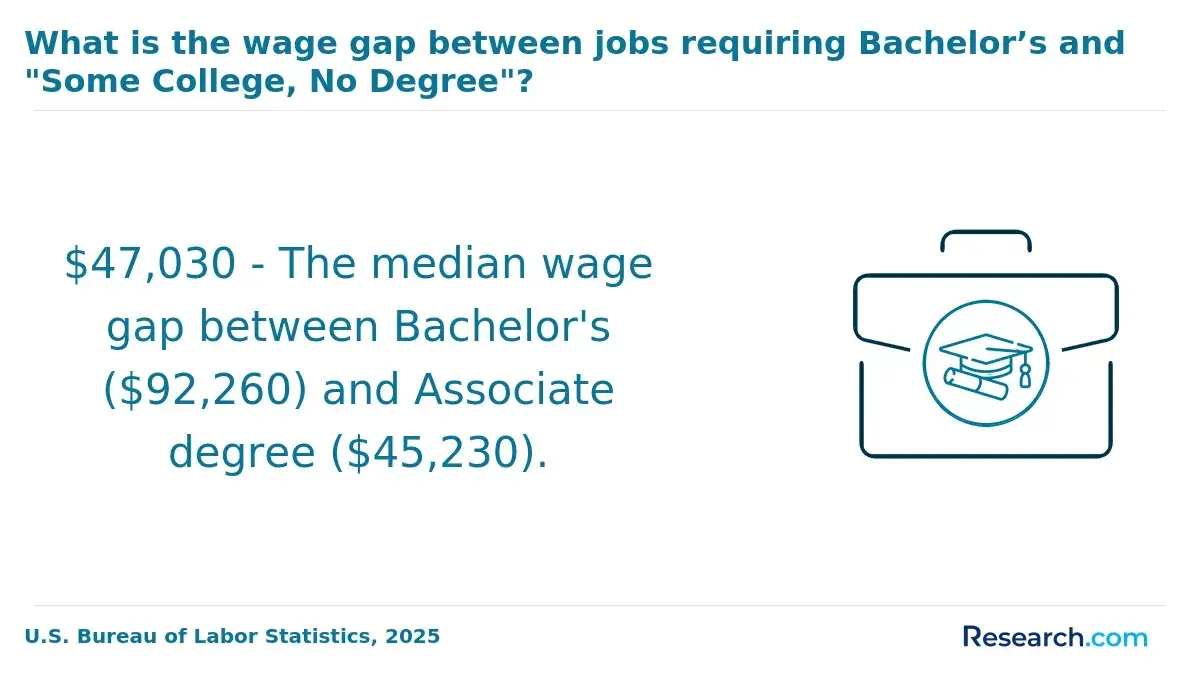
There is usually no direct salary premium simply for choosing a weekly start format or a self-paced accelerated format. Median salaries for social workers with a bachelor's degree generally range from $50,000 to $60,000 annually, but earnings are shaped more by licensure, degree level, specialization, experience, employer type, geographic location, and role responsibilities than by course pacing.
- Time-to-completion: Accelerated programs may help students enter or advance in the workforce sooner, which can lead to earlier salary gains. Weekly start programs may take longer but can support steadier progress for working students.
- Skills and competencies: Employers value assessment, case management, documentation, ethics, advocacy, communication, and crisis response skills. Both formats can build these competencies if the curriculum and field experience are strong.
- Career advancement: Weekly start programs may make it easier to balance work and study, supporting gradual advancement. Self-paced programs may appeal to students trying to qualify for new roles sooner.
- Return on investment: Self-paced options may produce faster financial returns if students complete quickly and maintain employment. Weekly start programs may reduce financial strain by spreading coursework and costs over time.
- Employer perception: Employers usually prioritize relevant experience, licensure progress, and demonstrated competence over the exact online format.
- Licensure impact: For many social work careers, salary growth depends heavily on meeting licensure requirements. Students should verify that their program supports the credential they intend to pursue.
The better salary strategy is to choose the format that helps you finish a credible program, complete field requirements, and move toward the appropriate license or role. Students still exploring online options across majors can compare online college degree programs to understand how format and workload vary by field.
What Graduates Say About Their Weekly Start Online Degrees vs Self-Paced Accelerated Social Work Degrees
- Tristan: "Choosing a weekly start online social work degree made all the difference for me because it allowed me to begin classes right away without waiting for a traditional semester to start. I budgeted carefully and used a combination of scholarships and federal aid to manage the average $15,000 cost effectively. This program's steady pace helped me build my skills consistently, which quickly translated to a promotion at my nonprofit job."
- Jesiah: "I opted for the self-paced accelerated social work program because I needed to finish my degree while balancing a full-time job and family. The flexible schedule was worth every penny of the roughly $12,000 total cost I invested, especially since I spread out payments over time. Graduating faster has already enhanced my confidence and credibility in clinical settings, making me a sought-after professional."
- Christopher: "My decision to pursue a weekly start online social work degree was driven by my desire for structured learning and continuous engagement. Although the cost was close to $15,000, I prioritized federal grants and employer tuition assistance, which alleviated the financial pressure. The practical knowledge I gained has been instrumental in advancing my career in social services, allowing me to advocate more effectively for vulnerable populations."
Other Things You Should Know About Social Work Degrees
Yes. Weekly start online programs commonly cap transfer credit at 30 to 60 semester hours, while accelerated self-paced social work programs may accept more prior credit but still require completion of core social work courses and all field practicum hours under CSWE-accredited standards.
Both program types typically require reliable internet access, a computer, and common software tools for assignments and communication. However, weekly start online programs may demand stricter adherence to specific platforms and synchronous sessions, while self-paced accelerated programs often allow more freedom in how and when students interact with course materials. Ensuring up-to-date technology is essential for success in either format.
In 2027, weekly start online social work programs often align their field placements with specific weekly schedules and start dates, providing structured, consistent timelines. Self-paced programs allow more flexibility, letting students arrange placements independently as they progress through their studies, accommodating varied personal schedules but requiring more self-management.
A 2027 weekly start online degree offers consistent scheduling and regular interaction with instructors, fostering a structured learning environment. This format ensures steady progress through the curriculum, which benefits students who prefer set deadlines and scheduled interaction over a self-paced approach.
References
- Is an Accelerated MSW Program Right for You? https://careerkarma.com/blog/accelerated-msw-programs/
- Best 1-Year Online MSW Programs https://www.onlinemastersdegrees.org/best-programs/social-work-msw/1-year/
- The Pros and Cons of Online MSW Programs – Should I Pursue an MSW Online? https://www.masterofsocialwork.com/resources/pros-and-cons-online-msw-programs
- Best Online Social Work Degrees 2025 https://www.affordablecollegesonline.org/degrees/social-work-programs/
- Fastest Online Master's In Counseling Programs https://www.psychology.org/counseling/fastest-online-degrees/
- Earning an Accelerated Bachelor’s Degree Online: The Pros, Cons, and Other Considerations - Intelligent https://www.intelligent.com/best-online-degrees/accelerated-pros-and-cons/
- 16 Fast Track Social Work Degrees Online - Social Work Education Center https://www.socialworkdegree.net/msw-programs/fast-track/
- Picture an Online Degree at Your Own Pace https://www.snhu.edu/about-us/newsroom/education/picture-an-online-degree-at-your-own-pace