2027 Best Accredited Online Oceanography Bachelor's Degree Programs

Co-Founder and Chief Data Scientist
Aspiring marine scientists often struggle to find accredited online oceanography bachelor's degree programs that combine rigorous academics with flexible schedules. This challenge becomes more pressing given that 68% of students pursuing online STEM degrees seek programs recognized by employers to boost job prospects. Without proper accreditation, graduates risk limited career advancement in a competitive field focused on climate change and marine resource management. This article identifies top accredited online oceanography bachelor's programs-focusing on curriculum quality, faculty expertise, and career outcomes-to guide students in making informed educational choices aligned with their professional goals.
Key Points About the Best Accredited Online Oceanography Bachelor's Degree Programs
- Students gain specialized skills in marine data analysis, remote sensing, and environmental modeling-key competencies demanded by research institutions and marine technology firms.
- Online programs reduce expenses by eliminating relocation and commuting costs, often saving students up to 40% compared to traditional campus tuition.
- Graduates access diverse opportunities, including internships with coastal agencies and collaborations on global marine conservation projects, enhancing career prospects in a growing $150 billion ocean economy.
What are the best accredited online Oceanography bachelor's degree programs?
Choosing a best accredited online oceanography bachelor's degree program is a strategic move for students aiming for long-term success in this specialized scientific field. Research shows that degrees from accredited institutions correlate with higher graduation rates and improved career outcomes. Below is a selection of top online bachelor's degrees in oceanography with accreditation, each offering distinct advantages for distance learners.
- Oregon State University: OSU's Ecampus offers a Bachelor of Science in Oceanography accredited by the Northwest Commission on Colleges and Universities (NWCCU). The program integrates applied marine research through virtual labs and partnerships with the Hatfield Marine Science Center, enhancing experiential learning for remote students.
- University of Florida: UF's online Bachelor of Science in Environmental Science with an emphasis on oceanography is accredited by the Southern Association of Colleges and Schools Commission on Colleges (SACSCOC). Students benefit from a proprietary learning platform enabling synchronous collaboration with faculty and peers, creating a close-knit academic community.
- Texas A&M University: Texas A&M offers a Bachelor of Science in Oceanography with regional accreditation from the Southern Association of Colleges and Schools (SACS). The curriculum features specialized courses in marine geosciences and remote sensing technologies, giving students a unique focus on coastal and marine practical studies.
- University of Maine Online: Accredited by the New England Commission of Higher Education (NECHE), this Bachelor of Science in Marine Science emphasizes hands-on fieldwork opportunities. Online learners coordinate local experiences to gain direct practical exposure to marine ecosystems.
These programs exemplify the best accredited online oceanography bachelor's degree programs in the US by combining rigorous academics with innovative technology and real-world applications. Students interested in these fields should consider the blend of accreditation quality and program features when making their choices. For those looking for alternatives in advanced degrees, exploring easiest edd programs may also provide valuable perspective on flexible study paths available in scientific disciplines.
What accreditation standards should an online Oceanography bachelor's degree program meet?
Maintaining rigorous standards ensures that online oceanography bachelor's degree programs offer education comparable to traditional classroom experiences-an essential aspect for students pursuing credible, quality training. Currently, just over 50 institutions hold accreditation specifically involving comprehensive marine science curricula, reflecting the specialized nature of this discipline. Below are key accreditation benchmarks to consider when evaluating an online oceanography program.
- Regional Accreditation: This foundational accreditation by recognized U.S. Department of Education agencies confirms that the overall institution meets broad quality standards including faculty qualifications and student support services. Confirm a school's regional accreditation status by checking official education department listings.
- Curriculum Rigor: Accredited programs must integrate core sciences such as biology, chemistry, physics, and geology with in-depth marine science topics. Verify that course syllabi emphasize both theoretical understanding and practical application through labs and fieldwork simulations adapted for online delivery.
- Faculty Expertise: Instructors are required to have advanced degrees and relevant research experience in oceanographic sciences. Assess faculty credentials through program websites or academic profiles to ensure expert-led instruction.
- Hands-On Learning: Effective online programs provide virtual labs, simulations, or partnerships with local facilities to recreate experiential learning accurately. Inquire about the availability and quality of such interactive components before enrolling.
- Support Services: Comprehensive academic advising, technical support, and accessible learning platforms are reviewed by accreditors to confirm they meet diverse student needs in remote settings.
With so many options available, students seeking the best accredited online oceanography bachelor's degree programs should scrutinize these elements to guarantee a program's legitimacy. For those interested in related fields, exploring affordable options for an engineer degree online can complement scientific training through accredited pathways.
How can I check the accreditation status of an online Oceanography bachelor's program?
Verifying the accreditation of an online oceanography bachelor's degree program is essential because only personal confirmation ensures the school's claims are genuine. About 87% of U.S. college students attend regionally accredited institutions, which generally hold higher recognition than nationally accredited ones. Use the following steps to confidently check a program's standing.
- Confirm Institutional Accreditation: Start with the U.S. Department of Education's Database of Accredited Postsecondary Institutions and Programs (DAPIP). This resource verifies if the college or university holds valid national or regional accreditation recognized by the federal government.
- Check Accreditor Validity: Visit the Council for Higher Education Accreditation (CHEA) website to confirm the legitimacy of the accrediting agency itself, ensuring it meets high-quality standards.
- Research Program Recognition: Look for any programmatic accreditation or endorsements from professional oceanography or marine science organizations-these indicate specialized rigor relevant to the field.
- Consult State Agencies: Reach out to your state's higher education department to verify the institution's approval to offer online degrees, especially in sciences like oceanography.
A professional who graduated from an accredited online oceanography program shared that initially, the verification process felt overwhelming due to conflicting information online. He explained, "I kept questioning if the school was truly credible because the program wasn't as widely known." Using tools like the Department of Education's database ultimately gave him confidence. He advised prospective students to be patient and persistent, emphasizing that "taking control of the research saved me from wasting time and money on questionable programs."
Why is it important to check if an online Oceanography bachelor's program is accredited?
Accreditation serves as the essential gatekeeper for federal financial aid and ensures your degree holds value beyond graduation. Over 85% of credits earned at regionally accredited schools transfer successfully-a critical factor when considering different institutions. Below are key reasons to confirm you choose a regionally accredited online oceanography bachelor's program for quality education.
- Financial Aid Access: Federal student aid is only available through accredited programs, making tuition manageable for many students. Without it, financing your degree becomes significantly more challenging.
- Credit Transferability: Accredited programs boast high transfer rates, often exceeding 85%, which is crucial if you plan to continue your education or switch schools without losing progress.
- Employer and Graduate Recognition: Nearly 90% of marine science employers prefer graduates holding degrees from accredited programs, ensuring your qualification is respected when entering the workforce.
- Quality Curriculum: Accreditation mandates rigorous scientific and technical standards, providing critical training in fieldwork, lab techniques, and environmental data analysis necessary for oceanography careers.
- Qualified Faculty: Programs must employ experts in marine ecosystems and geophysical methods, ensuring your academic experience includes both theoretical and practical knowledge.
Choosing an unaccredited oceanography program risks long-term setbacks in financial support and career opportunities. If you are also interested in other fields, consider exploring options like an construction management degree for varied accredited degree choices.
Does the online Oceanography curriculum mirror the rigor of on-campus programs?
Both online and traditional oceanography programs offer robust curricula that prepare students for careers in marine sciences, yet they differ in how they deliver hands-on experiences and interaction. Each approach balances theoretical knowledge with practical application, tailored to their format's strengths.
- Laboratory Experience: Traditional programs provide frequent in-person labs using specialized equipment, while online programs rely on virtual labs and remote data analysis to simulate these activities. Neither is objectively superior, but online options often supplement with partnerships for local practical access.
- Fieldwork Opportunities: Field studies are essential in both modalities. On-campus students typically engage in organized excursions, whereas online learners complete local or regional internships to fulfill hands-on requirements adapted to their location.
- Student Interaction: Traditional settings favor face-to-face discussions and mentorship, but accredited online courses use live webinars and synchronous sessions to foster collaboration and expert guidance, effectively bridging the gap.
When I spoke with a professional who graduated from an accredited online oceanography bachelor's program, he emphasized how challenging yet rewarding the experience was. "Balancing real-time classes with my job was tough," he shared, "and getting hands-on felt different without a central lab, but virtual simulations were surprisingly thorough." He added that local internships helped bridge theory with practice, boosting both confidence and competence. His reflection highlights that while the learning processes differ, the rigor and depth remain consistent across both learning paths.
How much does it cost to attend an accredited online Oceanography bachelor's degree program?
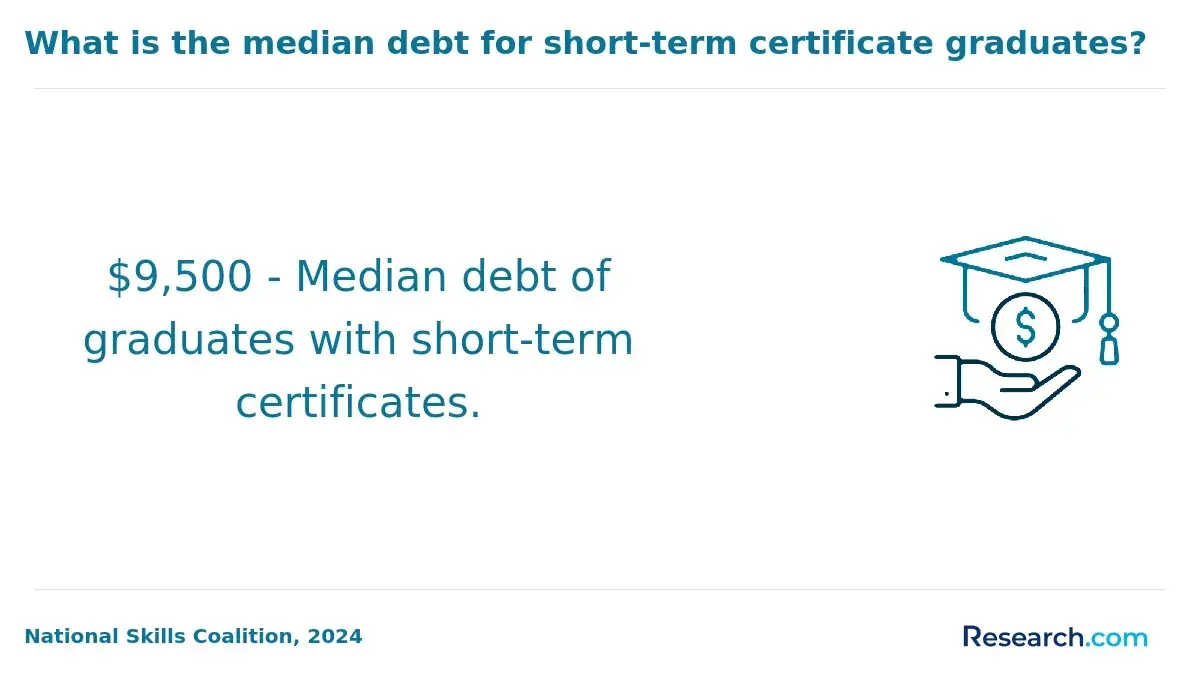
Performing a clear cost-benefit analysis is crucial for students planning to pursue an accredited online oceanography bachelor's degree. Understanding all expenses, including tuition, fees, and additional costs, helps in managing finances effectively and avoiding unexpected financial burdens. Tuition rates typically range between $300 and $600 per credit hour, which means a full 120-credit program can cost from about $36,000 up to $72,000.
Beyond tuition, students should anticipate extra fees such as technology charges ($50-$150 per semester), virtual lab fees ($100-$300 per course), and digital textbook subscriptions costing between $200 and $600 annually. Occasional proctoring fees for exams-around $30 to $60 each-may also apply. According to the National Center for Education Statistics, online tuition is generally 15% to 30% less expensive than comparable on-campus programs, offering significant savings for distance learners.
These online program costs differ notably from traditional on-campus expenses by eliminating indirect costs like commuting, housing, and meal plans. This reduction in "hidden" expenses can make pursuing an online oceanography degree more affordable and accessible for many students.
What financial aid options are available for Oceanography students?
Securing diverse funding sources is crucial to reducing the overall debt burden associated with earning a bachelor's degree in oceanography online. In fact, approximately 85% of undergraduate students in the U.S. receive some form of financial aid, with federal aid totaling over $120 billion annually. Below are some key financial aid options available specifically for oceanography students:
- Federal Pell Grant: This need-based grant does not require repayment and helps cover tuition and related expenses. Eligibility is determined by financial need through the Free Application for Federal Student Aid (FAFSA).
- National Science Foundation (NSF) Scholarships: Designed for students in STEM fields including oceanography, these scholarships support academic excellence and research potential, often requiring recipients to maintain strong GPAs and commit to STEM careers.
- Merit-Based Scholarships: Offered by schools and private organizations, these awards recognize academic performance, leadership in marine or environmental groups, or demonstrated passion for marine sciences.
- American Geophysical Union (AGU) Scholarships: Targeted toward undergraduates in geosciences, these scholarships usually require AGU membership and submission of research proposals or essays related to oceanographic studies.
- State-Based Grants: Many students qualify for grants or tuition waivers when enrolling in their home state's public universities. Proof of residency and enrollment status is typically necessary.
What are the career outcomes for graduates of online Oceanography bachelor's degree programs?
The job market for graduates with an accredited online oceanography bachelor's degree values the specialized skills and practical knowledge gained through these programs. Employers seek candidates who can blend scientific expertise with data analysis and environmental awareness-traits developed during rigorous online coursework. Below are some common career opportunities for online oceanography degree graduates:
- Marine Scientist: This role involves studying ocean ecosystems and assessing environmental changes. Marine scientists analyze data to understand the effects of climate change on marine habitats, a responsibility well-supported by the research and analytical skills earned in an oceanography degree.
- Environmental Consultant: Environmental consultants advise industries and government bodies on reducing ecological damage. Their work often involves field research, geographic information systems (GIS), and navigating environmental regulations, all of which are covered extensively in accredited oceanography curricula.
- Government Oceanographer: These professionals contribute to resource management and policy development related to fisheries, coastal protection, and pollution control. The ocean processes knowledge developed in degree programs enables effective decision-making in these critical sectors.
- Marine Data Analyst: A specialized role focused on advanced modeling software to interpret complex oceanographic data. Marine data analysts predict weather patterns and assess risks, which supports public safety and navigation efforts.
Students researching job prospects with an accredited online oceanography bachelor's degree will find that environmental science careers are growing faster than average. For those balancing education with other responsibilities, there are resources highlighting the best degrees for stay at home moms, including options in oceanography, making it more accessible for diverse learners.
What is the employer perception of online Oceanography graduates?
Hiring managers have grown more accepting of online oceanography degrees, especially when they come from accredited schools. A 2023 survey by the National Association of Colleges and Employers revealed that 78% of employers regard accredited online degrees in STEM fields, including oceanography, as equally credible compared to traditional campus degrees. This shift reflects confidence in graduates' proven abilities rather than the format of their education.
Employers value specific skills gained through online programs, such as strong self-discipline, time management, and proficiency with digital tools like GIS and remote sensing software. Familiarity with virtual platforms for data simulation and remote collaboration is increasingly important in modern oceanographic research. The ability to adapt quickly to new technologies also stands out as a critical advantage for online graduates.
While the method of learning no longer raises significant doubts, recruiters still prioritize the reputation of the institution and whether its oceanography program holds proper accreditation. These factors are essential in confirming a candidate's qualifications and readiness to contribute effectively in the field.
How can I choose the best accredited online Oceanography bachelor's degree for my goals?
Choosing the best accredited online oceanography bachelor's degree programs for career goals requires a structured approach to align personal ambitions with program strengths. With online enrollment in specialized fields growing rapidly, 61% of students now prioritize convenience and support when selecting their educational path. Consider these key criteria to guide your decision:
- Curriculum Relevance: Programs should offer courses covering core oceanographic disciplines like marine biology, geology, and environmental science paired with practical skills such as data analysis and remote sensing. This ensures you gain both theoretical knowledge and applied expertise valued by employers.
- Faculty Expertise: Access to instructors actively engaged in marine science research or professional practice enriches learning. Expert faculty also provide insights into industry trends and facilitate valuable networking opportunities critical in oceanography careers.
- Hands-On Learning Opportunities: Even in online formats, virtual labs, internships, or fieldwork components are crucial. These elements build real-world experience and the technical competencies needed to excel in this scientific field.
- Flexibility and Support Services: Many online students balance education with other responsibilities. Programs offering flexible course schedules and strong academic advising improve persistence and completion rates.
- Career Outcomes: Investigate employment statistics and connections to marine research organizations or environmental agencies. These pathways smooth the transition from study to professional roles.
Students interested in interdisciplinary pathways related to oceanography may explore programs like the SLP bridge pathway for communication sciences graduates, which exemplifies structured options for enhancing career prospects.
When selecting online oceanography bachelor's degree programs with recognized accreditation, focusing on these critical factors supports a tailored educational experience that meets your specific ambitions in this dynamic field.
What Graduates Say About Their Online Bachelor's in Oceanography
- Paxton: "Choosing an accredited online oceanography bachelor's degree was crucial for me because it ensured the quality and recognition of my education. The flexible schedule allowed me to balance work and study without stressing about commuting costs. This degree opened doors to exciting research positions in marine science, which has truly transformed my professional life."
- Ameer: "What stood out about the accredited online oceanography program I attended was its affordability compared to traditional on-campus options, making it financially accessible. Reflecting on my experience, the comprehensive curriculum paired with real-world applications gave me confidence as I transitioned into the environmental consulting field. I'm grateful for the solid foundation it provided, helping me advance my career steadily."
- Nathan: "As a working professional, I valued the convenience and credibility that came with an accredited online oceanography degree. The cost savings on housing and transportation were significant, easing my financial concerns. This program not only bolstered my scientific knowledge but also enhanced my qualifications for leadership roles in marine resource management."
Other Things You Should Know About Oceanography Degrees
To enroll in a 2027 online oceanography degree program, students typically need a reliable internet connection and a computer that supports multimedia playback for virtual labs and lectures. Software requirements may include modern browsers and tools like Zoom for webinars.
The cost of online oceanography bachelor's degree programs in 2027 varies depending on the institution. On average, tuition can range from $12,000 to $30,000 per year. Additional fees, such as technology and course materials, may apply. Some programs offer financial aid or scholarships to help offset costs.
Graduates of 2027 online oceanography bachelor's programs can work in marine environmental consulting, oceanographic research, or marine conservation. Careers may include positions like marine biologist, oceanographer, or coastal manager, often within government agencies, research institutions, or environmental organizations.
References
- The Significance of International Accreditation in Higher Education: An Educator's Perspective https://www.qahe.org/article/the-significance-of-international-accreditation-in-higher-education-an-educators-perspective/
- How Employers View Online Degrees: Interviews with Nine Hiring Executives https://www.onlineeducation.com/features/how-employers-view-online-degrees
- Best Bachelor Degrees in Oceanography at Universities in Canada 2023 — Erudera https://erudera.com/study-programs/oceanography/bachelor-degree/online/canada/
- Scholarships & Grants https://www.semesteratsea.org/financial-aid/scholarships/
- 42 Best Bachelors Degrees Oceanography courses abroad 2026 https://www.hotcoursesabroad.com/study/training-degrees/international/bachelor-degree/oceanography-courses/slevel/12-2-3/cgory/rf.8-4/sin/ct/programs.html
- Top 18 Marine Biology Scholarships to Apply for in December 2025 https://bold.org/scholarships/by-major/marine-biology-scholarships/
- 2025 Marine Biology and Biological Oceanography Tuition https://www.collegetuitioncompare.com/majors/26.1302/marine-biology-and-biological-oceanography/
- Marine Science https://www.bircham.edu/marine-science.html
- The Importance of Accreditation https://www.unicaf.org/the-importance-of-accreditation/
- How to Verify a Degree Online: 5 Simple Steps (2025 Guide) https://www.verifyed.io/blog/online-degree-verification