2027 Hybrid vs Fully Online Oceanography Bachelor's Degree Programs

Co-Founder and Chief Data Scientist
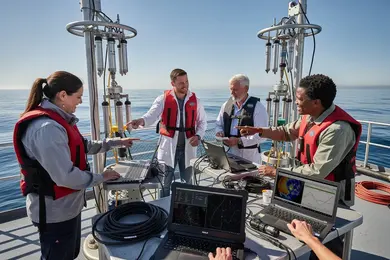
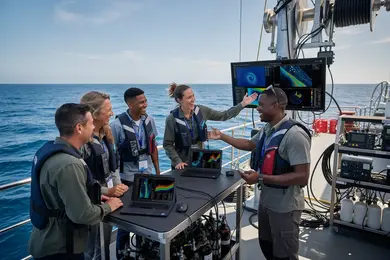
A student working full-time at a coastal research center faces a crucial choice: attend on-campus labs and occasional seminars for direct field experience or complete the oceanography bachelor's degree entirely online to balance work and study. The limited opportunity to relocate clashes with the desire to engage physically in marine environments and connect with peers and professors.
With nearly 40% of ocean-related science graduates in the U.S. opting for online or hybrid study pathways, the decision reflects a broader trend toward flexible learning models. This article explores the pros and cons of hybrid versus fully online oceanography degrees to help prospective students choose the best fit for their goals and lifestyle.
Key Benefits of Hybrid vs Fully Online Oceanography Bachelor's Degree Programs
- Hybrid programs offer structured in-person labs enhancing practical skills, while fully online options provide greater scheduling flexibility for those balancing work and family commitments.
- In-person interaction in hybrid formats fosters peer collaboration and mentorship, essential for mastering complex oceanography concepts compared to isolated fully online study.
- Fully online programs support students requiring maximum convenience, whereas hybrid models typically require regular campus visits, offering a balanced approach for diverse personal and professional responsibilities.
What Is a Hybrid vs Fully Online Oceanography Bachelor's Degree?
Hybrid and fully online oceanography bachelor's degree programs differ primarily in delivery methods, levels of in-person interaction, and overall learning structure. More than 30% of U.S. college students have enrolled in at least one online course, demonstrating the rising popularity of flexible education options. Below is a detailed comparison of key features for each format.
Hybrid Programs
- Hybrid oceanography bachelor's degree programs benefits include combining asynchronous online coursework with scheduled on-campus sessions for hands-on labs or fieldwork.
- Students must attend certain in-person classes or seminars, requiring periodic travel to campus or partner sites.
- There is more direct engagement with faculty and peers during in-person discussions and group projects.
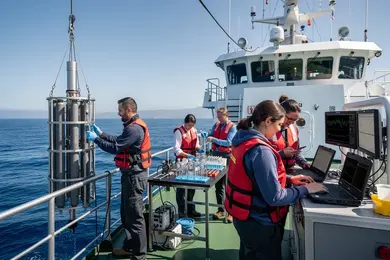
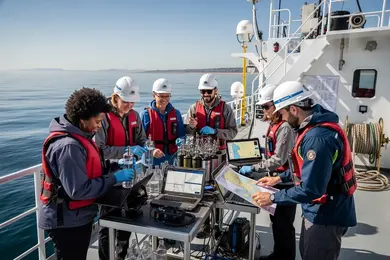
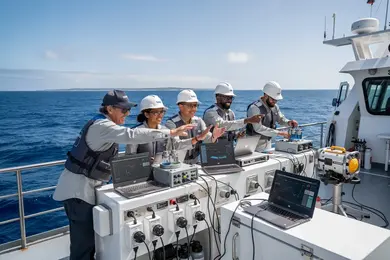
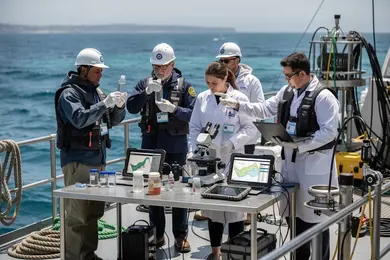
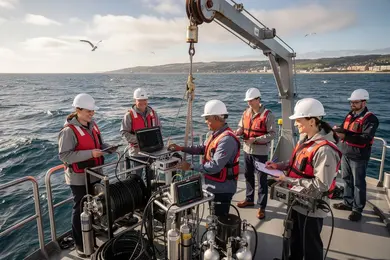
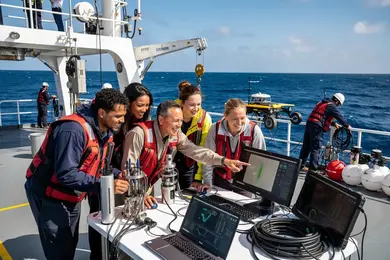
- This format offers experiential learning opportunities essential to oceanography, such as field studies and applied research.
Fully Online Programs
- The fully online oceanography bachelor's degree structure delivers all content digitally, enabling students to study from any location without campus visits.
- Students enjoy greater flexibility and can often set their own study schedules without fixed class times.
- Interaction with instructors and classmates takes place through discussion forums, video conferencing, and emails.
- Practical elements are simulated virtually through software and remote labs to approximate hands-on experiences.
- Those interested in accessible education options should explore available online colleges that accept financial aid.
How Does a Hybrid vs Fully Online Oceanography Bachelor's Degree Program Work?
Both hybrid and fully online oceanography bachelor's degree programs follow a structured academic pathway designed to build foundational knowledge and practical skills. Enrollment in online and hybrid programs in higher education has grown by over 30% in the last five years, reflecting a rising preference for flexible learning options. These programs differ mainly in how coursework is delivered and how students engage with instructors and peers. Below is a comparison that outlines how each format typically operates.
Hybrid Programs
- Coursework is split between scheduled in-person sessions and online modules accessible through a learning management system (LMS).
- Class participation involves both physical attendance and virtual discussion forums or video conferences.
- Scheduling typically follows a fixed calendar with designated days for campus attendance and asynchronous online assignments.
- Communication occurs through face-to-face interactions, email, video calls, and online messaging tools, allowing for direct engagement and collaborative work.
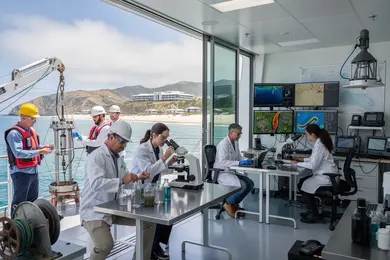
- Hybrid oceanography bachelor's degree program structure often includes hands-on labs and fieldwork that require on-campus presence.
Fully Online Programs
- All coursework is completed online, using video lectures, interactive media, and digital labs.
- Class participation depends on asynchronous discussion boards and scheduled live webinars or virtual group meetings.
- Scheduling offers a mix of asynchronous learning with specific deadlines and occasional synchronous sessions for Q&A or collaborative projects.
- Communication is primarily through email, discussion forums, video conferencing, and LMS messaging systems.
- Fully online oceanography bachelor's degree flexibility allows students to manage their study schedules around other commitments without campus visits.
Students interested in pursuing advanced degrees in such flexible formats might also explore the cheapest online graduate programs available for continuing their education in related fields.
Are Admission Requirements Different for Hybrid and Fully Online Oceanography Bachelor's Degrees?
Admission standards for hybrid and fully online oceanography bachelor's programs generally align, reflecting consistent academic benchmarks across formats. Yet, some distinctions arise due to how each program handles practical components and student engagement. Below are key areas where admission requirements tend to diverge.
- Academic Qualifications: Hybrid programs often prioritize applicants with hands-on science experience, such as lab work or field courses, since these are integral to in-person sessions. Fully online programs typically focus on academic records without emphasizing physical lab experience.
- Technical Requirements: Students applying to fully online programs usually must verify access to reliable internet and technology capable of supporting virtual learning platforms. This criterion is less rigorous for hybrid applicants who attend on-campus classes.
- Application Documents: Hybrid admissions may request a statement detailing the applicant's availability for on-campus attendance and their motivation for in-person learning. Conversely, online programs often evaluate the applicant's ability to manage self-paced study and independent learning skills.
- Geographic and Health Considerations: Proximity to campus may be a factor for hybrid program acceptance due to mandatory in-person activities, while fully online programs generally admit students regardless of location. Additionally, hybrid students might need to submit health records for participation in fieldwork, a requirement usually waived for online learners.
When asked about her experience, a student currently enrolled in a fully online oceanography bachelor's program shared, "The application focused heavily on my ability to learn independently and my access to technology rather than my lab skills."
She found preparing for admission straightforward but noted, "Making sure my internet setup was reliable felt just as important as my academic transcripts." Reflecting on the overall process, she appreciated the clear expectations and felt the virtual format offered flexibility, though she sometimes missed the direct interaction that hybrid students experience. Her insights highlight how admission emphasizes different strengths depending on the program format.
Is the Learning Experience Better in Hybrid vs Online Oceanography Bachelor's Degrees?
Hybrid oceanography bachelor's degree programs enhance learning by blending in-person sessions with online coursework. This approach allows students to engage directly with instructors, promoting quicker clarification of complex concepts and more dynamic communication. Collaborating with peers during lab work and group projects fosters deeper understanding and builds critical teamwork skills essential in the field.
On-campus access to labs and research sites gives students valuable hands-on experience that connects theory to practice. Such programs create a well-rounded educational environment that balances face-to-face interaction with flexible digital components. Fully online oceanography programs prioritize flexibility, enabling students to study from any location and manage their own schedules. While this format supports independent learning through digital resources like virtual labs, recorded lectures, and discussion forums, it often lacks the immediacy of real-time conversations with instructors and classmates.
The absence of physical labs and direct peer collaboration may reduce opportunities for active, tactile learning experiences. Online students need strong self-motivation and discipline to stay engaged and absorb challenging material without the traditional classroom structure. Despite these limitations, fully online programs can still be effective for those comfortable with virtual learning environments.
Which Is More Flexible: Hybrid or Fully Online Oceanography Bachelor's Degree?
Hybrid oceanography bachelor's degree programs offer a mix of online and in-person learning, requiring students to attend campus sessions for labs, fieldwork, or collaborative projects. This format provides moderate flexibility, allowing students to complete lectures and assignments remotely while managing a fixed schedule for on-campus components. It suits those looking for structured face-to-face interaction alongside digital coursework. However, the need for periodic campus visits can restrict overall scheduling freedom.
Students considering flexible learning options in oceanography bachelor's degrees should weigh the benefits of some campus engagement against these attendance demands. Fully online oceanography programs deliver the highest degree of flexibility by enabling students to study from any location without campus visits.
These programs often use asynchronous learning methods, permitting learners to access materials and complete assignments according to their own timelines. This autonomy is valued by many; a recent survey showed 73% of online learners prioritize managing their own study schedules. While the independent format suits those balancing work and personal commitments, some may find it challenging to replace in-person collaboration and hands-on experiences. For detailed considerations about costs related to remote education, explore accounting degree online cost.
What Is the Workload for Hybrid vs Fully Online Oceanography Bachelor's Degrees?
Both hybrid and fully online oceanography bachelor's degree programs maintain equivalent academic rigor but differ notably in pacing, organization, and the demands they place on students' time management. Research from 2021 by the Online Learning Consortium indicates that students in these formats commonly dedicate around 14 to 16 hours per week to their studies, though this can fluctuate based on course setup and delivery style. These distinctions lead to varied approaches in how students handle their workload.
In hybrid oceanography programs, the coursework is split between face-to-face lab sessions and online components. Students must attend scheduled in-person classes, which embeds a fixed routine into their week. This mix of synchronous meetings alongside online tasks requires disciplined planning to juggle campus visits with flexible digital assignments. The blended format supports steady progress by integrating real-time interaction with independent study, helping learners avoid last-minute pressures.
Fully online programs differ by predominantly using asynchronous coursework, allowing students to engage with lectures, readings, and assignments on their own timetable within set deadlines. The absence of regular live sessions means students need strong self-motivation and organization to keep up. Virtual labs and online discussions replace traditional labs and classroom interactions, offering greater flexibility but also demanding consistent effort to stay on track. This format suits those balancing additional commitments but can pose challenges in preventing procrastination or falling behind.
How Does Tuition Compare for Hybrid vs Online Oceanography Bachelor's Degrees?
Tuition structures for hybrid and fully online oceanography bachelor's degree programs differ due to delivery methods, institutional policies, credit requirements, and various fees. Typically, fully online programs offer a cost advantage, with tuition often 10-20% lower per credit hour than hybrid programs in comparable STEM fields, according to a National Center for Education Statistics report.
- Per-Credit Costs: Hybrid programs generally charge higher tuition per credit because they include in-person instruction, which demands more campus resources and faculty involvement. Fully online courses reduce these overheads, leading to more affordable per-credit pricing.
- Technology and Campus Fees: Online students may pay technology fees to support digital platforms, but hybrid students frequently face additional charges for campus facilities or student activities not billed to online learners.
- Residency or Facility Charges: Hybrid students often incur fees for laboratory access, specialized equipment, and campus use that online-only students usually avoid, reflecting the hands-on components required in hybrid instruction.
- Payment Flexibility: Some online programs provide flexible payment options, such as monthly installments or accelerated terms, which can make budgeting easier compared to the more traditional payment schedules in hybrid programs.
A graduate of a hybrid oceanography bachelor's degree shared that navigating the tuition process was complex due to separate billing for on-campus lab fees and technology charges. He recalled feeling initially overwhelmed by itemized statements but appreciated the transparency after discussions with the bursar's office. "It was a balancing act," he said, "managing the higher per-credit costs and unexpected fees, but the opportunity to engage directly with instructors and lab equipment made those expenses worthwhile." This insight highlights the real-world financial considerations behind tuition comparisons between hybrid and online learning formats.
Do Employers Prefer Hybrid or Fully Online Oceanography Bachelor's Degrees?
Employer perceptions of hybrid and fully online oceanography bachelor's degrees have evolved significantly as online education has become more mainstream. A 2022 survey by the Society for Human Resource Management revealed that 81% of employers now consider candidates with online degrees, up from 55% a decade ago. These shifting attitudes shape the career outlook for graduates of hybrid and online oceanography bachelor programs. Below is a comparison of how employers view these two learning formats.
- Practical Experience: Hybrid programs blend in-person and online instruction, often providing direct hands-on training and laboratory access. This practical element is highly valued by employers, especially for fields like oceanography that emphasize fieldwork and lab skills. Fully online programs may rely more on virtual simulations and remote kits, which some employers still scrutinize regarding the depth of practical training.
- Soft Skills Development: Hybrid formats typically facilitate face-to-face collaboration and communication, enhancing soft skills employers seek. Fully online degrees sometimes face skepticism about the opportunities for interpersonal engagement, although many programs are improving interaction through virtual teamwork and discussions.
- Institution Reputation: Employers generally prioritize the prestige of the awarding institution over delivery mode. Graduates from reputable schools, whether hybrid or fully online, tend to encounter fewer hiring challenges. This factor often outweighs concerns about program format.
- Acceptance Trends: While fully online oceanography degrees are increasingly accepted, hybrid degrees may still hold a slight edge due to perceived stronger practical and interpersonal preparation. Understanding these nuances can help students better evaluate their options according to their personal circumstances.
Students who are also researching pathways in related fields might be interested in exploring an online masters of social work as a comparable example of evolving employer acceptance across disciplines.
Who Should Choose a Hybrid vs Fully Online Oceanography Bachelor's Degree?
Deciding between a hybrid and fully online oceanography bachelor's degree depends largely on personal learning styles, schedule flexibility, and lifestyle needs. Both formats offer unique advantages that cater to different types of students. The following points highlight who should consider each option to find their best fit.
- Hands-On Learners: Those who thrive with practical experience and enjoy working directly with scientific equipment or in field settings benefit from hybrid programs that combine in-person labs and fieldwork with online study.
- Flexible Schedulers: Students needing adaptable study times due to work or family commitments will find fully online oceanography degrees ideal, as these programs allow learning from anywhere without fixed campus hours.
- Structured Routine Seekers: Individuals who prefer consistent on-campus presence and face-to-face interactions with peers and instructors typically excel in hybrid formats that provide a clear schedule and direct access to resources.
- Independent Learners: Self-motivated students comfortable with managing their progress and engaging with coursework remotely are well suited for fully online degrees that promote autonomy.
- Remote Residents: Those living far from institutions offering oceanography, or who cannot relocate or commute regularly, benefit most from the convenience of fully online options.
- Career Advancers: Students aiming for the best fully online oceanography bachelor's degrees for career advancement can balance current responsibilities while progressing academically without geographic constraints.
For learners exploring degree options in scientific fields, online programs in other areas, such as a graphic design degree online, also demonstrate how diverse flexible learning paths can meet differing student needs effectively.
How Can I Succeed in a Hybrid vs Fully Online Oceanography Bachelor's Degree Program?
Success strategies for hybrid and fully online oceanography bachelor's programs differ due to their distinct formats and interaction levels. Hybrid students combine in-person and digital learning, while fully online learners rely solely on virtual engagement. The following approaches can help students excel in each setting.
- Structured Scheduling: Hybrid students should build a consistent weekly routine that balances on-campus labs with online lectures, while fully online students need dedicated daily time blocks to stay disciplined and avoid procrastination.
- Active Participation: Being physically present during hybrid labs enhances comprehension; fully online learners should compensate by engaging frequently in virtual discussions and group projects to maintain interaction.
- Preparation and Review: Hybrid learners benefit from previewing digital materials before attending campus sessions, while online students should use simulation software and virtual labs to reinforce concepts interactively.
- Effective Communication: Hybrid students can utilize office hours and in-person study groups, whereas fully online students must leverage video calls and online forums for ongoing support and feedback.
- Organized Note-Taking: Both formats require systematic notes stored in cloud-based platforms to keep track of mixed media resources and easily access lectures and assignments.
- Environment Optimization: Hybrid learners should allocate time for commuting and plan accordingly; fully online students must create distraction-free workspaces to enhance focus and productivity.
What Graduates Say About Hybrid vs Fully Online Oceanography Bachelor's Degree Programs
- Paxton: "Choosing a fully online oceanography program allowed me the flexibility to continue working full-time while pursuing my degree. The interactive virtual labs and access to expert faculty made navigating complex topics manageable despite not being on campus. Today, my online degree has opened doors to field research opportunities I never expected. "
- Ameer: "I picked a hybrid oceanography bachelor's because I wanted a balance of hands-on fieldwork and online learning convenience. Managing both remote lectures and weekend labs taught me discipline and adaptability that are crucial in marine science careers. This unique experience truly prepared me to solve real-world environmental challenges professionally."
- Nathan: "As someone living far from coastal research centers, the fully online oceanography program was my best option. Initially, coordinating projects remotely was daunting, but the program's strong peer network and supportive advisors made it manageable. Earning this degree remotely has been pivotal in advancing my career in marine policy and consulting."
Other Things You Should Know About Oceanography Degrees
Internships are highly recommended for both hybrid and fully online oceanography students because experiential learning is crucial in this scientific field. Some programs include internship placement assistance, while others expect students to find opportunities independently. Hybrid students have easier access to on-campus career services, but online students can also leverage virtual resources.
Hybrid programs generally offer more face-to-face networking opportunities through campus events, labs, and seminars, fostering peer and faculty connections. Fully online students may rely more on virtual forums, webinars, and online professional groups, which can be effective but require more intentional engagement. Both formats encourage networking, but hybrid may provide a more traditional environment.
Accreditation standards for hybrid and fully online oceanography bachelor's degree programs are consistent, as both must meet the same academic quality requirements set by regional and program-specific accrediting bodies. Prospective students should verify that their chosen program's accrediting agency is recognized to ensure transferability of credits and employer recognition regardless of delivery format.
References
- The Benefits of Accelerated Online Learning - The Hub https://hub.fullsail.edu/articles/the-benefits-of-accelerated-online-learning
- Do Employers Prefer Online Or In-Person Degrees? - Bluesky Thinking https://bluesky-thinking.com/do-employers-prefer-online-or-in-person-degrees/
- Hybrid Programs- Which Students Want Them? https://encoura.org/resources/wake-up-call/hybrid-programs-which-students-want-them
- Hybrid Flexible Learning studies at VIZJA - VIZJA University in Warsaw https://vizja.pl/en/studia-hfl-w-vizja/
- Difference between Hybrid, Online & In-Class Degree Programmes | BSBI https://www.berlinsbi.com/blog/what-is-the-difference-between-hybrid-online-and-in-class-degree-programmes
- Hybrid class vs. online: Choosing the best for your student https://www.asuprepdigital.org/blog/hybrid-class-vs-online/
- 4 Flexible Ways to Earn a College Degree on Your Schedule https://www.stjohns.edu/news-media/johnnies-blog/4-flexible-ways-earn-college-degree-your-schedule-0
- UniScout https://www.uniscout.app/course/marine-freshwater-biology