2027 Online Oceanography Bachelor's Degree Programs With No SAT or ACT Requirements

Co-Founder and Chief Data Scientist
Many prospective students face barriers when applying to online oceanography bachelor's degree programs due to mandatory SAT or ACT scores. For those who neither took these exams nor performed well, this requirement can block access to a promising STEM career. Recent data show nearly 60% of U. S. universities have adopted test-optional policies, reflecting a shift in admissions that emphasizes academic performance and skills over standardized testing.
This article examines accessible online oceanography bachelor's programs without SAT or ACT requirements, providing guidance to help nontraditional and test-optional applicants pursue their educational and professional goals.
Key Benefits of Online Oceanography Bachelor's Degree Programs With No SAT or ACT
- Online oceanography bachelor's programs without SAT or ACT requirements broaden access for underrepresented and nontraditional students who may face barriers in standardized testing.
- Flexible online formats accommodate working students, enabling them to balance employment and education without relocation or rigid schedules.
- Streamlined admissions reduce application complexity and decision time, with 42% of prospective students favoring test-optional programs for faster enrollment.
Who Should Consider an Online Oceanography Bachelor's Degree With No SAT or ACT?
Test-optional online oceanography bachelor's degree programs serve a diverse range of students by offering flexible admission options that do not rely on standardized test scores. Nearly 70% of four-year colleges and universities in the U.S. have adopted test-optional policies, reflecting a shift toward more inclusive admissions. These programs are particularly appealing to those who seek the best online oceanography degrees with test-optional admission and offer opportunities for students with varied academic and professional backgrounds. Below are some key groups who can benefit from these flexible pathways.
- Working Adults: Balancing careers and personal responsibilities, working adults often find online programs without SAT or ACT requirements ideal as they reduce barriers to enrollment and allow for simultaneous professional and academic growth.
- Nontraditional Students: Those returning to education after a break appreciate the opportunity to restart or pivot their academic journey without the pressure of standardized tests, making these programs a natural fit.
- Prior College Experience: Individuals who have some college credits but no degree can pursue a new specialization in oceanography without retaking standardized testing they faced previously, easing their return to higher education.
- Holistic Admissions Seekers: Students who prefer admissions that weigh work experience, motivation, and personal achievements can benefit from these programs, as they offer a more inclusive assessment beyond test scores.
- Students Needing Access: Those facing geographic or socioeconomic challenges find that test-optional online oceanography programs often provide critical educational access when testing centers are unavailable or inconvenient.
Prospective applicants interested in shorter-term advanced learning options may also explore 1 year masters degree online programs to complement their bachelor's education.
What Is the Difference Between Test-Optional and Test-Free Online Oceanography Bachelor's Degrees?
Test-optional and test-free admissions policies are often confused, yet they represent distinctly different approaches for online oceanography bachelor's degrees with no SAT or ACT requirements. These policies shape how applicants are evaluated without standardized test scores. Notably, enrollment in test-free programs has risen by over 30% in STEM fields, including oceanography, over the last five years. Below is a comparison of these two key policies.
Test-Optional Online Program
- Applicants may choose whether to submit SAT or ACT scores; scores can enhance an application but are not mandatory.
- Admissions consider multiple factors including GPA, coursework, essays, and recommendations alongside optional test scores.
- This policy offers flexibility for students to present their academic profile in the best light.
- Applicants who opt out of submitting scores are not automatically disadvantaged in the review process.
Test-Free Online Program
- SAT or ACT scores are not considered at all, even if submitted by applicants.
- Evaluation focuses fully on holistic criteria such as GPA, course rigor, and personal qualities.
- The policy aims to ensure equitable access, especially benefiting students with limited testing opportunities.
- Test-free programs emphasize assessments beyond standardized tests to better accommodate diverse applicant backgrounds.
Both test-optional and test-free models are increasing access to flexible online oceanography bachelor's degree programs that do not require SAT or ACT scores, offering distinct pathways depending on how schools integrate test results into admissions decisions. Students seeking flexible options might also explore the cheapest online counseling degree programs for additional nontraditional educational opportunities.
Understanding these differences provides clarity for prospective students navigating how online oceanography programs evaluate applicants without SAT or ACT scores.
2026 Update: Checking Online Lab and Fieldwork Requirements
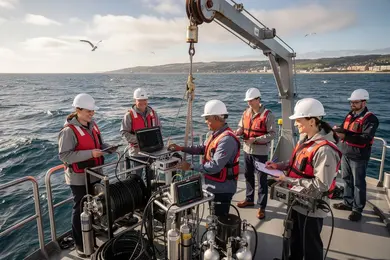
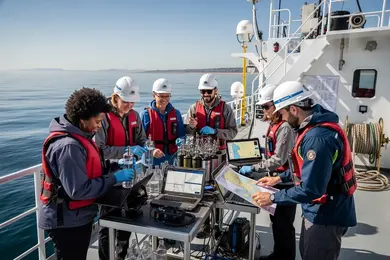
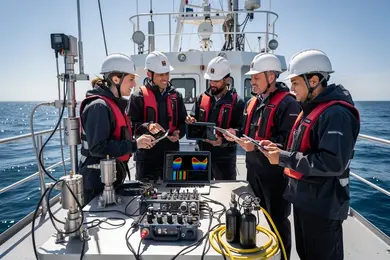
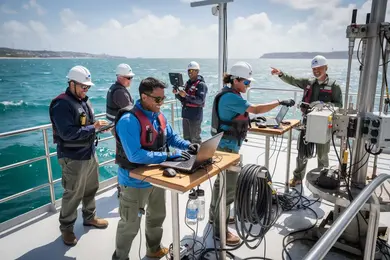
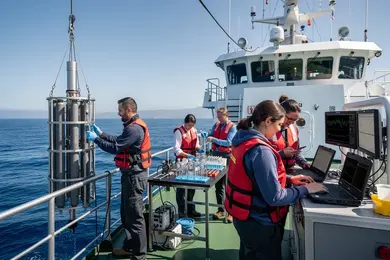
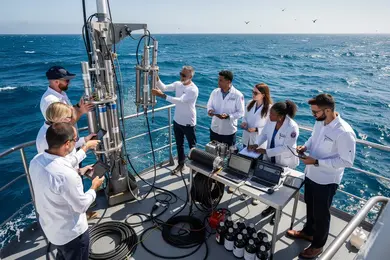
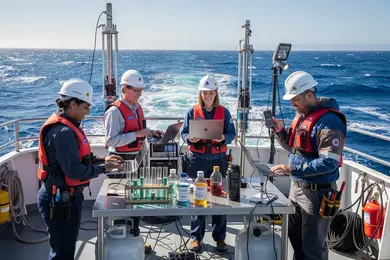
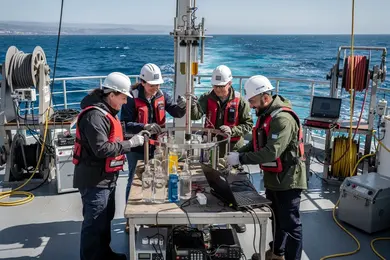
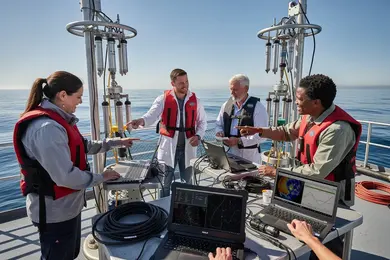
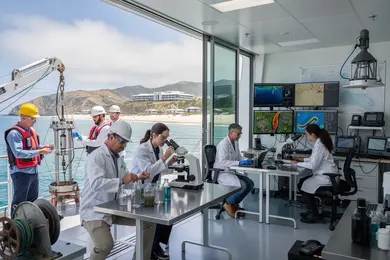
For the 2026 refresh, we added guidance on reviewing the hands-on parts of online oceanography bachelor’s programs, since marine science often requires more than recorded lectures and virtual assignments.
- Whether required labs are fully online, hybrid, or completed during short campus visits
- If fieldwork can be done near your location through approved coastal, freshwater, or environmental sites
- What equipment, software, or lab kits students must buy or borrow for remote coursework
- How the program handles students who live far from oceans or research facilities
- Whether lab schedules are flexible enough for working adults or military students
- If transfer credits can satisfy introductory science labs without delaying graduation
Looking beyond the no-SAT or no-ACT policy helps students choose a program they can realistically complete, especially when hands-on science requirements affect cost, travel, and scheduling.
What Are the Admission Requirements for an Online Oceanography Bachelor's Degree Without SAT or ACT?
Admissions for online oceanography bachelor's programs that don't require SAT or ACT scores usually rely on alternative indicators of academic and personal readiness. With roughly 70% of four-year U.S. colleges adopting test-optional policies by 2023, many schools evaluate applicants more holistically, considering a variety of achievements and experiences beyond standardized tests. Below are some common components these programs focus on.
- Academic Transcripts: Applicants must provide official high school or college transcripts to confirm their educational background and relevant coursework, particularly in science and math subjects.
- Personal Statement: A reflective essay allows students to express their interest in oceanography and demonstrate their motivation and preparedness for the challenges of a rigorous online degree.
- Letters of Recommendation: Endorsements from educators, counselors, or employers help highlight the applicant's skills, character, and dedication, offering insight into their potential for success.
- Proof of College Readiness: Evidence such as placement exam scores or completion of prerequisite classes supports the applicant's capability to handle college-level academics.
When asked about the admission process, a graduate of an online oceanography bachelor's program without SAT or ACT requirements shared his experience: "Applying without test scores was initially intimidating because I worried how to showcase my academic potential. The personal essay became my strongest tool-I wrote about my passion for marine science and how I balanced work with community volunteering. Gathering recommendation letters took time, but those came from people who knew my dedication firsthand. Overall, it felt like the application emphasized who I am beyond just numbers." This approach gave him confidence and a sense that the admissions team valued his unique journey.
Do Online Oceanography Bachelor's Degrees Require a Minimum GPA?
GPA expectations for online oceanography bachelor's programs differ significantly, with many institutions adopting comprehensive admissions practices rather than applying strict minimum GPA cutoffs. About 60% of colleges with test-optional policies use a thorough review process, evaluating transcripts, recommendations, and achievements alongside GPA. This approach reflects the diverse academic backgrounds of students pursuing online oceanography degrees.
Several common factors shape minimum GPA requirements for online oceanography bachelor's programs with no SAT or ACT requirements:
- Flexible GPA Thresholds: Schools often adjust GPA expectations depending on other strengths in an applicant's file, emphasizing a balanced perspective over rigid numbers.
- Holistic Academic Review: Admissions consider trends in academic performance, course difficulty, and improvement over time, not just cumulative GPA.
- Non-Academic Experience: Relevant work, internships, or volunteer activities related to marine sciences can positively influence admissions, supplementing a lower GPA.
- Alternative Pathways: Some programs offer conditional acceptance or provisional enrollment to students who may not meet typical GPA standards but show potential.
Applicants interested in affordable online degrees might also explore options like the cheapest online master's degree in criminal justice to compare flexible admission policies and program costs across fields.
Is It Easier to Get Into an Online Oceanography Bachelor's Degree Without SAT or ACT?
While not requiring SAT or ACT scores for admission to an online oceanography bachelor's degree program may widen access, it does not automatically make acceptance simpler. Data from the National Center for Education Statistics indicates that acceptance rates for many online programs often fall between 50% and 70%, highlighting ongoing selectivity.
Admissions committees generally perform holistic evaluations, considering academic records, recommendation letters, personal essays, and relevant coursework or experience to gauge an applicant's readiness. Consequently, test-optional policies do not always lessen competition; in fact, some programs may face increased applicant pools, making admission just as competitive depending on institutional standards and applicant quality.
When asked about her experience, a current student enrolled in an online oceanography program without SAT or ACT requirements shared that, although the absence of standardized testing lowered initial pressure, she found the application process still demanding due to the emphasis on detailed academic history and recommendations. She noted, "It felt less like jumping through a single hoop and more like proving my overall potential through various strengths." The student appreciated the chance to highlight her hands-on experience and motivation, which she felt might not have been as visible through test scores alone. Reflecting on her journey, she described the process as challenging but ultimately rewarding, emphasizing that thorough preparation and clear communication were key to standing out. This experience reinforces that gaining admission involves more than skipping standardized tests-it requires demonstrating well-rounded qualifications.
Which Online Oceanography Bachelor's Degree Programs Do Not Require SAT or ACT?
Increasingly, many online bachelor's degree programs have eliminated the need for SAT or ACT scores, embracing test-optional or test-free admissions policies. This trend aligns with a shift toward evaluating students on academic performance and coursework rather than standardized exams. Online enrollment in such programs has grown more than 20% in recent years, reflecting greater access for learners seeking flexibility.
The following list highlights common online oceanography bachelor's degree specializations that typically do not require these test scores, focusing instead on holistic application review.
- Marine Biology and Ecology: This specialization centers on the study of marine organisms and their ecosystems. Admissions emphasize prior science coursework and relevant academic achievement over standardized testing.
- Coastal and Marine Resource Management: Programs in this area focus on sustainable management of coastal and ocean resources. Candidates are often evaluated based on their demonstrated interest and academic background in related fields.
- Physical Ocean Science and Technology: This track explores the physical properties and processes of oceans using technological tools. Applicants are typically assessed through their coursework and personal statements rather than test scores.
- Environmental Science with an Oceanographic Focus: Combining environmental science principles with oceanographic content, this specialization appeals to students interested in ecological and conservation issues. Admissions review considers academic records and motivation instead of standardized tests.
- Geospatial Analysis for Marine Environments: Focused on mapping and spatial data analysis in marine settings, this area values applicants' technical skills and academic history over test performance.
How Do I Apply to an Online Oceanography Bachelor's Degree Without SAT or ACT?
Applying to online oceanography bachelor's degree programs without submitting SAT or ACT scores is generally straightforward. Such applications rely on submitting materials digitally through a centralized portal, simplifying the process for applicants. The following outlines the typical steps involved in completing your application efficiently.
- Create an Account: Begin by registering on the university's online application portal. This account enables you to manage your application, upload documents, and track progress from start to finish.
- Complete the Digital Form: Fill out the application form with your personal information, educational background, and contact details. This step focuses on gathering essential data without requiring standardized test scores.
- Upload Supporting Materials: Submit requested documents such as transcripts, identification, and recommendation letters directly through the portal. This centralized upload system helps streamline your application package.
- Review and Confirm: Before submission, verify all entered details and attached documents for accuracy and completeness. Many portals provide a summary or checklist page to help you confirm nothing is missing.
- Submit and Monitor: Finalize your application by submitting it online. You typically receive a confirmation email with details and timelines. Keep an eye on your application status in the portal and promptly respond to any additional requests from admissions staff.
How Can I Improve My Online Oceanography Bachelor's Degree Application Without SAT Scores?
Applicants who pursue online oceanography bachelor's degree programs with no SAT or ACT requirements can enhance their application by focusing on academic achievements, relevant experiences, and personal motivation. Recent findings show that 67% of colleges prioritize personal qualities and experiences as much as standardized test scores when reviewing applications. To strengthen your profile in these areas, consider the following key strategies.
- Academic Performance: Highlight strong grades in science and math coursework to demonstrate your readiness for a rigorous oceanography curriculum. Even without test scores, your transcript serves as a reliable indicator of your ability to succeed in demanding subjects.
- Personal Statement: Craft a compelling narrative that expresses why you are passionate about studying oceanography. Include personal experiences that sparked your interest and outline your career goals to illustrate your commitment and potential contributions.
- Relevant Experience: Showcase involvement in activities such as volunteering with environmental organizations, completing internships, or participating in science clubs and competitions. These experiences emphasize your dedication beyond academics and your preparedness to engage deeply in your field.
- Supporting Materials: Provide strong letters of recommendation from teachers or mentors who can attest to your character, work ethic, and academic promise. Such endorsements help create a well-rounded application that compensates for the absence of standardized test scores.
For students exploring flexible pathways, programs like a 1 year online mba no gmat illustrate how many schools now offer test-optional or alternative admissions routes. These evolving standards benefit those applying to online oceanography programs with no ACT or SAT requirement by spotlighting holistic review principles.
What Mistakes Should I Avoid When Applying Without SAT or ACT?
Test-optional and test-free policies have expanded access to online oceanography bachelor's degree programs, yet applicants may still weaken their chances by overlooking critical components of the application. A 2023 study revealed that nearly 30% of submissions to such programs were delayed or rejected because of incomplete or inconsistent materials. To improve your odds, it is essential to focus on key application elements.
- Incomplete Materials: Failing to submit all necessary documents like transcripts and recommendation letters can hinder a comprehensive review of your qualifications. Admissions committees need complete files to fairly evaluate your potential.
- Weak Personal Statements: Generic or unfocused essays that do not express sincere interest in oceanography or highlight unique experiences may fail to capture attention. Demonstrating passion and relevant skills is crucial, especially when standardized test scores are absent.
- Overlooked Experience: Not emphasizing internships, research projects, or coursework related to oceanography can be a missed opportunity. These experiences help compensate for the lack of SAT or ACT scores by showcasing practical knowledge and commitment.
- Poor Proofreading: Errors or inconsistencies in your application and supporting documents can signal a lack of attention to detail. Carefully reviewing your submission helps avoid avoidable mistakes that raise concerns for admissions officers.
Applicants seeking to navigate common application mistakes without SAT or ACT for online oceanography degrees should align their efforts accordingly. For prospective students comparing costs in STEM fields, references such as the mechanical engineering cost of education provide useful context and planning insights.
Will Not Taking the SAT or ACT Affect My Career After an Online Oceanography Bachelor's Degree?
Standardized test scores like the SAT or ACT have little influence on long-term career prospects after earning an online oceanography bachelor's degree. Employers tend to focus more on relevant skills, practical experience, and academic achievements rather than test results submitted during college admission. According to a recent survey by the National Association of Colleges and Employers, 80% of employers prioritize hands-on skills and workplace experience over standardized testing when assessing candidates. This shift highlights the importance of demonstrated ability over earlier test performance in professional settings.
Career advancement in oceanography relies heavily on excelling in coursework, acquiring specialized technical and analytical skills, and participating in internships or research projects. Building strong professional qualities like problem-solving, communication, and teamwork also plays a critical role. Success is more likely for those who engage actively in their field and develop a robust network within scientific and industry communities. Consequently, not submitting SAT or ACT scores does not diminish a graduate's potential to thrive in oceanography careers.
What Graduates Say About Online Oceanography Bachelor's Degree Programs With No SAT or ACT
- Paxton: "Choosing an online oceanography bachelor's degree without the stress of SAT or ACT requirements allowed me to focus on the coursework and gain practical knowledge at my own pace. The flexibility helped me balance work and studies, which was crucial since I transitioned from a different field. This degree has truly opened doors for me in marine research and environmental consulting, proving that traditional testing isn't the only path to success."
- Paisley: "Initially, I was worried that not having SAT or ACT scores would limit my options, but enrolling in an online oceanography bachelor's program showed me how inclusive and accessible education can be. It was challenging to adapt to online learning and stay disciplined, but the program's supportive faculty made a significant difference. Professionally, this path empowered me to contribute meaningfully to sustainable ocean management initiatives, something I'm very proud of."
- Nathan: "From a professional standpoint, pursuing an online oceanography bachelor's degree without SAT or ACT hurdles was a strategic choice. It saved me time and stress, allowing me to dive straight into specialized subjects like marine ecology and climate impact studies. This education has enhanced my credibility in environmental policy work, proving that rigorous academics and flexible admissions can coexist."
Other Things You Should Know About Oceanography Degrees
Online oceanography bachelor's degree programs typically include courses in marine biology, geology, chemistry, physics, and environmental science. Students also study ocean currents, ecosystems, and data analysis techniques specific to marine environments. Many programs require lab work or field research, which can sometimes be completed through local partnerships or virtual simulations.
Most online oceanography programs encourage or require internships and research projects to provide hands-on experience. These opportunities help students apply theoretical knowledge in real-world settings like marine labs, government agencies, or environmental organizations. Programs may offer flexibility to complete these requirements near the student's location.
The standard duration for an online oceanography bachelor's degree is four years of full-time study. Part-time options can extend this timeline, often ranging from five to six years based on the student's pace. Some accelerated programs allow completion in three years, especially if transfer credits or prior coursework are accepted.
In 2027, online oceanography bachelor's programs often include virtual simulations, fieldwork opportunities during summer, and collaborative research projects. These experiences aim to provide students with practical insights and prepare them for oceanography careers, despite the absence of traditional on-campus labs.
References
- Oceanography, B.S. https://www.fit.edu/programs/oceanography-bs/
- 5 easily avoidable mistakes to think about when looking at colleges https://www.augustana.edu/blog/5-easily-avoidable-mistakes-think-about-when-looking-colleges
- 10 Mistakes to Avoid When Pursuing an Online Degree - Peterson's https://www.petersons.com/blog/10-mistakes-to-avoid-when-pursuing-an-online-degree/
- 6 Mistakes to Avoid When Completing Your College Application https://www.c2educate.com/6-mistakes-to-avoid-when-completing-your-college-application/
- Test Optional, Test Blind, Test Flexible: What's the Difference? https://www.collegedata.com/resources/prepare-and-apply/test-optional-test-blind-whats-the-difference
- Admission Requirements https://seu.edu/admission/admission-requirements/
- Oceanography Degree- Best Schools, Major & Programs https://www.onlinedegree.com/bachelors/oceanography/
- Oceanography (BS) https://catalog.calpoly.edu/science-mathematics/oceanography-bs/
- Oceanography | Shasta College https://www.shastacollege.edu/academics/programs/oceanography/
- Admission Requirements https://catalog.colorado.edu/undergraduate/admissions/admission-requirements/