2027 How Fast Can You Earn an Online Oceanography Bachelor's Degree? Timelines & Completion Options

Co-Founder and Chief Data Scientist
Many students hesitate to enroll in an online oceanography bachelor's degree due to uncertainty about program length and completion speed. Balancing work, family, and education can make committing to a multi-year schedule daunting. According to recent data, 45% of online STEM undergraduates seek accelerated pathways to enter the workforce sooner. This scenario underscores the importance of understanding flexible timelines, credit transfer policies, and accelerated course options available for oceanography degrees.
This article explores various program structures and completion alternatives, providing clarity on how fast prospective students can realistically earn their online oceanography bachelor's degree while meeting personal and professional demands.
Key Things to Know About Online Oceanography Bachelor's Degree Timelines & Completion Options
- Flexible scheduling allows students to balance studies with work or personal commitments, enabling degree completion in as little as three years for full-time learners.
- Accelerated formats, including condensed semesters and intensive courses, can reduce typical four-year timelines by up to 25%, improving time-to-degree efficiency.
- Transferring applicable credits from prior college coursework or AP exams may shorten program length by one to two years, making faster completion achievable.
What Is the Typical Timeline for an Online Oceanography Bachelor's Degree?
Online oceanography bachelor's degrees typically require about four years of full-time study, closely aligning with traditional on-campus timelines. This duration accommodates a comprehensive curriculum that blends core sciences, specialized oceanographic subjects, and general education courses.
According to the National Center for Education Statistics, the average time to complete bachelor's degrees in science-related fields is approximately 4.3 years, providing a useful benchmark for the average time to complete an online oceanography bachelor's program. Most degrees follow a semester system with fall and spring terms, sometimes including summer sessions, helping students complete around 120 to 130 credit hours within this timeframe.
Timelines may vary slightly depending on institutional calendars and admission policies, but the four-year track remains standard. Flexibility in online course delivery does not usually reduce the overall duration, as mastering scientific concepts and completing lab or research components demands steady, paced study. Practical aspects like remote labs and field assignments ensure academic rigor comparable to in-person programs.
Students considering online oceanography degrees should plan realistically for this timeline to balance academic depth with manageable workload, ensuring they graduate well-prepared for careers or further study in marine sciences. For those exploring educational paths, research highlights most useful degrees across disciplines, including oceanography.
What Are Accelerated Online Oceanography Bachelor's Degree Programs?
Accelerated online oceanography bachelor's degree programs enable students to complete their studies faster than traditional four-year degrees by condensing coursework and providing flexible scheduling. These programs typically shorten the completion time to about two to three years, depending on factors like prior credits and course loads. This approach suits students eager to enter the workforce sooner through fast track online oceanography degree programs.
Key features of these accelerated programs include:
- Condensed Coursework: Students engage in a rigorous curriculum that covers material in less time, often requiring more focus and sustained effort during each term.
- Shorter Terms: Terms typically last 8 to 12 weeks instead of traditional 15-week semesters, allowing for multiple sessions throughout the year including summer, which speeds up degree progress.
- Intensive Learning: Course formats are designed for continuous learning with fewer breaks, demanding disciplined study habits and strong time management skills.
- Flexible Start Dates: Programs offer multiple enrollment periods annually, eliminating long waits for traditional fall or spring starts and promoting uninterrupted academic momentum.
- Ideal Candidates: These programs often suit motivated learners who can handle accelerated pacing and heavier workloads without compromising quality of education.
Students interested in exploring affordable options for this accelerated path might consider reviewing affordable online bachelor degree programs that fulfill oceanography requirements. Accelerated online oceanography bachelor's degree completion times can be significantly reduced through such structured, intensive educational models.
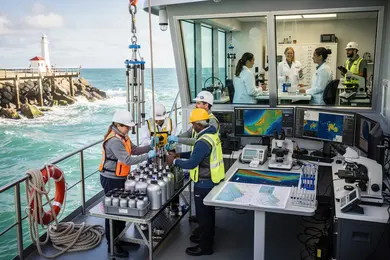
2026 Update: Lab, Fieldwork, and Capstone Scheduling
For 2026, this update adds guidance on hands-on requirements that can quietly affect how quickly students finish an online oceanography bachelor's degree, especially in science-heavy programs.
- Check whether lab courses are fully online, hybrid, or require in-person attendance.
- Ask if fieldwork, coastal research, or marine sampling experiences are required for graduation.
- Review when upper-level oceanography courses are offered, since some may run only in certain terms.
- Confirm whether prerequisites must be completed before enrolling in major lab or research courses.
- Find out how capstone projects are scheduled and whether faculty approval is needed in advance.
- Ask how missed lab sessions, field dates, or project milestones affect your expected graduation term.
Understanding these requirements early helps students build a realistic completion plan and avoid delays that may not appear in a standard online course sequence.
Many students pursuing an online oceanography bachelor's degree can transfer credits from previous college work, which helps speed up degree completion. In fact, nearly 10% of all online bachelor's students are transfers, showing how common this process is in online education. Here are some important considerations when transferring credits to an oceanography program:
- Eligibility Requirements: Credits usually must come from regionally accredited schools and fit within the academic standards set by the oceanography program to be accepted.
- Transferable Credit Types: General education courses like math, physics, and chemistry are typically transferable, along with science electives relevant to the oceanography curriculum.
- Credit Assessment: Official transcripts and detailed course information are reviewed by academic advisors or a transfer evaluation committee to confirm equivalency and relevance to degree needs.
- Transfer Credit Limits: Institutions often cap the number of transferable credits, commonly between 60 and 90 semester hours, ensuring most coursework is completed within the degree-granting school.
- Grade Minimums: Only courses with satisfactory grades-generally a C or better-are eligible for transfer to maintain academic standards.
One graduate shared that navigating the transfer process was "both reassuring and stressful." He described how assembling official syllabi and transcripts required patience, and the uncertainty about how many credits would be accepted made planning challenging. "Waiting for the evaluation felt like a hurdle, but once I knew my credits transferred, I could map out a faster path to graduation," he recalled. His experience highlighted that while transfer credit policies varied between schools, perseverance paid off by significantly reducing his time spent earning the degree.
Online oceanography bachelor's degree programs vary mainly between self-paced and scheduled formats, affecting how quickly students can finish their studies. Self-paced options let learners set their own speed, often leading to faster completion. According to a 2021 Online Learning Consortium report, students in self-paced programs complete degrees about 20% sooner than those in scheduled programs.
Self-Paced Online Programs
- Flexible Progression: Students can accelerate through coursework when their schedule allows, which supports quicker completion for highly motivated individuals.
- Time Management Demands: Without fixed deadlines, strong discipline is essential to prevent procrastination that can delay finishing the degree.
- Limited Availability: Not all institutions provide self-paced online oceanography bachelor's degree programs, which may restrict accessibility to this faster option.
Scheduled Online Programs
- Structured Timeline: Courses follow a semester or quarter calendar with fixed start dates and deadlines, providing clear pacing for students who prefer routine.
- Longer Duration: Adhering to the institution's term schedule usually extends the time needed to graduate compared to self-paced formats.
- Predictable Expectations: The consistent schedule benefits learners who succeed with regular weekly deadlines and peer interactions, helping maintain steady progress.
Choosing between scheduled vs self-paced oceanography bachelor's degree duration depends largely on learning style and how well a student manages time. For students exploring various degree options, considering a master of construction management program may offer similarly flexible pathways to advancement.
Part-time enrollment in an online oceanography bachelor's degree program typically extends the time needed to complete the degree beyond the standard full-time timeline. Whereas full-time students might finish within four years, part-time students often take around five to six years, balancing their coursework with work, family, and other personal commitments. Research indicates that approximately 58% of part-time undergraduates take longer than six years to graduate, reflecting the additional pressures on adult learners juggling multiple responsibilities.
These programs offer flexibility in course load each term, allowing students to proceed at a manageable pace without sacrificing academic progress. Choosing part-time study often means prioritizing steady advancement over speed, ensuring education fits alongside other life demands.
A graduate of an online oceanography bachelor's degree program shared that managing coursework alongside full-time employment was challenging but ultimately rewarding. She recalled feeling overwhelmed during some semesters when work deadlines and family obligations clashed with exams or projects, yet she found that the program's flexible scheduling allowed her to stay on track without burnout. "I never had to choose between my job and school because the pace adapted to what I could handle each term," she reflected. Her experience highlighted the importance of persistence and time management, illustrating that while the journey took longer than traditional paths, the degree was attainable and meaningful on her own schedule.
The duration needed to complete an online oceanography bachelor's degree can differ greatly, influenced by various elements such as course design and the learner's pace. Some students might progress quickly through accelerated options, while others take more time due to personal circumstances. Key factors shaping completion times include the following:
- Enrollment Status: Full-time students generally complete their degrees faster, often around four years, by taking a full course load. Part-time students usually extend their timeline, balancing studies alongside work or family responsibilities.
- Course Availability: The scheduling and frequency of oceanography classes impact progress. Programs offering accelerated or condensed courses can shorten the duration, while limited offerings or classes held infrequently may cause delays.
- Program Flexibility: Options like credit transfers, placement exams, and asynchronous learning allow students to tailor their studies. Those who test out of requirements or study on their own schedule might finish sooner, whereas others may need extra time.
- Personal Commitments: Responsibilities outside school, such as employment and family duties, often require part-time study and extend the timeframe needed to graduate.
Online oceanography bachelor's degree programs demand a steady commitment, usually requiring students to spend between 15 and 20 hours each week on their studies. This time covers a variety of coursework activities, including reading, assignments, and interactive elements. Keeping this workload manageable is important to progress effectively through the degree.
Key factors influencing the workload include:
- Weekly Study Hours: Students should anticipate dedicating 15 to 20 hours weekly to watching lectures, completing readings, and reviewing course materials to deepen their understanding of oceanography concepts.
- Assignment Expectations: Coursework typically involves writing assignments, lab reports, and research projects that require careful analysis, critical thinking, and attention to scientific detail.
- Online Participation: Active involvement in discussion boards, group projects, and virtual labs is generally required to demonstrate mastery of the material and engage with peers and instructors.
- Balancing Responsibilities: Many learners manage studies alongside jobs, families, or other personal commitments, making disciplined time management critical for meeting deadlines and maintaining steady progress.
- Practical Components: Although the degree is delivered online, some courses may include virtual labs or fieldwork assignments, adding practical experience and depth to the learning process.
Consistent focus and engagement help students navigate these demands, enabling them to maintain a balanced pace and work toward completing their online oceanography degree on a flexible timeline.
Multiple start dates in online degree programs allow students to begin their studies at various times throughout the year instead of being confined to traditional semester schedules. This structure offers significant enrollment flexibility, enabling students to start coursework as soon as they are ready without waiting for a fixed term. In fact, surveys show that nearly 60% of online programs provide rolling or multiple-term start options, reflecting the benefits of multiple enrollment dates for online oceanography degree completion across many institutions.
This flexibility influences how students pace their studies and plan their courses, allowing a more personalized approach to sequencing classes in line with their individual needs and schedules. While it does not necessarily shorten the total time required to finish an online oceanography bachelor's degree, multiple start dates can reduce gaps between courses and support continuous academic momentum.
Such options help students maintain steady progress through their program milestones, demonstrating how flexible start dates speed up online oceanography bachelor's programs by facilitating consistent enrollment. For those exploring related fields, online colleges for hospitality management also frequently adopt this approach to enhance student flexibility.
The cost of completing an online oceanography bachelor's degree often depends on how quickly a student finishes the program. Tuition is typically charged per credit hour, with the average cost for science-related degrees ranging from $300 to $600 per credit at many online schools. Finishing faster usually means fewer total credits and terms, which can reduce overall expense. However, the relationship between time to complete an online oceanography bachelor's degree and cost savings is influenced by several factors.
These factors include:
- Tuition Structure: Some programs charge flat fees per term regardless of course load, so accelerating pace might not lower tuition significantly if fees remain constant each term.
- Term-Based Fees: Registration, technology, and materials fees often apply every term, so reducing the number of terms can save on these recurring costs.
- Workload Intensity: Completing the degree more quickly usually requires a heavier course load per term, increasing time commitments and potentially indirect expenses like study materials and technology upgrades.
- Opportunity Cost: A faster path to graduation might allow earlier entry into the workforce, decreasing lost income during study. Conversely, a longer timeline can delay full-time employment earnings.
- Financial Aid Eligibility: Some financial aid programs require maintaining a certain enrollment status or academic pace, which can impact total aid and therefore affect the net cost.
Students considering accelerated learning options should weigh these elements carefully. For insight into similar programs, exploring options like a computer science degree online might provide additional perspective on timelines and cost management.
Accelerating the completion of an online oceanography bachelor's degree is possible with focused planning and disciplined course management. Research indicates that students who keep a consistent, full-time study load can cut their graduation timeline by up to 25%, finishing what typically takes four years in around three or less. Implementing practical strategies can help maintain steady progress without overwhelming the student.
Key methods to speed up degree completion include:
- Consistent Course Loads: Maintaining a balanced number of classes each semester helps sustain momentum and steady credit accumulation, avoiding the pitfalls of fluctuating workloads.
- Year-Round Enrollment: Taking advantage of summer or intersession courses allows students to use the full academic calendar to earn credits faster.
- Strategic Scheduling: Choosing courses that fulfill multiple program requirements simultaneously or cover prerequisites early reduces delays and streamlines progression through the curriculum.
- Disciplined Study Habits: Staying organized and managing time well enables students to handle the pace of accelerated learning while ensuring comprehension and retention.
These approaches combine to create a more efficient path toward earning an online oceanography degree.
What Graduates Say About Online Oceanography Bachelor's Degree Timelines & Completion Options
- Benjamin: "Choosing an online oceanography bachelor's program allowed me to balance work and study without relocating, which was crucial given my family commitments. The flexible pace meant I could accelerate my coursework whenever I had time, making the typical timeline feel shorter. Economically, the program was far more affordable than traditional options, allowing me to graduate without burdening myself with debt."
- Angelina: "Reflecting on my journey, the biggest appeal of completing my oceanography degree online was the self-directed nature of the course timeline, which gave me control over when and how I completed assignments. Financially, the value was clear-tuition was significantly lower than in-person programs, which made it a smart investment. This degree has been pivotal in advancing my career in marine research and opened doors to new job opportunities I hadn't anticipated."
- Aubrey: "My decision to pursue an online bachelor's in oceanography stemmed from needing a program that accommodated my full-time job schedule and personal commitments. The modular course design facilitated steady progress without overwhelming deadlines, which suited my professional lifestyle. Upon completion, the online degree carried the same respect as traditional degrees in my industry, greatly enhancing my qualifications and earning potential."
Other Things You Should Know About Oceanography Degrees
Yes. Most online oceanography bachelor’s programs require at least some in-person science labs or fieldwork, often completed in short campus residencies, local partner labs, or approved coastal research sites. Many schools also require 120 semester credits, including upper-division marine science courses and a capstone.
Yes, an online oceanography bachelor's degree can prepare students for graduate studies in marine science or related fields. Accredited programs often follow similar academic standards as traditional programs, covering foundational knowledge essential for advanced research. Completion of a bachelor's degree with a strong academic record and relevant coursework supports eligibility for master's or doctoral programs.
In 2027, online oceanography programs typically offer specialization options such as marine biology, ocean chemistry, and physical oceanography. These concentrations allow students to tailor their studies to specific interests, providing a deeper understanding and enhancing career opportunities in targeted fields.
Students enrolled in online oceanography bachelor's programs are generally eligible for the same types of financial aid as traditional students. This includes federal aid, scholarships, grants, and loans, depending on the institution's policies and the student's qualifications. Prospective students should consult financial aid offices to explore available funding options.
- Marine Biology And Oceanography BSc (Hons) https://www.bangor.ac.uk/courses/undergraduate/cf17-marine-biology-and-oceanography-bsc-hons
- Oceanography | Shasta College https://www.shastacollege.edu/academics/programs/oceanography/
- Fisheries and marine sciences degree now available online https://www.uaf.edu/news/fisheries-and-marine-sciences-degree-now-available-online.php
- Oceanography Degree- Best Schools, Major & Programs https://www.onlinedegree.com/bachelors/oceanography/
- Bachelor's Degree Marine Science https://www.bircham.edu/bachelor-s-degree-marine-science.html
- Transferring into Oceanography - CSUM https://maritime-archive.calpoly.edu/admissions/requirements/transfers/oceanography.html
- Marine Biology with Oceanography https://www.liverpool.ac.uk/courses/marine-biology-with-oceanography-bsc-hons
- Picture an Online Degree at Your Own Pace https://www.snhu.edu/about-us/newsroom/education/picture-an-online-degree-at-your-own-pace
- Start an online degree within weeks https://www.walbrook.ac.uk/degrees/studying-with-us/learning-online/flexible-start-dates/