2027 Online Oceanography Bachelor's Degree Programs With No Prerequisites

Co-Founder and Chief Data Scientist
Many professionals with unrelated undergraduate degrees face barriers when switching to oceanography due to strict prerequisite requirements. This limitation often delays career shifts into this vital field, despite a growing demand for experts in marine science. In fact, employment in environmental science and oceanography is projected to grow 11% from 2022 to 2032, faster than the average for all occupations. Online oceanography bachelor's programs with no prerequisites offer a practical solution by allowing learners to begin directly without prior coursework.
This article explores these programs and guides readers in selecting flexible, accredited options to facilitate a smooth transition into oceanography careers.
Key Benefits of Online Oceanography Bachelor's Degree Programs With No Prerequisites
- Online oceanography bachelor's programs without prerequisites offer flexible scheduling, ideal for working professionals balancing education with career and personal commitments.
- These programs enable accelerated skill acquisition by focusing on relevant coursework without requiring previous academic background, shortening the time to competency.
- Students gain valuable credentials aligned with industry standards while managing tuition and timelines, supported by financial aid and credit transfer options tailored to adult learners.
What Does 'No Prerequisites' Mean for Online Oceanography Bachelor's Degree Programs, and Who Benefits Most?
In online oceanography bachelor's degree programs, no prerequisites means students can enroll without completing any specific prior college courses or meeting formal academic requirements beforehand. This is distinct from open admission policies-common in community colleges-where anyone with a high school diploma or equivalent may enroll. It also differs from low-barrier enrollment, which might require minimal qualifications like placement tests or basic skills assessments. No-prerequisite programs eliminate traditional barriers related to prior science or math classes, enabling students to begin their oceanography studies directly.
This approach especially benefits career changers without a science background, providing a flexible path to enter marine science fields without retaking unrelated courses. Working adults and returning learners appreciate these programs' accommodation of busy schedules and responsibilities, while first-generation college students gain access to specialized degrees like oceanography without intimidating upfront requirements.
According to the National Center for Education Statistics (NCES), non-traditional students-including adult learners and part-time enrollees-are increasing in number, underscoring the need for accessible and adaptable education options such as no prerequisites for online oceanography bachelor's degree programs.
Key topics covered in this article include:
- Admissions Flexibility: How removing required prior coursework broadens access for those switching careers or returning to education.
- Program Quality: Accreditation and rigorous curriculum standards ensure a valuable education despite open access policies.
- Student Support: Services such as tutoring, advising, and flexible scheduling aid diverse learners in mastering challenging science content.
- Financial Aid Options: Available scholarships and grants help non-traditional students manage tuition without extensive prior academic records.
For those evaluating their options, it's also useful to explore the range of easy degrees to get online to find programs that fit lifestyle and career goals.
Which Accredited Online Oceanography Bachelor's Programs Accept Students With No Prior College Coursework?
Several regionally accredited institutions offer online oceanography bachelor's degree programs that accept students with no prior college coursework. These programs are tailored for working adults, first-generation college students, or career changers seeking accessible pathways back to education. Some schools waive prerequisites outright, enabling immediate enrollment, while others integrate foundational or bridge courses within the curriculum to build essential skills before advancing to upper-level courses.
- Old Dominion University: With a strong marine science focus, Old Dominion provides an online marine science bachelor's degree with an oceanography concentration. Regionally accredited by the Southern Association of Colleges and Schools Commission on Colleges (SACSCOC), it admits students directly without requiring prior credits and offers foundational online courses to prepare learners for advanced study. The university enrolls about 25,000 students annually and supports online learners with comprehensive student services.
- Coastal Carolina University: Accredited by SACSCOC, Coastal Carolina offers an online Bachelor of Science in Coastal and Marine Science featuring oceanography options. While not requiring previous college coursework, students engage in foundational biology and chemistry courses within the degree plan. Approximately 10,000 students enroll each year, and the university provides tutoring and academic advising dedicated to online students.
- University of Washington-Continuing Education Program: Primarily a certificate and bachelor's completion provider, this program is regionally accredited by the Northwest Commission on Colleges and Universities (NWCCU). It offers online oceanographic science courses that help bridge students with limited prior coursework into degree programs, using preparatory asynchronous learning modules. The University of Washington serves over 40,000 students, with a growing online population.
- Florida Institute of Technology: FIT's online Bachelor of Science in Marine Biology includes oceanography components and is regionally accredited by SACSCOC. It admits students with minimal prerequisites and supplements learning with foundational science sequences online to support those without prior credits. Enrollment is near 6,000, with extensive financial aid and credit transfer options.
- University of Maine at Augusta: UMA offers a fully online Bachelor of Science in Marine Science focused on oceanography, accredited by the New England Commission of Higher Education (NECHE). It accepts students without previous college coursework by incorporating bridge courses in essential scientific topics early in the program. The university enrolls close to 3,500 and emphasizes flexible scheduling alongside robust support services for online learners.
Online oceanography bachelor's degrees with open admission policies typically maintain regional accreditation to ensure quality and credit transferability. Foundational coursework helps students develop necessary science and math skills, while academic advising, tutoring, and career counseling provide vital support. Prospective students should also examine financial aid availability and credit transfer policies to optimize their educational investment. For those exploring affordable alternatives, programs also exist among the cheapest online bachelor's degree in psychology options-highlighting the diverse pathways to degree completion available in today's online academic landscape.
2026 Update: Lab and Fieldwork Readiness for Online Oceanography Students
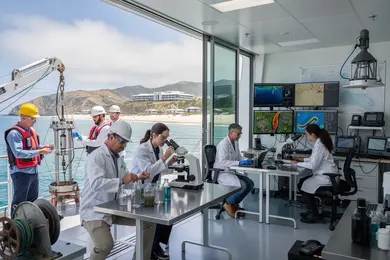
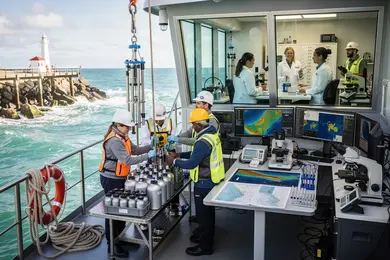
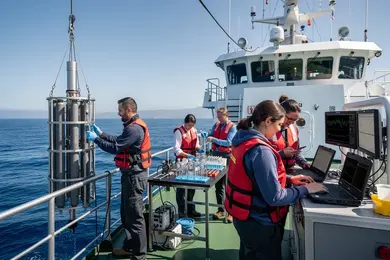
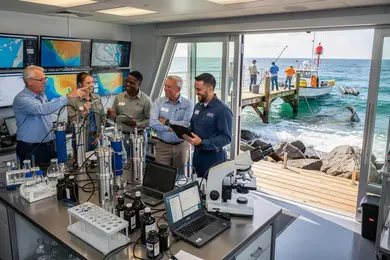
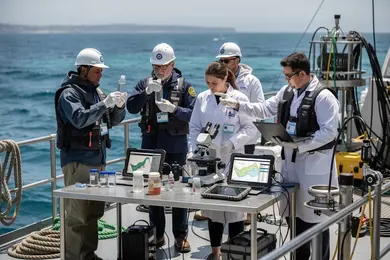
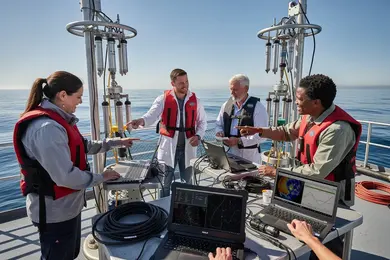
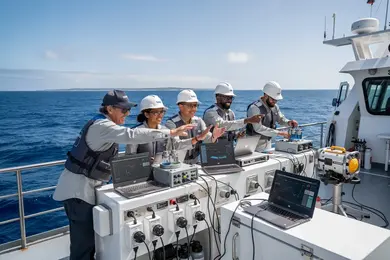
For 2026, this section adds a closer look at how no-prerequisite online oceanography bachelor’s programs handle hands-on science requirements, since lab and field experiences can vary widely in remote formats.
- Whether introductory lab courses use mailed lab kits, simulations, local observations, or campus visits.
- If any fieldwork requires travel, weekend participation, or access to a shoreline, lake, aquarium, or research site.
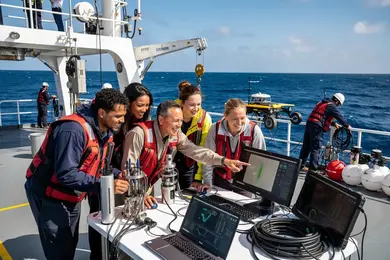
- What technology is needed for mapping, data analysis, ocean modeling, or remote sensing assignments.
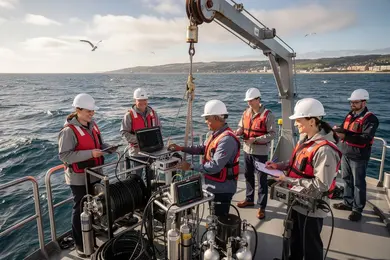
- Whether safety training is required before completing water sampling, specimen handling, or outdoor observations.
- How students document lab work, field notes, photos, measurements, or environmental data from a distance.
- If lab fees, equipment costs, or required software are listed separately from tuition.
Checking these details helps students choose a program that is not only accessible without prerequisites but also realistic for their location, schedule, and learning style.
How Do Open-Admission Policies in Online Oceanography Programs Differ From Traditional Selective Admissions?
Open-Admission Definition: Open-admission policies allow students with a high school diploma or its equivalent to enroll without requiring prior coursework, test scores, or minimum GPAs. This contrasts with selective admissions, which evaluate applicants through transcripts, entrance exams, and recommendations.
Admission Models: Unlike rolling admissions-where applications are accepted year-round with continued academic review-or conditional admissions-which require completion of remedial classes before full acceptance-open admission removes such academic prerequisites entirely, offering more direct access.
Institutional Transparency: Schools like Western Governors University and Southern New Hampshire University publicly document their open-admission policies through admissions pages and IPEDS data. The University of Maine at Fort Kent provides clear enrollment criteria and success metrics tied to their open-access online programs.
Preparation and Support: Because student academic backgrounds vary widely, these programs often incorporate foundational courses and orientation sessions in science, math, and writing to ensure readiness for core oceanography coursework.
Academic and Career Fit: Students should carefully evaluate if an open-admission online oceanography program aligns with their professional or graduate study ambitions, as research-intensive paths might be better suited to selective programs.
Enrollment Trends: Data from the National Center for Education Statistics reveal a 12% growth in adult learners enrolling at open-admission colleges in the last five years, reflecting rising demand for accessible STEM education.
A professional who pursued an online oceanography bachelor's program without prerequisites described navigating initial uncertainty due to his limited science background. "Starting felt overwhelming since I hadn't taken advanced courses before," he shared, but highlighted how developmental classes and personalized advising helped him build confidence step-by-step. He noted that the program's flexibility allowed him to balance work and study, ultimately enabling his successful transition into a new career field. "The open-admission pathway gave me the opportunity I needed when traditional routes felt out of reach."
Breakdown of Private Fully Online Nonprofit Schools

What Are the Typical Enrollment Requirements for No-Prerequisite Online Oceanography Bachelor's Programs?
Proof of Education: Even when programs waive prior coursework, most require applicants to show a high school diploma or GED. This verifies a basic academic foundation needed for success in an online oceanography bachelor's program.
Age Requirements: Typically, candidates must be at least 18 years old to enroll. Programs occasionally permit younger students through dual-enrollment options, allowing high schoolers to earn college credits early.
English Language Skills: Non-native English speakers must demonstrate proficiency through tests like TOEFL or IELTS to ensure they can fully comprehend and participate in coursework.
Accreditation Awareness: Selecting an institution with regional accreditation is crucial, as it maintains educational quality and degree recognition. This standard applies regardless of open-admission policies in no-prerequisite online oceanography programs.
Alternative Routes: For students without diplomas, pursuing adult education, GED programs, or bridge courses at community colleges can provide pathways into oceanography degrees.
Organized Application Materials: Preparing transcripts, identification, proof of credentials, and completed forms ahead of time can streamline the enrollment process and prevent delays.
Public universities often have standardized enrollment guidelines and may offer more affordable options, while private nonprofit schools usually provide additional support services but require similar documentation. Those exploring admission criteria for open-access online oceanography bachelor degrees may also benefit from related fields; for example, information about accelerated programs like the construction management degree offers useful context for career changers.
Are No-Prerequisite Online Oceanography Bachelor's Programs Available at Regionally Accredited Universities?
Regionally accredited universities ensure that online oceanography bachelor's programs meet rigorous academic standards, which significantly benefits students seeking no-prerequisite admission paths. Regional accreditation, verified through the U.S. Department of Education's accreditation database and CHEA's directory, improves credit transferability to other institutions and enhances recognition by employers. It also determines eligibility for most federal and state financial aid, making it a crucial factor for students pursuing accessible yet credible programs.
In contrast, national accreditation typically applies to vocational or specialized institutions and may limit credit transfers or financial aid opportunities. Therefore, students should prioritize regionally accredited programs to maintain academic and financial flexibility, even if they prefer open-admission or minimal entry barriers.
- Confirm Accreditation: Verify that the university holds regional accreditation by consulting the U.S. Department of Education or CHEA resources.
- Check Program Accessibility: Ensure the oceanography bachelor's program admits students without requiring prior coursework or formal prerequisites.
- Review Credit Transfer: Confirm that earned credits are transferable to other accredited institutions, which is essential for future academic or career advancement.
- Assess Financial Aid: Determine eligibility for federal and state aid, usually linked to regionally accredited schools, to support your educational expenses.
A professional who completed an online oceanography degree with no prerequisites shared that despite initial doubts about program quality, confirming regional accreditation gave her confidence in pursuing the degree. She recalled how the supportive admissions team helped navigate the process without traditional barriers, making higher education attainable. Reflecting on her experience, she noted, "I worried about whether my credits would be valued later, but because I chose a regionally accredited program, transferring to grad school was seamless." Her journey underscores how proper accreditation opened doors to both academic growth and a rewarding career in marine science.
How Do Students Without Academic Prerequisites Catch Up in Online Oceanography Bachelor's Courses?
Many online oceanography bachelor's programs tailored for students without prior coursework include essential academic supports to help bridge knowledge gaps. These resources improve learners' confidence and success rates by providing foundational skills before advancing to specialized topics.
- Developmental Courses: Accredited universities often embed introductory classes in biology, chemistry, and math as part of the curriculum or offer preparatory modules. For instance, the University of North Carolina Wilmington presents bridge courses to build core scientific skills needed for oceanography study.
- Tutoring and Academic Coaching: Personalized tutoring, both individual and group-based, is a common feature. Oregon State University's online programs integrate scheduled tutoring to clarify difficult concepts, which correlates strongly with better retention and graduation outcomes according to NSSE research on online STEM education.
- Peer Mentoring: Many programs pair newcomers with experienced students or alumni who provide academic guidance and help navigate digital platforms, fostering community and deeper engagement in coursework.
- Self-Assessment Tools: Prospective students can often access readiness quizzes and skills checklists before enrollment. Engaging with these assessments early and seeking advising improves preparedness and academic performance.
- Flexible Learning Pathways: Some institutions offer competency-based options that let students learn at their own pace, which benefits those balancing work or family while catching up on prerequisites.
A 2023 report from the Online Learning Consortium found that students utilizing academic support services are 20% more likely to graduate, emphasizing the value of these resources in no-prerequisite oceanography programs designed for diverse and nontraditional learners.
What Support Services Help No-Prerequisite Students Succeed in Online Oceanography Bachelor's Programs?
Students enrolled in no-prerequisite online oceanography bachelor's programs have access to a range of essential support services that enhance their chances of success. These resources are tailored to help learners balance work, family, and academics in a flexible environment, reducing dropout risks and encouraging degree completion.
- Academic Advising: Advisors provide personalized guidance on course selection, degree progress, and institutional policies through virtual meetings and asynchronous communication, ensuring help is accessible beyond traditional hours.
- Mental Health Resources: Many programs offer counseling and wellness workshops online, assisting students in managing stress, anxiety, and other challenges that could hinder academic performance.
- Disability Accommodations: Inclusive programs comply with accessibility standards by providing extended testing times, alternative formats, and individualized support tailored to student needs.
- Career Counseling: Virtual career planning, resume-building workshops, and job placement services prepare students for the workforce, facilitating smoother transitions after graduation.
- Flexible Virtual Support: Asynchronous discussion forums, recorded instructional content, and online tutoring are available 24/7, accommodating students with varied schedules and commitments.
According to a U.S. News study on best online bachelor's programs, institutions with robust student support systems experience retention rates approximately 15% higher than those without. This highlights the value of selecting programs with nationally recognized support infrastructure when pursuing an online oceanography degree.
Can Transfer Credits or Prior Learning Assessments Replace Prerequisites in Online Oceanography Programs?
Many online oceanography bachelor's degree programs allow transfer credits and Prior Learning Assessments (PLA) to substitute prerequisite coursework, helping students save both time and money. Prior Learning Assessments evaluate knowledge gained outside traditional classrooms, such as professional training, military service, or work experience. Common PLA methods include CLEP (College-Level Examination Program) and DSST (DANTES Subject Standardized Tests), which assess foundational subjects often required as prerequisites. These options are particularly valuable for students seeking online oceanography degrees who want to bypass formal prerequisite classes.
Key practices and policies at flexible institutions include:
- Transfer Credit Limits: Some universities accept up to 75% of required credits through transfer or PLA, allowing substantial waivers for prerequisites and accelerating degree progress.
- Approved Assessment Types: CLEP and DSST exams are widely accepted for introductory science and math courses serving as common oceanography prerequisites, helping to validate prior knowledge effectively.
- ACE Credit Recommendations: The American Council on Education (ACE) endorses credit for workplace training, military experience, and certifications applicable to oceanography, ensuring official transcript recognition.
- Documentation Requirements: Providing detailed portfolios, exam results, and transcripts is essential. Early consultation with academic advisors enhances the likelihood of maximizing awarded credits.
- Institutional Leaders: Schools such as Thomas Edison State University and Excelsior College are noted for accommodating broad transfer and exam credits with clear, student-friendly policies.
According to the National Center for Education Statistics, more than 40% of adult learners utilize transfer or PLA credits to advance their degrees, reflecting growing acceptance of alternative credit methods in higher education. Students interested in options like no-prerequisite programs might also explore financial aid and support services that enable educational success, especially when considering flexible paths like an mba online no gmat.
What Is the Average Time to Completion for No-Prerequisite Online Oceanography Bachelor's Degree Programs?
The average completion time for no-prerequisite online oceanography bachelor programs generally follows the standard 120-credit-hour requirement typical of most bachelor's degrees. However, the typical duration of no prerequisite oceanography degree online depends heavily on enrollment pace, term length, and any prior college credits transferred.
- Standard Credit Framework: Earning a bachelor's degree in oceanography typically requires around 120 credit hours. This sets the foundation for how long students may expect to remain enrolled before graduation.
- Enrollment Pace: Full-time students usually complete their studies in about four years, while part-time learners often take six years or more. Accelerated programs enable faster completion by allowing year-round enrollment and heavier course loads.
- Term Length Variations: Many accredited online oceanography programs adopt eight-week terms instead of traditional 15-week semesters. This compressed scheduling lets students finish courses quicker and potentially reduces overall time to degree.
- Prior Credit Transfer: Students without prerequisites can often shorten their degree timeline through transferring relevant credits earned elsewhere-this is crucial when those credits align closely with core requirements.
- Accelerated Program Examples: Schools like Southern New Hampshire University and Colorado State University-Global offer eight-week, year-round terms and competency-based education models designed for faster completion in oceanography fields.
- IPEDS Graduation Data: Open-admission online programs with low barriers to entry tend to have lower four-year graduation rates compared to selective-admission schools, making it important to monitor individual progress closely.
- Cost and Opportunity Impact: Since time to completion directly affects tuition costs and income lost while studying, it remains a critical factor for working adults and career changers evaluating online oceanography degrees. Those seeking cheap online degrees fast should consider this carefully.
How Does Tuition Compare Between No-Prerequisite and Standard Online Oceanography Bachelor's Programs?
The tuition for no-prerequisite online oceanography bachelor's programs typically runs lower per credit hour than that of traditional, selective programs. Open-admission formats prioritize access, often offered by public or community colleges supported by state funding, which helps keep costs down.
- Tuition Rates: Open-access programs feature reduced per-credit tuition compared to more exclusive programs found at research universities or private institutions with higher fees reflecting greater resources.
- Additional Fees: Some no-prerequisite programs require extra payments for developmental or foundational courses designed to prepare students academically, which selective programs generally do not charge. These added expenses can raise the overall cost despite lower base rates.
- Institutional Type: Many no-prerequisite options come from public or community colleges benefiting from state subsidies, whereas selective programs tend to be housed in private or research universities with elevated tuition fees.
- Program Delivery: Self-paced, fully online formats without synchronous class meetings usually cost less due to reduced overhead, unlike cohort-based, live-instruction programs that command higher tuition.
- Total Cost Consideration: Students should evaluate the entire degree expense-including fees and any supplemental coursework-rather than relying solely on per-credit comparisons to understand true affordability.
Which Online Oceanography Bachelor's Programs Allow Students To Start Without A High School Diploma Or GED?
Many accredited online oceanography bachelor's programs accept students with a GED or HiSET in lieu of a traditional high school diploma, supporting access for adult learners and career changers. These programs often implement open-admission policies to reduce entry barriers, though applicants may face certain prerequisites to ensure academic readiness.
- GED Equivalency: Institutions commonly acknowledge the GED or HiSET as valid secondary credentials, verifying equivalency during admissions and aligning with standards set by the College Board and accreditation bodies.
- Conditional Requirements: Some programs ask GED holders to complete placement exams, preparatory classes, or demonstrate a minimum GPA before advancing into core oceanography coursework, ensuring sufficient preparation for science-intensive studies.
- International Applicants: Prospective students educated outside the U.S. usually must provide credential evaluations to confirm that their secondary education matches U.S. equivalency standards, with many schools facilitating access to evaluation services.
- Support Services: To encourage student success, online oceanography programs often provide tutoring, advising, and career counseling tailored for learners entering without conventional academic prerequisites.
- Financial Aid & Transfers: Students with GED credentials are typically eligible for federal financial aid and may transfer prior college credits from accredited schools, which can reduce the time and expense needed to earn their degree.
What Graduates Say About Their Online Oceanography Bachelor's Degree Program With No Prerequisites
- Paxton: "Choosing the online oceanography bachelor's program with no prerequisites was a game-changer for me-it allowed me to dive straight into a field I'm passionate about without worrying about previous coursework. The affordability compared to traditional universities was another big plus, making it easier to balance studies and finances. Completing the program has not only boosted my knowledge but also opened doors to exciting job opportunities in marine research."
- Andy: "The flexibility of this online oceanography degree really stood out to me, especially since I was switching careers later in life. The cost was reasonable, which made pursuing higher education less daunting financially. Professionally, I've gained the confidence and credentials needed to contribute meaningfully to environmental consulting projects, which has truly reshaped my career path."
- Nathan: "Pursuing an online oceanography degree without prerequisites was a practical decision because I wanted to establish a solid foundation while managing a full-time job. The program's cost-effectiveness meant I could invest in quality education without accumulating overwhelming debt. Since graduating, I've noticed a clear impact on my career progression, including promotions and the ability to lead specialized marine studies."
Other Things You Should Know About Oceanography Degrees
Students enrolling in online oceanography bachelor's programs in 2027 can access various financial aid options, including federal and state grants, scholarships, and student loans. Institutions may also offer specific scholarships for online learners. It's essential to check with the financial aid office of each institution for specific opportunities and eligibility requirements.
Employers generally respect oceanography bachelor's degrees from accredited programs, regardless of the admission model. Open-admission online programs can be seen as accessible paths that maintain academic rigor if they hold proper accreditation and offer relevant coursework. Graduates' practical skills, field experience, and internship participation often weigh heavily in hiring decisions along with the degree itself.
Graduates can pursue roles such as research assistants, environmental consultants, marine technicians, or education specialists in aquariums and conservation groups. While some advanced positions may require graduate degrees or certification, many entry-level jobs in government agencies, nonprofits, or private environmental firms are accessible. Skill-building in data analysis, GIS mapping, and fieldwork is critical for improving career prospects.
References
- Program Brochure https://studyabroad.uwsp.edu/index.cfm
- Student Resources | Support for Online Learners https://www.ocean.edu/programs-courses/welcome-to-e-learning-and-learning-enterprises/student-resources/
- Credit for Prior Learning | Online Community College https://www.riosalado.edu/student-resources/testing-services/credit-prior-learning
- Oceanography | Shasta College https://www.shastacollege.edu/academics/programs/oceanography/
- Recognition of Prior Learning (RPL) – Frequently Asked Questions | Before you apply (MSc) | LSHTM https://www.lshtm.ac.uk/study/how-apply/applying-intensive-masters-degree/you-apply-msc/recognition-prior-learning-FAQ
- Credit for Prior Learning | Wake Tech https://www.waketech.edu/student-services/registration-and-records/prior-learning
- How to become an oceanographer | Conservation Careers https://www.conservation-careers.com/how-to-become-an-oceanographer/
- Programs - Norwalk Public Schools https://www.norwalkps.org/academics/marine-science-pathway/programs
- Oceanography, B.S. https://www.fit.edu/programs/oceanography-bs/
- Open Admission Online Colleges: How Do They Work? https://www.accreditedschoolsonline.org/online-colleges/open-enrollment/