2027 Online Oceanography Bachelor's Degree Programs With No Application Fee

Co-Founder and Chief Data Scientist
Career changers aiming to enter oceanography often encounter barriers like costly application fees that deter exploration of new academic paths. With 42% of prospective students citing application expenses as a key obstacle to enrollment in STEM-related programs, these fees limit access to valuable education. This issue is particularly acute for those juggling professional commitments who require flexible, affordable options. Online oceanography bachelor's degree programs with no application fee remove this initial financial burden, enhancing inclusivity. This article explores such programs, highlighting how they provide accessible, accredited pathways for professionals seeking to pivot into the oceanography field without upfront application costs.
Key Benefits of Online Oceanography Bachelor's Degree Programs With No Application Fee
- Compare programs by verifying regional accreditation and faculty expertise to ensure educational quality aligns with professional standards in oceanography careers.
- Evaluate tuition and fees beyond application cost, including transfer credit acceptance and financial aid options, to assess overall affordability effectively.
- Align curriculum focus and career support services with personal goals and emerging industry trends, as 14% job growth is expected in environmental sciences through 2030.
What Does 'No Application Fee' Really Mean for an Online Oceanography Bachelor's Program?
The phrase no application fee often has different meanings for online oceanography bachelor's degree programs. Some schools permanently waive application fees for all applicants, permanently reducing upfront costs. Others offer temporary waivers tied to promotional codes, specific admissions periods, or special eligibility criteria, so the waiver is not guaranteed year-round.
According to National Center for Education Statistics (NCES) data, about 65% of accredited institutions offering online science bachelor's degrees, including oceanography, still charge application fees typically ranging from $25 to $75, while roughly 35% have permanent fee waiver policies or no fees at all. Examples of accredited programs advertising no-application-fee policies include:
- University of Florida: The online Bachelor of Science in Environmental Management program permanently waives application fees, lowering entry barriers.
- Oregon State University: Its online marine sciences bachelor's track does not require an application fee for distance learners, emphasizing access.
- University of New England: Offering a marine science bachelor's program with a no-fee application process encourages a broader applicant pool.
- Permanent Fee Waiver: These programs consistently remove upfront financial barriers, which is ideal for cost-conscious students exploring no application fee meaning for online oceanography degree options.
- Temporary Waivers: Some institutions offer limited-time or conditional waivers, so applicants must time submissions or meet criteria to avoid fees.
- Data-Driven Insight: College Scorecard data highlights how upfront application costs influence application rates, making such no-fee policies crucial for informed enrollment decisions in oceanography bachelor's programs.
- Cost-Aware Comparisons: Knowing whether a fee waiver is permanent or temporary allows prospective students to build realistic budgets, avoiding unexpected expenses and enabling better comparison of online oceanography bachelor's programs with no application fee.
Adult learners and career changers can also consider efficient pathways such as a 6 month degree course to supplement or accelerate their education in related STEM fields.
Which Nationally and Regionally Accredited Schools Offer Online Oceanography Bachelor's Degrees With No Application Fee?
Several nationally and regionally accredited schools offer online oceanography bachelor's degrees without an application fee, providing cost-conscious students with accessible choices. It's essential to verify each institution's current application fee policies directly, as these can change between admissions cycles. Nationally accredited online oceanography bachelor's degrees with no application fee are often offered by career-focused schools, while regionally accredited online oceanography programs without application fees generally provide broader academic recognition.
Regional accreditation, granted by agencies such as the Southern Association of Colleges and Schools Commission on Colleges (SACSCOC) or the New England Commission of Higher Education (NECHE), is widely regarded as the gold standard for credit transfer and employer recognition within scientific fields like oceanography. National accreditation, typically from bodies like the Distance Education Accrediting Commission (DEAC), may have less transferability and variable recognition by employers.
Representative programs include:
- Coastal University: Regionally accredited by SACSCOC, Coastal University offers a fully online bachelor's degree in oceanography with estimated tuition of $14,400 per year. This program emphasizes marine ecosystems and environmental research, ideal for careers in ocean sciences or environmental consulting.
- Harbor State College: Nationally accredited by the DEAC, this institution provides an online BS in oceanography with total tuition around $12,000. The curriculum integrates oceanographic data analysis and marine technology coursework, tailored for applied ocean science roles.
- Bayview University Online: Regionally accredited by NECHE, Bayview's online program estimates tuition at $16,000 annually and features an interactive curriculum focused on physical and biological oceanography, including virtual lab experiences.
Students should consider accreditation type carefully, as regional accreditation usually offers stronger assurances for credit transfer and professional recognition in oceanography careers. Factoring in tuition estimates alongside no-application-fee policies can help budget more effectively and avoid unexpected costs. For those interested in cost-efficient advanced degrees, exploring MSW accelerated programs may offer useful financial aid strategies and transfer options.
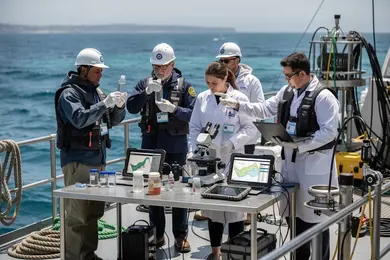
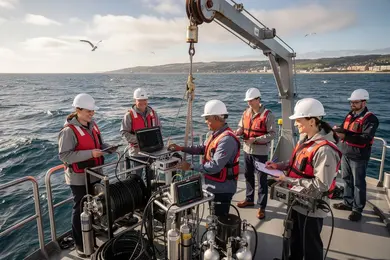
2026 Update: Fieldwork and Lab Experience Options
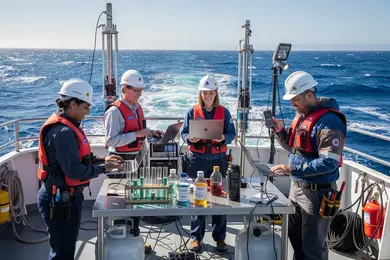
This 2026 update adds a closer look at how online oceanography bachelor’s programs handle hands-on learning, especially when students are comparing no-application-fee options from a distance.
- Whether required labs are fully online, hybrid, or completed during short campus visits.
- If fieldwork can be arranged locally through approved coastal, freshwater, or environmental sites.
- Whether the program uses real oceanographic datasets, simulations, mapping tools, or remote lab platforms.
- Any extra costs for lab kits, field supplies, travel, lodging, or safety equipment.
- How field experiences are scheduled for working adults or students outside coastal regions.
- Whether internships, research projects, or faculty-supervised independent studies can satisfy practical requirements.
Checking these details helps students choose a no-fee online program that is not only affordable to apply to, but also realistic for gaining the practical experience needed in ocean science careers.
How Much Money Can Students Save by Choosing an Online Oceanography Bachelor's Program With No Application Fee?
Applying to multiple online oceanography bachelor's programs that charge no application fee can lead to noticeable savings. According to the Georgetown Center on Education and the Workforce and College Board data, typical application fees range between $25 and $75 per school. With most applicants submitting applications to eight to ten schools, total upfront costs can easily mount from $200 up to $750 before even starting coursework. Eliminating these fees helps reduce the initial financial strain when beginning the college selection process.
This relief is particularly beneficial for students from low-income backgrounds or those who are the first in their families to attend college. For these learners, application fees can be a barrier that restricts the number of schools they consider. Waiving fees encourages wider application submissions, which improves admission prospects and increases opportunities for financial aid and scholarships in online oceanography programs.
It's important to remember that application fee waivers address only the startup costs. Prospective students should also evaluate tuition per credit, available scholarships, transfer policies, and the overall expenses of degree completion to plan effectively and avoid unexpected financial burdens.
- Significant Upfront Savings: Avoiding fees saves several hundred dollars across multiple applications, easing financial barriers at the outset.
- Enhanced Accessibility: No fees promote fairness by helping low-income and first-generation students consider a broader range of programs.
- Broader Application Strategy: More applications increase chances for acceptance and scholarship awards in competitive oceanography fields.
- Holistic Affordability: Application fee waivers are just one factor; tuition rates and aid availability remain key to overall cost management.
A professional enrolled in an online oceanography bachelor's program with no application fee shared his experience: "Knowing there wouldn't be extra fees just to apply lifted a big weight off my shoulders. I was applying to several schools and worried about the costs adding up quickly." He explained that this helped him cast a wider net, allowing him to focus on program fit and financial aid packages instead of worrying about upfront expenses. "The process felt less stressful, and it motivated me to pursue a degree that I might have avoided otherwise due to cost concerns."
Are Online Oceanography Bachelor's Programs That Charge No Application Fee Accredited and Legitimate?
Many reputable institutions waive application fees for online oceanography bachelor's programs to encourage enrollment without sacrificing academic rigor. Accreditation remains the strongest measure of program quality, verified through recognized agencies endorsed by the Council for Higher Education Accreditation (CHEA) and the U.S. Department of Education. Both regional accreditation-which assesses entire institutions-and programmatic accreditation-focusing on specific disciplines like engineering or environmental sciences-are vital. For example, ABET accreditation may apply to technical aspects relevant to oceanography degrees.
Prospective students should evaluate accreditation carefully to ensure their program meets accepted standards for online oceanography bachelor's degrees. Below is a checklist to help verify legitimacy:
- Search CHEA Database: Use the CHEA website to confirm the institution's regional and programmatic accreditation status, ensuring all accreditations are current and recognized.
- Use Federal Lookup Tools: The U.S. Department of Education's Institutional Eligibility tool provides up-to-date information on accredited schools offering federal financial aid.
- Verify Specialized Accreditation: Identify whether relevant departments or programs maintain accreditation linked to oceanography-related disciplines, highlighting academic rigor and industry relevance.
- Avoid Degree Mills: Be cautious of institutions leveraging no application fees solely as a marketing gimmick, particularly those lacking transparent accreditation or qualified faculty.
Free application fees do not imply lesser quality but researching accreditation protects students from illegitimate programs. For those exploring affordable degree options, such verification remains essential in selecting legitimate no application fee oceanography degree programs. Additionally, cost-conscious students might consider related fields, such as a masters in social work, which also offer reputable pathways with financial efficiency.
What Are the Admission Requirements for Online Oceanography Bachelor's Programs That Waive the Application Fee?
- High School Diploma or GED: Candidates must submit proof of a high school diploma or GED to demonstrate readiness for college-level study, ensuring foundational knowledge for oceanography coursework.
- GPA Requirements: Most programs require a minimum GPA between 2.5 and 3.0, reflecting the need for adequate academic preparation, particularly in science and math disciplines relevant to oceanography.
- SAT/ACT Tests: While some programs have adopted test-optional policies, especially those waiving application fees, more competitive schools may still request standardized scores to assess applicants more thoroughly.
- Prerequisite Courses: Prior study in biology, chemistry, mathematics, or earth sciences is generally expected to equip students with essential skills for complex oceanography topics and research techniques.
- Admissions Selectivity: Programs without application fees often belong to institutions with open or moderately selective admissions, but rigorous entry standards remain common in fee-waived programs affiliated with research universities.
- Rolling Admissions and Start Dates: Flexible enrollment periods and rolling admissions are typical features, allowing applicants to apply anytime without financial pressures and begin their studies at various points during the year.
One professional who completed an online oceanography degree with no application fee recalled facing initial uncertainty about whether the waived fee implied less rigor. She explained, "The application process was straightforward, but the academic expectations were as challenging as traditional programs." She appreciated the flexibility to apply without upfront costs, which helped manage her finances during career transition. However, meeting prerequisites and maintaining a strong GPA were essential hurdles. "It felt rewarding to know the program valued merit, not just convenience," she added, highlighting how the no-fee application eased access without compromising quality.
How Does Per-Credit-Hour Tuition at Online Oceanography Bachelor's Programs Compare When the Application Fee Is Already Waived?
Online bachelor's programs in oceanography that waive application fees typically charge between $300 and $425 per credit hour, aligning closely with the national average of $350 to $450 for all online bachelor's degrees, according to IPEDS and College Scorecard data. While application fee waivers remove one upfront cost, they do not necessarily guarantee the lowest tuition rates overall, so students should consider total expenses before enrolling.
- Coastal State University: $320 per credit, 120 credits, total $38,400, application fee waived
- Midwestern Online College: $375 per credit, 120 credits, total $45,000, application fee waived
- Seaside Technical Institute: $300 per credit, 124 credits, total $37,200, application fee waived; offers flat-rate tuition regardless of residency
- Great Lakes University: $400 per credit, 120 credits, total $48,000, application fee waived; flat-rate tuition for online students
- Pacific Horizon College: $425 per credit, 120 credits, total $51,000, application fee waived
Some schools like Seaside Technical Institute and Great Lakes University use flat-rate tuition models, charging the same per-credit price to both in-state and out-of-state online students. This approach can simplify budgeting and is often advantageous to non-resident students. However, even with waived application fees, certain institutions maintain tuition costs above the national average, highlighting the importance of reviewing both fees and tuition rates.
- Tuition Range Insight: Per-credit tuition with no application fees generally falls between $300 and $425, near the broader online bachelor's average.
- Flat-Rate Tuition Benefits: Flat tuition eliminates residency-based price differences, aiding consistent financial planning for online learners.
- Fee Waiver Impact: Waived application fees reduce initial expenses but don't always indicate lower total program cost.
- Credit Requirements Matter: Variations from 120 to 124 credits affect overall tuition totals significantly.
- Pricing Transparency: Clear information on per-credit fees and total costs supports informed enrollment decisions.
- Enrollment Growth: Online program participation has risen over 20% recently, increasing demand for affordable and transparent pricing.
What Financial Aid and Scholarships Are Available for Online Oceanography Bachelor's Students at No-Fee Programs?
Students enrolling in online Oceanography bachelor's programs that charge no application fee remain fully eligible for federal financial aid. Completing the Free Application for Federal Student Aid (FAFSA) grants access to federal grants like the Pell Grant and subsidized or unsubsidized loans, regardless of the school's application fee policy. Federal Student Aid resources confirm that accredited institutions participate equally in offering such aid.
Numerous scholarships target Oceanography and related marine sciences. These include grants from scientific organizations, industry foundations, and universities offering Oceanography degrees. Searching databases such as the National Oceanic and Atmospheric Administration's scholarship listings or using specialized third-party portals tailored to marine science can help prospective students locate relevant awards.
Many no-application-fee programs provide their own scholarships or grants to attract and support online students. These awards often consider academic merit, financial need, or specific career goals within Oceanography. Early contact with financial aid offices is essential to uncover these opportunities.
Working adults can often benefit from employer-sponsored tuition reimbursement programs, which may significantly offset the cost of an online Oceanography degree. These benefits can often be combined with institutional grants to reduce out-of-pocket expenses.
Applying early for FAFSA is critical since some aid is distributed on a first-come, first-served basis. Early submission improves chances for maximum federal aid and institutional scholarships.
Prospective students should proactively contact financial aid offices at their chosen no-fee programs. Staff can provide updated information on available scholarships, deadlines, and application procedures specifically tailored for Oceanography students.
Recent data shows that about 85% of online STEM undergraduates who file FAFSA receive some form of financial aid, highlighting the importance of submitting the federal application even at schools without application fees.
How Long Does It Take to Complete an Online Oceanography Bachelor's Degree at a No-Application-Fee School?
Completing an online oceanography bachelor's degree at no application fee schools generally involves around 120 credit hours, with the duration varying greatly by student pace and program design. For those looking for a typical timeline, most full-time students taking 12 to 15 credits per semester finish in about four years, which aligns with on-campus averages. However, the duration to earn an online oceanography bachelor's degree at no application fee schools can be shorter or longer, depending on factors such as course load and flexibility.
- Standard Pace: Students enrolled full-time and following traditional semester schedules usually complete their degrees in four years, balancing coursework and other commitments effectively.
- Accelerated Programs: Some schools offer year-round enrollment and shorter eight-week modules, enabling motivated learners to graduate in three years or less. These options support faster progression via continuous study and heavier credit loads.
- Part-Time Study: Many adult learners opt for six to nine credits per term to accommodate work and family, extending completion to five or six years but ensuring critical flexibility.
- Asynchronous Delivery: Online oceanography courses delivered asynchronously allow students to engage with materials at their convenience, potentially accelerating completion if steady progress is maintained.
- Competency-Based Education: This model focuses on mastery of content rather than time spent in class, permitting rapid advancement through familiar skills and reducing overall time to degree.
- Transfer Credits and Prior Learning: Utilizing previous college credits, military training, or credit-by-examination programs like CLEP decrease remaining coursework and help students finish earlier.
- Personalized Timeline: Setting a realistic plan requires assessing credit loads per term, term lengths (semester, trimester, or shorter modules), and personal responsibilities to maintain progress without burnout.
Those seeking a faster path might explore options similar to an accelerated human services degree online, which demonstrates how year-round enrollment and flexible pace can shorten timeframes. This insight is useful when building expectations for completing an online oceanography bachelor's degree at no application fee schools.
Can Transfer Students Apply for Online Oceanography Bachelor's Degrees With No Application Fee?
Many online oceanography bachelor's degree programs that waive application fees also welcome transfer students, providing a flexible path toward degree completion. According to NCES and NC-SARA data, most institutions promoting no-fee applications maintain transfer-friendly policies to attract diverse students, including those with prior college credits or relevant experience. This is particularly important for transfer students exploring online oceanography bachelor's degrees without application fees, as it ensures their previous work can contribute to degree progress.
The transfer credit evaluation typically involves submitting official transcripts for review by admissions or registrar's offices. Acceptance depends on course relevance, accreditation of the prior institution, and grade earned. Credits from community colleges, prior bachelor's programs, and certain military training are most often accepted, while specialized oceanography courses or unrelated technical prerequisites may face stricter scrutiny or be rejected.
- Transfer Credit Evaluation: Institutions assess transcripts early to identify eligible credits and outline remaining requirements, aiding academic planning and cost estimation.
- Accepted Credit Types: Community college coursework with comparable content and grades usually transfers; previous bachelor's credits commonly apply toward electives or general education; military training may qualify based on equivalency assessments.
- Articulation Agreements: Formal agreements between community colleges and online Oceanography degree providers guarantee credit acceptance, ensuring smoother transfers and preserving earned coursework value.
- Early Evaluation Importance: Requesting a credit evaluation at or before application helps transfer students realistically estimate remaining courses and tuition, minimizing unexpected expenses.
For cost-conscious learners seeking efficient degree paths, researching transfer credit policies complements exploring tuition and financial aid options. Additionally, exploring shortest master degree programs can provide insight for those considering advanced studies after their bachelor's in oceanography.
Are Online Oceanography Bachelor's Degrees With No Application Fee Recognized by Employers?
Employers today increasingly accept online bachelor's degrees in Oceanography when they come from regionally accredited institutions. Surveys from the Society for Human Resource Management (SHRM) reveal that whether a degree is earned online or on campus matters little, provided the school maintains recognized accreditation. In STEM disciplines like Oceanography, the quality of education and relevant skills outweigh the mode of delivery.
- Accreditation Significance: Regional accreditation assures employers of academic rigor. Degrees from unaccredited or nationally accredited schools might prompt doubts, regardless of the online format.
- Programmatic Accreditation: Specialized certifications, such as those from the Accreditation Board for Engineering and Technology (ABET), can enhance value but are scarce at the bachelor's level in Oceanography and more applicable to related fields.
- Employer Acceptance: SHRM data indicate 72% of employers consider online degrees from reputable institutions on par with traditional ones, highlighting growing recognition within scientific careers.
- Professional Priorities: Groups like the American Geophysical Union (AGU) emphasize hands-on skills and internships over how the degree was obtained, favoring candidates with practical Oceanographic research experience.
- Degree Presentation: Clearly communicate your program's accreditation status and relevant experiences in applications and interviews. Demonstrating confidence in your degree's value can improve employer perceptions.
What Technology Requirements and Online Learning Tools Are Used in No-Fee Online Oceanography Bachelor's Programs?
Students need a consistent broadband connection with at least 25 Mbps download speed to smoothly access lectures, submit assignments, and take part in live discussions without disruption.
A modern laptop or desktop is essential, ideally featuring 8GB or more of RAM, up-to-date operating systems, and enough storage capacity to handle data and simulation software used in oceanography studies.
Functional audio and video tools are required for attending synchronous classes, engaging in group projects, and participating in virtual office hours with instructors.
Online oceanography programs commonly rely on platforms like Canvas, Blackboard, or Desire2Learn (D2L). These systems facilitate easy assignment submissions, grade tracking, discussion participation, and direct communication with faculty through user-friendly interfaces.
Many programs provide cloud-based access or licenses to critical tools such as MATLAB, ArcGIS, or virtual lab simulators. Some software is included with tuition, while others might require additional fees, supporting hands-on learning in a remote environment.
Besides tuition, students should factor in expenses for upgrading hardware, obtaining necessary software, and maintaining reliable internet service to fully participate and succeed in online oceanography courses.
What Graduates Say About Their Online Oceanography Bachelor's Degree Programs With No Application Fee
- Paxton: "Choosing an online oceanography bachelor's degree program with no application fee was a game-changer for me. The lack of upfront costs made it accessible, and the flexible schedule allowed me to transition careers without quitting my job. This program truly set me on a new path, opening doors in marine research that I hadn't thought possible before."
- Ameer: "I appreciated the affordability of the no-application-fee oceanography program, which made pursuing further education less intimidating financially. The curriculum was comprehensive and well-structured, perfectly balancing professional development and practical knowledge. Since graduating, my career has taken a significant upturn, especially as I secured a position in environmental consulting focused on coastal ecosystems."
- Nathan: "My decision to enroll in an online oceanography bachelor's degree without an application fee was driven by my desire to reskill efficiently and cost-effectively. The program's cost-saving aspect was vital as I was switching careers mid-life. It equipped me with the latest scientific insights and practical skills, directly impacting my ability to contribute confidently in my new role as a marine policy analyst."
Other Things You Should Know About Oceanography Degrees
No-application-fee online oceanography programs often provide streamlined admissions, reducing financial barriers for prospective students. These programs typically incorporate academic advising, tutoring, and virtual lab access to help students stay engaged. Many also offer flexible scheduling and access to career services tailored to oceanography to enhance retention and graduation rates.
Graduates with an online bachelor's in oceanography can pursue roles such as marine research assistants, environmental consultants, or technical specialists in government agencies and private sector companies. Many find opportunities in marine conservation, coastal resource management, and ocean engineering support. The degree also lays foundational knowledge for graduate studies or certification in specialized ocean science fields.
References
- World's Largest platform as University Common Application https://www.planstudyabroad.uniagents.com/course-details.php
- Study Abroad – Bachelor's, Master's & Exchange | uniclub https://uniclub.com/de/programme/digital-technology-in-marine-science-at-binus-university-53967db7-8481-43c4-9ee2-06e7e887fad0
- 10 Cheapest Online Bachelor’s Degrees in 2026 | UoPeople https://www.uopeople.edu/blog/10-cheap-online-bachelors-degrees/
- Marine Science Scholarships and Grants https://collegewhale.com/marine-science/
- Oceanography https://www.uaf.edu/academics/programs/masters/oceanography.php
- Find Programs - Quest Apply https://questapply.com/find-program/45963/oceanography
- Exploring Online Colleges with No Application Fee https://www.worldwondersgardens.co.uk/blog/Exploring_Online_Colleges_with_No_Application_Fee.html
- Free Online Bachelor Program Opportunities - Swiss School of Business and Management Geneva https://www.ssbm.ch/free-online-bachelor-program-opportunities/
- Average Cost of Online College [2025]: Yearly Tuition + Fees https://educationdata.org/average-cost-of-online-college
- Admission requirements http://www.imbrsea.eu/admission-requirements