
2027 Different Types of Speech Pathology Bachelor's Degrees: Specializations, Careers, and Salaries

Co-Founder and Chief Data Scientist

Reviewed by Rhea Paul, PhD
SLP Education & Research Expert
Choosing a speech pathology bachelor’s degree is really a decision about your next step: do you want a flexible undergraduate path into communication sciences, a foundation for graduate study, or an entry-level support role in education, healthcare, or rehabilitation? The choice matters because employment in speech pathology is projected to grow by 17% through 2035, much faster than average, but career options and pay can differ depending on program format, specialization, location, and whether you later pursue graduate-level preparation.
A bachelor’s degree in speech pathology, communication sciences and disorders, or a closely related field usually builds the academic foundation for speech-language pathology careers. However, students should understand an important distinction: many independent speech-language pathologist roles require graduate education, supervised clinical experience, and state licensure. At the bachelor’s level, graduates often qualify for assistant, aide, early intervention, education support, or related health and human services roles while preparing for advanced study.
This guide explains the main types of speech pathology bachelor’s degrees, common specializations, entry-level jobs, salary factors, cost differences, financial aid options, and practical selection criteria so prospective students can compare programs with clearer expectations.
Key Things to Know About Different Types of Speech Pathology Bachelor's Degrees
- Bachelor's degrees in speech pathology often specialize in pediatric, adult-neurological, or bilingual communication disorders, tailoring skills for diverse patient needs.
- Graduates typically pursue careers as speech-language pathologists, therapy assistants, or audiology technicians in healthcare, schools, or rehabilitation centers.
- Median salaries vary from $50,000 to $75,000 annually, influenced by specialization, geographic location, and level of experience within the field.
What Are the Different Types of Speech Pathology Bachelor's Degrees?
Speech pathology bachelor’s degrees are offered in several formats, and the best choice depends on how much structure, flexibility, campus access, and hands-on support you need. Recent educational data reveals that nearly 40% of students pursuing health-related bachelor's degrees select non-traditional formats, highlighting a growing preference for flexible study options.
Although program delivery varies, most bachelor’s programs cover core areas such as language development, phonetics, anatomy and physiology of speech and hearing, communication disorders, audiology foundations, research methods, and professional ethics. The difference is usually how those courses are delivered and how students complete observation, lab, or practicum-related requirements.
- Traditional On-Campus: On-campus programs are best for students who want a structured schedule, regular face-to-face faculty access, campus labs, peer interaction, and easier access to local observation opportunities. They usually follow a semester calendar and may be a strong fit for first-time college students who benefit from in-person academic support.
- Accelerated Programs: Accelerated options compress coursework into a shorter timeline, often three years or less. They can reduce time to graduation, but the trade-off is a heavier course load and less flexibility for work, caregiving, or extracurricular commitments. Students considering this route should be realistic about study time and prerequisite sequencing.
- Online Programs: Online speech pathology bachelor’s degrees offer the most scheduling flexibility and can be useful for working adults, parents, military-affiliated students, or learners who do not live near a campus with this major. Students should check whether courses are asynchronous, whether any campus visits are required, and how the school helps arrange local observation or field experiences.
- Hybrid Programs: Hybrid programs combine online coursework with scheduled in-person sessions for labs, assessments, simulations, or clinical exposure. This format can work well for students who want flexibility but still value direct practice and faculty feedback.
Many students also compare speech pathology bachelor’s degree specializations within these formats to align coursework with graduate school plans, entry-level job options, and long-term salary expectations. Students exploring some of the best college majors to pursue in health-related fields should compare not only interest and job growth, but also licensing requirements and total education cost.
What Specializations Are Available in a Speech Pathology Bachelor's Degree?
Speech pathology bachelor’s programs may allow students to focus electives, research projects, practicum exposure, or advising plans around a specific population or disorder area. Educational data indicate that nearly 60% of undergraduates in speech pathology choose a focused track to enhance expertise in a specific field of communication sciences.
At the bachelor’s level, a specialization usually does not make a graduate an independent clinician. Instead, it helps students build a stronger academic profile, clarify career interests, and prepare for graduate admissions or entry-level support roles. This is especially important because increasingly competitive admission standards, including for non-majors pursuing an online speech pathology master's program, can make undergraduate preparation a key advantage.
Students comparing specializations should ask three practical questions: Which population do I want to serve? Which work setting interests me most? Will this track strengthen my preparation for graduate study, assistant roles, or related health and education jobs?
- Pediatric Speech Pathology: Focuses on communication disorders in infants, toddlers, children, and adolescents. Coursework may emphasize language development, articulation, early intervention, literacy, family collaboration, and school-based support. This is a common fit for students interested in education, early childhood services, or pediatric therapy settings.
- Adult Neurogenic Communication Disorders: Covers communication and cognitive-communication challenges associated with neurological conditions such as stroke or traumatic brain injury. Students interested in hospitals, rehabilitation centers, adult care, or medical speech-language pathology often benefit from this focus.
- Augmentative and Alternative Communication (AAC): Concentrates on communication tools and strategies for people who cannot rely on speech alone. This area may involve communication boards, speech-generating devices, software, accessibility planning, and individualized support systems.
- Voice and Resonance Disorders: Examines speech production issues related to vocal quality, vocal fold function, resonance, and related medical or behavioral factors. Students interested in voice clinics, performing voice, medical settings, or interdisciplinary care may find this track especially relevant.
- Multicultural and Bilingual Speech Pathology: Prepares students to understand communication differences and disorders across languages, dialects, and cultural contexts. This specialization is valuable in diverse school districts, community clinics, hospitals, and public service settings.
Students should also compare how each specialization affects prerequisite planning for graduate programs. Some master’s programs expect specific undergraduate coursework, so a focused track should not come at the expense of required foundations. Learners comparing related helping professions may also review an online counseling degree to understand how counseling-focused education differs from communication sciences training.
What Entry-Level Jobs Can I Get With a Speech Pathology Bachelor's Degree?
A speech pathology bachelor’s degree can lead to entry-level roles in healthcare, education, rehabilitation, early intervention, community services, and related human services settings. The U.S. Bureau of Labor Statistics expects jobs for speech-language pathology assistants and similar occupations to expand by 17% through 2035, highlighting a growing demand for qualified professionals.
Job titles and eligibility rules vary by state and employer. Some speech-language pathology assistant roles may require state registration, supervision by a licensed speech-language pathologist, specific coursework, clinical hours, or additional credentials. Students should check local requirements before assuming a bachelor’s degree alone is sufficient.
- Speech-Language Pathology Assistant: Supports licensed speech-language pathologists by preparing therapy materials, implementing assigned activities, documenting client progress, and helping manage therapy sessions. This role is one of the most direct bachelor’s-level pathways into the field, but supervision and credential requirements can vary.
- Rehabilitation Aide: Assists clinical teams in hospitals, rehabilitation centers, skilled nursing facilities, or outpatient therapy settings. Duties may include preparing treatment areas, supporting patient flow, helping with equipment, and learning how interdisciplinary care teams work with people who have communication or swallowing concerns.
- Early Intervention Specialist: Works with young children who have developmental delays or communication needs. Responsibilities may include supporting family-centered plans, reinforcing language-building strategies, tracking developmental progress, and coordinating with therapists, educators, and caregivers.
- Special Education Assistant: Supports students with speech, language, learning, or developmental needs in classroom settings. This role can involve helping students use communication tools, following individualized education plans, and collaborating with teachers and related service providers.
- Health Educator: Helps communities understand communication disorders, prevention strategies, developmental milestones, hearing health, and available services. This path may appeal to students interested in outreach, public health, nonprofit work, or community education.
One professional with a bachelor's degree in speech pathology described the transition into the field as both motivating and demanding. "Adjusting from academic studies to real-world situations was challenging," he shared. "Learning to balance therapy planning with client engagement took time, especially as I navigated the paperwork and reporting requirements."
His experience points to a common lesson for new graduates: entry-level work is not just a first job. It is a testing ground for communication skills, professionalism, documentation habits, and confidence with clients. "It was rewarding to see incremental progress in clients and know that every small step forward was meaningful."
What Industries Pay the Most for Speech Pathology Graduates?
Speech pathology graduates do not earn the same pay in every setting. Compensation is shaped by employer type, job responsibilities, supervision requirements, geographic demand, funding source, and whether the role requires advanced credentials. According to recent trends, hospitals and private practices are among the top employers providing competitive wages to graduates holding speech pathology bachelor's degrees.
Students should be careful when comparing salaries across industries because some higher-paying speech-language pathology roles may require a master’s degree, clinical certification, and state licensure. At the bachelor’s level, the strongest earning potential often comes from settings that value healthcare experience, specialized support skills, bilingual ability, technology familiarity, or readiness for graduate-level clinical training.
- Healthcare Industry: Hospitals, rehabilitation facilities, outpatient therapy centers, and long-term care settings often offer stronger salary prospects because the work can involve complex patient needs, interdisciplinary care, and higher clinical documentation standards. Bachelor’s graduates may begin in aide, assistant, care coordination, or rehabilitation support roles while building experience.
- Private Practice Sector: Private clinics may hire bachelor’s graduates for assistant, intake, therapy support, administrative, care coordination, or client services roles. Compensation can vary widely based on caseload, local demand, services offered, and whether the graduate meets assistant credential requirements.
- Corporate and Technology Industries: Speech-related technology, accessibility tools, AAC systems, education software, and communication platforms can create opportunities for graduates who combine communication sciences knowledge with research, user support, product testing, training, or technology skills.
When comparing industries, students should look beyond the starting wage. Benefits, supervision quality, advancement pathways, graduate school support, schedule stability, and exposure to clinical populations can all affect long-term value. Students comparing focused academic paths outside health fields may review an accelerated construction management degree for a different example of how program structure can influence career timing and outcomes.
What Is the Average Salary for Speech Pathology Bachelor's Degree Graduates?
Salary outcomes for speech pathology bachelor’s degree graduates vary because the degree can lead to several types of jobs rather than one uniform occupation. Early-career professionals typically earn around $60,000 annually, though this amount can shift based on employer, location, duties, prior experience, and additional qualifications.
Students should treat any average salary as a planning estimate rather than a guaranteed outcome. A bachelor’s graduate working as an assistant in a high-demand healthcare market may see a different pay range than a graduate working in a school support role, nonprofit program, or entry-level administrative position.
- Work Setting: Healthcare facilities, educational institutions, private clinics, community agencies, and technology-related employers often use different compensation models. Clinical support settings may pay differently from school-based or publicly funded roles.
- Experience Level: Entry-level pay is usually only the starting point. Graduates who build strong documentation skills, client communication skills, bilingual ability, technology proficiency, or specialized population experience may improve their earning potential over time.
- Geographic Influence: Cost of living, provider shortages, school district budgets, healthcare demand, and state regulations can all affect pay. Urban markets and underserved areas may offer different opportunities and trade-offs.
- Certifications and Specialization: Additional credentials, assistant licensure or registration where required, graduate education, and specialized preparation can open access to better-defined and higher-paying roles.
- Economic Environment: Healthcare budgets, education funding, insurance reimbursement patterns, and employer staffing needs can influence salaries and hiring conditions.
One graduate described her early salary expectations as realistic rather than discouraging. She said that although starting pay was modest, hands-on experience and additional training helped her secure steady raises.
"It wasn't just about the salary number on day one," she shared, "but about building skills and adapting to different patient needs that really influenced my growth." Her advice is useful for students comparing programs: choose a degree that gives you practical experience, strong advising, and a clear path to the next credential you may need.
How Do Salaries Compare Across Speech Pathology Specializations?
Salaries can differ across speech pathology specializations because each focus area is tied to different work settings, client needs, funding sources, and credential expectations. Professionals focusing on pediatric speech-language pathology generally report lower salaries compared to those working in adult rehabilitation or medical-related fields like stroke recovery and brain injury.
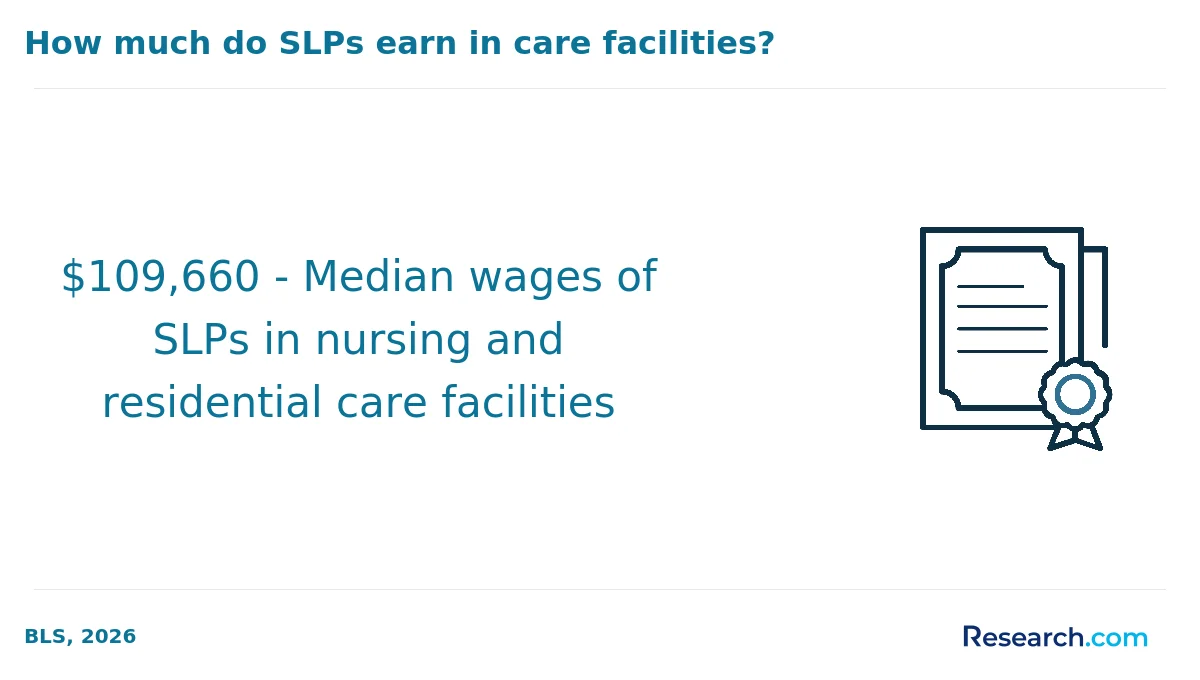
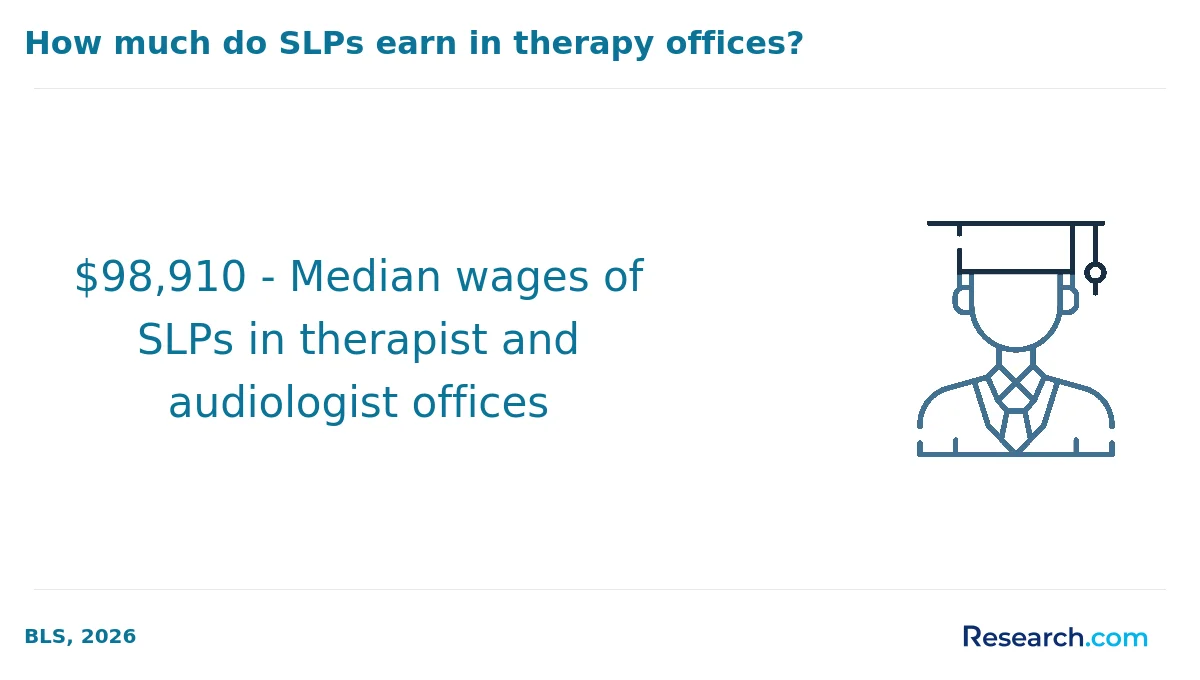
Data indicate that specialists in medical settings or niche areas such as swallowing and neurogenic communication disorders can earn up to 20% more than colleagues in educational or general speech pathology roles. For instance, clinicians in hospitals or rehabilitation centers commonly have median annual incomes ranging from $75,000 to $85,000, whereas school-based speech-language pathologists often earn between $60,000 and $70,000.
The pay gap is not simply about the specialization label. Medical and rehabilitation roles may require deeper knowledge of neurological conditions, complex documentation, interdisciplinary treatment planning, and advanced clinical judgment. Pediatric and school-based roles, while essential and often in demand, may be tied to district salary schedules, public budgets, or academic calendars.
| Specialization Area | Common Work Settings | Salary Considerations |
| Pediatric speech pathology | Schools, early intervention programs, pediatric clinics | Often connected to education funding, public service budgets, and school-year contracts. |
| Adult neurogenic communication disorders | Hospitals, rehabilitation centers, outpatient clinics | May command higher pay when roles involve stroke recovery, brain injury, and complex rehabilitation needs. |
| AAC | Schools, clinics, assistive technology programs, community services | Can be valuable when paired with technology skills, device training, and experience supporting complex communication needs. |
| Voice and resonance disorders | Medical clinics, specialty practices, outpatient settings | May require more advanced clinical preparation and specialized assessment experience. |
| Multicultural and bilingual speech pathology | Schools, hospitals, community clinics, public agencies | Bilingual and culturally responsive skills can improve competitiveness in diverse or underserved communities. |
Experience and credentials also matter. Advanced certifications, clinical specialization, and graduate-level preparation can raise earning potential, especially in medical or niche practice areas. Students should choose a specialization based on both salary goals and the populations they can see themselves serving for the long term.
Are Salaries Different for Online vs On-Campus Speech Pathology Graduates?
Salary differences between online and on-campus speech pathology bachelor’s graduates are generally minimal when comparing candidates with similar experience, credentials, location, and job responsibilities. What usually matters more is whether the program is reputable, whether coursework meets prerequisite expectations, and whether students gain relevant observation, practicum, or field experience.
Both online and traditional programs can provide essential coursework in anatomy, communication disorders, language development, audiology foundations, and clinical preparation. Employer perceptions have also become more favorable toward online degrees, especially from accredited institutions with rigorous curricula. A recent survey found that 72% of hiring managers view online degree holders as equally qualified when clinical and accreditation standards are met.
The more important comparison is program quality, not delivery format. Online students should confirm how the school supports advising, faculty access, placement coordination, graduate school preparation, and any required in-person experiences. On-campus students should assess whether the added commute, housing, and campus costs are justified by stronger labs, networking, or local clinical connections.
Students who expect to continue into graduate study should also compare bachelor’s programs with future master’s requirements in mind; reviewing slp programs online can help clarify how undergraduate prerequisites, affordability, and delivery format may affect the next stage of training.
Do Costs Vary Across Speech Pathology Bachelor's Degree Programs?
Yes. Tuition and fees for speech pathology bachelor’s degree programs vary widely, with annual costs ranging from $8,000 to over $30,000 depending on the institution. The listed tuition price is only part of the total cost; students should also account for fees, books, technology, transportation, housing, background checks, observation requirements, and any expenses tied to practicum or fieldwork.
- Institution Type: Public universities usually offer lower tuition rates for in-state students, often between $8,000 and $12,000 per year. Private institutions typically charge higher tuition exceeding $30,000 annually regardless of residency.
- Program Format: Online speech pathology bachelor’s degrees may reduce commuting, relocation, and some campus-related expenses. However, technology fees, online course fees, proctoring costs, or required campus visits can change the final price.
- Program Length and Requirements: Standard bachelor's programs are completed in four years, but some extend beyond due to prerequisites or clinical practicum hours, increasing tuition and associated fees. Students should ask whether required courses are offered every term or only once per year, because delays can increase total cost.
- Location: Schools based in metropolitan areas generally impose higher tuition compared to rural institutions, reflecting differences in operational costs and demand. Location can also affect rent, transportation, and access to field placements.
- Reputation and Accreditation: Programs with established reputations or specialized accreditation may charge premium tuition, reflecting the value they offer in career opportunities. Students should still compare outcomes, advising quality, transfer policies, and graduate school placement support before paying more.
A practical cost comparison should include total program cost, not only annual tuition. Students should calculate how much they will borrow, whether credits transfer, whether summer courses are required, and whether the program keeps them on track for graduate prerequisites. Those interested in advanced helping-profession degrees can also compare costs and formats through online MSW programs as a related example of graduate-level planning.
What Financial Aid Options Are Available for Speech Pathology Students?
Speech pathology students can use many of the same financial aid options available to other undergraduates, including federal aid, institutional awards, scholarships, loans, and work-study. According to the National Center for Education Statistics, nearly 85% of undergraduate students receive some form of financial aid.
The first step is usually completing the FAFSA, then comparing each school’s financial aid offer carefully. Students should separate gift aid from loans, identify renewal requirements, and ask whether scholarships continue after the first year.
- Federal Grants: Need-based federal grants such as the Pell Grant provide funds that do not require repayment, making them especially valuable for students from lower-income families aiming to reduce their debt. These grants can help offset tuition, fees, and other education-related costs.
- Student Loans: Federal and private loans can help cover remaining expenses, but they must be repaid with interest. Federal loans often provide borrower protections and repayment options that private loans may not offer, so students should compare terms before borrowing.
- Scholarships: Scholarships for speech pathology, communication sciences, healthcare, education, disability services, bilingual service, or community leadership may be available through universities, foundations, and professional organizations. Awards may be merit-based, need-based, or tied to service commitments.
- Work-Study Programs: Work-study allows eligible students to earn money through part-time employment. Relevant placements in clinics, schools, labs, tutoring centers, or campus offices can also help students build experience while reducing out-of-pocket expenses.
- Associate Degree Pathways: Some students use community college or shorter programs to complete general education requirements at a lower cost before transferring into a bachelor’s program. Options such as 1-year associate degree programs online may help with early-stage planning, but students should confirm transferability before enrolling.
Financial aid decisions should be tied to career planning. If a student expects to pursue a master’s degree later, limiting undergraduate debt can preserve borrowing capacity and reduce long-term financial pressure.
What Factors Should I Consider When Selecting a Speech Pathology Degree?
Selecting a speech pathology bachelor’s degree should involve more than choosing the most convenient or recognizable school. Surveys reveal that more than 60% of students consider program specializations and career outcomes as critical factors in their decision.
The strongest program for one student may not be the strongest for another. A working adult may prioritize online flexibility, while a recent high school graduate may benefit more from an on-campus program with labs, advising, and structured peer support. Students planning for graduate school should pay especially close attention to prerequisites and academic advising.
- Academic Interests: Identify which areas of communication sciences interest you most, such as child language development, speech sound disorders, voice, AAC, hearing, or neurological communication disorders. Interest matters because this field requires sustained study and client-centered patience.
- Specialization Options: Look for programs with electives, research opportunities, observation experiences, or tracks that match your goals. A specialization can help you build direction, but it should still leave room for required foundational coursework.
- Program Format: Decide whether on-campus, online, hybrid, or accelerated learning fits your schedule and learning style. Flexibility is useful only if the program also provides strong advising, faculty access, and field experience support.
- Career Alignment: Review where graduates work, whether the program prepares students for assistant roles, and how well it supports graduate school applications. Ask about observation hours, internships, practicum exposure, and partnerships with schools, clinics, hospitals, or community agencies.
- Long-Term Goals: If you plan to become a licensed speech-language pathologist, make sure the bachelor’s curriculum supports future master’s admission requirements. If you prefer bachelor’s-level employment, focus on programs that build practical skills employers recognize.
Questions to Ask Before Enrolling
- Does the program meet prerequisite expectations for the graduate programs I may apply to later?
- Are observation or field experiences built into the curriculum?
- How does the school support online students, transfer students, or working adults?
- What are the total costs after fees, books, travel, and required experiences?
- What academic support is available for challenging science, statistics, or communication disorders courses?
- Are graduates prepared for bachelor’s-level roles, graduate study, or both?
What Graduates Say About Different Types of Speech Pathology Bachelor's Degrees
- : "Choosing a speech pathology bachelor's degree specialization really aligned with my passion for helping others communicate effectively. This program provided me with hands-on clinical experiences that were crucial in launching my career quickly. Since graduating, I've noticed a significant boost in my salary and opportunities for professional development. — Jada"
- : "Reflecting on my journey, the speech pathology bachelor's degree offered me a solid foundation in both theory and practice, which made transitioning into the workforce smoother than I expected. The career support from faculty and alumni networks helped me secure a rewarding position early on. Over time, the degree has proven invaluable in achieving steady growth and increased earning potential in this competitive field. — Kris"
- : "From a professional standpoint, my decision to specialize in speech pathology was driven by the diverse career paths and strong salary prospects it presented. The comprehensive curriculum equipped me with the necessary skills that employers highly value, accelerating my career advancement. Pursuing this degree was undoubtedly a key factor in enhancing my salary and long-term career prospects. — Vanya"
Other Things You Should Know About Speech Pathology Degrees
In 2027, the average salary for graduates with a bachelor's degree in speech pathology is approximately $60,000. However, salaries can vary based on location, experience, and specialization within the field.
To enroll in a speech pathology bachelor's program in 2027, students need a high school diploma or equivalent, and successful completion of prerequisite courses such as biology and psychology. Additionally, some programs may require a minimum GPA and volunteer experience in related fields.
References
- U.S. Bureau of Labor Statistics - Speech-Language Pathologists https://www.bls.gov/ooh/healthcare/speech-language-pathologists.htm
- ASHA EdFind - Accredited Speech-Language Pathology Programs https://find.asha.org/ed/
- Audiology and Speech-Language Pathology Interstate Compact https://aslpcompact.com/compact-map/
- University of North Carolina at Greensboro - Speech-Language Pathology, M.A. (Online) https://csd.uncg.edu/graduate/masters-of-arts-online/
- Pennsylvania Western University - Master of Science in Speech-Language Pathology https://online.pennwest.edu/programs/speech-language-pathology-grad/index.php
- Pepperdine University - Master of Science in Speech-Language Pathology https://healthscience.pepperdine.edu/online-masters-in-speech-language-pathology/
- University of Wisconsin-Eau Claire - Master of Science in Speech-Language Pathology (Online) https://www.uwec.edu/speech-language-and-hearing-sciences-department/graduate-program/speech-language-pathology-online
- Baylor University - Master of Science in Speech-Language Pathology (Online) https://csd.robbins.baylor.edu/graduate/online-csd-graduate-program


