2027 One-Year Online Screenwriting Master's Degree Programs: Accelerated Options, Costs & Outcomes

Co-Founder and Chief Data Scientist
A one-year online screenwriting master’s degree is for writers who want graduate-level training, a stronger portfolio, and industry-focused feedback without spending two years on campus. The main question is not simply whether the program is fast. It is whether the accelerated format gives you enough time, faculty access, writing practice, and career support to justify the cost.
These programs can appeal to working professionals, career changers, filmmakers, playwrights, content creators, and writers who already have a serious writing habit. They may also be demanding: compressed calendars leave little room for missed deadlines, weak time management, or unclear career goals. According to the National Center for Education Statistics, online graduate enrollments grew by 42% over the past decade, reflecting demand for more accessible graduate education, including creative and professional programs.
This guide explains how one-year online screenwriting master’s degrees work, how they differ from standard graduate formats, what accredited options look like, how costs and aid should be evaluated, and what students should expect from admissions, coursework, technology, and career preparation.
Key Things to Know About One-Year Online Screenwriting Master's Degree Programs
- Online programs offer flexible schedules, allowing recent graduates and working professionals to balance study with employment or personal commitments effectively.
- Accelerated one-year formats enable rapid skill acquisition, appealing to career changers seeking to enter or advance in the screenwriting industry swiftly.
- International applicants gain access to diverse global networks, enhancing collaborative opportunities and industry connections across multiple markets.
What Exactly Is a One-Year Online Screenwriting Master's Degree Program, and How Does It Differ from a Standard Graduate Format?
A one-year online screenwriting master’s degree is an accelerated graduate program that compresses advanced writing workshops, craft courses, industry study, and portfolio development into roughly 12 months. Instead of spreading coursework across a traditional two-year or part-time schedule, students move through intensive terms with heavier weekly writing, reading, critique, and revision expectations.
The core difference is pace. A standard graduate format usually gives students more time between workshops, more elective flexibility, and longer development windows for scripts. A one-year format prioritizes speed, focus, and career re-entry. That can be valuable for writers who already have a foundation in storytelling, but it can be difficult for beginners who need more time to develop voice, discipline, and revision habits.
Examples of this format include Emerson College's online MFA in screenwriting, which blends immersive workshops with industry seminars through a mix of synchronous and asynchronous delivery. The University of Texas at Austin offers a focused one-year online master's that centers on concentrated study and close mentorship, while the University of California, Riverside emphasizes project-based learning to rapidly advance students from script development to portfolio completion.
When comparing a one-year online screenwriting master's degree accelerated format with a standard program, focus on workload, feedback quality, faculty access, portfolio outcomes, and whether the schedule fits your real life. Students researching accelerated online graduate models in other fields may also find cost and financing comparisons in online AI degree programs useful for understanding how compressed online education is priced.
- Time to completion: One-year programs are designed for faster completion, while standard programs usually provide a longer runway for writing, networking, and revision.
- Workload: Accelerated students typically carry more credits or more intensive modules per term, which means frequent deadlines and less recovery time.
- Curriculum focus: One-year formats often emphasize core screenwriting skills, workshops, industry literacy, and portfolio readiness over broad elective exploration.
- Best fit: These programs are strongest for disciplined writers, working professionals with protected study time, and career changers who can commit to a demanding year.
- Potential drawback: Students who need extensive foundational writing development may benefit from a longer program with more drafting and mentoring time.
Which Accredited Universities Currently Offer Legitimate One-Year Online Screenwriting Master's Programs?
Accreditation should be one of the first filters when evaluating any one-year online screenwriting master’s program. Regional accreditation is widely recognized by employers, graduate schools, and federal financial aid systems because it reviews institutional quality, academic policies, faculty standards, and student support. National accreditation may be legitimate in some contexts, but it can create limitations for credit transfer, future doctoral study, or employer recognition.
There is no single programmatic accreditor devoted only to screenwriting. However, related quality signals may include accreditation or review connected to fields such as theatre, film, media, journalism, or communications. Organizations such as the National Association of Schools of Theatre (NAST) and the Accrediting Council on Education in Journalism and Mass Communications (ACEJMC) can be relevant indicators when they apply to the broader school or department.
Below are five regionally accredited universities, representing distinct U.S. regions, offering legitimate accelerated screenwriting master's degrees online:
- New York University (Northeast): NYU Tisch School of the Arts delivers an accelerated MFA in Dramatic Writing with select online courses, designed for completion within one year full-time. Tuition is approximately $60,000.
- University of Southern California (West): USC's School of Cinematic Arts provides a 12-month online Master of Fine Arts in Writing for Screen and Television, priced around $63,000.
- University of Texas at Austin (South): UT offers an accelerated hybrid MFA in Screenwriting, typically completed in 12 to 18 months, with tuition estimated between $25,000 and $30,000 for residents.
- DePaul University (Midwest): DePaul's fully online master's in Screenwriting can be completed in one year and costs near $35,000.
- University of New Mexico (Mountain): UNM features a one-year online MFA in Creative Writing with a screenwriting concentration, regionally accredited and costing about $20,000.
Before applying, verify each program directly with the university and through trusted databases such as Peterson's or the U.S. Department of Education's College Navigator. Confirm whether the degree is fully online or hybrid, whether the one-year timeline is guaranteed or only possible with a full-time course load, and whether tuition estimates include fees, technology costs, and residency expenses.
Applicants planning to use federal aid should also check whether the school participates in FAFSA-based funding. Students comparing cost-conscious institutions can review online colleges that accept FAFSA for broader context on aid eligibility and affordability.
- Check institutional accreditation: Use official databases, not only program marketing pages.
- Confirm delivery format: Some programs described as online may include required residencies or hybrid components.
- Ask about cohort size: Smaller workshops may offer more individual feedback, but they can also be more selective.
- Review faculty credentials: Look for instructors with produced, published, or professionally recognized writing experience.
- Request outcome data: Ask about alumni placements, portfolio results, internships, fellowships, and career services for online students.
How Much Does a One-Year Online Screenwriting Master's Program Typically Cost in Tuition and Fees?
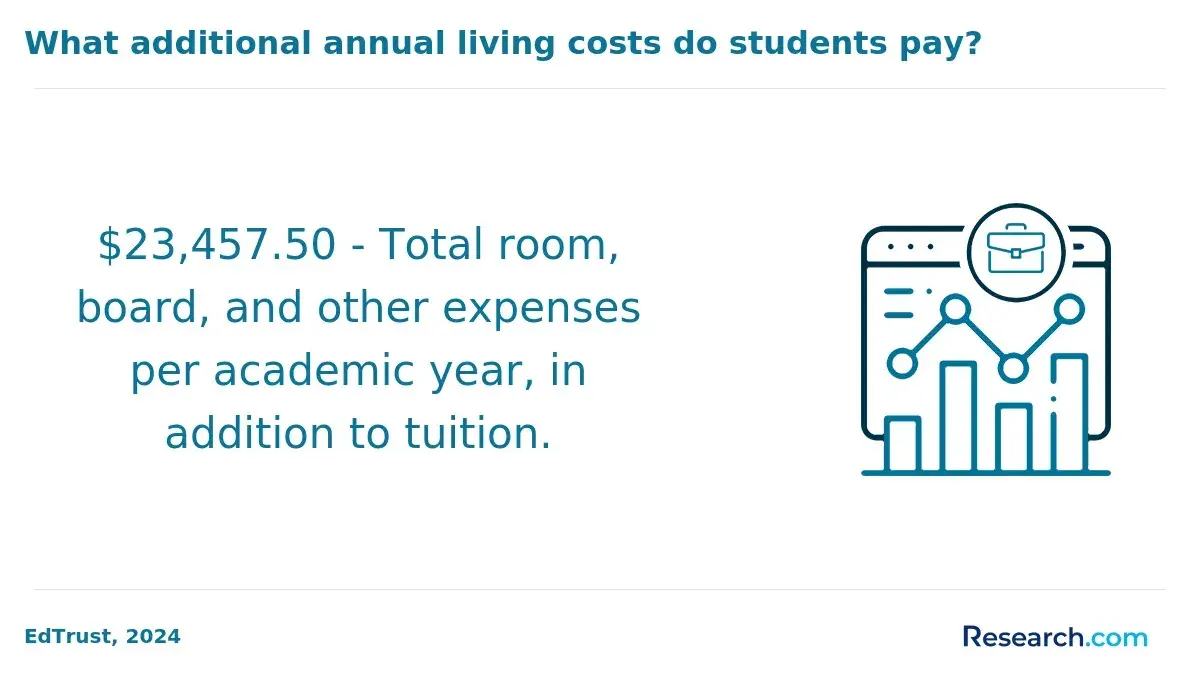
One-year online screenwriting master’s programs vary widely in cost. Public universities typically charge between $15,000 and $35,000 for in-state students enrolled in accelerated tracks, while private schools often range from $30,000 up to $60,000. The published tuition number is only the starting point; students should ask for the full cost of attendance before committing.
Because accelerated programs compress coursework into a shorter calendar, costs may arrive quickly. Students may need to pay for multiple terms in close succession, purchase software early, and budget for any required residency before they have much time to adjust financially.
- Tuition: Tuition is usually the largest expense. Public programs generally range from $20,000 to $35,000, while private programs frequently surpass $45,000.
- Technology and course materials: Many schools charge technology fees, typically between $500 and $1,500, for learning platforms, software licenses, and digital access. Textbooks and screenwriting software may add several hundred dollars if not included.
- Proctoring and exam fees: Online exam proctoring may cost $50 to $150 per assessment. These charges are easy to overlook because they may not appear in headline tuition figures.
- Residency or onsite requirements: Some programs labeled online require short campus visits, intensives, or industry residencies. Travel, meals, lodging, and missed work time can materially change the total cost.
- Annual cost increases: Data from NCES indicate that graduate program expenses have risen approximately 3% annually in recent years, so students should confirm whether tuition is locked for the full program or subject to change.
Ask the admissions or financial aid office for a written breakdown that includes tuition, mandatory fees, software, books, residency charges, graduation fees, payment deadlines, and refund policies. Also ask whether the one-year track requires summer enrollment, because that can affect financial aid timing and out-of-pocket planning.
One professional who pursued an online screenwriting master's degree to change careers shared that navigating the financial commitment was initially daunting. "Balancing the tuition costs with unexpected fees like technology licenses really required careful planning," he said, noting that obtaining a detailed cost disclosure from his program was invaluable. He recalled moments of uncertainty about additional charges but found that proactive communication with the admissions office minimized surprises. His experience highlights why students should verify the total price before enrolling, not after the first bill arrives.
What Financial Aid and Scholarship Options Are Available for One-Year Screenwriting Master's Students?
Students in one-year online screenwriting master’s programs may be eligible for several forms of aid, including federal loans, institutional scholarships, departmental awards, employer tuition benefits, and private scholarships. The key challenge is timing. Accelerated programs may start outside a traditional fall calendar, so students should complete the FAFSA early and confirm how aid is disbursed across condensed terms.
Federal aid begins with the Free Application for Federal Student Aid (FAFSA). For graduate students, this commonly supports access to federal direct loans and may also relate to Federal Work-Study opportunities, depending on the school and program structure. Aid eligibility can depend on enrollment intensity, satisfactory academic progress, institutional participation, and degree status.
Merit-based scholarships often evaluate writing samples, portfolios, academic performance, or creative promise. Departmental fellowships may provide stipends or tuition support, sometimes in exchange for teaching, research, tutoring, or administrative responsibilities. In an accelerated program, students should ask whether fellowship duties are realistic alongside the writing workload.
Working professionals should also investigate employer tuition reimbursement. Some employers cover a portion of graduate tuition when the degree connects to communications, media, education, training, marketing, or content development. Students should ask human resources about reimbursement caps, grade requirements, approved schools, payment timing, and whether they must remain employed for a set period after receiving funds.
Prospective students should consult each program's financial aid office for accurate deadlines and award rules. Scholarship search tools such as the College Board's Scholarship Search can help identify national and private awards relevant to creative writing, film, media, and graduate study. For broader affordability comparisons, students can also review affordable online bachelor degree programs, which share some financial aid planning principles.
- Federal financial aid: File the FAFSA as early as possible and confirm that the program’s accelerated calendar is covered by the school’s aid schedule.
- Merit scholarships: Prepare polished writing samples, a clear creative statement, and evidence of serious commitment to screenwriting.
- Departmental fellowships: Ask whether awards include work obligations and whether those duties fit a one-year workload.
- Employer reimbursement: Get the policy in writing before enrolling, including payment limits and continued-employment requirements.
- Private scholarships: Search beyond screenwriting; relevant categories may include film, media arts, creative writing, diversity in entertainment, and graduate education.
Recent data from the National Center for Education Statistics indicates nearly 75% of graduate students utilize federal financial aid, underscoring the importance of comparing net cost, not just tuition.
What GPA, Prerequisites, and Professional Experience Do One-Year Screenwriting Master's Programs Require?
Many one-year online screenwriting master’s programs expect applicants to have about a 3.0 GPA on a 4.0 scale, but admissions decisions are rarely based on GPA alone. Committees usually review transcripts, writing samples, creative background, recommendations, professional experience, and the applicant’s readiness for an intensive graduate writing environment.
Prerequisites vary by school. Some programs prefer prior coursework in writing, literature, film studies, media production, theatre, or communications. Others admit students from unrelated majors if the portfolio shows strong storytelling ability. Applicants missing key preparation may be asked to complete leveling courses before or during the program.
Professional experience can be especially important in test-optional programs. A strong portfolio of scripts, short films, plays, published writing, branded content, documentary work, or other narrative projects may help offset a lower GPA. For career changers, admissions committees often look for evidence that the applicant understands the demands of writing, revision, critique, and collaborative production.
- Minimum GPA expectations: A 3.0 GPA is commonly expected, but some programs consider applicants below that threshold when the portfolio, recommendations, or professional record is strong.
- Transcript review: Schools may consider course rigor, institutional accreditation, grade trends, and performance in writing-intensive classes.
- Prerequisite coursework: Writing, literature, and film-related courses can strengthen an application, especially for students without professional credits.
- Portfolio strength: Completed scripts, polished excerpts, produced work, and revised drafts often matter more than a broad list of ideas.
- Flexible admissions trends: About 42% of creative arts graduate programs now offer flexible prerequisites or admit based on professional experience.
Applicants should not assume all programs use the same standards. One school may prioritize academic preparation, while another may place more weight on voice, genre fit, industry potential, or prior production experience. Before applying, compare required writing sample length, statement prompts, recommendation expectations, interview requirements, and whether bridge coursework is available.
A professional who later built a successful career after completing an online screenwriting master's shared that she initially worried her undergraduate GPA might hold her back. The program valued her extensive portfolio and creative projects, which were integral to her acceptance. She also completed a short leveling course to strengthen her narrative writing skills and found that it helped her enter the accelerated curriculum with more confidence.
Are GRE or GMAT Scores Still Required for Accelerated Online Screenwriting Master's Admissions?
GRE and GMAT scores are less common in accelerated online screenwriting master’s admissions than they once were. Many creative graduate programs now use test-optional or test-free policies and place more emphasis on the portfolio, statement of purpose, recommendations, academic record, and relevant professional experience.
Some programs may still request standardized test scores in specific cases. This can happen when an applicant’s GPA is below the usual threshold, when prerequisite coursework is limited, or when the admissions committee wants additional evidence of graduate-level readiness. International applicants may also need to satisfy separate language proficiency or academic documentation requirements, depending on the school.
A strong creative portfolio is often the most important admissions component. Programs want to see whether applicants can build scenes, sustain characters, handle dialogue, revise effectively, and respond to feedback. A test score cannot replace weak writing samples, but strong samples may reduce the importance of testing in programs that allow waivers.
- Test-optional policies are increasing: Over 70% of accelerated online screenwriting master's programs have moved to test-optional admissions since 2020, prioritizing portfolios over exam scores.
- Conditional requirements may apply: Some schools request GRE or GMAT scores only when GPA, coursework, or other academic indicators are not strong enough.
- Portfolios carry major weight: Completed scripts, revised excerpts, produced work, and polished creative samples usually matter more than standardized testing.
- Waivers may be available: Applicants with strong academic records or substantial industry background commonly receive GRE or GMAT waivers.
- Policies can change: Always verify requirements on the official admissions page for the exact term you plan to enter.
If a program lists testing as optional, applicants should ask whether submitting scores can strengthen a borderline application. In many cases, the better use of time is improving the writing sample, revising the statement of purpose, and securing recommendations from people who can speak directly to creative discipline and graduate readiness.
How Are Courses Structured and Delivered in a One-Year Online Screenwriting Master's Program?
One-year online screenwriting master’s programs usually combine asynchronous coursework with live online workshops. Asynchronous components may include recorded lectures, readings, discussion boards, scene exercises, and draft submissions. Synchronous components may include real-time writing workshops, faculty seminars, pitch sessions, table reads, peer critique, and industry talks.
The structure is designed to keep students writing continuously. Instead of waiting weeks between major assignments, students may move from concept to outline, treatment, first draft, revision, and portfolio preparation on a compressed schedule. That rhythm can accelerate skill development, but it also makes falling behind risky.
These programs often compress 12 to 15 credit hours into about 12 to 15 weeks, requiring a weekly study commitment of 20 to 25 hours. Frequent assignments such as script drafts, peer reviews, and analytical essays are distributed throughout the term. A recent study showed 68% of students appreciate the flexibility but struggle with the heavier workload compared to traditional programs.
Capstone projects are usually central to the degree. Students may complete a feature screenplay, pilot script, series bible, full writing portfolio, or thesis project. Some programs also include practicums, industry workshops, or professional development courses focused on pitching, representation, writers’ rooms, festivals, fellowships, and script submission strategy.
- Asynchronous coursework: Provides flexibility for lectures, readings, exercises, and discussion participation.
- Synchronous workshops: Create real-time feedback, peer accountability, and direct faculty interaction.
- Compressed credit load: Students may complete 12-15 credits in 12-15 weeks, which requires consistent weekly writing time.
- Frequent feedback cycles: Drafting, peer critique, and revision happen repeatedly rather than occasionally.
- Capstone or thesis: The final project should produce a portfolio-ready writing sample that supports career goals.
Before enrolling, ask how many live sessions are required, whether attendance is mandatory, how peer critique is managed, how quickly faculty return feedback, and whether online students receive the same career support as campus-based students.
What Core Curriculum and Specialization Tracks Are Covered in a One-Year Online Screenwriting Master's Degree?
A one-year online screenwriting master’s curriculum usually begins with the essentials: story structure, character development, dialogue, scene construction, visual storytelling, screenplay formatting, genre conventions, revision, and professional workshop practice. These courses are intended to help students produce scripts that are not only imaginative but also readable, properly formatted, and ready for critique.
Common specialization tracks include Feature Film Writing, Television and Streaming Series, Documentary Screenwriting, and Genre-Specific Writing such as horror or comedy. The right track depends on the student’s career goal. A writer seeking staff writing opportunities may need television pilots, episode samples, and writers’ room practice. A feature-focused writer may need a polished screenplay, logline, treatment, and pitch materials. A documentary writer may need research, structure, ethics, narration, and interview-based storytelling skills.
Compared with traditional two-year programs, accelerated options may offer fewer electives and less time for exploratory writing. In exchange, they tend to emphasize practical output: scripts, revisions, pitch documents, and portfolio pieces. Reputable programs frequently review and update their curriculum to reflect current industry trends such as digital streaming, transmedia storytelling, and diversity initiatives.
- Core craft courses: Narrative structure, character arcs, dialogue, pacing, theme, scene work, and revision.
- Formatting and industry standards: Proper screenplay presentation, professional software use, coverage conventions, and submission expectations.
- Workshop courses: Peer and faculty critique designed to help students revise under deadline pressure.
- Specialization tracks: Feature film, television and streaming, documentary, comedy, horror, or other genre-focused writing.
- Professional preparation: Pitching, query materials, portfolio strategy, industry seminars, and career planning.
Students should evaluate whether the curriculum produces the kind of writing sample they actually need. A general creative writing portfolio may not help a student pursuing television staffing. A feature screenplay may not be enough for someone targeting digital series development. Curriculum fit matters as much as speed.
Prospective students comparing tuition structures, aid, and total cost of attendance across graduate programs may find benchmarks such as MLIS degree online cost useful when evaluating accelerated master’s pricing in different fields.
How Do One-Year Online Screenwriting Programs Balance Academic Rigor With Accelerated Completion?
One-year online screenwriting programs balance rigor and speed through structured sequencing, intensive workshops, faculty feedback, and clear portfolio milestones. A credible accelerated program should not simply remove content from a longer degree. It should redesign the calendar so students can focus deeply, write continuously, and receive timely critique.
Cohort models are common because they create accountability. Students move through the program together, read one another’s work, and develop a shared workshop culture. Block scheduling and intensive modules can also help by reducing the number of competing subjects at one time.
Faculty quality is another major indicator. Strong programs use instructors with advanced academic credentials, professional screenwriting experience, or both. In creative fields, students benefit when faculty can teach craft, understand industry realities, and give practical feedback on scripts rather than only theoretical commentary.
Support services matter more in accelerated formats because students have less time to recover from academic or personal setbacks. Advising, writing support, tutoring, library access, technology help, mental health resources, and career coaching can all affect completion.
- Cohort models: Students progress together, which supports peer critique, accountability, and professional networking.
- Block scheduling and intensive modules: Concentrated courses can reduce overload by limiting how many subjects compete for attention at once.
- Qualified faculty: Instructors with industry experience and advanced degrees can connect craft, theory, and professional practice.
- Student support services: Advising, tutoring, writing assistance, and career coaching help students manage the compressed timeline.
- Outcome transparency: Alumni networks and job placement data can help applicants judge whether the program produces usable results.
Applicants should ask direct questions about revision opportunities, feedback turnaround, faculty availability, class size, and how the program measures student learning. A fast degree is only valuable if students leave with stronger scripts, sharper craft, and a realistic plan for using the credential.
When evaluating quality and affordability together, students can also compare how other online programs present total cost and aid. For example, reviewing cheapest online accounting degree programs can provide a reference point for balancing price, accreditation, and program outcomes.
What Technology Tools and Software Skills Are Students Expected to Learn in an Online Screenwriting Master's Program?
Online screenwriting students need more than a word processor. They are expected to use professional scriptwriting software, digital collaboration tools, learning management systems, video conferencing platforms, and file-sharing workflows. These tools support script formatting, peer review, table reads, remote workshops, and portfolio submission.
Students should also confirm hardware requirements before enrolling. Many programs expect a reliable computer with at least 8GB RAM, a webcam, and internet speeds of 25 Mbps or higher. Some schools include software licenses in tuition or fees, while others require students to purchase their own subscriptions.
- Industry-standard scriptwriting software: Final Draft remains the benchmark for screenplay formatting and professional presentation.
- Pre-production and planning tools: Celtx and Movie Magic can help students organize scenes, budgets, storyboards, production elements, and development materials.
- Collaborative platforms: Adobe Acrobat Pro and Google Workspace support remote annotation, revision tracking, file sharing, and group feedback.
- Learning and meeting platforms: Students should be comfortable with video conferencing, discussion boards, digital submissions, and recorded lectures.
- Hardware and connectivity: A capable computer, webcam, microphone, and stable high-speed internet are necessary for live workshops and media-rich assignments.
- Subsidized software access: Some programs bundle access to tools such as Final Draft or Celtx, reducing out-of-pocket costs and ensuring students use current, legitimate software.
Recent data indicates that over 70% of employers prioritize candidates with verified skills in specific Screenwriting software. For students, the practical takeaway is simple: software fluency should be treated as part of professional preparation, not as a minor technical requirement.
Before choosing a program, ask which tools are required, whether licenses are included, whether Mac or Windows systems are preferred, how technical support works for online students, and whether assignments require video editing, audio recording, or production planning beyond scriptwriting.
Can Students Pursue a One-Year Online Screenwriting Master's Degree While Working Full-Time?
Yes, some students complete a one-year online screenwriting master’s degree while working full-time, but it requires careful planning and a realistic view of the workload. Flexibility does not mean the program is light. Online students still need time for live sessions, readings, drafts, revisions, peer feedback, meetings, and capstone work.
Typically, each credit hour equates to 9-12 hours of work, including lectures, readings, writing assignments, and preparation. For a full-time load of 12 to 15 credits per term, students should prepare to devote 30 to 45 hours weekly. That is difficult to sustain alongside a full-time job unless the student has predictable work hours, strong support, and protected writing time.
Working professionals often rely on time-blocking, asynchronous coursework, employer flexibility, remote work arrangements, and early communication with instructors. Institutional reports show that approximately 40% to 60% of students in these accelerated programs hold full-time jobs, which suggests that working while enrolled is possible but demanding.
- Weekly time commitment: Ask for a realistic estimate of required hours during regular weeks and during major draft deadlines.
- Live attendance rules: Confirm whether synchronous workshops are mandatory and whether recordings are available.
- Deadline flexibility: Accelerated programs may have limited room for extensions because courses move quickly.
- Employer support: Consider whether your workplace can offer adjusted hours, remote work, tuition reimbursement, or schedule predictability.
- Academic support: Ask about advising, writing support, tutoring, and faculty office hours for students who work.
- Timeline flexibility: Check whether students can extend beyond one year without financial or academic penalties.
A practical test is to block 30 to 45 hours on your calendar for a normal workweek before enrolling. If the schedule only works by sacrificing sleep, income, caregiving responsibilities, or health, a longer program or part-time option may be the better choice.
What Graduates Say About Their One-Year Online Screenwriting Master's Degree Program
- Becca: "Choosing an online screenwriting master's degree was a game changer for me because it allowed me to balance my full-time job while pursuing a complete career switch. The affordability of the program made it accessible without burdening me financially, which was a huge relief. Since graduating, I've landed several freelance gigs and feel confident about my storytelling skills in the industry."
- Morgan: "Reflecting on my decision, the flexibility of the online screenwriting master's program was the main reason I enrolled-it fit perfectly with my family commitments. The cost was reasonable compared to traditional programs, and this investment has already paid off by expanding my professional network and opening doors to screenwriting collaborations I never expected. I'm grateful for how this degree elevated my writing career."
- Alexis: "From a professional standpoint, the online master's in screenwriting offered the specialized training I needed to hone my craft without relocating. The program was cost-effective, which made it a smart choice financially, considering the quality of education I received. Completing the degree enhanced my credibility and made me a more competitive candidate for industry projects and workshops."
Other Things You Should Know About Screenwriting Degrees
A one-year online screenwriting master’s program should be housed at a regionally accredited university, such as one accredited by the Higher Learning Commission, WASC, SACSCOC, or MSCHE. For a film or media degree, programmatic review is often less common, so institutional accreditation is the key quality check for transfer credit and federal aid.
Admission prerequisites typically include a bachelor's degree in a related field, a writing portfolio, and letters of recommendation. Some programs may require a personal statement and an interview. Specific requirements can vary, so verify with each institution for 2027 entry criteria.
References
- Online Screenwriting M.F.A. | Hollins University https://www.hollins.edu/programs/screenwriting-m-f-a/
- Is it possible to complete a Master's degree while working full-time? https://academia.stackexchange.com/questions/142827/is-it-possible-to-complete-a-masters-degree-while-working-full-time
- online MFA screenwriting program https://www.filmschool.org/threads/online-mfa-screenwriting-program.14243/
- Screenwriting and Development Master of Arts Degree https://www.colum.edu/academics/programs/screenwriting-and-development-ma
- MFA in Screenwriting Admission Requirements | www.asbury.edu https://www.asbury.edu/graduate/academics/program/mfa-screenwriting/admission-requirements-tuition/
- What Technical Skills Do Creative Writing Students Learn at Full Sail? - The Hub https://hub.fullsail.edu/articles/what-technical-skills-do-creative-writing-students-learn-at-full-sail
- Writing for Script & Screen MA (Online) https://www.falmouth.ac.uk/study/online/postgraduate/writing-script-screen
- Scholarships | AFI CONSERVATORY https://conservatory.afi.com/scholarships/
- Screenwriting Program https://www.nyfa.edu/certificates/screenwriting/
- One Year Intensive Program - Screenwriting (SAKF13) https://kurzy.amu.cz/en/program27778829005.html