
2027 Best Career Paths After a Speech Pathology Bachelor's Degree

Co-Founder and Chief Data Scientist

Reviewed by Rhea Paul, PhD
SLP Education & Research Expert
A bachelor's degree in speech pathology gives you a strong foundation in communication sciences, language development, hearing, swallowing, disability support, and human-centered care. The harder question is what to do next, because most independent speech-language pathology roles require graduate education and licensure, while many adjacent jobs are available at the bachelor's level.
This guide breaks down practical career options for speech pathology graduates, including entry-level roles, higher-paying paths, flexible work, alternative careers, and jobs that require a master's degree, certification, or state licensure. It is designed for recent graduates, career changers, and students deciding whether to enter the workforce now or continue to graduate school. Demand for speech pathology assistants and related roles is expected to grow by 17% through 2035, and opportunities are expanding in schools, healthcare, telepractice support, rehabilitation technology, research, and communication-focused business roles.
Key Things to Know About the Best Career Paths After a Speech Pathology Bachelor's Degree
- Entry-level roles often include speech pathology assistants or aides, with employment growth projected at 17% through 2035, reflecting high demand in healthcare and educational settings.
- Academic specialization in areas like pediatric or geriatric speech pathology directs graduates toward relevant clinical or community-based roles, enhancing job fit and satisfaction.
- Long-term career progression depends on continued certification, advanced degrees like a master's, and gaining clinical experience to qualify for licensed speech-language pathologist positions.
What Are the Top Career Paths by Industry for Speech Pathology Graduates?
Speech pathology graduates can work in several industries, but the best fit depends on whether you want direct client interaction, administrative work, research, technology, or education support. Employment in speech pathology is expected to grow by 17% through 2035, which makes the degree useful in both traditional care settings and newer communication-focused fields.
At the bachelor's level, you generally support licensed professionals, coordinate services, assist with programming, or apply your communication science background in nonclinical roles. Independent diagnosis and treatment typically require advanced education and licensure.
- Healthcare: Hospitals, outpatient clinics, and rehabilitation centers need staff who understand communication disorders, patient documentation, therapy workflows, and interdisciplinary care. Bachelor's graduates may support care teams, assist with therapy preparation, coordinate services, or move into rehabilitation administration. Work in this industry can be fast-paced and emotionally demanding, but it offers strong exposure to medical speech-language pathology.
- Education: Schools, early intervention programs, and special education departments often hire graduates for support roles involving language development, classroom communication, documentation, and student services. These jobs are a strong match for graduates who enjoy working with children and collaborating with teachers, parents, and specialists.
- Research And Academia: Graduates interested in evidence-based practice may work as research assistants, lab coordinators, or academic program support staff. This path is especially useful if you plan to apply to graduate school later because it builds experience with data collection, literature reviews, participant communication, and study protocols.
- Community Services: Nonprofits, public health programs, and government agencies may use speech pathology training in outreach, disability services, family education, and early intervention coordination. These roles are a good fit for graduates who want mission-driven work and broader population-level impact.
- Rehabilitation And Long-Term Care: Nursing homes, assisted living facilities, and rehabilitation providers serve many clients with communication, cognition, and swallowing-related needs. Bachelor's graduates may support therapy departments, coordinate patient services, or assist with documentation under appropriate supervision.
If your goal is to become a licensed speech-language pathologist but you need flexibility while preparing for graduate study, compare accredited and affordable fully online slp master's programs before committing to a path.
What Are the Future-Proof Careers After a Speech Pathology Bachelor's Degree?
The most future-proof careers for speech pathology graduates combine communication expertise with areas that are difficult to automate: human support, clinical judgment, education, accessibility, technology design, and research. A 17% projected growth rate from 2025 to 2035 for speech-language pathologists reflects strong demand tied to an aging population, earlier identification of communication disorders, and improved medical diagnostics.
At the bachelor's level, the strongest long-term options are usually roles that help you build specialized experience while keeping the door open to graduate school, certification, or leadership opportunities.
- Pediatric Speech Therapy: Work involving children with developmental delays, language disorders, or speech impairments remains resilient because it requires personal interaction, family communication, and individualized support. Bachelor's graduates may work in schools, clinics, or early intervention support roles while licensed clinicians provide diagnosis and treatment.
- Healthcare Technology Development: Communication science knowledge is valuable in companies that design augmentative and alternative communication (AAC) tools, speech recognition products, therapy platforms, and accessibility software. This path may suit graduates who enjoy product testing, user experience, training, or client education.
- Educational Support Services: Schools continue to need staff who can support language development, documentation, individualized education program processes, and communication access. These roles can be stable, especially for graduates who want predictable schedules and experience with children or adolescents.
- Clinical Research Collaboration: Research teams need people who understand communication disorders, assessment concepts, participant recruitment, and therapy outcomes. This is a strong choice for graduates considering master's or doctoral study because it builds academic credibility and exposes you to emerging treatment methods.
Some graduates also expand into behavioral health, counseling support, or psychology-adjacent roles. If you are comparing related fields, a fast track psychology degree online can help you evaluate how psychology training differs from communication sciences and disorders.
What Are the Highest-Paying Careers After a Speech Pathology Bachelor's Degree?
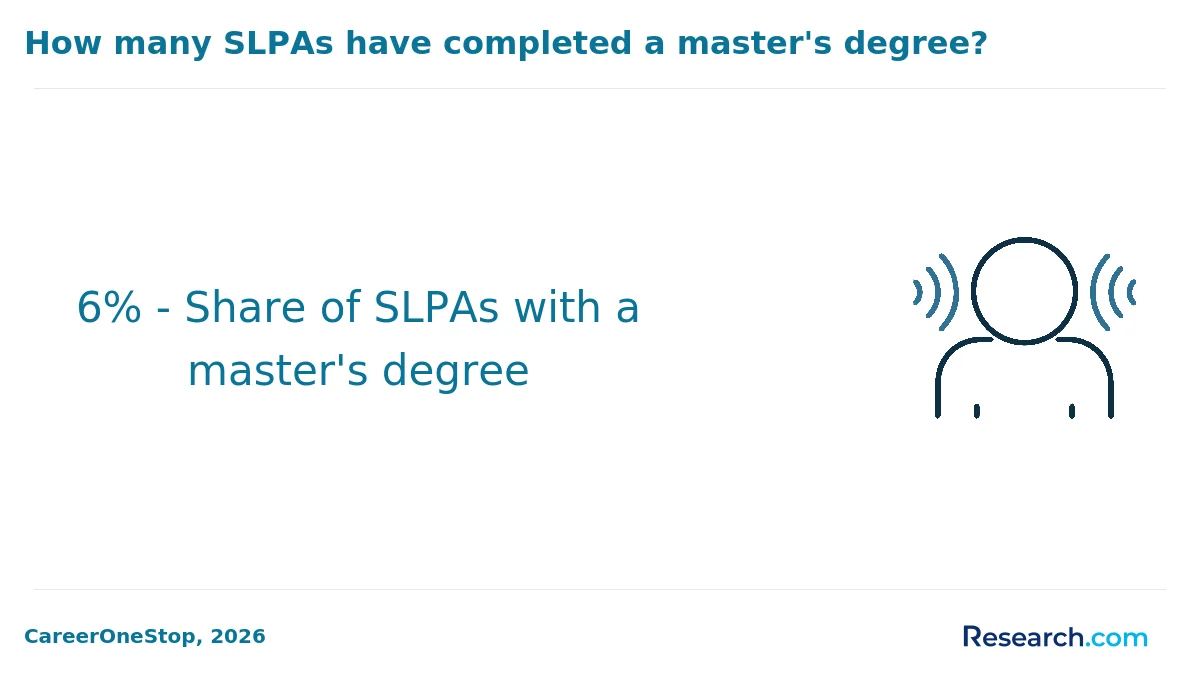
The highest-paying options after a speech pathology bachelor's degree are usually not entry-level clinical therapy roles. Better pay is more common in positions that add supervision, business development, healthcare operations, sales, specialized technology knowledge, or advanced credentials. Speech-language pathologists reported a median annual wage near $97,870 in 2026, but becoming a licensed SLP generally requires a master's degree and state licensure.
For bachelor's graduates, salary potential improves when you pair your degree with certifications, experience, strong documentation skills, sales ability, leadership training, or knowledge of assistive communication technology.
| Career option | Typical pay range stated | Why it can pay more |
| Speech-Language Pathology Assistant | $40,000 to $55,000 annually | SLPAs support licensed pathologists by carrying out treatment activities, preparing materials, recording progress, and assisting in schools or healthcare settings. Pay depends heavily on state rules, employer type, and certification requirements. |
| Healthcare Rehabilitation Administrator | $60,000 to $85,000 a year on average | These roles combine knowledge of rehab services with scheduling, compliance, budgeting, staff coordination, and patient operations. Leadership responsibility is the main salary driver. |
| Corporate Speech Consultant | $70,000 to $95,000 annually | Consultants may coach professionals on presentation skills, vocal delivery, accent modification, executive communication, or public speaking. Income often depends on client base, reputation, and business development ability. |
| Special Education Coordinator | $55,000 to $80,000 yearly | This path rewards knowledge of student support systems, documentation, compliance, family communication, and collaboration with educators and service providers. |
| Medical Sales Representative | $60,000 to $90,000 annually | Sales roles may include commissions and are a fit for graduates who understand therapy products, AAC devices, clinical workflows, and buyer needs in schools or healthcare organizations. |
The main mistake graduates make is comparing bachelor's-level support jobs directly with licensed SLP salaries. A bachelor's degree can lead to solid earnings, but the path usually requires a deliberate strategy: gain field experience, learn employer requirements, build measurable skills, and decide whether graduate school is necessary for your target role.
- : "“Figuring out which roles matched my skill set took time. It was not just about the degree, but how I applied it in diverse settings that made the difference.”"
What Are the Entry-Level Jobs for Speech Pathology Bachelor's Degree Graduates?
Entry-level jobs for speech pathology bachelor's graduates are best viewed as career-building roles. They help you confirm whether you enjoy clinical environments, schools, research, administration, or client support before investing in graduate education. Labor data indicate that around 70% of speech pathology bachelor's degree holders find relevant entry-level jobs within a year of graduating, which suggests that graduates who search broadly can find roles connected to their training.
These positions are especially useful if you need supervised experience, recommendation letters, exposure to client populations, or a clearer graduate school plan.
- Speech-Language Pathology Assistant: SLPAs help licensed speech-language pathologists with therapy activities, materials, progress tracking, and client support. Requirements vary by state, so confirm whether you need registration, certification, additional coursework, or supervised hours before applying.
- Research Assistant: Research assistants support studies related to communication disorders, language development, hearing, cognition, disability, or rehabilitation. This role can strengthen graduate school applications because it develops data collection, participant communication, and evidence-based practice skills.
- Communication Aide: Communication aides often work in schools, clinics, or rehabilitation programs. They may help implement communication supports, assist with individualized education plan services under supervision, and document student or client progress.
- Support Staff in Clinical Settings: Front office, intake, scheduling, therapy coordination, and patient support roles can be valuable if you want to understand healthcare operations. These jobs may not be therapy roles, but they expose you to billing, documentation, referrals, and multidisciplinary teamwork.
Graduates who are considering healthcare law, disability advocacy, or education policy may also compare adjacent options such as fast track paralegal programs, particularly if they want to work around healthcare, special education, or compliance without pursuing clinical licensure.
What Career Paths Align With Your Skills After a Speech Pathology Bachelor's Degree?
A speech pathology bachelor's degree builds more than knowledge of speech and language disorders. It develops practical skills in observation, communication, documentation, problem-solving, cultural awareness, collaboration, and evidence-based thinking. A 2023 survey by the National Association of Colleges and Employers found that over 85% of employers prioritize communication and problem-solving when hiring recent graduates, which makes this degree useful beyond narrowly defined speech pathology roles.
Use your strongest skills to narrow your options rather than applying to every job with “communication” in the description.
| Skill from the degree | Best-fit career paths | Good fit if you enjoy |
| Analytical Thinking | Research coordination, healthcare data support, clinical program coordination, quality improvement | Interpreting information, organizing details, comparing outcomes, and solving structured problems |
| Effective Communication | Education support, advocacy, patient services, training, counseling-adjacent support roles | Explaining concepts clearly, building trust, writing documentation, and adapting to different audiences |
| Leadership | Program administration, rehabilitation coordination, special education coordination, healthcare operations | Managing workflows, coordinating teams, improving systems, and taking responsibility for outcomes |
| Creative Problem-Solving | Assistive technology, health informatics support, therapy content development, accessibility services | Designing tools, adapting materials, testing solutions, and improving user experience |
A useful decision rule is to separate “population fit” from “task fit.” For example, you may love working with children but dislike school paperwork, or you may enjoy healthcare topics but prefer technology or administration over direct patient care. The best career path should match both the people you want to serve and the type of work you want to do every day.
- : "“I found that the critical thinking and teamwork experiences from my studies gave me confidence to embrace leadership opportunities and solve unexpected problems.”"
What Jobs Require an Advanced Degree After a Speech Pathology Bachelor's Degree?
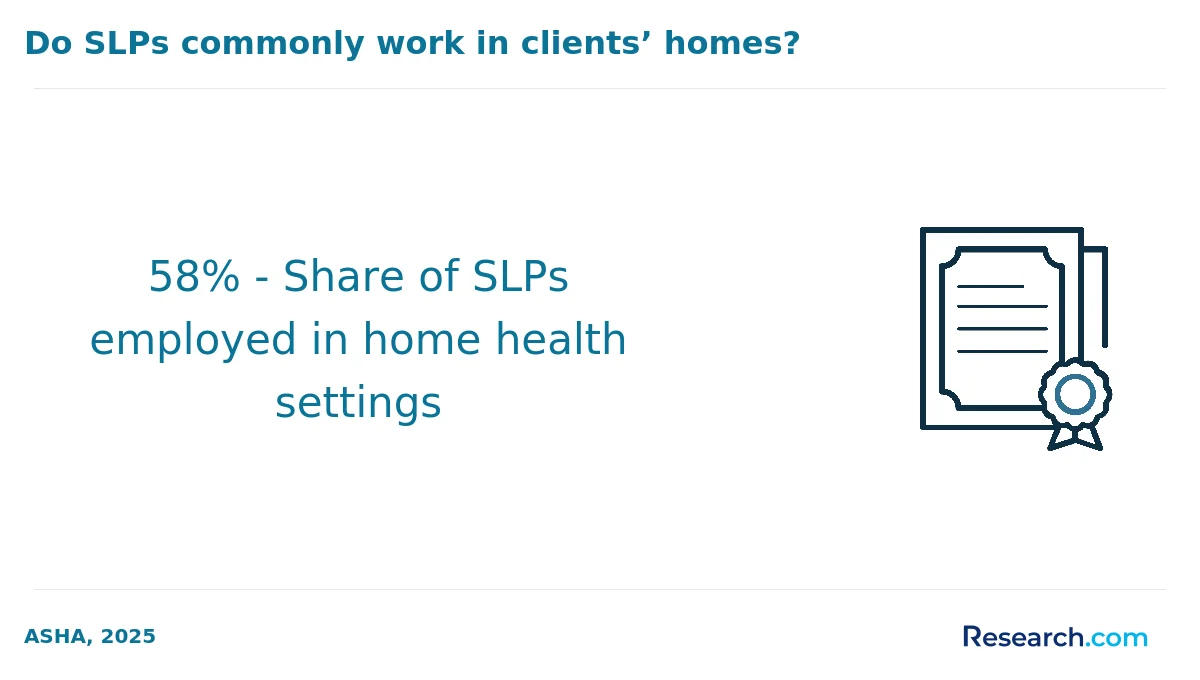
Many of the most recognized speech pathology careers require graduate education because they involve diagnosis, treatment planning, complex clinical decision-making, and licensure. Over 90% of professionals working as speech-language pathologists have earned a master's degree, which reflects how central graduate training is to independent practice.
If your goal is to provide direct clinical services as an SLP, a bachelor's degree is usually a starting point, not the final credential. Before enrolling, check program accreditation, prerequisite coursework, clinical placement support, state licensure alignment, and total cost.
- Licensed Speech-Language Pathologist: This role generally requires a master's degree, supervised clinical experience, a passing score on the required examination, and state licensure. SLPs diagnose and treat communication and swallowing disorders in schools, hospitals, clinics, rehabilitation centers, and private practice settings.
- Clinical Researcher: Research careers may require master's or doctoral study, especially for those who design studies, lead grants, publish independently, or specialize in communication disorders research.
- University Educator: College-level teaching and tenure-track academic roles usually require a doctorate. These positions combine teaching, research, mentoring, and scholarly publication.
- Specialized Therapist: Pediatric, geriatric, neurological, voice, fluency, and swallowing-related roles often require advanced clinical coursework, supervised experience, and specialized training beyond the bachelor's level.
- Department Director: Leadership roles in hospitals, rehabilitation centers, school districts, or therapy organizations often favor or require graduate education because directors oversee compliance, staffing, budgets, service quality, and interdisciplinary coordination.
The practical question is whether the career you want requires legal authority to diagnose and treat. If it does, plan for graduate education and licensure. If it does not, you may be able to build a strong career through experience, certifications, technology skills, or management training.
What Careers Require Certifications or Licensure After a Speech Pathology Bachelor's Degree?
Certification and licensure matter because speech-related roles often involve vulnerable clients, educational rights, medical documentation, and treatment services. Credentialing protects clients and clarifies what a professional is legally allowed to do. Over 80,000 professionals currently hold the Certificate of Clinical Competence in Speech-Language Pathology (CCC-SLP), underscoring its importance in the field.
Requirements vary by state and employer, so do not assume that a job title means the same thing everywhere. Always verify rules with the state licensing board, state education agency, or employer before accepting a role.
- Speech-Language Pathologist: Becoming an SLP requires more than a bachelor's degree. The standard path includes a master's degree, supervised clinical hours, a national examination, and state licensure. SLPs assess, diagnose, and treat speech, language, cognitive-communication, voice, fluency, and swallowing disorders.
- Educational Speech-Language Pathologist: SLPs working in public schools may need state licensure, education certification, or both. Their work must align with student services, individualized education programs, documentation requirements, and school-based eligibility rules.
- Speech Therapy Assistant: Assistant requirements differ by state. Some states require registration, a postsecondary certificate, an associate degree, supervised practice, or specific coursework. Assistants work under licensed SLPs and generally cannot independently diagnose, evaluate, or create treatment plans.
Before choosing a career path, make a credential checklist. Include required degree level, supervised hours, exams, background checks, continuing education, renewal timelines, and any limits on scope of practice. This prevents costly surprises after graduation.
What Are the Alternative Career Paths for Bachelor's in Speech Pathology Graduates?
Not every speech pathology graduate becomes a clinician, and that is not a failure of the degree. Nearly 30% of graduates pursue careers outside traditional healthcare and educational settings. The degree can be valuable in any role that depends on communication, accessibility, human behavior, documentation, training, disability services, or health technology.
Alternative careers are often strongest for graduates who can explain how their training solves a nonclinical employer's problem. Instead of saying only that you studied speech pathology, highlight skills such as needs assessment, plain-language communication, client education, data tracking, and adaptation for people with disabilities.
- Healthcare Administration and Sales: Graduates may work in intake coordination, patient services, practice operations, medical device sales, or therapy product support. Knowledge of speech, hearing, and communication needs can be useful when working with clinics, schools, and rehabilitation providers.
- Research and Data Analysis: Communication sciences training can support roles in research coordination, public health programs, disability services evaluation, and data management. This route is a strong match for detail-oriented graduates who enjoy evidence and outcomes.
- Technology Development: Speech recognition, AAC, teletherapy platforms, educational software, and accessibility tools need input from people who understand communication barriers. Graduates may contribute through user testing, content design, training, customer success, or product support.
- Education and Advocacy: Curriculum support, literacy programs, disability advocacy, family education, and community outreach allow graduates to promote communication access without functioning as independent clinicians.
- Corporate Communication and HR: Training, employee communication, onboarding, conflict resolution, and professional development roles can benefit from a speech pathology graduate's understanding of listening, clarity, language, and interpersonal communication.
Career changers from education may find this field especially relevant. The path from teacher to speech pathologist shows how classroom experience, communication support, and graduate preparation can connect in a nontraditional career transition.
What Remote and Flexible Career Options Are Available With a Speech Pathology Bachelor's Degree?
Remote work in this field is most realistic for bachelor's graduates in support, coordination, content, technology, tutoring, and administrative roles. A 2023 study by FlexJobs found that remote work in healthcare has increased by over 60% in the last five years, and speech pathology-related work has been affected by the rise of telehealth, digital therapy platforms, and online education.
However, be careful with job titles. Remote “speech therapy” roles may still require a licensed SLP. Bachelor's graduates should look for positions that clearly state assistant, coordinator, support, content, customer success, or education responsibilities unless they already hold the required clinical credentials.
- Telepractice Support: These roles may involve preparing digital materials, scheduling sessions, managing platform logistics, helping families access resources, and tracking progress under appropriate supervision. This is a good fit for graduates who are organized and comfortable with technology.
- Content Development: Graduates may create therapy-adjacent worksheets, language activities, parent guides, training materials, or educational resources for companies serving schools and clinicians. Freelance or contract work can offer flexibility, but income may be less predictable.
- Remote Case Management: Case management support can include coordinating care plans, communicating with providers, updating records, and helping clients or families navigate services. Strong documentation and confidentiality practices are essential.
- Online Tutoring and Coaching: Some graduates tutor language, reading, communication, study skills, or presentation skills online. This can be flexible, but it should not be marketed as clinical speech-language therapy unless the provider has the required credentials.
Distance education itself has become more common across disciplines. Reviewing examples such as online architecture degree programs can help you understand how online learning models vary by field, even though speech pathology has its own accreditation, clinical, and licensure requirements.
How Do You Choose the Best Career Path After a Speech Pathology Bachelor's Degree?
The best career path after a speech pathology bachelor's degree is the one that matches your desired work setting, credential timeline, income needs, and tolerance for additional schooling. Research shows that about 60% of graduates report higher job fulfillment when their career decisions align with their personal values and interests, so the decision should not be based on salary or job growth alone.
Use the following factors to compare options before applying, enrolling in graduate school, or changing fields.
- Personal Interests: Identify what drew you to the major. If you like direct human support, consider schools, clinics, early intervention, or assistant roles. If you prefer systems and organization, look at administration, case coordination, or research support. If you like tools and innovation, explore assistive technology or digital health.
- Long-Term Vision: Decide whether you want to become a licensed SLP, move into leadership, work in technology, or build a nonclinical communication career. A five- to ten-year plan helps you avoid taking jobs that build experience in the wrong direction.
- Employment Trends: Look at demand in your region, not just national growth. Schools, hospitals, clinics, and telehealth companies may have very different hiring needs depending on location, funding, and state rules.
- Preferred Setting: Daily work feels different in a school, hospital, rehabilitation center, nonprofit, private company, or remote role. If possible, shadow professionals, volunteer, interview alumni, or take a related entry-level job before committing to graduate school.
- Work-Life Balance: Compare schedule predictability, emotional demands, documentation load, travel, remote options, caseload expectations, and advancement potential. A prestigious path is not always the best path if it does not fit your life.
A practical next step is to create a two-column plan: “jobs I can pursue now” and “jobs that require more education or credentials.” Then list the exact requirements, likely costs, expected timeline, and experience you need for each path. This turns a broad degree into a focused career strategy.
What Graduates Say About the Best Career Paths After a Speech Pathology Bachelor's Degree
- : "Choosing a speech pathology bachelor's degree felt like a natural fit because I wanted a profession that combined science and human connection. Early on, I discovered that speech pathology offers diverse career paths, including clinical work and research. The degree truly opened doors for me to pursue remote therapy roles, allowing me to support clients nationwide while maintaining flexibility. — Esteban"
- : "After graduating, I reflected on how my speech pathology degree shaped my understanding of communication disorders and the impact of early intervention. I initially aimed for conventional clinical roles but found myself drawn to educational and advocacy positions, which added a rewarding dimension to my career. This degree gave me the credentials and confidence to pivot into alternative careers that still support speech health indirectly. — Alexis"
- : "My journey into speech pathology began with a passion for helping others, but it was the practical skills from my bachelor's degree that truly propelled my career forward. The program emphasized evidence-based practice, which helped me excel in both traditional clinical settings and telepractice. This foundation has been instrumental in allowing me to grow professionally and adapt to evolving industry demands. — Eli"
Other Things You Should Know About Speech Pathology Degrees
Yes, a speech pathology bachelor's degree can open doors to related careers beyond direct therapy roles. Graduates may find opportunities in research, education, healthcare administration, or speech and language technology development. These alternative roles often leverage the foundational knowledge of communication disorders gained during the degree.
In 2027, top industries hiring speech pathology bachelor's graduates include healthcare, education, and private practice. These sectors offer diverse roles in hospitals, schools, and therapeutic centers, providing a wide range of opportunities beyond traditional therapy careers.
Continuing education plays a significant role in career advancement for speech pathology graduates. Pursuing certification programs or advanced degrees can qualify individuals for specialized roles, leadership positions, or clinical practice as licensed speech-language pathologists. Ongoing professional development ensures that practitioners stay current with evolving best practices and research in the field.
References
- U.S. Bureau of Labor Statistics - Speech-Language Pathologists https://www.bls.gov/ooh/healthcare/speech-language-pathologists.htm
- ASHA EdFind - Accredited Speech-Language Pathology Programs https://find.asha.org/ed/
- ETS Praxis - Speech-Language Pathology (5331) https://praxis.ets.org/test/speech-language-pathology-5331.html
- University of Wisconsin-Eau Claire - Master of Science in Speech-Language Pathology (Online) https://www.uwec.edu/speech-language-and-hearing-sciences-department/graduate-program/speech-language-pathology-online
- California State University-San Marcos - Online MS in Speech-Language Pathology https://www.csusm.edu/slp/programs/mastersonline/index.html
- Maryville University - Master of Science in Speech-Language Pathology https://www.maryville.edu/masters/speech-language-pathology/
- University of Nebraska at Kearney - Speech-Language Pathology, Master of Science in Education (Online Track) https://www.unk.edu/online/degrees-programs/speech-language-pathology-online.php
- Nova Southeastern University - SLP Program - Master of Science in Speech-Language Pathology https://osteopathic.nova.edu/degrees/masters/speech-language-pathology/index.html


