2027 How to Become a Nutritionist in Nevada

Co-Founder and Chief Data Scientist
If you want to become a nutritionist in Nevada, the first decision is not just which school to attend. You also need to understand the difference between working as a nutritionist, becoming certified, and qualifying for licensed dietitian roles. Nevada does not require every nutrition professional to hold a nutritionist license, but job duties, employer expectations, insurance reimbursement, and the use of protected titles can change what credentials you actually need.
This guide explains the education, certification, practical experience, cost, salary outlook, legal responsibilities, and career options for aspiring nutritionists in Nevada. It is designed for students comparing degree programs, career changers entering health and wellness, and current professionals deciding whether to pursue advanced credentials such as Registered Dietitian Nutritionist (RDN) or Certified Nutrition Specialist (CNS).
Quick Answer: How do you become a nutritionist in Nevada?
In Nevada, you can generally work in non-licensed nutrition education, wellness coaching, or health promotion roles without a state nutritionist license, provided you do not misrepresent yourself as a licensed dietitian or provide services outside your training. For stronger job prospects, most candidates earn a bachelor’s degree in nutrition, dietetics, health sciences, or a related field. Those who want clinical authority, dietitian licensure, or roles involving medical nutrition therapy should pursue the RDN pathway, which requires accredited education, supervised practice, and a national exam. Advanced credentials such as CNS usually require a master’s or doctoral degree, supervised practice hours, and a certification exam.
Key Things You Should Know About Becoming a Nutritionist in Nevada
- Nevada does not require a general nutritionist license unless the individual is practicing as a dietitian, which requires a state license from the Nevada State Board of Medical Examiners.
- Voluntary credentials can improve credibility. Common options include certification through the National Association of Nutrition Professionals (NANP) or the Certified Nutrition Specialist (CNS) credential, which is recognized in Nevada.
- The CNS pathway requires a master’s or doctoral degree in nutrition or a related field, supervised practice hours, and a passing score on the CNS exam.
- Continuing education matters even when it is not legally required. Certification renewal often requires ongoing professional development, commonly around 30 hours every two years depending on the organization.
- Certification applications typically require documentation of education, supervised experience, and exam completion. Fees vary by certifying organization.
- What are the educational requirements to become a nutritionist in Nevada?
- Is there a licensing requirement to become a nutritionist in Nevada?
- How long does it take to become a nutritionist in Nevada?
- What are the certification options for nutritionists in Nevada?
- What practical experience is required to become a nutritionist in Nevada?
- How much does it cost to become a nutritionist in Nevada?
- What is the job outlook and salary for nutritionists in Nevada?
- What are the career advancement opportunities for nutritionists in Nevada?
- How can nutritionists support substance abuse recovery in Nevada?
- How does earning an advanced degree affect career prospects and earnings in Nevada?
- What Continuing Education and Certification Renewal Options are Available for Nutritionists in Nevada?
- What specialization options are available for nutritionists in Nevada?
- How Can Nutritionists Enhance Their Business and Administrative Competencies in Nevada?
- What are the biggest challenges faced by nutritionists in Nevada?
- What are the legal regulations and responsibilities for nutritionists in Nevada?
- How Can Nutritionists and Nurse Practitioners Collaborate to Enhance Patient Care in Nevada?
- How Can Nutritionists Influence Public Health Policy and Community Health in Nevada?
- What Are the Key Steps to Transition from Nutritionist to Registered Dietitian in Nevada?
- How Can Nutritionists Collaborate Effectively with Other Health Professionals in Nevada?
- How Can Nutritionists Collaborate with Pharmacists for Comprehensive Patient Care in Nevada?
- What are the emerging interdisciplinary educational opportunities for nutritionists in Nevada?
- How Can Nutritionists Leverage Telehealth and Digital Tools for Client Engagement in Nevada?
What are the educational requirements to become a nutritionist in Nevada?
Nevada does not impose one single education requirement for every person using the word nutritionist. However, education strongly affects what you can do, where you can work, and whether employers will trust your training. A short certificate may be enough for basic wellness education, while clinical nutrition, dietetics, public health, and medical nutrition therapy usually require formal college-level preparation.
- Bachelor’s degree: A bachelor’s degree in nutrition, dietetics, nutritional science, health sciences, food science, or a closely related field is the typical starting point for serious nutrition careers. Students who need remote study options can compare online bachelor’s degrees in nutritional science.
- Advanced degree: A master’s degree in nutrition, public health, dietetics, or a related area can help candidates qualify for advanced certifications, research roles, leadership positions, and specialized clinical work.
- Nevada-based programs: The University of Nevada, Reno offers a Bachelor of Science in Nutrition Science. The University of Nevada, Las Vegas offers a Bachelor of Science in Nutrition Sciences with a focus on Nutrition and Dietetics Management. Nevada State College offers a Bachelor of Science in Health Sciences with an emphasis on nutrition.
- Continuing education: Even when not required by law, ongoing training helps nutrition professionals keep pace with research, dietary guidelines, chronic disease prevention strategies, telehealth practices, and ethical standards.
| Education path | Best for | What to check before enrolling |
| Short nutrition certificate | Entry-level wellness education, personal enrichment, fitness-adjacent work | Whether the credential is respected by employers and whether it clearly limits clinical claims |
| Bachelor’s degree in nutrition or dietetics | Most nutritionist roles, public health work, food service management, preparation for graduate study | Curriculum, faculty background, internship access, transfer policy, and alignment with long-term credential goals |
| Master’s degree in nutrition, dietetics, or public health | CNS preparation, advanced practice, leadership, research, and competitive healthcare roles | Accreditation, supervised practice options, thesis or applied project requirements, and total program cost |
| RDN-aligned dietetics pathway | Clinical dietetics, medical nutrition therapy, licensed dietitian roles | Whether the program is accredited by ACEND and leads to supervised practice eligibility |
The most practical approach is to choose the credential first, then choose the school. If your goal is broad wellness coaching, a bachelor’s degree plus voluntary certification may be enough. If your goal is hospital work, medical nutrition therapy, or licensed dietitian practice, you should map your program to RDN requirements before enrolling.
Is there a licensing requirement to become a nutritionist in Nevada?
Nevada does not have a blanket license requirement for all nutritionists. The critical distinction is between general nutrition guidance and regulated dietitian practice. A person may provide nutrition education within the limits of their training, but they should not claim to be a licensed dietitian, provide medical nutrition therapy without proper authority, or imply credentials they have not earned.
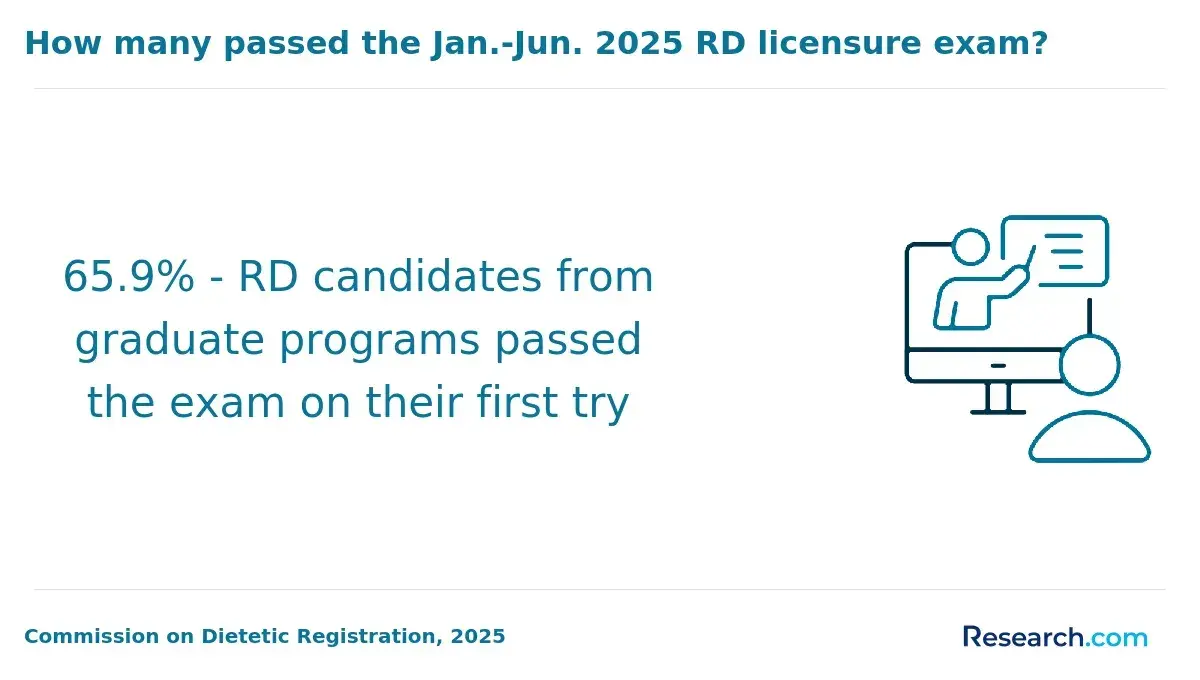
Those who want to practice at a higher clinical level should consider becoming a Registered Dietitian Nutritionist through the Commission on Dietetic Registration. The RDN credential is nationally recognized and is often preferred or required for clinical, hospital, long-term care, and medical nutrition therapy roles.
Professional networking can also make a meaningful difference. Joining organizations such as the Nevada Academy of Nutrition and Dietetics can help students and early-career professionals find mentors, supervised practice opportunities, continuing education, and updates on state-level practice expectations.
| Role or credential | State license required in Nevada? | Typical scope | Best fit |
| General nutritionist | Not generally required | Nutrition education, wellness support, meal habit coaching within training limits | Wellness companies, community education, fitness settings, private coaching |
| Certified Nutrition Specialist | Voluntary credential, not a general state license | Advanced evidence-based nutrition practice, depending on training and setting | Graduate-trained professionals seeking stronger credibility |
| Registered Dietitian Nutritionist | Relevant for licensed dietitian practice | Clinical nutrition, dietetic care, medical nutrition therapy where permitted | Hospitals, clinics, long-term care, medical practices, public health programs |
Before offering services, ask three questions: What title am I legally allowed to use? Are my services educational or clinical? Would a reasonable client believe I am diagnosing, treating, or managing a medical condition? If the answer is unclear, seek guidance from the relevant Nevada regulatory authority or a qualified healthcare attorney.
How long does it take to become a nutritionist in Nevada?
The timeline depends on the level of practice you want. Someone pursuing basic non-licensed wellness work may complete training in months, while a student preparing for advanced dietetics or clinical nutrition can spend six years or more in education and supervised practice.
- Bachelor’s degree: A Bachelor of Science in Nutrition or a related field commonly takes about four years.
- Master’s degree: Students pursuing advanced roles or RDN preparation generally add about two years, bringing the education timeline to roughly six years.
- Dietetic internship or supervised practice: After undergraduate education or one of the top dietetics master’s programs, supervised practice can take six months to a year.
- Associate degree: An Associate of Applied Science in Food and Beverage Management may take about two years and can support food service or nutrition-adjacent roles.
- Certification programs: Some non-licensed nutrition certification programs can be completed in a few weeks to several months. The ISSA Nutritionist certification may take around 6-12 weeks.
- Continuing education: Additional certifications or renewal requirements may require several months of part-time study, depending on the credential.
| Career goal | Estimated timeline | Typical steps |
| Basic wellness or nutrition coaching | Weeks to several months for some certificate programs | Complete training, define scope, avoid clinical claims, build client communication skills |
| Nutritionist with bachelor’s-level preparation | About four years | Earn degree, gain practical experience, consider voluntary certification |
| Advanced nutrition professional | About six years or more | Earn bachelor’s and master’s degrees, complete supervised experience, pursue certification |
| Registered Dietitian Nutritionist pathway | Often about six years plus supervised practice and exam completion | Complete accredited coursework, supervised practice, national exam, and state licensing steps if applicable |
If you are drawn to both nutrition and nursing, you may also want to review the nutrition nurse career path, which combines patient care training with nutrition-related support.
What are the certification options for nutritionists in Nevada?
Certification is not the same as state licensure, but it can help show employers and clients that you have completed recognized training. The two most important credentials to understand are Registered Dietitian Nutritionist and Certified Nutrition Specialist. They differ in education level, supervised practice expectations, exam requirements, and career use.
To become an RDN in Nevada, candidates must complete a bachelor’s degree in nutrition or a related field, complete a supervised practice program accredited by the Accreditation Council for Education in Nutrition and Dietetics, and pass the national RDN exam. The CNS credential requires a master’s or doctoral degree in nutrition or a related field, 1,000 hours of supervised practice, and a passing score on the CNS exam administered by the Certification Board for Nutrition Specialists.
| Credential | Education requirement stated | Experience requirement stated | Exam | When it makes sense |
| Registered Dietitian Nutritionist | Bachelor’s degree in nutrition or related field, with accredited dietetics preparation | Supervised practice program accredited by ACEND | National RDN exam | You want clinical dietetics, hospital work, medical nutrition therapy, or licensed dietitian opportunities |
| Certified Nutrition Specialist | Master’s or doctoral degree in nutrition or a related field | 1,000 hours of supervised practice | CNS exam | You want an advanced non-RDN nutrition credential backed by graduate-level training |
| NANP-related certification | Varies by credentialing route | Varies by certifying body | Varies by certifying body | You work in holistic, integrative, or wellness-focused nutrition and want a voluntary credential |
Choose certification based on the job you want, not the title that sounds most appealing. For example, hospitals often prefer RDN preparation, while wellness businesses may value coaching experience, communication skills, and a credible voluntary certification.
What practical experience is required to become a nutritionist in Nevada?
Practical experience helps translate nutrition science into client-ready skills. Nevada employers may look for candidates who can work with diverse populations, communicate clearly, document services, understand food access barriers, and collaborate with healthcare teams.
- Clinical settings: Hospitals, outpatient clinics, rehabilitation centers, and long-term care facilities expose students to nutrition screening, patient education, and interdisciplinary care. Facilities such as University Medical Center in Las Vegas can offer insight into the needs of varied patient groups.
- Community nutrition: Programs connected to the Nevada Division of Public and Behavioral Health can help aspiring nutritionists understand public health outreach, food insecurity, chronic disease prevention, and nutrition education for underserved communities.
- Food service operations: Schools, hospitals, senior living facilities, and institutional kitchens teach menu planning, safety standards, budgeting, and dietary accommodation.
- Research experience: University-based research, including opportunities connected to the University of Nevada, Reno, can strengthen skills in evidence review, data interpretation, and nutrition science.
Students should document every relevant experience, including supervisor names, dates, responsibilities, populations served, and skills used. This record can help with graduate applications, certification documentation, job interviews, and supervised practice verification.
How much does it cost to become a nutritionist in Nevada?
The cost to become a nutritionist in Nevada depends on the school, degree level, residency status, delivery format, and whether you pursue certification, graduate school, or supervised practice. Based on the figures provided, the total cost can range from approximately $15,000 to $45,000 or more.
Tuition Costs
At the University of Nevada, Reno, in-state students can expect to pay around $10,000 annually for a Bachelor of Science in Nutrition, while out-of-state students may pay about $30,000. Community college tuition is often lower, typically ranging from $3,000 to $5,000 per year. Students planning graduate study may also compare online options, including a master’s in holistic nutrition online, when evaluating long-term cost and flexibility.
Additional Fees
Tuition is only part of the total price. Textbooks can average around $1,000 annually. Lab fees may add $300 to $500. Health insurance costs can reach approximately $1,937, and students may also pay technology, student service, background check, exam, application, and transportation fees.
Living Expenses
Housing, food, transportation, childcare, and personal expenses can significantly change the real cost of attendance. Students in Las Vegas, Reno, and rural Nevada may face different living costs and commute patterns, so it is important to build a full budget rather than comparing tuition alone.
| Cost category | Figures stated | Planning advice |
| University tuition | Around $10,000 annually for in-state students at the University of Nevada, Reno; about $30,000 for out-of-state students | Compare residency rules, transfer credits, scholarships, and whether the program aligns with your credential goal |
| Community college tuition | Typically $3,000 to $5,000 per year | Use community college strategically if credits transfer cleanly into a bachelor’s program |
| Books and course materials | Textbooks can average around $1,000 annually | Ask whether open educational resources, rentals, or used books are available |
| Lab and program fees | Lab fees may add $300 to $500 | Request a program fee sheet before enrolling |
| Health insurance | Can reach approximately $1,937 | Confirm whether coverage is mandatory and whether waivers are available |
What is the job outlook and salary for nutritionists in Nevada?
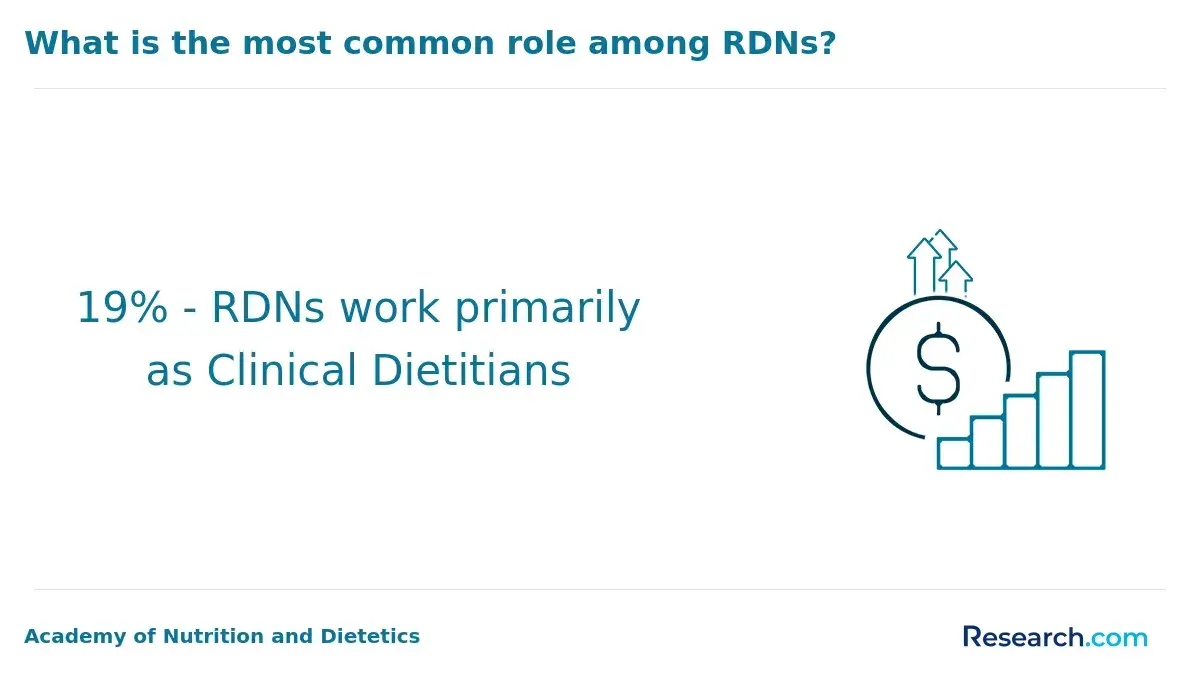
The U.S. Bureau of Labor Statistics projects 7% growth in demand for dietitians and nutritionists through 2034. For Nevada, the source material also cites a median annual wage of approximately $66,000 for nutritionists, with higher earning potential tied to experience, specialization, and metropolitan labor markets such as Las Vegas and Reno.
Demand is influenced by several forces: population growth, chronic disease prevention, interest in wellness, public health nutrition, and the need for nutrition support in healthcare and community settings. At the same time, applicants should be careful with salary expectations. Earnings vary by credential, employer, geographic location, client base, and whether the role is clinical, educational, administrative, or entrepreneurial.
- Population growth: More residents can increase demand for healthcare and preventive services, including nutrition counseling.
- Health and wellness interest: Consumer attention to food, fitness, chronic disease prevention, and lifestyle medicine can create opportunities outside traditional clinical roles.
- Work setting variety: Nevada nutrition professionals may work in hospitals, schools, public health agencies, private practices, wellness companies, rehabilitation programs, and food service systems.
- Credential sensitivity: RDN, CNS, graduate education, and specialized training can affect access to higher-responsibility roles.
One caution: the article source material includes both a 7% growth projection through 2034 and a separate statement that the Bureau of Labor Statistics projects 26% growth in nutritionist jobs in Nevada over the next decade. Because labor market figures can vary by occupation definition, geography, and data source, students should verify current Nevada-specific projections through BLS, O*NET, and CareerOneStop before making enrollment or borrowing decisions.
What are the career advancement opportunities for nutritionists in Nevada?
Nutrition careers can advance in several directions: clinical practice, public health, management, wellness consulting, research, or entrepreneurship. The best path depends on your credential level and whether you want to work with individual clients, healthcare teams, populations, athletes, employees, or organizations.
- Registered Dietitian Nutritionist: RDN status can expand access to clinical and specialized roles, especially in healthcare and medical nutrition therapy.
- Health coach: Health coaching focuses on lifestyle change, behavior support, and wellness education in settings such as corporate wellness, fitness, and community programs.
- Clinical nutrition specialist: Clinical roles may involve individualized nutrition planning for patients with specific medical needs, often in hospitals, clinics, or rehabilitation facilities.
- Public health nutritionist: Public health roles address food access, obesity prevention, maternal and child health, community education, and nutrition-related policy initiatives.
- Corporate wellness consultant: Businesses may hire nutrition professionals to support employee health programs, education campaigns, and workplace wellness strategies.
Major Nevada healthcare employers mentioned in the source material include University Medical Center and Sunrise Hospital and Medical Center. The same source material also cites a remarkable 26% growth in nutritionist jobs in Nevada over the next decade. Students interested in long-term career mobility can explore nutritional science degree pathways to compare educational options before choosing a specialization.
| Advancement path | Additional preparation that may help | Potential work settings |
| Clinical nutrition | RDN pathway, supervised practice, disease-specific training | Hospitals, clinics, rehabilitation centers, long-term care |
| Public health nutrition | Public health coursework, grant writing, program evaluation | Government agencies, nonprofits, community health programs |
| Sports nutrition | Exercise science knowledge, athlete counseling experience, performance nutrition training | Schools, gyms, athletic organizations, private practice |
| Private practice | Business planning, ethical marketing, legal scope review, billing systems | Solo practice, group wellness clinics, telehealth |
| Leadership or research | Graduate degree, data skills, publication or project experience | Universities, healthcare systems, policy organizations, research teams |
How can nutritionists support substance abuse recovery in Nevada?
Nutrition can be part of a broader recovery plan when coordinated with qualified addiction treatment and mental health professionals. Nutritionists may help clients rebuild regular eating patterns, address nutrient gaps, manage appetite changes, and support general wellness during recovery. They should not replace licensed substance abuse counselors, physicians, or behavioral health clinicians.
In Nevada, nutrition professionals who want to work in recovery settings should learn how rehabilitation programs coordinate care, how trauma and food behaviors can intersect, and when referral is necessary. Reviewing the pathway for becoming a substance abuse counselor in Nevada can help nutritionists understand the training and scope of colleagues in addiction treatment.
How does earning an advanced degree affect career prospects and earnings in Nevada?
An advanced degree can improve access to specialized, leadership, teaching, research, and clinical-adjacent nutrition roles. A master’s program can also strengthen evidence appraisal, program design, counseling, public health, and data interpretation skills, which are increasingly useful in healthcare and wellness settings.
Advanced education does not guarantee a higher salary, but it can make a candidate more competitive for roles that require graduate-level knowledge or advanced certification. Students comparing the financial return of graduate study should evaluate tuition, lost work time, supervised practice requirements, employer tuition support, and realistic local salary outcomes. For role and earnings context, review careers associated with a master’s in nutrition and dietetics salary.
What Continuing Education and Certification Renewal Options are Available for Nutritionists in Nevada?
Continuing education helps nutrition professionals maintain credibility, renew credentials, and stay current with research. Common options include online courses, professional conferences, webinars, employer training, graduate coursework, workshops, and specialty certifications.
Renewal rules vary by credentialing organization. Some certifications require documented continuing education units, ethics training, practice updates, or renewal applications. While nutrition credentialing is distinct from nursing regulation, reviewing allied health compliance examples such as Nevada nursing license requirements can help professionals understand how healthcare fields structure renewal, documentation, and continuing competency.
What specialization options are available for nutritionists in Nevada?
Specialization can help nutritionists stand out, especially in a market where job duties range from community education to advanced clinical care. The right specialty should reflect your interests, local demand, credential level, and whether you prefer one-on-one counseling, group education, research, or program management.
- Clinical nutrition: Focuses on diet-related support for chronic disease, recovery, rehabilitation, and patient care. It is most appropriate for professionals with strong clinical training and, in many settings, RDN preparation.
- Sports nutrition: Supports athletes and active clients with fueling strategies, hydration education, recovery nutrition, and performance-related eating plans.
- Pediatric nutrition: Addresses children’s growth, food habits, family education, school nutrition, and concerns such as childhood obesity or nutrient deficiencies.
- Public health nutrition: Uses education, outreach, policy, and program planning to improve nutrition at the community level, including underserved populations.
A practical example is a sports nutritionist in Las Vegas collaborating with local high schools to create nutrition programs for student-athletes. This type of work can combine performance support with broader education on healthy eating habits.
The University of Nevada, Reno offers a program in Clinical Nutrition that can support students interested in patient-centered nutrition work.
How Can Nutritionists Enhance Their Business and Administrative Competencies in Nevada?
Nutrition knowledge alone is not enough for private practice, consulting, or leadership roles. Professionals also need administrative systems that protect clients, support accurate records, and keep the business sustainable. Important skills include scheduling, intake forms, documentation, client billing, digital record management, referral tracking, privacy practices, and basic financial planning.
Nutritionists who work near healthcare settings may also benefit from understanding insurance terminology, claims workflows, and compliance expectations. Research.com’s guide on how to become a medical biller and coder in Nevada can help nutrition professionals understand the administrative side of healthcare operations.
What are the biggest challenges faced by nutritionists in Nevada?
Nevada nutrition professionals face challenges that go beyond individual food choices. They may work with clients affected by limited food access, long travel distances to healthcare, cultural dietary differences, misinformation, and cost barriers. Successful practitioners need strong counseling skills, community awareness, and realistic intervention strategies.
Limited Public Awareness
Some clients may not understand the role of nutrition in long-term health or may rely on social media advice, fad diets, or misinformation. Nutritionists must be able to explain evidence-based guidance in plain language without shaming clients or oversimplifying their circumstances.
Healthcare Access Disparities
Rural and underserved areas in Nevada may have fewer nutrition services, fewer specialists, and longer travel times. Programs such as Nevada Health Centers can help expand access to integrated healthcare, including nutrition counseling, for populations that may otherwise be missed.
Ongoing Education Requirements
Nutrition research, public health guidance, and best practices continue to evolve. Professionals who do not invest in continuing education risk falling behind on evidence-based practice, ethical counseling, telehealth norms, and emerging disease-prevention strategies.
Socioeconomic Barriers
One Nevada nutritionist described working with a low-income community where fast food was often the most convenient and affordable option for families. The lesson is important: effective nutrition counseling must consider money, time, transportation, housing, culture, stress, and food availability—not just knowledge.
| Common mistake | Why it causes problems | Better approach |
| Choosing a program based only on tuition | A cheaper program may not support your intended credential or transfer plan | Compare accreditation, outcomes, supervised practice access, and total cost |
| Assuming “nutritionist” and “dietitian” mean the same thing | Legal scope, employer requirements, and clinical authority can differ | Clarify the credential needed for your target job before enrolling |
| Ignoring supervised experience | Employers often want practical client, community, or clinical exposure | Seek internships, volunteer roles, research projects, or supervised practice early |
| Making medical claims without proper credentials | This can create legal, ethical, and client safety risks | Stay within scope and refer clients to licensed professionals when needed |
| Relying only on rankings or marketing claims | Programs may advertise broadly without fitting your licensing or career goals | Ask detailed questions about curriculum, accreditation, placement, and costs |
What are the legal regulations and responsibilities for nutritionists in Nevada?
Nevada’s legal structure focuses heavily on dietitian licensure and title protection. Only properly licensed professionals should use protected dietitian titles or provide services that fall within regulated dietetic practice. Nutritionists who are not licensed dietitians may provide nutrition information and wellness education, but they must accurately represent their training and avoid unauthorized medical nutrition therapy.
Nevada Revised Statutes Chapter 640E outlines licensure requirements for dietitians, including regulated activities such as medical nutrition therapy. Nutritionists should also comply with applicable state and local health regulations, privacy expectations, advertising rules, business licensing requirements, and professional ethics.
Nutrition often overlaps with fitness, rehabilitation, and wellness. Students comparing adjacent fields can review what you can do with an exercise science degree to understand how exercise, health promotion, and nutrition careers can complement one another.
How Can Nutritionists and Nurse Practitioners Collaborate to Enhance Patient Care in Nevada?
Nutritionists and nurse practitioners can work together effectively when each professional understands the other’s scope. Nurse practitioners may diagnose, prescribe, and manage medical treatment, while nutrition professionals can contribute dietary assessment, client education, food behavior support, and nutrition planning within their credentials.
Collaboration works best through clear referral processes, shared care goals, documentation protocols, and regular communication. Nutritionists interested in team-based clinical care may benefit from learning more about how to become a nurse practitioner in Nevada to understand the training and responsibilities of NP colleagues.
How Can Nutritionists Influence Public Health Policy and Community Health in Nevada?
Nutritionists can influence health beyond individual counseling by participating in community programs, school wellness initiatives, food access projects, chronic disease prevention campaigns, and policy discussions. Public health nutrition requires the ability to translate research into programs that are realistic for local communities.
Interdisciplinary education can help nutritionists understand how clinical practice, population health, and policy intersect. For example, reviewing the best accredited NP programs in Nevada can provide perspective on how healthcare training connects patient care with systems-level health improvement.
What Are the Key Steps to Transition from Nutritionist to Registered Dietitian in Nevada?
Transitioning from nutritionist to Registered Dietitian requires a more structured path than general wellness work. The process typically involves aligning prior education with accredited dietetics requirements, completing supervised practice, passing the national registration exam, and satisfying applicable Nevada licensing steps.
- Review your current transcripts against accredited dietetics coursework requirements.
- Choose an ACEND-aligned program if your prior education does not meet dietetics standards.
- Complete the required supervised practice experience.
- Prepare for and pass the national registration exam.
- Apply for the appropriate Nevada license if your intended role requires licensed dietitian status.
For a more detailed pathway, use Research.com’s guide to the requirements to become a registered dietitian in Nevada.
How Can Nutritionists Collaborate Effectively with Other Health Professionals in Nevada?
Nutrition care is strongest when it is integrated with the broader health team. Nutritionists may collaborate with physicians, nurses, nurse practitioners, pharmacists, mental health counselors, physical therapists, social workers, and fitness professionals. The goal is not to duplicate another professional’s role but to connect nutrition support to the client’s overall care plan.
Effective collaboration includes referral agreements, shared education events, secure communication, documentation standards, and clear boundaries. Nutritionists who frequently work with nursing teams can review how to become a nurse in Nevada to better understand nursing training and patient care responsibilities.
How Can Nutritionists Collaborate with Pharmacists for Comprehensive Patient Care in Nevada?
Pharmacists can help nutritionists identify medication-nutrient interactions, supplement safety concerns, and timing issues that affect client care. This is especially important for clients taking multiple medications, using dietary supplements, managing chronic disease, or recovering from illness.
Nutritionists should encourage clients to involve pharmacists and prescribers before changing supplements or diet patterns that may affect medication safety. Understanding pharmacist licensure requirements in Nevada can also help nutrition professionals appreciate the regulatory training pharmacists complete before providing medication guidance.
What are the emerging interdisciplinary educational opportunities for nutritionists in Nevada?
Modern nutrition practice is becoming more data-informed and interdisciplinary. Useful cross-training areas include public health, behavioral health, exercise science, food systems, informatics, statistics, telehealth, health communication, and research methods.
Nutritionists who want stronger analytical skills may benefit from coursework that teaches evidence evaluation, data handling, laboratory awareness, and scientific reasoning. Even fields outside nutrition can offer transferable methods; for example, Research.com’s guide to forensic scientist education requirements in Nevada illustrates how scientific training can strengthen evidence-based decision-making.
How Can Nutritionists Leverage Telehealth and Digital Tools for Client Engagement in Nevada?
Telehealth can help nutritionists reach clients who face transportation, scheduling, rural access, or mobility barriers. Useful tools include secure video visits, digital food logs, appointment reminders, client portals, wearable data, and shared care documentation. These tools should be used carefully, with attention to privacy, informed consent, recordkeeping, and scope of practice.
Digital tools work best when they support—not replace—professional judgment and client rapport. Nutritionists considering advanced study can compare options such as an affordable online master’s in nutrition to build deeper knowledge of research, counseling, and emerging digital health practices.
Questions to Ask Before Choosing a Nutrition Program in Nevada
- Does this program prepare me for the exact credential or job title I want?
- Is the curriculum aligned with RDN, CNS, graduate school, or another pathway?
- What supervised practice, internship, practicum, or research opportunities are available?
- What is the total cost after tuition, fees, books, insurance, commuting, and living expenses?
- Will my credits transfer if I start at a community college?
- What percentage of graduates find nutrition-related work, and in what types of roles?
- Does the program support online, part-time, or working-adult students?
- What career advising, exam preparation, and professional networking support is available?
- Will the program meet requirements if I later decide to become a Registered Dietitian?
Here's What Graduates Have to Say About Their Nutritionist Degree in Nevada
My nutrition studies in Nevada gave me practical exposure to real dietary challenges and helped me build the confidence to serve people in my community. The hands-on learning made the science feel useful, not abstract. – Anthony
Earning a nutritionist degree in Nevada helped me enter a meaningful wellness career. I enjoyed learning how food affects the body, and the support from classmates and mentors made the experience especially valuable. – Jenna
Studying nutrition in Nevada turned my interest in health into a career direction. The program gave me the knowledge to promote well-being and the motivation to help others make better daily choices. – Billie
Related Articles for Nearby States
- 2027 How to Become a Nutritionist in California
- 2027 How to Become a Nutritionist in Oregon
- 2027 How to Become a Nutritionist in Idaho
- 2027 How to Become a Nutritionist in Arizona
- 2027 How to Become a Nutritionist in Utah
- 2027 How to Become a Nutritionist in Washington
- 2027 How to Become a Nutritionist in Montana
- 2027 How to Become a Nutritionist in Wyoming
- 2027 How to Become a Nutritionist in Colorado
- 2027 How to Become a Nutritionist in New Mexico
Key Insights
- Nevada does not require a general nutritionist license, but dietitian practice is regulated. Know the difference before choosing a title, service model, or degree plan.
- A bachelor’s degree is the practical baseline for many nutrition careers, while RDN and CNS pathways require more structured education, supervised practice, and exams.
- The fastest route is not always the best route. Short certificates may support wellness education, but they usually do not prepare graduates for clinical dietetics or medical nutrition therapy.
- Costs can range from approximately $15,000 to $45,000 or more, and students should compare total cost rather than tuition alone.
- Salary and job outlook data should be verified through official sources. The source material cites 7% growth through 2034, a Nevada median annual wage of approximately $66,000, and a separate 26% Nevada growth figure over the next decade.
- Practical experience matters. Clinical exposure, community nutrition work, food service experience, and research can make graduates more competitive.
- Before enrolling, work backward from your target job. Ask whether the program supports licensure, certification, supervised practice, transfer credit, and long-term advancement.
References:
- Bureau of Labor Statistics. (2025). 29-1031.00 — Dietitians and Nutritionists. O*NET OnLine. https://www.onetonline.org/link/details/29-1031.00
- Centers for Disease Control and Prevention. (2026). Nutrition and health promotion services. https://www.cdc.gov/nutrition/index.html
- Commission on Dietetic Registration. (2026). CDR credentialing exam information. https://www.cdrnet.org/credentialing
- Division of Public and Behavioral Health. (2025). Dietitian application (initial/provisional). State of Nevada. https://www.dpbh.nv.gov/siteassets/regulatory/hcqc/dietitian/docs/applications/DieticianApplication_RDInitialTempProv.pdf
- EatRight.org. (2025). Become an NDTR (Nutrition and Dietetics Technician, Registered). Academy of Nutrition and Dietetics. https://www.eatright.org/become-an-ndtr
- Explore Health Careers. (2025). How to become a dietitian or nutritionist. https://explorehealthcareers.org/careers/nutrition-and-dietetics/dietitian-and-nutritionist/
- National Institutes of Health. (2026). Nutrition research training & career info. https://www.nih.gov/health-information/nutrition-research-training-careers
- Nevada Public Health Association. (2026). Nutrition workforce & education resources. https://nevadahealth.org/nutrition-professionals
- Nutritioned.org. (2025). How to Become a Nutritionist in Nevada. https://www.nutritioned.org/nevada-nutritionist/
- U.S. Department of Labor. (2025). CareerOneStop: Dietitian outlook & data. https://www.careeronestop.org/
- U.S. Department of Labor. (2025). Occupational outlook handbook: dietitians and nutritionists data & trends. https://www.bls.gov/ooh/healthcare/dietitians-and-nutritionists.htm/#tab-Employment
Other Things You Should Know about Becoming a Nutritionist in Nevada
The Nevada State Board of Health is not the licensing body for nutritionists; Nevada regulates title use through state law, and complaints about unlawful practice are handled by the Nevada State Board of Medical Examiners. Applicants should verify current rules before providing nutrition services.
To renew a nutritionist license in Nevada in 2027, you must submit a renewal application to the Nevada State Board of Health, complete 15 hours of continuing education, and pay a renewal fee by June 30th each year to maintain active status.