
2027 How to Become a Nurse in Nevada

Co-Founder and Chief Data Scientist
How to Become a Nurse in Nevada: 2026 Practical Guide
Becoming a nurse in Nevada starts with choosing the right license level, completing an approved nursing program, passing the required NCLEX exam, and applying through the Nevada State Board of Nursing. The decision matters because your education path affects how long it takes to enter the workforce, what duties you can perform, how much responsibility you can take on, and whether you can later move into advanced practice, leadership, or specialty roles.
This guide is for prospective nursing students, current CNAs or LPNs, out-of-state nurses considering Nevada, and working RNs comparing bridge or graduate options. It explains the steps to licensure, education routes, license types, renewal expectations, job outlook, online program considerations, and questions to ask before enrolling in a Nevada nursing program.
Quick Answer: How do you become a nurse in Nevada?
To become a nurse in Nevada, you must complete a Nevada Board-approved or otherwise recognized nursing education program, pass the NCLEX-PN for licensed practical nursing or the NCLEX-RN for registered nursing, submit a licensure application to the Nevada State Board of Nursing, complete fingerprinting and a background check, and keep your license active through renewal and continuing education. RNs typically qualify through either an Associate Degree in Nursing or a Bachelor of Science in Nursing, while advanced practice roles require graduate education, national certification, and additional state approval.
Key Things You Should Know About Becoming a Nurse in Nevada
- Nevada is dealing with a major nursing workforce gap, with projections showing a need for over 10,000 additional nurses by 2028. The shortage is tied to population aging, rising demand for healthcare services, and retirements among existing healthcare workers.
- The two main RN education routes are the Associate Degree in Nursing (ADN) and the Bachelor of Science in Nursing (BSN). Both prepare graduates to take the NCLEX-RN, but a BSN may offer stronger long-term flexibility for leadership, public health, graduate school, and some hospital roles.
- As of 2023, registered nurses in Nevada earn an average annual salary of approximately $82,000. Actual pay varies by employer, experience, education, specialty, shift, and location, with Las Vegas and Reno often offering more opportunities than smaller communities.
- The Bureau of Labor Statistics projects a 23% growth rate for registered nursing positions in Nevada from 2021 to 2031. Demand is connected to healthcare expansion, preventive care needs, and continued pressure on hospitals, clinics, long-term care facilities, and home health providers.
- Nursing careers in Nevada may offer schedule flexibility, specialty tracks, employer benefits, tuition reimbursement, and sign-on bonuses in some facilities. These incentives can be valuable, but students should compare total compensation, workload, shift expectations, and career mobility before accepting a role.
- Steps to become a nurse in Nevada
- Education requirements for Nevada nurses
- Types of nurses who can practice in Nevada
- Nevada nursing license requirements
- Nursing license types in Nevada
- Compact nursing licenses and Nevada practice rules
- Practicing without a nursing license in Nevada
- The current nursing workforce in Nevada
- Pharmacy as an alternative healthcare path
- Online RN to BSN programs without clinicals
- Nursing job outlook in Nevada
- Online LPN to RN programs for Nevada nurses
- Nevada nursing program options
- Steps to become an LVN in Nevada
- Benefits of online nursing programs in Nevada
- License renewal and continuing education
- Advanced nursing education and certification pathways
- How to become a nurse midwife in Nevada
- Financial aid and scholarships for Nevada nursing students
- Nurse practitioner pathways in Nevada Advanced practice certification considerations
- Medical billing and coding as a related healthcare option Related non-bedside healthcare careers
What are the steps to becoming a nurse in Nevada?
As of 2023, there were 25,890 registered nurses in Nevada. To join that workforce, you need to move through education, examination, state application, background review, and ongoing compliance. The exact process depends on whether you want to become a CNA, LPN, RN, or APRN, but the core licensing sequence is similar for LPNs and RNs.
- Choose the nursing role you want first. Decide whether your goal is fast entry into patient care as a CNA or LPN, broader clinical responsibility as an RN, or advanced practice as a nurse practitioner, nurse midwife, nurse anesthetist, or clinical nurse specialist. This choice determines the program type, exam, cost, and timeline.
- Complete an approved nursing program. LPN candidates complete a practical nursing program, while RN candidates complete a diploma, ADN, or BSN pathway. Your program should be recognized by the Nevada State Board of Nursing or otherwise meet Nevada’s eligibility standards, because unapproved education can delay or block licensure.
- Prepare for and pass the NCLEX. Practical nursing applicants take the NCLEX-PN, and registered nursing applicants take the NCLEX-RN. Passing the appropriate NCLEX is required before Nevada grants a permanent nursing license. Each attempt requires a new application and fee.
- Submit your Nevada licensure application. Applicants must arrange for official documents to be sent to the Nevada Board of Nursing. Nevada graduates follow a two-step documentation process that includes an affidavit of graduation and an official transcript showing the degree awarded and graduation date.
- Complete fingerprinting and a background check. Nevada requires fingerprint-based background screening. The Board will not issue a permanent license until the required fingerprint reports are received and cleared.
- Track renewal deadlines after approval. Nurses are responsible for monitoring their own license expiration dates because the Board does not send renewal reminders. Registering for a notification system can help you avoid practicing on an expired license.
If your long-term goal includes advanced practice, start comparing specialty credentials early. For example, future family nurse practitioners may eventually need to understand whether FNP-C or FNP-BC certification fits their practice goals better.
Nevada nursing path at a glance
| Path | Typical education route | Licensing exam or credential | Best fit |
| CNA | State-approved nurse aide training | Competency exam | Students who want fast entry into basic patient care before deciding on nursing school |
| LPN | Approved practical nursing program, typically about one year | NCLEX-PN | Learners who want direct patient care sooner and may later bridge to RN status |
| RN | ADN, BSN, or approved diploma pathway | NCLEX-RN | Students seeking broader clinical duties, hospital roles, care coordination, and advancement options |
| APRN | Master’s or doctoral nursing degree plus specialty preparation | National certification and Nevada APRN approval | Experienced RNs pursuing diagnosis, treatment, prescribing authority, and specialized practice |
What are the educational requirements for becoming a nurse in Nevada?
Nevada nursing education requirements depend on the license level. Before applying, confirm that the school is properly approved or accredited, verify NCLEX pass-rate information when available, and ask whether the program meets Nevada licensure requirements. Admissions competitiveness varies by school, so students comparing options may also review nursing schools with more accessible admissions pathways while still checking quality, approval status, and graduate outcomes.
- Licensed Practical Nurse (LPN): LPN candidates complete an approved practical nursing program, often offered by community colleges or vocational schools. These programs typically take about one year and prepare graduates for the NCLEX-PN.
- Registered Nurse (RN): RN candidates most commonly choose an Associate Degree in Nursing or a Bachelor of Science in Nursing. An ADN is usually a two-year program at a community college, while a BSN is a four-year degree. Both include classroom instruction, lab work, and supervised clinical practice.
- Advanced Practice Registered Nurse (APRN): APRN candidates need graduate education, usually a Master’s Degree in Nursing and, in some cases, doctoral preparation. An MSN typically takes an additional two years after a BSN and may lead to roles such as nurse practitioner, certified nurse-midwife, or certified registered nurse anesthetist.
ADN vs. BSN: which Nevada RN pathway makes more sense?
| Factor | ADN | BSN |
| Typical length | Two-year program | Four-year degree |
| Common setting | Community colleges | Colleges and universities |
| Main advantage | Usually a faster route to RN eligibility | Stronger preparation for leadership, public health, graduate study, and some employer preferences |
| Possible limitation | May require a later RN to BSN program for advancement | Takes longer before initial entry into RN practice |
| Best for | Students prioritizing speed and affordability | Students who want broader long-term mobility from the start |
RNs who already hold a bachelor’s degree and want graduate-level advancement may compare bridge options, including affordable online RN to MSN programs, but they should verify admissions rules, clinical placement expectations, accreditation, and state authorization before enrolling.
What types of nurses can legally practice in Nevada?
Nevada recognizes several nursing and nursing-adjacent roles. Each has a different scope of practice, which means the tasks you can legally perform depend on your training, license, supervision requirements, and employer policies.
- Registered Nurses (RNs): RNs assess patients, administer medications, educate patients and families, coordinate care, document treatment, and collaborate with physicians and other clinicians. RN programs accredited by the Accreditation Commission for Education in Nursing (ACEN) or the Commission on Collegiate Nursing Education (CCNE) are commonly recognized.
- Licensed Practical Nurses (LPNs): LPNs provide practical nursing care under the direction of RNs, physicians, or other authorized providers. Their responsibilities may include medication administration, vital signs, basic wound care, patient monitoring, and assistance with daily care needs.
- Advanced Practice Registered Nurses (APRNs): APRNs include nurse practitioners, clinical nurse specialists, nurse anesthetists, and nurse midwives. They must complete accredited graduate nursing education, hold national certification in a specialty area, and meet Nevada APRN requirements. In Nevada, APRNs have authority to practice independently, which can be especially important in communities with limited provider access.
- Certified Nursing Assistants (CNAs): CNAs are not licensed nurses, but they are essential members of the care team. They help patients with daily living activities, basic comfort measures, mobility, and observation under RN or LPN supervision.
How to choose the right Nevada nursing role
| If your priority is... | Consider... | Why it may fit |
| Entering healthcare quickly | CNA | Shorter training can help you gain patient-care experience before committing to nursing school |
| Starting bedside care without a four-year degree | LPN | Practical nursing can lead to employment and later bridge opportunities |
| Broad clinical responsibility and more job options | RN | RN licensure supports hospital, clinic, public health, long-term care, and home health roles |
| Diagnosing, prescribing, and advanced specialty practice | APRN | Graduate education and certification prepare nurses for higher-level clinical roles |
What are the licensing requirements for nurses in Nevada?
The Nevada State Board of Nursing sets the licensing process for RNs and LPNs. Applicants should treat the Board’s instructions as the controlling source because requirements, forms, fees, and documentation rules can change.
- Approved education: RN applicants generally complete an ADN or BSN program, while LPN applicants complete a practical nursing program. The program must satisfy Nevada’s requirements for the license being requested.
- NCLEX examination: RN candidates take the NCLEX-RN, and LPN candidates take the NCLEX-PN. The exam verifies that applicants have the baseline judgment and knowledge needed for safe entry-level practice.
- Licensure application: Candidates submit an application to the Nevada State Board of Nursing, provide required proof of education and exam completion, and pay the applicable fee. The application fee is approximately $75 for RNs and $60 for LPNs.
- Fingerprinting and background review: Nevada requires fingerprint submission and a criminal background check. Fingerprinting fees typically range from $40 to $60, depending on the location and processing method.
- Identity and legal status documentation: Applicants must provide proof of citizenship or legal residency in the U.S. Additional documentation may be required for applicants who have held nursing licenses in other states.
Licensure checklist before you apply
- Confirm your nursing program meets Nevada requirements before you pay a deposit or begin classes.
- Ask your school how and when it sends transcripts, affidavits of graduation, and completion records.
- Budget for application, testing, fingerprinting, transcript, and review fees, not just tuition.
- Disclose prior licenses, disciplinary actions, or criminal history accurately, if applicable.
- Keep copies of all confirmations, receipts, and Board communications.
What types of nursing licenses are available in Nevada?
Nevada nursing credentials differ by scope, autonomy, education level, and legal responsibility. Choosing the right one depends on how quickly you want to work, how much clinical independence you want, and whether you plan to pursue advanced practice later.
- Registered Nurse (RN): RNs provide patient assessment, medication administration, care planning, patient education, and coordination across healthcare teams. They work in hospitals, outpatient clinics, rehabilitation centers, correctional health, public health, long-term care, and home health.
- Licensed Practical Nurse (LPN): LPNs deliver basic and practical nursing care under appropriate supervision. Their work often includes patient monitoring, routine medication tasks, hygiene support, and communication of changes in patient condition.
- Advanced Practice Registered Nurse (APRN): APRNs include nurse practitioners, clinical nurse specialists, nurse anesthetists, and nurse midwives. Their expanded scope can include diagnosing conditions, treating patients, prescribing medications, and providing specialty care. Students comparing earnings across states can review average nurse practitioner salaries by state.
- Certified Nurse Aide: CNAs complete state-approved training and pass a competency exam. They support patients with bathing, dressing, mobility, feeding, and other daily needs while working under nurse supervision.
Common mistake: choosing a license level only by speed
Fast entry can be useful, but the shortest program is not always the best long-term choice. A CNA or LPN path may be practical if you need to work quickly, but an RN or BSN pathway may create more advancement options. Compare time, tuition, transfer credits, employer tuition support, local job demand, and bridge-program availability before deciding.
Can a Compact nurse practice in Nevada?
Nevada’s relationship with the Nurse Licensure Compact matters for out-of-state nurses. The NLC allows eligible nurses in participating states to hold a multistate license and practice across compact states without applying for a separate license in each participating jurisdiction. However, Nevada is not yet a member of the NLC, according to the state's current stance described in reporting on the issue.
Because Nevada is not currently an NLC state, a nurse with a compact license from another state cannot rely on that multistate privilege alone to practice in Nevada. The nurse must obtain Nevada licensure unless a specific temporary or emergency rule applies.
- Current rule: Compact nurses must apply for a Nevada nursing license before practicing in the state.
- Possible future change: The Nevada State Board of Nursing has pursued legislation related to joining the NLC, but nurses should confirm the current status before accepting a job or travel assignment.
- Practical advice: Do not assume compact privileges apply in Nevada. Check the Nevada Board’s licensure by endorsement instructions and ask employers whether they require an active Nevada license before your start date.
If you are exploring healthcare work while waiting for licensure or considering add-on credentials, compare options carefully. Some professionals look into short healthcare certifications with strong earning potential, but those credentials do not replace a Nevada nursing license.
Can you practice as a nurse without a license in Nevada?
No. You cannot legally practice as a nurse in Nevada without an active and valid nursing license for the role you are performing. Practicing without a license can expose you to fines, criminal consequences, disciplinary barriers, and permanent damage to your future healthcare career. More importantly, it can place patients at risk because nursing practice requires verified education, clinical judgment, legal accountability, and regulatory oversight.
- Complete an approved nursing program. Choose an ADN, BSN, or practical nursing program that satisfies Nevada requirements for the credential you want.
- Pass the correct NCLEX exam. Take the NCLEX-RN for registered nursing or the NCLEX-PN for practical nursing.
- Apply to the Nevada Board of Nursing. Submit required documentation, fees, transcripts, and exam information.
- Complete the background process. Provide fingerprints and wait for required clearance.
- Renew on time. After licensure, meet renewal and continuing education requirements so your authority to practice does not lapse.
-
: "
A practical way to think about licensure is this: if a task requires nursing judgment, nursing assessment, medication administration authority, or representation as a nurse, you need the proper Nevada credential before performing it.
"
What professional development opportunities are available for Nevada nurses?
Licensure is only the starting point. Nurses in Nevada need continuing education, specialty skill development, workplace training, and career planning to remain effective in changing clinical environments. Professional development can also help reduce burnout by opening doors to specialty roles, leadership, education, case management, informatics, or advanced practice.
- Continuing education courses: CE courses help nurses meet renewal requirements and update knowledge in areas such as critical care, pediatrics, geriatrics, infection control, leadership, and patient safety.
- Workshops and conferences: Local and regional events provide networking, clinical updates, policy discussions, and exposure to new technology and care models.
- Specialty certification preparation: Certifications in areas such as emergency nursing, critical care, oncology, psychiatric nursing, or advanced practice can help nurses demonstrate expertise.
- Employer mentorship programs: Hospitals and healthcare systems may pair newer nurses with experienced clinicians to support transition to practice, clinical confidence, and retention.
- Online coursework: Flexible online learning can help working nurses complete BSN, MSN, certificate, or CE requirements while maintaining employment.
- Professional nursing associations: Groups such as the Nevada Nurses Association can provide advocacy updates, policy engagement, networking, and leadership opportunities.
What is the state of nursing in Nevada?
Nursing in Nevada is shaped by strong demand, workforce shortages, urban-rural access gaps, and continued healthcare expansion. For students, this creates opportunity, but it also makes program quality and career fit especially important. A high-demand market does not eliminate the need to evaluate workload, staffing conditions, schedule expectations, and employer support.
Employment demand and workforce pressure
Nevada’s nursing demand is rising as the state serves an aging population and a growing need for healthcare services. Recent workforce data shows thousands of licensed nurses practicing across multiple settings, and projections indicate that the need for registered nurses will increase by approximately 20% over the next decade.
At the same time, Nevada continues to face nursing shortages. The shortage is especially difficult in rural areas, where fewer facilities and longer travel distances can limit access to care. This can increase pressure on existing staff, but it can also create meaningful opportunities for nurses willing to work in underserved communities.
Cost of living and location decisions
Las Vegas and Reno typically offer larger healthcare markets, more employers, and broader specialty options. They may also involve higher housing and transportation costs. Smaller towns may offer lower housing costs and closer community relationships, but fewer specialty units and graduate-level opportunities. Before accepting a job, compare salary with rent, commute, shift differentials, health benefits, tuition assistance, and required overtime.
Where Nevada nurses work
Nurses in Nevada are employed by hospitals, outpatient clinics, long-term care facilities, nursing homes, assisted living facilities, home healthcare agencies, public health organizations, correctional systems, schools, and specialty practices. LPNs who want broader RN responsibilities may consider bridge options, including affordable online LPN to RN programs, as long as the program meets Nevada licensure and clinical requirements.
Current trends affecting Nevada nursing careers
- Technology is changing documentation and workflow. Electronic health records, AI-assisted documentation tools, remote monitoring, and clinical decision support are becoming more common, so digital comfort is increasingly important.
- Telehealth and hybrid care models are expanding access. Nurses may need stronger patient education, triage, and virtual communication skills.
- Employers are watching retention closely. Facilities facing shortages may offer tuition support, sign-on incentives, or specialty training, but nurses should evaluate staffing ratios, orientation length, and manager support before accepting an offer.
- Credential stacking is becoming more strategic. CNAs may move to LPN programs, LPNs may bridge to RN programs, and RNs may pursue BSN, MSN, or APRN pathways to increase mobility.
Could transitioning to pharmacy be a viable alternative to nursing in Nevada?
Pharmacy can be a realistic alternative for healthcare professionals who prefer medication therapy management, patient counseling, pharmacology, and a different clinical workflow from bedside nursing. The transition requires a separate education and licensure path, so it should not be viewed as a shortcut. Compare prerequisites, program length, tuition, licensing exams, work setting, and long-term responsibilities before changing direction. If this route interests you, review the requirements for how to become a pharmacist in Nevada.
Can I complete my RN to BSN education online without clinicals?
Some RN to BSN programs are designed for licensed RNs who already have clinical experience and do not require additional traditional clinical rotations. These programs often focus on leadership, evidence-based practice, community health concepts, research, quality improvement, and healthcare systems. Before enrolling, confirm whether the program is accredited, whether it is authorized for Nevada students, and whether any practicum, project, or fieldwork requirement is still included. You can compare options such as online RN to BSN programs with no clinicals.
What is the job outlook for nursing in Nevada?
The job outlook for nursing in Nevada is strong, but salary and employment figures should be interpreted carefully because they can differ by year, source, job title, and region. According to the U.S. Bureau of Labor Statistics, employment for registered nurses in Nevada is projected to grow by 23% from 2020 to 2030, compared with the national average of 7%. Demand is tied to population growth, aging patients, expanded healthcare access, and preventive care needs.
As of May 2022, the average annual salary for registered nurses in the state was approximately $96,000. This differs from the approximately $82,000 average annual salary cited for registered nurses in Nevada as of 2023, so students should compare current BLS data, employer postings, shift differentials, specialty pay, and regional cost of living before estimating return on investment.
Selected Nevada nursing salary examples
| Role or location | Salary figure stated | How to interpret it |
| Registered nurses in Nevada, as of 2023 | Approximately $82,000 average annual salary | Useful as a broad statewide reference, but not a guarantee for new graduates |
| Registered nurses in Nevada, as of May 2022 | Approximately $96,000 average annual salary | Shows that figures vary by source, year, and measurement method |
| Las Vegas-Henderson-Paradise | About $83,000 average salary for RNs | Largest metro market with many employers and specialty opportunities |
| Reno | Approximately $80,000 average salary for RNs | Growing healthcare market with regional opportunities |
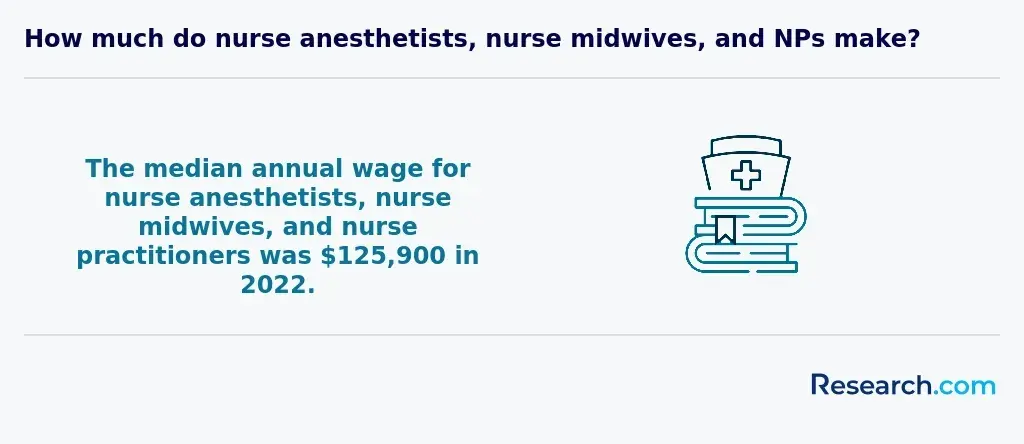
| Nurse anesthetists and nurse practitioners | Often over $130,000 annually | Advanced practice roles require additional education, certification, and licensure |
| Licensed practical nurses | Averaging around $55,000 per year | Lower average pay than RN roles, but shorter education pathway |
How to evaluate a Nevada nursing job offer
- Compare base pay, shift differentials, weekend premiums, overtime rules, and sign-on bonus conditions.
- Ask about orientation length, preceptor availability, patient ratios, floating policies, and unit turnover.
- Review health insurance, retirement contributions, tuition reimbursement, certification pay, and loan repayment options.
- Calculate take-home value after housing, commuting, parking, uniforms, licensing fees, and continuing education costs.
- Consider whether the employer supports your next step, such as an RN to BSN, LPN to RN, or MSN pathway.
How can online LPN to RN programs accelerate career advancement in Nevada?
Online LPN to RN pathways can help licensed practical nurses move toward registered nursing while continuing to work. These programs may deliver theory courses online while requiring in-person labs, simulations, and clinical placements. Nevada students should verify that any online LPN to RN program meets Nevada licensure requirements, has appropriate clinical arrangements, and prepares graduates for the NCLEX-RN.
When an online LPN to RN program makes sense
- You already hold an active LPN license and want broader RN responsibilities.
- You need scheduling flexibility because of work or family obligations.
- The program provides transparent clinical placement support in or near Nevada.
- The school is accredited and eligible for financial aid, transfer credits, and licensure preparation.
What nursing programs are available in Nevada for those interested in pursuing a career in nursing?
Nevada students can choose from CNA training, LPN programs, ADN programs, BSN programs, RN to BSN pathways, LPN to RN bridge programs, MSN programs, and advanced practice tracks. The right choice depends on your current education, desired scope of practice, budget, timeline, and willingness to complete clinical requirements. Students focused on practical nursing can begin by comparing LPN programs in Nevada.
Questions to ask before choosing a Nevada nursing program
- Is the program approved for Nevada nursing licensure?
- Is it institutionally accredited, and is the nursing program accredited by a recognized nursing accreditor?
- What are the NCLEX pass rates and completion rates?
- Where are clinical placements located, and who arranges them?
- Can prior credits, CNA experience, military healthcare training, or LPN coursework transfer?
- What is the total cost, including fees, uniforms, background checks, testing, books, and transportation?
- Does the program support working adults with evening, weekend, hybrid, or online options?
- What student support is available for tutoring, simulation lab practice, NCLEX preparation, and job placement?
What steps are needed to become an LVN in Nevada?
Nevada commonly uses the LPN title, while LVN is a term used in some other states. If you are researching LVN pathways for Nevada, focus on practical nursing requirements. You generally need to complete an approved practical nursing program, pass the NCLEX-PN, submit a licensure application, complete fingerprinting and a background check, and meet all Nevada State Board of Nursing requirements. For a dedicated walkthrough, see how to become an LVN in Nevada.
What benefits do online nursing programs offer to Nevada nurses?
Online nursing programs can be useful for Nevada learners who need flexibility, especially working LPNs, RNs returning for a BSN, or nurses preparing for graduate study. However, “online” does not always mean fully remote. Many nursing programs still require in-person labs, simulation sessions, proctored exams, or clinical experiences.
- Schedule flexibility: Online coursework can make it easier to study around shifts, childcare, and commuting.
- Access to more programs: Students in rural areas may have more options when theory courses are offered online.
- Career mobility: Online RN to BSN, LPN to RN, and MSN options can help nurses advance without leaving employment.
- Immediate workplace application: Working nurses can often apply leadership, quality improvement, and evidence-based practice concepts directly in their jobs.
- Important limitation: Clinical requirements, state authorization, and licensure eligibility must be verified before enrollment.
To compare Nevada-specific options, review the best online nursing programs in Nevada.
What are the ongoing licensure renewal and continuing education requirements for nurses in Nevada?
Nevada nurses must renew their licenses and complete required continuing education to remain in good standing. Renewal expectations are designed to keep nurses current with professional standards, patient safety practices, regulatory changes, and evolving care methods. Because requirements can change, nurses should rely on the Nevada State Board of Nursing for current instructions and deadlines.
- Track your own expiration date instead of waiting for a reminder.
- Complete approved continuing education before the renewal deadline.
- Keep documentation of CE completion in case of audit or employer review.
- Update address and contact information with the Board when required.
- Do not work if your license has expired, lapsed, or been suspended.
For a focused overview, review the requirements for nursing licensure in Nevada.
What are the education and certification pathways for advanced nursing roles in Nevada?
Advanced nursing roles in Nevada require more than RN licensure. Nurses pursuing APRN practice need graduate education, national certification, clinical preparation in a specialty population or role, and Nevada approval. These paths can lead to nurse practitioner, nurse midwife, nurse anesthetist, and clinical nurse specialist roles.
| Advanced role | Education expectation | Certification or approval focus | Common practice focus |
| Nurse Practitioner | Master’s or doctoral nursing preparation | National certification in a population focus | Assessment, diagnosis, treatment, prescribing, and ongoing patient management |
| Certified Nurse-Midwife | Graduate nursing and midwifery preparation | National midwifery certification and Nevada requirements | Reproductive health, pregnancy, birth, postpartum care, and newborn-related services |
| Certified Registered Nurse Anesthetist | Graduate-level anesthesia preparation | National certification and state approval | Anesthesia care, perioperative assessment, and pain management support |
| Clinical Nurse Specialist | Graduate education in a specialty area | Specialty certification when required or expected | Clinical expertise, staff education, quality improvement, and systems-level practice |
If nurse practitioner practice is your goal, comparing the best NP programs in Nevada can help you evaluate accreditation, clinical placement, specialty tracks, and fit with Nevada practice requirements.
How can you become a nurse midwife in Nevada?
Nurse midwifery is an advanced practice nursing specialty focused on reproductive health, pregnancy, childbirth, postpartum care, and related patient education. In Nevada, the path generally begins with RN licensure, followed by graduate-level midwifery education, supervised clinical training, national certification, and state approval. Prospective students should verify that the program is accredited, includes appropriate clinical experiences, and meets Nevada’s APRN and midwifery requirements. For a step-by-step guide, see how to become a nurse midwife in Nevada.
What financial aid and scholarship options can support your Nevada nursing education?
Nursing school costs include more than tuition. Students should plan for fees, uniforms, supplies, background checks, immunizations, drug testing, transportation to clinical sites, exam fees, and licensure costs. Financial aid can reduce out-of-pocket costs, but the best option depends on your school, enrollment status, income, academic profile, employer, and willingness to work in underserved areas.
- Federal aid: Eligible students can submit the FAFSA to access federal grants, loans, and work-study options.
- Institutional scholarships: Colleges and nursing departments may offer awards based on merit, need, residency, or program level.
- Employer tuition assistance: Hospitals and healthcare systems may help employees pay for LPN to RN, RN to BSN, or graduate nursing education.
- Loan repayment programs: Some programs support nurses who commit to working in shortage areas or public service settings.
- State and local awards: Nevada-based healthcare organizations and foundations may offer scholarships for residents or students entering high-need roles.
When comparing schools, review financial aid details, scholarship deadlines, and total program costs through resources such as the best nursing schools in Nevada.
What are the specific pathways to become a nurse practitioner in Nevada?
To become a nurse practitioner in Nevada, you generally need to become an RN first, gain appropriate clinical experience, complete a graduate NP program, earn national certification in your specialty area, and apply for advanced practice recognition through the state. The pathway is longer than entry-level RN preparation, but it can lead to greater clinical autonomy, specialized care responsibilities, and higher earning potential.
- Earn RN eligibility through an ADN or BSN pathway and pass the NCLEX-RN.
- Build clinical experience in a setting related to your intended NP population, such as family practice, acute care, pediatrics, psychiatric-mental health, or women’s health.
- Complete an accredited MSN, DNP, or post-graduate certificate program with the required clinical hours and specialty coursework.
- Pass the national certification exam for your NP specialty.
- Apply for Nevada APRN recognition and meet state requirements for practice authority and prescribing, if applicable.
For a detailed state-specific roadmap, review nurse practitioner education requirements in Nevada.
What do nurses commonly consider before working in Nevada?
Nurses evaluating Nevada often weigh opportunity against workload, location, cost of living, and practice environment. Urban areas such as Las Vegas may provide diverse patient populations, specialty units, and large healthcare systems. Smaller communities may offer closer patient relationships and strong local need, but fewer specialty employers. Before relocating or choosing a first job, compare compensation, staffing, commute, housing, career support, continuing education, and whether the employer’s culture fits your practice style.
Can nursing professionals benefit from exploring medical billing and coding career paths in Nevada?
Medical billing and coding can be a useful adjacent path for nurses or nursing students who are interested in healthcare documentation, revenue cycle processes, insurance claims, compliance, and administrative roles. It may appeal to professionals seeking less physically demanding work, remote or hybrid possibilities, or a way to use clinical knowledge outside direct bedside care. It is not a substitute for nursing licensure, but it can complement nursing experience or support a career pivot. Learn more about how to become a medical biller and coder in Nevada.
Common mistakes to avoid when becoming a nurse in Nevada
| Mistake | Why it can hurt you | Better approach |
| Choosing a school without checking approval or accreditation | You may face licensure delays, credit-transfer problems, or employer concerns | Verify approval, accreditation, NCLEX outcomes, and state authorization before enrolling |
| Looking only at tuition | Fees, supplies, clinical travel, testing, and lost work hours can change the real cost | Build a full cost estimate and compare financial aid, scholarships, and employer support |
| Assuming online means no in-person requirements | Nursing programs often require labs, simulations, proctored exams, or clinical placements | Ask exactly where and when in-person requirements occur |
| Ignoring clinical placement support | Delayed clinicals can delay graduation and NCLEX eligibility | Confirm whether the school secures placements or expects students to find their own |
| Assuming Nevada accepts compact licenses | Nevada is not yet an NLC member, so compact privileges do not automatically apply | Apply for Nevada licensure before practicing in the state |
| Relying only on rankings | A highly ranked program may not fit your schedule, budget, location, or career goal | Use rankings as one input, then compare outcomes, fit, cost, and licensure alignment |
| Assuming salary outcomes are guaranteed | Pay depends on employer, experience, shift, specialty, region, and market conditions | Check current job postings, benefits, differentials, and local cost of living |
How to make a smart decision about nursing school in Nevada
- Start with your target role. Decide whether CNA, LPN, RN, BSN-prepared RN, or APRN practice fits your timeline and career goals.
- Confirm licensure alignment. Ask the program directly whether graduates are eligible for Nevada licensure and the relevant NCLEX exam.
- Compare total cost and debt. Include tuition, fees, books, uniforms, technology, transportation, background checks, and licensing costs.
- Review outcomes. Look for NCLEX pass rates, completion rates, job placement support, and student support services.
- Evaluate clinical logistics. Clinical placement quality, distance, schedule, and supervision can strongly affect your experience.
- Plan your next step early. If you start with CNA or LPN training, identify bridge options. If you choose ADN, consider whether and when you may need a BSN.
- Talk to employers. Local hospitals, clinics, and long-term care facilities can tell you which credentials they prefer and whether they offer tuition assistance.
Related Articles for Nearby States
- 2027 How to Become a Nurse in California
- 2027 How to Become a Nurse in Oregon
- 2027 How to Become a Nurse in Idaho
- 2027 How to Become a Nurse in Arizona
- 2027 How to Become a Nurse in Utah
- 2027 How to Become a Nurse in Washington
- 2027 How to Become a Nurse in Montana
- 2027 How to Become a Nurse in Wyoming
- 2027 How to Become a Nurse in Colorado
- 2027 How to Become a Nurse in New Mexico
References:
- Nevada Nursing Board (n.d.). Nurse Licensure Compact information.
- Nevada Health Workforce (2023). Health Workforce in Nevada: A Chartbook – 2023 Edition.
- U.S. Bureau of Labor Statistics. (2023). Occupational Outlook Handbook: Registered Nurses.
Key Insights
- To become a nurse in Nevada, you need approved education, the correct NCLEX exam, a Nevada Board application, fingerprinting, and ongoing license renewal compliance.
- Nevada is not currently part of the Nurse Licensure Compact, so out-of-state compact nurses must obtain Nevada licensure before practicing in the state.
- An ADN can be a faster route to RN practice, while a BSN may provide stronger long-term mobility for leadership, graduate school, and some employer preferences.
- Salary and job-growth figures for Nevada nurses are promising, but they vary by source, year, region, role, and employer. Always compare current job postings and local cost of living.
- Online nursing programs can help working adults advance, but students must verify clinical requirements, accreditation, Nevada eligibility, and placement support before enrolling.
- The best nursing path is not always the fastest one. Choose based on licensure eligibility, total cost, clinical quality, schedule fit, career goals, and the next credential you may need.
Other Things You Need to Know About Nursing in Nevada
To become a nurse in Nevada in 2027, you must complete an accredited nursing program, such as an Associate Degree in Nursing (ADN) or a Bachelor of Science in Nursing (BSN). After graduation, you must pass the NCLEX-RN exam to obtain licensure.
Becoming a nurse in Nevada requires not only a solid educational foundation but also effective preparation for the NCLEX-RN exam, which is essential for licensure. Here are some useful tips and resources to help you succeed in your nursing career in the Silver State.
- NCLEX Preparation Courses: Enrolling in NCLEX preparation courses can significantly enhance your chances of passing the exam on your first attempt. Many institutions in Nevada offer review courses tailored to the NCLEX format. These courses often include comprehensive content reviews, practice questions, and test-taking strategies.
- Time Management: Effective time management is essential during your studies. Creating a study schedule that allocates specific times for review, practice tests, and breaks can help maintain focus and reduce stress. The Nevada State Board of Nursing recommends dedicating at least 6-8 weeks of focused study time before the exam.
- Professional Organizations: Joining professional organizations such as the Nevada Nurses Association (NNA) can provide networking opportunities, access to continuing education, and resources tailored to Nevada's nursing landscape. The NNA also offers mentorship programs that can guide new nurses through their early careers.
By leveraging these resources and strategies, aspiring nurses in Nevada can enhance their readiness for both the NCLEX and their future nursing careers.


